Our verdict
An Italian restaurant in Ashiya's quiet residential quarter, イタリア料理 今井 sits within a city better known for understated precision than culinary spectacle. Ashiya occupies a narrow band between Kobe and Nishinomiya, and its dining culture reflects that positioning: smaller rooms, considered menus, and a preference for craft over volume. For Italian cooking in this register, 今井 is a address worth knowing.

Pearl is the En Primeur Club membership app, where members save venues, book tables and use the concierge.
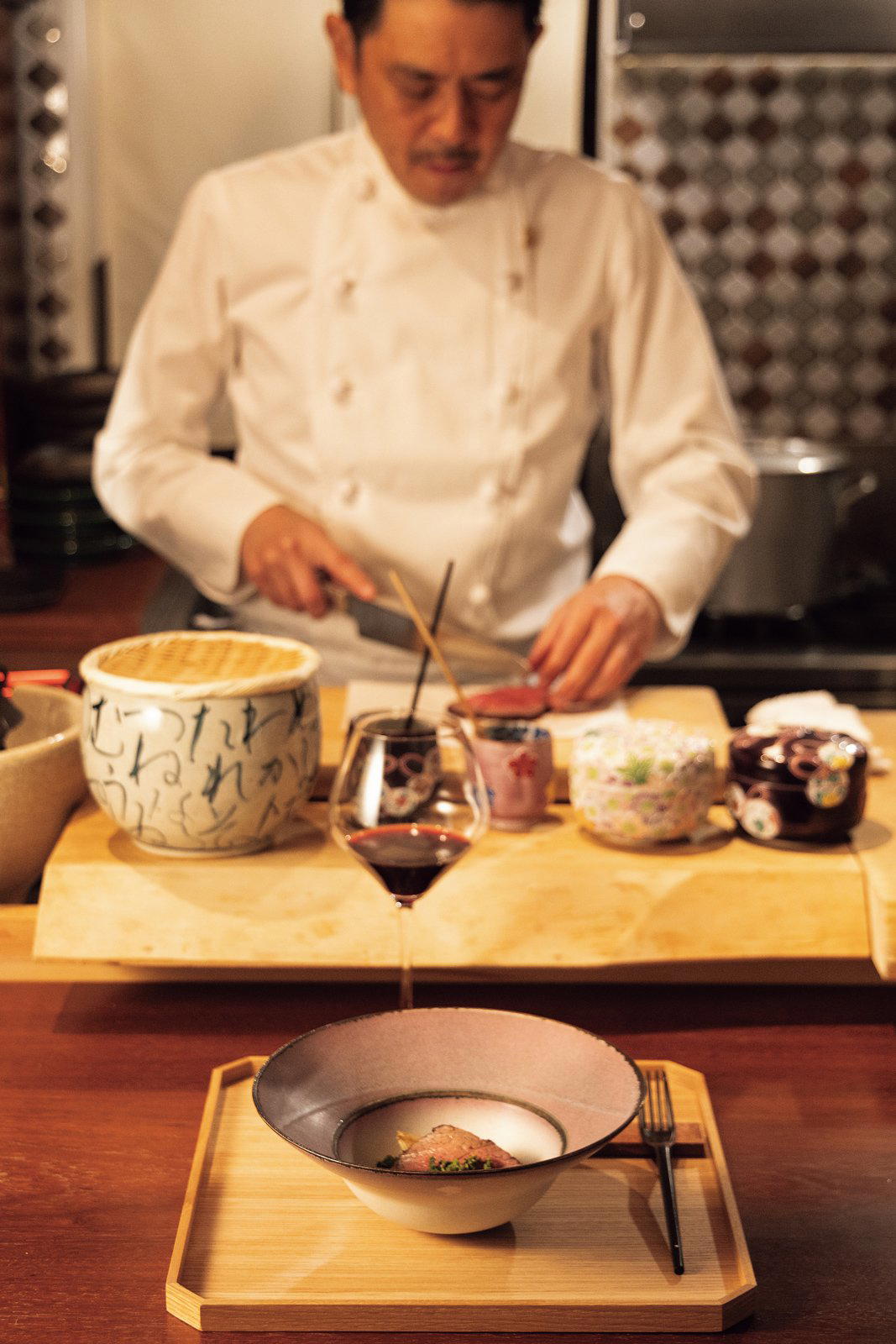
Italian Cooking in Ashiya: A Question of Provenance
Ashiya is not a city that announces itself. Wedged between Kobe's port energy and Nishinomiya's commuter sprawl, it has historically attracted a quieter kind of wealth, old money, residential discretion, and dining rooms that prioritise return guests over foot traffic. Italian restaurants in this context operate differently from their counterparts in Osaka or central Kyoto. The audience is local, the expectations are calibrated, and the margin for imprecision is narrow. Imai sits in this environment, at 10-21 Kinmitsucho, a residential address that signals its priorities before you reach the door.
Across the Kansai region, the Italian dining tier has fragmented considerably over the past decade. At the high end, venues like HAJIME in Osaka operate at a distance from any single cuisine label, while mid-tier Italian rooms in smaller cities often hold steady by focusing on ingredient sourcing and format discipline rather than innovation for its own sake. Imai belongs to this second category, a neighbourhood-anchored room where what arrives on the plate is more likely to reflect the morning's market than a rotating concept menu.
The Sourcing Argument for Regional Italian
The most durable Italian restaurants outside Italy's borders tend to share a common thread: they treat sourcing as the primary editorial decision, not plating or technique. In Japan, this argument has particular resonance. The country's agricultural prefectures supply vegetables, proteins, and dairy that frequently exceed the quality available to equivalent European kitchens, not because Japan grows Italian produce, but because Japanese farmers apply the same attention to provenance that Italian producers apply to theirs. The result, in rooms like this one, is Italian cooking that reads as Japanese in its discipline without misrepresenting either tradition.
Ashiya's proximity to the Seto Inland Sea means access to seafood markets that supply Kobe's most precise kitchens. Hyogo Prefecture's agricultural output, particularly its root vegetables and specialty proteins, feeds into the dining culture of this corridor in ways that rarely appear on menus explicitly but show up in texture and flavour consistency. For an Italian kitchen operating in this geography, that supply chain is an asset that justifies the residential address. Compare this to akordu in Nara, where a similar logic applies: European cooking traditions reframed through hyper-local Japanese sourcing, producing something that sits outside easy category definitions.
Where Imai Sits in Ashiya's Dining Picture
Ashiya's restaurant count is modest by Japanese city standards, which means the competitive set is visible and the positioning choices are clear. Tempura Sakurabito represents the Japanese fine-dining tier in the city, operating in the JPY 20,000–29,999 bracket with a format built around precision Japanese technique. シェ・モリ and 壱(にのまえ) round out a small but coherent picture of a city that prefers depth to breadth in its dining options. Abon adds further texture to the western end of the city's offering.
Within this picture, Imai occupies the Italian niche, a category that in a city of Ashiya's size typically means one serious contender rather than several. That position carries its own logic: the room has to serve the neighbourhood's expectations rather than compete for tourist traffic. It is a more demanding audience in some respects, because local regulars are harder to impress with novelty and quicker to register a drop in consistency.
For readers building a broader Kansai itinerary, the full context is available in our Ashiya restaurants guide, which maps the city's dining culture against its neighbours. Reference points elsewhere in the region, Gion Sasaki in Kyoto and Goh in Fukuoka, illustrate how Japanese regional cities sustain serious cooking without metropolitan-scale foot traffic.
The Format and What It Implies
Italian restaurants in Japanese residential neighbourhoods tend toward a particular format: intimate room counts, set-menu or semi-set structures, and an evening pace that runs longer than the covers would suggest. What the address and city context imply is a room built for deliberate dining rather than throughput, the Kinmitsucho location does not suggest a high-volume operation.
For comparison, the Italian fine-dining rooms that have accumulated the most sustained recognition in Japan, including those that hold or have held Michelin recognition in Osaka and Kyoto, share a consistent characteristic: they operate small, book ahead, and price at a level that signals seriousness without the maximalist theatre of destination tasting menus. Harutaka in Tokyo illustrates how a small-room format in an unmarked address can function as a trust signal in itself, placing the emphasis entirely on what is served rather than where.
Planning Your Visit
Ashiya Station on the Hankyu Kobe Line connects the city efficiently to both Osaka and Kobe, with journey times that make Ashiya a realistic dinner destination from either centre without requiring an overnight stay. The address at 10-21 Kinmitsucho is a short taxi or walk from the station, though the residential streetscape means navigation benefits from confirmed directions in advance. Given the room's likely scale and local clientele, booking ahead is the correct assumption regardless of the day of the week, smaller Italian rooms in this city tier do not carry excess capacity.
For readers extending further into the region or beyond, additional reference points include Birdland in Sakai and venues across prefectures including restaurants in Nanao and Sapporo. For those interested in how Italian cooking translates at the highest levels internationally, Le Bernardin in New York City and Atomix in New York City offer instructive contrast in how European culinary traditions perform in non-European contexts, questions that Italian cooking in Ashiya raises in its own quieter register. Further regional context comes from venues including restaurants in Takashima and Nishikawa Machi.
Frequently asked questions
Is イタリア料理 今井 good for families?
Italian restaurants in Ashiya's residential neighbourhoods tend to run intimate room counts with set or semi-set menu formats, which suits couples and small adult groups more naturally than large family parties. The address at 10-21 Kinmitsucho places it in a quiet residential part of Ashiya, away from the busier commercial strips, suggesting a calm, unhurried atmosphere. Families with older children who are comfortable with a structured dining format should find it workable, though the venue does not publicly advertise family-specific facilities.
What kind of setting is イタリア料理 今井?
The restaurant is located at 10-21 Kinmitsucho in Ashiya, a city that sits between Kobe's port energy and Nishinomiya's commuter sprawl and has historically attracted a quieter, residential character. That neighbourhood context typically produces compact dining rooms built for a regular local clientele rather than passing tourist traffic. The format aligns with the pattern common to Italian restaurants in Japanese residential areas: small room counts and a considered, unhurried pace.
Is イタリア料理 今井 in Ashiya accessible from Osaka or Kobe by train?
Ashiya Station on the Hankyu Kobe Line connects the city to both Osaka and Kobe, with journey times short enough to make Ashiya a realistic dinner destination from either city on the same evening. The restaurant's address at 10-21 Kinmitsucho, Ashiya, Hyogo 659-0065 is within the city's residential interior, so a short taxi or walk from the station is expected. This positioning is part of what keeps the clientele predominantly local and the atmosphere distinctly neighbourhood-scale rather than destination-driven.
What's the must-try dish at イタリア料理 今井?
Specific menu details for イタリア料理 今井 are not on public record, which is common for smaller Italian restaurants in Ashiya that change their offerings according to season and sourcing. The most durable Italian restaurants outside Italy tend to treat sourcing as their primary editorial decision, so the strongest dishes at any given visit are likely to reflect what is currently available from Japanese and Italian suppliers. Contacting the restaurant directly before your visit is the most reliable way to understand the current menu focus.
What's the address for イタリア料理 今井?
イタリア料理 今井 is located at 10-21 Kinmitsucho, Ashiya, Hyogo 659-0065, Japan, Ashiya.
Should I book イタリア料理 今井 in advance?
Ashiya has a modest restaurant count relative to Kobe or Osaka, which means the better-regarded rooms fill quickly among locals who return regularly. Small Italian restaurants in residential Japanese neighbourhoods characteristically operate with limited covers, making walk-in availability on weekends unlikely. Booking ahead is the practical approach, though the restaurant's contact details are not on public record and may need to be sourced locally or via aggregator platforms.
A Quick Peer Check
Comparable venues nearby, for context on price, style, and recognition.
| Venue | Cuisine | Price | Awards | Notes |
|---|---|---|---|---|
| イタリア料理 今井This venue (the venue you are viewing) | Japanese-Infused Italian Fine Dining | $200–300 | Not listed | Not listed |
| シェ・モリ | Modern French with Japanese Seasonal Ingredients | $150–200 | Not listed | Uchide |
| Abon | Kushikatsu (Deep-fried Skewers) | $500+ | Tabelog Silver #1 | Uchide |
| 壱(にのまえ) | Traditional Japanese Omakase Kaiseki | $200–300 | Not listed | Ashiya |
| Ristorante Bellini | Riverside Italian fine dining | $50–100 | Tabelog 100 #17 | Ashiya |
| Bigo no Mise Honten | Japanese Bakery | $1–10 | Tabelog 100 #41 | Ashiya |
Continue exploring
More in Ashiya
Restaurants in Ashiya
All restaurants in Ashiya →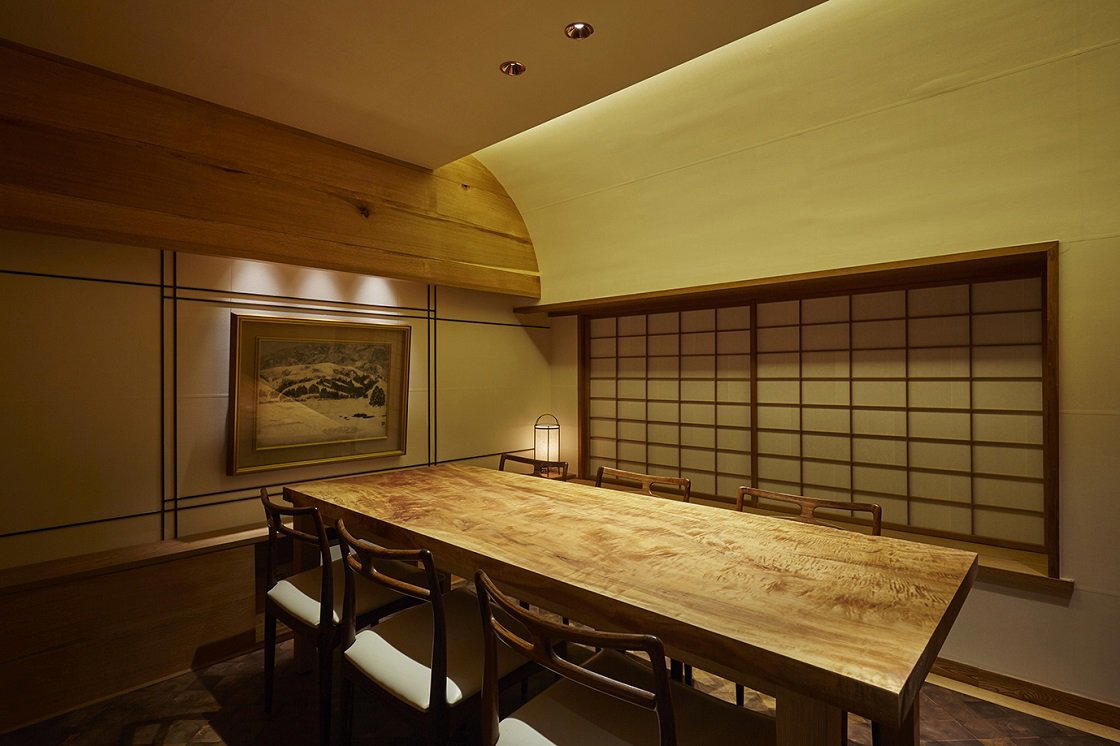


Bars in Ashiya
Browse all →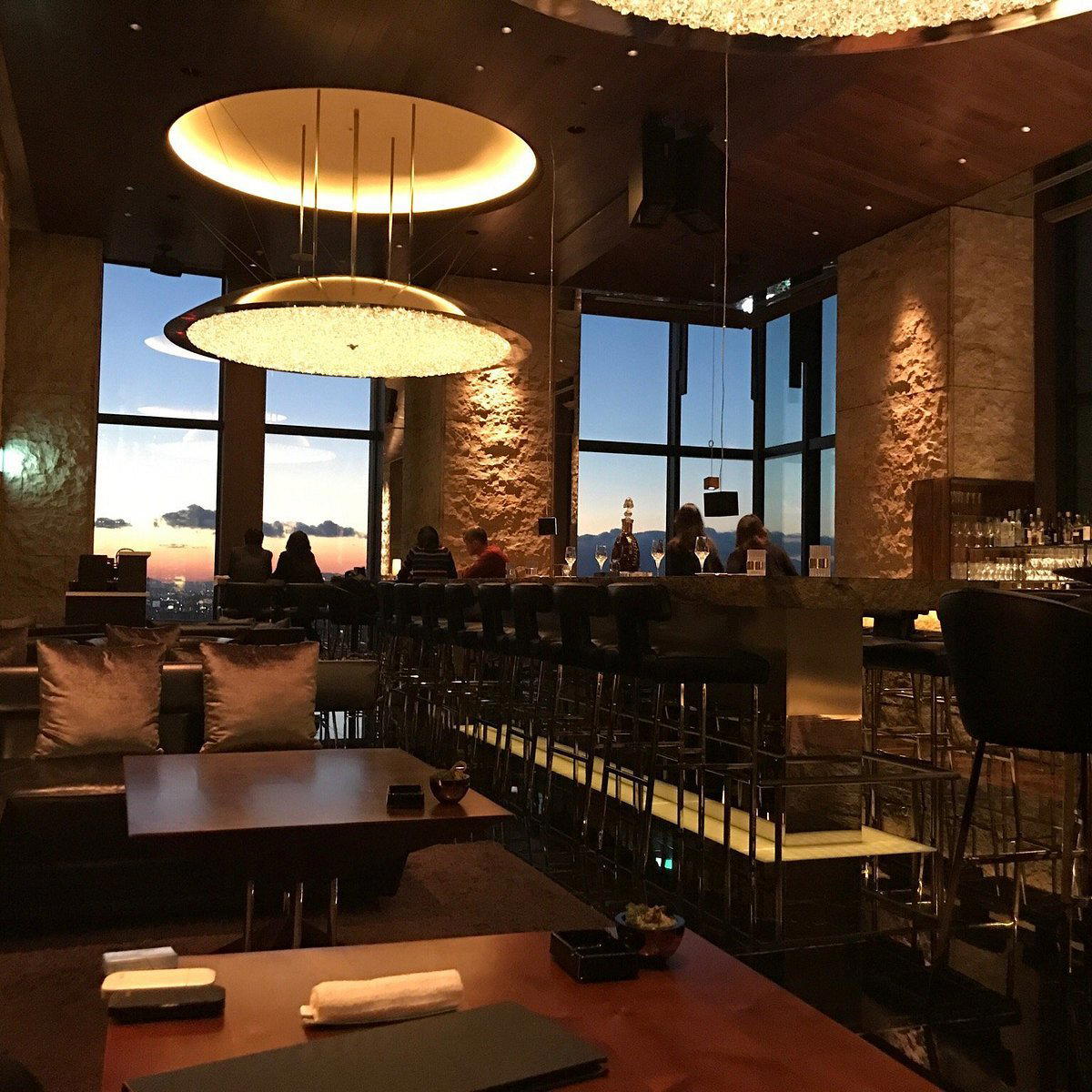



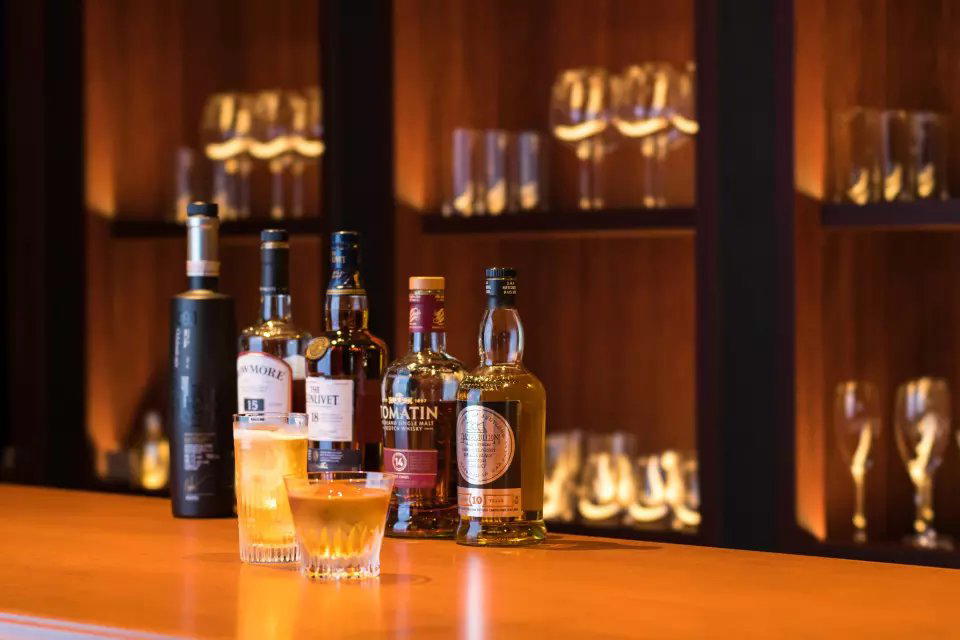
Hotels in Ashiya
Browse all →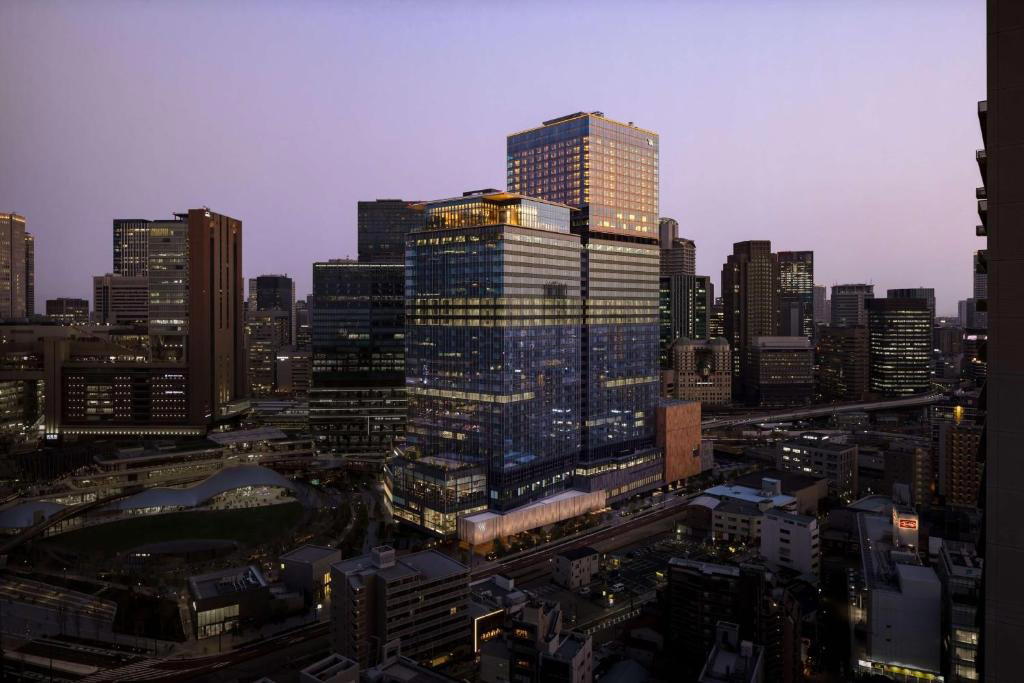


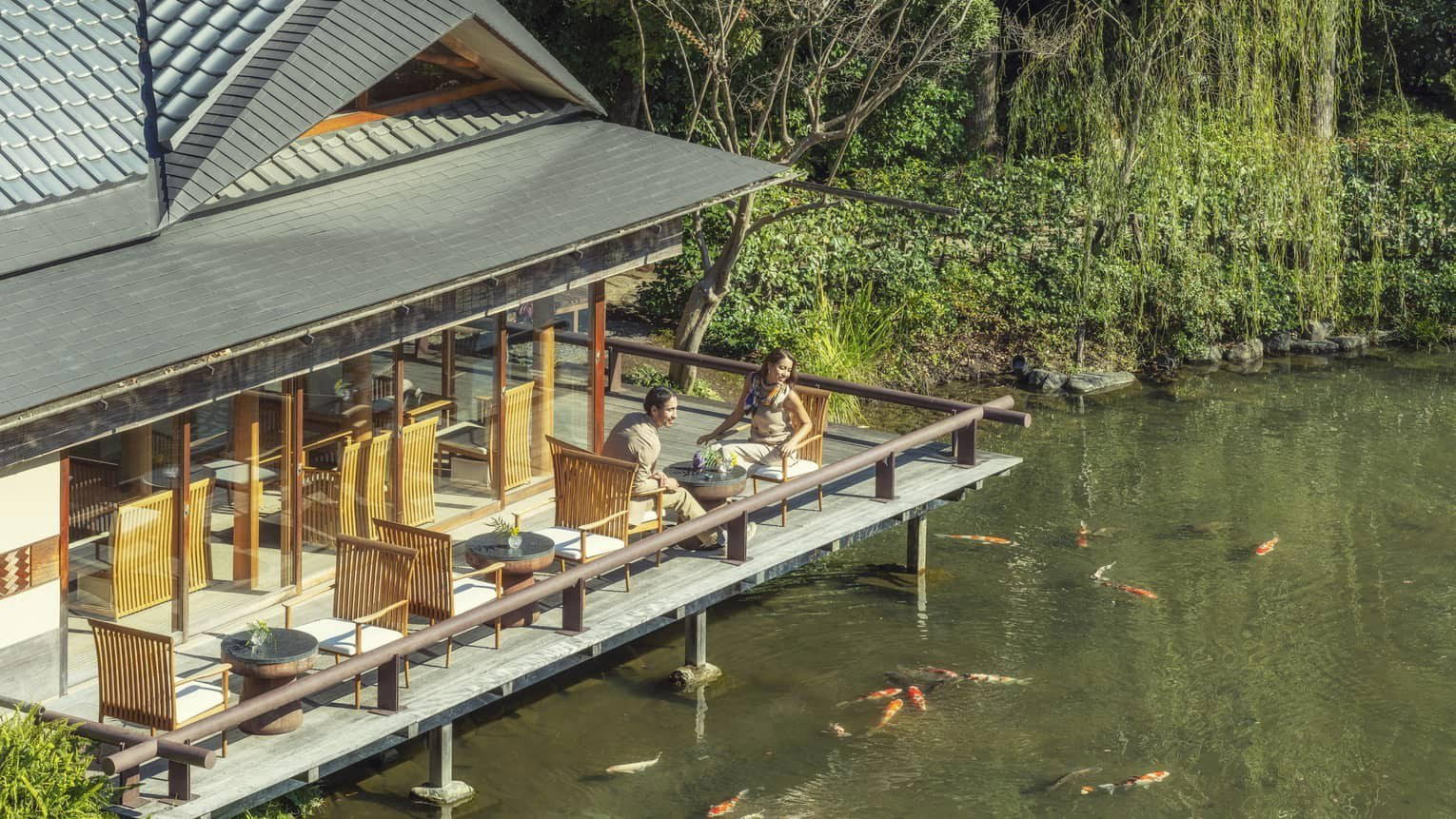
Wineries in Ashiya
Browse all →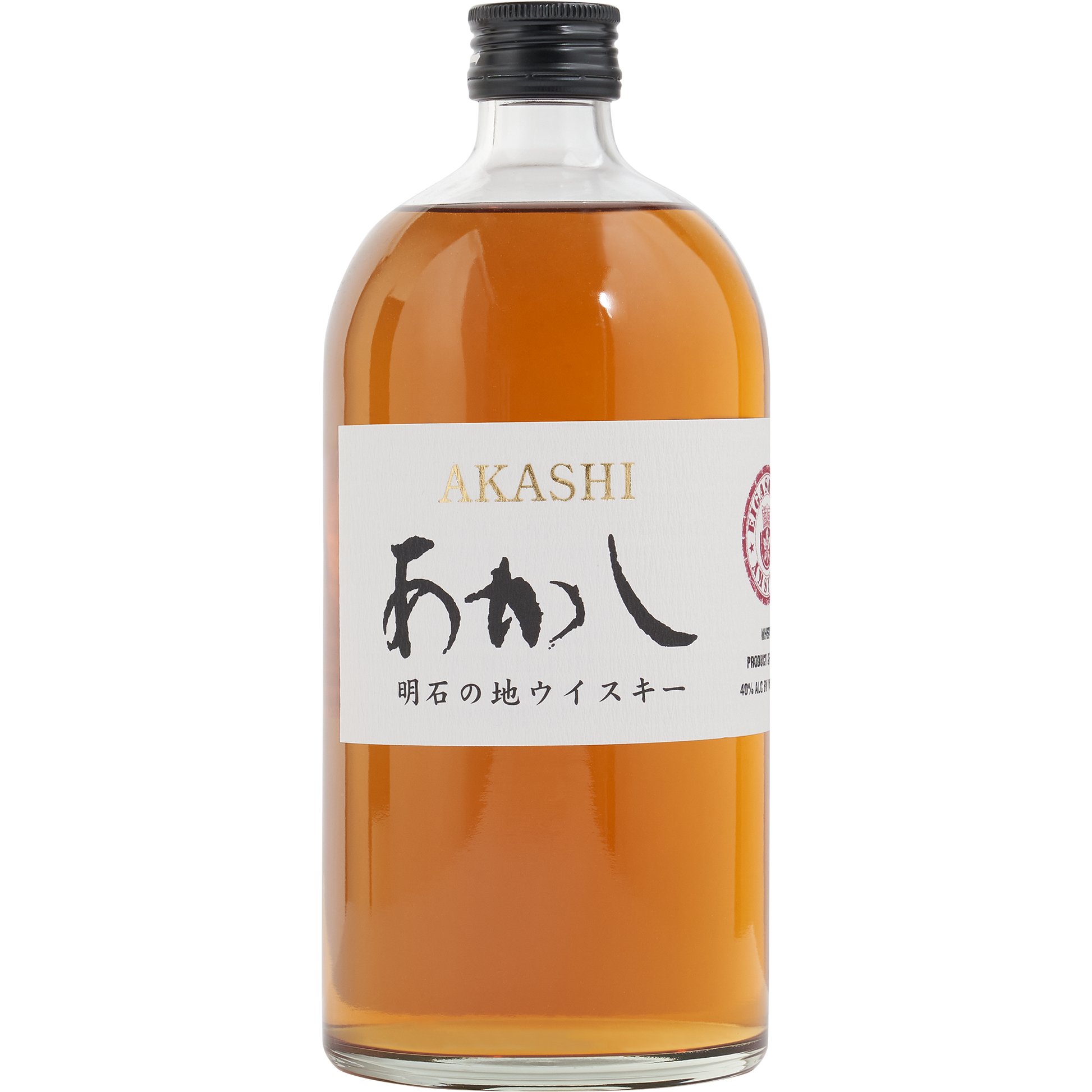

Details
- Intimate
- Elegant
- Sophisticated
- Date Night
- Special Occasion
- Chefs Counter
- Open Kitchen
- Sake Program
- Sommelier Led
- Local Sourcing
- Tasting Menu
- Wine Pairing
Current opening hours
- Monday
- 5–11 PM
- Tuesday
- 5–11 PM
- Wednesday
- 5–11 PM
- Thursday
- 5–11 PM
- Friday
- 5–11 PM
- Saturday
- 5–11 PM
- Sunday
- 5–11 PM
Hours can change for holidays and private events. Hours as of .
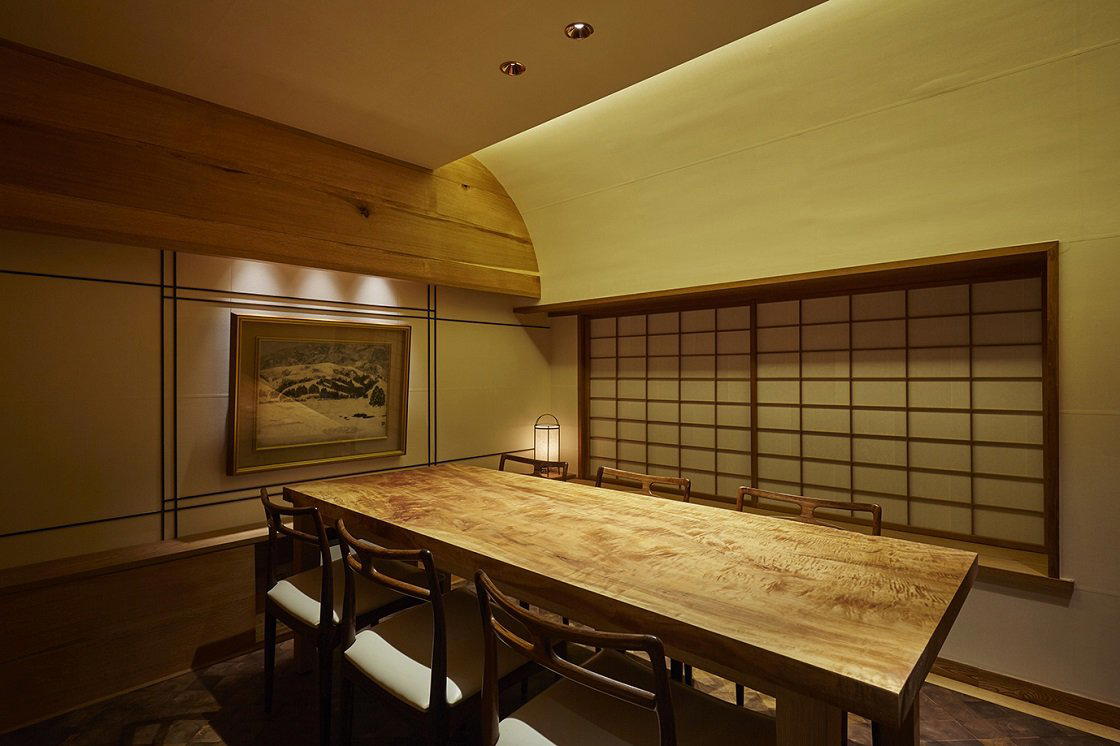
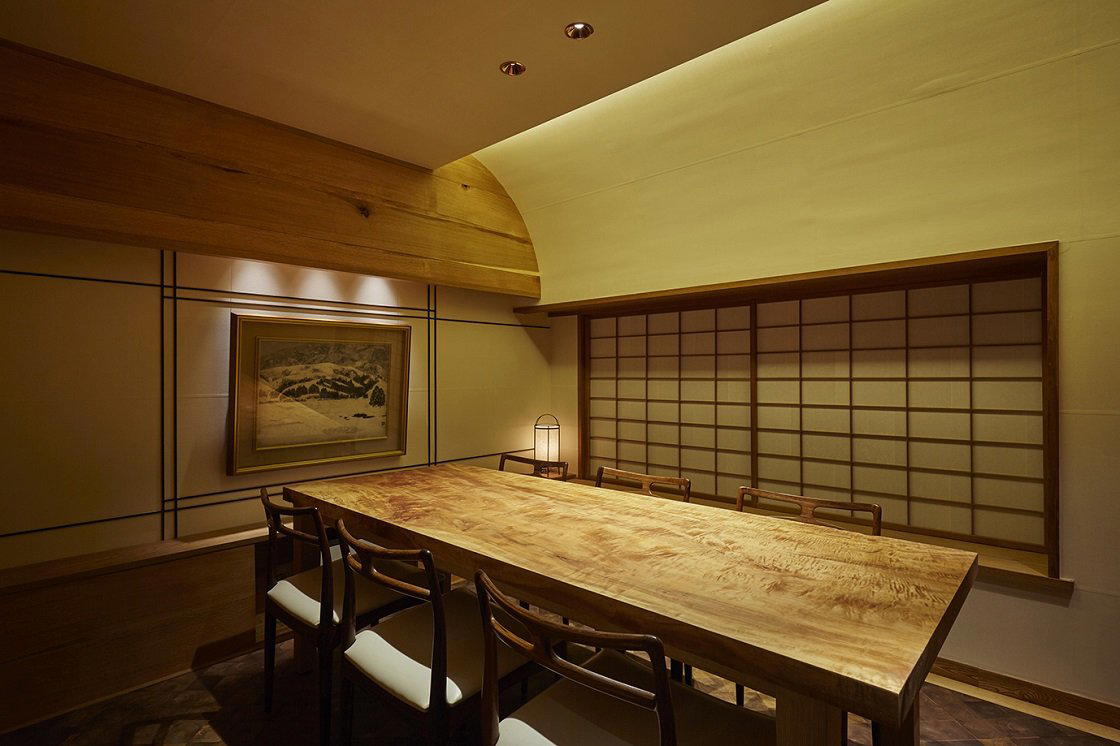
Calm, intimate counter seating around the kitchen with wood and tile accents, fostering a serene and focused atmosphere.