Our verdict
In the quiet residential quarter of Ashiya's Omasucho district, 壱(にのまえ)represents the kind of address that Kansai's serious dining community keeps close.

Pearl is the En Primeur Club membership app, where members save venues, book tables and use the concierge.
The menu
What to order
- Grilled preparations
- Handmade wagashi
Ashiya's Quiet Register of Serious Dining
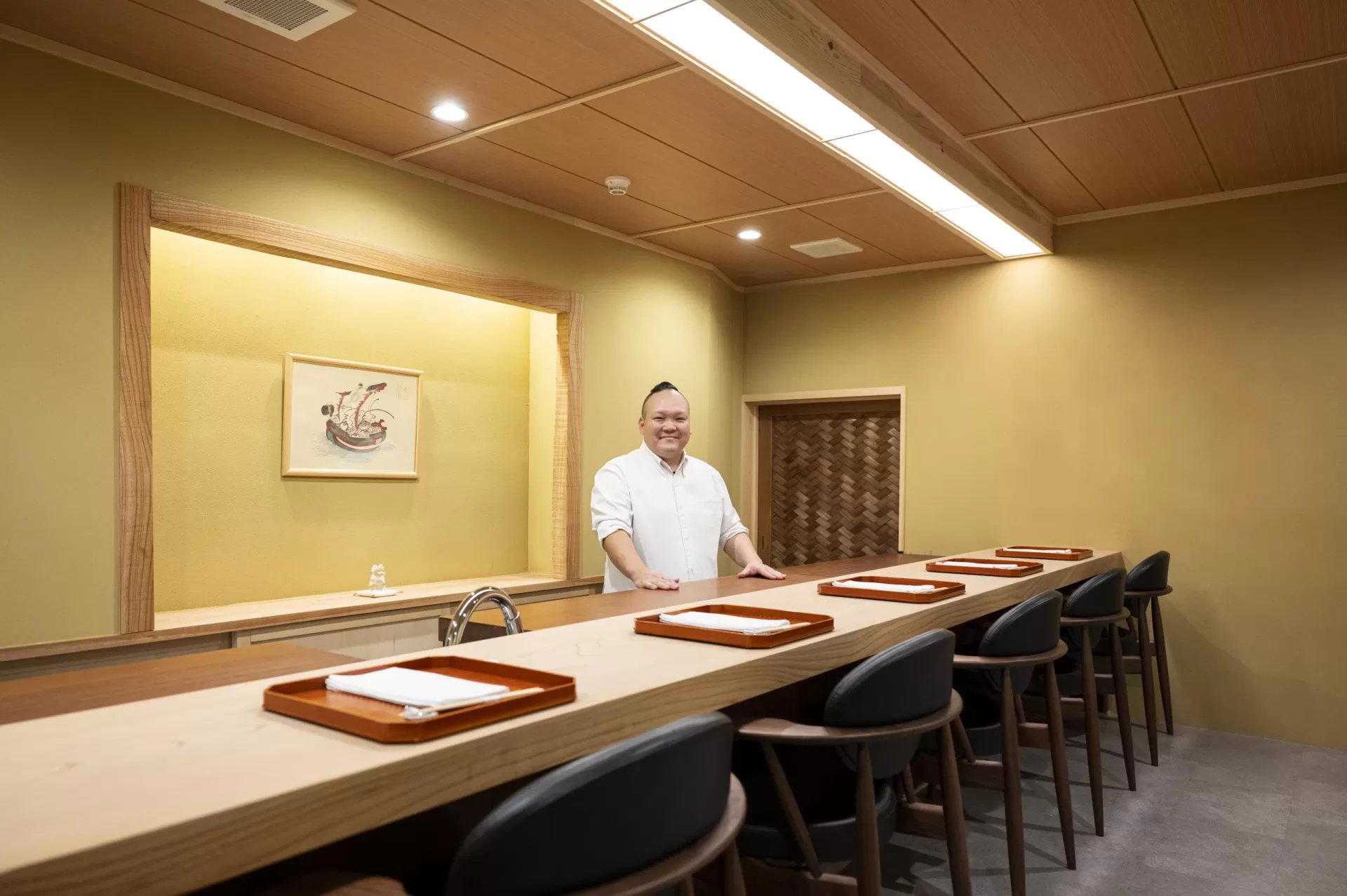
There is a particular architectural grammar to Kansai's most considered restaurants. They do not announce themselves. The address in Omasucho, a residential fold of Ashiya between the wooded hills of the Rokko range and the low shoreline of Osaka Bay, follows that grammar precisely. 壱(にのまえ)occupies a modest building on a street where the ambient sound is birdsong rather than traffic, and where arriving by foot from Ashiya Station involves a short walk through the kind of neighbourhood that gives no signal of what it contains. That deliberate invisibility is not a marketing posture. It reflects a structural fact about how a certain class of Japanese restaurant positions itself: not against other restaurants, but against the noise of the hospitality industry itself.
Ashiya sits between Kobe and Osaka in a way that is geographically tidy but experientially distinct from both. It does not have the dense counter culture of Namba or the tourist-facing kaiseki formality of Higashiyama. What it has is a concentration of low-profile, high-conviction dining rooms that serve residents and regulars who already know what they want. Restaurants like Abon, Imai, and Tempura Sakurabito, Tempura Sakurabito anchoring the JPY 20,000–29,999 tier with a focused Japanese format, reflect a local dining character that rewards repeat visits over one-time discovery. 壱(にのまえ)belongs to that register.
The Architecture of the Meal
Japanese dining at this level of discretion is governed by ritual more than menu. The omakase format, in its most disciplined expression, removes negotiation from the table entirely. The guest arrives, sits, and defers to a sequence determined by the kitchen, a pacing that can feel unfamiliar to diners trained on à la carte optionality, but which, once accepted, produces a kind of concentrated attention that is difficult to replicate elsewhere. The meal becomes a duration rather than a transaction.
This pacing has a counterpart in the physical environment. The address at カサリナ7, 3-16 Omasucho, is a specific and untheatrical location: no grand entrance, no valet concourse, no lobby designed to signal arrival. The framing of the space does the work that would otherwise be done by signage. At restaurants operating within this tradition, the room itself, its proportions, its silence, its light, functions as the first course.
For diners who come from the dense counter culture of central Osaka (where venues like HAJIME carry Michelin weight into a very different scale of production) or from Tokyo's omakase hierarchy (where Harutaka represents the kind of three-star sushi counter that books months in advance), 壱(にのまえ)operates at a remove from both. It is not competing in the recognition economy of starred restaurants. It is operating in a parallel track where the measure of seriousness is self-containment rather than external validation.
Ritual as Editorial Stance
The absence of published information about 壱(にのまえ)is not a data gap, it is a structural choice that mirrors the etiquette it expects from guests. In Japan, a restaurant that publishes no phone number and maintains no website is communicating something about who it serves and how. It is serving a community that already knows, rather than broadcasting to a community that might. This places it in the same conceptual category as certain Kyoto establishments, Gion Sasaki among them, where the entry mechanism is relationship rather than reservation system.
The implication for first-time visitors is practical: access is through local knowledge, personal introduction, or the kind of concierge network that operates at high-end hotels in Ashiya and Kobe. This is not an obstacle to frame negatively. It is a structural filter that keeps the dining room at the temperature its kitchen requires.
That consistency has analogues in other parts of Japan's dining geography. In Nara, akordu operates with a similarly contained format. In Fukuoka, Goh represents the kind of destination-worthy conviction that exists outside the obvious cities. The pattern is consistent: serious kitchens in secondary-tier Japanese cities often develop a more concentrated identity precisely because they are not playing to tourist traffic.
Where Ashiya Sits in the Regional Picture
For visitors orienting themselves across the Kansai dining map, Ashiya functions as a deliberate detour rather than a main stage. The city's restaurant community, which also includes イタリア料理 今井 on the Italian end and シェ・モリ on the French side, covers a range of idioms without the density of Osaka or the tourist infrastructure of Kyoto. The town is residential and affluent, with a dining culture shaped by a local clientele that expects quality without spectacle.
That profile suits 壱(にのまえ)well. The restaurant's Hyogo address places it within reach of Kobe's dining community and a short rail journey from Osaka, yet the Ashiya atmosphere keeps it insulated from the kind of high-volume foot traffic that would alter its character. Visitors arriving specifically for the restaurant are likely already embedded in the network that made the booking possible.
For context on how Japan's most considered restaurants handle the relationship between access and exclusivity, the contrast with western formats is instructive. At Le Bernardin in New York or Atomix, the reservation infrastructure is extensive and public-facing. At 壱(にのまえ)and its closest Japanese peers, the infrastructure is invisible because it operates through social rather than digital architecture.
Planning a Visit
Reaching the restaurant from central Osaka or Kobe involves Ashiya Station on the JR Kobe Line, followed by a short journey into the Omasucho residential area. The Hankyu Ashiya-gawa Station on the Hankyu Kobe Line provides an alternative arrival point for those coming from the Umeda direction. Neither route is complicated, but neither should be arranged without a confirmed booking already in place. Given that the restaurant publishes no contact information in public channels, prospective visitors should approach through a hotel concierge in the Kobe-Ashiya corridor or through an existing relationship with the restaurant's network. Timing the visit around Kansai's shoulder seasons, spring before the cherry blossom peak and autumn before the November crowds, offers the most comfortable conditions in this part of Hyogo Prefecture. See our full Ashiya restaurants guide for a broader map of what the city offers across formats and price points.
Frequently asked questions
What part of town is 壱(にのまえ) in?
壱(にのまえ) is located at Japan, 〒659-0066 Hyogo, Ashiya, Omasucho, 3−16 カサリナ7, Ashiya.
Why is 壱(にのまえ) located in Ashiya rather than central Osaka or Kobe?
Ashiya occupies a deliberate position between Osaka and Kobe on the JR Kobe Line, historically associated with discretion and residential affluence rather than commercial dining density. Restaurants in the Omasucho district, where 壱(にのまえ) sits at 3-16 カサリナ7, tend to serve a local clientele that prefers proximity and privacy over a city-centre address. The choice of location is itself a signal about the kind of dining the restaurant offers.
What's the signature dish at 壱(にのまえ)?
No specific dish is published by the restaurant, which is consistent with the omakase format common at this level of Kansai dining. In an omakase setting, the menu is determined by the chef on the day, shaped by seasonal availability rather than fixed offerings. Guests visiting 壱(にのまえ) at its Omasucho, Ashiya address should expect the kitchen to set the direction entirely.
What's the best way to book 壱(にのまえ)?
No phone number or website is listed for 壱(にのまえ), which is typical of Ashiya's most private dining addresses. At restaurants of this kind in the Kansai region, reservations are commonly arranged through personal introduction or via hotel concierge in Kobe or Osaka. Reaching out through a well-connected local contact remains the most reliable route.
What's 壱(にのまえ) best at?
壱(にのまえ)operates within the tradition of understated, counter-based dining that Kansai's residential dining districts have long produced. The restaurant's Omasucho address in Ashiya places it among venues that prioritise the meal itself over visibility or profile. Its strength lies in that deliberate remove from the more frequented dining corridors of Osaka and Kobe.
Is 壱(にのまえ) allergy-friendly?
No allergy or dietary information is published by the restaurant. In the omakase format, dietary requirements are typically communicated at the point of reservation rather than managed through a written menu. Given the private nature of 壱(にのまえ)'s Ashiya address, guests with serious allergies should raise this directly when securing a booking.
Cuisine Context
Comparable venues nearby, for context on price, style, and recognition.
| Venue | Cuisine | Price | Awards | Notes |
|---|---|---|---|---|
| 壱(にのまえ)This venue (the venue you are viewing) | Traditional Japanese Omakase Kaiseki | $200–300 | Not listed | Not listed |
| Tempura Sakurabito | Modern Tempura Omakase | $150–200 | Tabelog Bronze #383 | Ashiya |
| Kiichi | Traditional Sushi Omakase Counter | $100–150 | Tabelog 100 #83 | Omasucho, Ashiya |
| Abon | Kushikatsu (Deep-fried Skewers) | $500+ | Tabelog Silver #1 | Uchide |
| Shokudo Kifune | Cozy Ashiya izakaya with deep-fried dishes and ramen | $30–50 | Tabelog 100 #22 | Ashiya |
| Imai | Modern Italian Fine Dining | $200–300 | Tabelog Bronze #131 | Kōmitsu-cho |
Continue exploring
More in Ashiya
Restaurants in Ashiya
All restaurants in Ashiya →


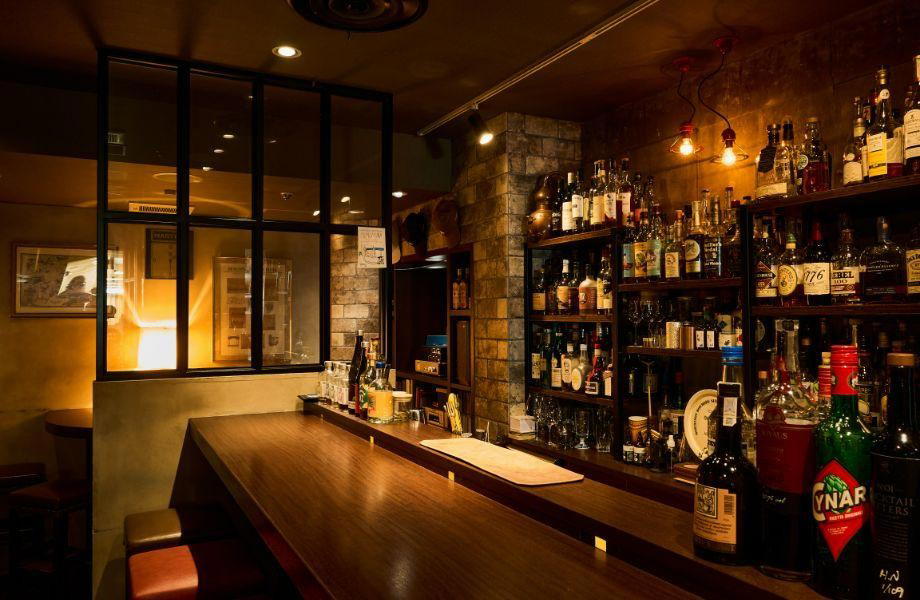
Bars in Ashiya
Browse all →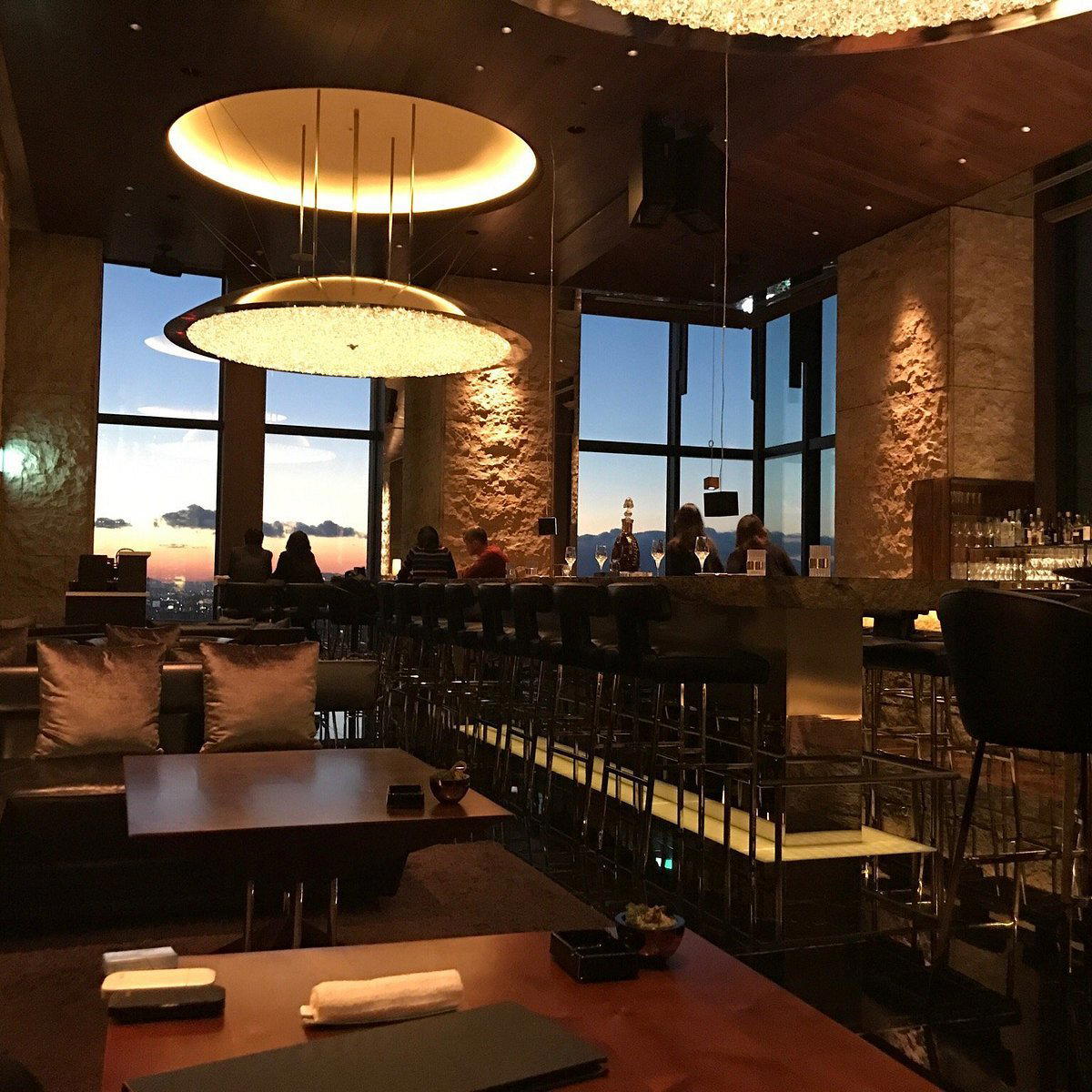



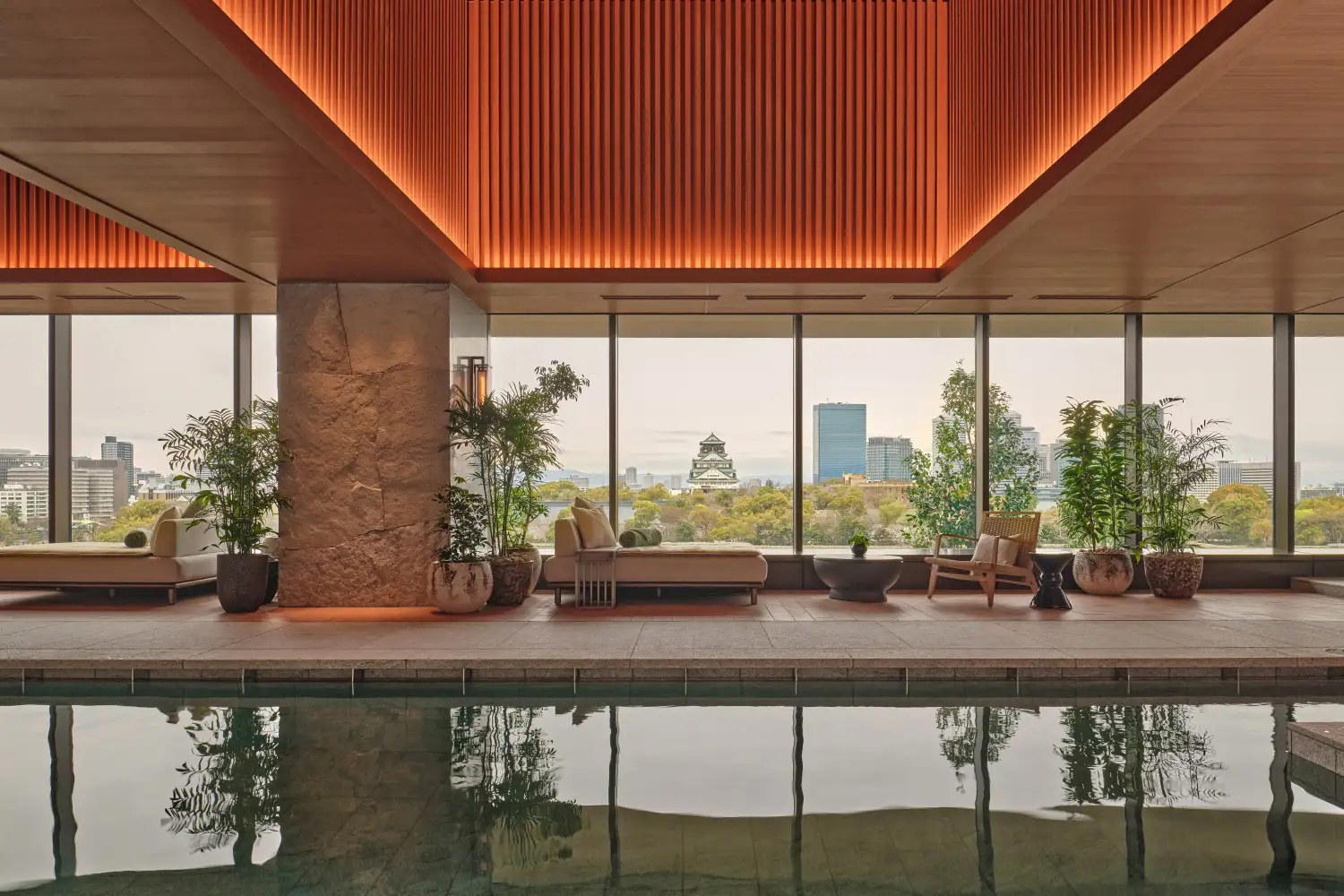
Hotels in Ashiya
Browse all →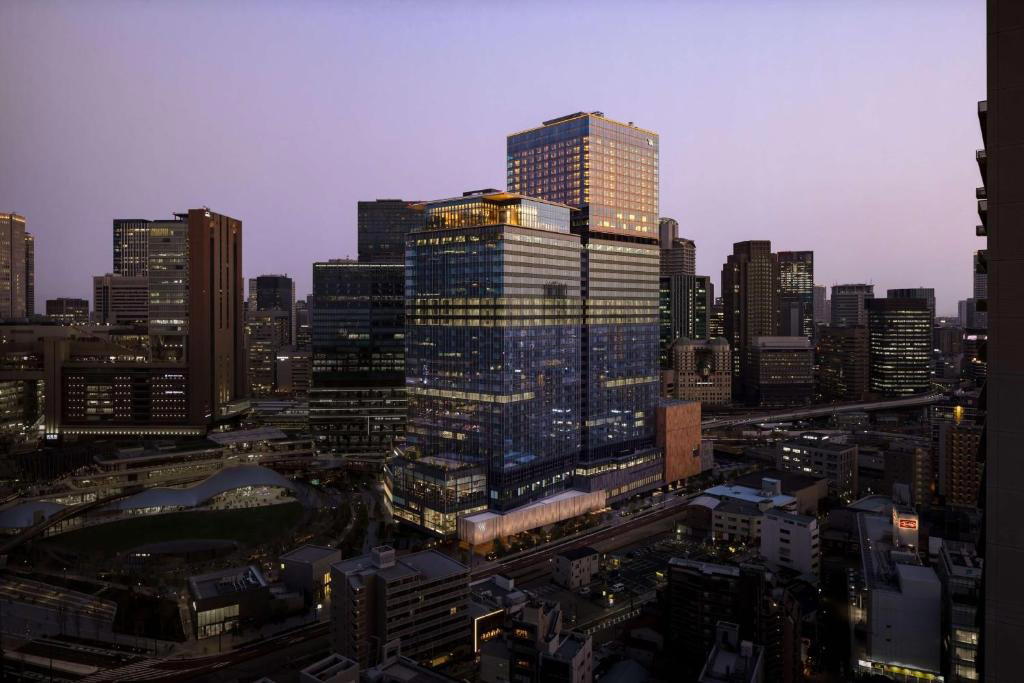



Wineries in Ashiya
Browse all →

Details
- Elegant
- Intimate
- Sophisticated
- Classic
- Special Occasion
- Celebration
- Business Dinner
- Chefs Counter
- Open Kitchen
- Local Sourcing
- Omakase
- Tasting Menu
Current opening hours
- Monday
- 12–9:30 PM
- Tuesday
- 12–9:30 PM
- Wednesday
- Closed
- Thursday
- 12–9:30 PM
- Friday
- 12–9:30 PM
- Saturday
- 12–9:30 PM
- Sunday
- 12–9:30 PM
Hours can change for holidays and private events. Hours as of .
Refined Japanese space with careful attention to detail, creating a luxurious and contemplative dining atmosphere.