
Tabelog Bronze #131
Our verdict
Imai places Ashiya’s Italian dining in the high-spend, reservation-only tier, with Tabelog Bronze recognition in 2024, 2025, and 2026, plus selection for Tabelog Italian WEST 100 in 2023 and 2025. The appeal is not big-city spectacle; it is the Kansai habit of treating Italian technique as a framework for local seasonality, careful sourcing, and controlled pacing.

Pearl is the En Primeur Club membership app, where members save venues, book tables and use the concierge.
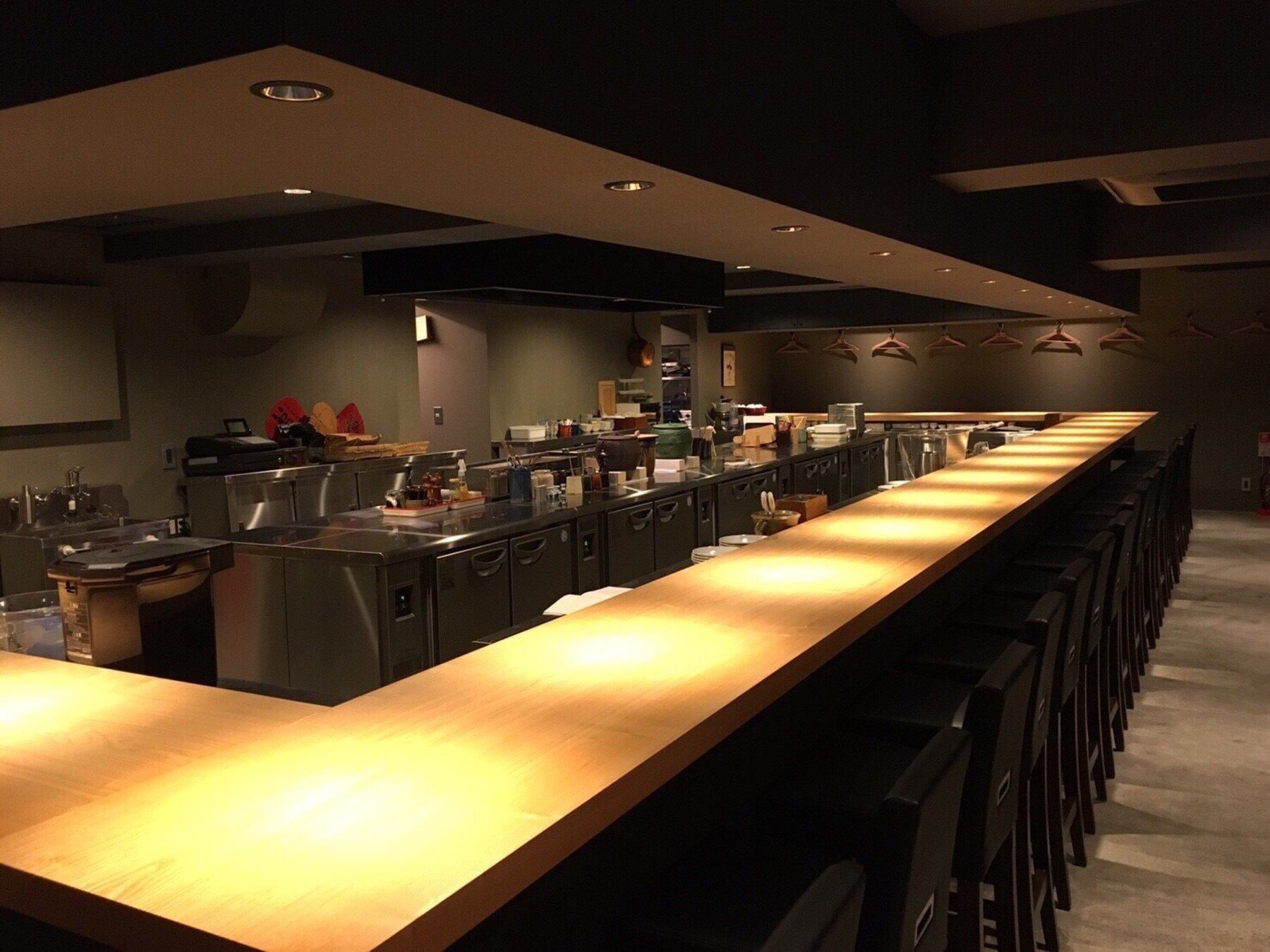
Ashiya does not announce its dining culture with neon or theatrical entrances. The city’s more serious restaurants tend to feel residential before they feel ceremonial: quiet streets, low-key facades, and a clientele that reads value through consistency rather than noise. In that setting, Imai belongs to a particular Kansai category: Italian cooking treated less as imported romance than as a disciplined structure for Japanese produce, seafood, and seasonal restraint.
That distinction matters. Italian restaurants in Japan often split between trattoria familiarity and tasting-menu precision. Ashiya’s wealth and proximity to Kobe and Osaka give the city room for the latter, but without the metropolitan impatience that can turn dinner into performance. Imai’s Tabelog Award Bronze recognition in 2024, 2025, and 2026, along with selection for Tabelog Italian WEST 100 in 2023 and 2025, puts it in a regional conversation where repeat confidence counts more than novelty. The useful comparison is not with casual pasta rooms, but with the smaller set of Japanese-Italian restaurants where sourcing, timing, and restraint carry the evening.
Japanese-Italian cooking with sourcing as the point
The phrase “Italian in Japan” covers a wide range, from tomato-sauce comfort to highly technical menus that borrow the grammar of Italy while speaking in local ingredients. Imai sits closer to the latter camp. The category is Italian, but the stronger editorial signal is the Kansai approach to seasonality: produce and seafood are expected to do more of the work, sauces tend to be measured, and the meal’s rhythm often feels closer to a Japanese counter or small dining room than to a European trattoria.
This is where ingredient sourcing becomes the central lens. Hyogo gives restaurants access to mountain vegetables, Seto Inland Sea seafood channels, and the broader market gravity of Kobe and Osaka. A serious Italian kitchen in Ashiya can therefore operate with a different pantry logic from one in Tokyo: less need to imitate Italy wholesale, more room to translate Italian technique through nearby supply. That does not require a named signature dish to make the point. The defining idea is the alignment of Italian form with local seasonality, judged over repeated award cycles rather than a single headline plate.
Within Ashiya, that positioning also separates Imai from the city’s broader dining spread. Abon offers another serious local reference point, while Baan thai ASHIYA, BACKEREI BIOBROT, and Bigo no Mise Honten show how compact the city’s quality map can be across cuisines and formats. For a broader read on the area, use Our full Ashiya restaurants guide alongside the city’s wider travel context in Our full Ashiya hotels guide, Our full Ashiya bars guide, Our full Ashiya wineries guide, and Our full Ashiya experiences guide.
Why the Ashiya address changes the expectation
Ashiya’s dining identity is shaped by discretion. It is affluent, compact, and close enough to major Kansai cities that a restaurant has to justify itself against Osaka’s depth and Kobe’s polish. That pressure produces a different kind of ambition: not scale, not volume, and not constant reinvention, but a steady claim on regulars who know the regional field. Imai’s reservation-only format fits that pattern. The room is not positioned as a drop-in urban restaurant; it belongs to the planned-dinner economy where guests commit in advance and kitchens can cook with a narrower margin for waste.
The price tier reinforces the same point. Compared with raffinato in Ashiya, which sits in a lower published spend band, Imai occupies a more expensive bracket. Compared with numero Cinco outside the metro area, the gap is wider again. Those comparisons are useful because they clarify the reader decision: this is not the Ashiya choice for a casual Italian craving. It is the choice for diners who want Japanese-Italian cooking at a level where awards recognition, sourcing discipline, and reservation control all matter.
The Tabelog score, listed at 4.34 in the 2026 Bronze context and 4.31 for the 2025 Italian WEST 100 selection, is another signal, though it should be read with cultural literacy. In Japan, high user-score consensus tends to reward repeatability, service rhythm, and a kitchen’s ability to satisfy experienced local diners over time. For visitors, that makes the recognition practical rather than decorative: it indicates that the restaurant has cleared a demanding domestic audience, not merely international curiosity.
The right way to place it in a Kansai itinerary
Imai makes the greatest sense as part of a Kansai food trip built around smaller cities rather than only Osaka and Kyoto. Ashiya rewards that detour because its restaurant culture is compact and precise. A day could frame the city through bread, residential cafés, and a serious dinner, with Choyuro Ashiya beiko-to kurabu hoteru&supa rizo-to adding a hospitality reference point to the local map. The point is not to chase volume; it is to see how a wealthy Kansai suburb expresses taste through restraint.
For readers comparing Japan dining across cities, the contrast is instructive. Tokyo can make specialization feel endless, as seen in listings such as. 鮪と炭火焼き うお炭 秋葉原店 in Tokyo, while Osaka’s casual breadth appears in places like.cafe in Osaka. Regional detours change the equation:.know in Kumamoto, (Shoku) Vietnam in Kawasaki, [Curry Senmon Ten] Maruyama Kyoju. in Sapporo, and -Grilled beef Sukiyaki- KAMAKURA TANUKIAN 鎌倉 たぬき庵 in Kamakura each speak to how local context reshapes familiar categories. Even outside Japan, the comparison has value: Jōdo Saké Bar in Los Angeles and Onigiri Time in Pasadena show Japanese dining translated abroad, while Imai shows Italian dining translated inside Japan with Kansai ingredients and local expectations as the governing force.
The critical read is simple: Imai is for diners who care about how Italian technique behaves when it is filtered through Ashiya’s quiet, ingredient-led dining culture. Its awards history gives the decision weight, but the more interesting story is regional. In a city where confidence is often expressed softly, this is the kind of restaurant that asks the guest to pay attention to sourcing, pacing, and the difference between imported cuisine and local interpretation.
Frequently asked questions
Is Imai good for families?
Imai lists family-friendly as N/A, so it is not positioned around family dining. The restaurant is reservation only, with a dinner budget of JPY 30,000 to JPY 39,999 and Tabelog Bronze recognition in 2024, 2025, and 2026.
What kind of setting is Imai?
Imai is a reservation-only Italian restaurant in Ashiya, Hyogo, at 28-27 Asahigaokacho. It is non-smoking, has no private rooms, and does not list parking, which gives it a tighter, more focused format than a casual neighbourhood trattoria.
What are Imai's hours?
Hours at Imai: ■Business hoursReservation only.
Where is Imai located?
Imai is located in Ashiya.
What's the defining dish or idea at Imai?
The public record does not name a specific dish, so the clearest reading is its Italian cuisine presented in an “Imai style.” Tabelog’s 2025 Tabelog 100 selection for Italian WEST and Bronze awards from 2024 to 2026 point to a kitchen with a defined point of view. Check the venue's official channels for the latest details.
Fast Comparison
Comparable venues by cuisine and price in the same metro.
| Venue | Cuisine | Price | Awards | Notes |
|---|---|---|---|---|
| ImaiThis venue (the venue you are viewing) | Modern Italian Fine Dining | $200–300 | Tabelog Bronze #131 | Not listed |
| Tempura Sakurabito | Modern Tempura Omakase | $150–200 | Tabelog Bronze #383 | Ashiya |
| raffinato | Elegant seasonal Italian fine dining | $100–150 | Tabelog 100 #61 | Ashiya |
| シェ・モリ | Modern French with Japanese Seasonal Ingredients | $150–200 | Not listed | Uchide |
| Ristorante Bellini | Riverside Italian fine dining | $50–100 | Tabelog 100 #17 | Ashiya |
| イタリア料理 今井 | Japanese-Infused Italian Fine Dining | $200–300 | Not listed | Ashiya |
Recognition history
Dated appearances from independent guides and award organizations, with the underlying list record or original source where available.
Tabelog Bronze #131
Tabelog
Full recognition history (3 entries)
Tabelog 100 #6 · No. 6
Tabelog · Tabelog 100 - Italian - WEST - 2025
Tabelog Bronze
Tabelog
Continue exploring
More in Ashiya
Restaurants in Ashiya
All restaurants in Ashiya →


Bars in Ashiya
Browse all →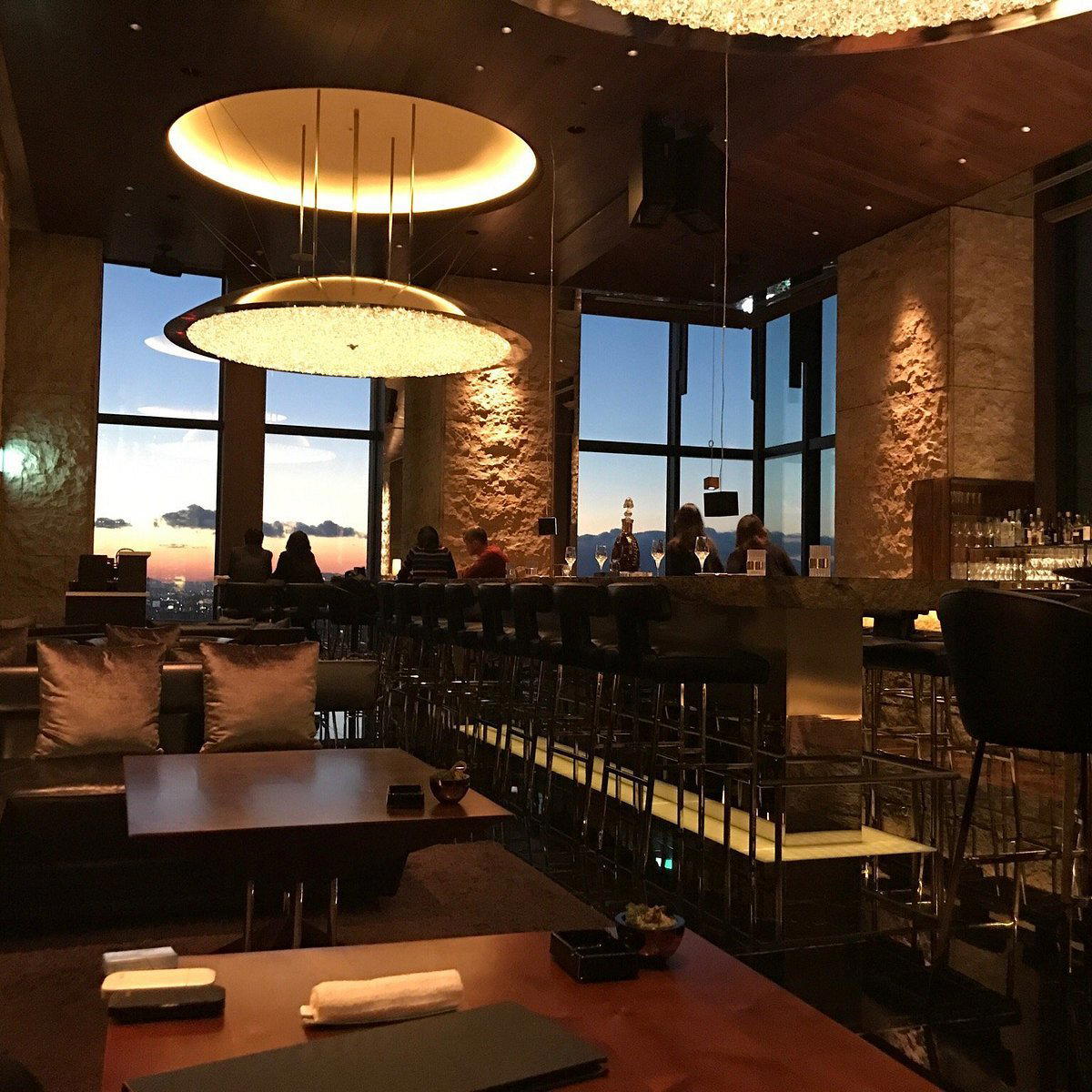
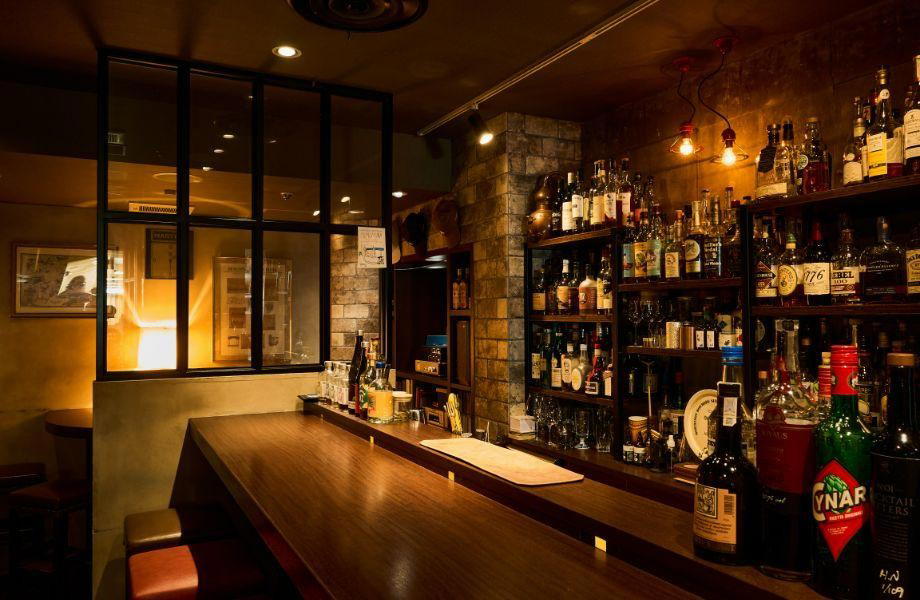
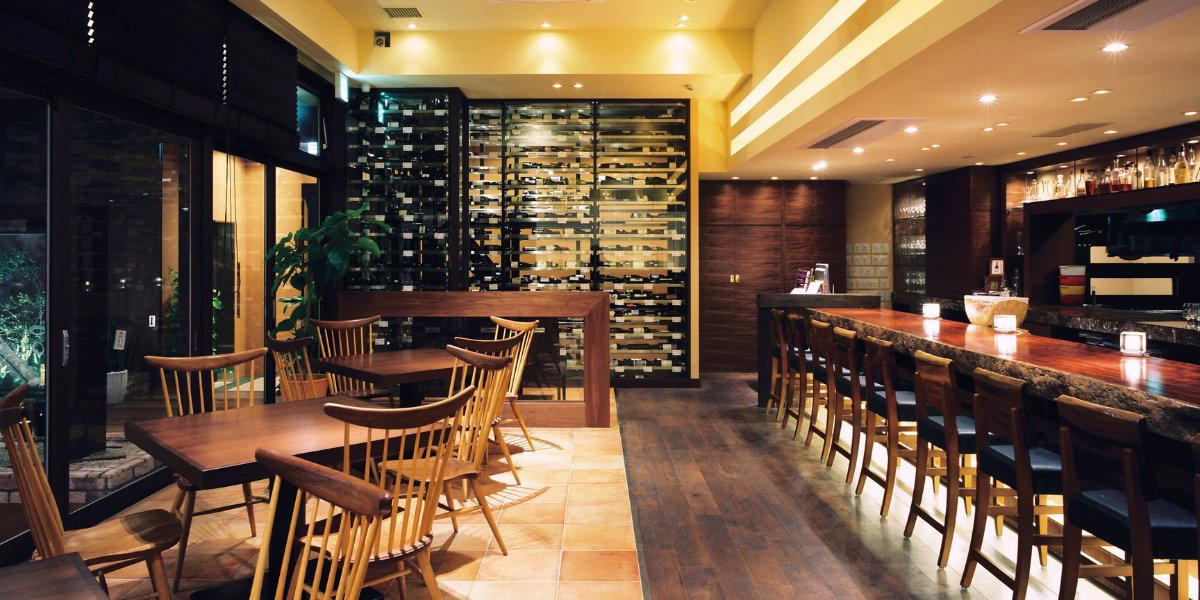
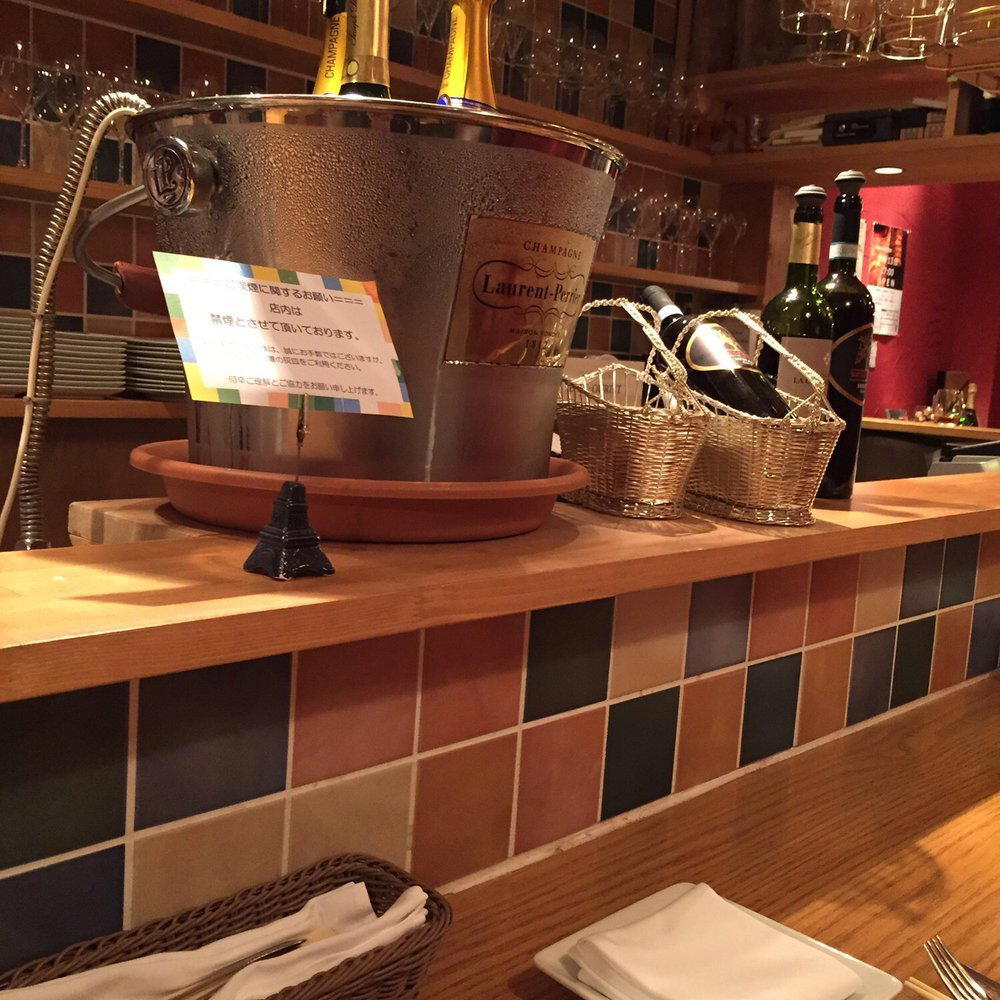
Hotels in Ashiya
Browse all →




Wineries in Ashiya
Browse all →
Details
- Intimate
- Elegant
- Sophisticated
- Date Night
- Special Occasion
- Chefs Counter
- Sake Program
- Tasting Menu
- Counter Dining
Current opening hours
- Monday
- 11:30 AM–2 PM, 4–11 PM
- Tuesday
- 11:30 AM–2 PM, 4–11 PM
- Wednesday
- 11:30 AM–2 PM, 4–11 PM
- Thursday
- 11:30 AM–2 PM, 4–11 PM
- Friday
- 11:30 AM–2 PM, 4–11 PM
- Saturday
- 11:30 AM–2 PM, 4–11 PM
- Sunday
- 11:30 AM–2 PM, 4–11 PM
Hours can change for holidays and private events. Hours as of .
Intimate counter seating for 9 with warm hospitality and delicate craftsmanship in presentation.