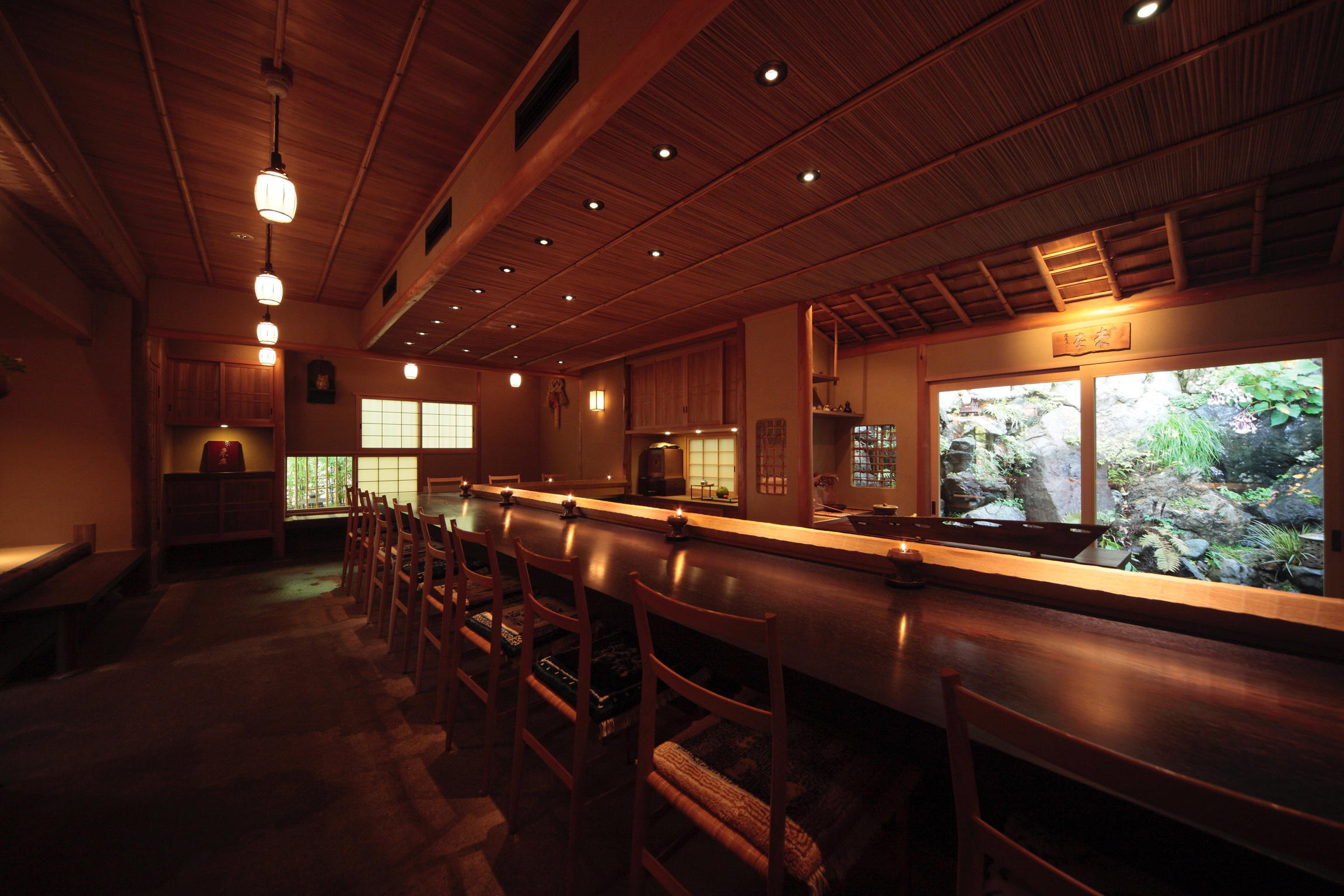
In the kaiseki-dense triangle between Yasaka Shrine and Kennin-ji, 祇園 さゝ木 occupies a position that Gion regulars treat as a benchmark rather than a discovery. The counter format and Higashiyama address place it alongside Kyoto's most serious seasonal Japanese restaurants, where the divide between lunch and evening service carries real weight in both menu structure and atmosphere.
Pearl is the En Primeur Club membership app — saves, bookings, and concierge access live there. Same editors, same standards.
- Address
- 東山区小松町566-27 (八坂通大和大路東入), 京都市, 京都府, 605-0811
- Directions
- Get directions
 Saves & bookings on Pearl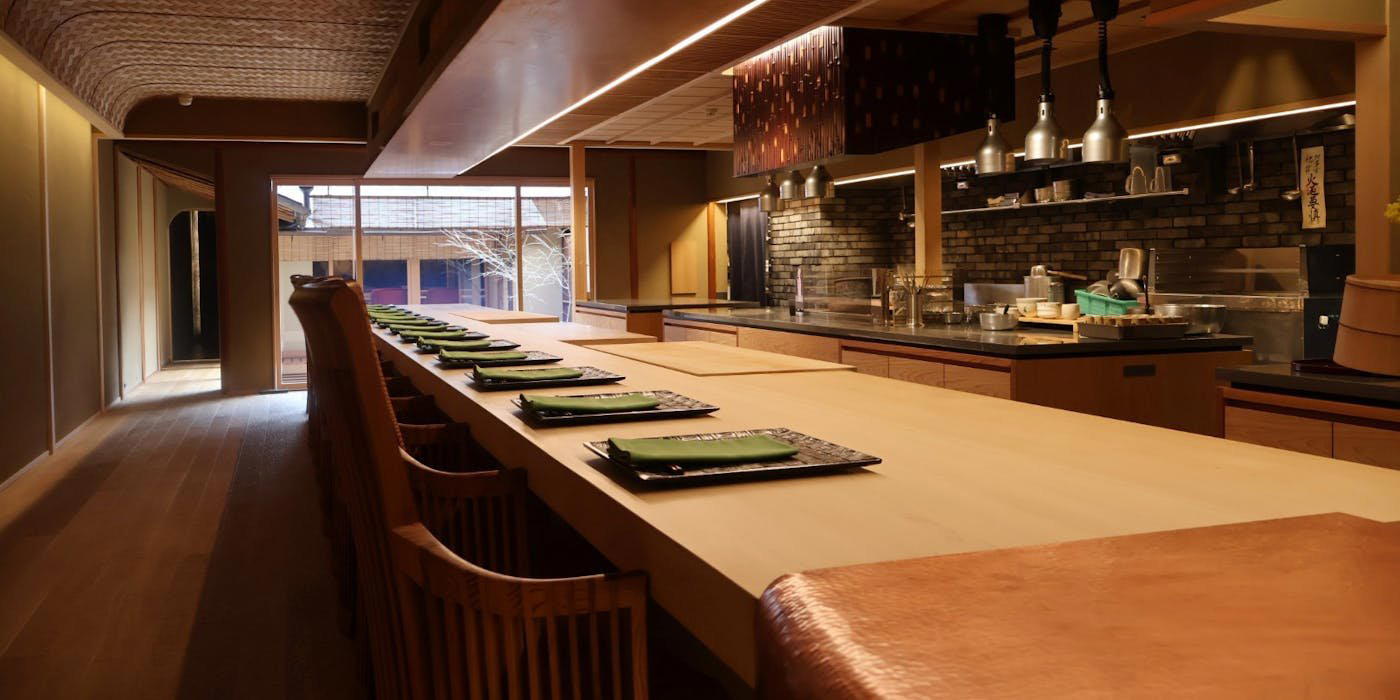
Where Gion's Counter Culture Meets the Kaiseki Calendar
The stretch of alleyways east of Kennin-ji has a particular density of serious dining that few neighbourhoods in Japan can match. Here, the progression from mid-range kaiseki into the upper tier of formal counter seating happens within a few hundred metres, and the addresses carry meaning. 祇園 さゝ木, on Yasakadori in Higashiyama, sits in that concentrated zone where Kyoto's kaiseki tradition is practised at its most exacting. The surrounding blocks also hold Kikunoi Honten and Mizai, placing Sasaki in direct proximity to the restaurants most frequently cited when critics discuss where the kaiseki form is currently heading.
Arriving via the narrow lane off Yasakadori, there is little signage beyond what is necessary. That restraint is functional rather than affectation: the clientele at this level already know where they are going, and the address at 566-27 Komatsumachi, Higashiyama-ku has been circulating among Kyoto regulars and dedicated food travellers long enough that the walk from the Kennin-ji side has become a familiar ritual for repeat visitors.
The Lunch and Dinner Divide
In kaiseki at this tier, the distinction between lunch and evening service is not merely a matter of price. It defines two meaningfully different encounters with the same kitchen. Across Kyoto's serious counter restaurants, including Hyotei and Isshisoden Nakamura, the lunch format typically compresses the course structure without abandoning the seasonal logic that governs the full progression. The room tends to carry more natural light, and the pace is calibrated for guests who may be continuing into the afternoon. Dinner, by contrast, extends the sequence and allows the kitchen to push into more ambitious territory, where ingredient sourcing and preparation time justify a longer arc from sakizuke through shokuji.
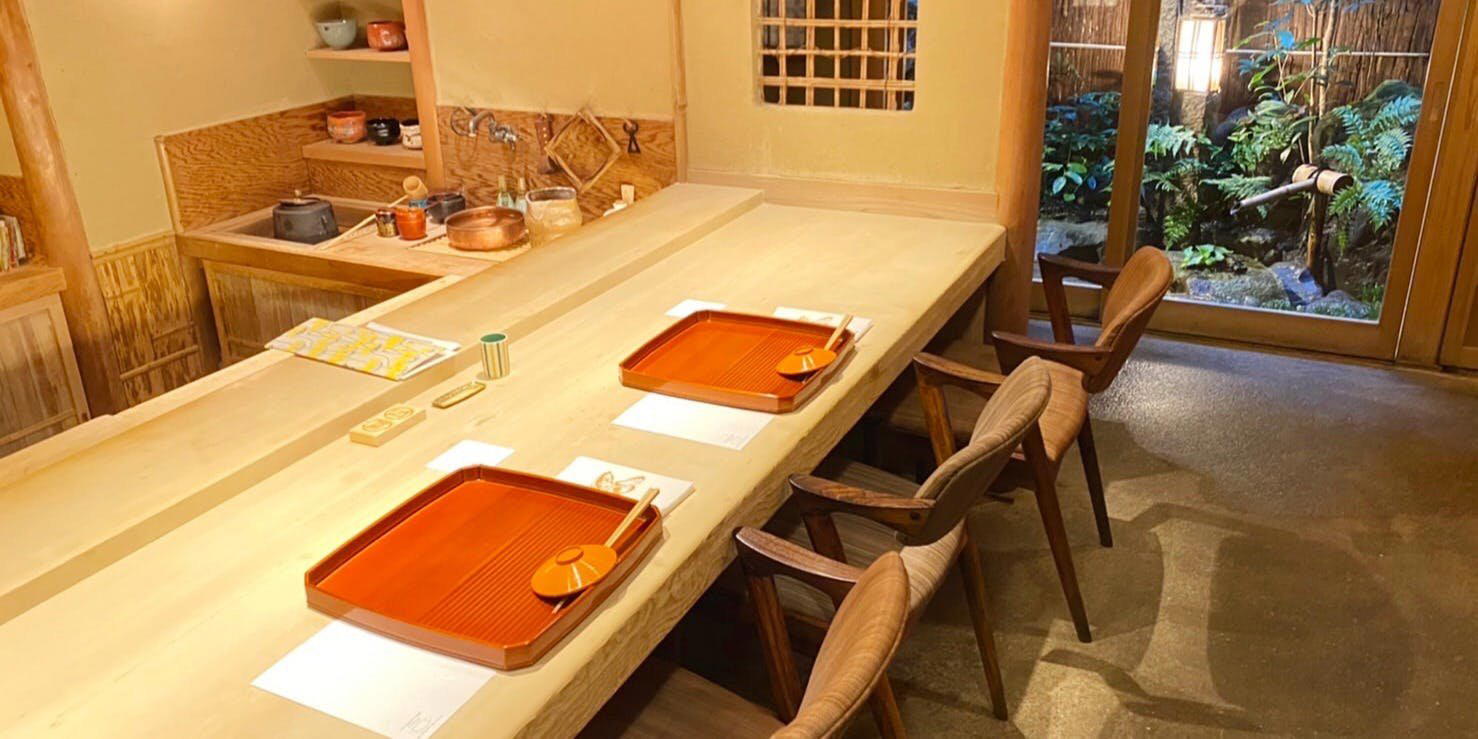
At 祇園 さゝ木, this divide matters particularly because the counter format amplifies every shift in mood. Seated at a counter, the diner is not separated from the rhythm of service by a dining room's ambient noise. The transition from the relatively relaxed cadence of a lunch seating to the more concentrated atmosphere of an evening service is perceptible in how the kitchen operates. For visitors with a single opportunity, evening service typically offers the fuller expression of what the kitchen is working with in any given season. For those with more flexibility, lunch provides access to the same seasonal ingredients and technique at a more approachable price point, which is how this pattern functions across most of Kyoto's upper-tier kaiseki counters.
Comparable decisions face diners at other leading counters across Japan's major dining cities. Harutaka in Tokyo operates a similar day-to-evening shift in course depth, and HAJIME in Osaka structures its offerings around a comparable logic. The pattern is not specific to any single restaurant; it reflects how Japan's leading counter restaurants manage the tension between accessibility and full artistic expression across a single day.
Placing Sasaki in the Kyoto Counter Tier
Kyoto's highest-end kaiseki counters form a relatively small competitive set. Gion Sasaki at the ¥¥¥¥ tier is the reference point most directly comparable in address, format, and ambition. Both operate in the Higashiyama zone and both attract the kind of advance reservation pressure that defines Kyoto's most sought-after counter seats. Beyond the immediate neighbourhood, the ¥¥¥¥ tier in Kyoto includes operations like Ifuki and Kyokaiseki Kichisen, and the cumulative booking difficulty across this group means that any serious Kyoto dining plan needs to be assembled two to three months in advance, with some counters requiring longer lead times for non-Japanese speakers booking from abroad.
The contrast with mid-tier kaiseki, such as the ¥¥¥ positioning of cenci or Kyo Seika, is not primarily about quality of ingredient or technique, but about the formality of the progression and the number of courses involved. Moving into the ¥¥¥¥ bracket brings a level of course sequencing and seasonal specificity that the compressed mid-tier format cannot accommodate. For those building an itinerary that spans multiple cities, the kaiseki counter experience in Kyoto connects logically to the formal Japanese dining available at akordu in Nara and Goh in Fukuoka, though each of those operates in a distinct tradition and with a different set of reference points.
What the Higashiyama Address Implies
The Higashiyama setting is relevant beyond geography. Kyoto's eastern hills have historically concentrated the city's most formal cultural institutions, and the dining in this zone carries a corresponding weight of expectation. Restaurants operating here are implicitly in conversation with the heritage of the neighbourhood, and that context shapes how seasonal ingredients are framed and how the room presents itself. The approach taken at the leading counters in this area, including Sasaki, differs from the lighter, more improvisational tone of newer Kyoto openings in the Nakagyo or Shimogyo districts. The Higashiyama counter experience is deliberate and structured, and for first-time visitors to formal kaiseki, that structure can feel both illuminating and demanding.
Japan's broader fine dining geography includes notable counter seats well beyond Kyoto. Operations such as 一本木 皆川制 in Nanao, 夕月山乃 in Sapporo, 湖畔荘 in Takashima, and 羽根屋 in Nishikawa Machi demonstrate how Japan's serious counter dining disperses well beyond the major cities. Within the same culinary tier, internationally recognised counters such as Le Bernardin in New York City and Atomix in New York City offer a useful calibration for travellers familiar with Western formal dining structures but new to the kaiseki progression format.
Know Before You Go
- Address: 東山区小松町566-27 (八坂通大和大路東入), 京都市, 京都府, 605-0811
- Format: Counter kaiseki; multi-course seasonal progression
- Price tier: ¥¥¥¥ (comparable to Gion Sasaki and the Higashiyama counter tier)
The Essentials
Comparable venues nearby, for context on price, style, and recognition.
| Venue | Cuisine | Price | Notes |
|---|---|---|---|
| 祇園 さゝ木This venue — the venue you are viewing | Gion, Modern Kaiseki | $$$$ | Not listed |
| Yamashita | Not listed | $$$$ | Nakagyō, Traditional Kyoto Kaiseki & Kappo |
| 萬寿寺はくらん | Not listed | $$$$ | 下京区, Japanese with Nagasaki Gotō influences |
| Tominokoji Yamagishi (富小路やま岸) | Nakagyo-ku, Kyoto Cha-Kaiseki | $$$$ | Not listed |
| Park Hyatt Kyoto | Higashiyama, French-inspired Teppanyaki | $$$$ | Not listed |
| 菊乃井 本店 | Higashiyama, Kyoto Obanzai | $$$$ | Not listed |
Continue exploring
More in Kyoto
Restaurants in Kyoto
Browse all →
Bars in Kyoto
Browse all →
Hotels in Kyoto
Browse all →
Wineries in Kyoto
Browse all →
At a Glance
- Elegant
- Sophisticated
- Classic
- Intimate
- Well Known
- Special Occasion
- Celebration
- Business Dinner
- Date Night
- Open Kitchen
- Historic Building
- Standalone
- Sake Program
- Local Sourcing
Quiet, refined, and intimate, with a dramatic sense of culinary theater and a traditional Kyoto feel.