エクロール occupies a measured corner of Okayama's Kita Ward dining scene, operating from Daikuomotemachi in a city that rewards those who look beyond the obvious. The restaurant sits within a broader pattern of considered, course-driven dining that has taken root across provincial Japan, where deliberate pacing and local sourcing often matter more than metropolitan acclaim.
Pearl is the En Primeur Club membership app — saves, bookings, and concierge access live there. Same editors, same standards.
- Address
- Japan, 〒700-0912 Okayama, Kita Ward, Daikuomotemachi, 3−7 レディアンスビル
- Phone
- +81862302280
- Website
- eclore-fr.com
- Directions
- Get directions
 Saves & bookings on Pearl
Where the Meal Sets Its Own Clock
Daikuomotemachi, a side street in Okayama's Kita Ward, carries the particular quiet of a neighbourhood that functions on its own schedule. The address puts エクロール away from the transit noise around Okayama Station and closer to the residential and small-commercial rhythms that define much of central Okayama at ground level. Arriving here, the city reads differently: more local, less performed. That spatial logic matters when considering what kind of dining experience is likely to unfold inside.
Okayama has developed a dining culture that operates at an interesting remove from the Michelin-mapped intensity of Osaka or Kyoto. The prefecture is known for the quality of its agricultural produce — the Momotaro tomato, white peach, and Pione grape among them — and kitchens across the city have built habits around seasonal availability rather than fixed menus designed to photograph well. It is a culture that favours the return visit over the spectacle, and course-driven formats over à la carte browsing. エクロール fits that pattern by address and by context, positioned in a district where the dining ritual, rather than the dining statement, tends to drive the room.
The Logic of the Seated Course in Provincial Japan
Outside the major culinary capitals, Japan's most considered restaurants often operate with a discipline that metro venues struggle to replicate precisely because they are not under the same competitive pressure to perform novelty. The course format, whether kaiseki-derived, French-influenced, or a synthesis of both, imposes its own structure: arrival, aperitif or amuse, a procession of preparations timed to kitchen rhythm, and a close that signals the meal is complete rather than merely over. In cities like Okayama, that structure tends to feel less theatrical and more habitual, a shared understanding between kitchen and table that the pace of the meal is not the diner's to accelerate.
This is the broader context in which a venue like エクロール makes sense. The Kita Ward address, the레디안스 building setting, the relative absence of the kind of media infrastructure that generates waiting-list mythology: these are not disadvantages. They are the conditions under which a particular kind of meal, unhurried, locally anchored, attentive to the guest's time in the room, tends to develop. Comparable dining patterns appear at Hasunomi and Waraku, two other Okayama addresses where the ritual of the seated meal is treated as the primary product, not the backdrop for it.
Okayama sits at a productive middle distance from Japan's most scrutinised dining cities. It is close enough to Osaka and Kyoto that chefs trained in those kitchens return here to open their own rooms, and far enough that the resulting restaurants tend to have a lower profile nationally while maintaining serious standards locally. That dynamic produces a category of restaurant worth paying attention to: technically capable, often using better local produce than their metropolitan equivalents, and priced in a range that reflects provincial rather than capital-city economics.
The Okayama venues that occupy this tier, 空浪, 松寿庵, and 祥鶴 alongside エクロール, share a structural logic: small rooms, deliberate pacing, and a seasonal orientation that makes revisiting more rewarding than a single-visit appraisal. For broader context on how these venues connect across the city, the full Okayama restaurants guide maps the scene by neighbourhood and format.
For comparison across the wider Chugoku and Kansai region, the benchmark tier includes venues like HAJIME in Osaka, Gion Sasaki in Kyoto, and akordu in Nara, each operating in a different register of ambition and price, but collectively defining the upper end of course-driven dining in provincial Honshu. エクロール occupies a more local tier within that geography, which is where most of its most committed regulars likely come from.
What to Expect from the Format
What the address and format type suggest is a room organised around the logic of the course meal: a fixed sequence, kitchen-controlled timing, and a service rhythm designed to keep the table engaged without rushing it. Japanese restaurants operating in this format, whether French-influenced or classically trained, typically treat the interval between courses as part of the meal rather than dead time, using it for conversation, sake or wine pairings, or the arrival of small supplementary preparations.
The Daikuomotemachi location within Kita Ward places エクロール within walking distance of Okayama's central commercial axis but outside the immediate station cluster, which tends to mean a room with lower turnover pressure and more capacity to honour the pace a course meal requires. That geography is not incidental. The leading course-driven rooms in provincial Japan almost always occupy exactly this kind of address: close enough to be accessible, removed enough to control the atmosphere.
Across Japan's regional dining scene, this format has proven durable. From Goh in Fukuoka to Harutaka in Tokyo, the seated course in a small room with attentive service remains the format around which the country's most committed dining experiences are built. Venues as varied as 三本木川魚製 in Nanao, 古代山乃 in Sapporo, 湖国庵 in Takashima, and 高羽屋 in Nishikawa Machi each demonstrate how the provincial course meal adapts to local ingredients and local pace without losing its structural integrity. Even internationally, the comparison holds: Le Bernardin in New York City and Atomix in New York City show how the deliberate, sequenced meal travels across culinary traditions when a kitchen has the discipline to sustain it. Birdland in Sakai offers another regional reference point for how focused, format-driven rooms build loyalty through consistency rather than novelty.
Planning a Visit
Okayama is accessible by Shinkansen from Osaka in approximately 45 minutes and from Tokyo in around three and a half hours, making it a viable day-trip from either city for a focused dinner, though the rhythm of the meal and the journey back argues for a night in the city. The Kita Ward location is within reasonable distance of Okayama Station on foot or by taxi. Seasonal considerations matter in Okayama: the region's produce calendar peaks in summer and autumn, which typically produces the most ingredient-driven menus at kitchens that source locally.
Cuisine-First Comparison
| Venue | Cuisine |
|---|---|
| エクロールThis venue — the venue you are viewing | This venue |
At a Glance
- Quiet
- Elegant
- Sophisticated
- Intimate
- Date Night
- Business Dinner
- Special Occasion
- Private Dining
- Standalone
- Sake Program
- Local Sourcing
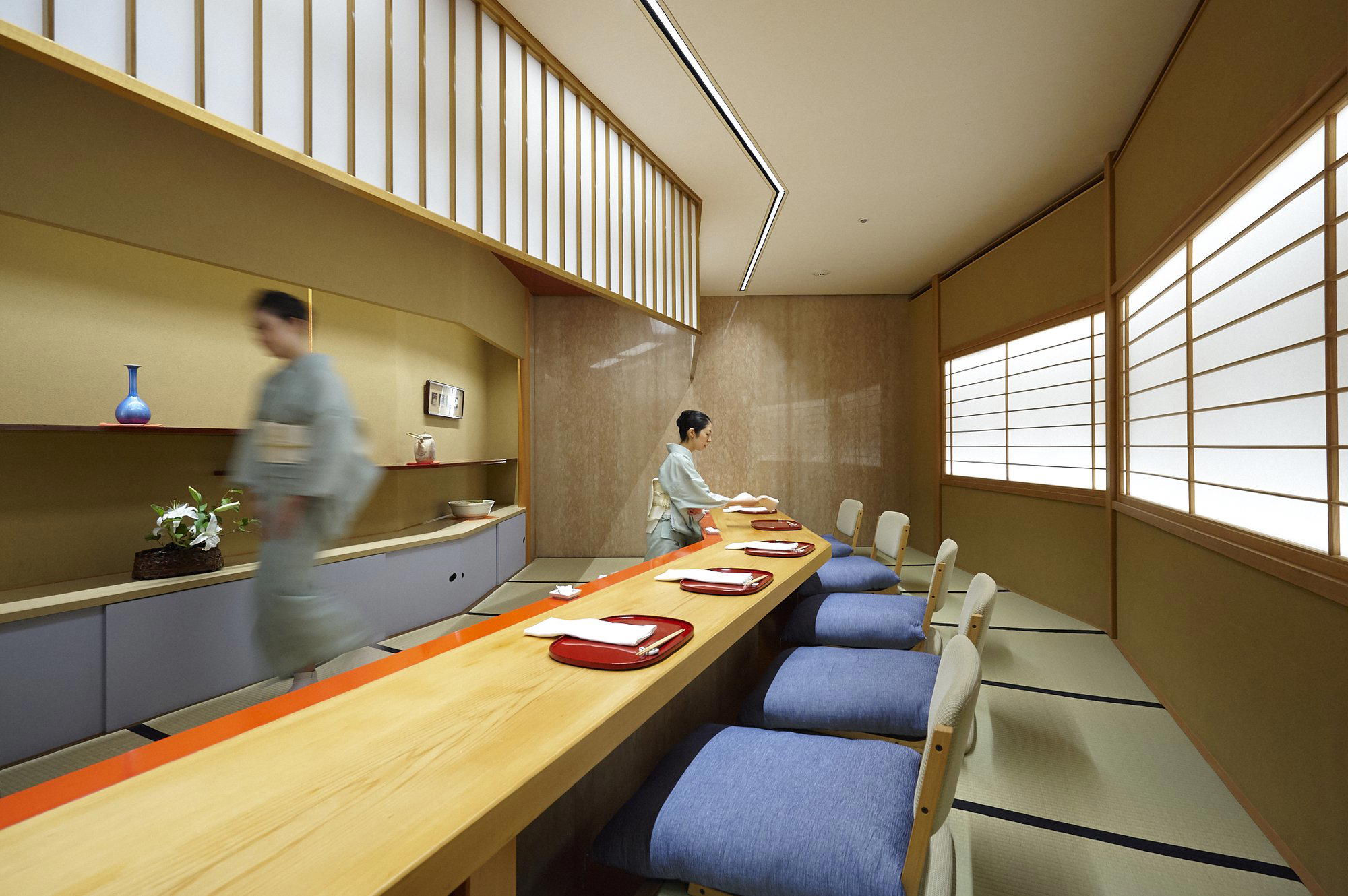
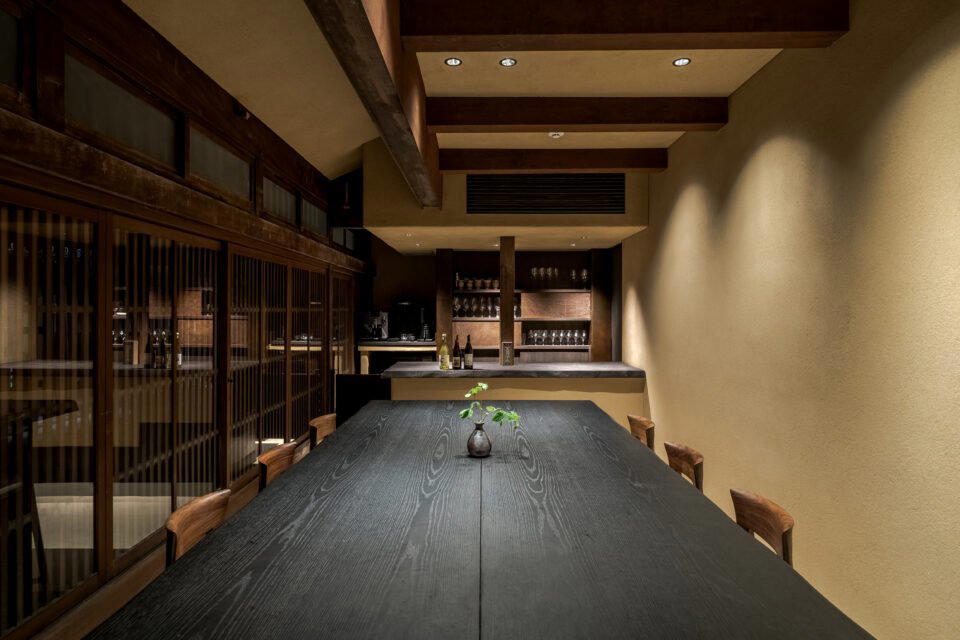
Quiet, measured, and formal-feeling, with a restrained fine-dining atmosphere.
Know Before You Go
- Getting there
- Japan, 〒700-0912 Okayama, Kita Ward, Daikuomotemachi, 3−7 レディアンスビル