
Okayama’s serious teppanyaki scene is small enough that selection matters. Teppan Cuisine Nagao belongs to the city’s higher-intent bracket, with Tabelog 100 Steak / Teppanyaki WEST recognition in 2025, a 19-seat format, counter cooking, private rooms, sommelier service, and a sourcing-led approach that makes the grill feel less like theatre and more like scrutiny.
Pearl is the En Primeur Club membership app — saves, bookings, and concierge access live there. Same editors, same standards.
- Address
- 1 Chome-1-9 Marunouchi, Kita Ward, Okayama, 700-0823, Japan
- Phone
- +81 86-234-3337
- Website
- teppan-nagao.jp
 Saves & bookings on Pearl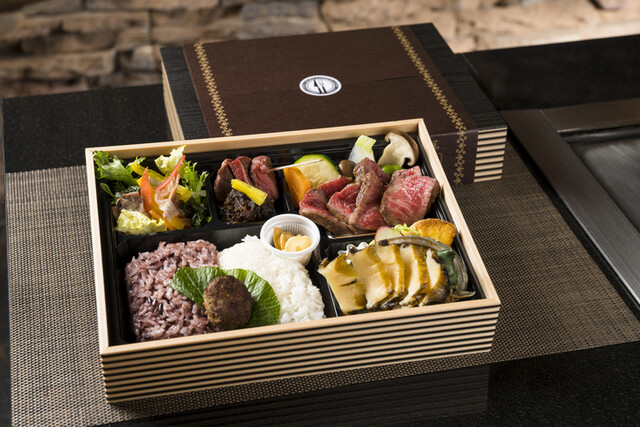
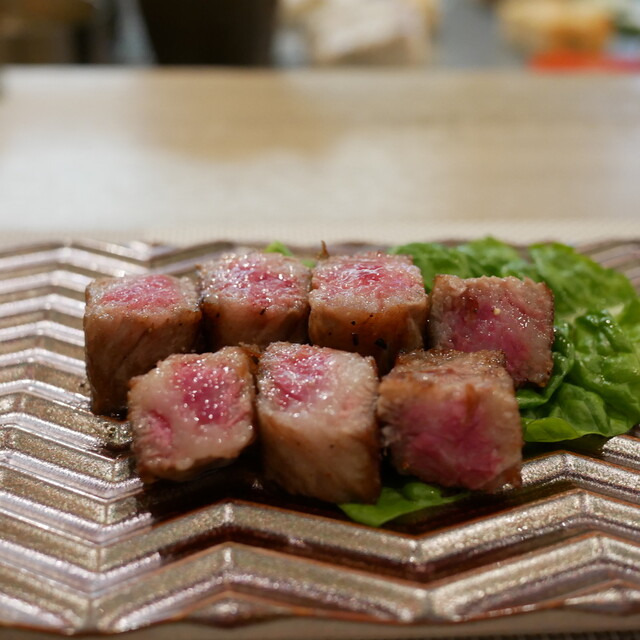
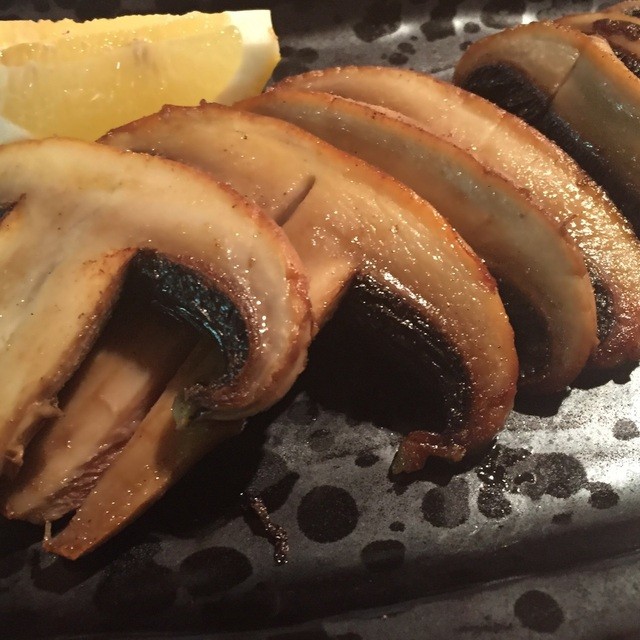
The first signal is the counter. Teppanyaki at this level is not built around distance: the iron plate compresses the room, the cooking, and the decision-making into a few visible metres. In Okayama, where serious dining often moves quietly rather than loudly, that format matters. The meal depends on ingredients that can survive exposure. There is nowhere for a weak cut of beef, careless vegetable, or poorly timed garnish to hide when the cooking surface is also the stage.
Teppan Cuisine Nagao sits in that narrow category of regional Japanese restaurants where sourcing, heat control, and wine service carry more weight than spectacle. Its selection for Tabelog 100 Steak / Teppanyaki WEST 2025 places it inside a broader western-Japan conversation, not just an Okayama one. That recognition is useful because steak and teppanyaki lists tend to reward consistency across a format that looks simple from the outside but punishes imprecision. The category is crowded with restaurants selling luxury by association; the stronger addresses are the ones where the ingredient program justifies the ceremony.
Ingredient-led teppanyaki in a city better known for restraint than display
Okayama’s dining identity is often framed through produce, seafood access, and a measured hospitality culture rather than the high-volume restaurant theatre of larger Japanese cities. Teppanyaki can sit awkwardly in that context when it becomes performance first and cooking second. The stronger reading here is different: the grill is a tool for testing ingredients in public. Beef, seafood, vegetables, and rice-adjacent accompaniments all enter a format where timing, fat, steam, and resting are visible to the room.
That is why the drinks program matters. Sake, shochu, and a wine focus are listed, with sommelier service available, which points to a restaurant thinking beyond the default steakhouse pairing script. In regional Japan, the better teppanyaki rooms increasingly compete not by importing a metropolitan mood, but by pairing local and national ingredient logic with more flexible drinking. Wine can sharpen fat and smoke; sake can soften char and salt; shochu can reset the palate without turning the meal into a Western steakhouse template.
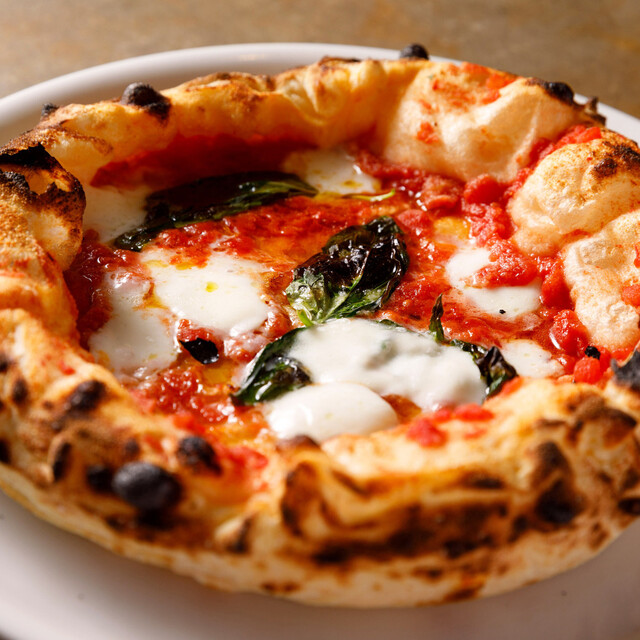
The room’s scale also shapes the experience. Nineteen seats, including counter seating and private rooms, puts the restaurant in a low-capacity tier where pacing can remain controlled. Counter seats suit diners who want to read the cooking, while private rooms change the meal into a quieter occasion format. That split is common in Japanese luxury dining: one room rewards observation, the other rewards conversation. For travellers comparing Okayama options, this is a different proposition from casual city dining at Cozzýs, or from the pizza-focused appeal of 400℃ Pizza and 400℃ Mori No Machi.
Where the grill format earns its place
Teppanyaki has a reputation problem outside Japan because it is often exported as entertainment. In Japan, the more convincing version is quieter and more exacting. The chef’s movement is part of the meal, but the point is not flourish. It is sequencing: when to sear, when to pause, when to serve before residual heat goes too far. A restaurant dedicated to ingredient quality, counter cooking, and measured service belongs to that more disciplined branch of the tradition.
Teppan Cuisine Nagao’s opening in 2009 gives it more than a decade of operating history, a meaningful credential in a format with high ingredient costs and limited seats. Its repeated Tabelog 100 recognition for steak and teppanyaki in 2022, 2024, and 2025 reinforces the same point: this is not a passing local mention. The Tabelog score of 3.64 also places it in a range where Japanese diners have registered sustained confidence, though the award selection is the stronger signal for travellers sorting restaurants across cities.
Within Okayama, the useful comparison is not only other expensive rooms. It is the type of evening a diner wants. Sushi addresses such as 松寿司 or Japanese restaurants such as Ichome and 穂浪 occupy different traditions of counter craft and seasonality. French-leaning dining at Souris La Seine sits elsewhere again. Nagao’s lane is narrower: steak and teppanyaki, supported by beverage range and a room built around proximity to the plate. Diners looking for other local styles can map the city through Duomo, Hasunomi, and our full Okayama restaurants guide.
How to place it in an Okayama itinerary
This is a dinner to schedule when the main event is the cooking rather than a long crawl through town. The restaurant is in Marunouchi, near Shiroshita, which puts it in a practical zone for visitors already moving between Okayama Castle, Korakuen, and the central city. Monday closure and separate lunch and dinner services make timing part of the decision, especially for travellers trying to fit a serious meal around rail movements.
The practical trade-off is clear. Counter teppanyaki gives the strongest view of the craft, but private rooms suit small groups that want separation from the main grill rhythm. Same-day reservations are noted as available, though the award signal and small seat count argue for planning ahead when the date matters. Parking is unavailable, so tram, taxi, or walking from the central sightseeing corridor is the cleaner move.
For a wider Okayama plan, pair this kind of meal with a hotel choice from our full Okayama hotels guide, then build the evening around drinks or culture using our full Okayama bars guide, our full Okayama wineries guide, and our full Okayama experiences guide. Readers comparing Japanese dining formats beyond the city may also find useful contrasts in -Grilled beef Sukiyaki- KAMAKURA TANUKIAN 鎌倉 たぬき庵 in Kamakura,. 鮪と炭火焼き うお炭 秋葉原店 in Tokyo,.cafe in Osaka,.know in Kumamoto, (Shoku) Vietnam in Kawasaki, [Curry Senmon Ten] Maruyama Kyoju. in Sapporo, Jōdo Saké Bar in Los Angeles, and Onigiri Time in Pasadena.
In Context: Similar Options
Comparable venues by cuisine and price in the same metro.
| Venue | Cuisine | Price | Awards | Notes |
|---|---|---|---|---|
| Teppan Cuisine NagaoThis venue — the venue you are viewing | Modern Teppanyaki & Wine in Okayama | $$$ | , | |
| 楽旬菜 佐とう | Seasonal Japanese Kappo | $$$ | , | Saidaiji cho |
| Ujo Tei | Traditional Unagi (eel) restaurant | $$$ | , | Kita Ward |
| 穂浪 | Traditional Japanese Kaiseki | , | , | Okayama |
| 祥雲 | Traditional Japanese Crab Specialty | $$$ | , | Kita-ku |
| 魚正山本淳 | Seasonal Kaiseki | $$$$ | , | Kita Ward |
Continue exploring
More in Okayama
Restaurants in Okayama
Browse all →
At a Glance
- Elegant
- Romantic
- Intimate
- Sophisticated
- Cozy
- Business Dinner
- Date Night
- Special Occasion
- Celebration
- Group Dining
- Chefs Counter
- Open Kitchen
- Private Dining
- Standalone
- Design Destination
- Extensive Wine List
- Local Sourcing
- Farm To Table
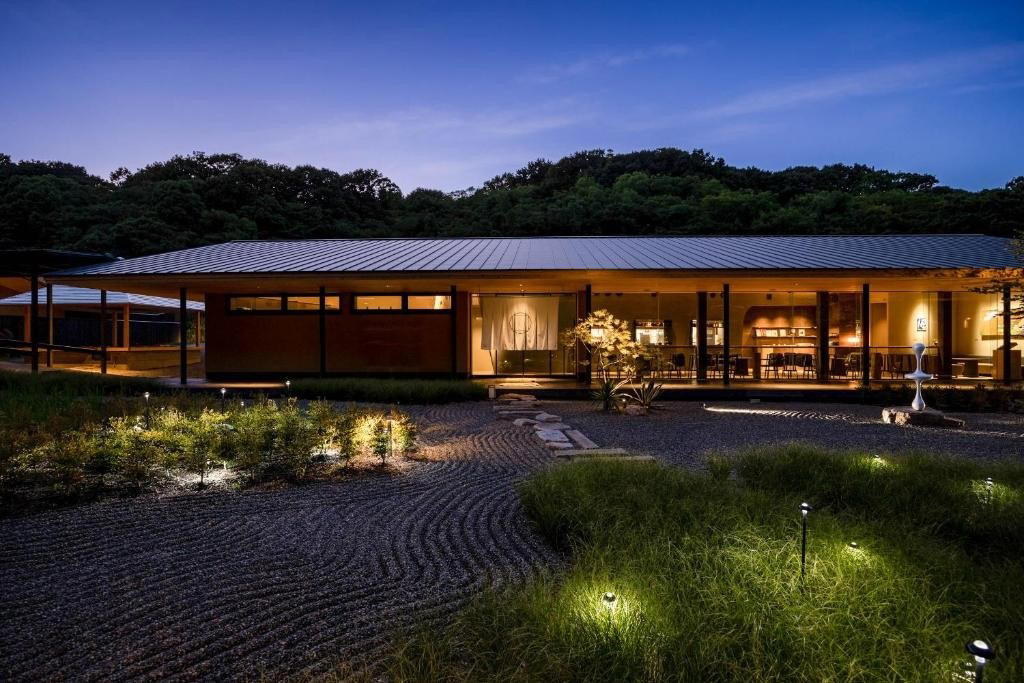
Calm, refined and softly lit, with a focus on the open teppan counter where guests enjoy the sounds and aromas of cooking; the space is designed as a quiet, elegant setting for special occasions, business dinners, and refined evenings rather than a lively show-style teppanyaki.