Our verdict
ミザンセーヌ occupies a compact address in Okayama's Nishikimachi district, operating within a city that has quietly developed one of the Chugoku region's most considered dining scenes. Limited public documentation makes advance research the essential first step, positioning this as a venue where direct contact and local intelligence matter more than online booking infrastructure.

Pearl is the En Primeur Club membership app, where members save venues, book tables and use the concierge.
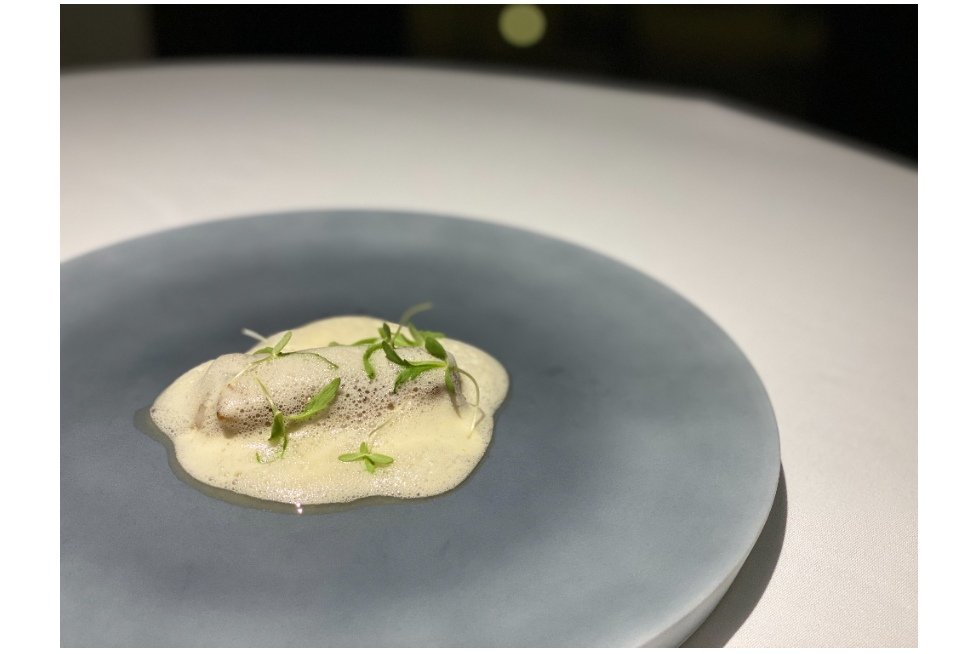
Arriving in Nishikimachi: The Setting Before the Meal
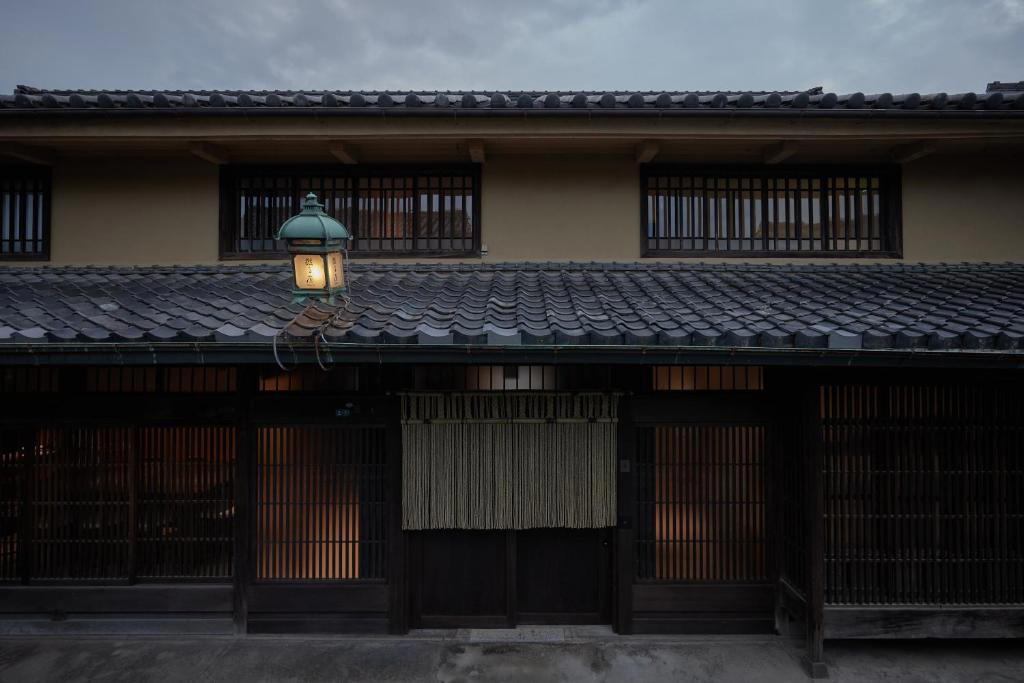
Okayama's Nishikimachi district sits at a particular remove from the city's tourist circuits. The streets around the address at フェリス錦町 3-A are residential in character, the kind of block where a restaurant announces itself through proximity rather than signage. That physical context is not incidental. Across Japan's mid-tier cities, the most serious dining rooms have increasingly moved away from entertainment districts and department-store restaurant floors, positioning themselves in quieter residential pockets where the surrounding environment reinforces a sense of occasion. ミザンセーヌ, whose name translates roughly from French as "mise en scène" (the arrangement of a scene), sits squarely within that pattern: the name itself signals a preoccupation with setting, framing, and deliberate composition.
Okayama as a dining city is routinely passed over by travellers routing between Hiroshima and Kyoto on the Shinkansen, but the local restaurant culture rewards those who stop. The prefecture's agricultural output, particularly its peaches, Pione grapes, and access to Setouchi seafood, gives kitchens here an ingredient base that serious operators elsewhere would arrange logistics to source. Peer restaurants in the city, including Hasunomi, Waraku, and 空浪, operate within this same ingredient logic, each finding a distinct register within a shared regional larder. For context across the wider Okayama dining scene, the city's strongest rooms tend to be small, format-driven, and reliant on producer relationships that don't show up in press releases.
Planning a Visit: What the Logistics Actually Require
The absence of a listed phone number, website, or defined booking method in the public record is itself a data point. In Japan's more deliberate dining culture, this is not unusual at the intimate end of the market. Small restaurants operating on a counter or limited-table format frequently rely on word-of-mouth referral, in-person inquiry, or reservation through local concierge networks rather than third-party booking platforms. The French-language name also suggests a positioning that reads as considered rather than accidental: operators who choose a foreign-language reference for a restaurant in a Japanese regional city are typically making an aesthetic statement about the kind of experience they intend to stage.
For travellers planning a visit, the practical implication is that standard digital research pathways are unlikely to be sufficient. Okayama's better hotels maintain concierge relationships with local restaurants that don't list publicly, and that channel is worth pursuing early. The city is accessible via the Tokaido-Sanyo Shinkansen, with Okayama Station serving as a transfer point for rail lines toward Shikoku, so logistics from Osaka, Kyoto, or Hiroshima are not complicated. The Nishikimachi address is within reasonable distance of the station, making the neighbourhood reachable without a taxi for those comfortable with short urban walks.
Travellers routing through the Kansai or Setouchi corridor who have already planned dinners at rooms like HAJIME in Osaka, Gion Sasaki in Kyoto, or akordu in Nara will find that the operational logic of researching ミザンセーヌ follows a similar pattern: low digital footprint, early outreach, local intermediaries. The same discipline applies to comparable rooms further afield, from Harutaka in Tokyo to Goh in Fukuoka.
The Broader Context: Small-Format Dining in Regional Japan
Japan's regional dining scene has become meaningfully more sophisticated over the past decade, and mid-sized cities like Okayama, Kanazawa, and Matsumoto have developed rooms that operate at a level of ambition comparable to their counterparts in the major metropolitan centres. This is partly a function of ingredient access: chefs based outside Tokyo or Osaka can build direct producer relationships that are harder to maintain from within a high-cost, high-volume urban kitchen. It is also partly a function of format: a ten-seat counter in a Chugoku residential neighbourhood carries lower overhead than an equivalent space in Ginza, which changes what a kitchen can do with ingredient spend and pacing.
ミザンセーヌ, positioned in this regional context, belongs to a cohort of Japanese restaurants where the physical address and the name together communicate a deliberate aesthetic stance. Other Okayama venues including 松寿庵, 祥鱗, and 北仙山乃 in Sapporo offer points of comparison for the tier of experience this address is likely to occupy.
For reference against international rooms with similarly disciplined formats, Birdland in Sakai, Le Bernardin in New York City, and Atomix in New York City each demonstrate how format discipline and low-volume positioning operate as quality signals in their respective markets.
What to Know Before You Go
Given the limited public record, the most responsible approach to planning a visit is to treat ミザンセーヌ as a venue requiring active intelligence-gathering rather than passive browsing. Confirm operating status, format, and booking availability through direct local channels before making it a fixed anchor in a travel itinerary. Nishikimachi is a functional neighbourhood rather than a dining destination in its own right, so a visit works well when framed as part of a broader Okayama day rather than as a standalone excursion from another city.
The French name and residential address together suggest a format oriented around deliberate staging: smaller numbers of covers, a structured progression, and a physical environment that is composed rather than ambient.
Frequently asked questions
What's ミザンセーヌ's location?
ミザンセーヌ is located at Japan, 〒700-0902 Okayama, Kita Ward, Nishikimachi, 8−11 フェリス錦町 3-A, Okayama.
Is ミザンセーヌ suitable for visitors who don't speak Japanese?
Given that ミザンセーヌ operates without a listed website or phone number and sits in Okayama's Nishikimachi district rather than a tourist-facing area, non-Japanese-speaking visitors should arrange interpretation or introduction through a hotel concierge in advance. This is standard practice for small-format venues in mid-sized Japanese cities, where the absence of English-language infrastructure is a feature of the format rather than an oversight. Arriving without some form of local facilitation significantly increases the chance of a failed visit.
What do people recommend at ミザンセーヌ?
No menu is publicly listed for ミザンセーヌ, which is consistent with small-format venues in Japan's regional cities that change their offering based on season and supplier availability. Visitors to this class of Okayama restaurant typically report that the kitchen drives the meal rather than a fixed à la carte selection. The most reliable approach is to arrive without expectations about specific dishes and allow the format to dictate the order of play.
How far ahead should I plan for ミザンセーヌ?
In Okayama's more deliberate dining scene, that typically means lead times of four to eight weeks at minimum, especially for weekend seatings. Treat the absence of a public booking channel as an instruction: identify a local contact or concierge who can reach the venue directly before you travel.
What do critics highlight about ミザンセーヌ?
Okayama's dining circuit has attracted increasing editorial interest over the past decade alongside Kanazawa and Matsumoto, though venues at the more carefully planned end of that scene rarely surface in English-language coverage. The フェリス錦町 3-A address in Kita Ward points to a residential-adjacent setting that is more consistent with serious, repeat-visitor dining than with a venue seeking profile.
Side-by-Side Snapshot
| Venue | Cuisine | Price | Awards |
|---|---|---|---|
| ミザンセーヌThis venue (the venue you are viewing) | 本格フレンチ | $100–150 | Not listed |
| Hasunomi | Modern Chinese | $100–150 | Tabelog Bronze #101 |
| éæ£å±±æ¬æ·³ | Seasonal Kaiseki | $200–300 | Not listed |
| ç©æµª | Traditional Japanese Kaiseki | Not listed | Not listed |
| Waraku | Traditional Japanese Cuisine | Not listed | Not listed |
| æ¾å¯¿å¸ | Japanese Restaurant | Not listed | Not listed |
Continue exploring
More in Okayama
Restaurants in Okayama
All restaurants in Okayama →
Bars in Okayama
Browse all →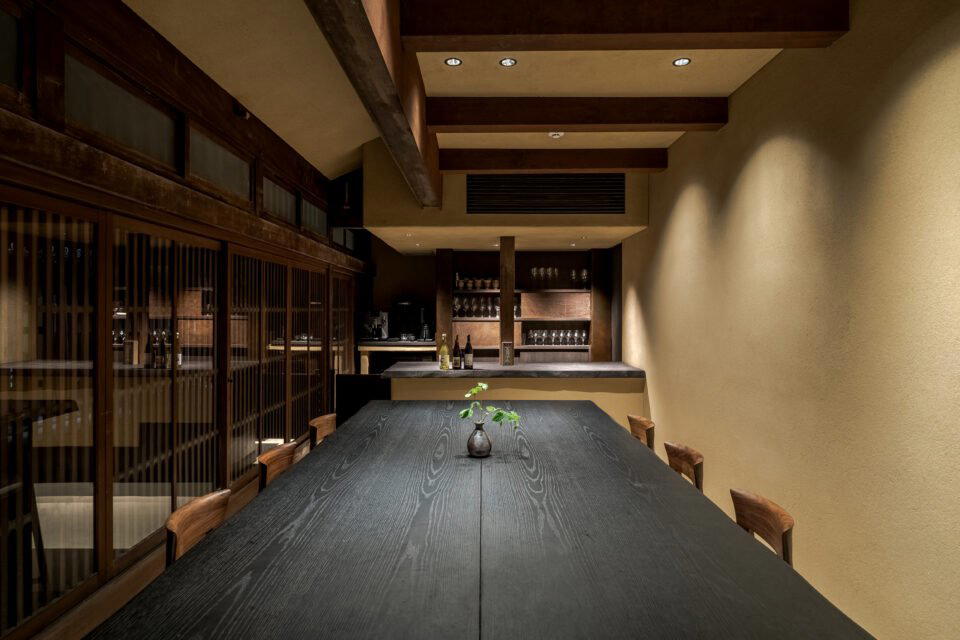
Details
- Elegant
- Intimate
- Sophisticated
- Date Night
- Special Occasion
- Business Dinner
- Open Kitchen
- Extensive Wine List
- Sake Program
- Organic
- Local Sourcing
- Street Scene
- Prix Fixe
- Vegetarian Friendly
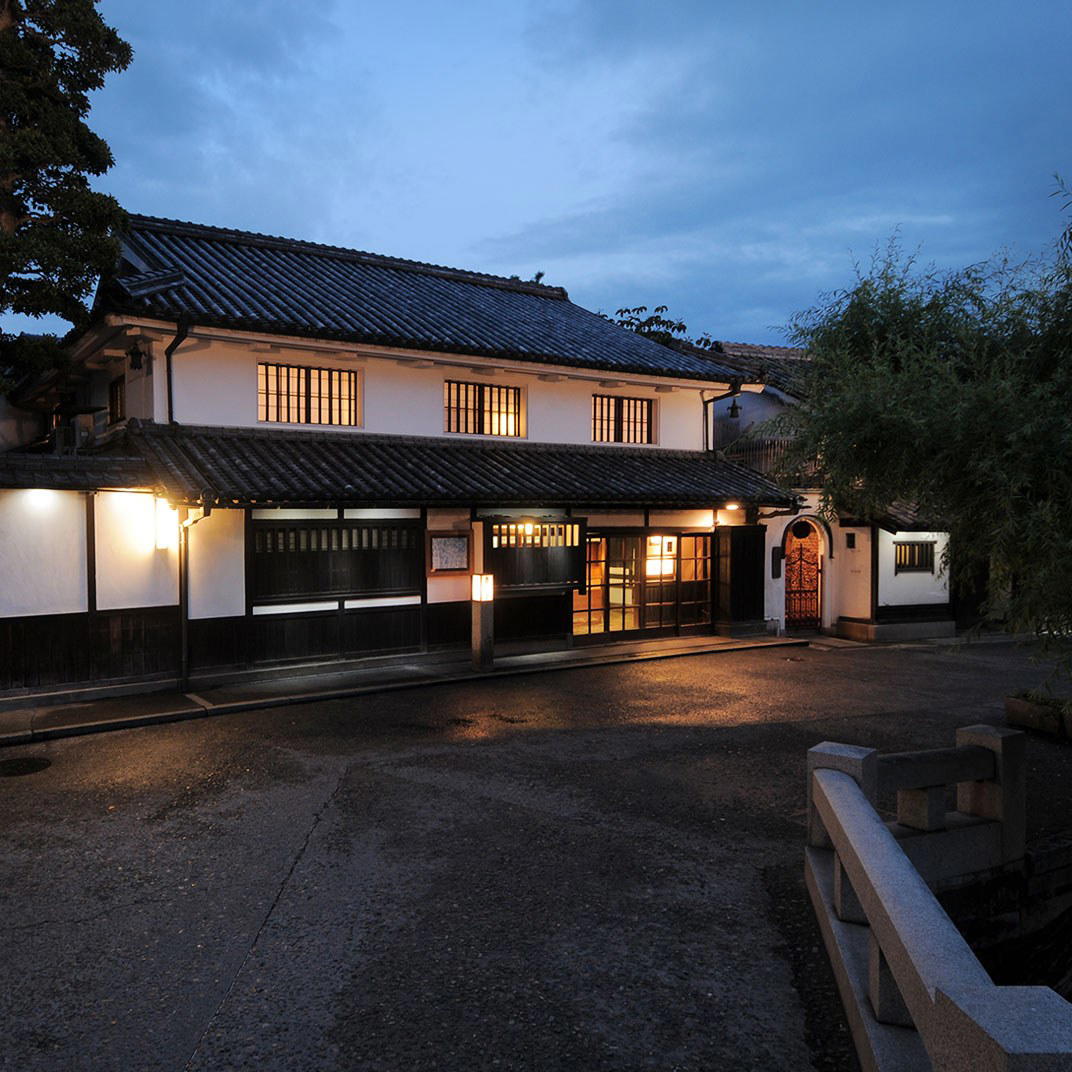
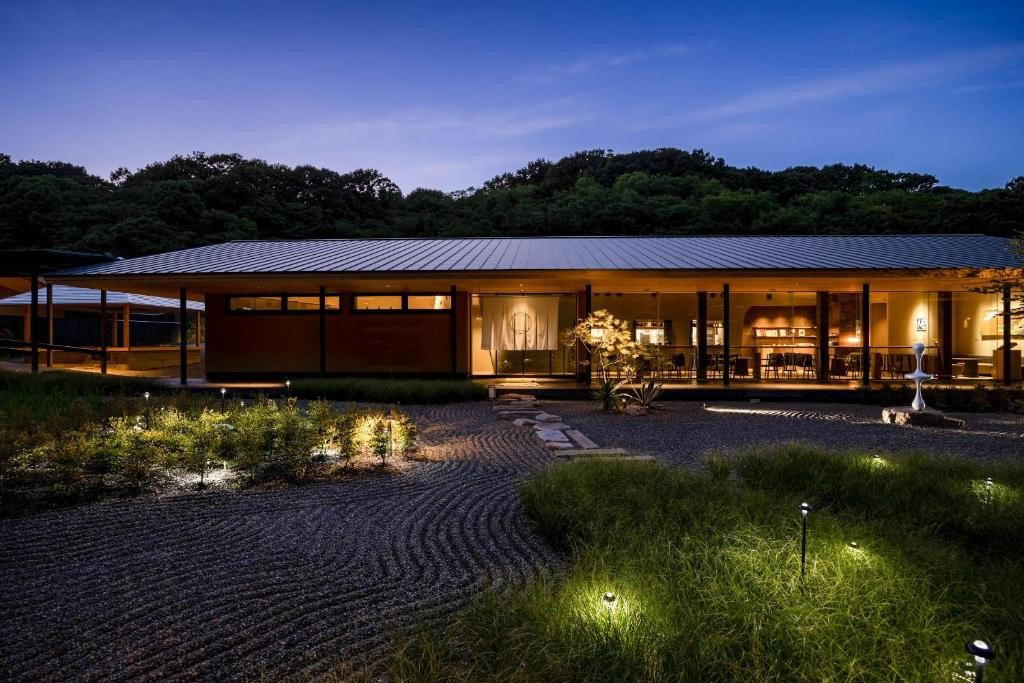
西川の景色を眺めながらの優雅で緊張感のある洗練された空間、オシャレな苔のオブジェと高級カトラリーが演出する上品な雰囲気。