神楽坂くろす sits in Kagurazaka, one of Tokyo's most layered Franco-Japanese neighbourhoods, where the tension between imported technique and domestic produce has shaped dining for decades. The restaurant occupies that productive intersection, drawing on a tradition of rigorous European method applied to ingredients with deep Japanese provenance. For diners tracing Tokyo's cross-cultural cooking at street level, Kagurazaka is the right address.
Pearl is the En Primeur Club membership app — saves, bookings, and concierge access live there. Same editors, same standards.
- Address
- 3 Chome-6-79 Kagurazaka, Shinjuku City, Tokyo 162-0825, Japan
- Phone
- +81362808112
- Website
- restaurant.ikyu.com
- Directions
- Get directions
 Saves & bookings on Pearl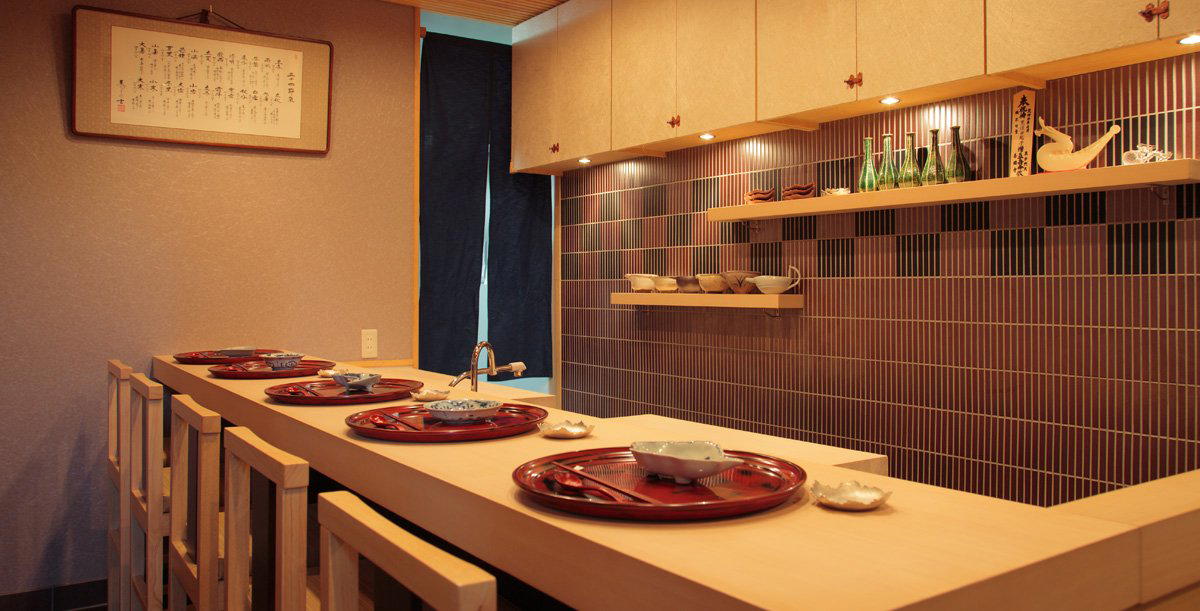
Kagurazaka and the Franco-Japanese Culinary Axis
The neighbourhood of Kagurazaka has carried a French accent since the late Meiji era, when European expatriates and Japanese intellectuals shared the same narrow stone-paved lanes. That historical overlay is not decorative, it has shaped how restaurants here think about technique, service, and sourcing in ways that remain distinct from the rest of Tokyo. In Kagurazaka, the question is never whether to borrow from France or stay rooted in Japan. The question is how to make both coexist without either collapsing into the other.
神楽坂くろす, addressed at 3 Chome-6-79 Kagurazaka in Shinjuku City, sits inside that long tradition. The location places it among the quartier's stone alleys and converted machiya townhouses, in a part of Tokyo where the density of French-influenced kitchens is high. That context matters: a restaurant here is not simply adopting a fashionable global vocabulary. It is participating in a neighbourhood dialogue that has been running for well over a century.
Where Imported Method Meets Japanese Provenance
The broader pattern across Japan's most compelling cross-cultural kitchens, from L'Effervescence in Nishi-Azabu to HAJIME in Osaka, is a rigorous commitment to European structural logic applied to produce with specific Japanese geography behind it. Fermentation practices developed in Burgundy get applied to Kyoto vegetables. Sauce-making traditions from classical French kitchens inform how a dashi is reduced. The technique travels; the ingredients do not. That asymmetry is where interesting cooking happens.
神楽坂くろす operates within that framework. Kagurazaka's cooking lineage means that chefs here have access not just to proximity with French culinary culture but to decades of institutional knowledge about how that culture translates, or refuses to translate, in a Japanese context. The neighbourhood functions as a kind of working laboratory for exactly the kind of local-ingredients, global-technique conversation that the leading Japanese-European kitchens are having across the country, from akordu in Nara to Gion Sasaki in Kyoto.
Tokyo's leading French-influenced restaurants, including Sézanne and Crony, anchor their menus to Japanese seasonal produce even when the technique is classical French. The produce-first logic runs through the city's premium kitchens regardless of format, from omakase counters like Harutaka to kaiseki rooms like RyuGin.
Reading the Neighbourhood
Kagurazaka divides into several distinct registers. The main thoroughfare running from Iidabashi Station is commercial and accessible. Deeper in, toward the Geisha district, still active, with ochaya tea houses operating by referral, the streets narrow and the restaurants become smaller, more specialised, and less dependent on foot traffic. 神楽坂くろす, at a Chome-6 address, sits in the quieter, more residential interior of the neighbourhood, which signals something about how it expects to be found: by people who have already decided to come, not by those passing through.
That positioning aligns with a broader shift in Tokyo dining. Across the city, the restaurants generating sustained critical attention are increasingly located off primary dining corridors, in residential Yoyogi-Uehara, in the back streets of Minami-Aoyama, or in exactly the kind of interior Kagurazaka that 神楽坂くろす occupies. The logic is consistent: smaller capacity, quieter surroundings, a guest base built on intention rather than impulse. Comparable neighbourhood-embedded restaurants doing cross-cultural work in other Japanese cities include Goh in Fukuoka and Bistro Ange in Toyohashi, both of which have built reputations that extend far beyond their immediate markets.
For international reference, the model is not dissimilar to what Atomix in New York City has achieved, deploying refined European-influenced technique to reframe what fine dining in that tradition can look like. The geography shifts; the structural ambition is recognisable. Le Bernardin in New York City offers the complementary mirror: a purely French-technique kitchen that has sustained relevance over decades by maintaining absolute discipline in its format, regardless of trend.
The Kagurazaka Dining Context
Visitors arriving in Kagurazaka for the first time often underestimate how compressed the neighbourhood's dining offer is. Within a ten-minute walk of the main street, there are French bistros, Japanese-French hybrid kaiseki rooms, traditional soba-ya, and izakaya that have operated under the same families for three generations. The competition is not just for covers, it is for identity. In that environment, a restaurant's ability to articulate what specifically it is doing with local ingredients and imported technique matters more than broad category labels.
Other restaurants across Japan navigating similarly specific regional identities include 一本木 in Nanao, 古代山乃 in Sapporo, 湖畔庵 in Takashima, 鶴羽屋 in Nishikawa Machi, and Birdland in Sakai. Each operates within a regional produce logic that shapes menu decisions more fundamentally than cuisine classification alone.
Planning a Visit
Kagurazaka is most easily reached via Iidabashi Station, served by the JR Sobu Line, the Tokyo Metro Tozai Line, Nanboku Line, and Yurakucho Line. The walk into the neighbourhood's interior takes roughly five to ten minutes from the station exits on the Kagurazaka side. Given the address depth within the Chome-6 block, advance reservation is the sensible approach. Evenings in Kagurazaka tend to fill from mid-week through the weekend; earlier in the week offers greater flexibility for first-time visitors.
Quick reference: 3 Chome-6-79 Kagurazaka, Shinjuku City, Tokyo 162-0825. Nearest station: Iidabashi.
Side-by-Side Snapshot
Comparable venues nearby, for context on price, style, and recognition.
| Venue | Cuisine | Price | Notes |
|---|---|---|---|
| 神楽坂くろすThis venue — the venue you are viewing | Traditional Kaiseki | $$$$ | Not listed |
| 久丹 | Modern kaiseki "Tokyo washoku" tasting menu | $$$$ | Shintomicho, Chuo |
| Inoue (井上) | Modern Yakiniku | $$$$ | Ginza |
| Yakatabune Izanagi | Wagyu Omakase on Tokyo Bay Yakatabune | $$$$ | Shinagawa |
| Gokita | Yakitori French Fusion | $$$$ | Chiyoda |
| Kamon | Modern Wagyu-focused Teppanyaki in Imperial Hotel Tokyo | $$$$ | Chiyoda |








At a Glance
- Elegant
- Sophisticated
- Intimate
- Cozy
- Special Occasion
- Date Night
- Private Dining
- Sake Program
Current opening hours
- Monday
- 5:30–10 PM
- Tuesday
- 11:30 AM–2 PM, 5:30–10 PM
- Wednesday
- 11:30 AM–2 PM, 5:30–10 PM
- Thursday
- 11:30 AM–2 PM, 5:30–10 PM
- Friday
- 5:30–10 PM
- Saturday
- 11:30 AM–2 PM, 5:30–10 PM
- Sunday
- Closed
Hours can change for holidays and private events. Last verified .
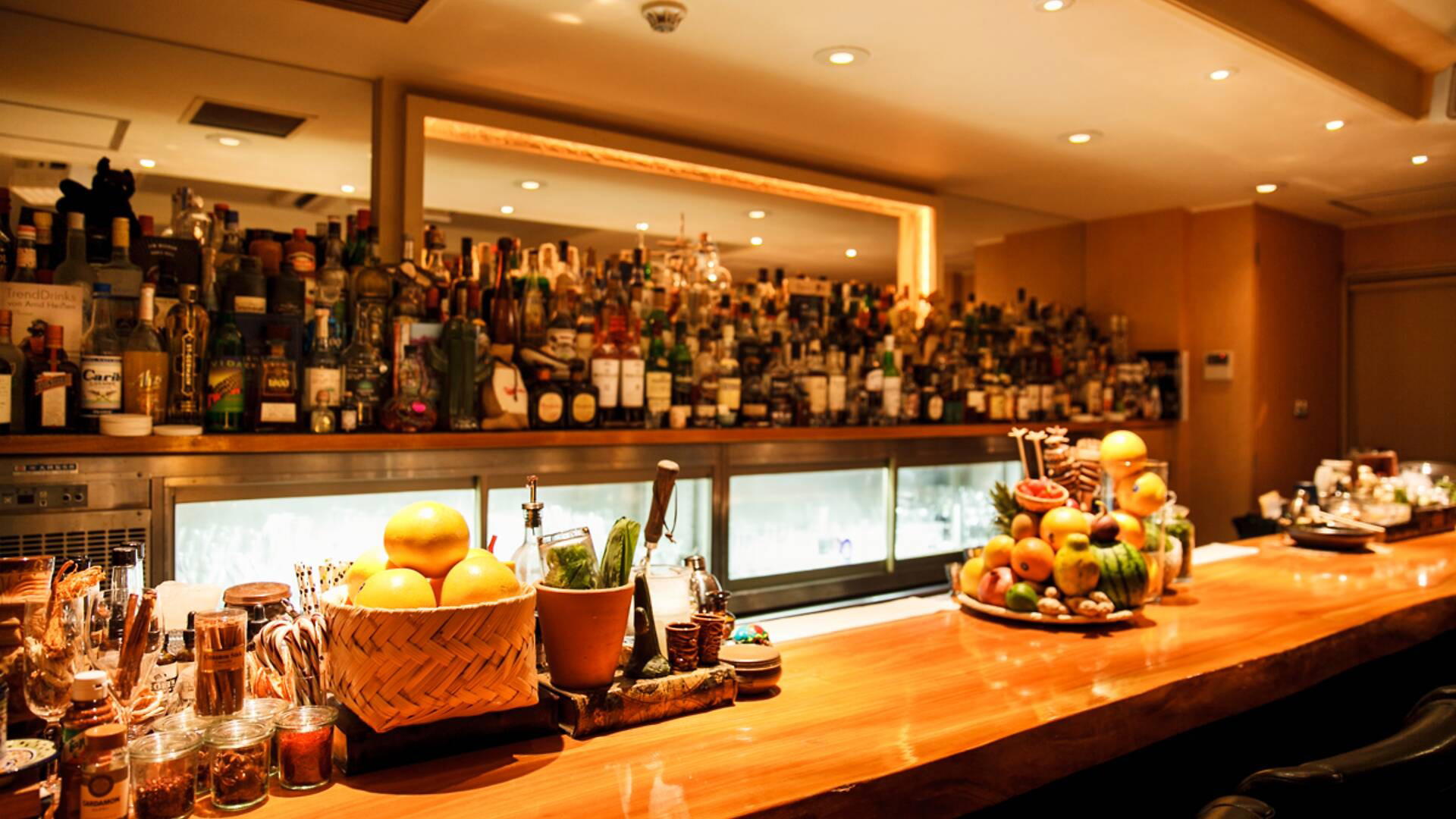
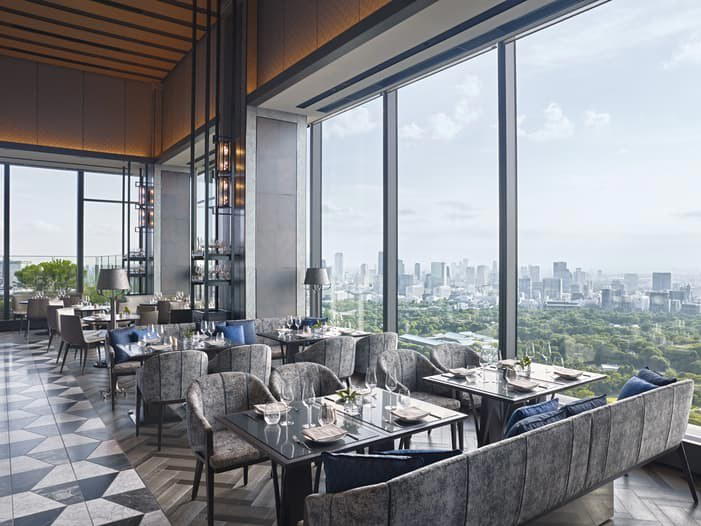
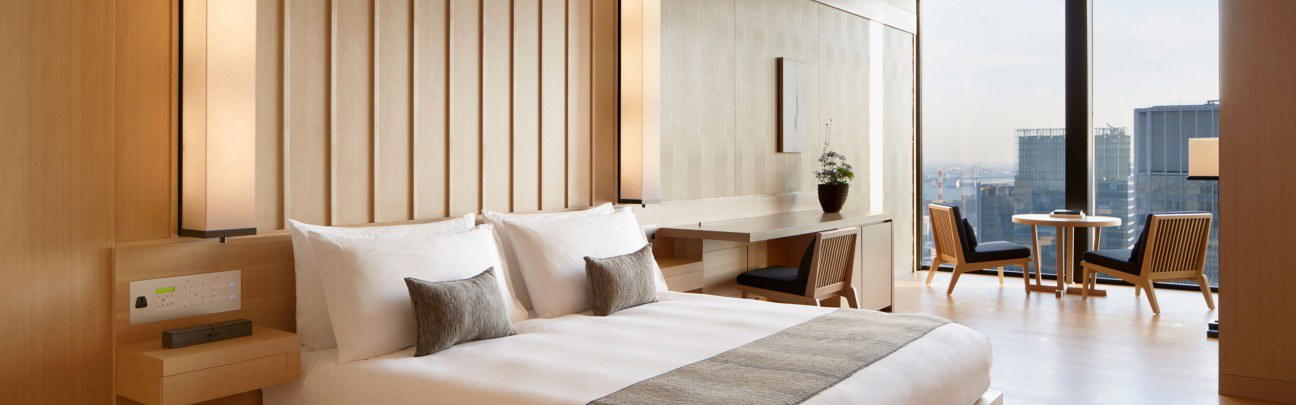
Luxurious space fusing Japanese tradition and modern sensibilities in a serene Kagurazaka setting with counter and private room seating.