
Tabelog 100 #28
Our verdict
Chabo places Shizuoka’s yakitori culture in a serious evening register, with counter seating, sake and shochu emphasis, and selection for Tabelog’s Yakitori EAST 100 in 2025. The appeal is less spectacle than discipline: charcoal-grilled chicken as a regional night-out ritual, positioned above casual skewers and closer to destination dining.

Pearl is the En Primeur Club membership app — saves, bookings, and concierge access live there. Same editors, same standards.
- Address
- 静岡県静岡市葵区昭和町1-1 治作ビル 3F
- Phone
- +81542531268
- Website
- tabelog.com
- Directions
- Get directions
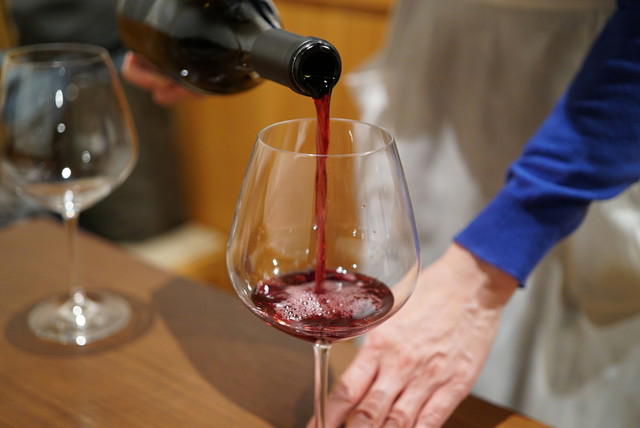
Showa-cho’s dining streets work at a lower volume than Tokyo’s restaurant districts. The approach is vertical rather than grand: a building entrance, an upper floor, the sense that dinner is happening behind a modest threshold rather than on display. That suits yakitori. The form rewards concentration, not theatre: fire, timing, seasoning, and a room close enough to make the grill the evening’s centre of gravity.
In Shizuoka, yakitori occupies a useful middle ground between everyday drinking food and formal Japanese dining. It is not kaiseki, and it does not try to be sushi. Its grammar is narrower: chicken, charcoal, skewers, sake, shochu, and the quiet accumulation of small decisions. Chabo belongs to the more serious end of that grammar. Selection for Tabelog’s Yakitori EAST 100 in 2025 places it in a regional field that covers eastern Japan rather than only the city, a meaningful signal in a category where reputation often travels through regulars before it reaches visitors.
Yakitori in Shizuoka has a different tempo from the capital's counter culture
Tokyo’s acclaimed yakitori counters often behave like destination restaurants: small rooms, compressed booking demand, and a price structure shaped by national attention. Shizuoka’s version can be more local in rhythm, but that does not make it casual. The city sits between coast, tea country, rail traffic, and after-work drinking culture; restaurants here often serve residents first and travellers second. That changes the feeling of a meal. The measure is not novelty. It is whether the kitchen can turn a simple sequence of skewers into a controlled evening.
Chabo’s category matters because yakitori is one of Japan’s clearest tests of repetition. The pleasure is cumulative: lean cuts and richer cuts, salt and sauce, chicken and drink, counter pacing and conversation. A serious yakitori room does not need a long manifesto. It needs command of heat and enough restraint to let the format do its work. The listed emphasis on sake and shochu fits that tradition. Beer starts many yakitori meals, but nihonshu and shochu give the sequence more range, especially once richer skewers begin to anchor the table.
The price tier also separates this address from Shizuoka’s more casual dinner circuit. Within the city, comparison venues such as OUBAITOURI and Taihei sit below or around the mid-evening bracket, while Blue Label occupies a neighboring but slightly lower dinner range. Chabo is positioned above that casual spread, closer to a planned night than an improvised stop. That matters for travellers: in a city with excellent everyday eating, the higher yakitori tier has to justify itself through pacing, grill craft, and drink alignment rather than décor or ceremony.
The room reads as counter-led, not banquet-driven
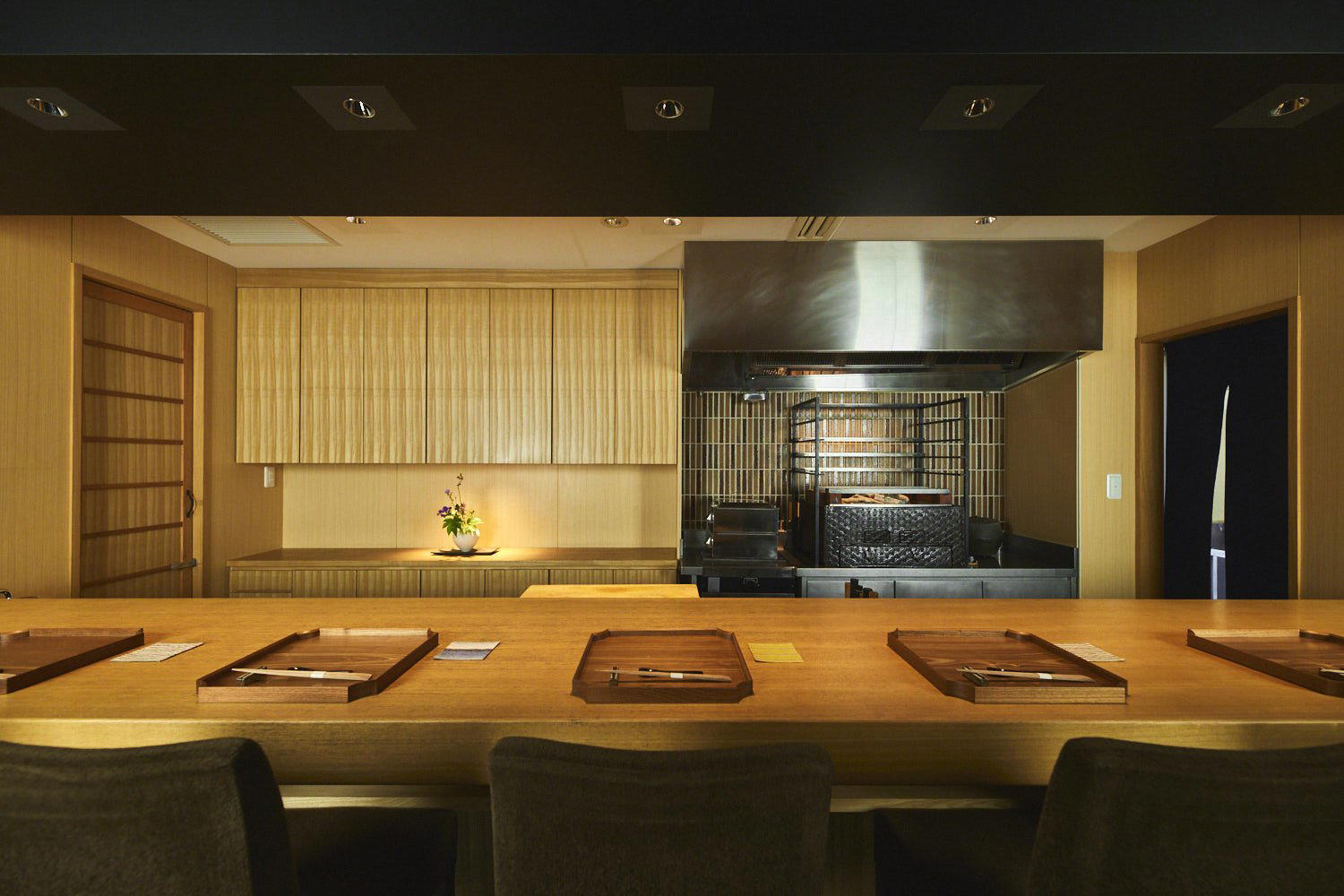
Counter seating is important in yakitori because it changes the social contract. The grill is not hidden production; it is part of the structure of the meal. Diners watch the sequence develop in small increments, and the room’s energy comes from timing rather than table turnover. Spacious seating, noted alongside counter seating, suggests a format that is not built only for cramped regulars. That makes the restaurant easier to place for visitors who want a serious yakitori dinner without the austerity of a tiny capital-city counter.
Private rooms are not part of the setup, which keeps the focus on shared atmosphere rather than sealed-off entertaining. Private use is available, but the more revealing detail is the absence of parking. In central Shizuoka, that nudges the evening toward train-and-walk dining, which is often the better way to read the neighbourhood anyway. The location near Shizuoka Station folds it into the city’s compact night economy: office workers, small groups, and travellers who have learned that some of the area’s strongest meals sit above street level rather than along the main frontage.
For a wider read on the city’s dining range, Our full Shizuoka restaurants guide is the natural starting point. Nearby editorial reference points include Aozora, Asaba (Kaiseki), Blue Label, Chinese Muramatsu, and FUJI. The contrast is useful: kaiseki, Chinese, and contemporary Japanese rooms show how broad Shizuoka’s serious dining has become, while yakitori keeps the argument grounded in fire and repetition.
How to read a serious yakitori booking here
The practical decision is simple: treat this as an evening built around the grill, not a prelude to something else. Reservations are available, and the restaurant’s recognition makes advance planning sensible, especially for visitors with limited nights in Shizuoka. Payment habits also matter in Japan’s smaller specialist restaurants; where cash-only policies appear, they are not a quirk but part of how many independent rooms continue to operate. Arrive prepared rather than assuming metropolitan convenience.
Chabo’s value is clearest for diners who already understand yakitori as a cuisine of increments. It is less suited to anyone looking for a broad menu, a late-night bar hop, or a heavily explained tasting format. The better comparison is with other specialist Japanese experiences where the format narrows the field and raises the stakes. Across Japan and beyond, that category can look different: -Grilled beef Sukiyaki- KAMAKURA TANUKIAN 鎌倉 たぬき庵 in Kamakura frames beef through sukiyaki. 鮪と炭火焼き うお炭 秋葉原店 in Tokyo brings tuna and charcoal into an urban izakaya register, and Jōdo Saké Bar in Los Angeles shows how sake-led Japanese dining travels outside Japan.
Travellers building a broader Shizuoka itinerary should resist treating dinner as the only lens. The city’s hotel, bar, winery, and experience scenes shape how a night here feels before and after the meal; use Our full Shizuoka hotels guide, Our full Shizuoka bars guide, Our full Shizuoka wineries guide, and Our full Shizuoka experiences guide to place the booking properly. For a wider map of Japan’s more idiosyncratic small-format dining, compare the specificity of.cafe in Osaka.know in Kumamoto, (Shoku) Vietnam in Kawasaki, [Curry Senmon Ten] Maruyama Kyoju. in Sapporo, and Onigiri Time in Pasadena. The common thread is not luxury polish. It is a narrow idea executed with enough conviction to make the format feel complete.
Frequently asked questions
How do I find Chabo?
Chabo is located in Shizuoka.
Is Chabo expensive?
Pricing at Chabo is listed as JPY 10,000 - JPY 14,999 View spending breakdown.
What's the best way to book Chabo?
Use a reservation, since Chabo lists reservations as available and the counter seating format suits planned dinner service. The restaurant is in Shizuoka, at 静岡県静岡市葵区昭和町1-1 治作ビル 3F, and the dinner price range sits at JPY 10,000-14,999.
What is Chabo known for?
Chabo is primarily known for its core concept and execution in Shizuoka.
A Pricing-First Comparison
Nearby venues at a similar price tier for orientation.
| Venue | Cuisine | Price | Awards | Notes |
|---|---|---|---|---|
| ChaboThis venue — the venue you are viewing | Traditional Yakitori | $50–100 | Tabelog 100 #28 | Not listed |
| Go | Japanese Grill & Izakaya-Style Dining | $50–100 | Tabelog 100 #68 | Aoi-ku, Japanese Grill & Izakaya-Style Dining |
| Suehiro Zushi | Traditional Shimizu Sushi with Hagashi Tuna | $100–150 | Tabelog 100 #72 | Shimizu Ward, Traditional Shimizu Sushi with Hagashi Tuna |
| Ichi Unagi | Traditional Japanese Unagi | $50–100 | Tabelog Bronze #127 | Ito, Traditional Japanese Unagi |
| Taihei | Traditional Japanese Izakaya & Seafood | $50–100 | Tabelog 100 #50 | Aoi Ward (Ryougaemachi), Traditional Japanese Izakaya & Seafood |
| Oomura | Shizuoka chicken wings & oden izakaya | $20–30 | Tabelog 100 #76 | Aoi-ku, Shizuoka chicken wings & oden izakaya |
Recognition history
Dated appearances from independent guides and award organizations, with the underlying list record or original source where available.
Tabelog 100 #28 · No. 28
Tabelog · Tabelog 100 - Yakitori - EAST - 2025
Continue exploring
More in Shizuoka
Restaurants in Shizuoka
Browse all →
Hotels in Shizuoka
Browse all →
Wineries in Shizuoka
Browse all →
Details
- Cozy
- Intimate
- Casual Hangout
- After Work
- Group Dining
- Solo
- Standalone
- Chefs Counter
- Sake Program
- A La Carte
- Counter Dining
- Sake
- Shochu
- Beer
A cozy, non‑smoking hideout with spacious but mostly counter seating, creating an intimate atmosphere that suits small groups of friends over focused yakitori and sake.