
Shizuoka Sichuan Hanten gives Shizuoka a serious Sichuan reference point inside a hotel setting, with Tabelog Chinese EAST 100 selections in 2023, 2024, and 2026. The appeal is less about spectacle than about range: fish attention, allergy information, sake, shochu, wine, cocktails, private rooms, and an 80-seat format that suits both family meals and business dining.
Pearl is the En Primeur Club membership app — saves, bookings, and concierge access live there. Same editors, same standards.
- Address
- 静岡県静岡市葵区紺屋町3-10 中島屋グランドホテル B1F
- Phone
- +81542531151
- Website
- sn-hotels.com
 Saves & bookings on Pearl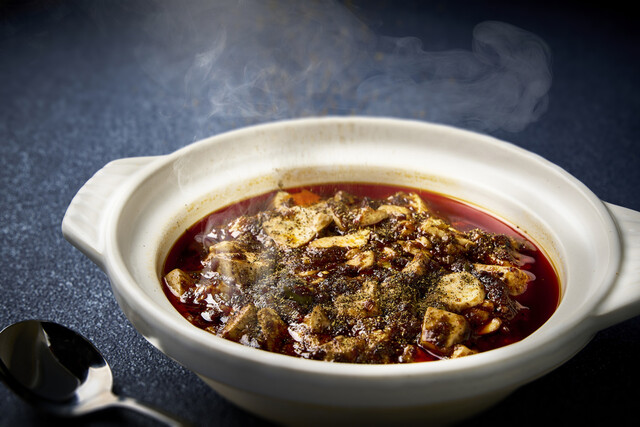
The descent to a basement hotel dining room changes the register of a meal in Shizuoka. Street noise drops away, the room becomes more composed, and Sichuan cooking is placed in a setting built for multi-generational tables, business meals, and longer gatherings rather than counter-seat theatre. That matters in a city where the serious dining conversation often defaults to seafood, kaiseki, or izakaya cooking before Chinese cuisine enters the frame.
Shizuoka Sichuan Hanten sits in that less crowded lane. Its 2026 selection for Tabelog Chinese EAST 100, alongside earlier selections in 2023 and 2024, gives the restaurant a clear trust signal in a category where national recognition outside Tokyo and Yokohama is harder to earn. The Tabelog score of 3.59 places it in the kind of Japanese review culture where consistency, repeat custom, and category discipline carry weight. This is not a tiny chef-counter proposition; it is an 80-seat hotel restaurant with private rooms, non-smoking operation, wheelchair access, free Wi-Fi, and a format that accepts children, strollers, and family use without making the room feel casual by default.
Sichuan cooking in a city shaped by fish
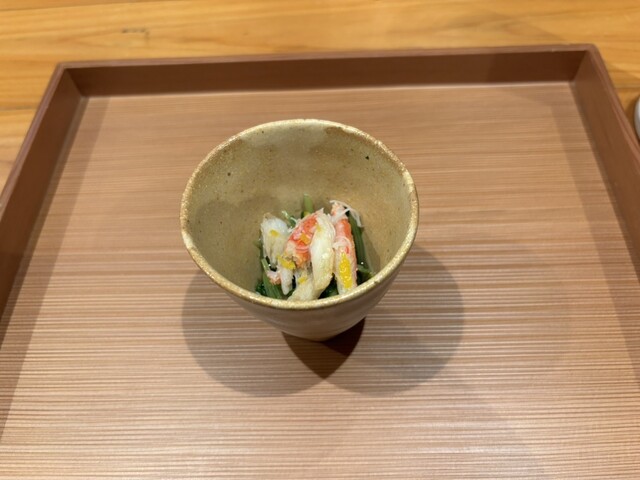
The useful way to read this kitchen is through sourcing expectations rather than heat alone. Sichuan cuisine in Japan has long been filtered through hotel dining rooms, department-store restaurants, and specialist Chinese houses, where spice is balanced against service polish and broad-party usability. In Shizuoka, that model meets a prefecture whose food identity is tied to fish, tea, wasabi, citrus, and port-city supply lines. The restaurant’s stated attention to fish is therefore more than a menu footnote; it connects Sichuan technique to the local expectation that seafood should not be treated as an afterthought.
That ingredient angle separates it from the city’s more familiar premium routes. Kaiseki addresses seasonality through sequence and restraint; sushi and seafood counters often narrow the encounter to procurement and knife work; yakitori and izakaya formats foreground grilling, smoke, and drink rhythm. Sichuan cooking adds another grammar: chile heat, fermented depth, aromatics, oil, broth, texture, and shared-table pacing. Within Shizuoka, that gives the meal a different job. It is not trying to compete with the quiet ceremony of Asaba (Kaiseki) or the higher-spend drinking rhythm of Chabo; it offers a structured Chinese meal that can absorb families, colleagues, and small celebrations without abandoning category seriousness.
The drinks list also points to a Japanese interpretation of Chinese dining rather than a narrow imported template. Sake, shochu, wine, and cocktails are all part of the program, which signals a room designed for mixed preferences. For travellers, that flexibility is useful: Sichuan restaurants can become hard work when the table must choose between intensity and accessibility. Here, the broader beverage frame and availability of allergy information make the format easier to use without reducing the cuisine to a generic hotel restaurant meal.
The hotel dining room as an advantage, not a compromise
Hotel Chinese restaurants in Japan can be misunderstood by visitors who equate ambition with small rooms and severe reservation systems. In regional cities, the hotel format often performs a different cultural role. It gives Chinese cuisine a formal dining platform, supports private rooms, handles birthdays and group meals, and keeps service predictable for guests who may be dining across ages or business hierarchies. Shizuoka Sichuan Hanten benefits from that tradition. The basement location inside Nakajimaya Grand Hotel places the cooking in a controlled environment, where the room’s usefulness is part of the editorial case.
Price positioning reinforces the point. Against Shizuoka peers, it occupies a middle bracket rather than the upper edge: below the spend associated with Blue Label or Chabo, and above the lighter bracket represented by Sabai Deal. That makes the Tabelog Chinese EAST 100 recognition more meaningful for decision-making. The draw is not scarcity for its own sake; it is category credibility at a level where the room can handle practical dining needs.
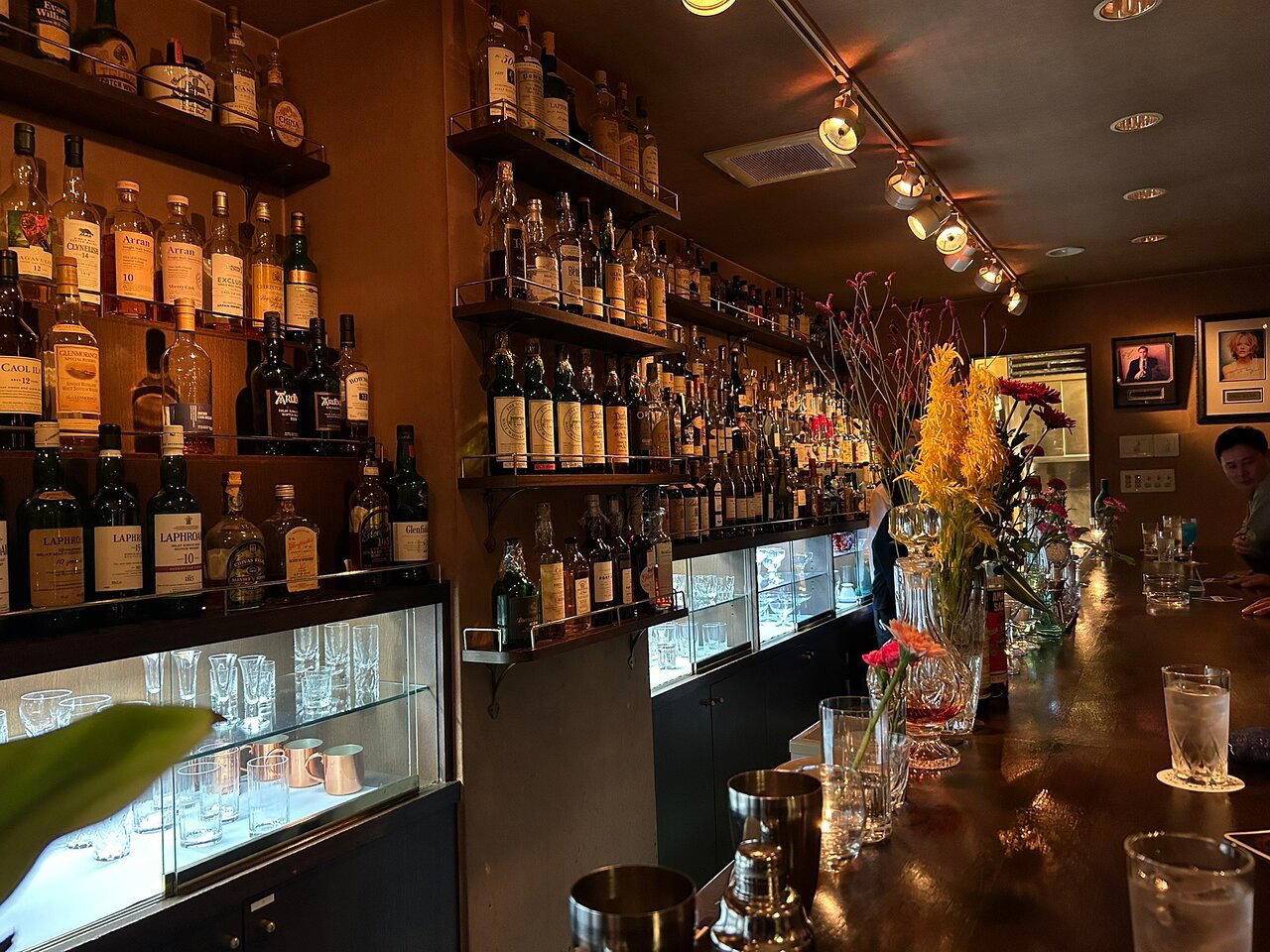
For a wider Shizuoka itinerary, the restaurant works as a counterweight to meals built around local seafood or Japanese seasonal formality. Pair it with a broader reading of the city through Our full Shizuoka restaurants guide, then compare the hospitality context through Our full Shizuoka hotels guide, Our full Shizuoka bars guide, Our full Shizuoka wineries guide, and Our full Shizuoka experiences guide. Nearby editorial reference points such as Aozora, Chinese Muramatsu, and Chabo help frame how varied the city’s serious dining can be across cuisine, spend, and occasion.
The broader Japan file adds useful perspective. Regional Chinese dining should not be judged by the same signals as a Tokyo tasting counter, just as a Kamakura sukiyaki meal at -Grilled beef Sukiyaki- KAMAKURA TANUKIAN 鎌倉 たぬき庵 in Kamakura, an Akihabara charcoal-and-tuna format at. 鮪と炭火焼き うお炭 秋葉原店 in Tokyo, a casual Osaka stop at.cafe in Osaka.know in Kumamoto, (Shoku) Vietnam in Kawasaki, or [Curry Senmon Ten] Maruyama Kyoju. in Sapporo each answers a different local need. Even overseas Japanese-adjacent formats such as Jōdo Saké Bar in Los Angeles and Onigiri Time in Pasadena show how context changes the meaning of category labels.
Who should put it on the Shizuoka shortlist
This is a strong choice for travellers who want one Chinese meal in Shizuoka with credible recognition, enough seating for a planned group, and a setting that can handle children or private-room dining. It is less suited to diners chasing a hushed micro-counter or a chef-biography narrative. The better expectation is a polished Sichuan meal in a regional Japanese hotel restaurant, with fish attention, broad drinks, and enough structural reliability to make the meal work for more than one kind of table.
Quick Comparison
Comparable venues by cuisine and price in the same metro.
| Venue | Cuisine | Price | Notes |
|---|---|---|---|
| Shizuoka Sichuan HantenThis venue — the venue you are viewing | Authentic Sichuan Chinese | $$$ | Not listed |
| Kawachi Ya | Dining | Not listed | Shizuoka |
| カワサキ | French Gastronomy with Game & Seasonal Vegetables | $$$ | Aoi-ku |
| 台湾味 | Taiwanese | $$ | Shizuoka Station area |
| OUBAITOURI | Natural Chinese & Sichuan using homemade fermented seasonings | $$$ | Aoi Ward |
| Sabai Deal | Casual Thai Restaurant | $$ | .null |
Recognition history
Dated appearances from independent guides and award organizations, with the underlying list record or original source where available.
Tabelog 100 #65 · No. 65
Tabelog · Tabelog 100 - Chinese cuisine - EAST - 2026
Continue exploring
More in Shizuoka
Restaurants in Shizuoka
Browse all →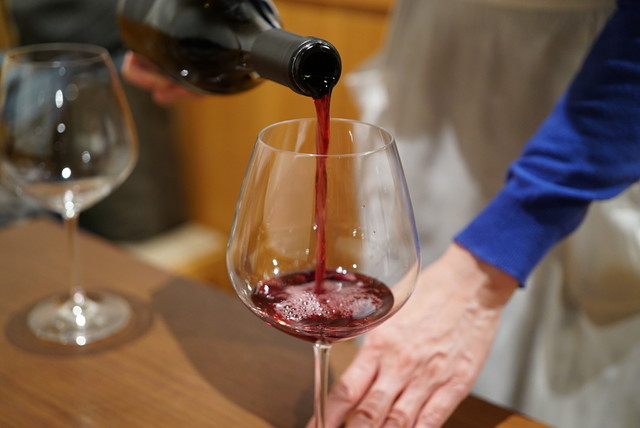
Hotels in Shizuoka
Browse all →
Wineries in Shizuoka
Browse all →
At a Glance
- Classic
- Elegant
- Sophisticated
- Intimate
- Business Dinner
- Group Dining
- Celebration
- Special Occasion
- Private Event
- Private Dining
- Hotel Restaurant
- Beer Program
- Local Sourcing
An elegant, special-occasion-friendly basement restaurant atmosphere with a refined hotel setting and a private-room option for groups.