The July – Twenty Eight

At Stadionplein 260, The July – Twenty Eight has earned both the Country Winner award for Luxury Boutique Serviced Apartments and the Continent Winner award for Luxury Boutique Hotel, placing it among a small cohort of Amsterdam properties that compete on space and residential character rather than lobby spectacle. Located in the Stadionplein quarter south of the Pijp, it operates at the intersection of apartment-style living and boutique hotel standards.
Pearl is the En Primeur Club membership app — saves, bookings, and concierge access live there. Same editors, same standards.
- Address
- Stadionplein 260, 1076 CK Amsterdam, Netherlands
- Phone
- +31 20 705 1700
- Website
- thejuly.com
- Directions
- Get directions
 Saves & bookings on Pearl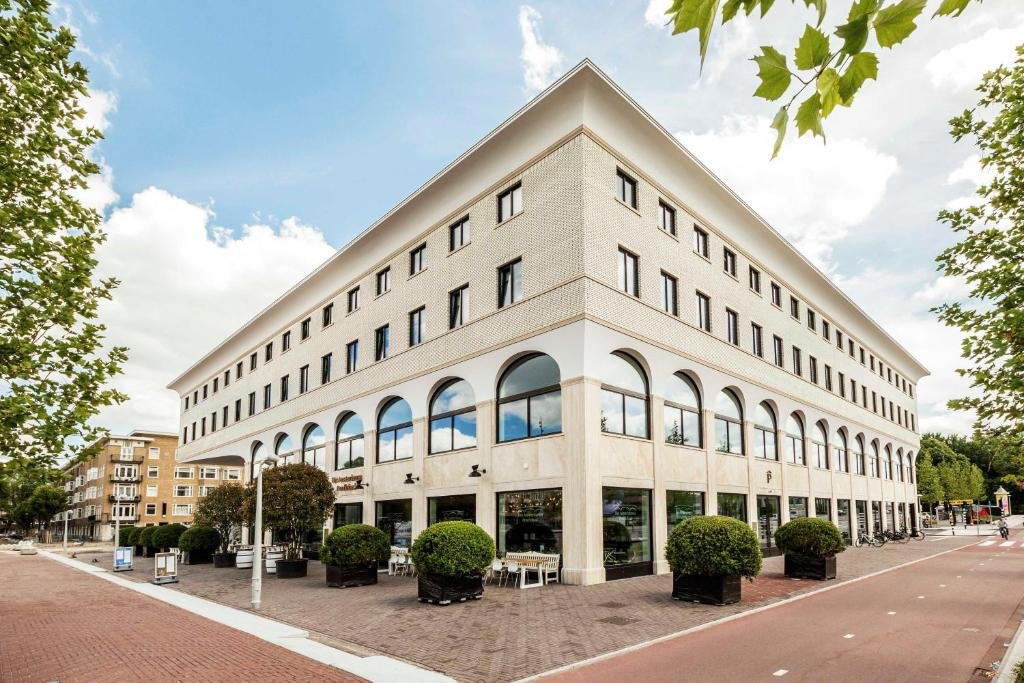
Space as the Argument: Amsterdam's Serviced Apartment Category and Where The July – Twenty Eight Sits
Amsterdam's premium accommodation market has long been organised around a recognisable hierarchy: the grand canal-front hotels with their heritage interiors and international brand affiliations, and beneath them a more fragmented tier of boutique properties and serviced apartments competing on different terms. What has shifted in recent years is the seriousness with which the serviced apartment format is being assessed against traditional hotel standards. The July – Twenty Eight, a four-star hotel at Stadionplein 260 in Amsterdam, has been judged on exactly those terms, having received both the Country Winner designation for Luxury Boutique Serviced Apartments and the Continent Winner designation for Luxury Boutique Hotel. Winning across both categories is a structural statement: this is a property that refuses to be filed into one box.
That dual recognition positions The July – Twenty Eight in a comparable set that sits apart from Amsterdam's canal-front landmark hotels, properties like the De L'Europe Amsterdam or the Conservatorium, which trade on architectural heritage and central location. The Stadionplein address puts this property in a quieter, more residential register, closer in spirit to the De Pijp Boutique Hotel than to the grand dame properties along the Amstel. That is a deliberate positioning, and the awards suggest it is working.
The Stadionplein Quarter: What the Neighbourhood Tells You
The area around Stadionplein sits south of the Pijp and east of Oud-Zuid, at a remove from the Rijksmuseum and Vondelpark without being isolated from them. The tram infrastructure connecting this quarter to central Amsterdam is functional and direct. For a guest staying more than two or three nights, the residential scale of Stadionplein works in the property's favour: there are local markets, neighborhood cafes, and a street-level texture that the canal-centre hotel zones increasingly lack as visitor density pushes out the everyday.
This is the environment in which serviced apartment formats tend to perform at their leading. When a property can situate a guest within a living neighbourhood rather than a tourist corridor, the logic of apartment-style space, kitchen access, and flexible check-in rhythms becomes more coherent. The July – Twenty Eight, positioned here rather than in the Grachtengordel, is making a specific argument about how Amsterdam is experienced across an extended stay. For Amsterdam alternatives with a different spatial logic, the Canal House and Breitner House offer the historic-centre counterpoint.
Design and the Physical Container: How Space Works Here
The language of luxury boutique accommodation in the Netherlands has been evolving. Properties like the Andaz Amsterdam Prinsengracht demonstrated that design ambition and local material references could coexist with international brand infrastructure. The smaller independent properties have had to work harder to make the same argument with fewer resources. The Country and Continent Winner designations held by the hotel suggest its spatial and design approach cleared a threshold that the awards process found persuasive.
In the boutique serviced apartment format specifically, the physical container matters more than in standard hotel rooms, where the guest relationship with the space is largely passive. An apartment-format unit requires decisions about kitchen design, storage layout, living and sleeping zone separation, and the quality of materials across surfaces the guest will actually touch and use repeatedly. These are the details that separate a serviced apartment that reads as a large hotel room with a microwave from one that functions as a considered residential space. The Continent Winner recognition indicates the latter.
For comparison, the Décor Canal House and the Conscious Hotel Amsterdam City (The Tire Station) each represent different design registers within Amsterdam's boutique tier, with Conscious operating an explicit sustainability-led spatial logic and Décor Canal House working in a more heritage-referential mode. The hotel's position as both a serviced apartment winner and a boutique hotel winner at continental level suggests a third path: residential spatial generosity read through a contemporary design lens.
The Netherlands in Context: What Continental Recognition Means
A Continent Winner designation places the hotel in competition across a field that includes properties in cities with deep luxury hospitality traditions: London, Paris, Milan, and beyond. At that scale, the boutique serviced apartment category is a specific and contested niche. Properties that perform well in it tend to share characteristics: controlled key counts, attention to unit-level detail rather than shared amenity spectacle, and a design approach coherent enough to read as intentional rather than assembled.
Elsewhere in the Netherlands, the premium accommodation tier includes properties operating in different registers: De Librije in Zwolle anchors its hospitality proposition around its restaurant pedigree, while Château Neercanne in Maastricht and Château St. Gerlach in Valkenburg aan de Geul work within estate-hotel formats. The hotel occupies a different category entirely: urban, apartment-format, and evaluated specifically on the quality of its spatial and residential proposition. For travellers planning wider Dutch itineraries, Inntel Hotels Amsterdam Zaandam, Posthoorn in Monnickendam, and 2L de Blend Hotel in Utrecht offer regional context. For airport proximity, citizenM Schiphol Airport and citizenM Rotterdam serve different transit logics entirely.
Planning a Stay: What to Know Before Booking
The Stadionplein 260 address is served by Amsterdam's tram network, with connections making the Rijksmuseum, Vondelpark, and the Pijp accessible without requiring a car. For guests arriving by train at Amsterdam Centraal, the journey south to Stadionplein is direct and adds no meaningful friction to a check-in.
The canal-front heritage properties and international-brand hotels occupy a different spatial and experiential register. Within the boutique-residential tier, the hotel's dual award recognition at country and continental level signals its standing. Comparable international award-tier properties in other cities, such as The Fifth Avenue Hotel in New York City or Aman New York, operate in a different price register and scale, but the underlying logic of spatially generous, design-considered accommodation is shared. The Aman Venice offers a further European point of reference for how boutique residential-format hotels position themselves within competitive luxury markets. Closer to home, the Grand Hotel Huis ter Duin in Noordwijk aan Zee and Landgoed Hotel Het Roode Koper in Leuvenum represent the Dutch coastal and countryside luxury register for travellers whose itinerary extends beyond Amsterdam. The Central Park Voorburg and De Plesman Hotel The Hague anchor the Randstad's southern hospitality tier. Bij Jef in Den Hoorn offers a smaller-scale rural counterpoint for those seeking contrast after an urban stay.
Cuisine and Credentials
Comparable venues nearby, for context on price, style, and recognition.
| Venue | Cuisine | Price | Awards | Notes |
|---|---|---|---|---|
| The July – Twenty EightThis venue — the venue you are viewing | Contemporary apartment-hotel blending residential comfort with luxury hospitality services; eco-certified with sustainable design principles. | $$$ | 4-Star | Not listed |
| Canal House | Boutique historic canal house | $$$ | 5-Star | Leliegracht e.o. |
| nhow Amsterdam Rai | Well-known modern high-rise convention hotel blending art, design, and gastronomy in Amsterdam's business district. | $$$ | 4-Star | Zuidas |
| Esthéréa | Family-owned luxury boutique in preserved 17th-century canal houses | $$$ | 4-Star | Spuistraat Zuid |
| De Durgerdam | 17th-century fisherman's inn transformed into luxury boutique with modern addition | $$$$ | 5-Star | Durgerdam |
| Conscious Hotel Amsterdam City (The Tire Station) | Eco-sexy sustainable design in a repurposed historic tire station. | $$ | 4-Star | Vondelparkbuurt West |
Recognition history
Dated appearances from independent guides and award organizations, with the underlying list record or original source where available.
World Luxury Hotel Awards WLHA Continent Winner
World Luxury Hotel Awards
World Luxury Hotel Awards WLHA Country Winner
World Luxury Hotel Awards
Continue exploring
More in Amsterdam
Hotels in Amsterdam
Browse all →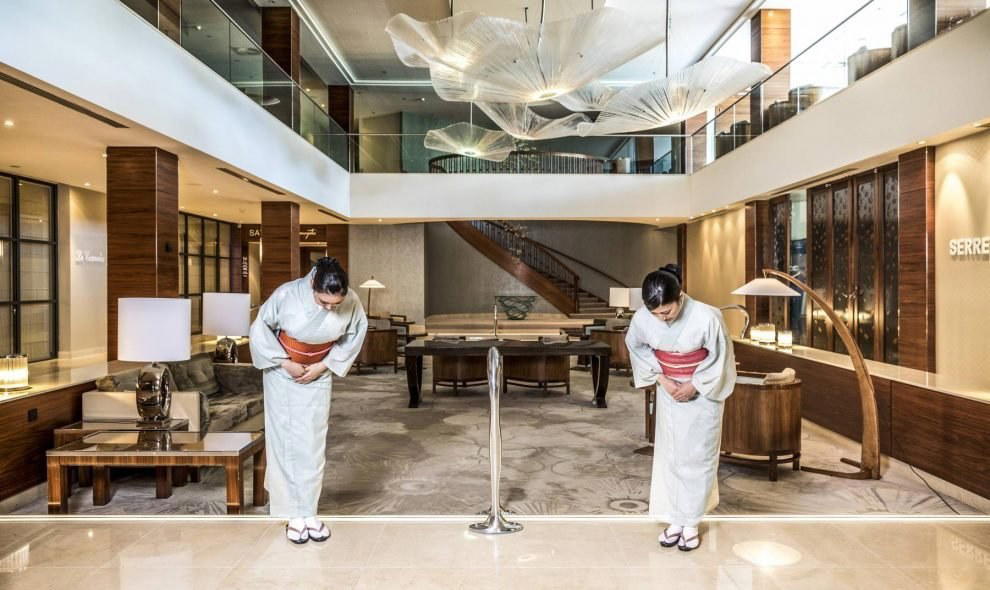
Bars in Amsterdam
Browse all →
Restaurants in Amsterdam
Browse all →
Wineries in Amsterdam
Browse all →
At a Glance
- Modern
- Elegant
- Quiet
- Minimalist
- Sophisticated
- Business Trip
- Family Vacation
- Weekend Escape
- Design Destination
- Garden
- Terrace
- Wi Fi
- Fitness Center
- Spa
- Sauna
- Bicycle Rental
- Bar
- Concierge
- EV Charging
- Room Service
- Street Scene
- Wi Fi
- Fitness Center
- Spa
- Sauna
- Bicycle Rental
- Bar
- Concierge
- EV Charging
- Room Service
Modern, minimalist design with clean lines and tasteful decor; bright lobby and lounge areas; peaceful courtyard setting despite proximity to urban street.