Bij Jef


Bij Jef occupies a quietly positioned address in Den Hoorn, the smallest of Texel's villages, where minimalist interiors and locally sourced cooking draw visitors who come specifically for the island's slower pace. Rates from US$358 per night position it in the considered mid-to-upper tier of Dutch island accommodation.7 from 299 reviews signals consistent delivery rather than occasional brilliance.
Pearl is the En Primeur Club membership app — saves, bookings, and concierge access live there. Same editors, same standards.
- Address
- Herenstraat 34, 1797 AJ Den Hoorn Texel
- Phone
- +31 222 319 623
- Website
- bijjef.nl
- Directions
- Get directions
 Saves & bookings on Pearl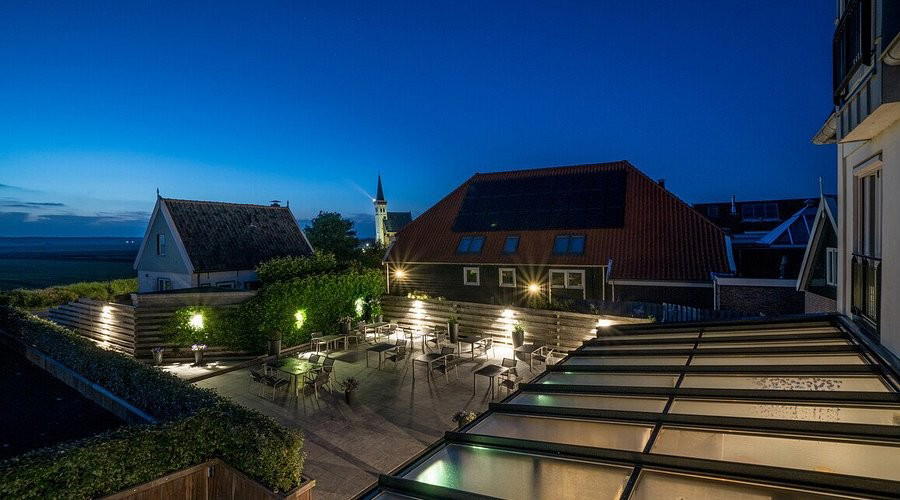
Den Hoorn and the Case for Staying Small
Texel's five villages sit across an island that most Dutch travellers reach by ferry from Den Helder, a 20-minute crossing that does something useful: it sets a deliberate pace before you arrive. Den Hoorn is the quietest of those villages, a cluster of low white-walled buildings and farmland on the island's southern end, far enough from the busier De Koog strip to feel like a different proposition entirely. The accommodation pattern on Texel has long split between larger coastal hotels pitched at summer beach traffic and smaller, purpose-built stays that attract visitors who want the island's ecology and food culture, not its volume. Bij Jef, at Herenstraat 34, sits squarely in the second category.
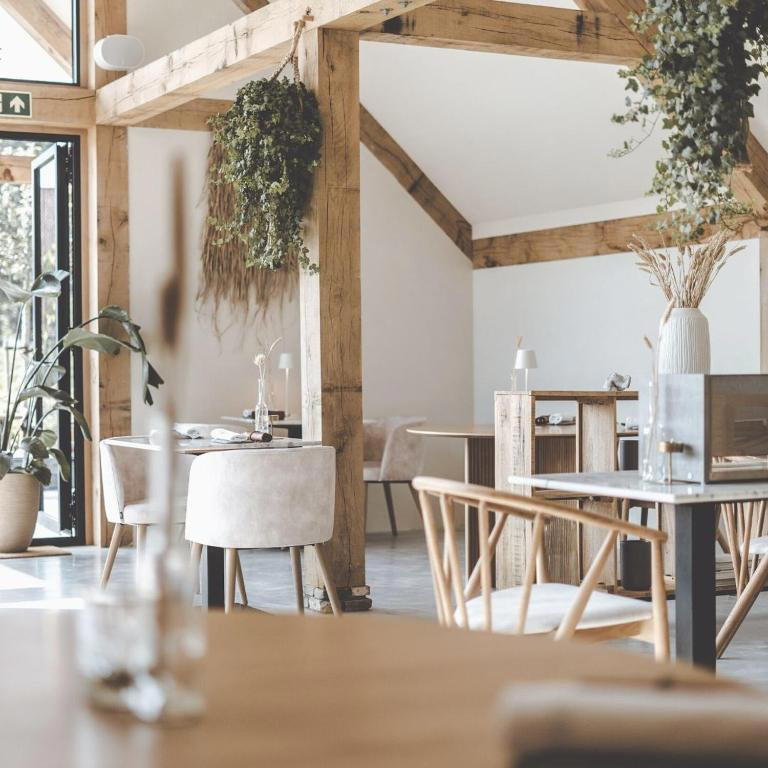
The address itself frames expectations. Herenstraat is the kind of street where the built environment stays low and the visual rhythm is set by gabled facades and open farmland visible at the ends of lanes. The design approach inside Bij Jef follows that external cue: minimalist interiors, reduced decoration, and a material palette that reads as deliberate rather than accidental. This is a Dutch small-property aesthetic that echoes what has emerged at a number of rural European stays over the past decade, where the design proposition is restraint rather than spectacle. For context, properties applying similar logic elsewhere in the Netherlands, such as Landgoed Hotel Het Roode Koper in Leuvenum or Mooirivier in Dalfsen, occupy the same niche: low key count, rural setting, strong local food identity.
A Space Built Around Reduction
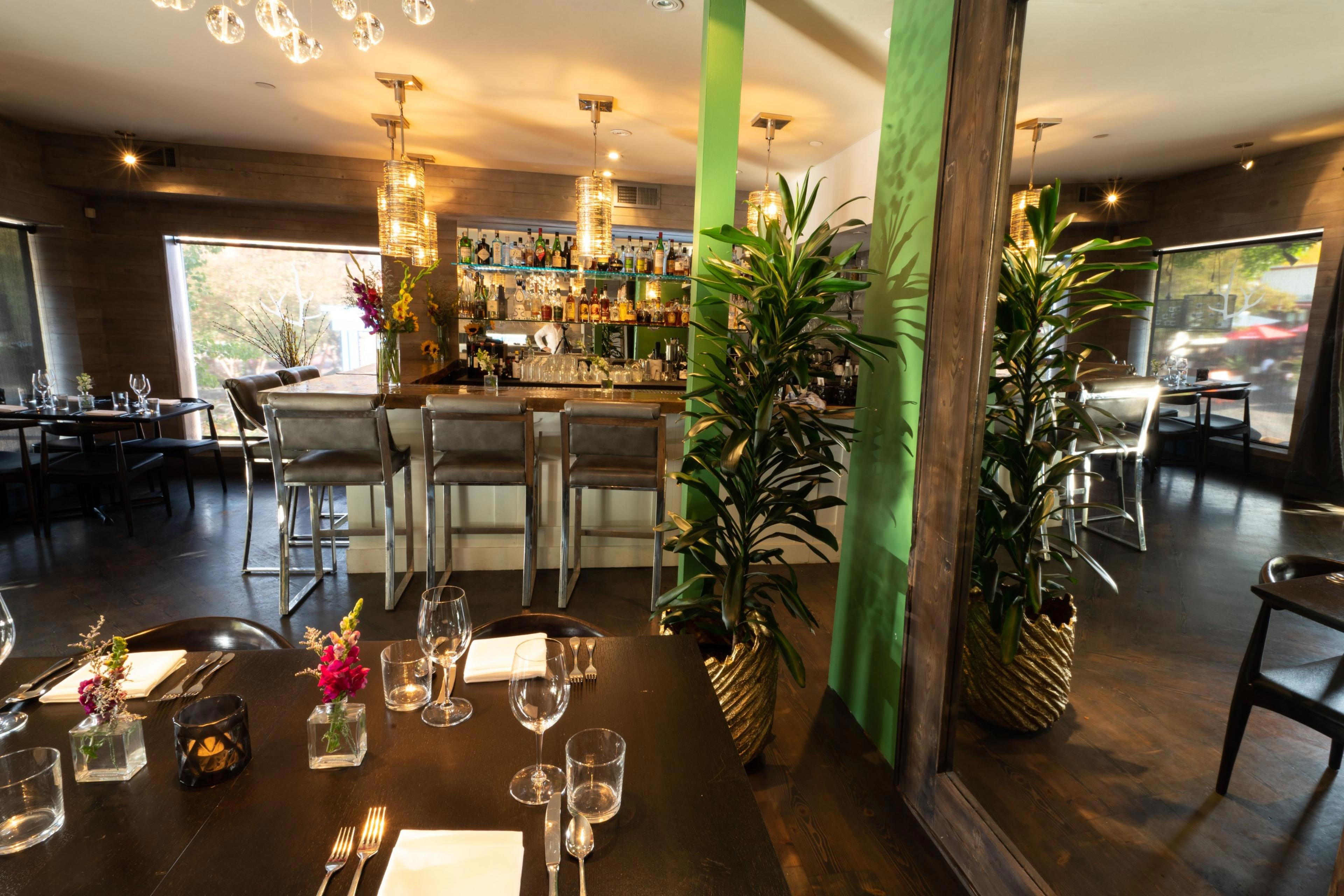
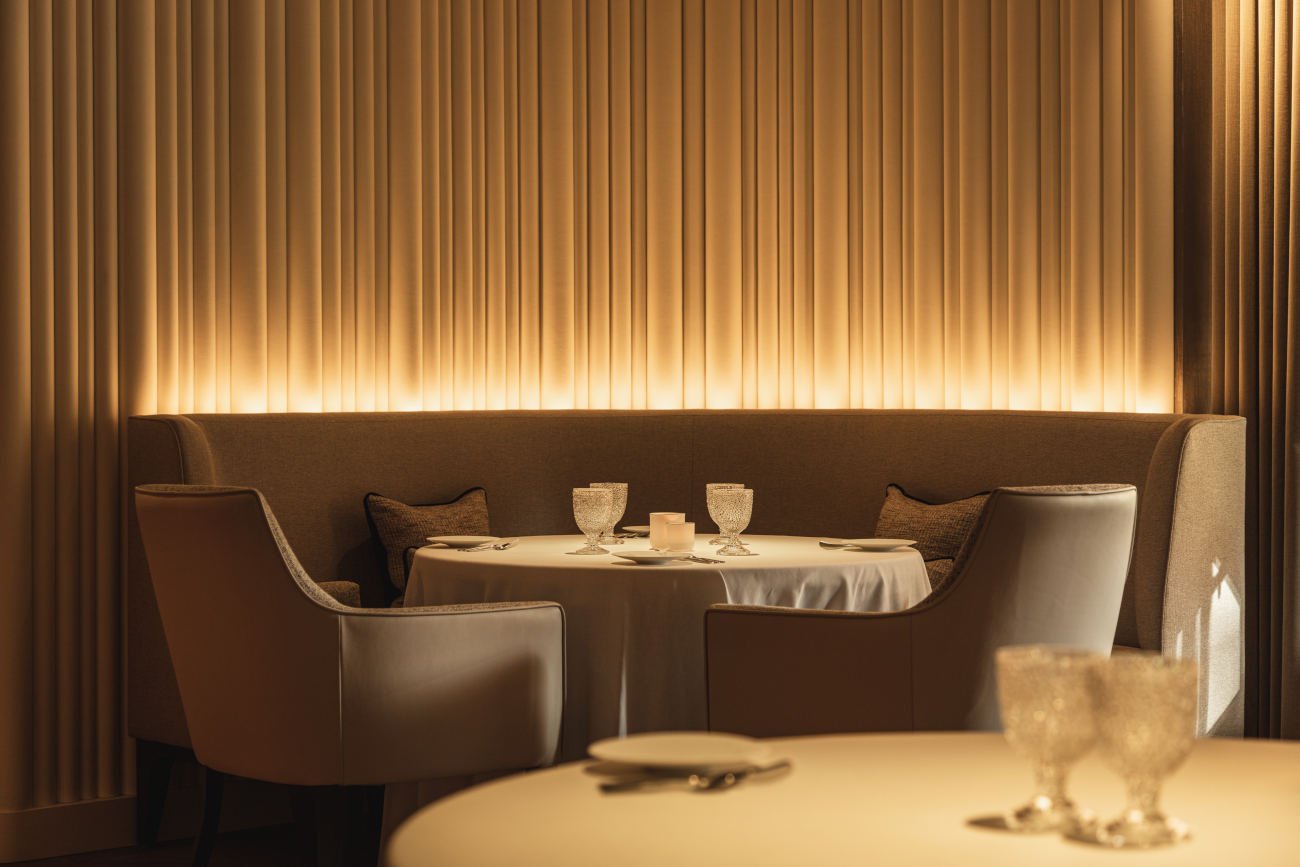
The minimalist design approach at Bij Jef is not incidental. On an island whose identity is tied to open dune landscapes, bird reserves, and agricultural land, interiors that compete visually with the exterior would work against the property's core logic. What the space offers instead is a kind of visual quiet: surfaces that don't demand attention, materials that reference the immediate environment, and an atmosphere that registers as intimate rather than grand. At this end of the market, consistency in atmosphere and service matters more than novelty.
Intimate atmosphere designation reflects a property where scale is kept low by design. This is not a hotel that can absorb volume; it is one that requires guests who are choosing Texel for its own character rather than as a backdrop for something else. The island draws a particular kind of traveller: people for whom the Wadden Sea UNESCO designation, the cycling infrastructure, and the farm-to-table food culture are the actual attractions. The hotel's format addresses that market directly.
Locally Sourced Cooking on an Island That Has the Ingredients
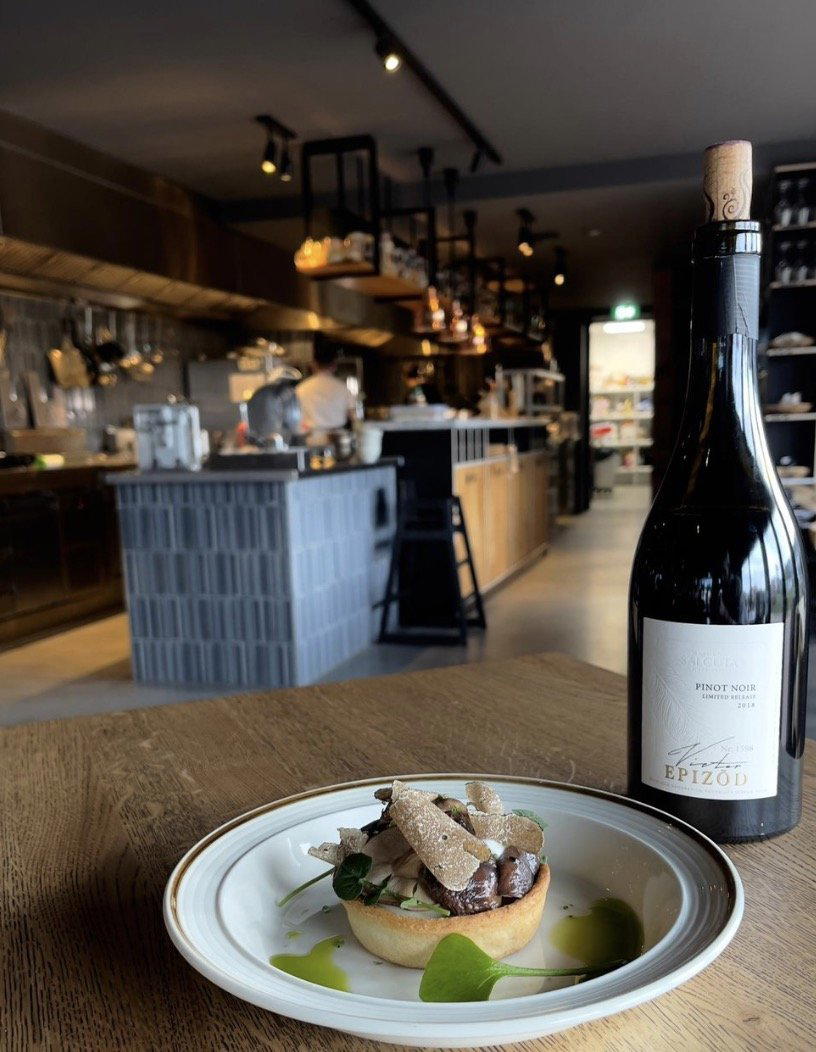
Texel has genuine agricultural credentials. Lamb raised on the island's salt-grass polders has a distinct flavour profile shaped by the salinity of the grazing land. The island produces its own dairy, beer, and gin, and its fishing grounds supply seafood that moves quickly from water to kitchen at properties willing to work with local supply chains. The locally and ethically sourced cuisine designation at the hotel places it within that island food network rather than outside it.
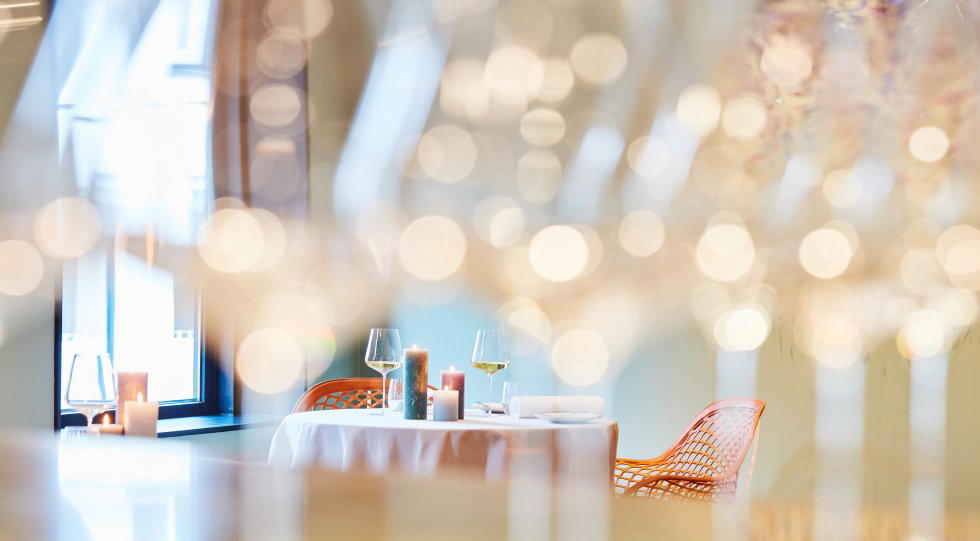
This matters for a specific reason: island food culture on Texel is not a marketing construct. The supply chains are short because the geography enforces it, and the quality of core ingredients (lamb, fish, dairy) is verifiable by anyone who has eaten across the island's better restaurants. When a property commits to that sourcing model, it is drawing on ingredients that hold up to scrutiny. The cooking format at the hotel, which runs as both hotel and restaurant, means the food operation is integral to the stay rather than adjacent to it.
Planning Your Stay: Access, Timing, and Rates
Reaching the hotel requires the TESO ferry from Den Helder to Texel's port at 't Horntje, followed by a short drive south to Den Hoorn.
Rates at the hotel start from US$358 per night, placing it in a tier that reflects the property's premium positioning within Texel's accommodation range rather than a luxury hotel price point by continental standards. For comparison, destination-design properties in the Netherlands, such as De Librije in Zwolle or urban options like Hotel 717 in Amsterdam, operate at different price brackets and with different formats, but the hotel's rate reflects island scarcity as much as it does amenity level.
Posthoorn in Monnickendam and Inntel Hotels Amsterdam Zaandam cover the North Holland coast corridor, while citizenM Schiphol Airport works as a transit option before or after the island leg. Those looking for other character-led Dutch properties might also consider Weeshuis Gouda, Kazerne in Eindhoven, or Op Oost in Oosterend, the last of which is also on Texel and occupies a different village on the island's eastern side.
Comparable Spots, Quickly
Comparable venues nearby, for context on price, style, and recognition.
| Venue | Cuisine | Price | Awards | Notes |
|---|---|---|---|---|
| Bij JefThis venue — the venue you are viewing | Modern suites in a historic former parsonage | $$$$ | 5-Star | Not listed |
| Hotel des Indes | Historic luxury with contemporary comforts | $$$$ | 5-Star | Lange Voorhout |
| Hotel Prinsenhof Groningen | Historic luxury boutique hotel housed in a converted 15th-century monastery with contemporary restoration and refined hospitality. | $$$$ | 5-Star | Binnenstad |
| Conservatorium | Well-known heritage building reimagined as Amsterdam's luxury living room in the Museum Quarter. | $$$$ | 5-Star | Oosterdokseiland |
| Hotel Okura Amsterdam | Luxury high-rise tower blending Japanese elegance with modern Amsterdam luxury | $$$$ | 5-Star | Lizzy Ansinghbuurt |
| The College Hotel Amsterdam, Autograph Collection | Historic boutique hotel in renovated 19th-century school building. | $$$$ | 5-Star | Duivelseiland |
Recognition history
Dated appearances from independent guides and award organizations, with the underlying list record or original source where available.
Michelin Guide New Hotels New Hotel
Michelin Guide New Hotels
Relais Chateaux Award
Relais Chateaux
Michelin Selected
Michelin
Relais Chateaux Award
Relais Chateaux
Continue exploring
More in Den Hoorn
Hotels in Den Hoorn
Browse all →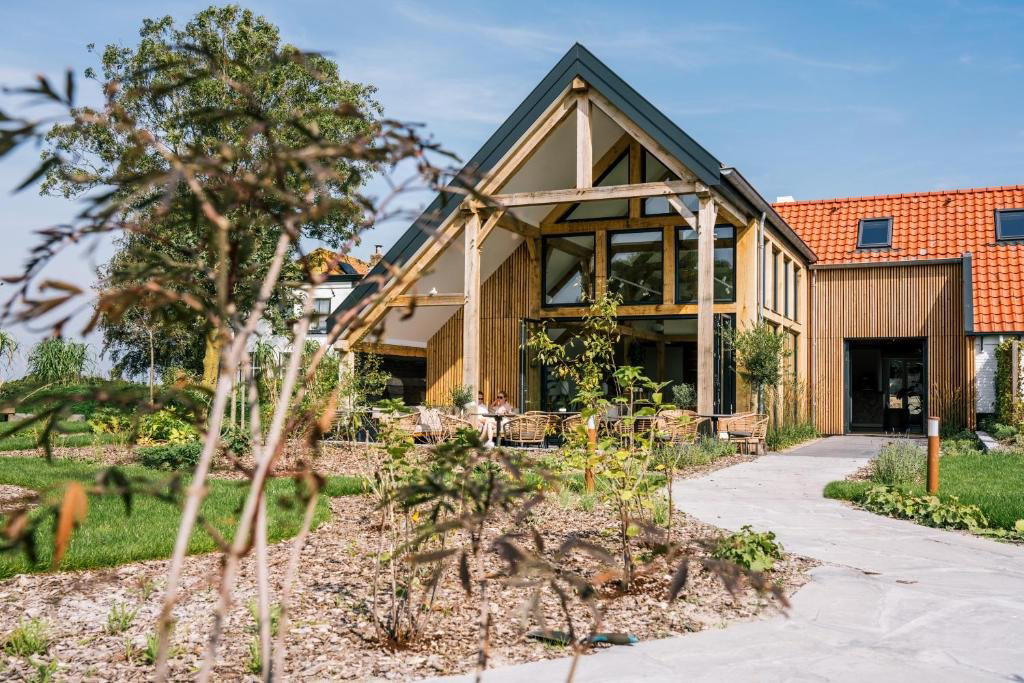
At a Glance
- Quiet
- Modern
- Cozy
- Elegant
- Intimate
- Romantic Getaway
- Anniversary
- Garden
- Wi Fi
- Restaurant
- Sauna
- Bar
- Garden
- Wi Fi
- Restaurant
- Sauna
- Bar
Pure design interior creating a sense of calm and space, with light-filled suites and a relaxing atmosphere praised by guests.