Inntel Hotels Amsterdam Zaandam
Inntel Hotels Amsterdam Zaandam is among the Netherlands' most architecturally arresting hotels, its facade stacking traditional Zaan-region house forms into a single vertical composition on the edge of Zaandam's waterfront. The property places travellers within minutes of Amsterdam by train while grounding them in a distinct regional identity that the capital cannot replicate.

Pearl is the En Primeur Club membership app, where members save venues, book tables and use the concierge.

A Building That Rewrites What a Dutch Hotel Can Look Like
Most hotels in the greater Amsterdam region compete on proximity to the capital: how close to Centraal, how fast the taxi, how seamless the transfer. Inntel Hotels Amsterdam Zaandam at Provincialeweg 102 takes the opposite position. Its architecture, a stacked composition of traditional Zaan-region wooden house forms rendered at full hotel scale, is the argument for staying here rather than crossing the IJ. The building references the green-painted timber houses that defined Dutch mercantile towns for centuries, then assembles them vertically into something that reads simultaneously as vernacular and surreal. It is the kind of architectural gesture that cities with deeper heritage budgets attempt and rarely execute with this degree of commitment.
The Zaan region earned its place in Dutch economic history through windmill-powered industry: sawmills, paint factories, spice grinding. The distinctive green-and-white timber house style that proliferated along the Zaan riverbanks was a direct product of that merchant culture, built by families whose wealth moved through the water. The open-air museum at Zaanse Schans, a short distance north, preserves the domestic scale of that tradition. The Inntel takes the same visual language and projects it upward, which makes the building feel less like pastiche and more like a question: what would these forms have become if Zaandam had continued growing outward rather than contracting? That is a more interesting architectural conversation than most Dutch hotels bother to open.
Zaandam as a Base: The Case for Staying Outside Amsterdam
Zaandam sits on the direct train line between Amsterdam Centraal and Alkmaar, with journey times to the capital running under fifteen minutes from Zaandam station. For travellers whose itinerary extends north toward the windmill clusters of Zaanse Schans, the cheese markets of Alkmaar, or the tulip fields of the Bollenstreek, the location makes more logistical sense than a central Amsterdam address. The airport at Schiphol is also accessible without routing through the city centre, which matters for arrivals and departures with luggage. Properties like citizenM Schiphol Airport serve the transit function; the Inntel serves a different purpose, placing guests in a town with its own character rather than a transit corridor.
Zaandam's immediate surroundings are navigable on foot or by bicycle. The Zaan river runs nearby, the Zaanse Schans museum village is accessible by bike path, and the town centre has enough independent retail and dining to sustain a two-night stay without relying on Amsterdam entirely. For comparison, Amsterdam-based properties such as Hotel 717 on the Prinsengracht place guests inside a denser, more expensive, and more congested urban environment. Travellers who want the Dutch experience to feel less curated and more spatially open tend to read Zaandam differently.
The Architecture in Detail
The design was executed by WAM Architecten, and the concept centres on assembling approximately seventy individual Zaan-house silhouettes, gabled rooflines, the characteristic green cladding, into a single eleven-storey hotel structure. At street level the building reads as a kind of compressed neighbourhood. Higher up, the stacked gables create a skyline that is immediately readable as a reference to the region's vernacular heritage without retreating into replica territory. The hotel opened in 2010 and has since become the most photographed building in Zaandam, which is an unusual distinction for a hotel in a city that most visitors pass through rather than stop in.
The interior continues the reference work: Dutch Delft tiles, wooden panelling, and object choices that nod to regional craft traditions. The scale of the public spaces reflects the building's ambitions; this is not a boutique property where intimacy compensates for limited amenity. The room count runs into the hundreds, which places the Inntel in a different operational tier than design-led properties like Kazerne in Eindhoven or Weeshuis Gouda, both of which convert heritage buildings into smaller, higher-density-of-character hotels. The Inntel's achievement is different: it manufactures architectural identity at full hotel scale rather than inheriting it from a pre-existing structure.
For travellers whose interest runs to Dutch architectural heritage at regional scale, the Netherlands offers a range of reference points: Château Neercanne in Maastricht draws from the Meuse valley's limestone tradition, while Château St. Gerlach in Valkenburg works within an entirely different southern Dutch material vocabulary. The Inntel represents northern mercantile Holland, compressed and rescaled.
Planning Your Stay
The hotel's address at Provincialeweg 102 places it adjacent to Zaandam's main transport axis, making arrival by car direct, with parking available in the area. Zaandam station is walkable, giving access to the Amsterdam metropolitan rail network without requiring a taxi. For travellers flying into Amsterdam Airport Schiphol, the train connection to Zaandam is direct and does not require a change at Centraal. Booking lead times are generally shorter than comparable Amsterdam city-centre properties, particularly outside summer peak and tulip season in April, when North Holland draws heavy visitor volumes.
Dutch hotel standards in the mid-to-upper range are generally consistent on service and room quality; what varies at this property is the experience of arriving and departing, which is architectural rather than purely hospitality-led. Guests who treat the building as part of the programme, rather than as incidental backdrop, get more from the stay. Those looking for a comparable sense of place-driven design in rural Dutch settings might also consider Landgoed Hotel Het Roode Koper in the Veluwe, or Mooirivier in Dalfsen, both of which use landscape as their primary design material rather than vernacular architecture.
For broader context on where the Inntel sits within the wider Dutch accommodation offer, see our full Zaandam restaurants and hotels guide. Neighbouring properties in the extended Netherlands network worth cross-referencing include Posthoorn in Monnickendam, Op Oost on Texel, and Bij Jef in Den Hoorn, each of which serves travellers exploring North Holland's waterland periphery. For those extending a trip into other Dutch cities, De Plesman Hotel in The Hague, 2L de Blend Hotel in Utrecht, and citizenM Rotterdam cover different points on the Dutch urban spectrum. Internationally, those drawn to architecturally ambitious hotel concepts might find useful comparisons in Aman Venice, where heritage and scale create a similarly strong sense of place, or at Amangiri in Utah, where the architecture responds to landscape with comparable directness. De Librije in Zwolle rounds out the Dutch end of the picture for those focused on hospitality with strong regional identity.
At-a-Glance Comparison
| Venue | Price | Awards |
|---|---|---|
| Inntel Hotels Amsterdam ZaandamThis venue (the venue you are viewing) | $100–200 | Not listed |
| Andaz Amsterdam Prinsengracht | Not listed | Michelin Selected · Forbes Recommended |
| InterContinental Amstel Amsterdam | $300–500 | Virtuoso Luxury Hotel Partner · Forbes Recommended |
| Waldorf Astoria Amsterdam | Not listed | Michelin Selected · La Liste Top Hotels |
| Sofitel Legend The Grand Amsterdam | Not listed | Michelin Selected · Forbes Recommended |
| Bij Jef | Not listed | Michelin Guide New Hotels New Hotel · Michelin Selected |
Continue exploring
More in Zaandam
Hotels in Zaandam
All hotels in Zaandam →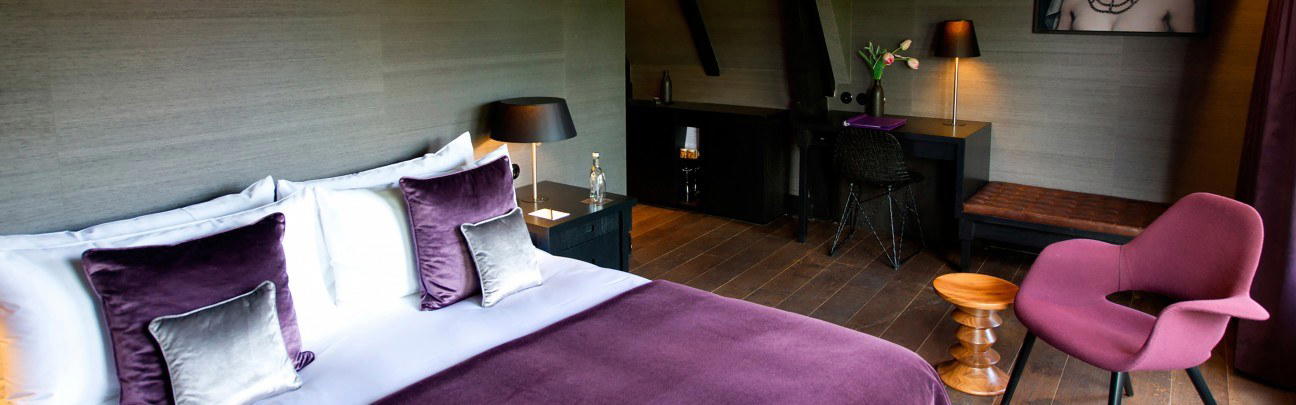
Bars in Zaandam
Browse all →
Restaurants in Zaandam
Browse all →
Wineries in Zaandam
Browse all →
Details
- Modern
- Well Known
- Whimsical
- Weekend Escape
- Business Trip
- Historic Building
- Design Destination
- Wi Fi
- Pool
- Spa
- Fitness Center
- Room Service
- Laundry Service
- Elevator
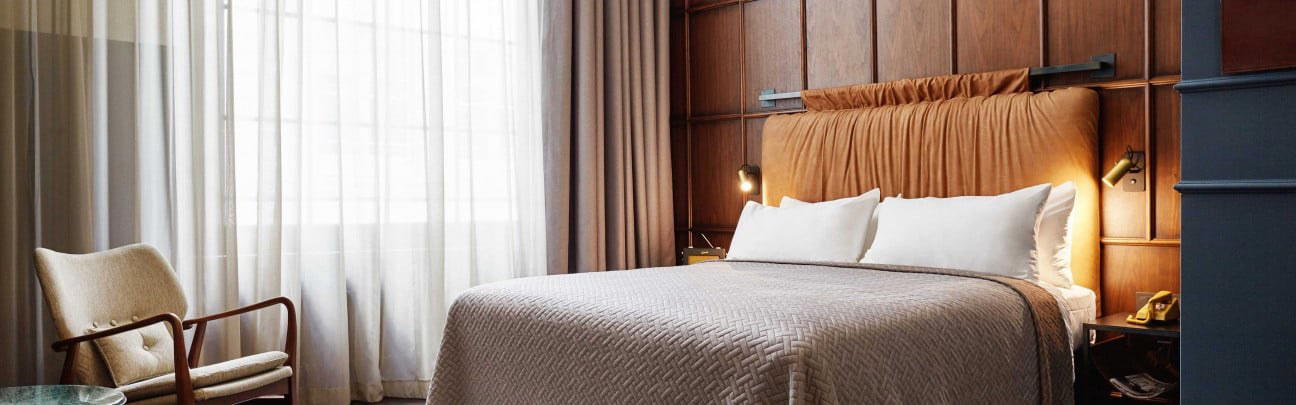
Modern luxury blending historic Zaan region references with comfortable, stylish rooms featuring vintage photos and leather furnishings.