Conscious Hotel Amsterdam City (The Tire Station)
Housed in a converted tire station on Amstelveenseweg, Conscious Hotel Amsterdam City operates at the intersection of design-led budget hospitality and environmental accountability. The property sits southwest of the canal ring, a short tram ride from Vondelpark, and positions itself within Amsterdam's growing cohort of sustainability-driven hotels that treat green credentials as structural rather than decorative.
Pearl is the En Primeur Club membership app — saves, bookings, and concierge access live there. Same editors, same standards.
- Address
- Amstelveenseweg 5, 1054 MB Amsterdam, Netherlands
- Phone
- +31 20 820 3333
- Website
- conscioushotels.com
- Directions
- Get directions
 Saves & bookings on Pearl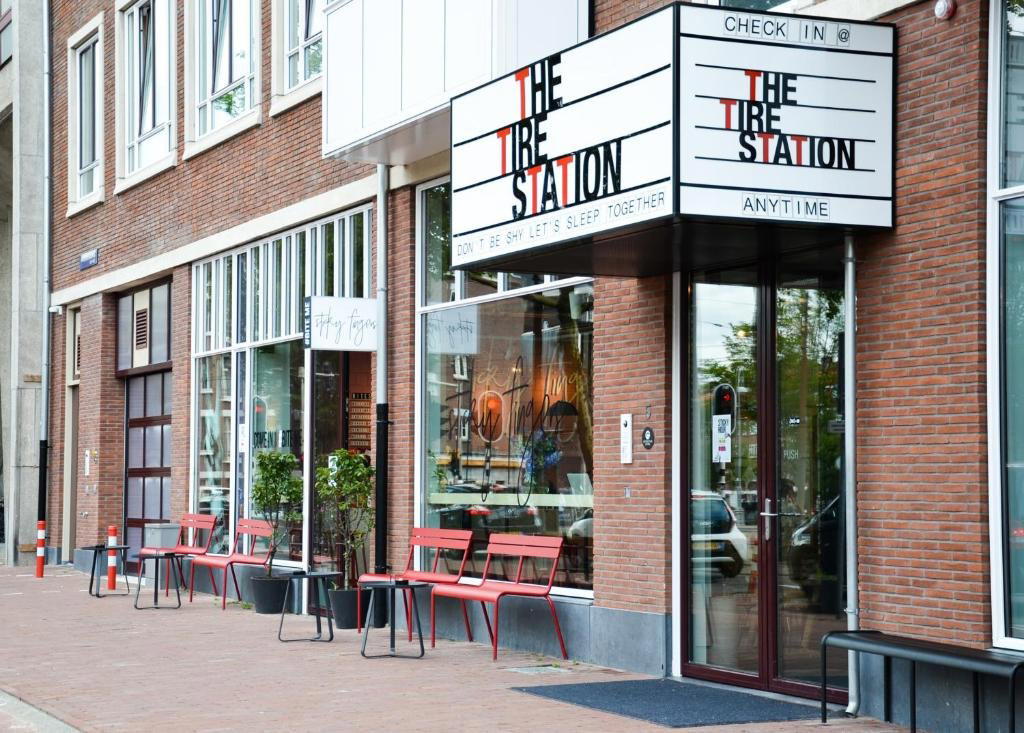
Where Industrial History Meets Environmental Intent
Amsterdam's hospitality market has fractured along predictable lines: canal-view heritage properties like De L'Europe Amsterdam and Conservatorium anchor the luxury tier, while a newer cohort of design-conscious, sustainability-led properties has built a credible mid-market alternative. Conscious Hotel Amsterdam City occupies that second category, and its address tells you something useful before you even check in. The building at Amstelveenseweg 5 was a tire station, the name is not branding shorthand but architectural fact. The industrial bones of the structure remain visible: exposed concrete, functional proportions, and a spatial honesty that sets the tone for what follows inside.
The neighborhood itself sits southwest of the canal ring, adjacent to the Vondelpark and the residential blocks that Amsterdam locals actually inhabit. This is not the tourist-dense corridor between Centraal Station and Leidseplein. Trams connect the property to the city center in under ten minutes, but the immediate surroundings run quieter, with corner cafes and cycle routes replacing selfie queues. For travelers who treat a hotel's neighborhood as part of the experience, the location functions as a calibration tool: this is a property aimed at people who want to be in Amsterdam, not merely photographed in front of it.
Sustainability as Structure, Not Decoration
Dutch hospitality has been slower than Scandinavian markets to mainstream sustainability credentials, but Amsterdam's design-led hotel sector has begun to close that gap. Conscious Hotel, as a brand, has placed environmental accountability at the operational center rather than treating it as a marketing layer applied after the fact. This distinction matters because the two approaches produce different guest experiences. A hotel that retrofits green claims onto a conventional operation tends to produce token gestures: a placard about towel reuse, a recycling bin in the corridor. A property built around environmental intent from the outset makes different structural choices about materials, suppliers, waste systems, and energy sourcing.
The Tire Station property reflects the latter approach. The adaptive reuse of an existing industrial building is itself a sustainability decision: no greenfield construction, no demolition waste, no new urban footprint. The retention of original architectural elements reduces material consumption while producing the kind of spatial character that purpose-built hotels frequently spend considerable budgets trying to simulate. Within Amsterdam's current hotel development context, where heritage buildings are protected and new construction is constrained, the ability to work with existing fabric is both an environmental and a competitive asset.
Travelers comparing this property against peers in the design-led mid-market, properties like Generator Amsterdam or the boutique canal houses such as Canal House and Breitner House, will find that Conscious Hotel differentiates primarily on explicit environmental positioning. Generator competes on social programming and price; the canal house properties compete on historic atmosphere and location. Conscious Hotel's proposition is that design quality and environmental responsibility are not in tension, and the Tire Station building is the argument made physical.
The Amsterdam Context: Why This Tier of Hotel Exists
Amsterdam's hotel market is under consistent pressure. The city has capped short-term rental licenses, restricted new hotel construction in the city center, and pushed visitor management policies that actively redirect some tourism toward peripheral neighborhoods. The practical effect is that well-located, mid-market hotels in areas like Oud-West, which borders the Vondelpark and connects easily to De Pijp and the museum quarter, have become harder to find and correspondingly better value when available. Properties like De Pijp Boutique Hotel and the Décor Canal House serve similar travelers from adjacent neighborhoods.
For visitors extending their Netherlands itinerary, the Tire Station's position near the A10 ring road also makes day trips to other Dutch cities manageable. Inntel Hotels Amsterdam Zaandam sits close to the north, while Posthoorn in Monnickendam and 2L de Blend Hotel in Utrecht are reachable for those using Amsterdam as a regional base. Further afield, Château Neercanne in Maastricht and Château St. Gerlach in Valkenburg aan de Geul represent the country's southern luxury tier, while De Librije in Zwolle anchors the northeast for gastronomy-focused travel. For contrast at the upper end of Amsterdam's own market, Andaz Amsterdam Prinsengracht provides the benchmark for design-led luxury within the canal ring itself.
Planning Your Stay
The hotel sits on Amstelveenseweg 5, in Amsterdam's Oud-West district. Vondelpark is within walking distance, and the concentration of independent restaurants and cafes along Overtoom and in the De Pijp district means that food and drink options within a short cycle are extensive. Travelers arriving by rail from Schiphol Airport, where citizenM Schiphol Airport serves those needing a transit night, will find the Tire Station a 20-minute train-and-tram combination from the airport. Those driving from Rotterdam, where citizenM Rotterdam serves the southern approach, can reach Amstelveenseweg in under an hour outside peak traffic periods. Arriving by public transport is the practical default.
Budget Reality Check
Comparable venues nearby, for context on price, style, and recognition.
| Venue | Price | Awards | Notes |
|---|---|---|---|
| Conscious Hotel Amsterdam City (The Tire Station)This venue — the venue you are viewing | $$ | 4-Star | Not listed |
| citizenM Amsterdam South | $$ | 4-Star | Zuideramstel, affordable luxury pod hotel |
| Hotel JL No76 | $$$ | 4-Star | P.C. Hooftbuurt, Contemporary boutique hotel blending 18th-century Dutch architecture with modern design sensibilities and artistic curation. |
| nhow Amsterdam Rai | $$$ | 4-Star | Zuidas, Well-known modern high-rise convention hotel blending art, design, and gastronomy in Amsterdam's business district. |
| Stout&Co. | $$$ | 3-Star | Kadijken, Historic brewery converted into designer bed and breakfast with mini-apartments. |
| Hotel V Fizeaustraat | $$$ | 4-Star | Tuindorp Amstelstation, 70s-inspired design hotel in renovated brutalist office building |
Continue exploring
More in Amsterdam
Hotels in Amsterdam
Browse all →
Bars in Amsterdam
Browse all →
Restaurants in Amsterdam
Browse all →
Wineries in Amsterdam
Browse all →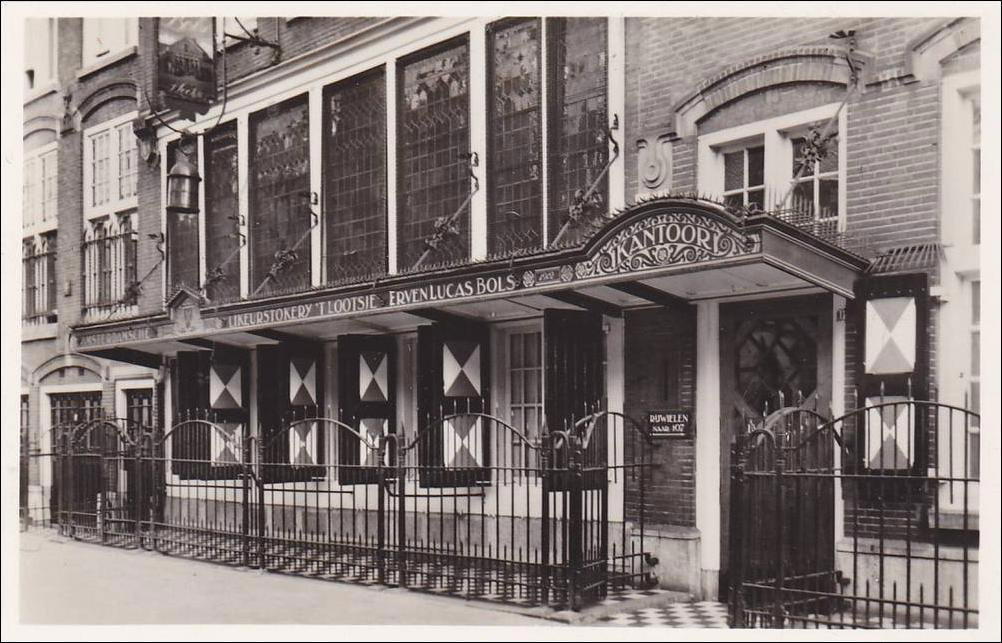
At a Glance
- Modern
- Trendy
- Minimalist
- Weekend Escape
- Historic Building
- Wi Fi
- Bicycle Rental
- Wi Fi
- Bicycle Rental
Modern, hipster-inspired interior with sustainable materials and a lively yet relaxed eco-conscious atmosphere.