Décor Canal House
Occupying a pair of historic canal houses on Prinsengracht, Décor Canal House sits in one of Amsterdam's most architecturally consistent stretches of the UNESCO-listed canal ring. The property belongs to a small cohort of independently operated Amsterdam addresses where the building itself sets the terms of the stay, narrow staircases, original beam ceilings, and a direct relationship with the waterway outside.

Pearl is the En Primeur Club membership app, where members save venues, book tables and use the concierge.
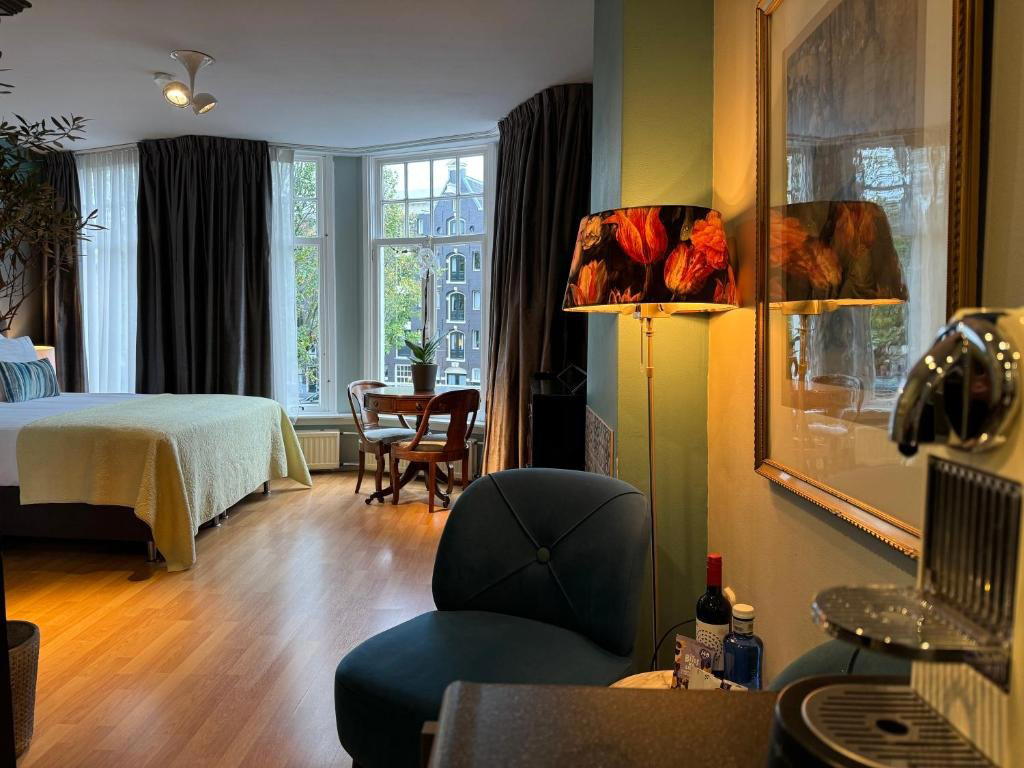
A Prinsengracht Address and What It Demands
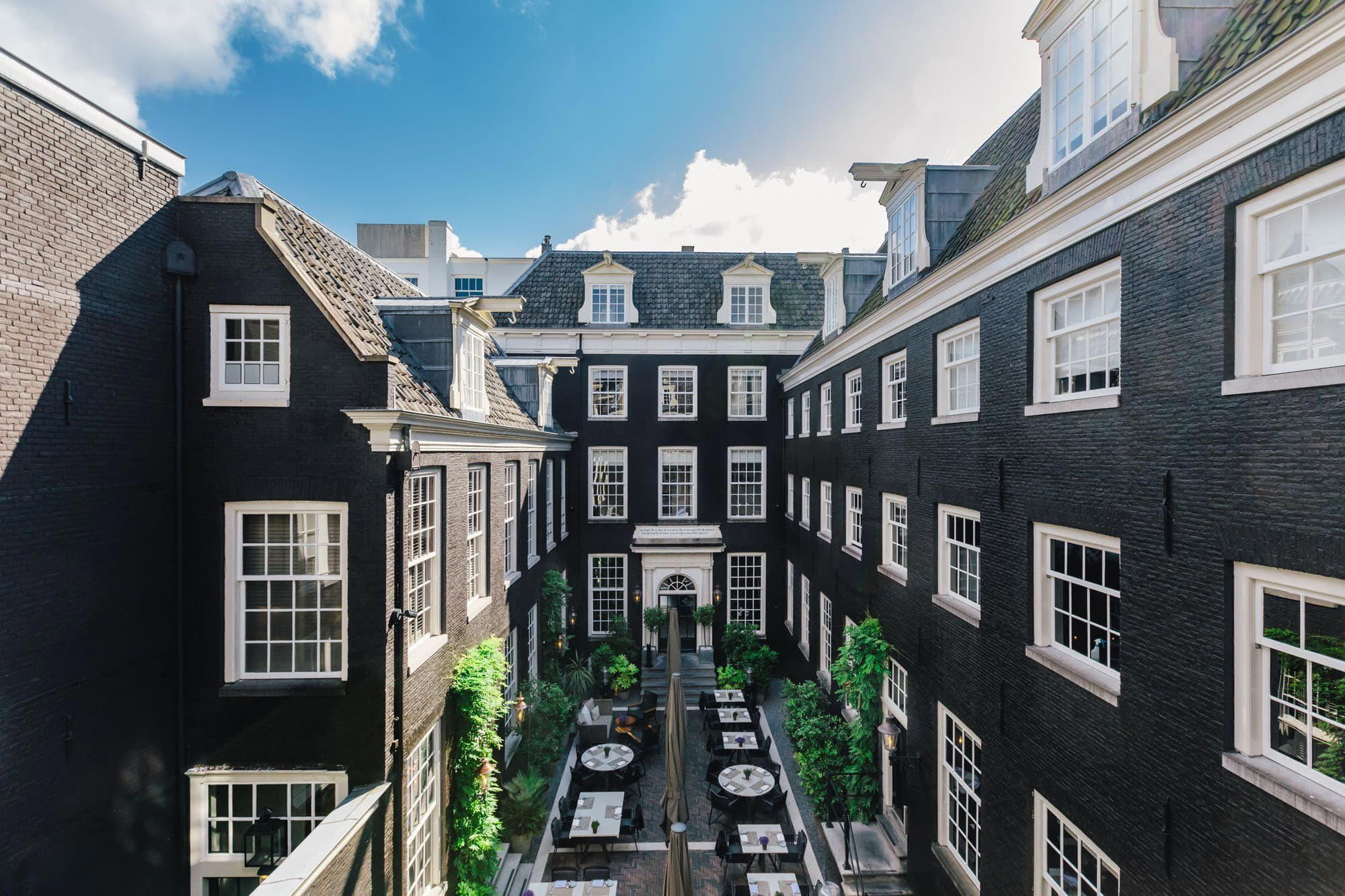
Amsterdam's canal ring is a UNESCO World Heritage site, and the implications of that status run deeper than the designation suggests. Buildings along Prinsengracht, Keizersgracht, and Herengracht date predominantly from the 17th-century Dutch Golden Age, and their proportions, steep pitched roofs, elongated facades, hook beams projecting from gable tops, were set by city ordinance rather than individual taste. Staying inside one of these structures is a different proposition from staying in a contemporary hotel that happens to occupy a canalside lot. The architecture is the experience, and Décor Canal House, at Prinsengracht 230-1, sits within that condition without apology.
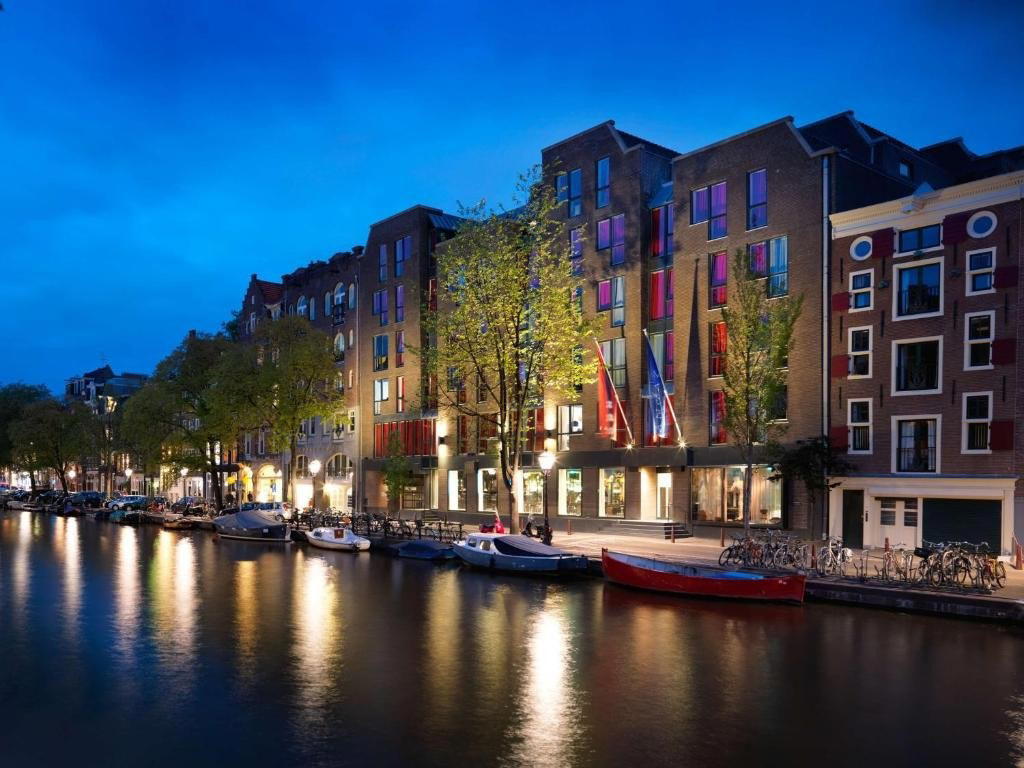
This stretch of the Prinsengracht runs through the Jordaan and Nine Streets area, one of Amsterdam's densest concentrations of independent retail, brown cafes, and specialist galleries. Trams run along the parallel Rozengracht; the Westerkerk's bells mark the quarter-hour a short walk north. The canal itself carries tourist pedal boats through summer and a quieter procession of working barges and houseboats through the colder months. For anyone who has walked this part of the city, the address will locate the property precisely: it is canal-front, canal-facing, and entirely embedded in the neighbourhood rather than set apart from it.
The Canal House Format and the Guest Proposition
Amsterdam's independent canal house hotels occupy a distinct category within the city's accommodation market. They are, almost by definition, smaller than the international flag properties, the Andaz Amsterdam Prinsengracht or the Conservatorium operate at a scale and with a brand infrastructure that the canal house format structurally cannot match. What the canal house format offers in exchange is proximity: proximity to the building's history, to the street, to a grain of Amsterdam life that larger properties buffer against.
Properties in this tier share certain physical realities. Rooms are unlikely to be large by contemporary hotel standards. Original staircases are steep by necessity, Dutch canal house stairs were designed to occupy minimal floor area so that the building's full width could be used for storage and trade. Elevators, where present, are typically retrofitted and compact. These are not design failures; they are the conditions of the form. The Canal House on Keizersgracht and Breitner House represent comparable independent properties operating within the same physical and commercial logic.
Décor Canal House works within these constraints, and the name itself signals the approach: the interiors are the argument. Canal house hotels that invest in period-appropriate or design-led interiors tend to attract guests who are travelling specifically to be inside a piece of Amsterdam's architectural history, rather than guests whose primary requirement is square footage or loyalty programme points.
Service at This Scale: What Independent Properties Do Differently
The service logic of a small independent canal house hotel differs structurally from that of a branded property. At the De L'Europe Amsterdam or a property operating under an international flag, service systems are standardised, trained to a corporate protocol, and documented. The strength of that model is consistency; the limitation is that it tends toward the transactional.
At the canal house scale, the opposite conditions apply. Staff numbers are lower, repeat guests are more recognisable, and the front desk function often absorbs responsibilities that larger hotels distribute across concierge, F&B, and guest relations departments. When this works, it produces a quality of attention that feels genuinely responsive rather than procedural. The person who checks you in is often the same person who can tell you which brown cafe on the Prinsengracht opens earliest, or which neighbourhood bakery is worth the detour before the tourist traffic arrives on weekend mornings.
This is the model that has made smaller Amsterdam independents a persistent preference for a certain kind of returning visitor to the city, guests who know the canal ring well enough to want to be embedded in it rather than oriented toward it. For first-time visitors who prefer the predictability of branded properties, a Generator Amsterdam or a design-focused midscale option might better serve. For guests whose Amsterdam experience is already developed, the canal house format tends to reward more.
Placing Décor Canal House in the Amsterdam Market
Amsterdam's hotel market has expanded significantly over the past decade, with new openings ranging from sustainability-led operators like Conscious Hotel Amsterdam City (The Tire Station) and De Pijp Boutique Hotel to major international flags in the museum quarter and Zuidas business district. Within this expanded market, independently operated canal house properties occupy an increasingly defined niche: they are not competing on amenity lists or on meeting space, but on the irreproducible quality of the building and its location.
For travellers extending their Netherlands itinerary beyond Amsterdam, the country's accommodation range is broader than many visitors initially plan for. Properties like Inntel Hotels Amsterdam Zaandam offer a design-forward alternative just north of the city, while further afield, addresses like Château Neercanne in Maastricht, Château St. Gerlach in Valkenburg aan de Geul, and Landgoed Hotel Het Roode Koper in Leuvenum represent the country's country house and estate tier. In the north Holland region, Posthoorn in Monnickendam is worth noting for day-trip distance from the city. For those prioritising airport proximity, citizenM Schiphol Airport covers the functional end of that requirement efficiently.
Planning Your Stay: Practical Considerations
Prinsengracht is accessible by tram from Amsterdam Centraal via the 13 and 17 lines, alighting at Westermarkt, a short walk from the property. Parking in the canal ring is metered and limited; guests arriving by car should plan for a parking garage in the Jordaan area rather than street access directly outside. Amsterdam's canal ring is leading explored on foot or by bicycle, and the property's location on the Prinsengracht puts the Anne Frank House, the Nine Streets shopping district, and the Jordaan's core within ten minutes' walk in any direction.
Canal house properties at this address tend to receive higher demand during tulip season from late March through May, during the summer peak from June through August, and around the King's Day national holiday on 27 April, when the entire canal ring becomes a public festival space. Booking ahead for those windows is advisable. Shoulder season, particularly October and November, offers the canal ring at its quietest and with the most direct access to neighbourhood life rather than tourist traffic.
For a broader survey of where Décor Canal House sits within Amsterdam's full dining and hospitality range, our full Amsterdam restaurants guide maps the city's key categories and neighbourhoods in detail.
What It’s Closest To
| Venue | Cuisine | Price | Awards |
|---|---|---|---|
| Décor Canal HouseThis venue (the venue you are viewing) | This venue | Not listed | Not listed |
| Andaz Amsterdam Prinsengracht | Not listed | Not listed | Michelin Selected · Forbes Recommended |
| InterContinental Amstel Amsterdam | Not listed | $300–500 | Virtuoso Luxury Hotel Partner · Forbes Recommended |
| Waldorf Astoria Amsterdam | Not listed | Not listed | Michelin Selected · La Liste Top Hotels |
| Sofitel Legend The Grand Amsterdam | Not listed | Not listed | Michelin Selected · Forbes Recommended |
| Conservatorium | Not listed | $750–1,000 | La Liste Top Hotels · Virtuoso Luxury Hotel Partner |
Continue exploring
More in Amsterdam
Hotels in Amsterdam
All hotels in Amsterdam →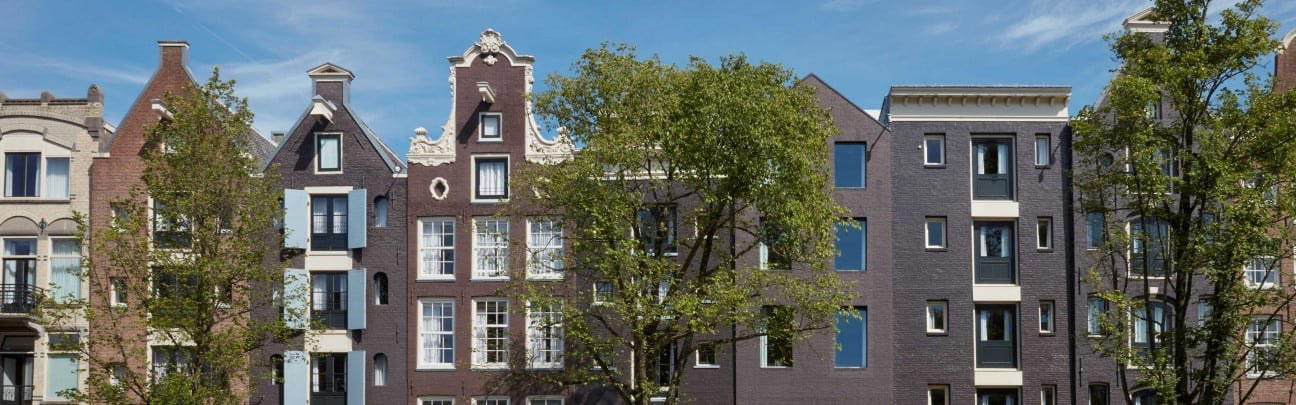
Bars in Amsterdam
All bars in Amsterdam →
Restaurants in Amsterdam
All restaurants in Amsterdam →
Wineries in Amsterdam
All wineries in Amsterdam →
Details
- Elegant
- Cozy
- Sophisticated
- Intimate
- Romantic Getaway
- Weekend Escape
- Waterfront
- Garden
- Historic Building
- Design Destination
- Wi Fi
- Concierge
- Waterfront
- Garden
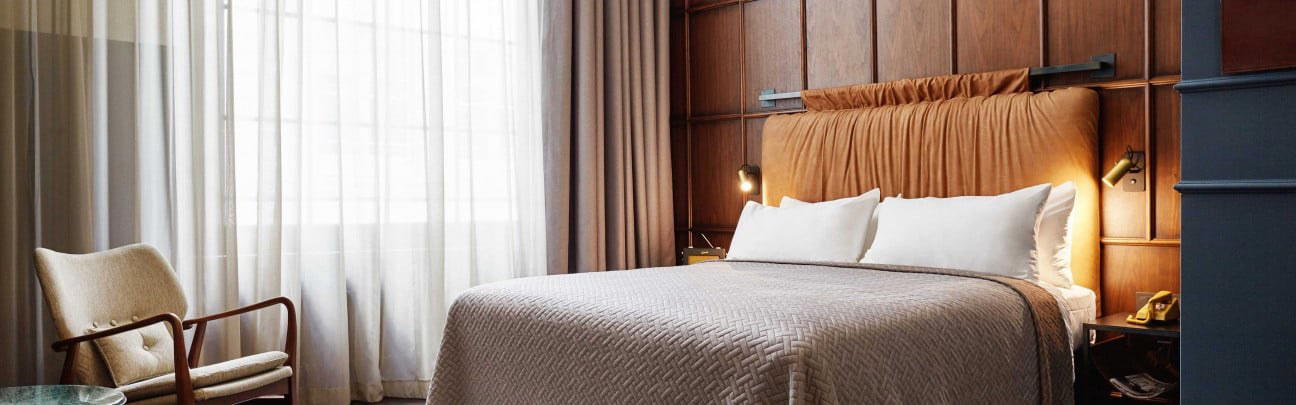
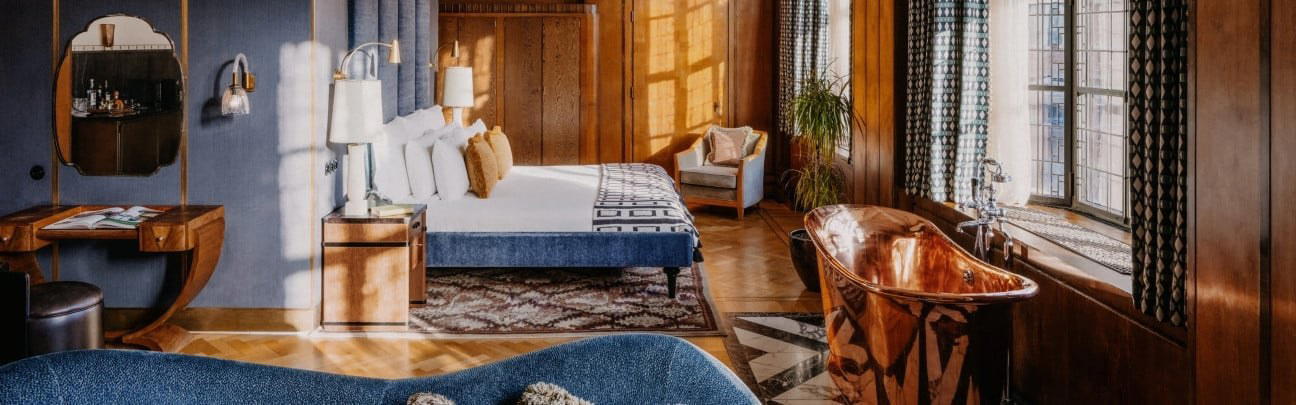
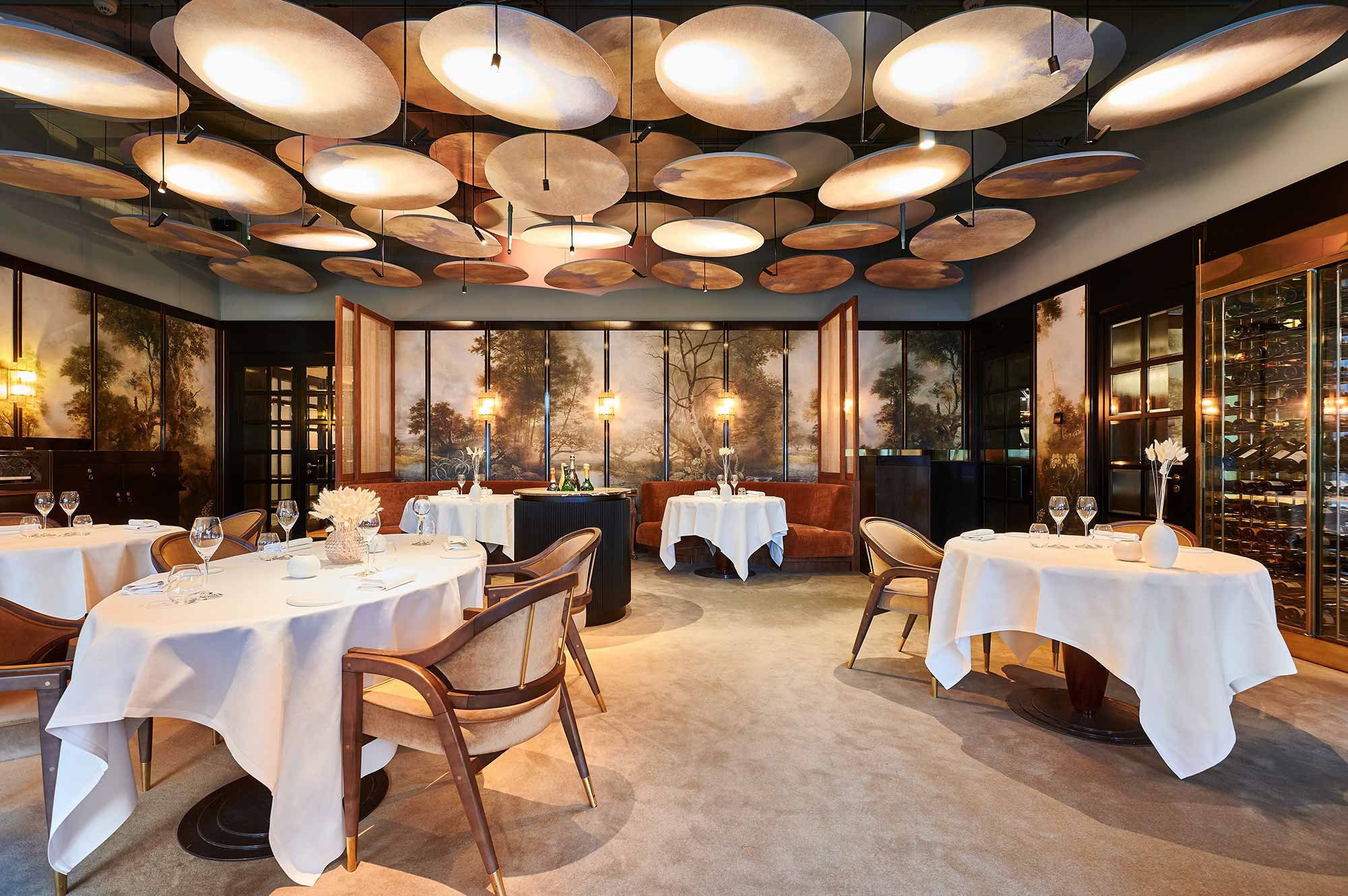
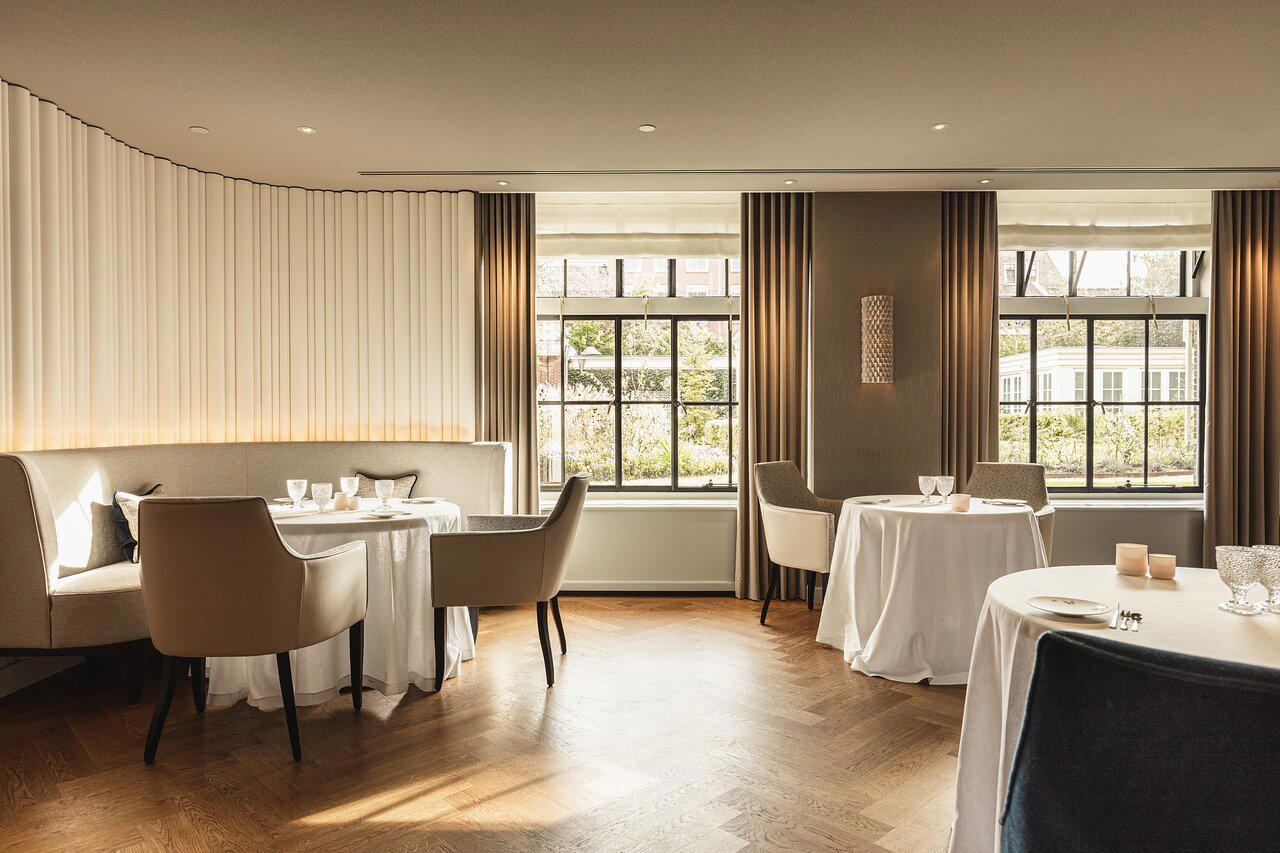
Cozy warren-like floor plan with elegant materials, dark woods, luxurious fabrics, and a stately atmosphere.