De Plesman Hotel The Hague

A 1930s KLM headquarters converted into a 103-room hotel, De Plesman preserves the original brick façade, revolving entrance door, and aviation-era ceilings while adding a 500-piece art collection and rooms priced from around $151 per night. The Albert Bar & Lounge and Restaurant Suus serve the building from morning through evening. For travellers who want The Hague with some architectural history behind the address, it earns its place on the shortlist.
Pearl is the En Primeur Club membership app — saves, bookings, and concierge access live there. Same editors, same standards.
- Address
- Plesmanweg 607, 2597 JG Den Haag
- Phone
- +31 70 207 6900
- Website
- deplesman.com
- Directions
- Get directions
 Saves & bookings on Pearl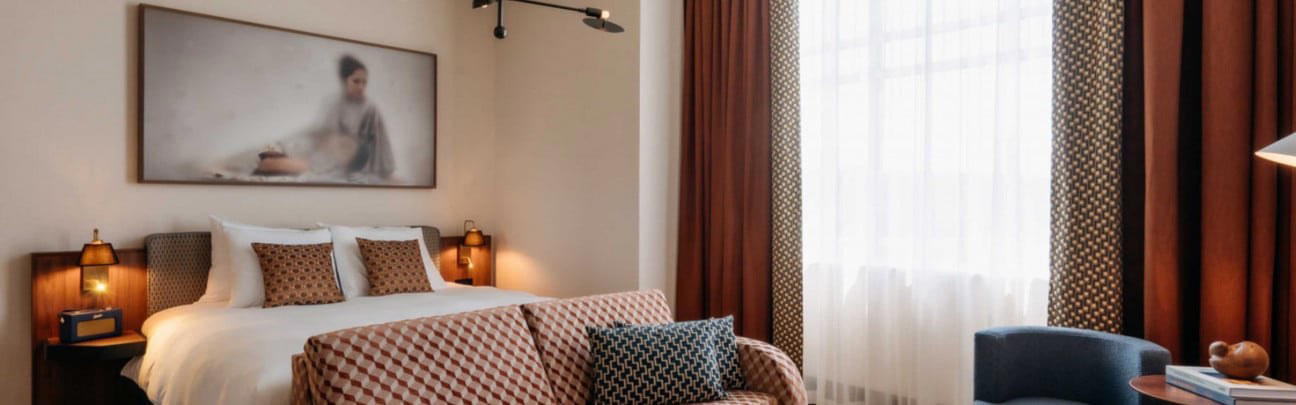
An Aviation Headquarters Becomes a Hotel
The Hague has never been short of institutional architecture, but few buildings in the city carry the specific weight of the former KLM headquarters on Plesmanweg. Completed in the 1930s, the building is a product of Dutch modernism at the moment when aviation was reshaping how Europe thought about distance, commerce, and national ambition. Repurposing that kind of structure into a hotel is, in principle, a direct decision; doing it without erasing what made the building worth saving is the harder part. De Plesman Hotel The Hague makes the preservation argument with some conviction.
The exterior gives nothing away about the conversion. The austere brick and concrete façade reads exactly as it did when KLM occupied the building, which is the point. Adaptive reuse projects across the Netherlands, from military barracks to orphanages to industrial warehouses, have produced some of the country's most architecturally coherent hotels. For comparison, Kazerne in Eindhoven and Weeshuis Gouda in Gouda both occupy heritage buildings and are worth examining as a comparable set: properties where the building itself is the primary editorial statement, and where the hotel's identity depends on how honestly it inhabits its predecessor.
What the Building Retained
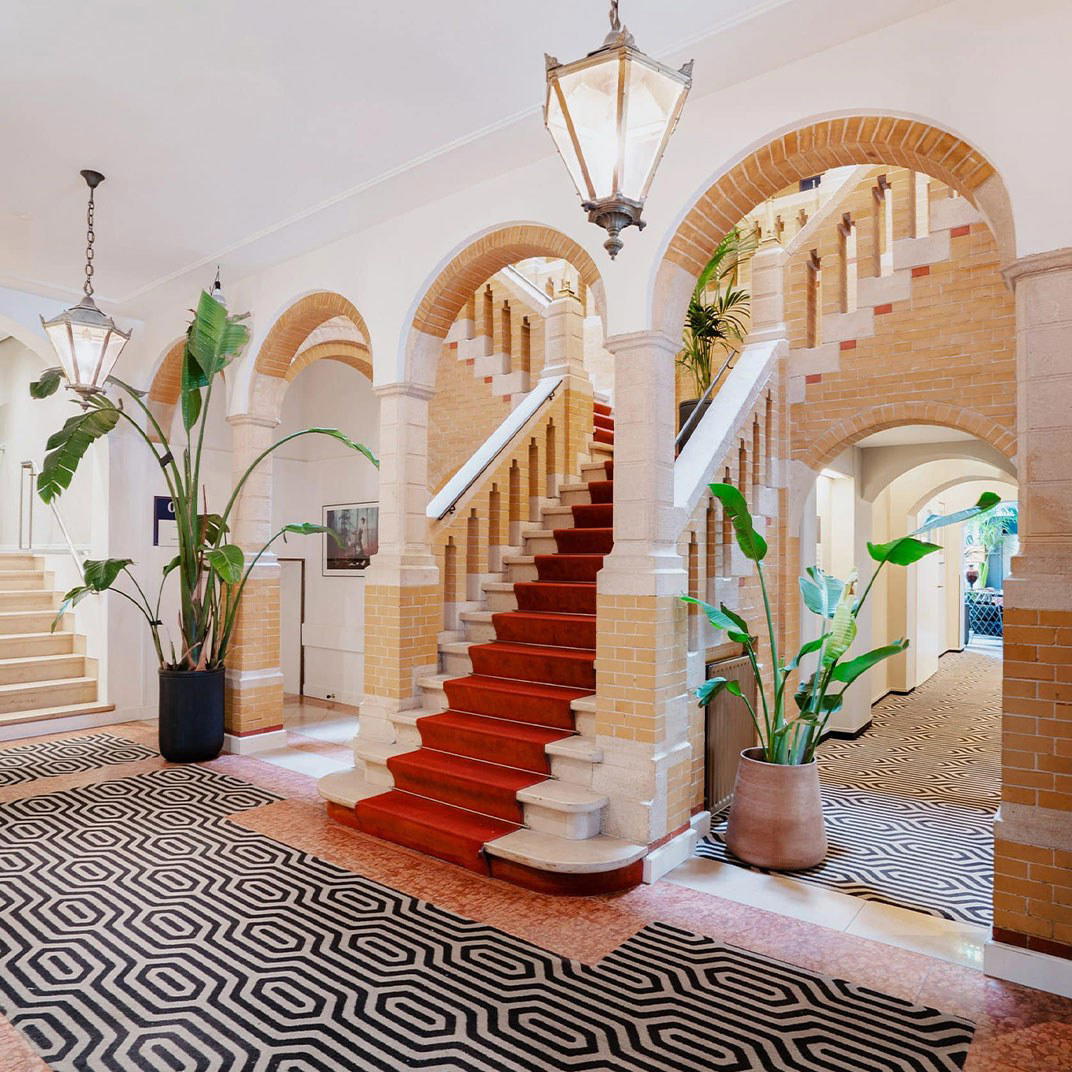
Inside De Plesman, the design decisions lean consistently toward retention rather than reinvention. The original KLM reception desks remain in place, functioning now as part of the hotel's reception area rather than an aviation ticketing counter, a detail that requires no explanation for guests who know the history, and offers a quiet discovery for those who don't. The revolving entrance door survives too, one of those period fixtures that modern architects habitually replace with automatic sliding glass.
The ceilings near the elevators are one technically specific preservation choice: their profile echoes the cross-section of an aircraft engine, a design language from an era when industrial form and institutional architecture were allowed to speak the same dialect. That detail is easy to miss, which is precisely what makes it worth looking for.
The guest room interiors shift register from the public spaces. Where the corridors and lobby lean into the building's original palette and materials, the 103 guest rooms and 19 short-stay serviced apartments take a warmer, more residential approach: shades of brown and burnt orange, abstract patterns, and a visual character that reads as mid-century without tipping into pastiche. Rooms are priced from around $151 per night, positioning the hotel at the accessible end of The Hague's design-led accommodation market.
The Art Collection as Infrastructure
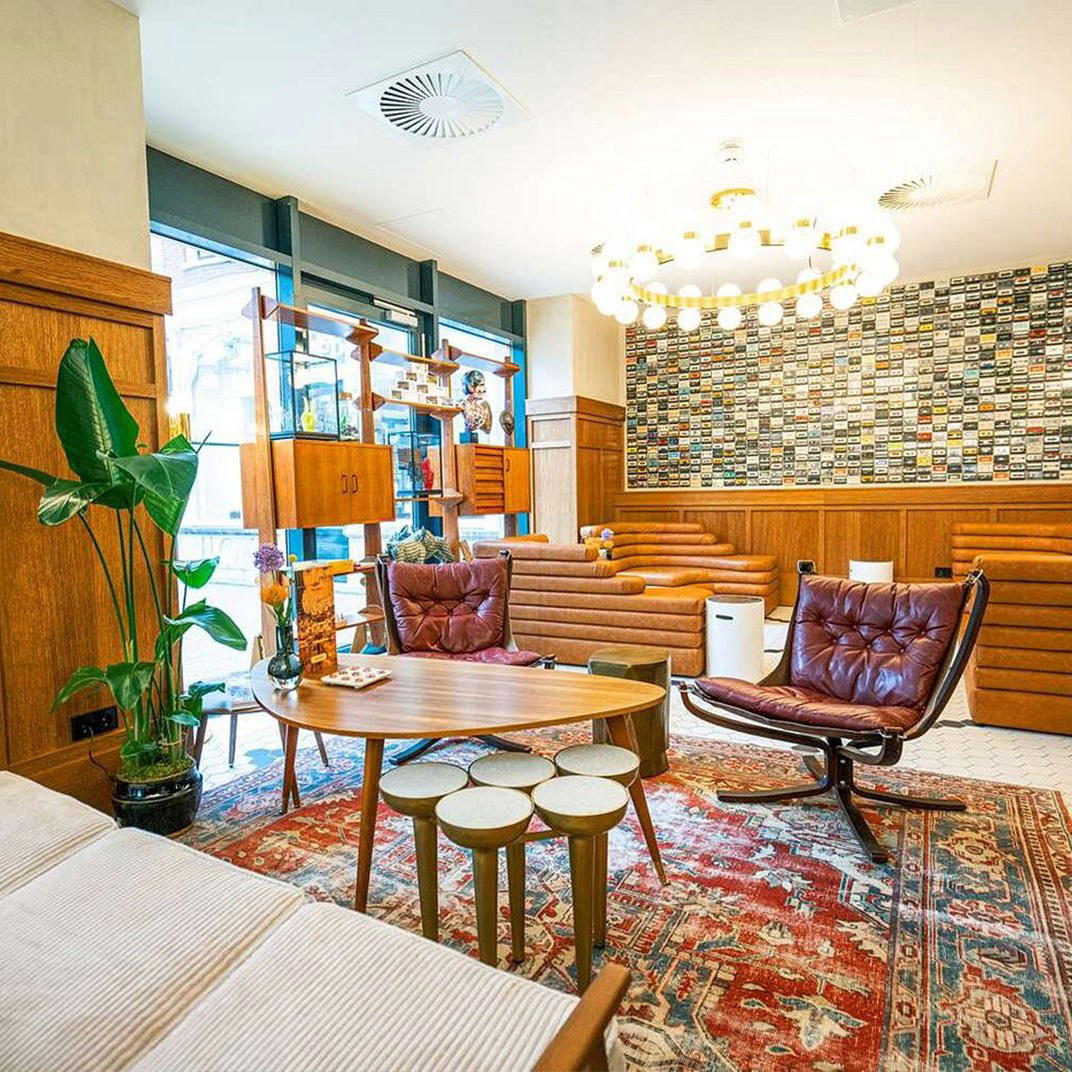
A hotel with 500 works in its art collection is a different proposition from a hotel that hangs a few prints in the corridors. De Plesman's collection includes pieces borrowed from Beelden aan Zee, The Hague's sculpture museum, which gives the rotation institutional credibility and connects the property to one of the city's more serious cultural addresses. For travellers whose interest in The Hague extends to its role as a city of museums and international institutions, that connection is a meaningful signal about how the hotel positions itself within the city's cultural geography.
This is a model that some Dutch boutique and design properties have adopted deliberately, treating art not as decoration but as rotating programme. Hotel des Indes, The Hague's most historically established address, takes a different approach to heritage entirely, rooted in its 19th-century grand hotel identity. De Plesman operates from a more industrial-modernist position, and the art collection is one of the clearest signals that it takes that position seriously.
Food and Drink: Albert and Suus
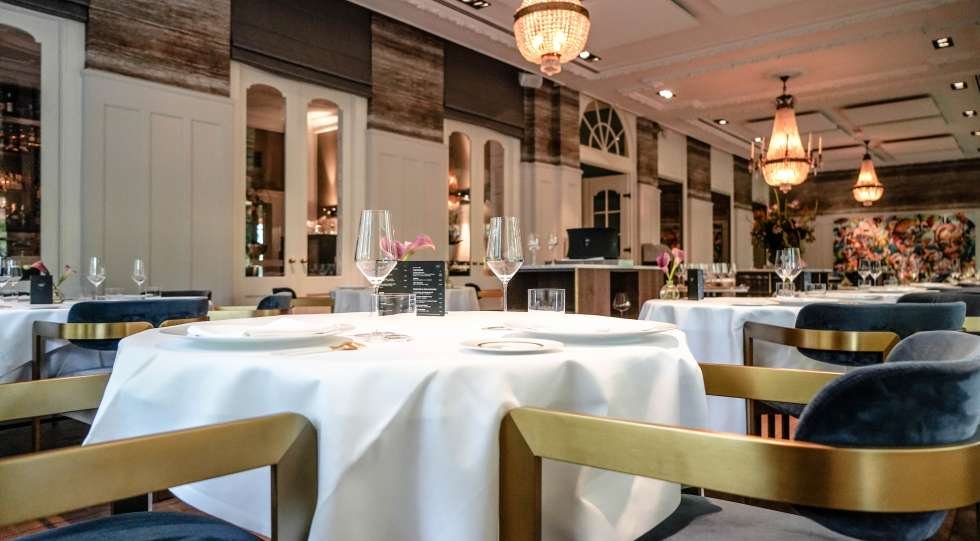
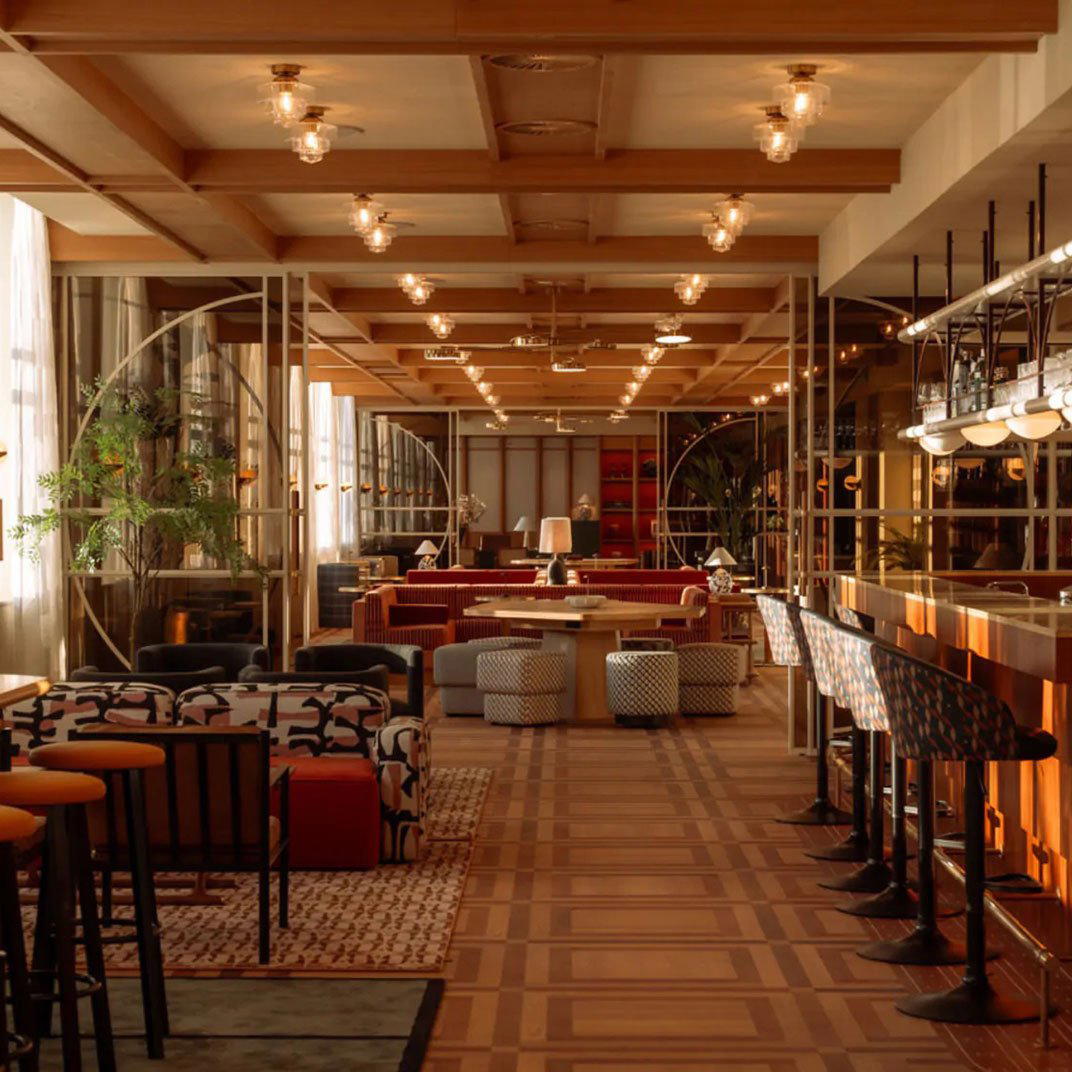
The hotel's two hospitality spaces carry names from the aviation history the building holds. The Albert Bar & Lounge, named for KLM founder Albert Plesman, covers morning coffee through evening drinks and light bites, functioning as the informal anchor for guests who want to stay within the building rather than venture out into Plesmanweg's immediate surroundings. Restaurant Suus, named after Plesman's wife, runs European classics from breakfast through to dinner, a format that keeps the food offer broad rather than ambitious.
For travellers who want to eat beyond the hotel, The Hague's restaurant scene is covered in our full The Hague restaurants guide, which maps the city's dining more granularly by neighbourhood and price tier.
Location and Planning
Plesmanweg 607 places the hotel in The Hague's southern quadrant, at an address that reflects the building's original function as an operational headquarters rather than a city-centre showpiece. The location is practical for travellers arriving by car or moving between The Hague and Schiphol; less immediate for those whose primary interest is the city's historic centre or the parliamentary quarter around the Binnenhof. Travellers who need proximity to Schiphol itself might also consider citizenM Schiphol Airport in Schiphol as an alternative anchor point.
The 103-room scale keeps the property mid-sized by city standards, large enough to absorb business travel but not so large that the architectural identity gets diluted across anonymous conference infrastructure. The addition of 19 short-stay serviced apartments suggests the hotel is calibrated for extended stays as much as overnight transit, a format that makes particular sense given the building's location relative to The Hague's international institutional addresses.
Travellers exploring other Dutch properties with strong architectural identities might also consider Inntel Hotels Amsterdam Zaandam in Zaandam, 2L de Blend Hotel in Utrecht, or Posthoorn in Monnickendam for properties where built heritage is the primary frame. For rural Dutch alternatives with estate-scale character, Landgoed Hotel Het Roode Koper in Leuvenum and Mooirivier in Dalfsen represent a different register of Dutch hospitality. For those interested in adaptive reuse at a more southern European scale, Aman Venice in Venice shows what maximum-resource preservation looks like in a palazzo context.
Comparison Snapshot
Comparable venues nearby, for context on price, style, and recognition.
| Venue | Cuisine | Price | Awards | Notes |
|---|---|---|---|---|
| De Plesman Hotel The HagueThis venue — the venue you are viewing | Historic property renovated with modern comforts and original antiques. | $$$ | Michelin 1 Key | Not listed |
| Hotel des Indes | Historic luxury with contemporary comforts | $$$$ | 5-Star | Lange Voorhout |
| Townhouse Den Haag | Boutique townhouse-style hotel feeling like a stylish home away from home | $$ | 4-Star | City Center |
| Hotel De Plesman | Boutique design hotel in a restored 1939 aviation landmark with a strong sense of place between city and sea. | $$$ | 4-Star | Scheveningen |
| The Collector | Chic boutique hotel with characterful courtyard oasis in city center | $$$$ | 4-Star | Haagsche Bluf |
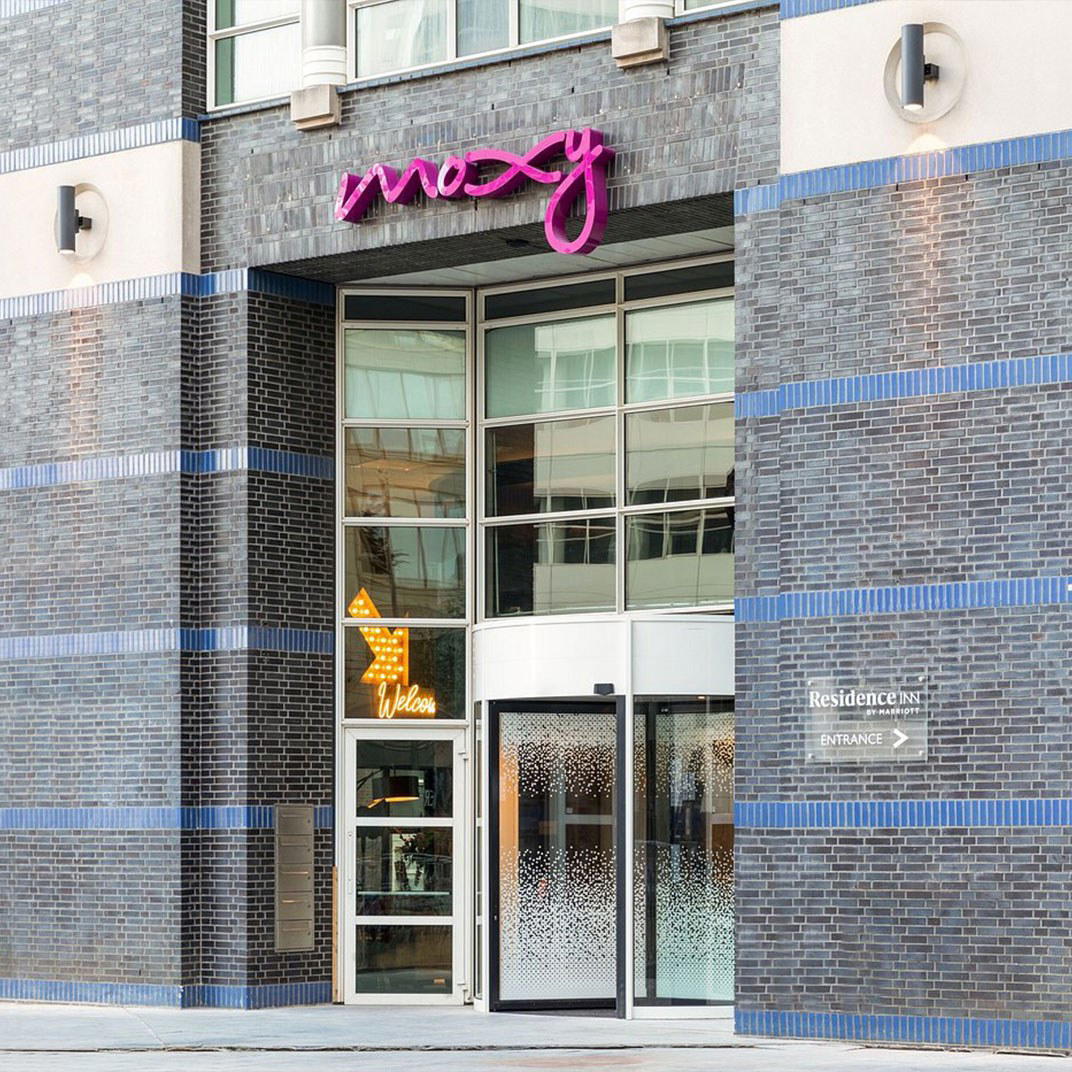
| Moxy The Hague | Playful urban hotel in the old city with stylish communal spaces. | $$ | 4-Star | The Hague City Center |
Recognition history
Dated appearances from independent guides and award organizations, with the underlying list record or original source where available.
Mr & Mrs Smith Smith Seal of Approval
Mr & Mrs Smith
Michelin 1 Key
Michelin
Continue exploring
More in The Hague
Hotels in The Hague
Browse all →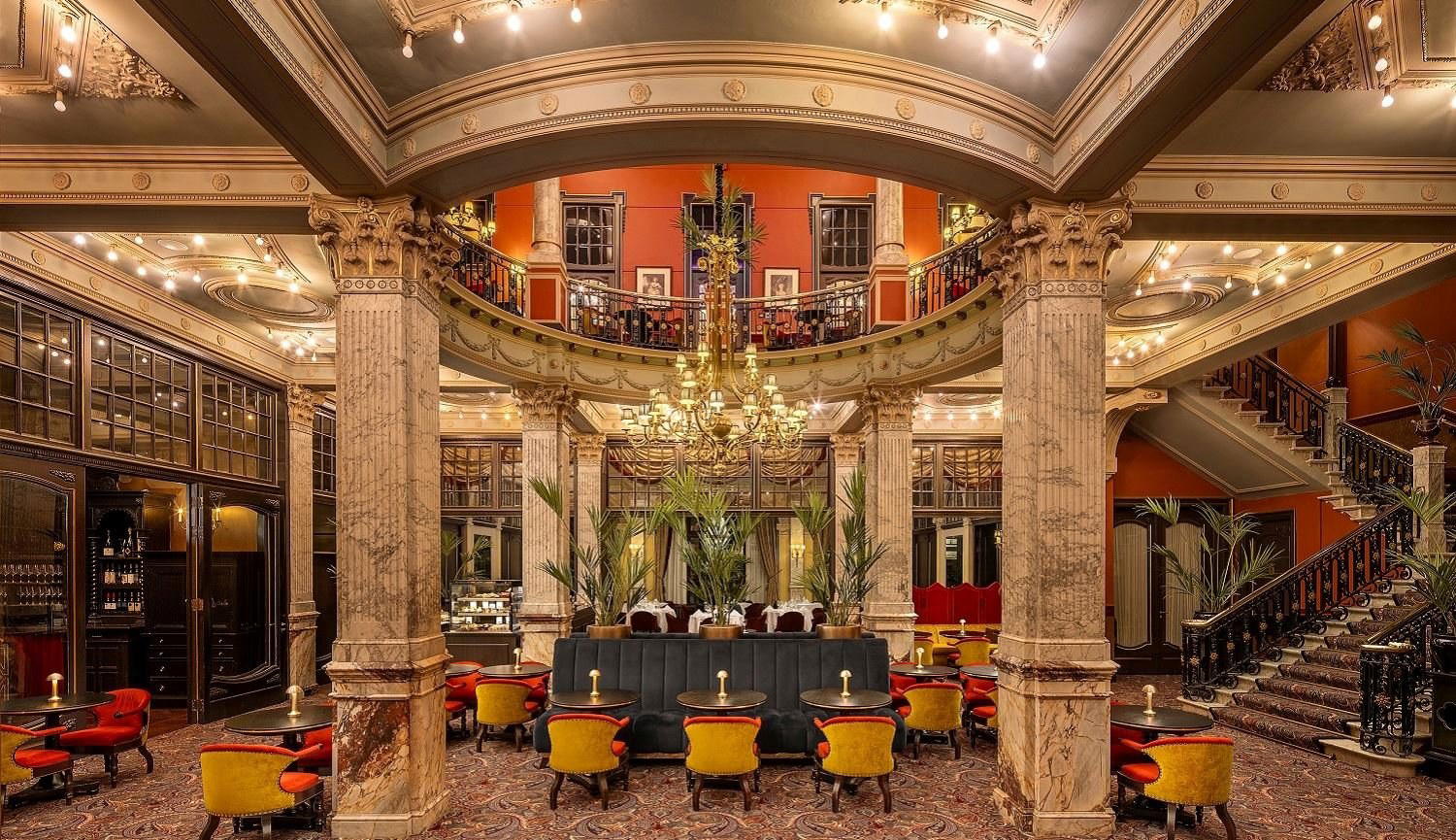
Bars in The Hague
Browse all →
Restaurants in The Hague
Browse all →
Wineries in The Hague
Browse all →
At a Glance
- Modern
- Cozy
- Elegant
- Business Trip
- Romantic Getaway
- Family Vacation
- Garden
- Historic Building
- Wi Fi
- Fitness Center
- Spa
- Room Service
- Concierge
- Business Center
- EV Charging
- Garden
- Wi Fi
- Fitness Center
- Spa
- Room Service
- Concierge
- Business Center
- EV Charging
Stylish and personal atmosphere with spacious, clean, soundproofed rooms, cozy bar, and warm staff service.