De Librije

Michelin Selected
De Librije occupies a former women's prison in the heart of Zwolle, making it one of the most architecturally singular dining addresses in the Netherlands. The restaurant has held three Michelin stars for over two decades, placing it among a small cohort of Dutch kitchens operating at the top of European fine dining. For visitors to Overijssel, it represents the primary reason to make the journey to Zwolle.

Pearl is the En Primeur Club membership app, where members save venues, book tables and use the concierge.
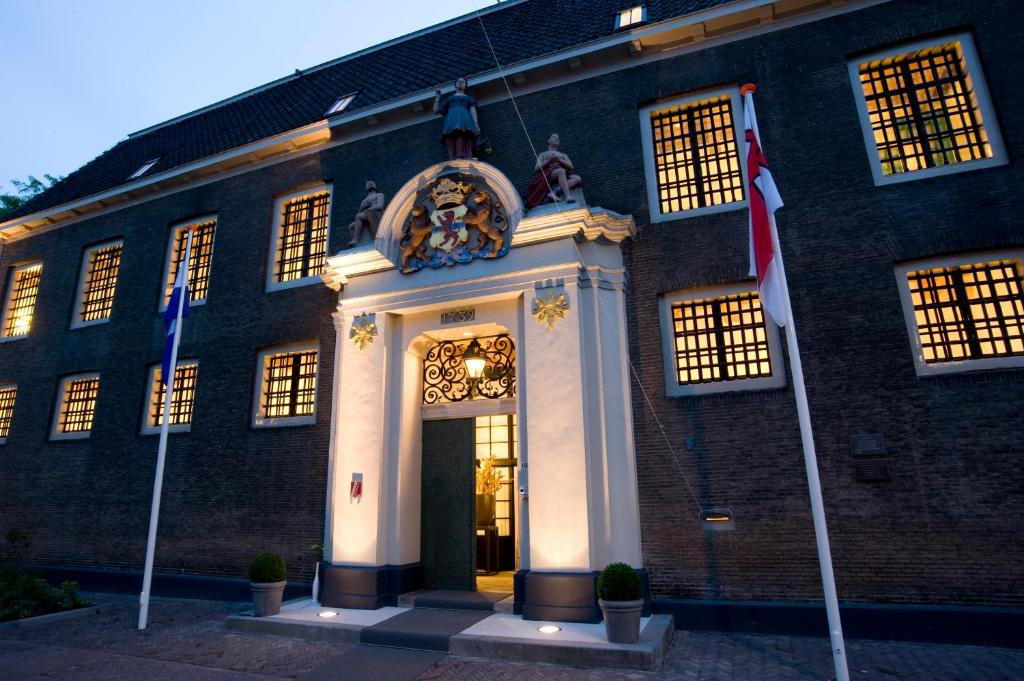
A Former Prison, Now a Destination
Zwolle is a Hanseatic city of canals and gabled façades in the province of Overijssel, a place most Dutch residents would associate with weekend markets and cycling routes rather than fine dining. That context makes De Librije's position here all the more instructive. In a country where the highest-rated restaurants tend to cluster in Amsterdam or the southern provinces, a three-Michelin-star kitchen anchored in a mid-sized northern city speaks to the kind of gravitational pull that architecture and culinary reputation can generate together.
The building at Spinhuisplein 1 is a former women's prison, dating to the late sixteenth century. That provenance shapes the physical experience before any plate arrives. Heavy stone walls, vaulted ceilings, and the remnants of institutional structure give the interior a weight that modern-build restaurants cannot replicate. The dining room operates in dialogue with that history rather than against it: the contrast between the severity of the original architecture and the precision of what arrives on the table is deliberate and, for this category of restaurant, genuinely rare in Europe.
Where De Librije Sits in the Dutch Fine Dining Scene
The Netherlands has a compact but serious fine dining tier. A handful of restaurants hold three Michelin stars, and De Librije has been among them for well over two decades, a tenure that places it alongside Jonnie Boer's kitchen as one of the most durable entries in the country's leading bracket. Longevity at that level matters differently than a recent star award: it signals that the kitchen has maintained consistency across multiple Michelin inspection cycles and different eras of European gastronomy, from the molecular period of the early 2000s through to the regional-product emphasis that now dominates serious Dutch kitchens.
Restaurants in Amsterdam, Rotterdam, and The Hague benefit from a built-in audience of business travelers and hotel guests; a three-star operation in Zwolle depends almost entirely on destination dining, which in turn demands a more committed visitor. That self-selection tends to produce a room full of guests who have planned the trip specifically around the meal, a different atmosphere than a city-center fine dining room that absorbs walk-ins and hotel guests as a matter of course.
The Architecture as Editorial Frame
Sixteenth-century civic architecture in the Netherlands was built for function, not display. Prisons, orphanages, and guild houses of that era share a vocabulary of thick load-bearing walls, small windows at irregular intervals, and interior spaces that were designed to contain rather than to welcome. What De Librije has done, over decades of occupation rather than through a single renovation moment, is to work within those constraints rather than neutralize them. The stone floors, the structural arches, the sense of enclosure that a vaulted space produces: these remain legible rather than concealed behind contemporary cladding.
This puts De Librije in a distinct category of European restaurant that derives part of its identity from adaptive reuse of heritage buildings. The approach is more common in the UK and Scandinavia, where converted warehouses, farmhouses, and industrial structures house a significant proportion of top-tier kitchens, than in the Netherlands, where new-build and hotel-based fine dining has historically been more prevalent. For guests arriving from cities like Amsterdam or Rotterdam, the building itself registers as a departure from the norm. For international visitors, it provides the kind of physical specificity that distinguishes a meal in a place from a meal that could have happened anywhere. You can find comparable cooking at a handful of other European addresses; you cannot find this building.
Getting to Zwolle and Planning the Visit
Zwolle sits roughly 90 minutes from Amsterdam Centraal by direct intercity train, a direct connection that makes the city accessible without requiring a flight or overnight stay, though the weight of the meal and the distance from the capital make an overnight in the region a sensible approach. Pillows Grand Boutique Hotel Ter Borch Zwolle sits within the city and provides a natural pairing for guests building a full visit around the restaurant. Elsewhere in the Netherlands, Mooirivier in Dalfsen offers a rural counterpoint a short drive south, and Landgoed Hotel Het Roode Koper in Leuvenum extends the Overijssel and Gelderland region for those willing to build a longer itinerary.
For context across the broader Dutch hotel tier, Hotel 717 in Amsterdam and citizenM Rotterdam represent contrasting approaches to Netherlands accommodation, the former a townhouse-scale boutique, the latter a high-volume design-forward operator. Further out, Inntel Hotels Amsterdam Zaandam and 2L de Blend Hotel in Utrecht fill the mid-tier. Travelers arriving via citizenM Schiphol Airport can connect directly to Zwolle without entering Amsterdam. Our full Zwolle restaurants guide covers the broader dining scene for those spending more than one evening in the city.
For international travelers extending a Netherlands visit southward, the country's fine dining map continues through Château Neercanne in Maastricht and Château St. Gerlach in Valkenburg aan de Geul, both of which pair heritage architecture with serious hospitality in a manner that rhymes with what De Librije does in Zwolle. Elsewhere in the country, Weeshuis Gouda and Posthoorn in Monnickendam demonstrate the Netherlands' broader appetite for repurposed historic buildings as hospitality anchors. For those building a wider European itinerary that includes other architecture-led dining destinations, Aman Venice and Badrutt's Palace Hotel in St. Moritz occupy a comparable niche in their respective cities.
What the Three Stars Mean in Practice
Michelin's three-star designation carries a specific directive in its own language: worth a special journey. For De Librije, that language is unusually literal. Zwolle is not a city that generates incidental fine dining traffic. The journey is the commitment, and the restaurant's decades-long retention of that rating suggests the kitchen has repeatedly justified it under changing inspection standards. The Dutch Michelin guide has become more selective over time, not less, meaning that longevity at three stars in the contemporary guide carries more weight than it did when De Librije first achieved it.
For guests calibrating expectations against peer kitchens at the same tier across Europe, that context matters. A three-star in Paris or Copenhagen operates in a city where the dining density and media attention create constant reinforcement. A three-star in Zwolle operates in relative isolation, dependent on word of mouth, international press, and the kind of repeat visitors who return because the experience warranted it. Those are, structurally, harder conditions to sustain. That De Librije has done so across more than two decades of operation is the most concrete data point available about what the restaurant delivers.
In Context: Similar Options
| Venue | Price | Awards |
|---|---|---|
| De LibrijeThis venue (the venue you are viewing) | $500–750 | Michelin Selected |
| Andaz Amsterdam Prinsengracht | Not listed | Michelin Selected · Forbes Recommended |
| InterContinental Amstel Amsterdam | $300–500 | Virtuoso Luxury Hotel Partner · Forbes Recommended |
| Waldorf Astoria Amsterdam | Not listed | Michelin Selected · La Liste Top Hotels |
| Sofitel Legend The Grand Amsterdam | Not listed | Michelin Selected · Forbes Recommended |
| Bij Jef | Not listed | Michelin Guide New Hotels New Hotel · Michelin Selected |
Recognition history
Dated appearances from independent guides and award organizations, with the underlying list record or original source where available.
Michelin Selected
Michelin
Details
- Elegant
- Sophisticated
- Modern
- Intimate
- Well Known
- Romantic Getaway
- Anniversary
- Celebration
- Historic Building
- Private Dining
- Design Destination
- Wi Fi
- Room Service
- Concierge
- Pool
- Spa
- Massage
- Valet Parking
- Wheelchair Accessible
- Elevator
- Step Free Entrance
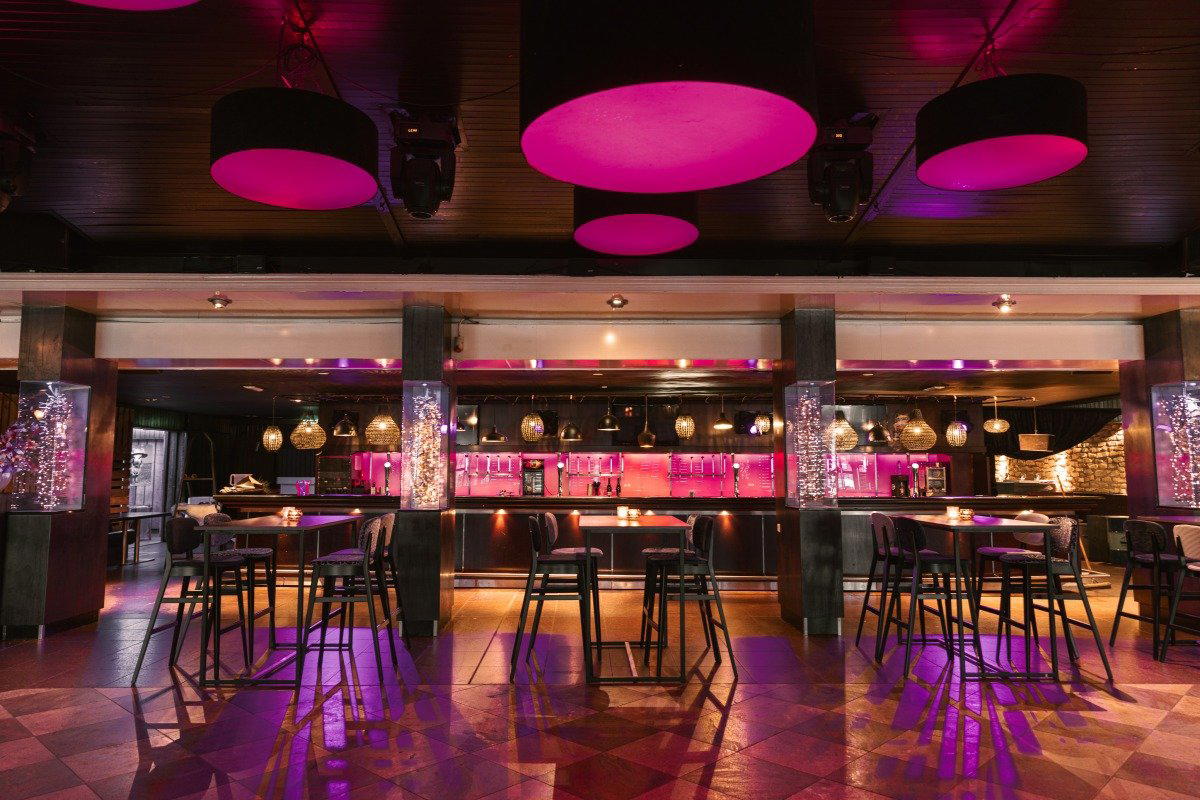
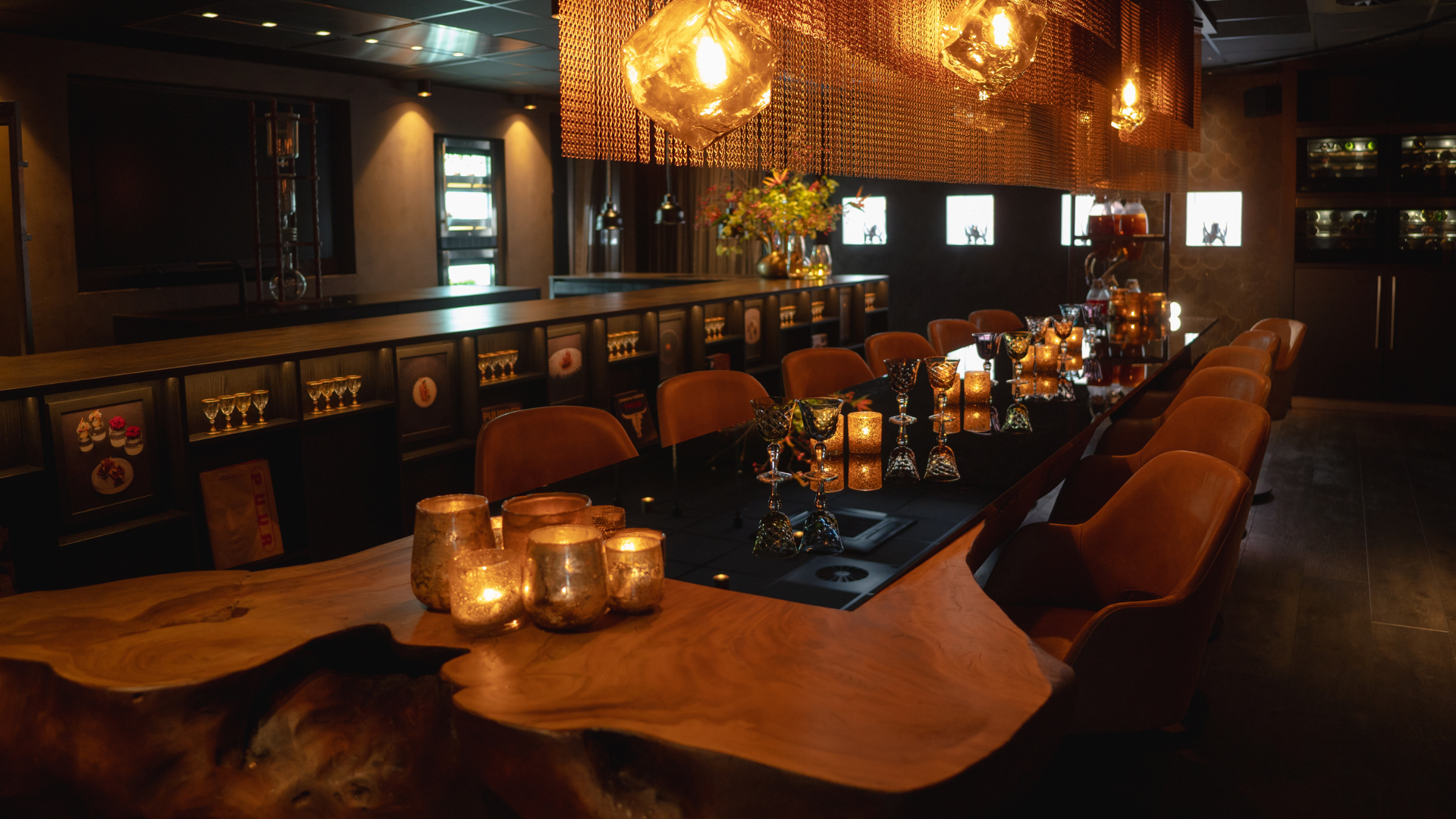
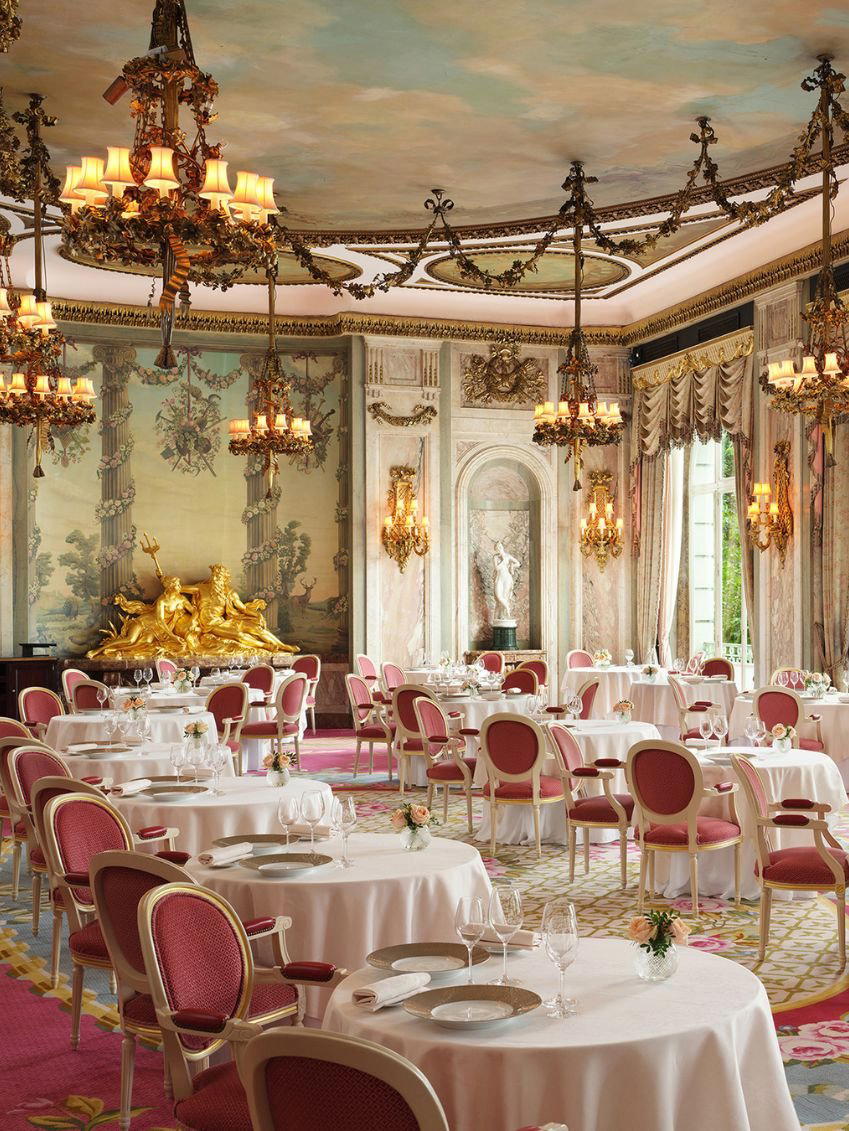
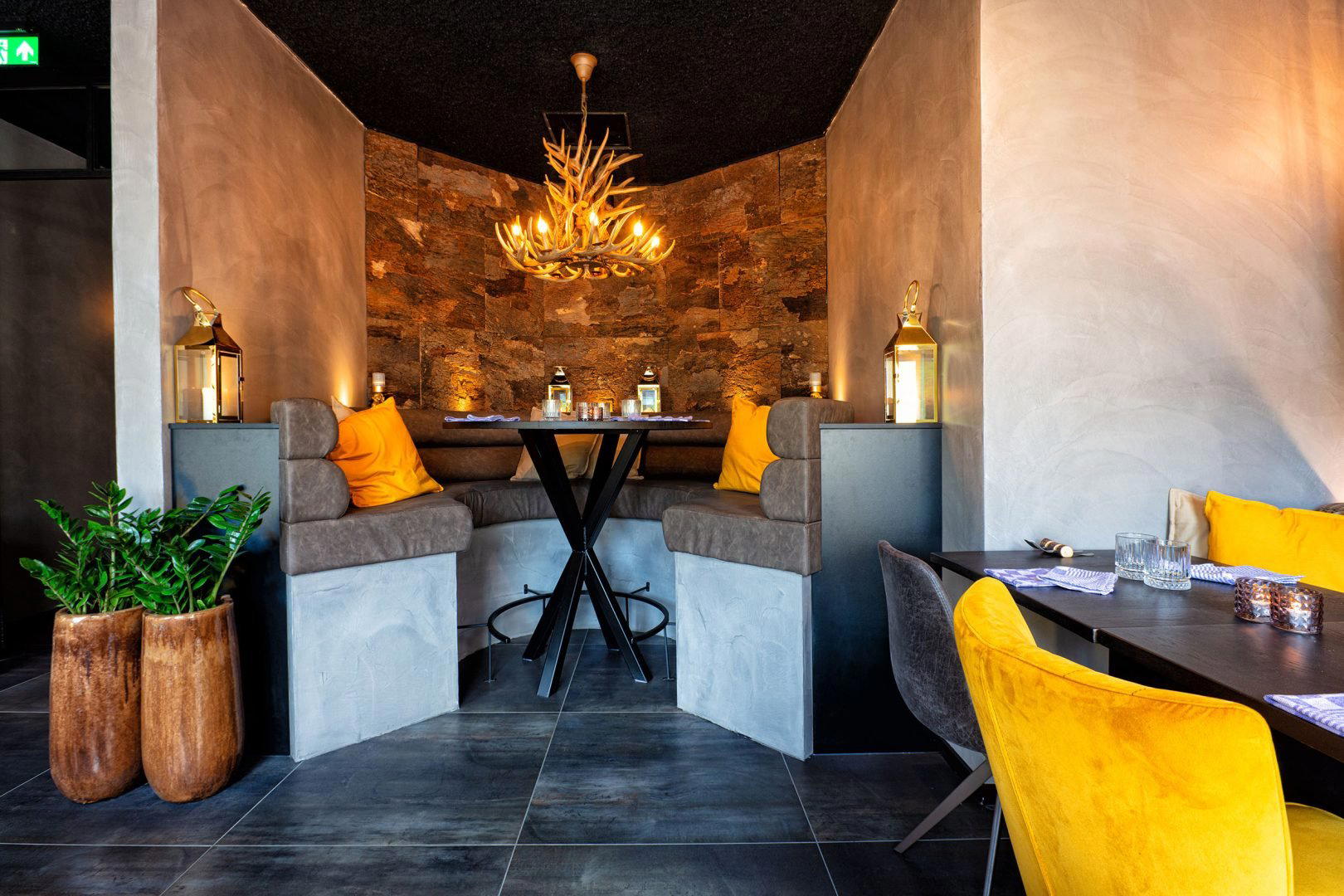
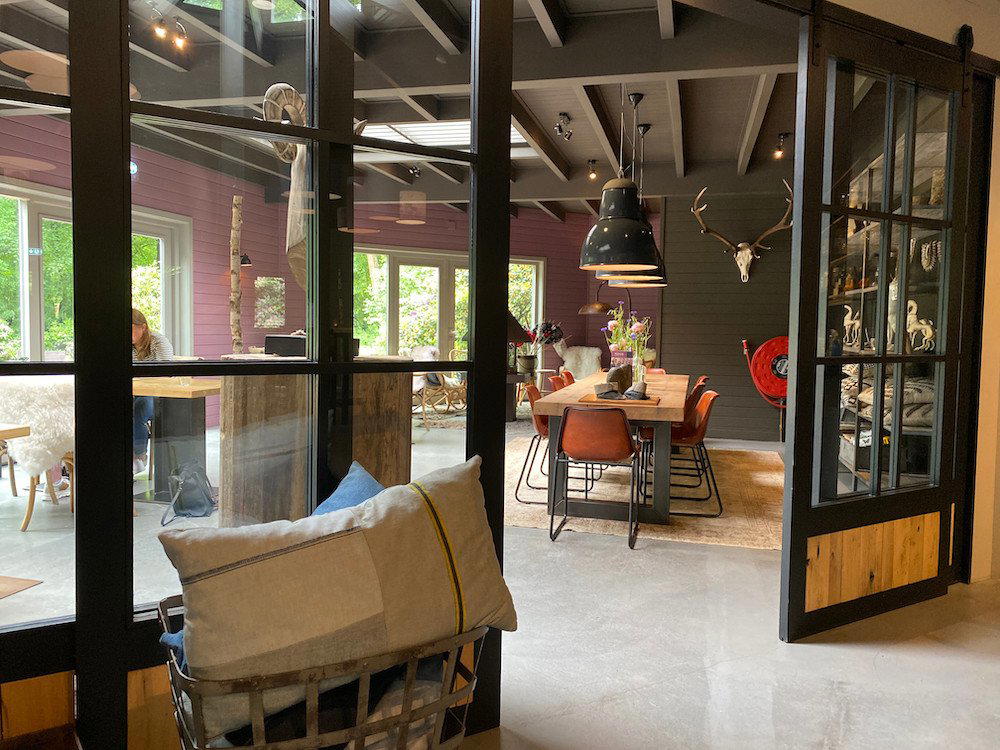
Sophisticated and elegant with avant-garde design, daring color schemes, notable art, and a relaxed yet impressive atmosphere blending historic elements and modern luxury.