De Pijp Boutique Hotel
On the southern edge of Sarphatipark, De Pijp Boutique Hotel occupies one of Amsterdam's most characterful residential neighbourhoods, where the Albert Cuyp Market and a dense cluster of Indonesian, Surinamese, and Dutch eateries define the immediate surroundings. The property sits within walking distance of the Heineken Experience and the Rijksmuseum, placing guests inside the city's daily rhythm rather than apart from it.

Pearl is the En Primeur Club membership app, where members save venues, book tables and use the concierge.
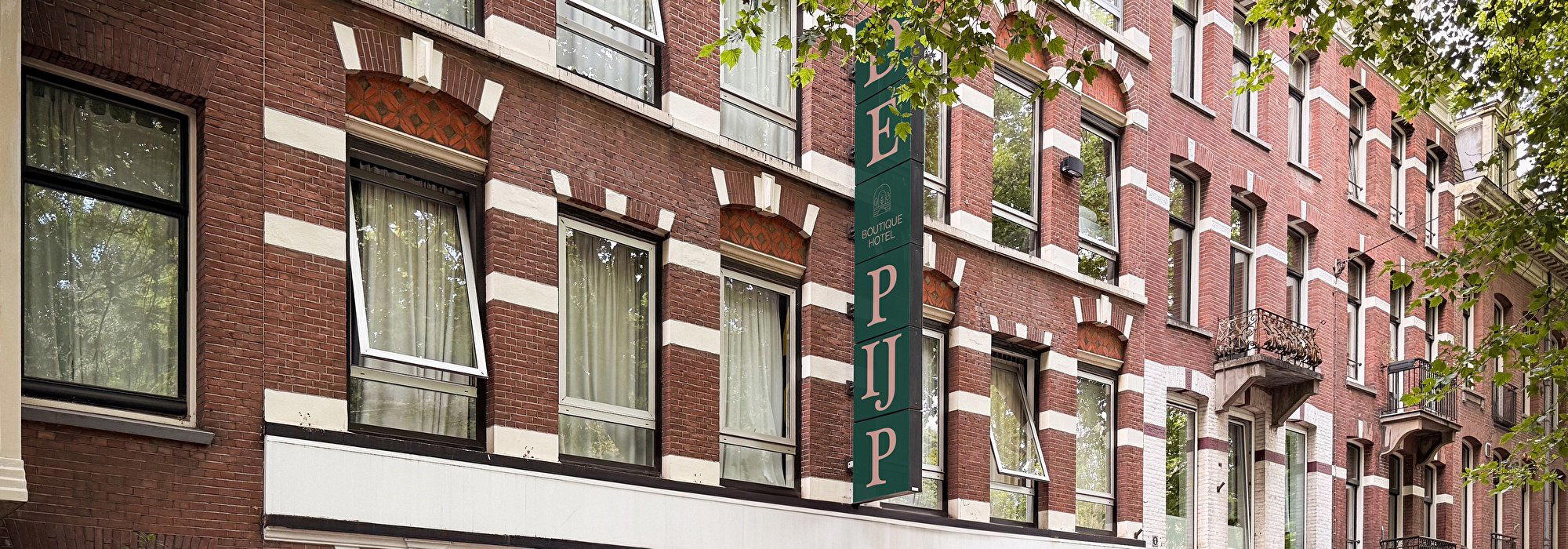
A Neighbourhood That Does Most of the Work
De Pijp has a particular texture that sets it apart from the canal-belt hotels clustered around Prinsengracht and Herengracht. Where properties like Canal House or Décor Canal House trade on their proximity to the historic waterways, De Pijp Boutique Hotel draws its character from a different Amsterdam entirely: the one that actually feeds and houses the city. The address at Sarphatipark 106 places guests on the southern boundary of the park, a long rectangular green that functions as the neighbourhood's informal living room. On weekday mornings, the park fills with cyclists crossing to the Albert Cuyp Market, a street market running roughly 260 metres along Albert Cuypstraat and widely considered the largest outdoor market in the Netherlands. This is sourcing culture made visible: stallholders moving stroopwafels, raw herring, Gouda rounds cut to order, seasonal vegetables, and imported spices that reflect the neighbourhood's multi-generational Indonesian and Surinamese communities. Staying on Sarphatipark means stepping into that supply chain rather than observing it from a distance.
The De Pijp Context: What the Area Tells You About Amsterdam's Food Culture
Amsterdam's boutique hotel segment has sharpened considerably over the past decade. The dominant model at the premium end, represented by properties such as Andaz Amsterdam Prinsengracht and Conservatorium, positions history and design as the primary draws, with dining largely integrated into the hotel's own programming. De Pijp works differently. The neighbourhood's restaurant density means that guests orient outward rather than inward, eating at the Surinamese lunchrooms on Ferdinand Bolstraat, the Indonesian rijsttafel houses on Ruysdaelkade, or the newer wave of natural wine bars and small-plates kitchens that have colonised the side streets between the park and the Heineken Experience. This outward orientation is less a gap in the hotel's offering and more a reflection of what makes De Pijp worth staying in at all.
For travellers who want to understand where Dutch food culture is actually moving, De Pijp provides a more useful base than the Grachtengordel. The neighbourhood's ingredient culture is direct and traceable: the herring at the market comes from North Sea day-boats, the Indonesian sambal pastes in the older warung-style restaurants are made from recipes that predate modern supply chains, and the newer kitchens have built their identities around Dutch seasonal produce with a specificity that the tourist-facing restaurants on the Leidseplein circuit rarely match. Our full Amsterdam restaurants guide maps this landscape in more detail, but the short version is that staying in De Pijp compresses the distance between where food is made and where you eat it.
Positioning Within Amsterdam's Boutique Tier
Amsterdam's boutique accommodation sits across a wide price and philosophy spread. At one end, properties like Breitner House and De L'Europe Amsterdam compete on heritage credentials and canal-facing rooms. At the other, Conscious Hotel Amsterdam City (The Tire Station) and Generator Amsterdam address travellers for whom design sensibility and price efficiency matter more than historical provenance.
That independence matters in practice. The Sarphatipark address is walkable to the Rijksmuseum and the Van Gogh Museum (both roughly 10 to 12 minutes on foot), but it is not on the tourist grid in the way that properties around Museumplein or Leidseplein are. Guests arriving here have already decided that neighbourhood character is worth more than lobby convenience, a preference that aligns closely with how the broader De Pijp residential community relates to its own streets.
Getting There and Planning Practically
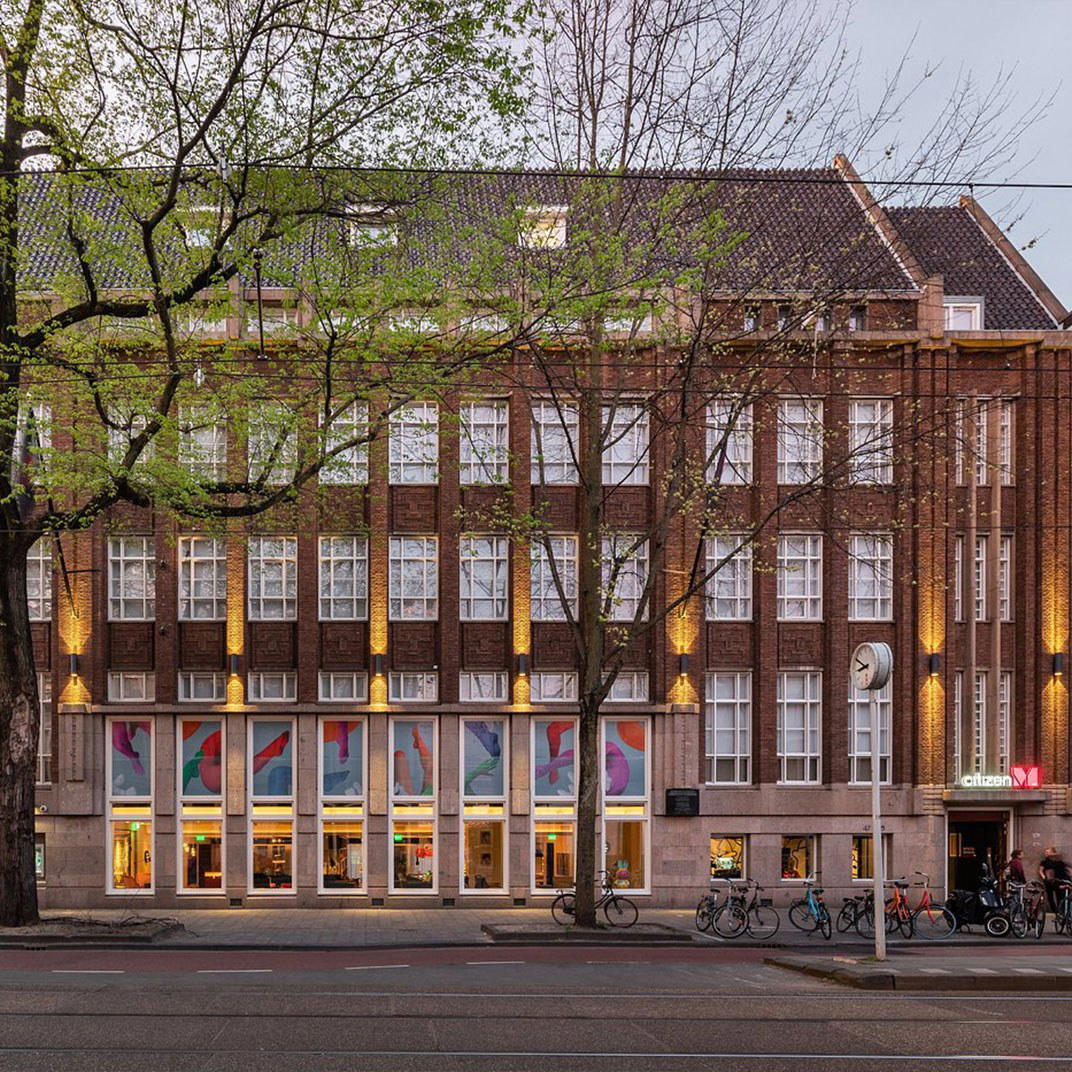
Amsterdam Centraal connects to De Pijp via tram lines 16 and 24, both of which stop on Ferdinand Bolstraat within a few minutes' walk of Sarphatipark. Journey time from Centraal is typically under 20 minutes. From Schiphol Airport, travellers can take the direct rail link to Centraal and transfer, or use taxi and ride-share services that run directly to the Sarphatipark address. Travellers who want a night near Schiphol before or after their Amsterdam stay may find citizenM Schiphol Airport a practical buffer option. For those extending into broader Netherlands itineraries, the Dutch rail network connects Amsterdam to Rotterdam, Zwolle, and Monnickendam with relative efficiency. Further afield in the Netherlands, options range from Inntel Hotels Amsterdam Zaandam to Château Neercanne in Maastricht and Château St. Gerlach further south.
Further Afield: Contextualising the Amsterdam Boutique Scene
For travellers calibrating where De Pijp fits within a wider Dutch or European trip, a few reference points help. The Grand Hotel Huis ter Duin in Noordwijk aan Zee and De Plesman Hotel The Hague represent the coastal and governmental city alternatives. In the countryside tier, Landgoed Hotel Het Roode Koper in Leuvenum and Bij Jef in Den Hoorn sit at a very different register, prioritising rural setting and seasonal kitchen programming over urban proximity. Central Park Voorburg and 2L de Blend Hotel in Utrecht round out the mid-Netherlands circuit. For travellers whose comparison set extends internationally, properties like The Fifth Avenue Hotel in New York City, Aman New York, or Aman Venice illustrate how differently the boutique concept scales at the ultra-premium end.
Cuisine-First Comparison
| Venue | Price | Awards |
|---|---|---|
| De Pijp Boutique HotelThis venue (the venue you are viewing) | $1–100 | Not listed |
| Andaz Amsterdam Prinsengracht | Not listed | Michelin Selected · Forbes Recommended |
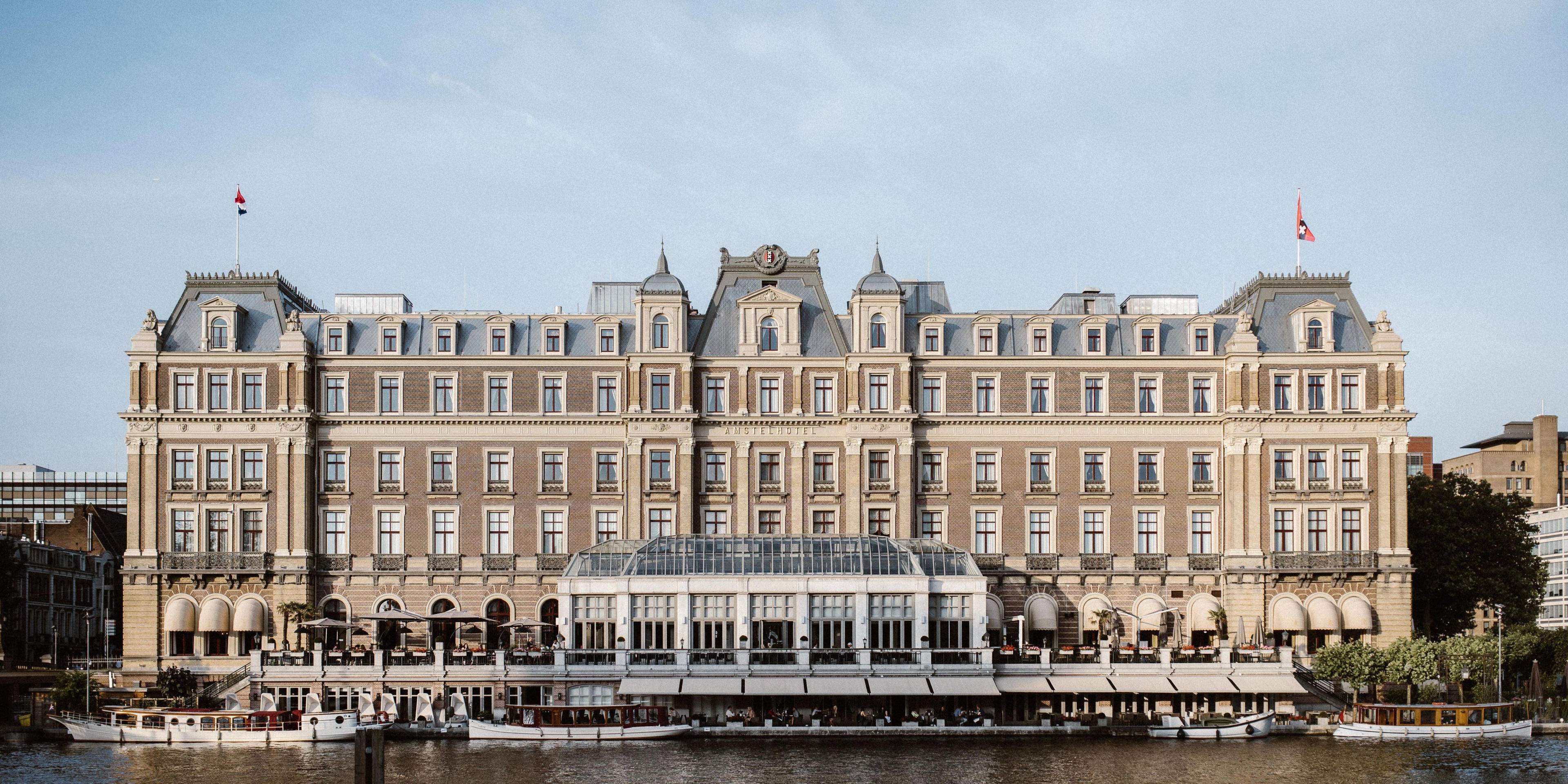
| InterContinental Amstel Amsterdam | $300–500 | Virtuoso Luxury Hotel Partner · Forbes Recommended |
| Waldorf Astoria Amsterdam | Not listed | Michelin Selected · La Liste Top Hotels |
| Sofitel Legend The Grand Amsterdam | Not listed | Michelin Selected · Forbes Recommended |
| Conservatorium | $750–1,000 | La Liste Top Hotels · Virtuoso Luxury Hotel Partner |
Continue exploring
More in Amsterdam
Hotels in Amsterdam
All hotels in Amsterdam →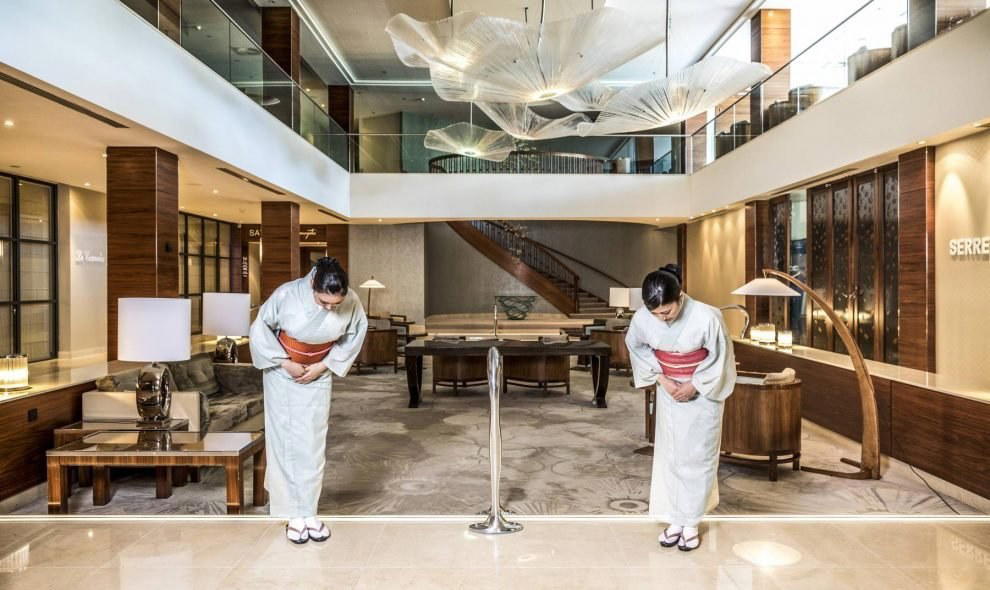
Bars in Amsterdam
All bars in Amsterdam →
Restaurants in Amsterdam
All restaurants in Amsterdam →
Wineries in Amsterdam
All wineries in Amsterdam →
Details
- Trendy
- Cozy
- Modern
- Weekend Escape
- Garden
- Terrace
- Wi Fi
- Bar
- Garden
- Concierge
- Elevator
Warm modern decor with comfortable, colorful themed rooms and a serene garden terrace.