Posthoorn

Michelin Selected
Posthoorn occupies a historic address on Noordeinde in Monnickendam, one of the smaller Waterland towns that has resisted the tourist pressure reshaping nearby Volendam. The building's street-facing presence signals the kind of rooted, neighbourhood-scale hospitality that this part of North Holland still does quietly well. For visitors arriving from Amsterdam, it represents a different register of Dutch dining and accommodation entirely.

Pearl is the En Primeur Club membership app, where members save venues, book tables and use the concierge.
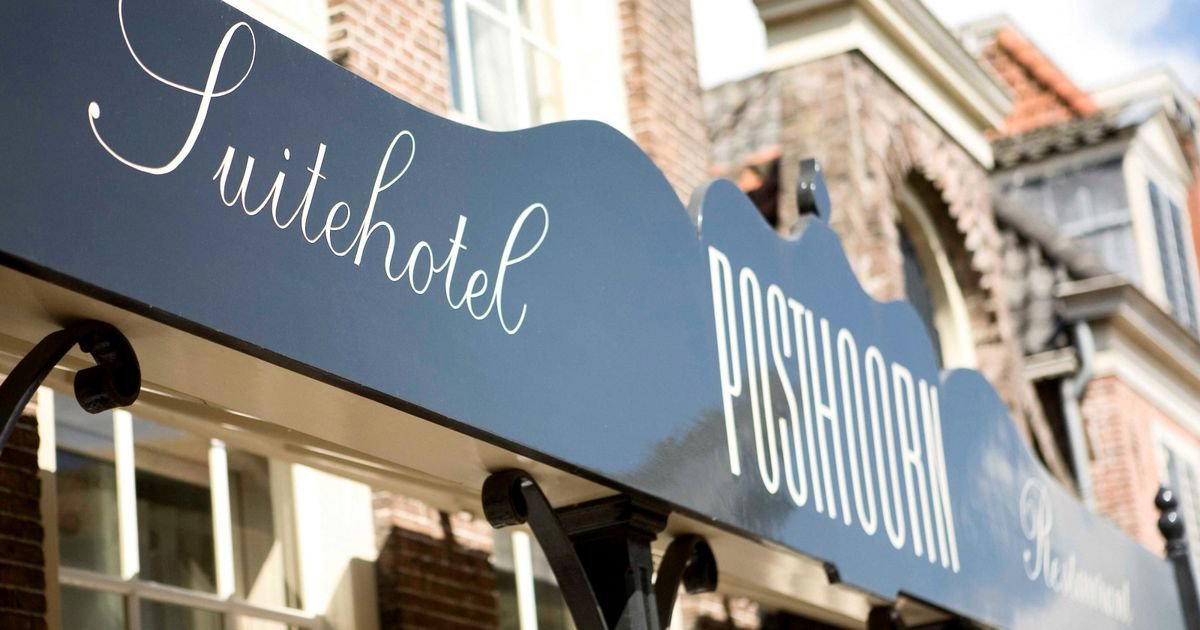
A Town That Kept Its Shape
Monnickendam sits roughly twenty kilometres north of Amsterdam on the western edge of the Markermeer, and it is one of the few Waterland towns where the historic centre has not been reorganised around coach-party tourism. The streets are narrow, the harbour is working rather than decorative, and the scale of the built environment remains largely as it was when the town functioned as a modest trading port. Noordeinde, the address where Posthoorn sits, runs through the older residential core rather than along the waterfront, which puts it in the category of venues that locals use rather than venues that exist primarily for passing visitors.
That geographical context matters when reading any establishment in this town. The Waterland region as a whole sits in an odd position in Dutch hospitality: close enough to Amsterdam that day-trippers and weekend visitors form a meaningful part of demand, but sufficiently off the main tourist circuit that the places sustaining themselves here tend to do so on local and regional custom. For visitors based in Amsterdam, properties such as Hotel 717 in Amsterdam or Inntel Hotels Amsterdam Zaandam in Zaandam serve as convenient staging points before exploring the Waterland towns, with Monnickendam reachable by car in under thirty minutes and by bicycle along flat polder roads in roughly an hour from Zaandam.
The Building on Noordeinde
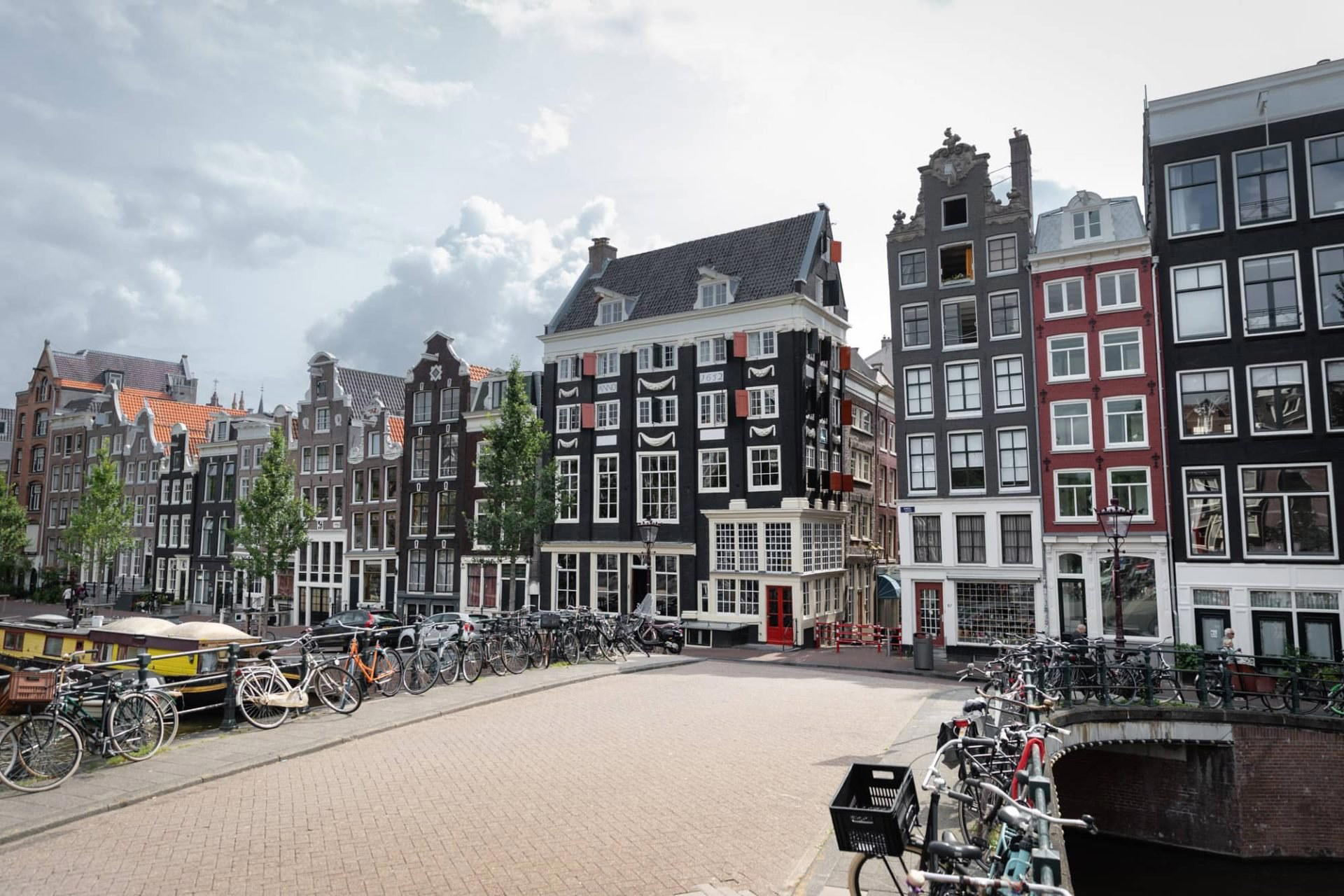
The name Posthoorn, meaning post horn, is common across the Netherlands for historic inns and post-houses that once served as staging points along coach routes. In many Dutch towns, buildings carrying this name date to the seventeenth or eighteenth century, and the typology is consistent: a street-facing facade integrated into the urban terrace, with proportions dictated by the canal-town grid rather than by any ambition toward monumental presence. The address at Noordeinde 43 places Posthoorn within the older fabric of a town whose centre has not undergone the kind of speculative redevelopment that erased similar streetscapes elsewhere in North Holland.
Dutch vernacular architecture in towns like Monnickendam tends toward stepped or bell gables, narrow plots, and facades in brick with painted timber detailing. The interior logic of these buildings follows the same discipline: rooms are compact by contemporary hotel standards, proportions reflect the structural constraints of historical construction, and the relationship between interior and street is typically direct, without the buffer of a lobby designed to impress. This is architecture that communicates function and continuity rather than aspiration, and it represents a distinct aesthetic tradition from the design-led properties now competing in the Netherlands premium segment. For comparison, the ambition driving something like Kazerne in Eindhoven or Weeshuis Gouda in Gouda involves adaptive reuse as a deliberate design statement; Posthoorn's building type operates in a quieter register, where continuity with the existing townscape is the achievement rather than transformation of it.
Waterland and the Wider Dutch Hospitality Context
The Netherlands has developed two recognisable poles in its premium hospitality offer over the past decade. One is the design-conscious urban property, often an adaptive reuse of a historic building given a contemporary interior programme. The other is the country-house or château model, found in the southern and eastern provinces, where landscape setting and formal dining carry the proposition. Examples of the latter include Château Neercanne in Maastricht and Château St. Gerlach in Valkenburg aan de Geul, both of which operate within a formal tradition that Waterland venues do not share. The small-town inn model that Posthoorn represents occupies a different niche, one defined more by place attachment and local character than by design ambition or gastronomic programming.
Elsewhere in the Netherlands, properties taking a similar approach to rooted, smaller-scale hospitality include Bij Jef in Den Hoorn on Texel and Op Oost in Oosterend, also on Texel. Both operate in island contexts where the local character of the building and setting carries weight independent of formal credentials. Posthoorn's position in Monnickendam maps to a similar logic: the town itself, with its preserved streetscape and working harbour, does a significant portion of the contextual work. Venues in settings with this kind of ambient historical density rarely need to perform their heritage; the surroundings make the argument for them.
For those using a Dutch itinerary to move between regions, the broader network of properties across the country provides useful anchoring points. De Librije in Zwolle, with its serious gastronomic programme, sits at one end of the spectrum; Mooirivier in Dalfsen and Landgoed Hotel Het Roode Koper in Leuvenum represent the country-estate register. Posthoorn's Waterland location puts it in a separate category from all of these, defined more by urban grain and coastal-polder atmosphere than by gastronomy or landscape.
Arriving and Getting Oriented
Monnickendam is not served by a train station. The practical options from Amsterdam are bus connections from Amsterdam Centraal (approximately forty minutes on route 314 toward Volendam, alighting in Monnickendam), or car. Visitors arriving at Schiphol and looking to base themselves closer to the airport before heading north might consider citizenM Schiphol Airport in Schiphol as an intermediate point. From the south or Rotterdam direction, citizenM Rotterdam provides a contrast in scale and urban character that underlines how different the Waterland towns feel from the Netherlands' larger cities.
Noordeinde itself is pedestrian-friendly and sits within comfortable walking distance of the harbour and the Speeltoren, the town's fifteenth-century clock tower that marks the historic centre. The street-level experience of arriving on foot is consistent with the building's historical character in a way that arriving by car is not; Monnickendam's centre was not planned for vehicle access and the geometry shows it. Our full Monnickendam restaurants guide covers the wider dining options in the town if Posthoorn's programme does not cover a particular meal.
What the address and building type suggest is a venue operating within the established Dutch tradition of the historic town inn: modest in footprint, embedded in its neighbourhood, and likely drawing on local patronage as the core of its business rather than destination visitors. That model has a different value proposition from the formally decorated or design-led properties appearing elsewhere in the Netherlands premium tier. Properties such as Central Park Voorburg in Voorburg, De Plesman Hotel The Hague in The Hague, or Grand Hotel Huis ter Duin in Noordwijk aan Zee each operate with formal programmes, clear star positioning, and defined dining propositions. Posthoorn's identity, by contrast, appears to rest on place, scale, and a different tempo entirely.
For international travellers who have experience of European inn hospitality in destinations such as Castello di Reschio in Lisciano Niccone or Aman Venice in Venice, the reference points obviously shift register significantly. Monnickendam operates at a quieter pitch. The comparison that applies more usefully is with small historic-town hospitality in provincial France or rural England, where the building carries the weight of the offer and formal credentials are secondary to atmosphere and setting.
Quick Comparison
| Venue | Price | Awards |
|---|---|---|
| PosthoornThis venue (the venue you are viewing) | $300–500 | Michelin Selected |
| Andaz Amsterdam Prinsengracht | Not listed | Michelin Selected · Forbes Recommended |
| InterContinental Amstel Amsterdam | $300–500 | Virtuoso Luxury Hotel Partner · Forbes Recommended |
| Waldorf Astoria Amsterdam | Not listed | Michelin Selected · La Liste Top Hotels |
| Sofitel Legend The Grand Amsterdam | Not listed | Michelin Selected · Forbes Recommended |
| Bij Jef | Not listed | Michelin Guide New Hotels New Hotel · Michelin Selected |
Recognition history
Dated appearances from independent guides and award organizations, with the underlying list record or original source where available.
Michelin Selected
Michelin
Continue exploring
More in Monnickendam
Hotels in Monnickendam
All hotels in Monnickendam →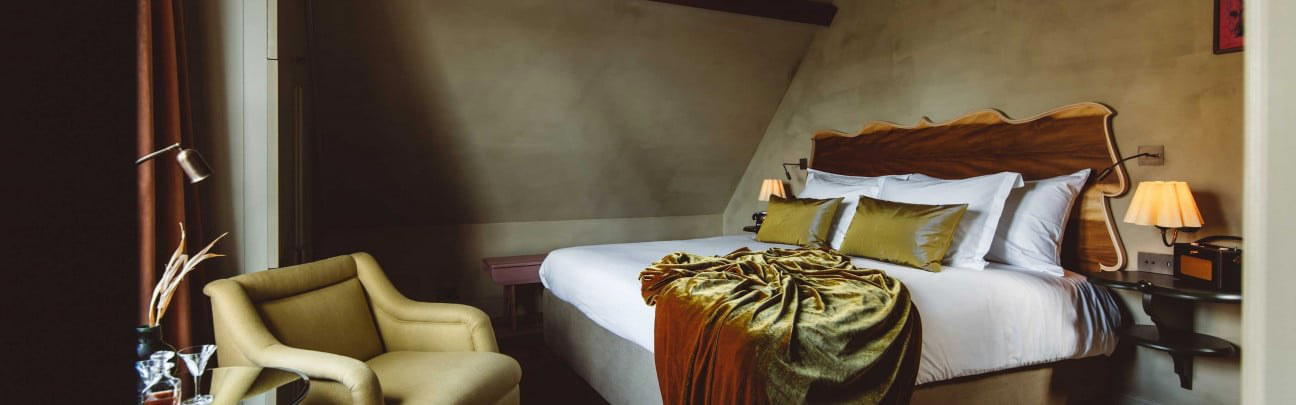
Bars in Monnickendam
Browse all →
Restaurants in Monnickendam
All restaurants in Monnickendam →
Wineries in Monnickendam
Browse all →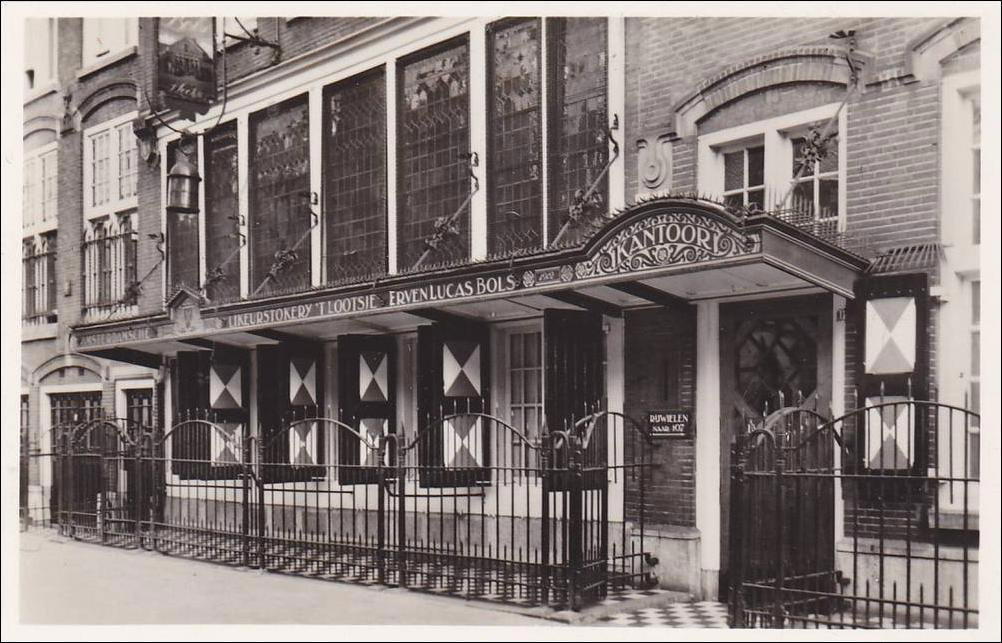
Details
- Romantic
- Elegant
- Cozy
- Historic
- Intimate
- Sophisticated
- Romantic Getaway
- Anniversary
- Weekend Escape
- Historic Building
- Terrace
- Garden
- Wi Fi
- Garden
- Restaurant
- Bar
- Waterfront
- Street Scene
- Step Free Entrance
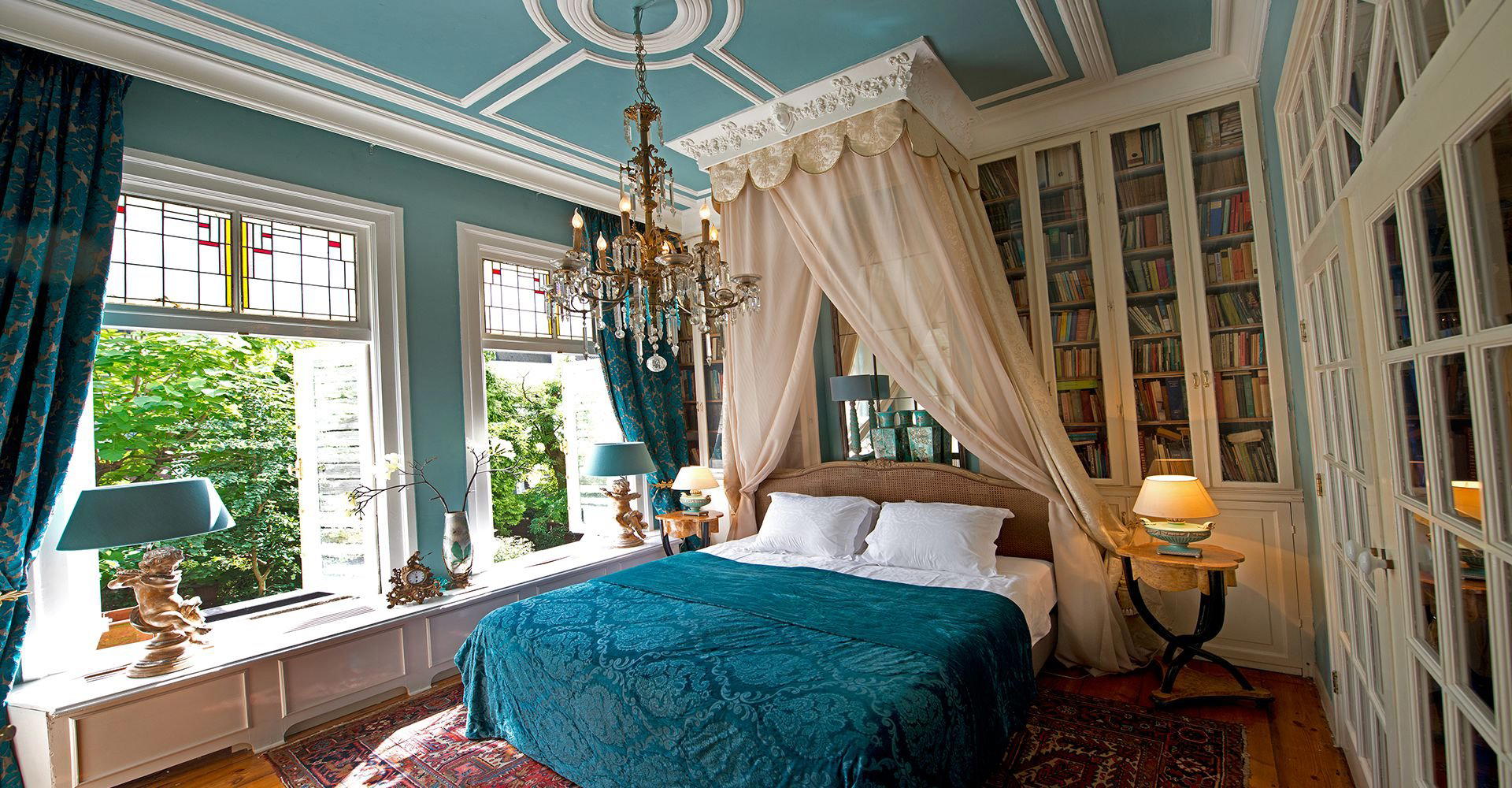
Ornate Dutch Golden Age richness with preserved original features, offering a warm, luxurious, and charming atmosphere.