citizenM Rotterdam

Michelin Selected
citizenM Rotterdam occupies Gelderseplein 50 in the heart of the city, positioning itself within the compact, design-forward tier of Rotterdam accommodation. The property follows the citizenM formula of small, highly engineered rooms offset by generous, art-filled communal spaces, a format that appeals to travellers who sleep efficiently and live publicly. It sits a short walk from the Markthal and Blaak station, placing it squarely in Rotterdam's architectural centre of gravity.

Pearl is the En Primeur Club membership app, where members save venues, book tables and use the concierge.
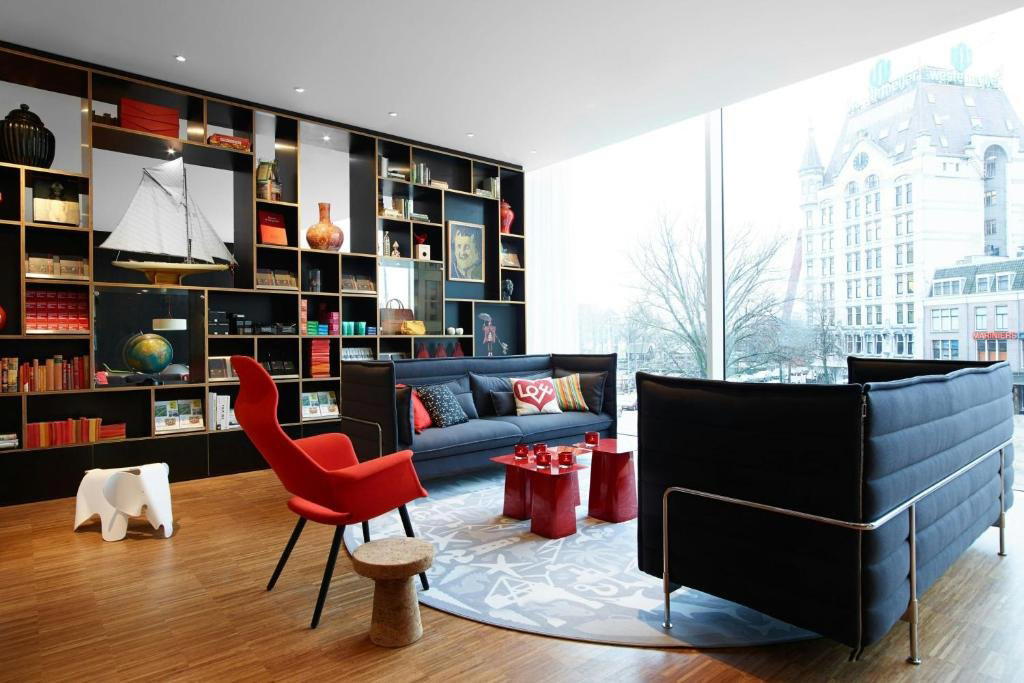
Rotterdam's Design Credentials, Compressed Into a Hotel Floor Plan
Rotterdam rebuilt itself after the Second World War with a licence that no other Dutch city possessed: a blank slate. The result is a skyline that reads less like accumulated history and more like a curated architecture portfolio, Rem Koolhaas's Kunsthal, MVRDV's Markthal, Piet Blom's tilted cube houses at Blaak, all within a concentrated radius. When a hotel brand whose identity is entirely built on design chooses a city, the choice of Rotterdam over Amsterdam carries a specific logic. citizenM Rotterdam, at Gelderseplein 50, sits within walking distance of that architectural cluster, which is not incidental to its positioning.
citizenM's model emerged as a direct counter-argument to the mid-range hotel formula: stripped-back private rooms, engineered for sleep rather than living, set against communal areas that are deliberately social, art-heavy, and open around the clock. That split, compressed private space, expansive public space, mirrors something Rotterdam itself does well. The city's leading architecture tends to be civic and collective rather than domestic; the hotel's spatial logic fits the urban register. For a comparable design-led approach in a different Dutch context, Inntel Hotels Amsterdam Zaandam in Zaandam takes the opposite route, embedding vernacular architectural references into its exterior, which makes the comparison instructive: citizenM abstracts, Inntel literalises.
The Rooms: Engineered, Not Decorated
The citizenM room format is among the most consistently debated in affordable-premium accommodation. The beds are king-size and central to the experience; the rooms around them are pare down to the point where circulation requires intention. Everything is controlled via tablet, lighting, temperature, blackout blinds, television, which removes physical clutter but demands a brief orientation period on arrival. The rooms are not designed for working, hosting, or extended stays. They are designed for sleeping well in a city that offers more interesting things to do than sit in a hotel room.
Where citizenM compresses on room size, it expands on finish quality. The beds, linen, and shower specifications sit above what the price tier would typically suggest, which is the brand's consistent trade: you pay for the sleep infrastructure and get the communal areas as the social dividend. Travellers who prioritise room space over communal programming tend to leave dissatisfied; those who use the lobby as a working, eating, and social space consistently rate the format well. That split in guest expectation is worth understanding before booking.
The Lobby as the Actual Product
citizenM's communal spaces are where the brand's design investment concentrates. Art installations, curated libraries, modular furniture that reconfigures between working and lounging, and a canteenM operation that runs from early morning through late night, the lobby is designed to be used across the full day. This reflects a broader shift in how design-led hotel brands have repositioned the lobby: not as a transition space between street and lift, but as the primary social and working environment, with the room functioning as an ancillary sleeping pod.
Hotel nhow Rotterdam sits on the Maas waterfront with a different architectural register entirely, its riverfront position and larger scale place it in a distinct tier, while The Social Hub Rotterdam addresses a similar communal-space philosophy but with a longer-stay and student-adjacent positioning. citizenM occupies the middle: neither the statement waterfront property nor the extended-stay hybrid, but a sharply executed short-stay option for travellers moving through the city with purpose.
For a historically grounded alternative to Rotterdam's modern hotel stock, SS Rotterdam offers something the modern-build competitors cannot: the physical fabric of mid-century ocean-liner history, moored in the city's harbour district. The contrast sharpens what citizenM is doing, it is entirely contemporary, entirely forward-facing, with no heritage layer to complicate the design language.
Location and the Architectural Walk
Gelderseplein 50 places citizenM Rotterdam within a short walk of several of the city's most-discussed architectural set pieces. The Markthal, completed in 2014 by MVRDV, is the most immediately photogenic: a horseshoe-shaped residential and market building whose inner arch is covered in a 11,000 square metre digital artwork. Blaak station and the cube houses are adjacent. The Kunsthal, Koolhaas's 1992 exhibition building in Museumpark, requires a slightly longer walk but remains one of the most studied buildings in the Netherlands.
For visitors whose primary interest is Rotterdam's architecture, the location is practical rather than merely convenient: the property sits at the convergence of the routes most architectural visits follow. The city's food market at Markthal, the waterfront along the Maas, and the Witte de Withstraat cultural corridor are all accessible without significant transport. See our full Rotterdam restaurants guide for the broader eating and drinking context around the property.
citizenM in the Wider Dutch Network
citizenM operates multiple Netherlands properties, which gives repeat travellers a consistent format across locations. citizenM Schiphol Airport in Schiphol is the obvious transit companion, same room specification, same communal format, positioned directly within the airport complex for early departures or late arrivals. The Rotterdam property differs primarily in its urban positioning: it is embedded in the city rather than insulated from it, which changes how the communal spaces function. The Schiphol property is a transit buffer; the Rotterdam property is a city base.
For travellers building a broader Netherlands itinerary, the Dutch hotel landscape offers considerable range beyond the citizenM format. Hotel 717 in Amsterdam operates at a different price point and scale, with a house-hotel format that prioritises personal service over communal design programming. In the south, Château Neercanne in Maastricht and Château St. Gerlach in Valkenburg aan de Geul represent the heritage-estate end of the spectrum, as far from citizenM's typology as the Dutch market gets. For rural alternatives, Landgoed Hotel Het Roode Koper in Leuvenum and Mooirivier in Dalfsen occupy the countryside-estate tier. citizenM Rotterdam makes most sense for travellers who are specifically in Rotterdam to engage with the city, rather than those seeking retreat from it.
Other EP Club properties worth considering depending on itinerary include De Plesman Hotel The Hague for a short day-trip distance from Rotterdam, Weeshuis Gouda in Gouda for a mid-point stop, and 2L de Blend Hotel in Utrecht for a design-conscious Utrecht base that shares some of citizenM's communal-space thinking. For island and coastal alternatives, Op Oost in Oosterend and Bij Jef in Den Hoorn offer Texel-island options at the opposite register. Grand Hotel Huis ter Duin in Noordwijk aan Zee and Central Park Voorburg in Voorburg round out the South Holland coastal and suburban options. Beyond the Netherlands, those extending into Belgium or Germany may consider Kazerne in Eindhoven as a design-hotel reference point, and De Librije in Zwolle for a restaurant-hotel combination at a markedly different level of culinary ambition. For international reference points in the citizenM tier's design-hotel conversation, The Fifth Avenue Hotel in New York City occupies an adjacent but distinctly more expensive bracket, while Aman New York, Aman Venice, and Amangiri in Canyon Point represent the upper ceiling of the design-hotel category globally. Posthoorn in Monnickendam provides a smaller-town Dutch counterpoint. Finally, Kazerne in Eindhoven remains one of the Netherlands' more serious design-hospitality experiments, worth visiting as a day trip if the Eindhoven design scene is relevant to your itinerary.
Practical Planning
citizenM Rotterdam is at Gelderseplein 50, 3011 WZ Rotterdam. Blaak metro and train station is the most direct public transport access point, connecting directly to Rotterdam Centraal in under five minutes and to Schiphol Airport with a single interchange. Booking is handled via the citizenM website and app, where the mobile check-in process is designed to bypass the front desk entirely. The property runs a 24-hour canteen operation, which matters for early arrivals and late departures. Rates vary by demand and season; the format's value proposition is strongest when the communal spaces are in active use, so arrival timing is worth considering.
| Venue | Cuisine | Awards |
|---|---|---|
| citizenM RotterdamThis venue (the venue you are viewing) | This venue | Michelin Selected |
| Hotel nhow Rotterdam | Not listed | Michelin Selected |
Recognition history
Dated appearances from independent guides and award organizations, with the underlying list record or original source where available.
Michelin Selected
Michelin
Continue exploring
More in Rotterdam
Hotels in Rotterdam
All hotels in Rotterdam →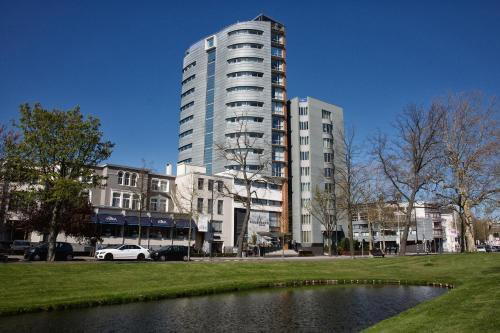
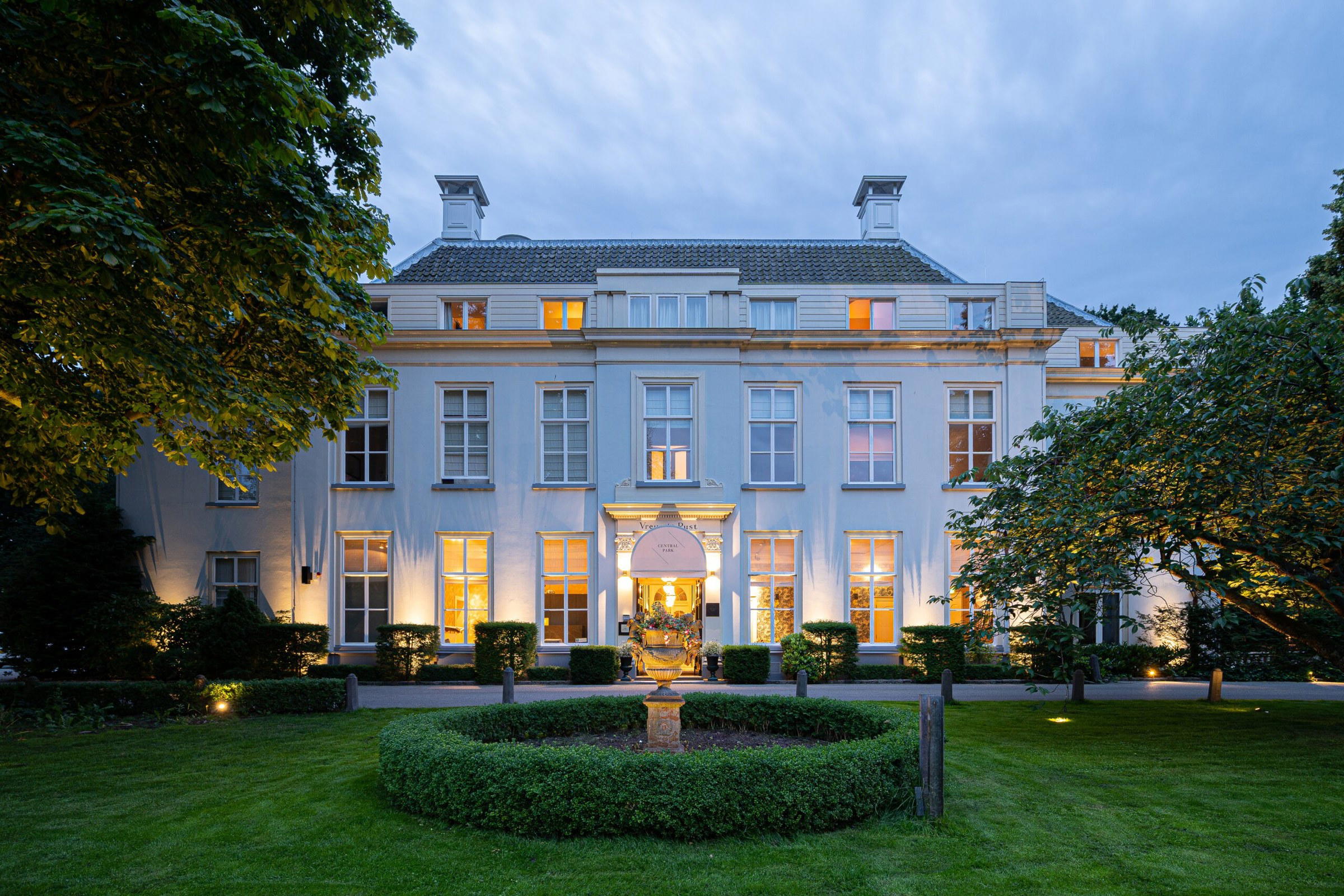
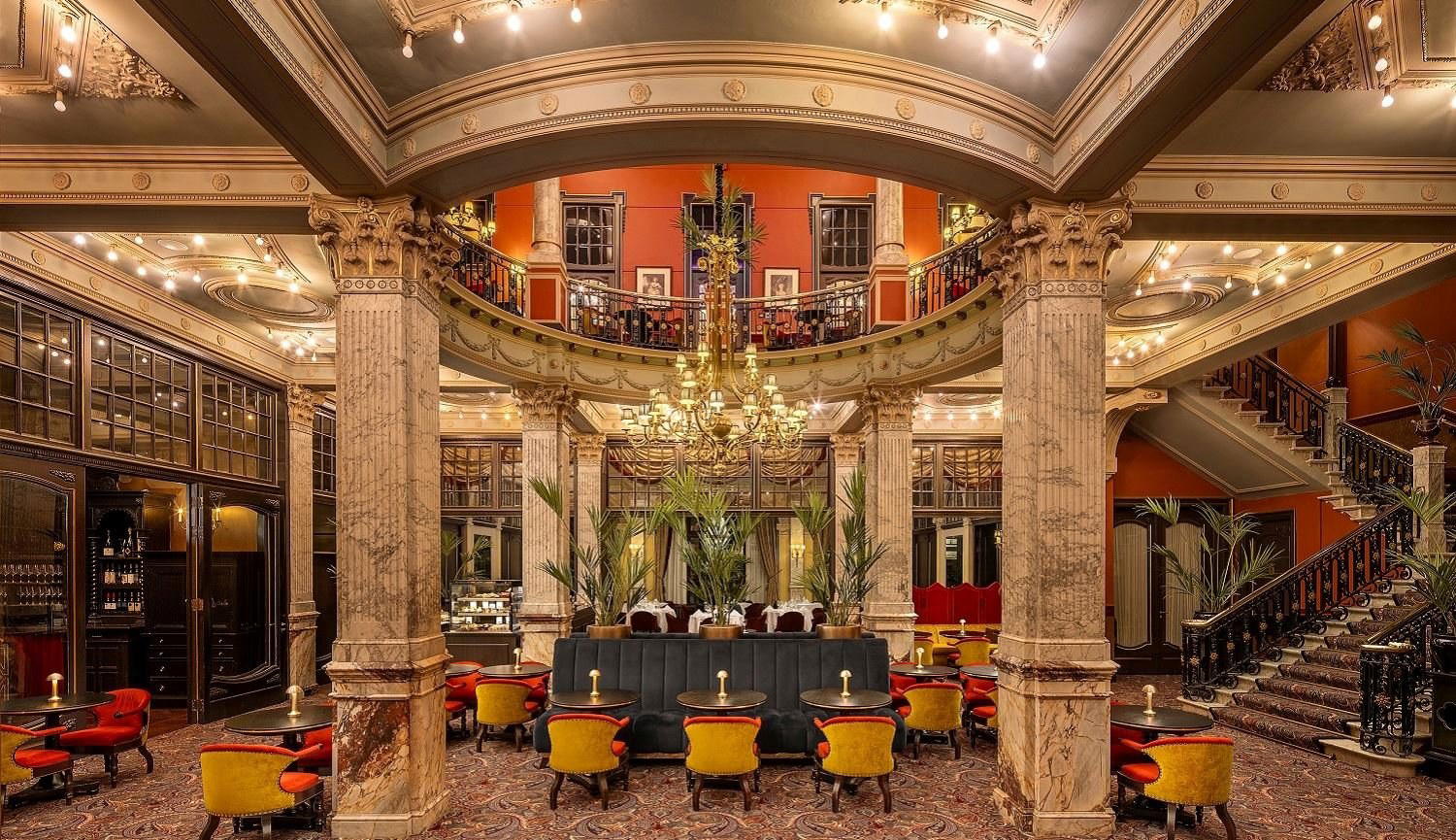
Bars in Rotterdam
All bars in Rotterdam →
Restaurants in Rotterdam
All restaurants in Rotterdam →
Wineries in Rotterdam
Browse all →
Details
- Modern
- Trendy
- Lively
- Minimalist
- Business Trip
- Weekend Escape
- Design Destination
- Wi Fi
- Fitness Center
- Business Center
- Restaurant
- Waterfront
- Street Scene
- Wheelchair Accessible
- Step Free Entrance
- Accessible Parking
Dynamic and lively lobby functioning as a social living room with ambient lighting, contemporary art, and views of the old harbour.