Canal House


Canal House occupies three adjoining 17th-century merchant houses on Keizersgracht, one of Amsterdam's principal canals. With 23 design-led bedrooms, a bar, a lounge, and a large garden, it positions itself in the smaller, character-driven tier of Amsterdam canal accommodation, closer in spirit to a well-curated residence than a conventional hotel.
Pearl is the En Primeur Club membership app — saves, bookings, and concierge access live there. Same editors, same standards.
- Address
- Keizersgracht 148, 1015 CX Amsterdam
- Phone
- +31 20 622 5182
- Website
- canalhouse.nl
- Directions
- Get directions
 Saves & bookings on Pearl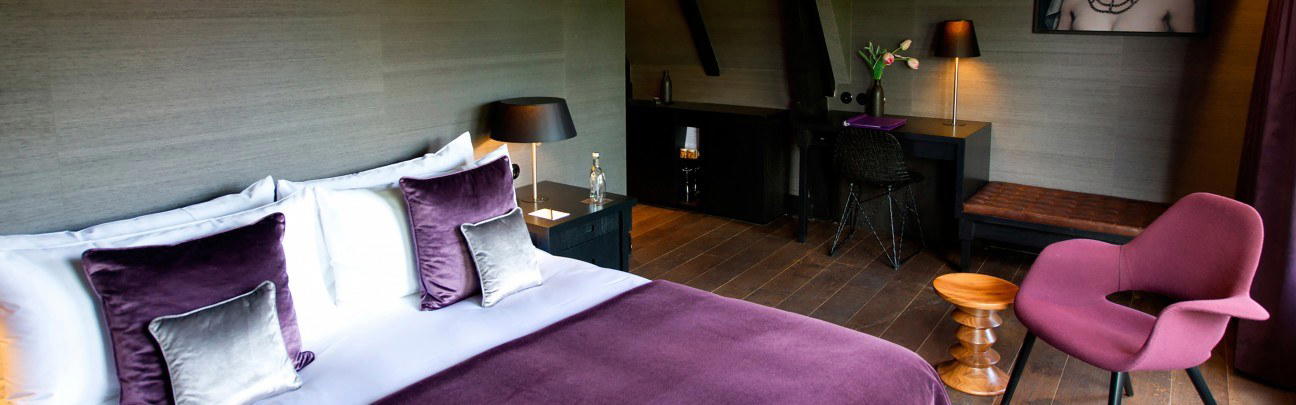
A Canal Address With a Particular Logic
Amsterdam's hotel market divides more clearly than most European cities. At one end sit the large-footprint international operators, the Waldorf Astoria, the Conservatorium, the Andaz Amsterdam Prinsengracht, with their full-service restaurants, spa infrastructure, and broad corporate and leisure appeal. At the other end, a smaller cohort of properties occupies historic canal houses and operates at intimate scale, trading square footage for provenance and atmosphere. Canal House is a 5-star hotel in Amsterdam at Keizersgracht 148, with 23 rooms and a smart casual dress code. Canal House, at Keizersgracht 148, belongs firmly to that second tier.
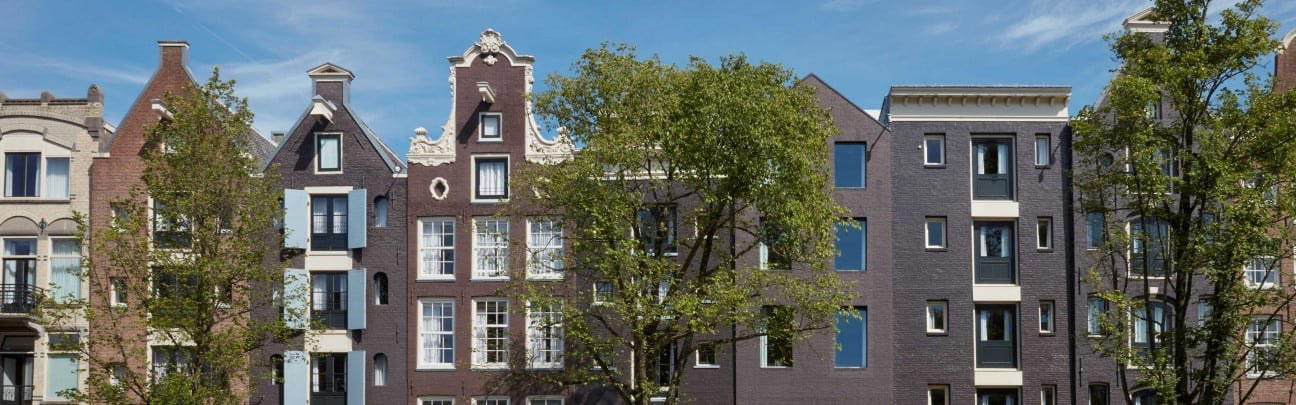
The Keizersgracht is one of Amsterdam's three principal 17th-century canals, wider than the Prinsengracht, more residential in character than the Herengracht's bank-and-embassy formality, and properties that front directly onto it carry a locational premium that no amount of interior renovation can replicate. Canal House comprises three adjoining merchant houses from that period, a configuration that is common enough in the city but still requires deliberate architectural thinking to convert into something that reads as a coherent hotel rather than a collection of awkwardly connected rooms.
What Twenty-Three Rooms Means in Practice
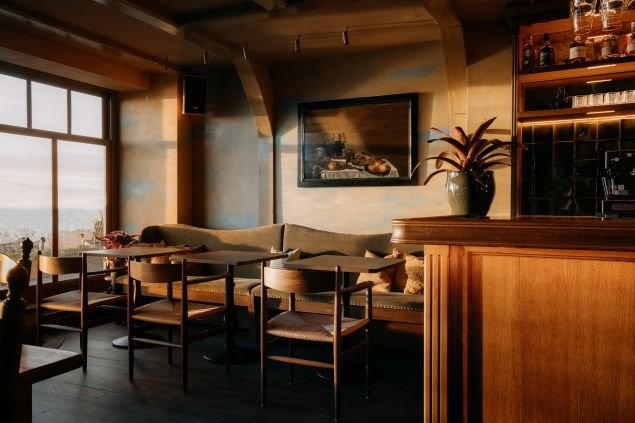
At 23 bedrooms, the hotel sits at the lower boundary of what functions as a hotel rather than a guesthouse. That scale shapes the stay in ways that matter. Corridors are narrower than in purpose-built properties. Stairs are steeper, this is a genuine 17th-century merchant house, not a contemporary building dressed to look like one. Lifts, if present, tend to be compact. The tradeoff is that the ratio of shared space to rooms is generous: a bar, a lounge described as glamorous, and a large garden for a 23-room property is a provision that most hotels of twice the size would find it difficult to match.
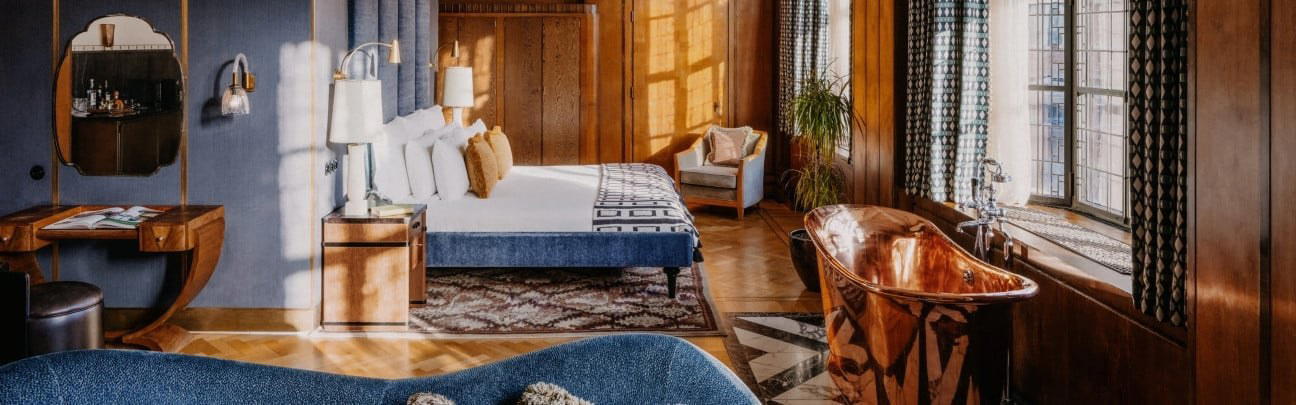
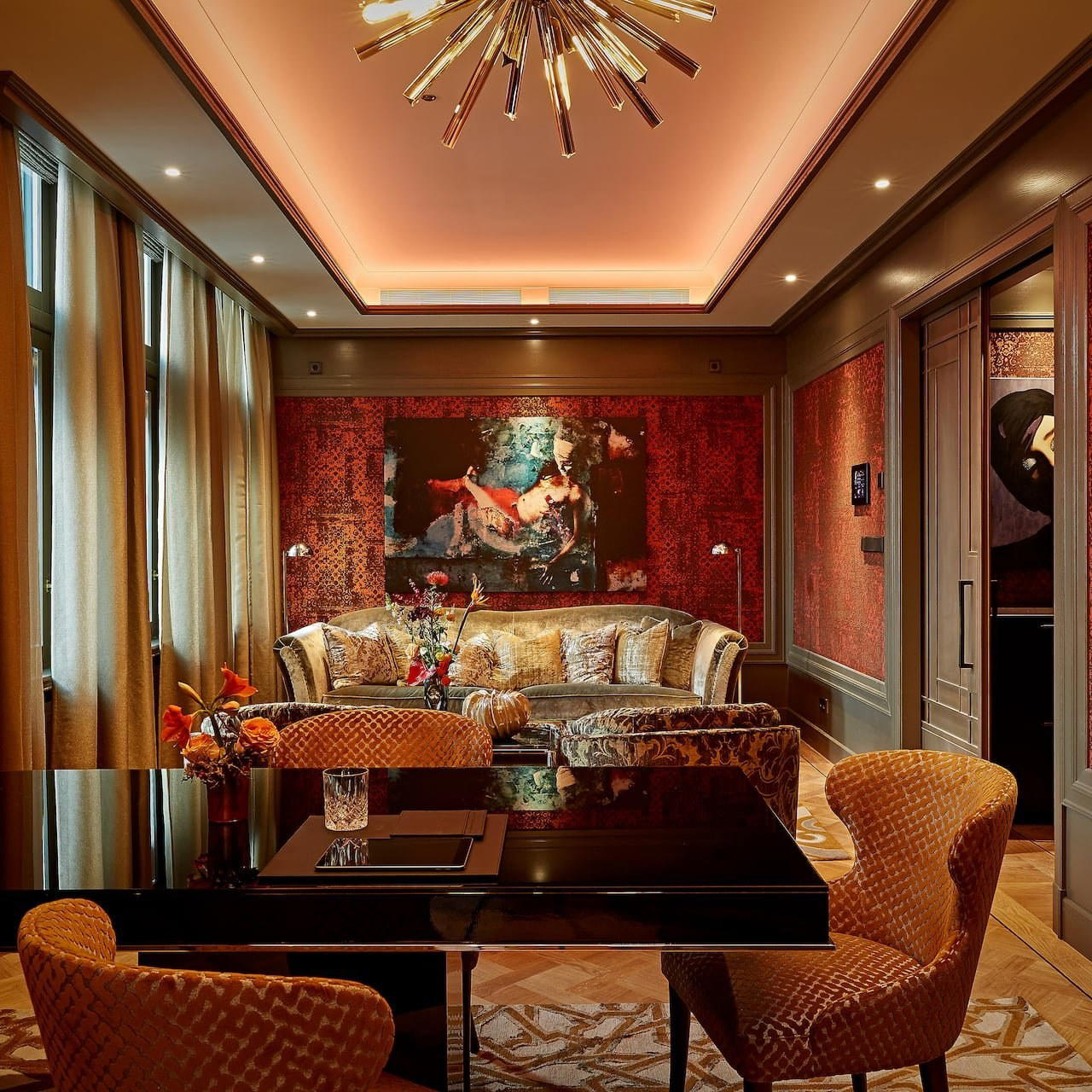
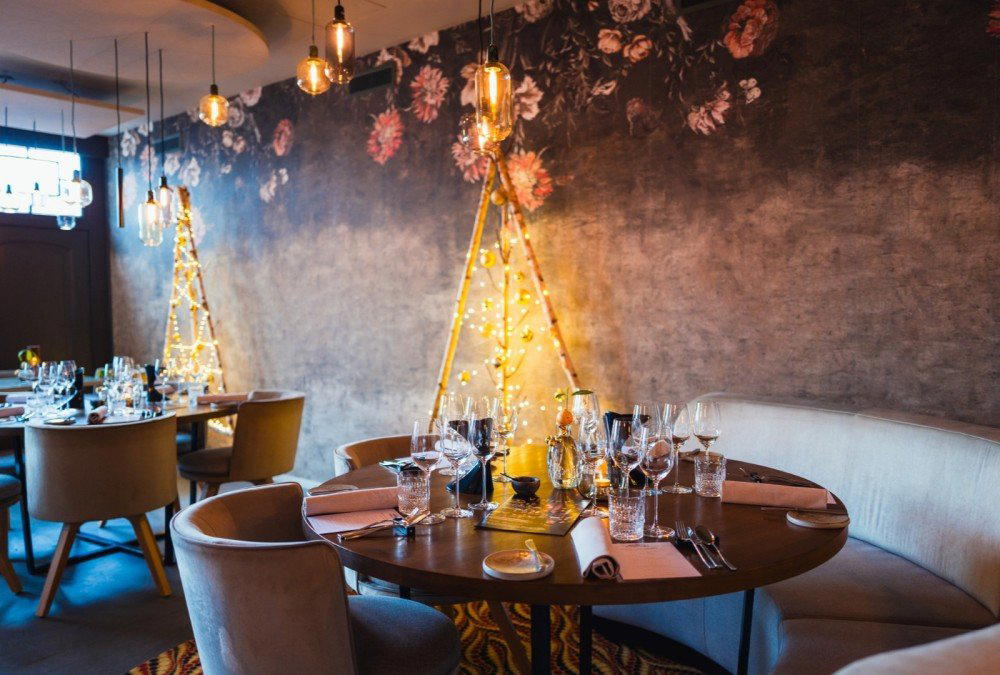
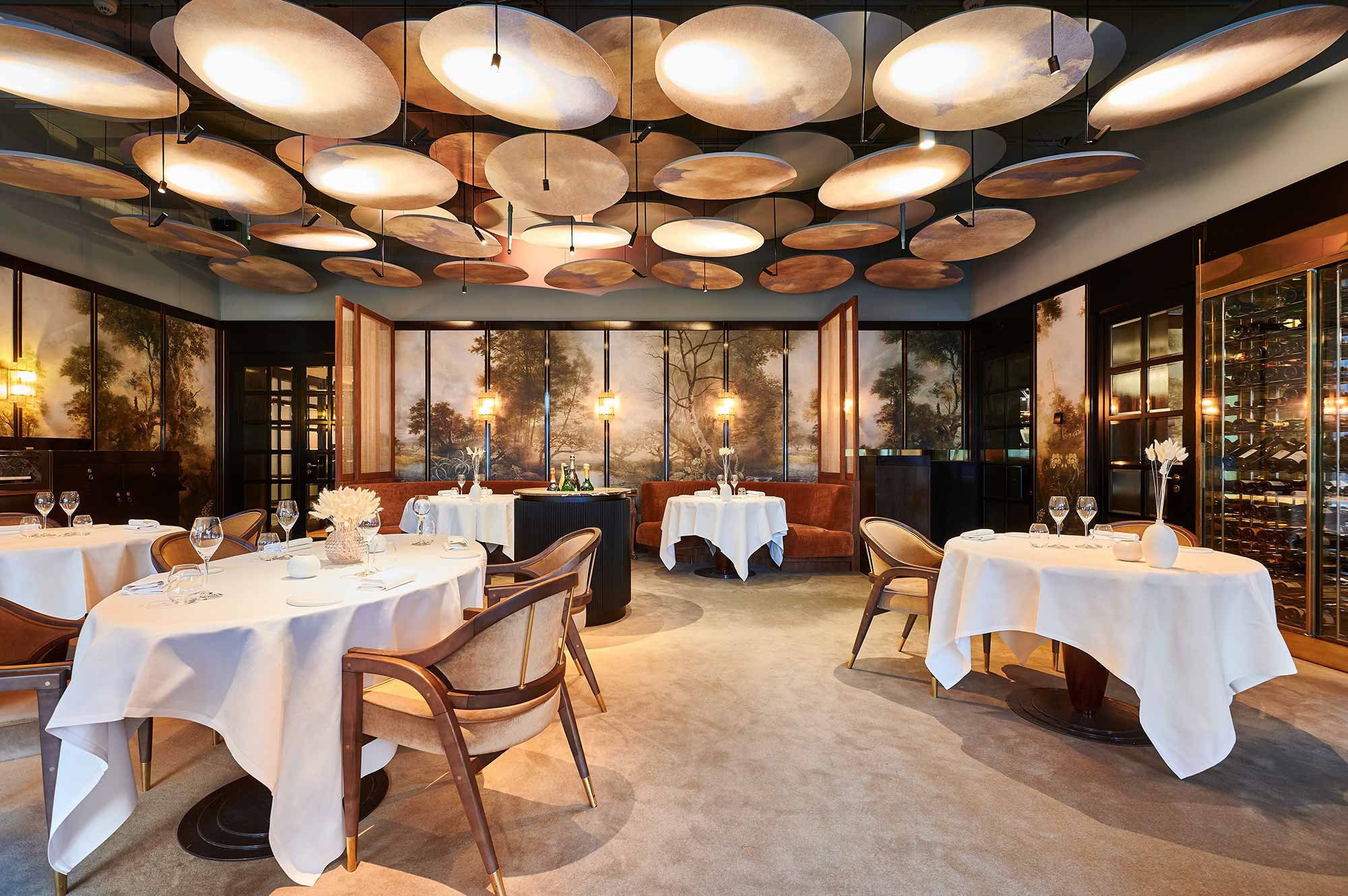
Design-led is the self-applied descriptor, and in the context of Amsterdam's boutique canal hotel market it signals something specific: contemporary art on the walls, deliberate furniture selection, and an interior that makes a point of not defaulting to generic luxury codes. Whether that execution lands depends on the individual room, and with 23 options the variation across the property is likely to be significant. Guests comparing notes in the garden on what their rooms actually look like is part of the experience at properties of this type.
Planning the Stay: Booking Windows and Seasonal Logic
The editorial angle that matters most for the hotel is logistics, because the property's size creates real planning constraints. At 23 rooms, the hotel fills quickly during Amsterdam's peak periods, and the city's demand pattern is less seasonal than many visitors expect. Amsterdam draws consistently through spring tulip season, summer festival programming, and the late-autumn and winter months when the canal-house aesthetic, warm interiors, candlelit bars, garden fires, is at its most coherent. January and February in particular tend to suit properties of this type better than larger resort-format hotels.
Booking ahead for standard periods and even earlier for spring (late March through May) is wise, given the limited number of rooms. The garden, which functions as a meaningful amenity in the warmer months, is a draw that pulls additional bookings from guests who would otherwise default to a larger property. For those traveling in November or February, the garden becomes a secondary consideration, and the bar and lounge carry more weight in the decision.
The property sits on Keizersgracht in the western canal ring, walkable from the main museum quarter and a short tram connection from Centraal Station. The address places guests inside the historic canal grid without the heavier foot traffic of the Leidseplein or Rembrandtplein areas. For comparison, the Andaz Amsterdam Prinsengracht and Breitner House both operate in overlapping canal-belt territory, and guests choosing between them are effectively choosing between scale, service format, and design register rather than between fundamentally different Amsterdam experiences.
The comparable set and Where Canal House Sits Within It
Amsterdam's boutique canal hotel tier has expanded in the past decade. Properties like Décor Canal House and De Pijp Boutique Hotel occupy adjacent market positions, while the Conservatorium and De L'Europe Amsterdam represent the grander, more formal end of heritage property conversion. The hotel at Keizersgracht 148 positions between those poles: more formally appointed than a guesthouse, less operationally complex than a full-service hotel. The art collection and lounge signal deliberate curation; the 23-room count signals a refusal of scale for its own sake.
Travelers who find the Conscious Hotel Amsterdam City too concept-driven or the Generator Amsterdam too social tend to land in this tier. The draw is residential atmosphere in a building with genuine architectural history, rather than amenity breadth or brand recognition.
For those extending a Netherlands itinerary, the country's canal and heritage hotel offer extends well beyond Amsterdam. Inntel Hotels Amsterdam Zaandam in Zaandam takes a different architectural approach to Dutch heritage, while Château Neercanne in Maastricht and Château St. Gerlach in Valkenburg aan de Geul represent the southern Netherlands' estate-hotel tradition. Posthoorn in Monnickendam and Landgoed Hotel Het Roode Koper in Leuvenum offer rural counterpoints to the canal-city format.
Practical Notes
The hotel is at Keizersgracht 148, 1015 CX Amsterdam, in the western canal ring. At 23 rooms, availability moves faster than the property's low profile might suggest. Reservations are recommended, particularly for stays in May, late November, and January through February.
A Lean Comparison
Comparable venues nearby, for context on price, style, and recognition.
| Venue | Price | Notes |
|---|---|---|
| Canal HouseThis venue — the venue you are viewing | $$$ | Not listed |
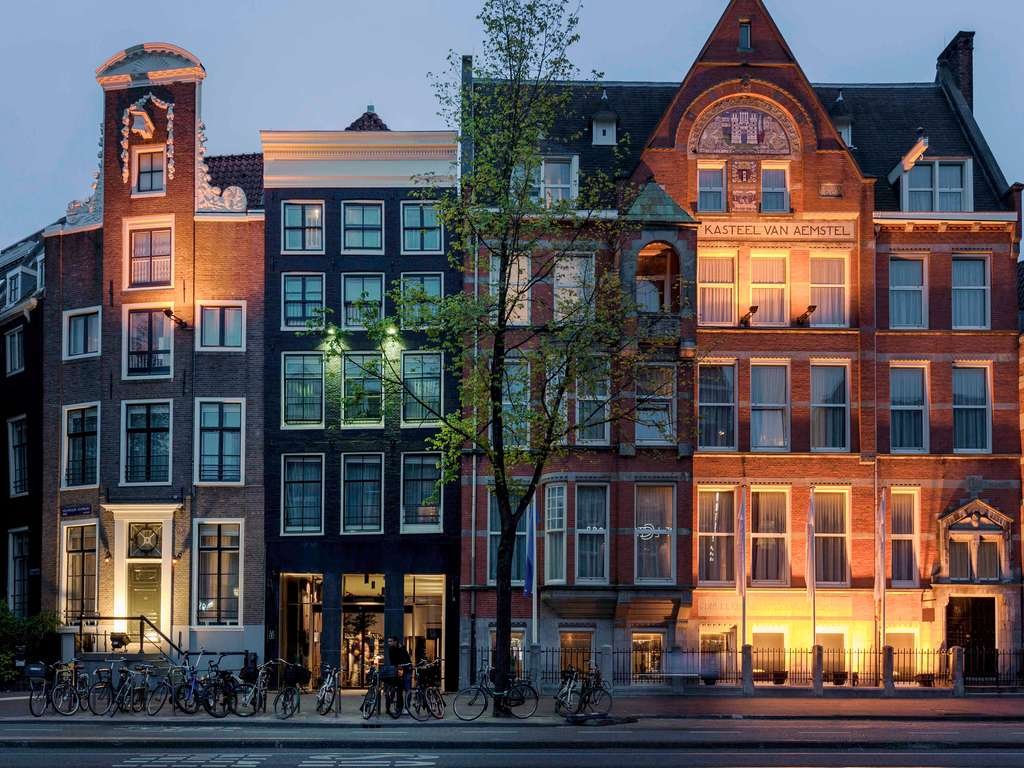
| INK Hotel Amsterdam – MGallery Collection | $$$ | Nieuwe Kerk e.o., Contemporary luxury boutique hotel blending historic architecture with modern design elements and sustainable practices. |
| Leonardo Eden Hotel Amsterdam City Center | $$$ | Rembrandtpleinbuurt, Modern hotel in historic industrial building |
| Park Centraal Amsterdam | $$$ | P.C. Hooftbuurt, Modern urban boutique in historic setting |
| Hotel Roemer | $$$ | Vondelparkbuurt Oost, Historic townhouse boutique with modern interiors |
| Conscious Hotel Amsterdam City (The Tire Station) | $$ | Vondelparkbuurt West, Eco-sexy sustainable design in a repurposed historic tire station. |
Recognition history
Dated appearances from independent guides and award organizations, with the underlying list record or original source where available.
Mr & Mrs Smith Smith Seal of Approval
Mr & Mrs Smith
Michelin Selected
Michelin
Small Luxury Hotels of the World Member
Small Luxury Hotels of the World
Continue exploring
More in Amsterdam
Hotels in Amsterdam
Browse all →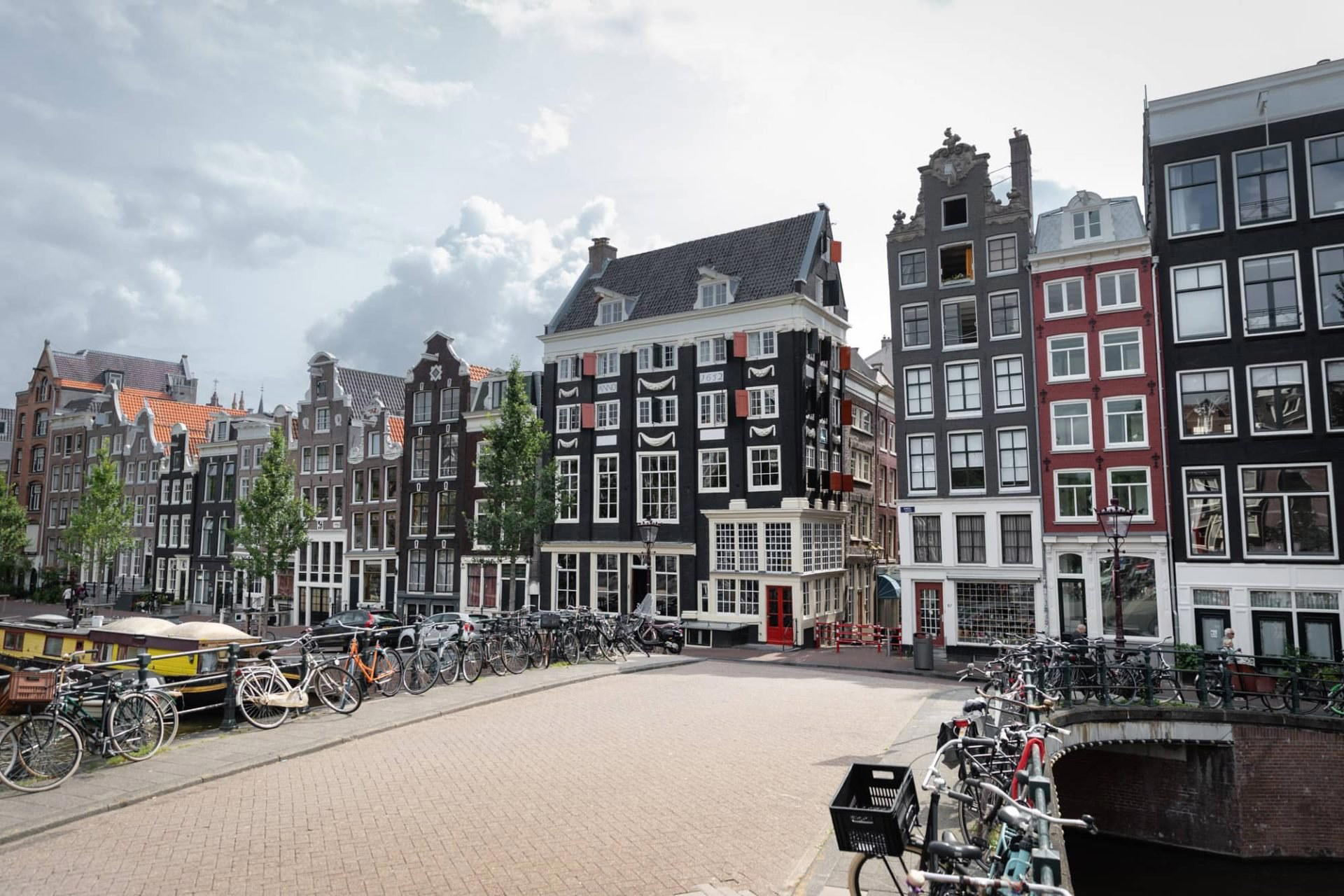
Bars in Amsterdam
Browse all →
Restaurants in Amsterdam
Browse all →
Wineries in Amsterdam
Browse all →
At a Glance
- Romantic
- Cozy
- Elegant
- Intimate
- Historic
- Romantic Getaway
- Anniversary
- Weekend Escape
- Waterfront
- Garden
- Terrace
- Historic Building
- Wi Fi
- Concierge
- Waterfront
- Garden
- Wi Fi
- Concierge
Cozy and romantic with stylish, contemporary decor blending dark woods and ornate historic ceilings, peaceful canal-side atmosphere.