Landgoed Hotel Het Roode Koper


A family-run country estate in the Veluwe forest since 1947, Het Roode Koper offers 32 rooms across a historic main house and private villas set within 7,500 acres of woodland. Rates from US$453 per night. With direct access to trails, gardens, and a pool, it operates as a deliberate counterpoint to city-hotel programming, built for extended stays and outdoor activity rather than quick turnarounds.
Pearl is the En Primeur Club membership app — saves, bookings, and concierge access live there. Same editors, same standards.
- Address
- Jonkheer Doctor C.J. Sandbergweg 82, 3852 PV Ermelo
- Phone
- +31 577 407 393
- Website
- roodekoper.nl
- Directions
- Get directions
 Saves & bookings on Pearl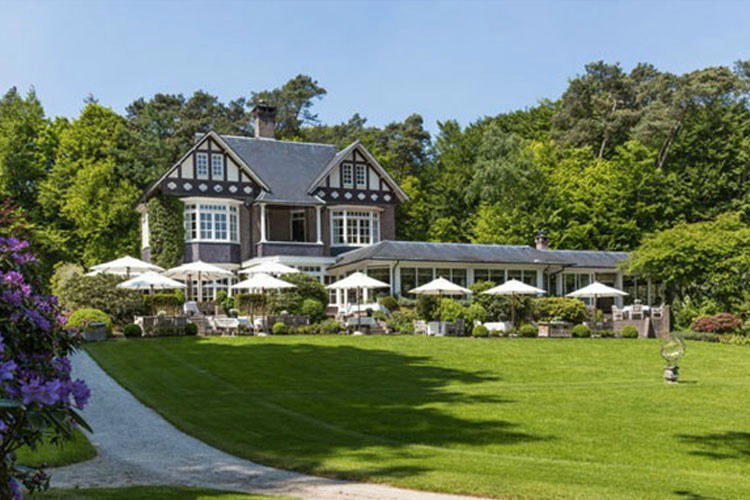
Forest architecture, deliberate calm: what Het Roode Koper gets right
The Netherlands has two distinct registers of country hospitality. One plays to cultivated grandeur: formal gardens, drawing rooms, candlelit dining, the kind of place where the estate aesthetic is something you admire through a window. The other asks you to put on walking boots and disappear into the trees. Landgoed Hotel Het Roode Koper, a 4-star hotel in Ermelo, holds one Michelin Key and sits at Jonkheer Doctor C.J. Sandbergweg 82, 3852 PV Ermelo, within the Veluwe forest outside Leuvenum. The physical fabric of the property makes that argument before you reach reception.
Approaching along Jonkheer Doctor C.J. Sandbergweg, the estate reveals itself through canopy rather than gates. The main house sits inside classic gardens that buffer it from the surrounding woodland without severing the connection to it. The architecture reads as late-nineteenth-century Dutch country manor, a scale that is deliberately human rather than palatial, and that restraint carries through the interiors. Nothing here competes with the landscape outside. The property frames the forest; the forest is the point.
How the estate is laid out
Het Roode Koper distributes its 32 rooms across the main house and a set of private villas scattered through the estate grounds. That dispersal is architecturally significant: it turns the property into something closer to a small village than a conventional hotel block, and it gives guests a degree of separation that a single building cannot provide. One of the villas includes its own spa, positioned at a short drive from the main house, which allows a level of privacy that the main building cannot replicate at any price.
The gardens around the main house are formal in structure but not fussy in character: lawns, a pool, perennial borders. They function as a decompression zone between the hotel interior and the open woodland beyond, and on a weekday in the quieter shoulder months they are largely empty. The estate's outdoor infrastructure extends to hiking trails and cycling paths that feed directly into the wider Veluwe network, one of the largest contiguous forested nature areas in Western Europe. Guests who arrive without bikes or rackets are somewhat missing the underlying logic of the place.
A property shaped by continuity
Family-owned hotels in the Netherlands sit in an interesting architectural middle ground. Unlike the conversion properties common in Belgium or the Château hotels of Burgundy, the Dutch country house tradition tends toward the domestic rather than the monumental. Het Roode Koper has operated under family ownership since 1947, when the current owners' grandparents opened it, and that continuity is visible in the texture of the property: a lack of corporate uniformity, the sense that decisions about the space have accumulated over decades rather than being imposed by a brand standards document.
That history places Het Roode Koper in a niche category within Dutch hospitality, alongside properties like Mooirivier in Dalfsen and Op Oost in Oosterend, where independent, family-run character is part of the offer rather than incidental to it. It is a different competitive set from the urban design hotels, such as Andaz Amsterdam Prinsengracht or De Plesman in The Hague, or the grand coastal properties like Grand Hotel Huis ter Duin in Noordwijk aan Zee. Het Roode Koper is not competing on spectacle or on city-center convenience; it is competing on atmosphere, space, and the particular appeal of not being in a city at all.
The guest profile this place is built for
The property has found its audience and delivers reliably to it. That audience is not the quick-turnaround business traveler or the maximalist luxury consumer looking for marble bathrooms and butler service. It is the guest who arrives on a Friday with a boot full of outdoor gear and leaves on Sunday with muddy shoes and a recalibrated sense of pace. The family-friendly designation is meaningful here: the estate's scale, the dispersed villa format, and the outdoor infrastructure make it functional for families in a way that a boutique urban hotel simply is not.
The estate's positioning within the broader Veluwe region matters for context. This is a part of the Netherlands that attracts a specific kind of traveler: one interested in cycling routes, heathland landscapes, and the relative absence of the coastal tourist infrastructure that dominates provinces like Zeeland or Noord-Holland. For international visitors, the Veluwe is often underestimated. Ermelo station is 5 kilometers from the estate.
Rates and planning
Rooms start from US$453 per night. At that rate, the property sits in the upper tier of Dutch country house hotels but below particularly expensive conversion estates in the region. The villa option with its private spa commands a premium over the main house rooms, and given the difference in privacy and amenity, it functions as a near-standalone offer. Booking timing in the Veluwe context matters: the region's heathland turns purple in August and draws substantial domestic traffic, so summer stays require earlier planning than the property's 32-room scale might suggest. The shoulder seasons, April through May and September through October, offer cleaner access to trails and quieter grounds.
For guests comparing across the Dutch country house category, properties like Bij Jef in Den Hoorn, Central Park Voorburg, and Weeshuis Gouda each occupy different regional registers. For those whose frame of reference runs to estate hotels elsewhere in Europe, including Castello di Reschio in Lisciano Niccone or Casa Maria Luigia in Modena, Het Roode Koper operates in a quieter, less designed register, closer to working estate than curated retreat. That is not a limitation; for a significant segment of travelers, it is precisely the point.
Quick Comparison
Comparable venues nearby, for context on price, style, and recognition.
| Venue | Cuisine | Price | Awards | Notes |
|---|---|---|---|---|
| Landgoed Hotel Het Roode KoperThis venue — the venue you are viewing | Historic country house estate with classical English gardens | $$$$ | Michelin 1 Key | Not listed |
| Soho House Amsterdam | Exclusive members' club with hotel rooms in a restored 1930s Art Deco building. | $$$$ | Michelin 1 Key | Spuistraat Zuid |
| The Craftsmen | 17th-century canal house renovated with distinctive craftsman-themed rooms | $$$$ | Michelin 1 Key | Spuistraat Noord |
| Mooirivier | Stylish boutique in thatched farmhouse-style buildings on river dune. | $$$ | Michelin 1 Key | Dalfsen |
| The Dylan Amsterdam | Historic boutique hotel blending 17th-century architecture with contemporary luxury in Amsterdam's canal belt. | $$$$ | Michelin 1 Key | Felix Meritisbuurt |
| Pillows Grand Boutique Hotel Ter Borch Zwolle | Luxury boutique hotel blending historic architecture with contemporary design, positioned as a refined retreat in a charming Dutch city. | $$$$ | Michelin 1 Key | city center |
Recognition history
Dated appearances from independent guides and award organizations, with the underlying list record or original source where available.
Relais Chateaux Award
Relais Chateaux
Michelin 1 Key
Michelin
Relais Chateaux Award
Relais Chateaux
Continue exploring
More in Leuvenum
Hotels in Leuvenum
Browse all →
At a Glance
- Romantic
- Quiet
- Elegant
- Classic
- Scenic
- Cozy
- Romantic Getaway
- Honeymoon
- Weekend Escape
- Anniversary
- Garden
- Historic Building
- Panoramic View
- Pool
- Wi Fi
- Tennis Court
- Sauna
- Restaurant
- Garden
- Pool
- Wi Fi
- Tennis Court
- Sauna
- Restaurant
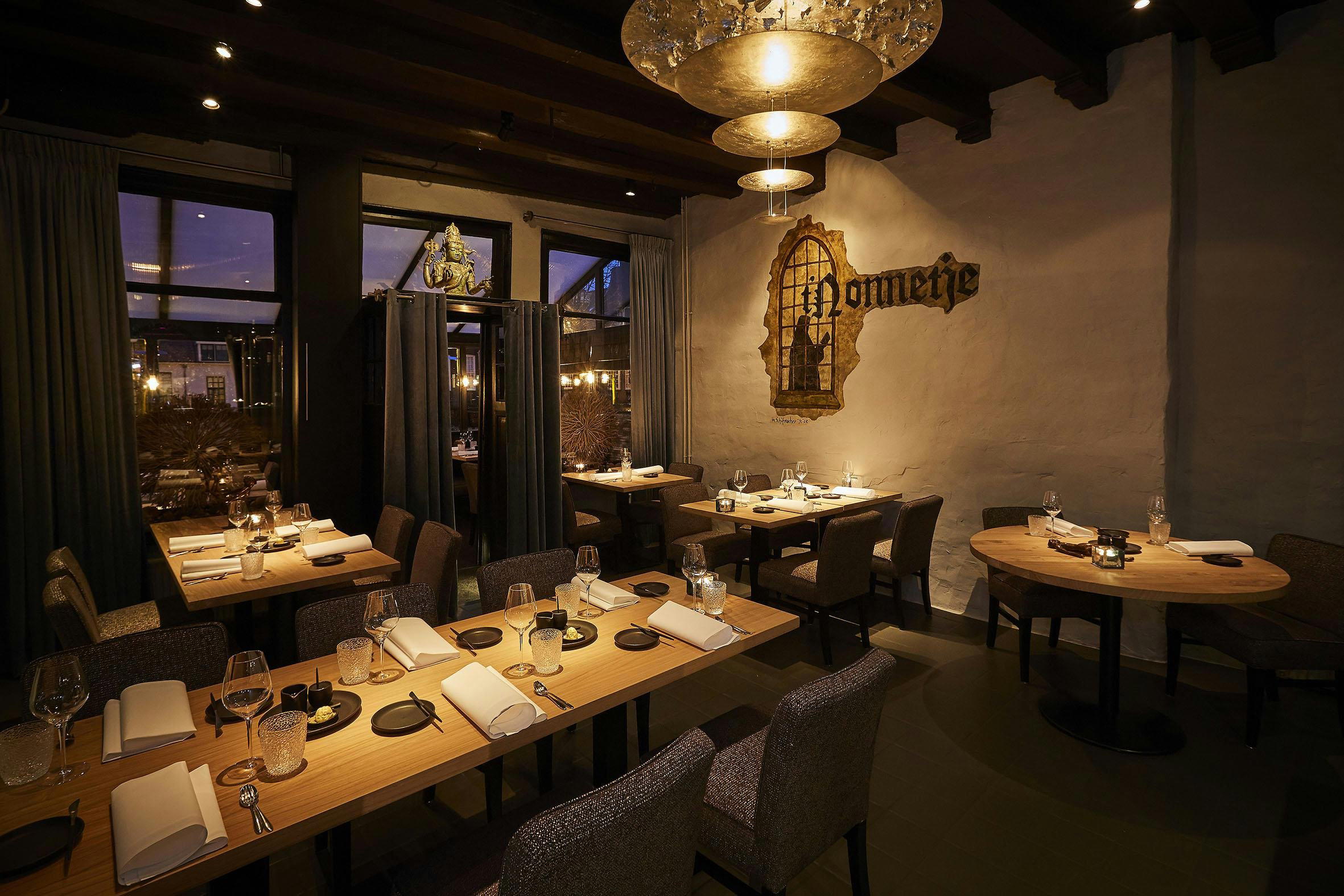
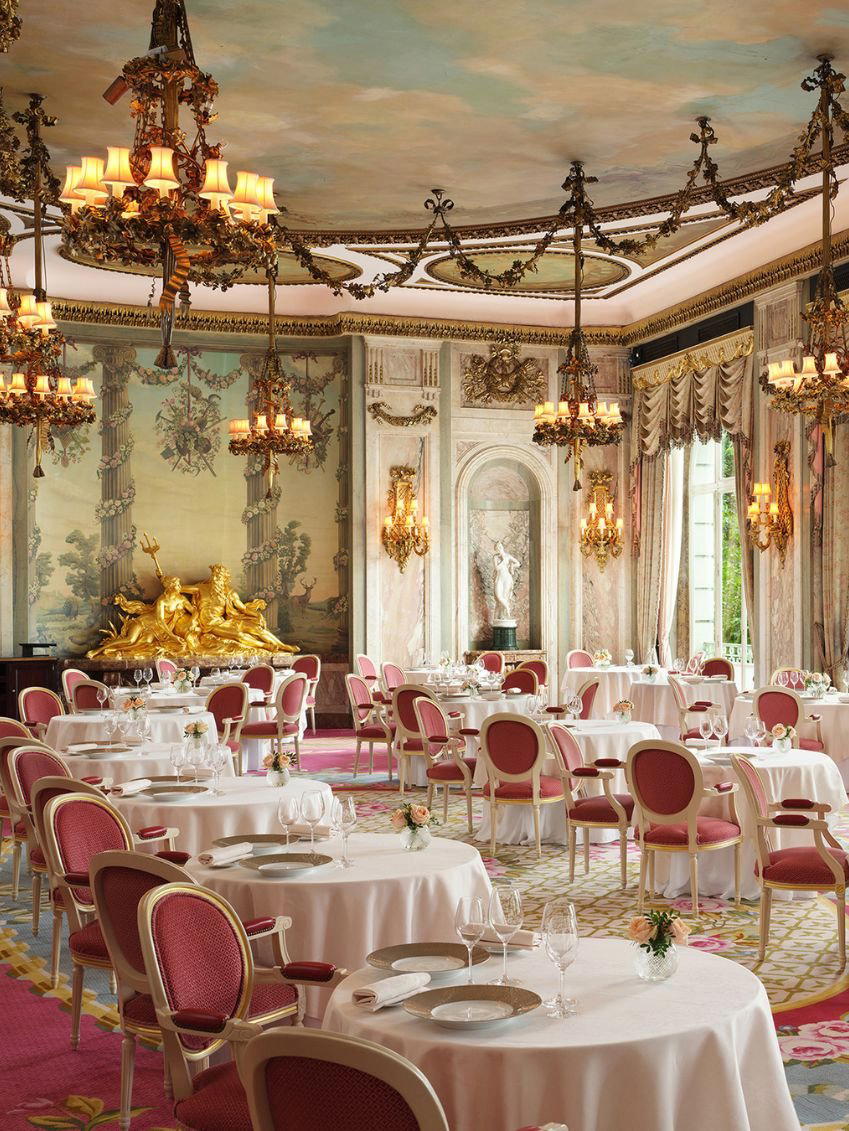
Romantic and sophisticated atmosphere with cozy lounges featuring open fireplaces, lush gardens, and serene forest views, praised for its peaceful luxury.