citizenM Schiphol Airport

Michelin Selected
citizenM Schiphol Airport sits at the intersection of airport convenience and considered design, offering a compact but coherent lodging format that has redefined what transit accommodation looks like in the Netherlands. The property's modular approach and communal living spaces reflect a broader shift in how budget-conscious design hotels position themselves against legacy airport chains. A practical anchor for layovers and early departures alike.

Pearl is the En Primeur Club membership app, where members save venues, book tables and use the concierge.

Transit Architecture Done Differently
Airport hotels occupy a peculiar category in the lodging spectrum. Most resolve the tension between location and quality by simply ignoring quality: the corridor is long, the carpet is patterned to hide wear, the bar closes at eleven. citizenM Schiphol Airport takes a different position. The property sits at Jan Plezierweg 2, directly connected to Schiphol's infrastructure, and its design language is unmistakable from the moment you approach: modular facades, bold primary colour accents, and a lobby that functions as a 24-hour communal living room rather than a check-in hall you pass through and forget. For the broader context on what Schiphol's accommodation options look like across price tiers and formats, see our full Schiphol restaurants guide.
The citizenM Design Model in Context
citizenM has built its identity around a specific and replicable idea: compress the private room to its functional minimum, then invest that recovered budget into shared spaces of genuine quality. This is not the same as budget hospitality. The brand sits in a distinct tier, pricing above traditional airport chains while undercutting full-service business hotels, and its competitive set is not the Hilton next door but properties like citizenM Rotterdam, where the same spatial logic plays out in a different urban context. The Schiphol property applies this formula to a transit environment, which is a more demanding test: guests arrive fatigued, time-pressured, and often alone. The communal living spaces, stocked with books, design objects, and self-service food and drink, function as genuine decompression zones rather than decorative lobbies.
The rooms themselves follow the brand's signature format: compact footprints, a king-size bed positioned to dominate the space, blackout curtains controlled from a tablet, and bathroom pods engineered to feel generous despite tight dimensions. Everything in the room is either functional or intentionally absent. There are no desks buried in corners, no minibar you have to crouch to access, no laminated menus for room service that arrives cold. The clarity of the proposition is part of the design: citizenM made a decision about what an overnight stay at an airport actually requires, and built to that specification.
Where It Sits in the Netherlands Hotel Scene
The Netherlands hosts a wide range of accommodation formats, from countryside estate properties like Landgoed Hotel Het Roode Koper in Leuvenum and Mooirivier in Dalfsen to heritage conversions such as Weeshuis Gouda and De Librije in Zwolle. At the other end of the character spectrum, design-forward urban formats like Kazerne in Eindhoven and 2L de Blend Hotel in Utrecht demonstrate that considered architecture is not confined to Amsterdam's canal belt. citizenM Schiphol Airport occupies none of those categories exactly. It is a purpose-built transit hotel with a design brief, and that combination remains rarer than it should be.
Comparison point that matters most for a traveller deciding where to stay is not the countryside estate or the heritage conversion but the alternative at Schiphol itself. Traditional airport hotel formats in this corridor offer predictable service hierarchies and room categories that vary more in name than in experience. citizenM's self-service model removes that hierarchy almost entirely: check-in is automated, the ambassador staff on the floor are generalists rather than departmental specialists, and pricing does not graduate through room tiers in the conventional sense. For those accustomed to hotels like Hotel 717 in Amsterdam or Central Park Voorburg, the shift in register is noticeable, but the airport context makes it logical rather than a compromise.
The Communal Space as the Real Proposition
In most hotel categories, the lobby is transition architecture: you move through it to reach your room or your meeting. At citizenM Schiphol, the communal spaces are built to hold people for hours. The design draws on the brand's collaboration with various architects and interior designers across its global portfolio, where the brief has consistently been to create spaces that feel more like members' clubs than hotel lobbies. That means considered lighting levels, furniture arranged for actual conversation and individual work in equal measure, and a food and drink offer that runs around the clock given the transit context. For a property serving a 24-hour airport, the 24-hour availability of coffee and food is a logistical requirement; the quality of the environment in which you consume it is the brand's differentiator.
This positions citizenM Schiphol differently from international flagships at the luxury end, such as Aman New York or Badrutt's Palace Hotel in St. Moritz, where the communal spaces are status environments as much as functional ones. citizenM's communal logic is democratic and deliberately so: the design says that a person in transit deserves a considered environment regardless of ticket class or loyalty programme tier.
Planning Your Stay
The property's direct connection to Schiphol Airport makes it the default choice for early-morning departures or long layovers rather than a base for Amsterdam exploration, though the airport's rail links put Amsterdam Centraal within roughly fifteen minutes. Automated check-in removes any queue at the front desk, which matters when you arrive at midnight from a delayed connection. Op Oost in Oosterend, Bij Jef in Den Hoorn, and Posthoorn in Monnickendam represent the kind of destination-driven Dutch hospitality that citizenM explicitly does not attempt to replicate. The Schiphol property is not a destination hotel, and it does not pretend to be one. For travellers connecting through the Netherlands to properties like Château Neercanne in Maastricht, Château St. Gerlach in Valkenburg aan de Geul, or Grand Hotel Huis ter Duin in Noordwijk aan Zee, citizenM Schiphol functions as an efficient buffer between the international flight and the actual destination.
Booking is handled through the citizenM platform rather than traditional travel agent channels, which reflects the brand's self-service positioning. Rates adjust dynamically and tend to be most competitive when booked well in advance; last-minute pricing at an airport property can climb sharply during peak travel periods. The Schiphol location sits at a similar strategic position in the Dutch network as Inntel Hotels Amsterdam Zaandam does for the northern Amsterdam corridor, and travellers transiting via The Hague may find the airport's connectivity more useful than a city-centre base.
How It Stacks Up
| Venue | Price | Awards |
|---|---|---|
| citizenM Schiphol AirportThis venue (the venue you are viewing) | $100–200 | Michelin Selected |
| Andaz Amsterdam Prinsengracht | Not listed | Michelin Selected · Forbes Recommended |
| InterContinental Amstel Amsterdam | $300–500 | Virtuoso Luxury Hotel Partner · Forbes Recommended |
| Waldorf Astoria Amsterdam | Not listed | Michelin Selected · La Liste Top Hotels |
| Sofitel Legend The Grand Amsterdam | Not listed | Michelin Selected · Forbes Recommended |
| Bij Jef | Not listed | Michelin Guide New Hotels New Hotel · Michelin Selected |
Recognition history
Dated appearances from independent guides and award organizations, with the underlying list record or original source where available.
Michelin Selected
Michelin
Continue exploring
More in Schiphol
Hotels in Schiphol
All hotels in Schiphol →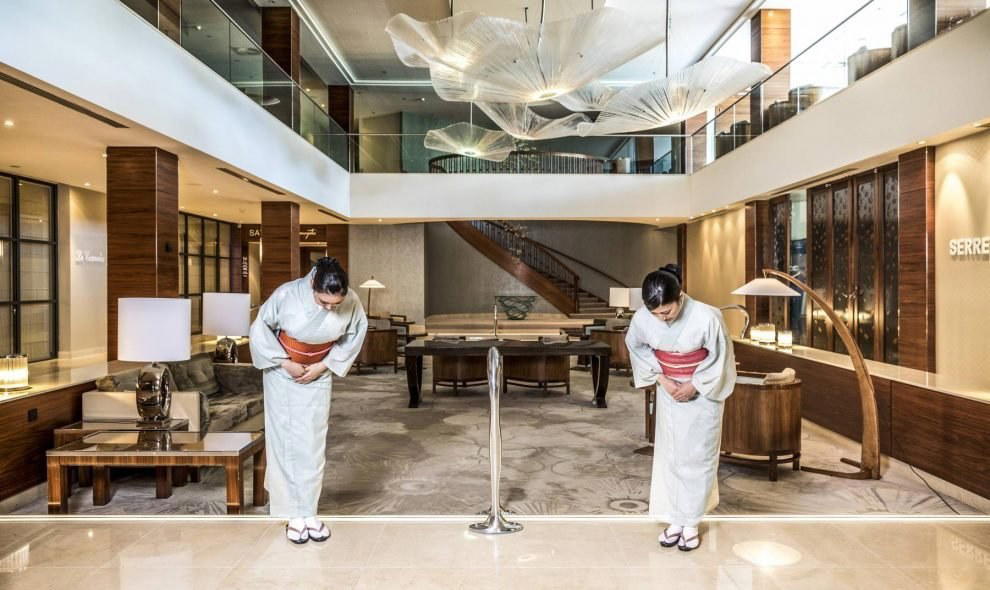
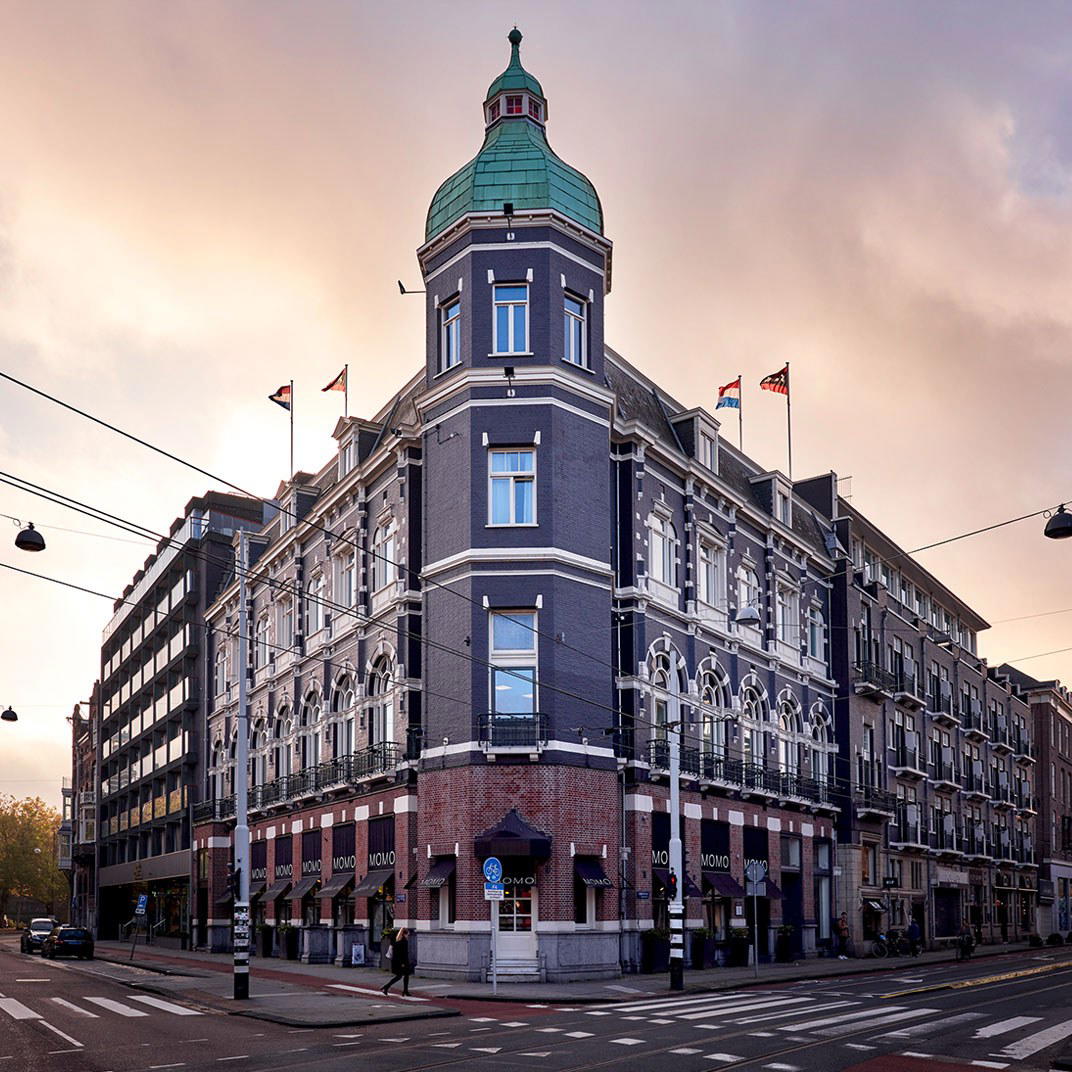
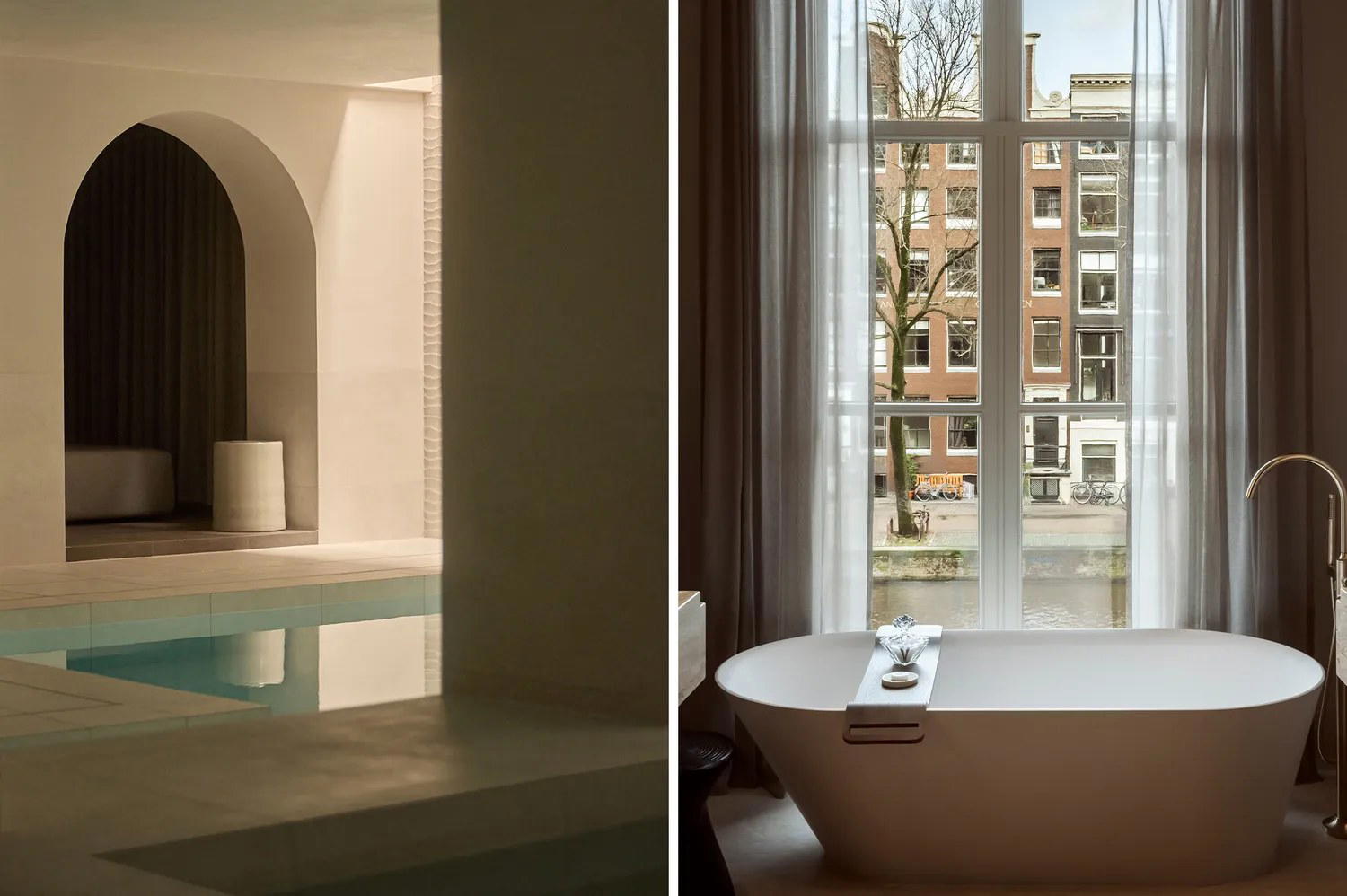
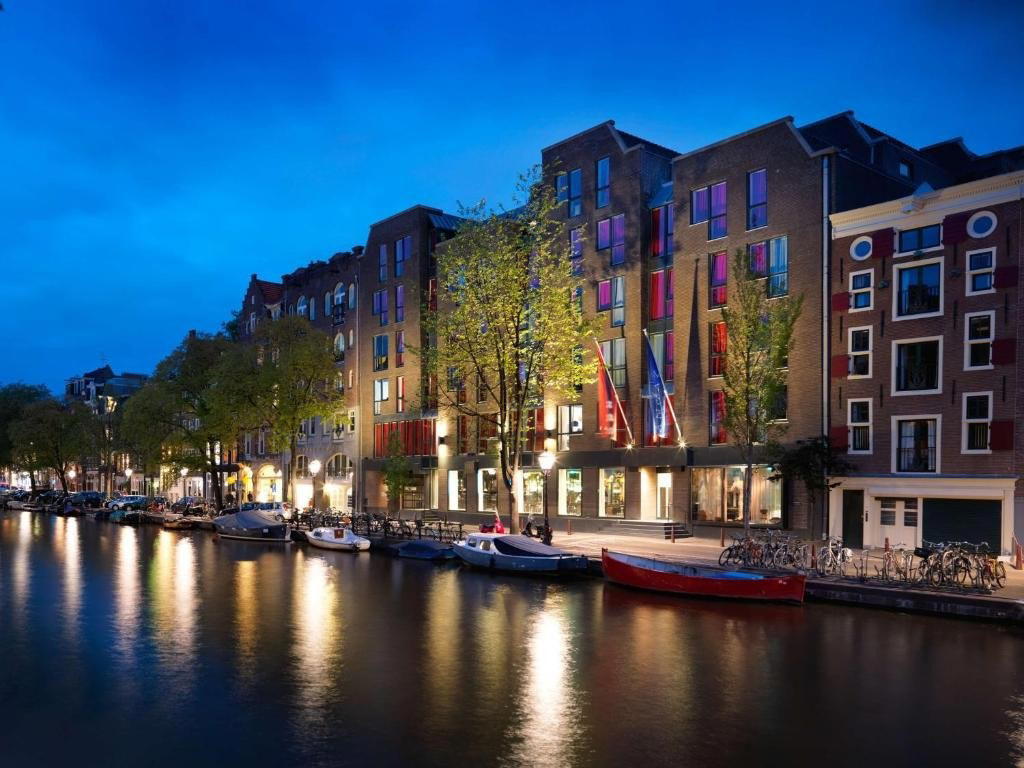
Bars in Schiphol
Browse all →
Restaurants in Schiphol
All restaurants in Schiphol →
Wineries in Schiphol
Browse all →

Details
- Modern
- Trendy
- Minimalist
- Business Trip
- Weekend Escape
- Design Destination
- Wi Fi
- Air Conditioning
- Fitness Center
- Wheelchair Accessible
- Elevator
Futuristic and cozy with mood lighting, quirky artwork, designer furniture, and a dynamic lobby.