PLUS Berlin occupies a striking position near Warschauer Platz in Friedrichshain, where the city's hostel and budget-hotel sector has evolved toward design-led, community-oriented formats. The property sits at the intersection of accessible pricing and environmental accountability, a combination that places it in a distinct niche within Berlin's broader accommodation market. Travellers seeking a socially conscious base in one of the city's most energetic eastern districts will find it worth serious consideration.
- Address
- Warschauer Pl. 6, 10245 Berlin, Germany
- Phone
- +49 30 311698820
- Website
- humancompany.com
- Directions
- Get directions
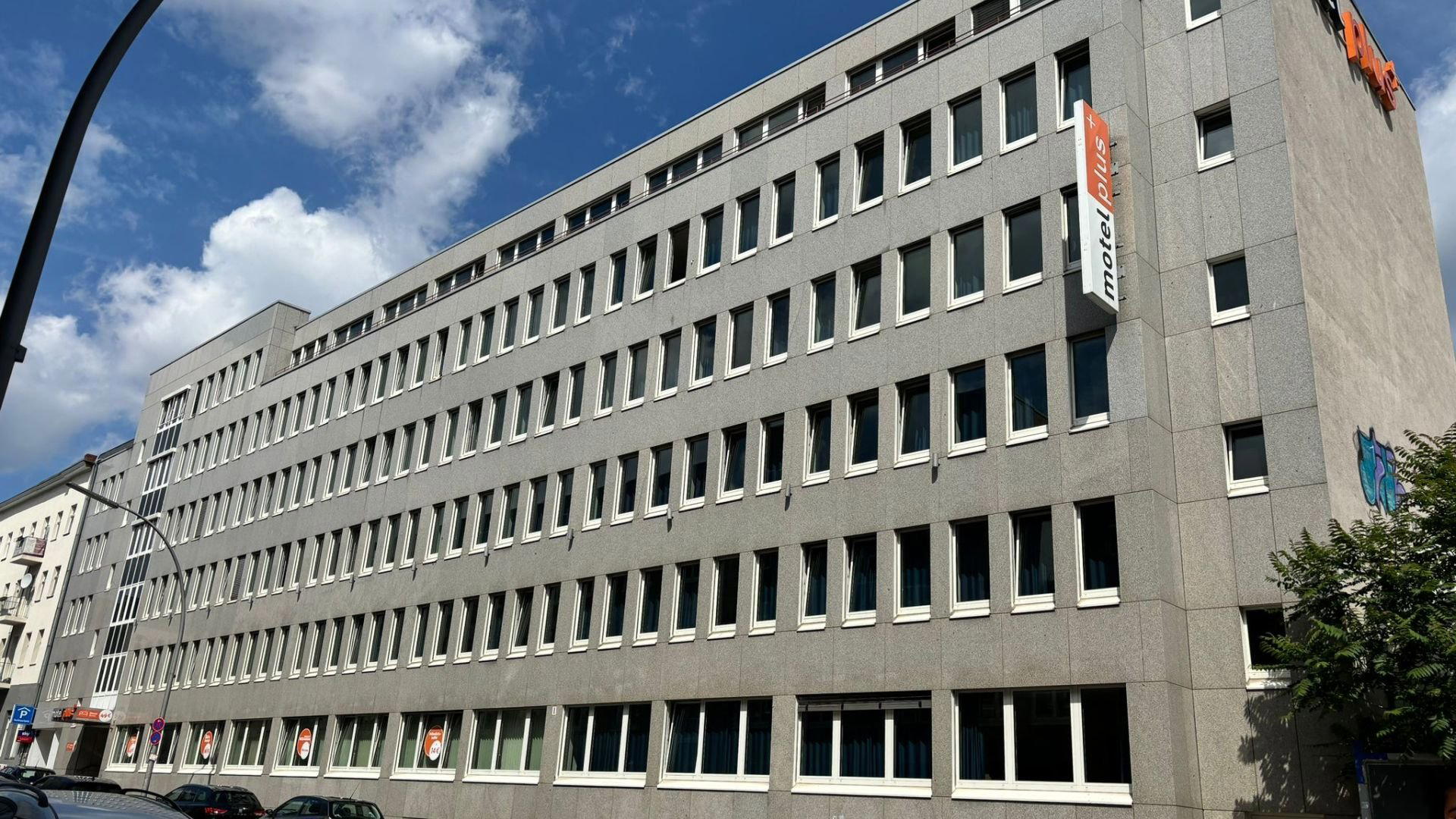
Friedrichshain and the New Economy of Responsible Travel
The stretch of Warschauer Platz running east from the Spree has become one of Berlin's most compressed examples of urban regeneration. Former industrial buildings now house creative studios, record shops, and a generation of accommodation formats that have largely abandoned the lobby-as-status-signal model. PLUS Berlin, at Warschauer Pl. 6, sits inside this shift, a property that reads less like a conventional hotel and more like a deliberate argument for what affordable, sustainable urban hospitality can look like in a city that has always treated orthodoxy with suspicion.
Friedrichshain occupies a different cultural register than Mitte or Charlottenburg. Where Hotel de Rome and The Ritz-Carlton, Berlin address a guest who expects Unter den Linden grandeur, the eastern districts operate on a different compact with the traveller. Here, proximity to the East Side Gallery, the clubs along the canal, and the market at RAW-Gelände matters more than a concierge desk. PLUS Berlin's address is a direct expression of that priority.
A Format Built Around Community, Not Isolation
Across European cities, one significant development in affordable hospitality over the past decade has not been price compression but format reinvention. Properties in this tier have moved from dormitory-only models toward hybrid formats that serve solo travellers, pairs, and small groups within the same building, shared social spaces positioned as genuine amenities rather than afterthoughts. This structural shift reflects both the changing demographics of younger travellers and a broader cultural preference for environments that encourage interaction rather than retreat.
PLUS Berlin sits inside that development. The property's design orientation leans toward communal living rather than the sealed-room-and-corridor logic of the conventional budget hotel. This matters beyond aesthetics: properties built around shared infrastructure, kitchens, lounges, rooftop terraces where they exist, generate lower per-guest resource consumption than buildings where every room duplicates the same amenities in miniature. The environmental logic of communal hospitality is not incidental; it is structural.
This positions PLUS Berlin differently from the full-service properties that dominate Berlin's premium tier. The Telegraphenamt and Patrick Hellmann Schlosshotel operate on entirely different resource models, larger footprints, higher per-room energy loads, extensive food and beverage operations. Neither model is inherently superior, but they serve fundamentally different guest intentions. Travellers who measure a stay partly by its environmental accountability will find the communal format more aligned with their priorities than a suite-heavy grand hotel.
Sustainability as Structure, Not Marketing
Berlin's hospitality sector has adopted sustainability language broadly, but the gap between branding and operational practice remains wide. Properties that reduce environmental impact through structural decisions, building orientation, shared amenity design, reduced linen and housekeeping cycles, urban location that minimises car dependence, deliver more measurable outcomes than those that offset consumption through carbon credits while maintaining resource-heavy operations.
The hotel's location near Warschauer Platz is itself a sustainability argument. The S-Bahn and U-Bahn connections at Warschauer Strasse are among the more frequent in the city, linking the property to central Berlin in under fifteen minutes without requiring guests to use private transport. The carbon differential between a hotel anchored to a major transit node and one that assumes car or taxi access is not trivial over the span of a multi-day stay.
Properties like Casa Camper Berlin and Adina Apartment Hotel Berlin Hackescher Markt share a similar orientation toward urban transit integration and longer-stay flexibility, formats that reduce the per-night environmental load through structural design rather than retrofit. The hotel belongs in that conversation, though at a different price point and with a more communal social architecture.
The Friedrichshain Neighbourhood as Resource
What Friedrichshain offers the responsible traveller is a walkable, independently operated neighbourhood that rewards foot traffic. The market economy around Boxhagener Platz on Saturday mornings, the independent food vendors along Simon-Dach-Strasse, and the cluster of venues near the East Side Gallery are all within range of the hotel's Warschauer Platz address without requiring any form of motorised transit. Staying in a neighbourhood with this density of walkable options is a quietly effective way to reduce the logistical footprint of a Berlin trip.
For travellers using Berlin as a base for broader German exploration, the network of properties across the country offers useful reference points. Fairmont Hotel Vier Jahreszeiten in Hamburg, Schloss Elmau Luxury Spa Retreat & Cultural Hideaway in Elmau, and Hotel Bareiss in Baiersbronn all represent different tiers of German hospitality, from grand-hotel tradition to Alpine retreat. The hotel occupies the accessible urban end of that spectrum, a deliberate counterpoint rather than a compromise.
The broader German portfolio also includes properties at regional scale: Althoff Seehotel Überfahrt in Rottach-Egern, Breidenbacher Hof Düsseldorf, BUDERSAND Hotel in Hörnum, Bülow Palais in Dresden, Das Kranzbach Hotel & Wellness Retreat in Kranzbach, Der Öschberghof in Donaueschingen, Esplanade Saarbrücken, Excelsior Hotel Ernst in Cologne, Gut Steinbach Hotel Chalets Spa in Reit im Winkl, and Hotel Ketschauer Hof in Deidesheim collectively map a country where hospitality ranges from wine-country manor houses to North Sea golf retreats. The hotel is where that map meets its urban, community-format counterpart.
For international comparisons at the premium end, Aman New York, The Fifth Avenue Hotel in New York City, and Aman Venice illustrate the opposite end of the resource spectrum, properties where the per-room footprint is large and the guest base expects it. The existence of both ends of that spectrum is not a contradiction; it reflects the genuine diversity of how people choose to travel.
Planning Your Stay
The hotel's Warschauer Platz address places it directly on the S5, S7, S9, and S75 S-Bahn lines, as well as U1 access at the adjacent Warschauer Strasse station. From Berlin Hauptbahnhof, the journey runs approximately 20 minutes by S-Bahn without interchange. Travellers staying in the neighbourhood in warmer months should build in time around Boxhagener Platz on weekend mornings, when the market draws producers from across the Brandenburg region and the cafe density around the square is at its highest. The Roomers Berlin Steinplatz, Autograph Collection and 25hours Hotel Bikini Berlin offer alternative Berlin bases at different price points and neighbourhood positions for travellers weighing their options across the city.
Cost and Credentials
Comparable venues nearby, for context on price, style, and recognition.
| Venue | Price | Awards | Notes |
|---|---|---|---|
| PLUS BerlinThis venue — the venue you are viewing | $ | 3-Star | Not listed |
| Linnen | $$$ | 3-Star | Prenzlauer Berg, Renovated 19th-century residential building with modern boutique inn vibe. |
| Titanic Chaussee Berlin | $$$ | 4-Star | Mitte, Modern business and conference hotel with retro design elements |
| Lulu Guldsmeden | $$$ | 4-Star | Tiergarten, Sustainable eco-boutique in historic 1850s building |
| Adina Apartment Hotel Berlin Hackescher Markt | $$$ | 4-Star | Mitte, contemporary apartment hotel with European design |
| Michelberger Hotel | $$ | 4-Star | Friedrichshain, Creative industrial boutique in a historic factory. |
Continue exploring
More in Berlin
Hotels in Berlin
Browse all →
Bars in Berlin
Browse all →
Restaurants in Berlin
Browse all →
Wineries in Berlin
Browse all →
At a Glance
- Modern
- Trendy
- Weekend Escape
- Wi Fi
- Luggage Storage
- Wi Fi
- Luggage Storage
Clean and modern with simple furnishings, soundproofed rooms, and a spacious lobby-lounge with terrace.