


2 Michelin Keys · La Liste Top Hotels · Forbes Recommended
A century-old Grunewald mansion turned 53-room hotel, Patrick Hellmann Schlosshotel sits behind baroque gates on one of Berlin's quietest residential streets. La Liste ranked it 92 points in 2026, and Michelin awarded it two Keys in 2024. The property earns loyalty through its conservatory breakfast, pine-forest spa views, and interiors that balance Prussian heritage with Art Deco precision.

Pearl is the En Primeur Club membership app, where members save venues, book tables and use the concierge.
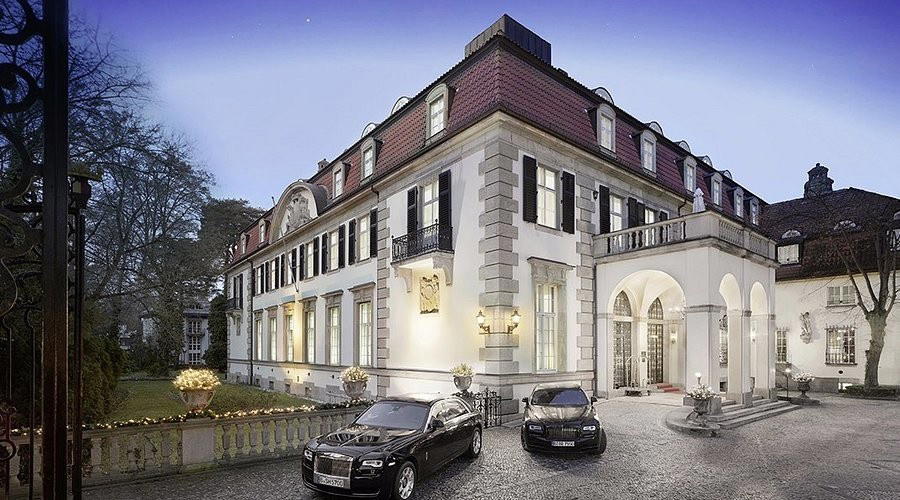
Where Berlin's Quietest Street Holds Its Best-Kept Address
The approach to a hotel tells you something honest. On Brahmsstraße, a tree-lined residential avenue in Grunewald, the properties are large, set back from the street, and uniformly private. Patrick Hellmann Schlosshotel announces itself with nothing more than a small sign lit in white, easily mistaken for another stately home. That restraint is not accidental. In a city where luxury hotels tend to cluster around Unter den Linden and Potsdamer Platz, trading proximity to monuments for visibility, this property operates on a different logic entirely: the neighbourhood itself is the amenity.
Grunewald is one of Berlin's most affluent districts, defined by early twentieth-century villas, pine forest to the west, and a pace that has little in common with Mitte. Hotels in this tier, small-key, design-led, suburban in the leading sense, are rare in Berlin, and rarer still in Germany. The closest German comparisons in terms of residential-estate positioning include Althoff Seehotel Überfahrt in Rottach-Egern and Schloss Elmau Luxury Spa Retreat & Cultural Hideaway in Elmau, both of which similarly use natural seclusion as a core part of the offering. The Schlosshotel belongs to that cohort: properties where withdrawal from the city grid is a deliberate, priced proposition.
A House With a History That Still Shows
The building dates to 1914, constructed as a private residence for Walther von Pannwitz, a personal advisor to Kaiser Wilhelm II and an attorney with serious collecting instincts. That origin is relevant because it shaped the proportions: the rooms, the ceiling heights, the garden orientation, and the sense of domestic scale that a purpose-built hotel rarely achieves. The subsequent renovation by Patrick Hellmann, the German fashion designer whose name the property carries, did not erase those proportions. The baroque-style gates, glass chandeliers, plush red rugs, and Prussian portrait paintings remain. But they coexist with contemporary poise rather than competing with it. The result sits somewhere between a well-maintained historic residence and a designer hotel, neither museum-stiff nor stripped of its past.
This balance is one of the harder things to achieve in European heritage hotels. Too reverential, and the property feels frozen. Too aggressive in its contemporary interventions, and the original character disappears. The Schlosshotel manages it through selective restraint: gold leaf is present but not relentless, and the art program mixes old and new without obvious irony. For guests who have spent time at Hotel de Rome or Telegraphenamt in central Berlin, the Schlosshotel will read as a counterpoint, private where those are public-facing, residential where those are civic in their architecture.
What Keeps People Coming Back
Hotels of this size, 53 rooms, live or die by consistency. There is no volume to absorb off nights, and regulars notice every change in a way that guests at a 300-room property simply do not. The clientele here runs the width of a particular type: executive travelers who want distance from the conference-hotel circuit, fashion-adjacent visitors with an affinity for Hellmann's design sensibility, and a category of guests who arrive with their dogs and expect to be treated accordingly. The GQ Bar and the Wellfood restaurant occupy different ends of that spectrum, the former leaning into a club-like social register, the latter serving health-conscious plates that align with what a regular audience working in design or media tends to want.
But the item most consistently cited as a reason to return is breakfast. The conservatory setting overlooks manicured gardens, and the morning light through the glass is the kind of detail that builds loyalty more reliably than any individual design element. In German hotel culture, the breakfast room carries disproportionate weight, it is the first and last impression of the day, and properties that execute it with genuine care retain guests who might otherwise rotate between options. At Brahmsstraße, the combination of garden views and a room that functions as a greenhouse in softer light is something that a central Berlin hotel cannot replicate regardless of price point.
Rooms and Design Register
The 53 rooms use a vocabulary drawn from two periods: Roaring Twenties Art Deco, with tuxedo blacks and whites, glossy bathroom tile, and geometric lines, and a softer Bavarian register expressed through velvet, embroidery, and ornamental headboards. Premium room categories carry Hellmann's direct design input, offered in two directions he has labelled New York and Bohème. The distinction matters for a designer-hotel audience that is accustomed to reading room categories as statements rather than purely spatial upgrades.
For comparison within Berlin's design-forward hotel set, Roomers Berlin Steinplatz and Château Royal Berlin represent the contemporary end of the design spectrum, while the Schlosshotel operates in a different register, more layered, more referential, less concerned with appearing current. Guests who find 25hours Hotel Bikini Berlin too casual or The Ritz-Carlton, Berlin too grand will often land here as a third position: formally appointed without formality as the operating posture.
The Spa and the Forest
The lower floors hold a spa and fitness center with a heated indoor pool. The directional detail is the view: pine forest, visible through the windows, which reinforces the sense that this is a property at the edge of the city rather than inside it. For those arriving from high-density urban hotels, that view functions as an immediate decompression signal. Das Kranzbach Hotel & Wellness Retreat in Kranzbach and Hotel Bareiss in Baiersbronn deliver this through full resort isolation, but within Berlin's city limits, the Schlosshotel is the only property in this category with forest views from its wellness floor.
Credentials and Competitive Position
La Liste placed the Schlosshotel at 92 points in its 2026 Leading Hotels ranking, a score that positions it solidly within Germany's premium leisure tier, competing with properties like Fairmont Hotel Vier Jahreszeiten in Hamburg, Excelsior Hotel Ernst in Cologne, and Breidenbacher Hof Düsseldorf. Michelin awarded it two Keys in 2024, its first year under the new hotel-rating system, which signals recognition of the hospitality program rather than the food alone.
Within Berlin specifically, the Schlosshotel occupies a niche that the central luxury properties cannot claim. Hotel de Rome and the Adlon Kempinski address the grand-hotel tradition; Telegraphenamt and Adina Apartment Hotel Berlin Hackescher Markt sit in the contemporary or extended-stay bracket. The Fifth Avenue Hotel in New York City offers a useful transatlantic comparison: a heritage building, designer-appointed, operating at a premium that the address alone does not explain.
Planning a Stay
Rates from approximately $453 per night place the Schlosshotel at the upper end of Berlin's independent hotel market. For those travelling between late spring and early autumn, the garden and conservatory are at their most functional, the light that makes breakfast memorable is a seasonal variable. The hotel sits in Grunewald, which is not on the U-Bahn's most central lines; guests without a car will want to factor in travel time to central Berlin, roughly 20-30 minutes by public transport or taxi. Casa Camper Berlin and other centrally located alternatives make sense if proximity to Mitte or Prenzlauer Berg is the priority. For guests whose purpose is the hotel itself rather than the city's density, Brahmsstraße is the correct address. Booking ahead is advisable, a 53-room property with a specific audience has limited tolerance for last-minute availability in peak season. See our full Berlin guide for broader context on the city's hotel and dining options, and also consider properties such as Gut Steinbach Hotel Chalets Spa in Reit im Winkl, Der Öschberghof in Donaueschingen, Hotel Ketschauer Hof in Deidesheim, Esplanade Saarbrücken, BUDERSAND Hotel in Hörnum, and Bülow Palais in Dresden if your Germany itinerary extends beyond Berlin.
Nearby-ish Comparables
Comparable venues nearby, for context on price, style, and recognition.
| Venue | Cuisine | Price | Awards | Notes |
|---|---|---|---|---|
| Patrick Hellmann SchlosshotelThis venue (the venue you are viewing) | Historic palace with fashion-forward interiors | $100–200 | 2 Michelin Keys · La Liste Top Hotels | Not listed |
| Roomers Berlin Steinplatz, Autograph Collection | Historic Art Nouveau landmark reimagined as a contemporary luxury boutique hotel blending 1920s-inspired design with modern amenities. | $300–500 | 1 Michelin Key | Charlottenburg |
| Hotel de Rome | Luxury heritage hotel blending historic Prussian banking architecture with contemporary Italian design sensibility and minimalist interiors. | $750–1,000 | 2 Michelin Keys · La Liste Top Hotels | Mitte |
| Telegraphenamt | Historic telegraph office transformed into luxury boutique hotel | $300–500 | 2 Michelin Keys | Mitte |
| The Ritz-Carlton, Berlin | Art Deco-inspired luxury hotel evoking Berlin's glamorous golden era | $300–500 | 2 Michelin Keys · La Liste Top Hotels | Tiergarten |
| Château Royal Berlin | Historic Art Deco boutique hotel blending vintage and contemporary design. | Not listed | 1 Michelin Key · Mr & Mrs Smith Seal of Approval | Mitte |
Recognition history
Dated appearances from independent guides and award organizations, with the underlying list record or original source where available.
Michelin 2 Keys
Michelin
La Liste Top Hotels
La Liste
Forbes Recommended
Forbes
Full recognition history (5 entries)
Michelin 2 Keys
Michelin
Michelin 2 Keys
Michelin
Continue exploring
More in Berlin
Hotels in Berlin
All hotels in Berlin →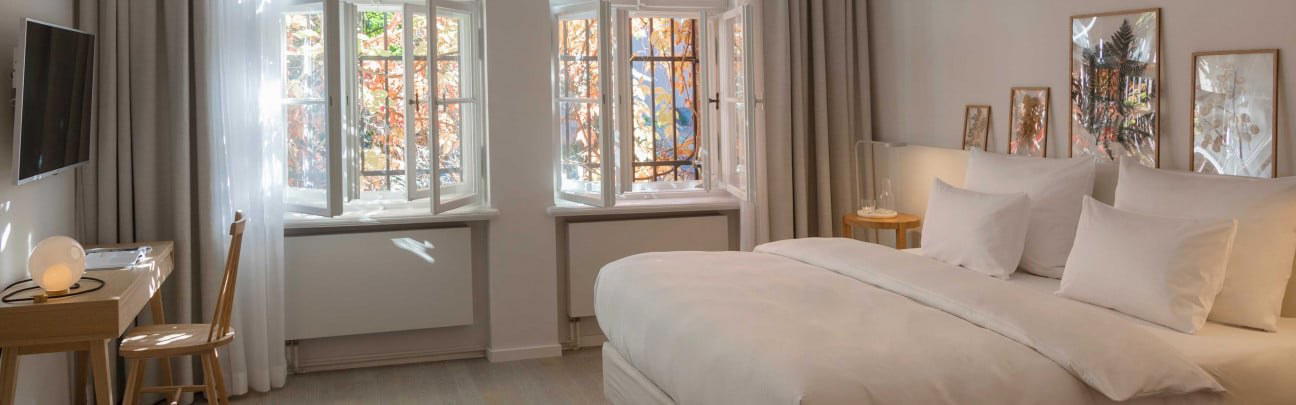
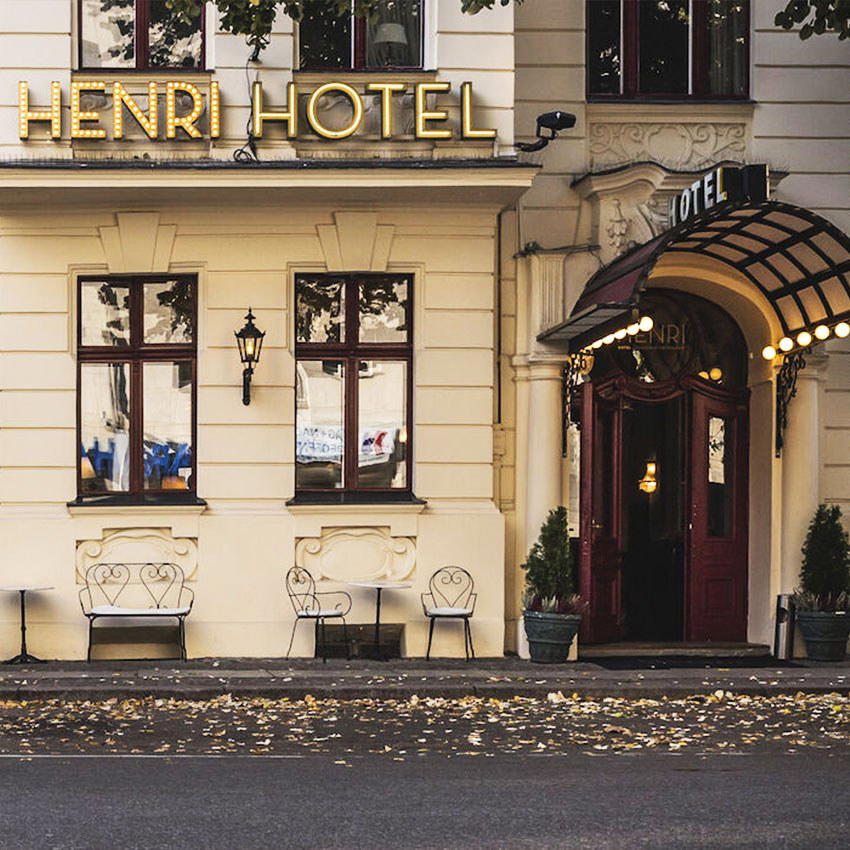
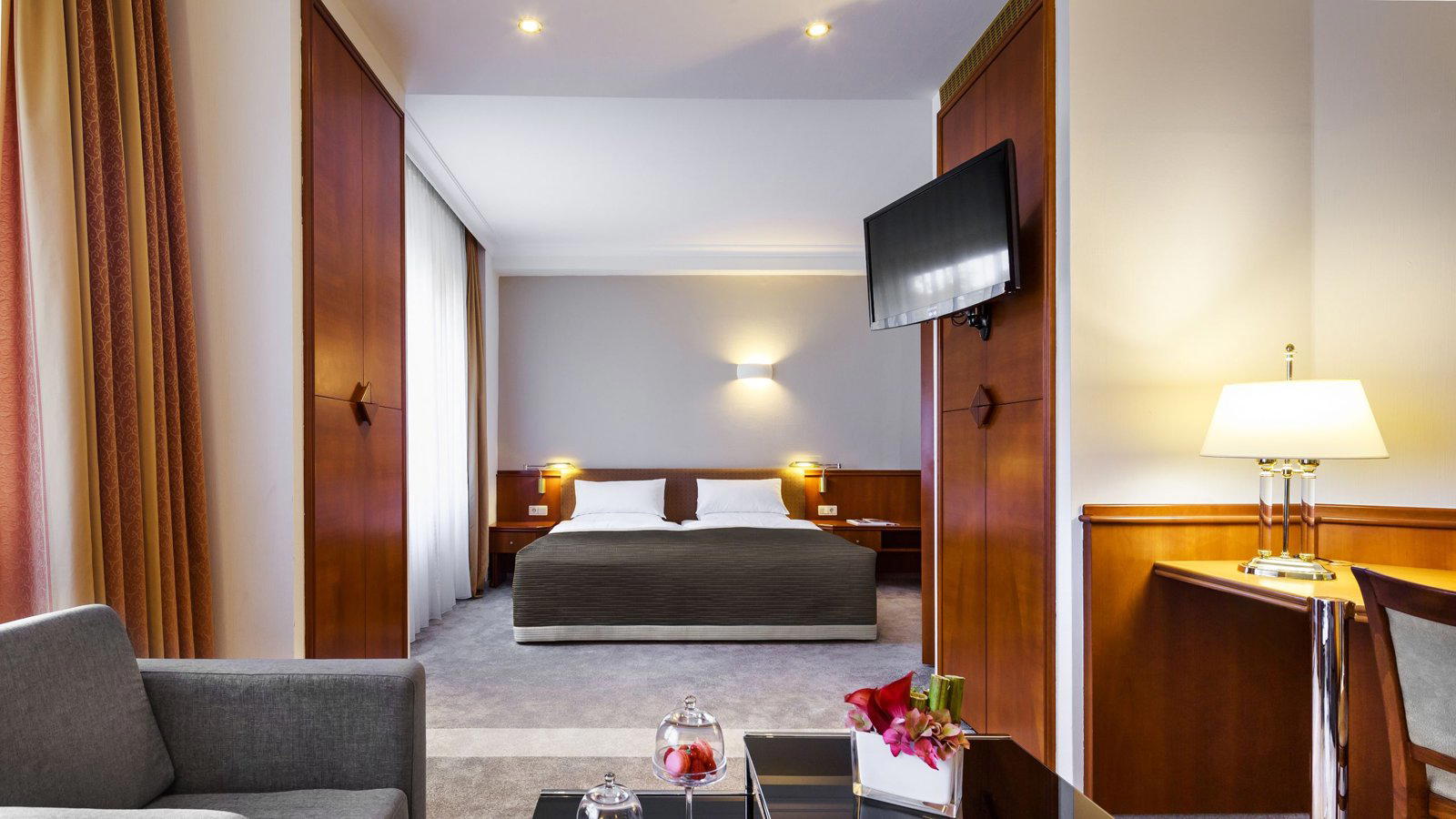
Bars in Berlin
All bars in Berlin →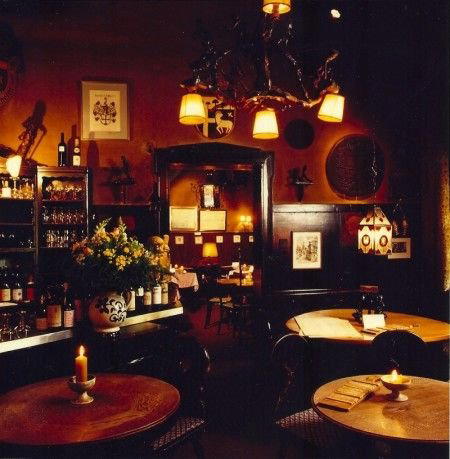
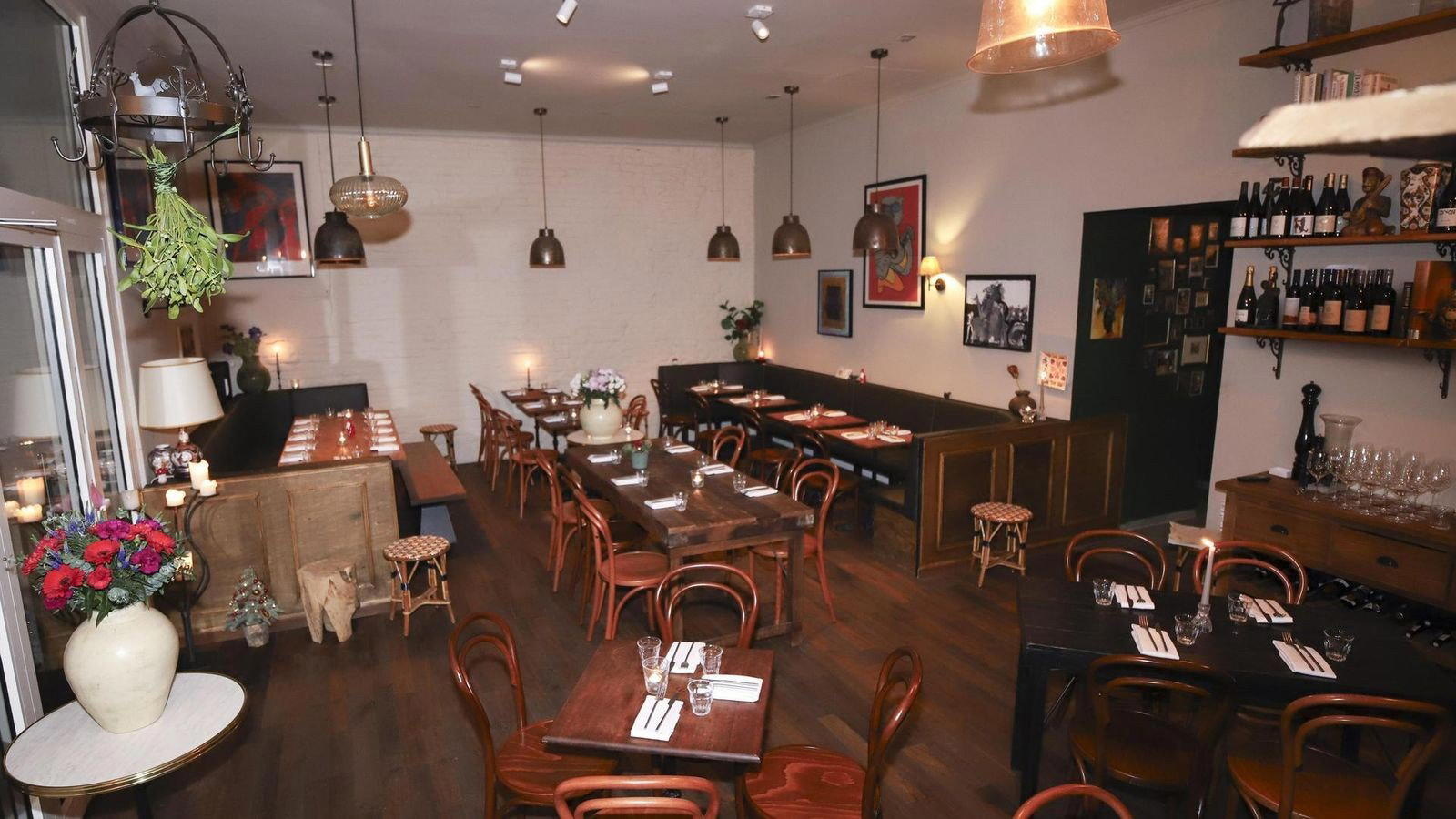
Restaurants in Berlin
All restaurants in Berlin →

Details
- Elegant
- Sophisticated
- Ornate
- Quiet
- Romantic
- Romantic Getaway
- Honeymoon
- Anniversary
- Business Trip
- Weekend Escape
- Garden
- Historic Building
- Terrace
- Pool
- Spa
- Fitness Center
- Room Service
- Concierge
- Wi Fi
- Restaurant
- Sauna
- Indoor Pool
- Garden
- Elevator
- Step Free Entrance
- Accessible Parking
Hushed luxury with ornate black, white, and grey palettes, layers of textures, dramatic artworks, and an atmosphere of chic glamour and understated elegance.