


1 Michelin Star · Star Wine List
Our verdict
A Michelin-starred address in Kreuzberg's Fichtestraße, tulus lotrek pairs modern European cooking with one of Berlin's more considered wine programs. Ranked #234 in the Opinionated About Dining Classical Europe list for 2025, it occupies the serious end of Berlin's fine dining tier without the formality that defines many of its peers. The room, a former French bistro, carries its history lightly.

Pearl is the En Primeur Club membership app, where members save venues, book tables and use the concierge.
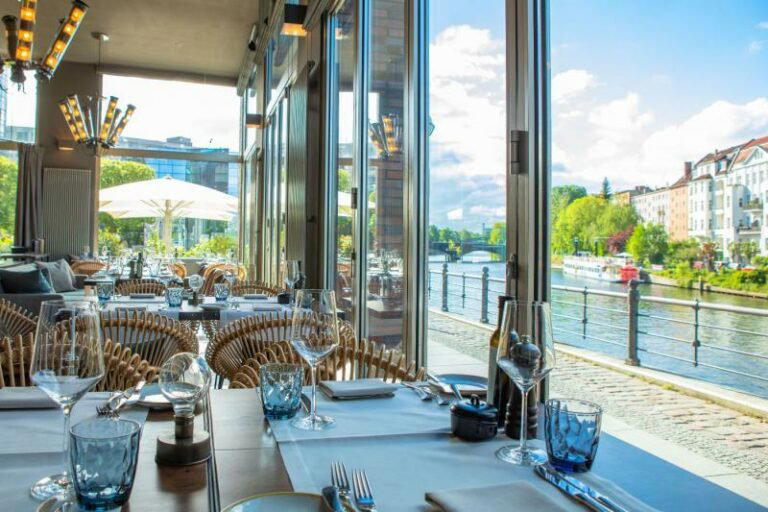
A Former Bistro, Rethought
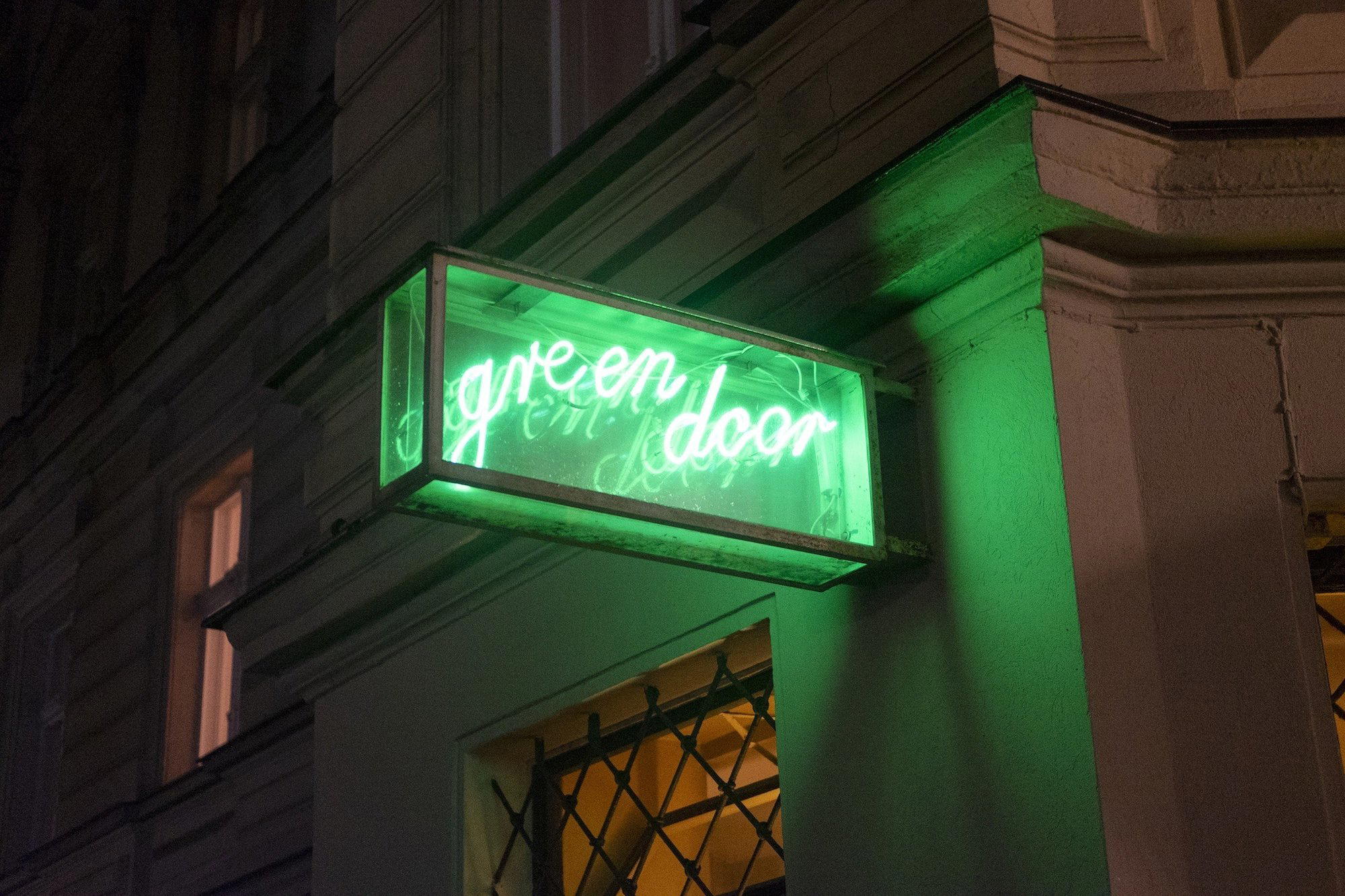
Kreuzberg has always resisted the idea that fine dining belongs in certain postcodes. The neighbourhood that gave Berlin its counterculture reputation now quietly hosts some of the city's most serious kitchens, and the stretch of Fichtestraße around number 24 sits at the less-trafficked end of that shift. The space that tulus lotrek occupies was, for years, a classic French bistro, the kind of room where the bones carry memory: close-set tables, a certain weight to the air, the sense that food and conversation have been the point here for a long time. That lineage matters because it establishes the register. This is not a conversion warehouse or a glass-fronted newcomer; it is a restaurant in the older European sense, where the room itself has accumulated meaning.
Since 2015, the kitchen under Chef Maximilian Strohe has operated within that inherited frame while moving the cooking firmly into modern European territory. The address now holds a Michelin star, retained through 2024 and 2025, and a ranking of #234 in the Opinionated About Dining Classical Europe list for 2025, up from #291 the previous year. That upward movement on a peer-reviewed list driven by industry votes carries more signal than most award cycles: it reflects sustained consistency and a growing reputation among those who eat at this level professionally.
Where tulus lotrek Sits in Berlin's Fine Dining Tier
Berlin's top-end restaurant scene is smaller and more compressed than cities like Munich or Hamburg, which means the competitive set is legible. At the €€€€ tier, the city offers a handful of Michelin-starred rooms that each occupy a distinct position. Rutz operates with a strong natural wine identity and a more experimental edge. Nobelhart & Schmutzig has built its reputation on a hyper-local sourcing doctrine that shapes every decision on the plate. CODA Dessert Dining sits in an entirely separate creative category. Restaurant Tim Raue draws on Chinese culinary reference points with considerable force.
tulus lotrek's position is different from all of them. Its OAD ranking places it in the Classical Europe category, a designation that implies technical grounding in European fine dining tradition rather than a genre-bending concept. The cooking is modern in execution but not iconoclastic in intent. For a diner who wants a serious, wine-compatible tasting format in a room with weight and history rather than spectacle, the address sits in a small bracket of its own within the city.
The Wine Program: What the Cellar Signals
The editorial angle that most cleanly separates tulus lotrek from other addresses in its bracket is the wine program. Berlin's leading kitchens have increasingly invested in cellar depth and sommelier rigor as a differentiator, partly because the city's dining public has become more wine-literate over the past decade, and partly because a serious cellar is one of the clearest markers of a kitchen that intends to stay at the top of its tier for years rather than ride a trend cycle.
At tulus lotrek, the wine program reflects the Classical Europe designation of the OAD ranking in a specific way: the list skews toward European producers with terroir clarity, and the curation philosophy favours compatibility with the kitchen's register rather than cellar trophy-hunting. This is not a list designed to impress with verticals of first-growth Bordeaux; it is designed to work alongside food that is technically precise and ingredient-focused. The practical implication for a diner is that the pairing option here rewards engagement. The sommelier team at this level of address in Berlin typically operates with enough depth to build a pairing that moves across regions, a Mosel Riesling against something acidic and clean, a Burgundian approach to a fuller course, rather than defaulting to a house-style progression.
Among Berlin's starred kitchens, Rutz has the most discussed wine program, with its natural wine identity generating considerable press. tulus lotrek's approach is less ideologically positioned, which for some diners is an advantage: the selection is guided by what works on the plate rather than by a sourcing manifesto. This places it in a similar curation philosophy to addresses like Aqua in Wolfsburg and Vendôme in Bergisch Gladbach, where the cellar functions as a support structure for the kitchen rather than as a parallel statement. For the full range of what Berlin's bars are doing with wine and spirits at a lower price point, our full Berlin bars guide covers the field.
The Kitchen: Modern European in Practice
The Michelin star, held consecutively since being awarded, functions as a technical verification: the inspectorate confirms that the kitchen delivers consistent quality at each visit across the year. The OAD ranking adds a different layer of validation, as that list aggregates votes from chefs, sommeliers, and frequent fine diners rather than from a single inspection body. Achieving both, and moving upward on the OAD list year-on-year, indicates that the kitchen is performing at a level that satisfies both institutional and peer-review criteria simultaneously. For context, the OAD Classical Europe list at the #200-300 range typically includes addresses competing with the likes of The Ledbury in London and Gidleigh Park in Chagford.
The opening hours structure, dinner service Thursday through Monday, with Tuesday and Wednesday dark, is a pattern increasingly common among kitchens that prioritise kitchen team welfare and prep depth over maximum covers. It is also a practical signal to plan around: tulus lotrek is not a spontaneous midweek option.
Kreuzberg and the Neighbourhood Context
Fichtestraße 24 sits in a part of Kreuzberg that is residential in character, without the density of bars and restaurants that marks Bergmannstraße or Oranienstraße a few streets away. This matters for the dining experience because the approach to the restaurant is quiet rather than charged, there is no queue culture around the door, no spill of noise from adjacent venues to manage. The neighbourhood sets a different register than Mitte's more polished restaurant corridor or the Prenzlauer Berg addresses that have become known for a certain kind of affluent-casual dining.
For visitors anchoring a Berlin trip around the dining scene, tulus lotrek works well in combination with Barra and the broader range of the city's starred kitchens. The full architecture of what Berlin offers at the serious end, restaurants, bars, hotels, wineries, experiences, is mapped across our full Berlin restaurants guide, our full Berlin hotels guide, our full Berlin wineries guide, and our full Berlin experiences guide. For addresses like ES:SENZ in Grassau, which shares the OAD Classical Europe framework in a different regional setting, the comparison sharpens what tulus lotrek's urban Kreuzberg context contributes to the overall experience.
Know Before You Go
Address: Fichtestraße 24, 10967 Berlin, Germany
Price range: €€€€
Hours: Thursday–Friday–Saturday–Sunday: 6:30–11 pm | Monday: 6:30–11 pm | Tuesday–Wednesday: Closed
Awards: Michelin 1 Star (2024, 2025) | OAD Classical Europe #234 (2025), #291 (2024)
Cuisine: Modern European
Booking: Advance reservation strongly advised given the limited dinner-service days per week
Frequently asked questions
When can I go to tulus lotrek?
Hours at tulus lotrek: Hours: Monday 6:30–11 pm Tuesday Closed Wednesday Closed Thursday 6:30–11 pm Friday 6:30–11 pm Saturday 6:30–11 pm Sunday 6:30–11 pm.
What's tulus lotrek known for in terms of accolades?
tulus lotrek has received recognition including: In 2015, Head Chef Maximilian Strohe and his language-loving partner Ilona Scholl took over this venue, that used to house a classic French bistro, and spiced things up a few steps. When you walk th...; Opinionated About Dining Classical i….
What should I order at tulus lotrek?
The kitchen runs a set tasting menu format, which is the intended way to experience Maximilian Strohe's Modern European cooking. Ordering à la carte is not the structure here; the menu sequence is designed as a whole. Given the Michelin Star the restaurant has held through 2024 and 2025, and its ranking at #234 on Opinionated About Dining's Classical in Europe list, the tasting menu represents the clearest expression of what the kitchen is doing.
What price level is tulus lotrek?
Pricing at tulus lotrek is listed as €€€€.
Where is tulus lotrek located?
tulus lotrek is located at Fichtestraße 24, 10967 Berlin, Germany, Berlin.
The Essentials
A quick peer check to anchor this venue’s price and recognition.
| Venue | Cuisine | Price | Awards | Notes |
|---|---|---|---|---|
| tulus lotrekThis venue (the venue you are viewing) | Modern International Fine Dining | $100–150 | 1 Michelin Star · Star Wine List | Not listed |
| CODA Dessert Dining | Dessert-Inspired Fine Dining | $200–300 | 2 Michelin Stars · World's 50 Best #79 | Creative |
| Rutz | Modern German Fine Dining | $200–300 | 3 Michelin Stars · La Liste Top Restaurants | Modern European, Modern Cuisine |
| Nobelhart & Schmutzig | Hyper-Local Modern German Fine Dining | $100–150 | 1 Michelin Star · World's 50 Best #59 | Modern German, Creative |
| FACIL | Modern Fusion Fine Dining | $200–300 | 2 Michelin Stars · La Liste Top Restaurants | Contemporary European, Creative |
| Horváth | Modern Austrian Vegetable Cuisine | $200–300 | 2 Michelin Stars · La Liste Top Restaurants | Modern Austrian, Creative |
Recognition history
Dated appearances from independent guides and award organizations, with the underlying list record or original source where available.
Michelin 1 Star
Michelin
Star Wine List
Star Wine List
Opinionated About Dining Classical in Europe Ranked #234
Opinionated About Dining
Full recognition history (7 entries)
Michelin 1 Star
Michelin
Michelin 1 Star
Michelin
Opinionated About Dining Classical in Europe Ranked #291
Opinionated About Dining
Opinionated About Dining Classical in Europe Recommended
Opinionated About Dining
Continue exploring
More in Berlin
Restaurants in Berlin
All restaurants in Berlin →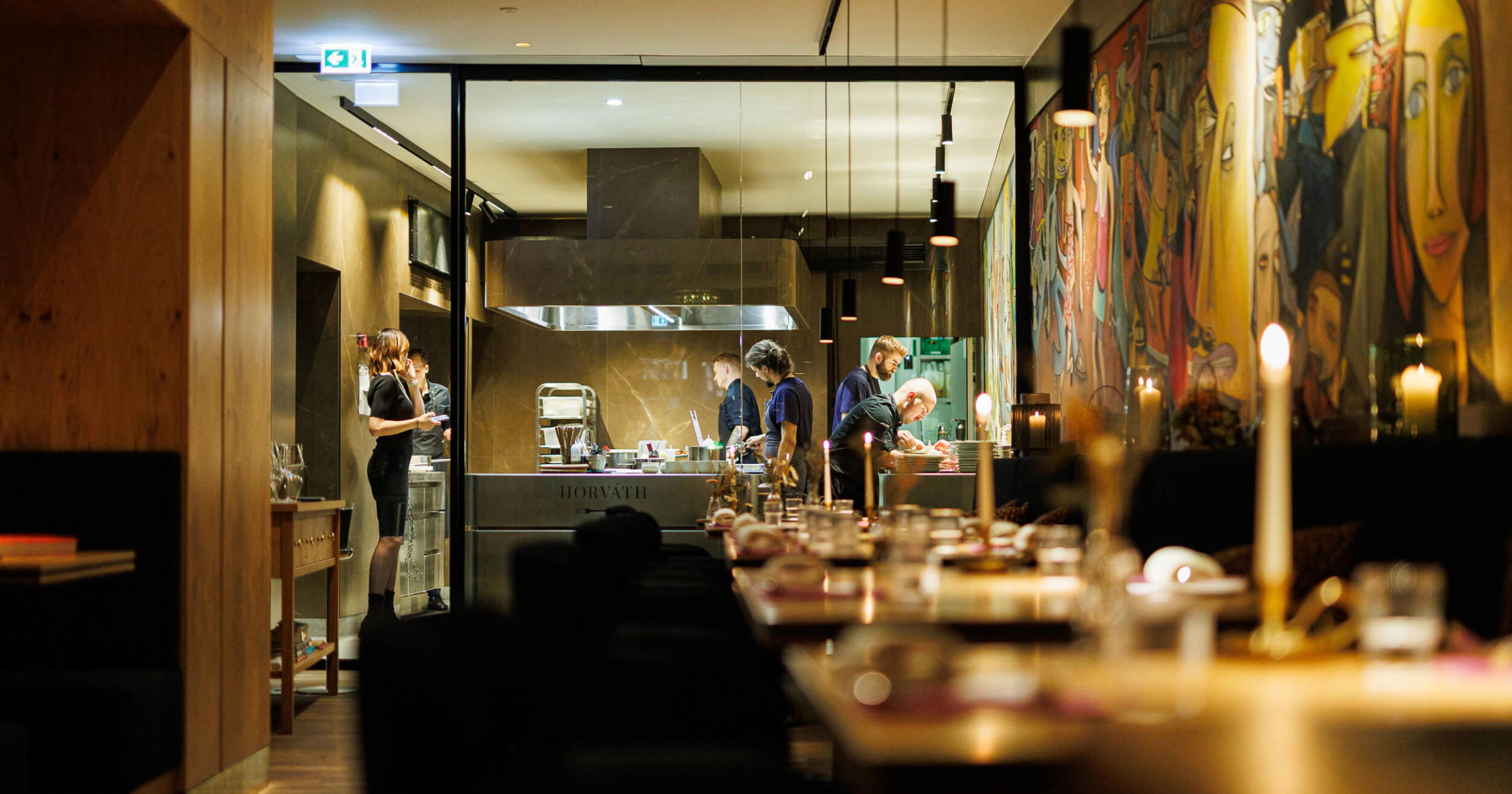
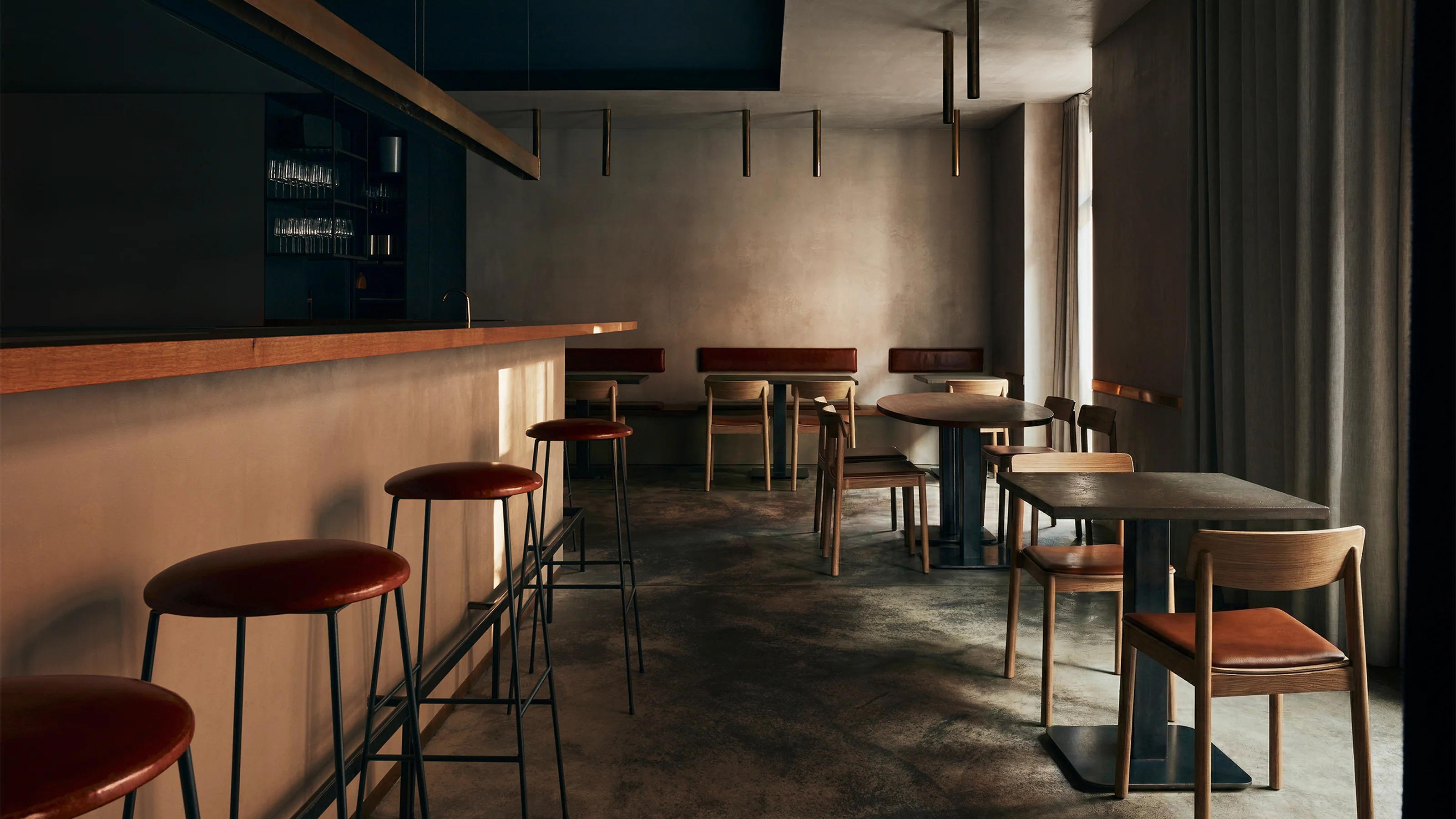
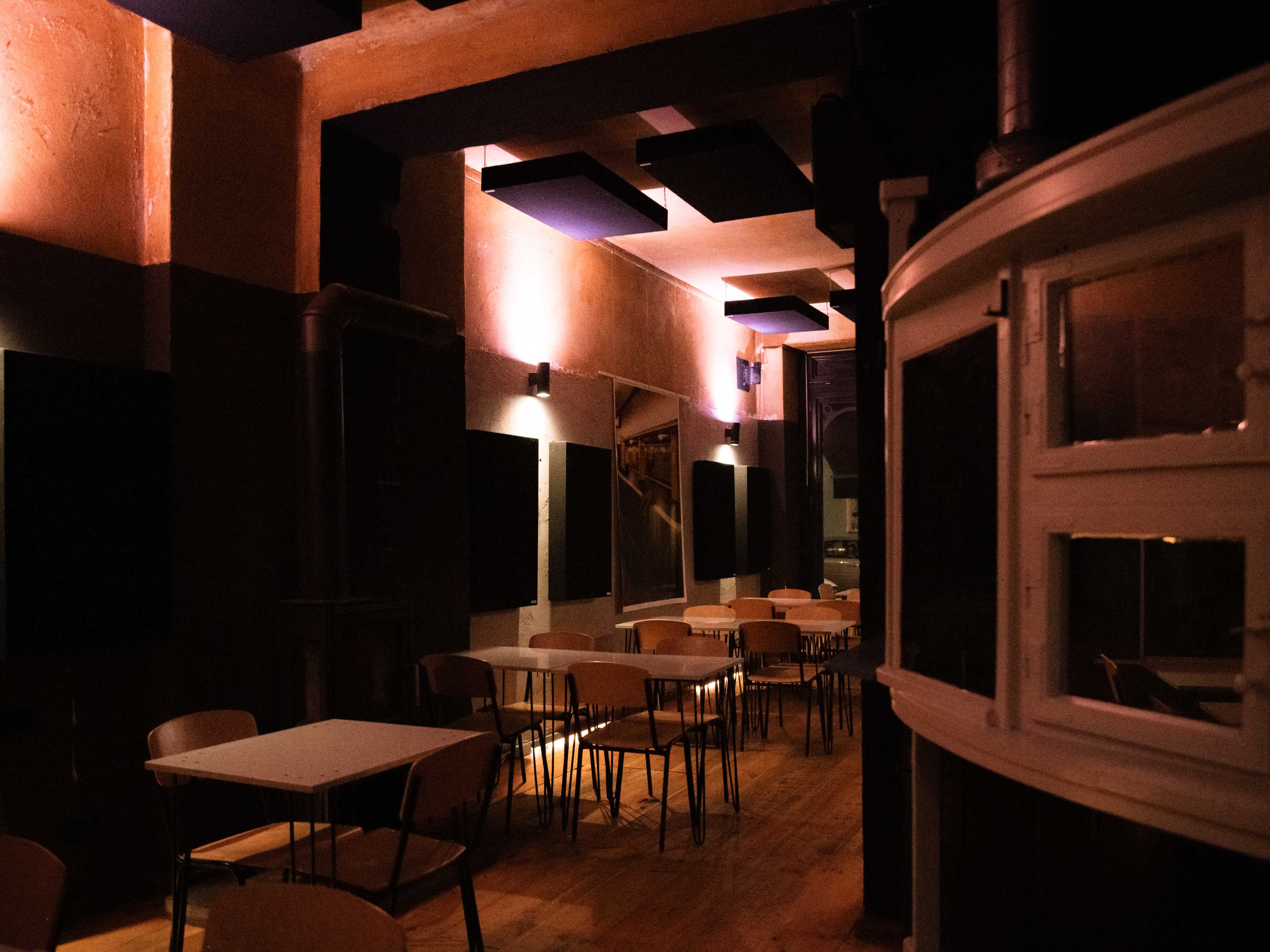
Bars in Berlin
All bars in Berlin →
Details
- Cozy
- Intimate
- Elegant
- Relaxed
- Date Night
- Special Occasion
- Terrace
- Extensive Wine List
- Tasting Menu
- Vegetarian Friendly
- Vegan Options
Current opening hours
- Monday
- 6:30–11 PM
- Tuesday
- Closed
- Wednesday
- Closed
- Thursday
- 6:30–11 PM
- Friday
- 6:30–11 PM
- Saturday
- 6:30–11 PM
- Sunday
- 6:30–11 PM
Hours can change for holidays and private events. Hours as of .
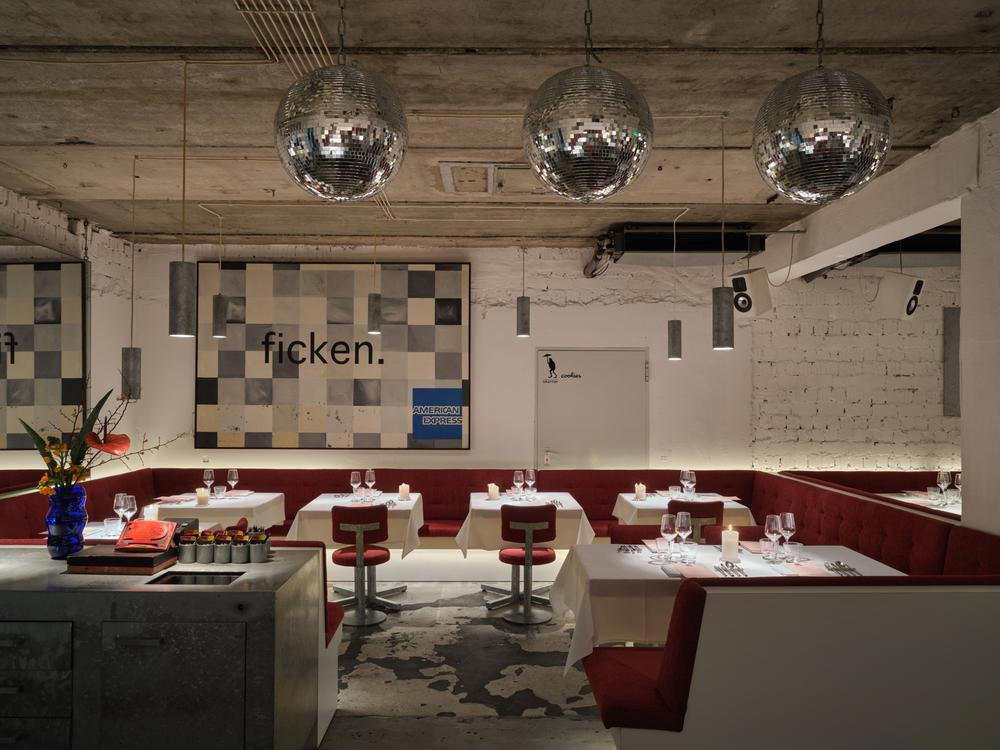
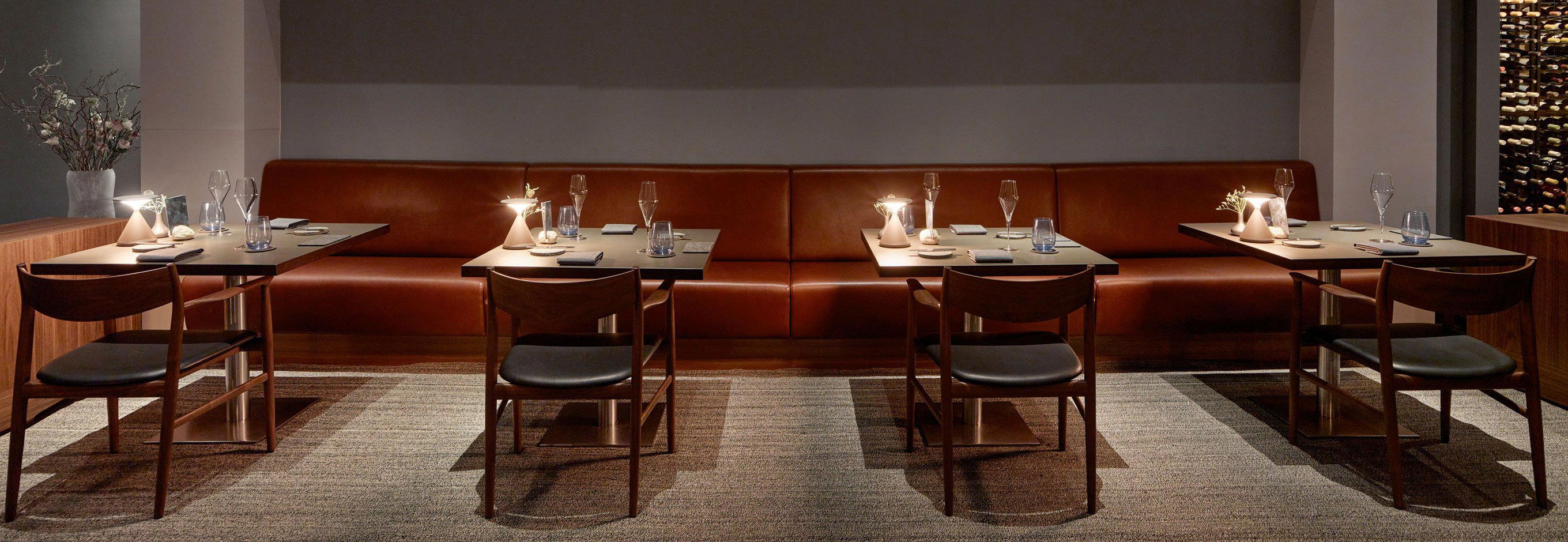
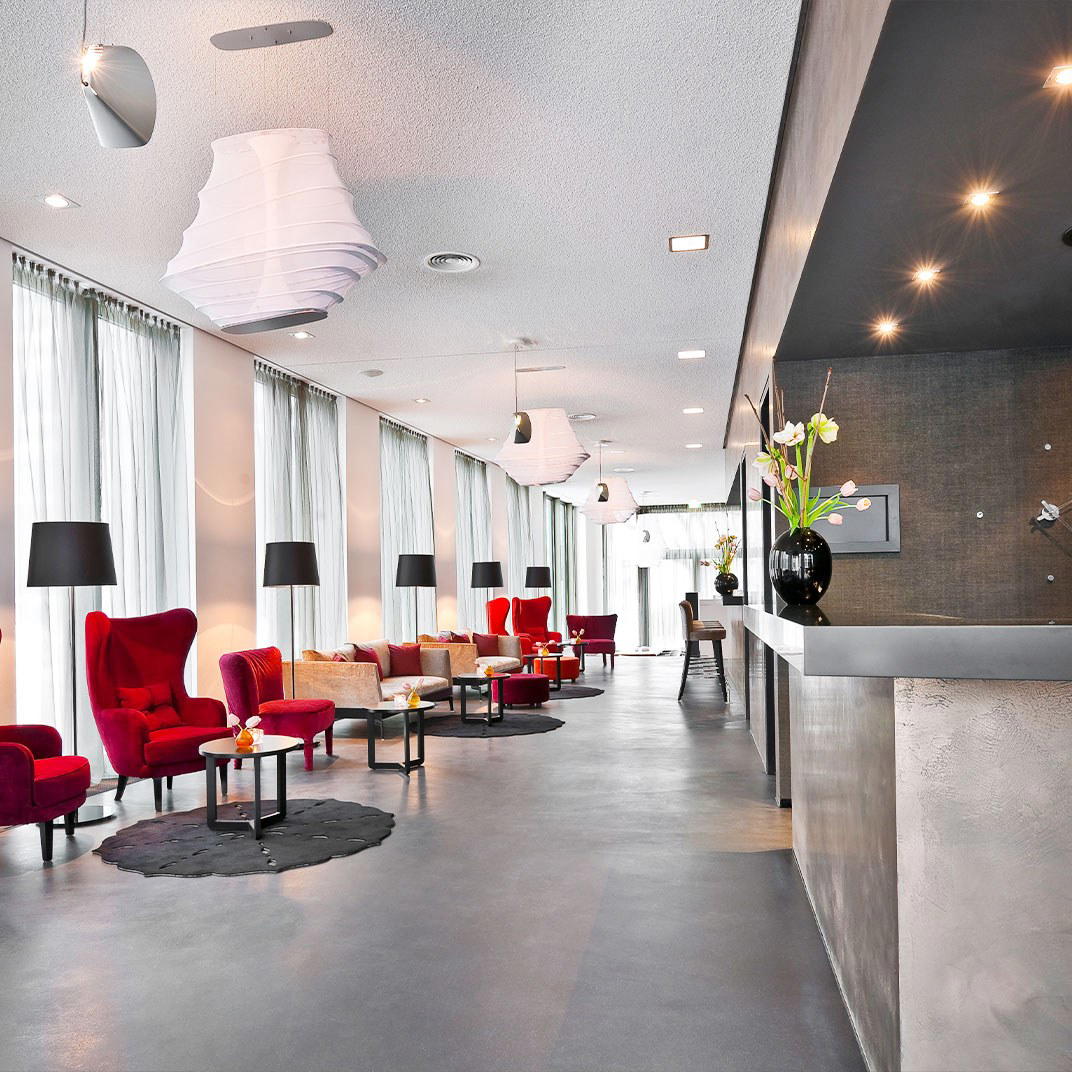
Warm and cozy with wooden elements, jungle-themed wallpaper, high stuccoed ceilings, and a friendly, relaxed atmosphere.