

Michelin Selected · National Geographic Hotel Awards Runner-up
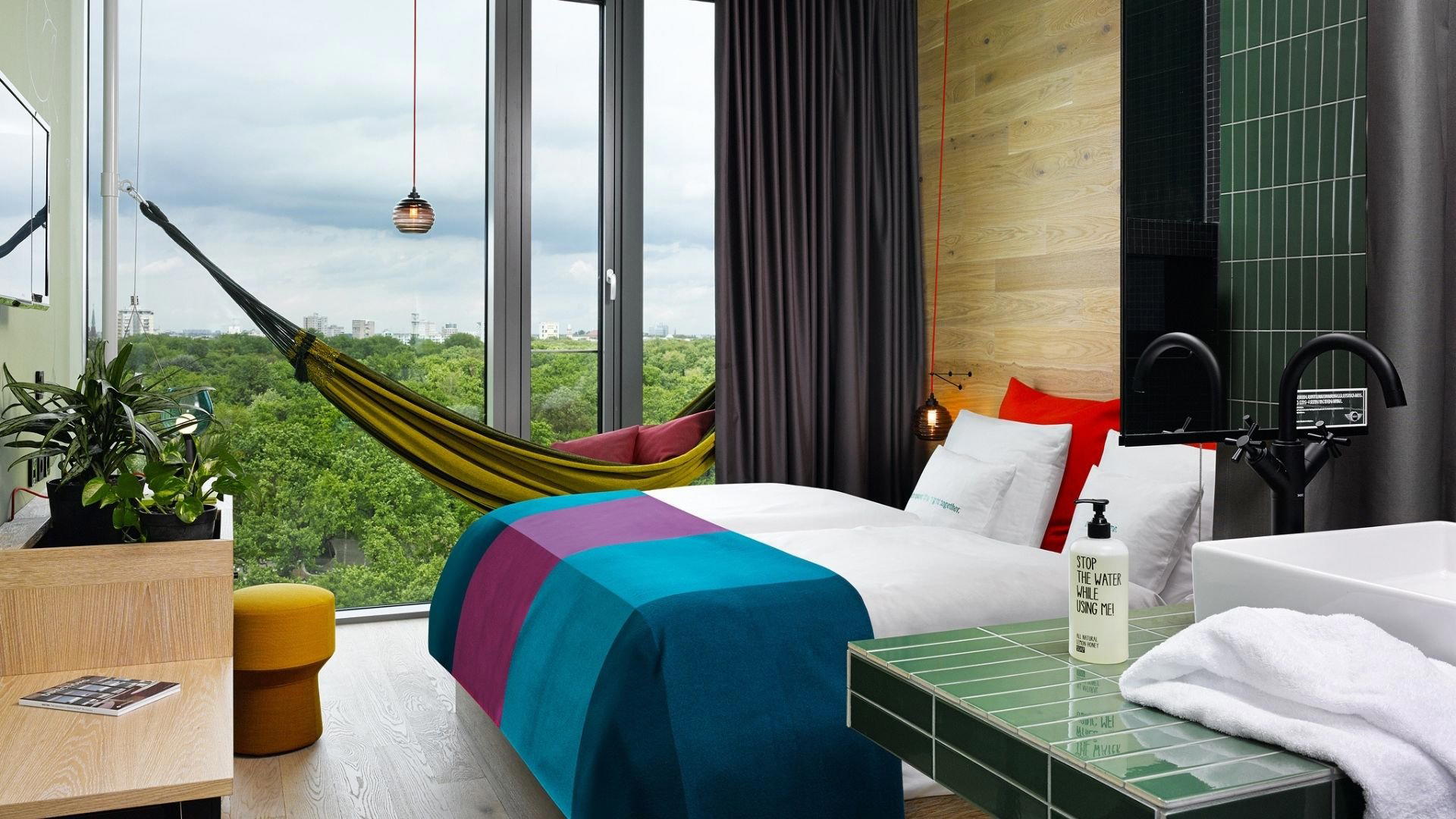
25hours Hotel Bikini Berlin occupies a mid-century structure on Budapester Strasse, positioned between the Berlin Zoo and the retail complex from which it takes its name. The hotel sits inside a neighbourhood that has cycled through Cold War division, post-reunification stagnation, and design-led revival, making its address one of the more historically layered in the western city. Guests arrive for the rooftop bar views over the zoo canopy and the hotel's position within walking distance of the Kurfürstendamm corridor.

Pearl is the En Primeur Club membership app, where members save venues, book tables and use the concierge.
A Building With More Lives Than Its Guests Might Expect
Budapester Strasse cuts through what Berliners still informally call the Citywestend, the commercial and cultural spine of the former West Berlin. In the years when the Wall divided the city, this corridor carried genuine metropolitan weight: the Kurfürstendamm a few minutes to the west, the Zoologischer Garten station connecting the western half to the wider transit network, and the cluster of institutions around Breitscheidplatz giving the neighbourhood something close to a civic identity. The Bikini Berlin complex, a mid-century ensemble completed in 1957, was part of that fabric from the beginning. Its name derives from the two-part structure of the building itself, a concept sometimes compared to the two-piece swimsuit introduced to Europe in the same postwar decade, though the building's architects had urban zoning and light passage in mind rather than fashion.
25hours Hotel took over the upper floors of that structure and opened its Berlin property here, a decision that placed the brand inside a building with genuine historical memory rather than purpose-built hospitality infrastructure. That distinction matters in Berlin's hotel market, where the gap between adaptive reuse with real site history and new-build lifestyle branding has widened considerably over the past decade. Properties like Hotel de Rome, which occupies a former Dresdner Bank headquarters on Bebelplatz, and Telegraphenamt, converted from a nineteenth-century telegraph office, represent the upper tier of that adaptive reuse category. 25hours Bikini sits in the same structural tradition, though at a different price point and with a more deliberately informal register.
The Citywestend Context: What This Neighbourhood Actually Offers
The area around the Berlin Zoo has spent much of the post-reunification period in the shadow of Mitte's recovery. As Hackescher Markt filled with galleries and Prenzlauer Berg developed its residential cachet, the Zoologischer Garten neighbourhood retained a rougher, more transit-oriented character. That began to shift meaningfully in the 2010s, when the Bikini Berlin concept store complex opened at ground level and the broader Breitscheidplatz zone attracted new investment. The result is a neighbourhood that now reads as mixed rather than purely commercial: the zoo and its animal sounds filtering through windows facing east, the Kaiser Wilhelm Memorial Church standing bombed-open as a deliberate memorial a few hundred metres away, and the Kurfürstendamm still operating as the retail axis of the western city.
For guests oriented toward design retail, the Bikini Berlin concept mall directly below offers a different curation from the chain-dominated Ku'damm. For those interested in the Cold War geography of divided Berlin, the neighbourhood is more instructive than the more tourist-processed sections of Mitte, where the history has been smoothed into signage and memorial parks. The Zoologischer Garten station itself, featured in Christiane F.'s account of 1970s West Berlin street life and later in the film adaptation, gives the immediate surroundings a specific documentary reference that most Berlin hotels cannot claim from their front step.
Where the Property Sits in the Berlin Hotel Market
Berlin's hotel market has split along broadly predictable lines. At the formal luxury end, properties like The Ritz-Carlton, Berlin near Potsdamer Platz and Patrick Hellmann Schlosshotel in Grunewald operate with classical service models and substantial room counts. At the design-led, mid-to-upper-midscale tier, the 25hours brand competes with properties like Roomers Berlin Steinplatz and Château Royal Berlin for guests who prioritise visual identity and bar culture over formal amenities. Casa Camper Berlin and Adina Apartment Hotel Berlin Hackescher Markt serve adjacent demand in Mitte, though with different brand identities and neighbourhood contexts.
25hours as a group has built its position around themed properties with strong rooftop or social-space programming. The Bikini property's rooftop bar, facing the zoo canopy, represents the clearest competitive differentiator within West Berlin's accommodation options at its price bracket. Few addresses in the city offer an unobstructed view of tree cover and animal enclosures from a bar setting, and the seasonal draw of that terrace during Berlin's summer months pulls both hotel guests and external visitors. The view is documented across travel media and has become the primary image associated with the property.
Rooms and Format: What the Building Allows
The mid-century structure shapes what the rooms can offer. Guests in zoo-facing rooms get the canopy views that drive most of the property's visual identity; city-facing rooms trade that specific outlook for a more conventional urban aspect toward the Ku'damm corridor. The 25hours brand operates with a self-consciously playful design vocabulary across its portfolio, and the Bikini property applies that approach to the postwar concrete bones of the Bikini Berlin building. Rooms with zoo exposure consistently draw more attention from guests planning around the rooftop and terrace experience, making them the more requested category despite occupying the same general price tier as city-facing alternatives.
Planning a Stay: Practical Orientation
The hotel sits at Budapester Str. 40, directly adjacent to the Zoologischer Garten S-Bahn and U-Bahn station, one of Berlin's principal transit hubs with direct connections to the main train station and Tegel's replacement services. That transit position makes the property more accessible from Berlin's outer neighbourhoods and from arrivals via the city's rail network than many Mitte addresses, which require a U-Bahn transfer. The Kurfürstendamm shopping axis is a short walk west; the Tiergarten park, one of the city's primary green spaces at over two square kilometres, is accessible on foot heading east. For those comparing design-led options across Germany more broadly, reference points might include Das Kranzbach Hotel for a rural wellness contrast, or Excelsior Hotel Ernst in Cologne for a different German city base. Germany's full upper-tier hotel range also includes Schloss Elmau in Bavaria, Fairmont Hotel Vier Jahreszeiten in Hamburg, Althoff Seehotel Überfahrt in Rottach-Egern, Hotel Bareiss in Baiersbronn, and Breidenbacher Hof in Düsseldorf, each serving distinct formats and regions. Further afield, The Fifth Avenue Hotel in New York and Aman New York illustrate how the design-led adaptive reuse category operates at the ultra-luxury end in other markets, while Aman Venice represents the European equivalent. For a broader orientation to Berlin's dining and hospitality options, see our full Berlin restaurants guide. The rooftop bar operates seasonally with peak demand from May through September; arriving outside that window shifts the property's main draw toward the zoo-view rooms and the building's architectural character rather than outdoor terrace access.
City Peers
A quick peer list to put this venue’s basics in context.
| Venue | Price | Awards |
|---|---|---|
| 25hours Hotel Bikini BerlinThis venue (the venue you are viewing) | $100–200 | Michelin Selected · National Geographic Hotel Awards Runner-up |
| The Ritz-Carlton, Berlin | $300–500 | 2 Michelin Keys · La Liste Top Hotels |
| Waldorf Astoria Berlin | $300–500 | 2 Michelin Keys · Michelin Guide New Hotels New Hotel |
| Hotel de Rome | $750–1,000 | 2 Michelin Keys · La Liste Top Hotels |
| Patrick Hellmann Schlosshotel | $100–200 | 2 Michelin Keys · La Liste Top Hotels |
| Telegraphenamt | $300–500 | 2 Michelin Keys |
Recognition history
Dated appearances from independent guides and award organizations, with the underlying list record or original source where available.
Michelin Selected
Michelin
National Geographic Hotel Awards Runner-up
National Geographic
Continue exploring
More in Berlin
Hotels in Berlin
All hotels in Berlin →
Bars in Berlin
All bars in Berlin →
Restaurants in Berlin
All restaurants in Berlin →

Details
- Trendy
- Modern
- Lively
- Whimsical
- Weekend Escape
- Rooftop Pool
- Panoramic View
- Terrace
- Wi Fi
- Sauna
- Skyline
- Garden
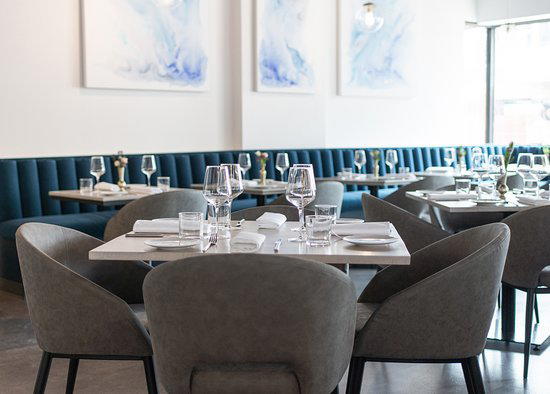
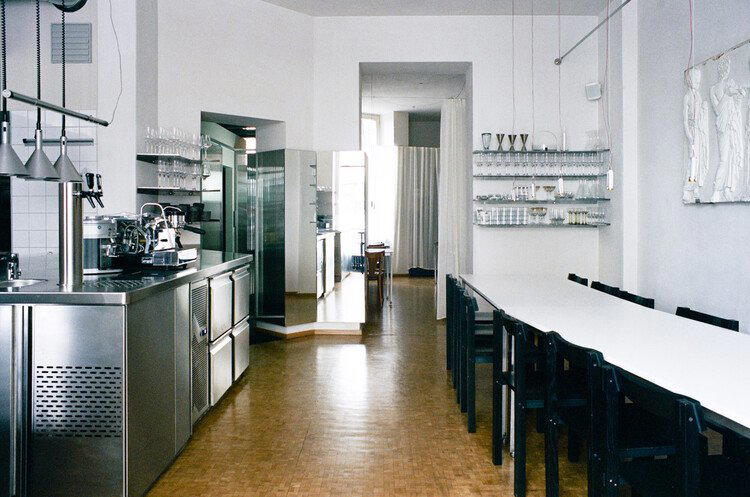
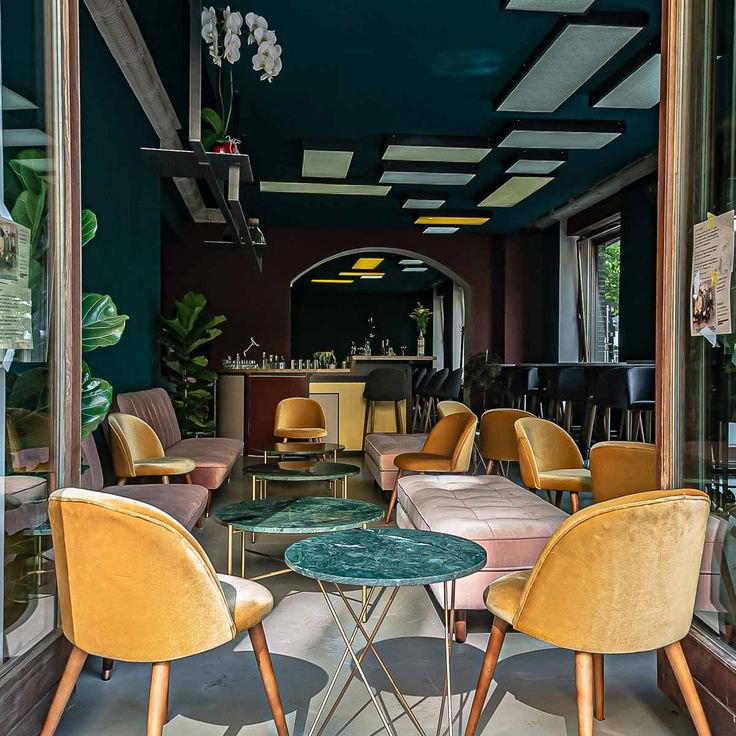
Playful urban jungle atmosphere blending industrial chic with lush greenery, natural materials, cozy library capsules, and mirrored surfaces reflecting city and park views.