
World Luxury Hotel Awards WLHA Regional Winner
Awarded both Regional Winner for Luxury Lifestyle Hotel and Country Winner for Luxury Business Hotel, the Radisson Collection Hotel Berlin occupies Karl-Liebknecht-Strasse 3 at the edge of Museum Island, placing it inside one of the city's most historically loaded addresses. The property competes in the upper tier of Berlin's full-service hotel market, drawing business and leisure travellers who want central positioning without the formal stuffiness of some legacy competitors.

Pearl is the En Primeur Club membership app — saves, bookings, and concierge access live there. Same editors, same standards.
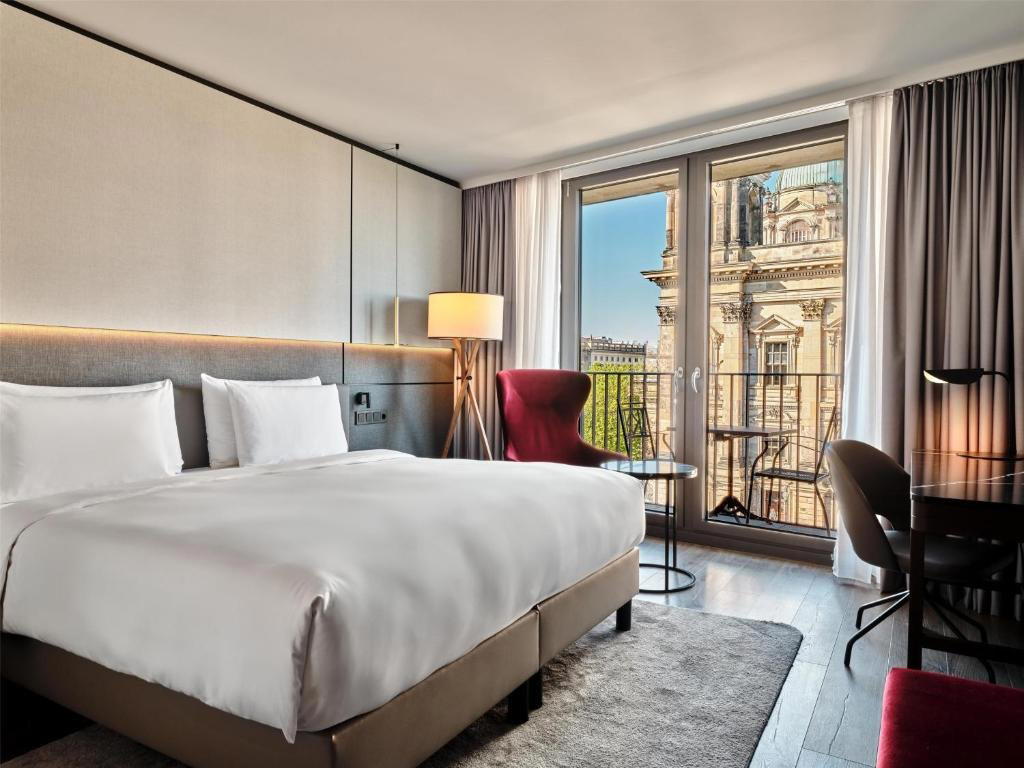
Where Berlin's History Meets Its Hotel Upper Tier
Karl-Liebknecht-Strasse 3 is not a quiet address. The street runs along the southern flank of Museum Island, past the Berlin Cathedral, and directly toward the former East Berlin grid that still carries the weight of twentieth-century architecture on both sides. Hotels in this zone inherit that context whether they want to or not, and the positioning shapes what guests experience before they reach reception. The Radisson Collection Hotel sits at that intersection, operating as one of Berlin's double-award-holding properties in a market where the competition between full-service hotels has compressed significantly over the past decade.
The Berlin luxury hotel market has split broadly into two camps: legacy properties with address prestige built over generations, and newer or repositioned entrants making a case on design, programming, or location specificity. The Radisson Collection's dual recognition — Regional Winner for Luxury Lifestyle Hotel and Country Winner for Luxury Business Hotel — places it in a category that bridges both. That kind of double designation is relatively uncommon. It signals a property that performs credibly across both the corporate and leisure segments rather than optimising for one at the expense of the other.
Berlin's upper-tier hotel cluster includes properties with very different competitive identities. Hotel de Rome operates from a converted Dresdner Bank building on Bebelplatz, drawing on architectural heritage as its primary differentiator. Patrick Hellmann Schlosshotel occupies a villa in Grunewald, positioning itself at the quieter, more residential end of luxury. The Ritz-Carlton, Berlin anchors Potsdamer Platz with the brand gravity that comes from a century-old name. Telegraphenamt operates as a design-forward independent. What makes the Radisson Collection's position notable is the Museum Island address, which concentrates a specific kind of traveller: someone for whom proximity to the Pergamon, the Altes Museum, and the Bode Museum is not incidental but central to why they booked Berlin at all.
That traveller profile has consequences for how a stay here unfolds. Cultural programming, morning access to the island before crowds build, and the visual relationship between the hotel and the surrounding built environment matter more here than in a Potsdamer Platz or Kurfürstendamm address. The Roomers Berlin Steinplatz and 25hours Hotel Bikini Berlin cater to a Charlottenburg-facing crowd with different priorities. The Museum Island location is a different proposition entirely.
A Stay Structured Like a Programme
Think of a stay at the Radisson Collection Berlin less as a sequence of amenity checkboxes and more as a sequence of encounters with the city, each staged from a fixed point of geographic advantage. The morning begins with one of the densest cultural concentrations in Europe accessible on foot. The Pergamon Museum alone justifies a day; the surrounding island fills several more. Midday and afternoon offer the contrast of Mitte's restaurant and gallery circuit, which has expanded considerably along Auguststrasse and into the side streets north of the hotel. By evening, the area around Hackescher Markt, reachable from the hotel without a taxi, gives access to Berlin's more considered dining and bar culture. Properties like the Adina Apartment Hotel Berlin Hackescher Markt and Casa Camper Berlin are also positioned in this orbit, which gives a sense of how the neighbourhood functions as a self-contained zone for extended stays.
For a broader picture of what Berlin's dining and nightlife circuit looks like from this part of the city, the EP Club Berlin guide maps the neighbourhood's character across multiple categories. The Museum Island zone is notably distinct from Prenzlauer Berg or Kreuzberg, operating at a lower temperature but with higher density of daytime cultural programming.
The Business Case and the Leisure Case
Dual awards across lifestyle and business categories are not typically handed to the same property. The logistics of serving both segments well are genuinely difficult: corporate travellers want reliable infrastructure, meeting capacity, and connectivity; leisure guests want atmosphere, neighbourhood immersion, and design that doesn't read as corporate. The Country Winner designation for Luxury Business Hotel in particular implies that the hotel performs against a national competitive set, not just a Berlin peer group. That is a meaningful distinction in Germany, where business travel infrastructure across cities like Frankfurt, Munich, Hamburg, and Düsseldorf is sophisticated. Properties like the Fairmont Hotel Vier Jahreszeiten in Hamburg and the Excelsior Hotel Ernst in Cologne represent the kind of long-established competition at the national level against which that designation is earned.
Germany's wider luxury hotel circuit runs from alpine retreats like Schloss Elmau and Althoff Seehotel Überfahrt in Rottach-Egern to wine-country properties like Hotel Ketschauer Hof in Deidesheim and spa-focused retreats like Das Kranzbach Hotel. Urban business hotels occupy a separate sub-segment of that national market, where the Radisson Collection's country-level recognition carries specific weight. For context on how Germany's full-service hotel tiers compare across regions, properties such as Hotel Bareiss in Baiersbronn, Breidenbacher Hof Düsseldorf, BUDERSAND Hotel in Hörnum, Bülow Palais in Dresden, Der Öschberghof in Donaueschingen, Esplanade Saarbrücken, and Gut Steinbach Hotel Chalets Spa in Reit im Winkl provide useful reference points across different formats and regions.
Planning a Stay
The hotel sits at Karl-Liebknecht-Strasse 3, placing it within walking distance of Museum Island's main entrances and a short distance from the S-Bahn connections at Hackescher Markt and Alexanderplatz. For those comparing the Berlin address against the Radisson Collection's international positioning, properties like The Fifth Avenue Hotel in New York City and Aman New York illustrate how urban luxury hotels at central addresses compete on location specificity as much as on room product. The same logic applies in Berlin: the address does significant work here, and that's worth accounting for in any booking decision. For European city comparisons, Aman Venice offers a parallel example of a property where the surrounding cultural infrastructure is as much part of the offer as what happens inside the building.
Cost and Credentials
Comparable venues nearby, for context on price, style, and recognition.
| Venue | Price | Awards | Notes |
|---|---|---|---|
| Radisson Collection Hotel, BerlinThis venue — the venue you are viewing | Not listed | World Luxury Hotel Awards WLHA Regional Winner | Not listed |
| Regent Berlin | Not listed | Not listed | Mitte, Classic luxury with modern architecture and historic significance |
| The Westin Grand Berlin | $200–300 | La Liste Top Hotels | Mitte, Classic charm meets modern luxury in the heart of Berlin |
| Dorint Kurfürstendamm Berlin | $200–300 | Michelin Selected | Charlottenburg, Contemporary Art Deco landmark fusing art, lifestyle, and French savoir-vivre. |
| Hotel Bristol Berlin | $200–300 | Forbes Recommended | Charlottenburg, Historic luxury hotel blending Berlin's architectural heritage with contemporary comfort and refined service. |
| Hotel Luc, Autograph Collection | $200–300 | Michelin Selected | Mitte, Contemporary Prussian elegance with local Berlin ease |
Recognition history
Dated appearances from independent guides and award organizations, with the underlying list record or original source where available.
World Luxury Hotel Awards WLHA Regional Winner
World Luxury Hotel Awards
Full recognition history (2 entries)
World Luxury Hotel Awards WLHA Country Winner
World Luxury Hotel Awards
Continue exploring
More in Berlin
Hotels in Berlin
All hotels in Berlin →
Bars in Berlin
All bars in Berlin →
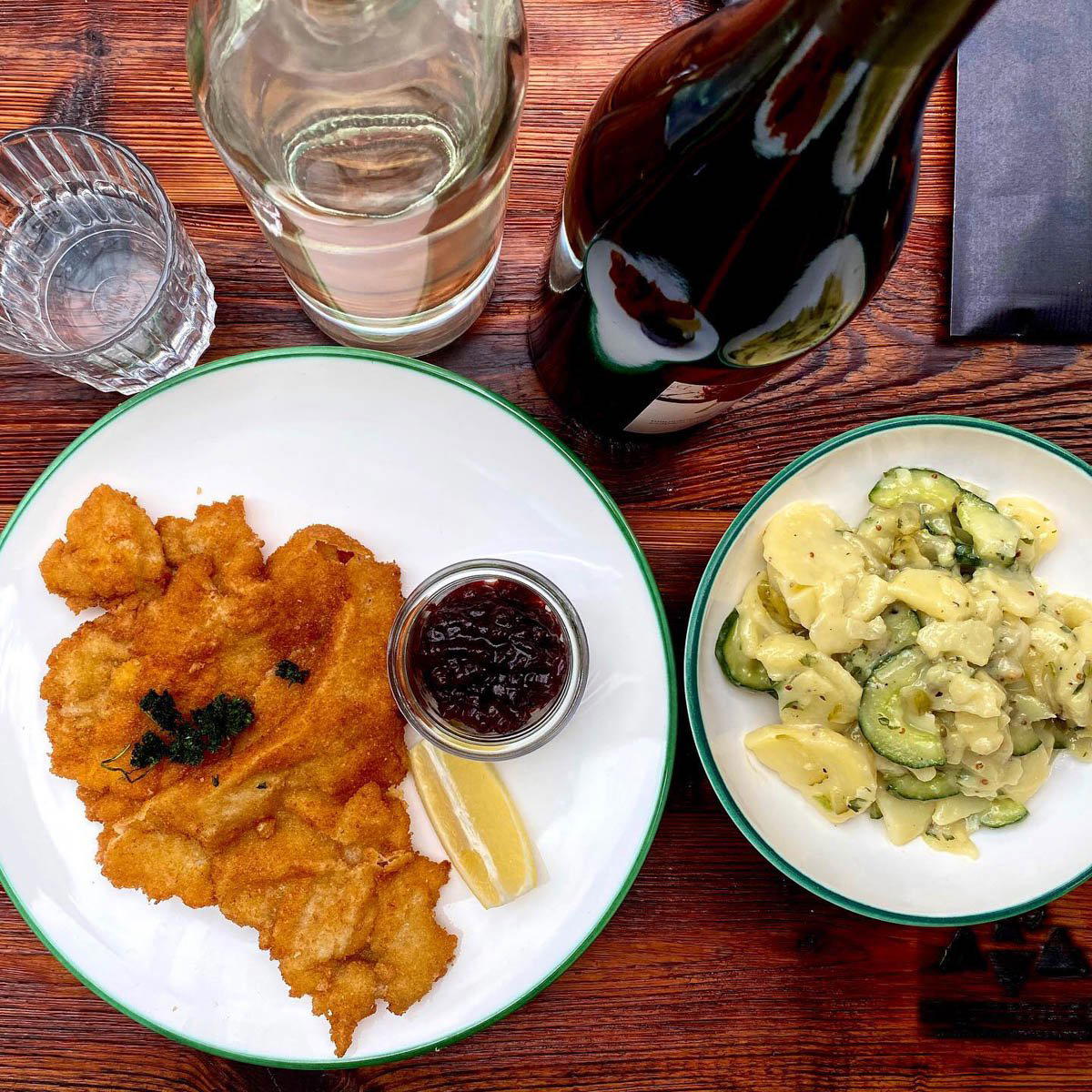
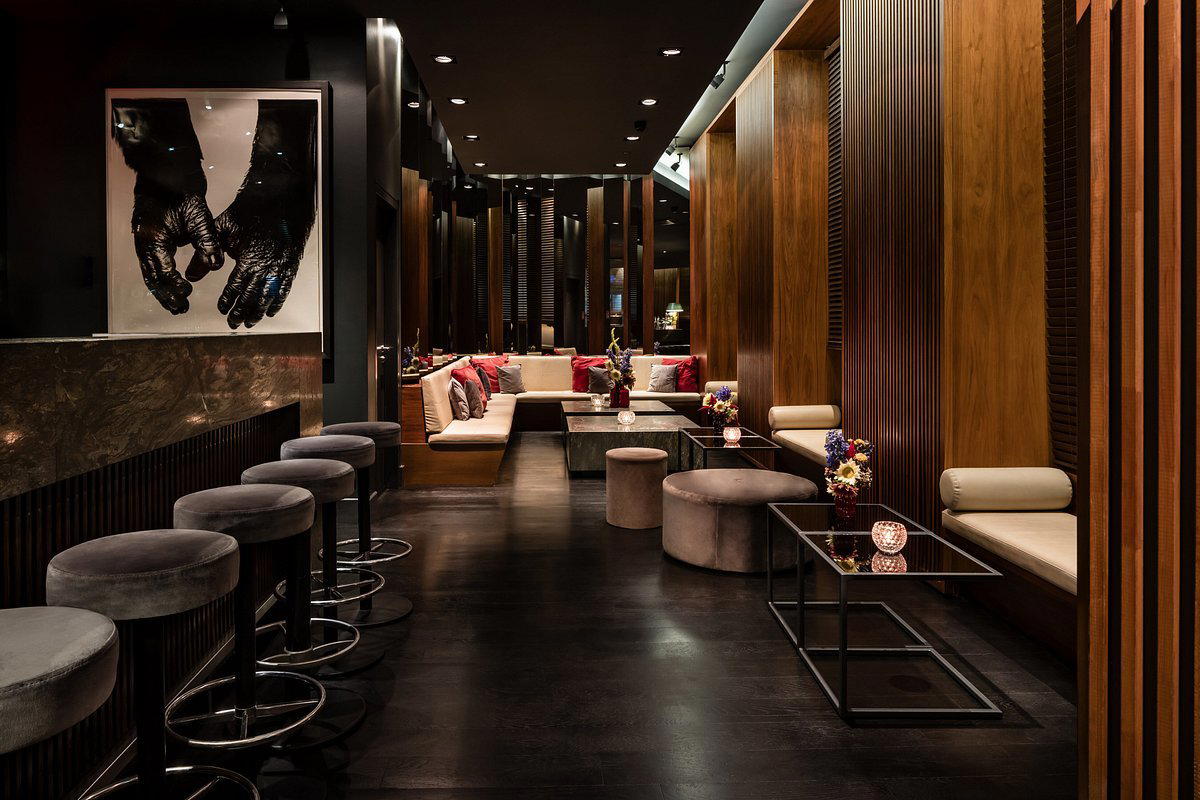
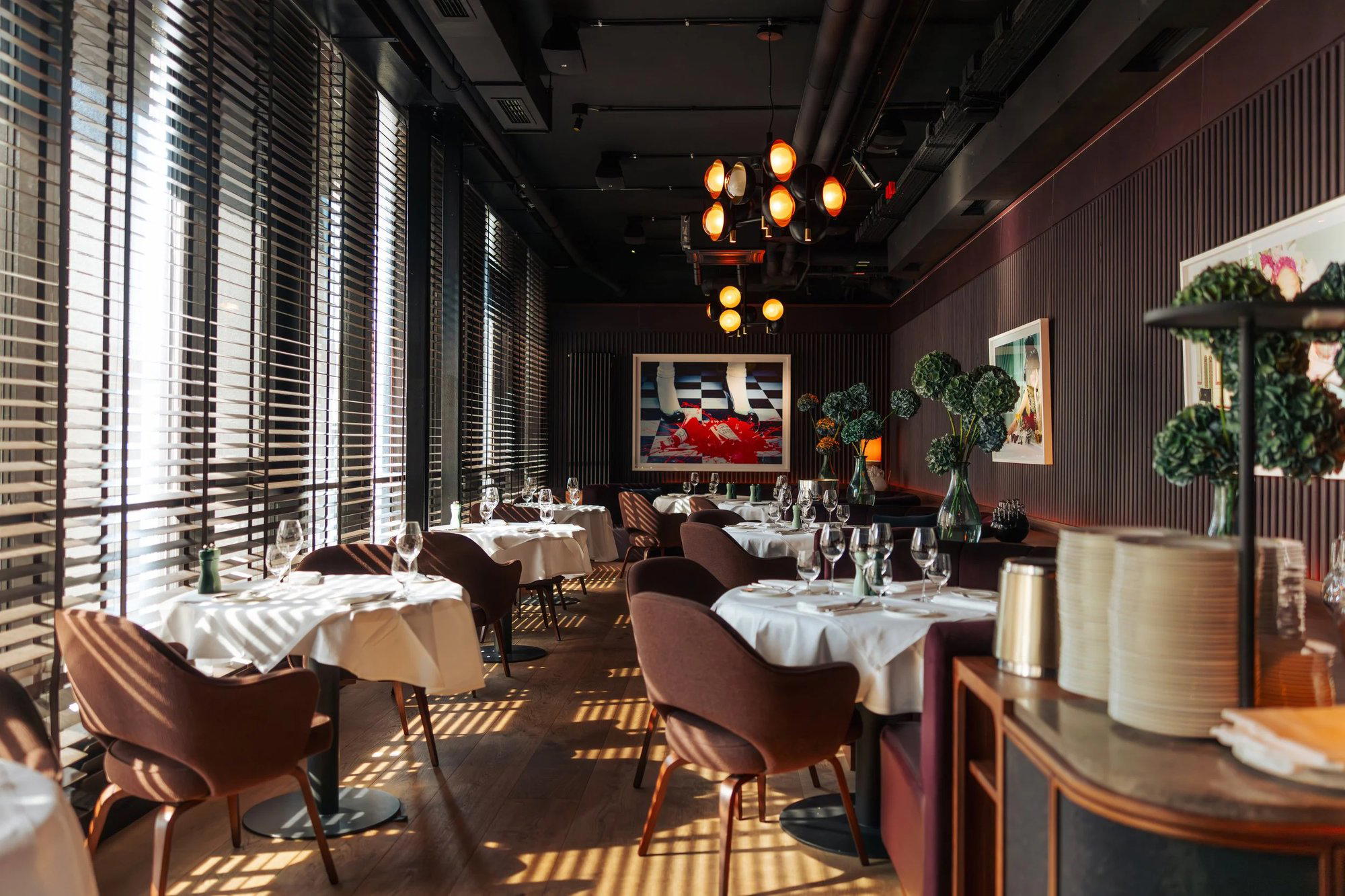
Restaurants in Berlin
All restaurants in Berlin →
Details
- Elegant
- Modern
- Sophisticated
- Well Known
- Business Trip
- Weekend Escape
- Celebration
- Historic Building
- Panoramic View
- Terrace
- Wi Fi
- Pool
- Spa
- Fitness Center
- Room Service
- Concierge
- Business Center
- Valet Parking
- EV Charging
- Skyline
- Waterfront
- Wheelchair Accessible
- Elevator
- Step Free Entrance
- Accessible Parking
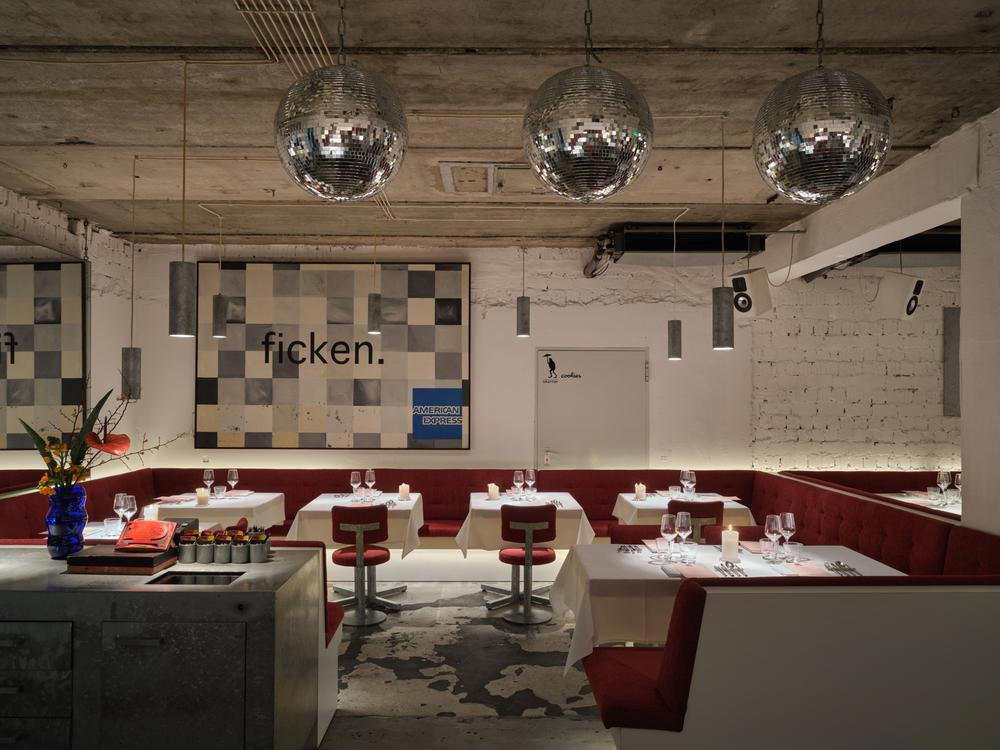
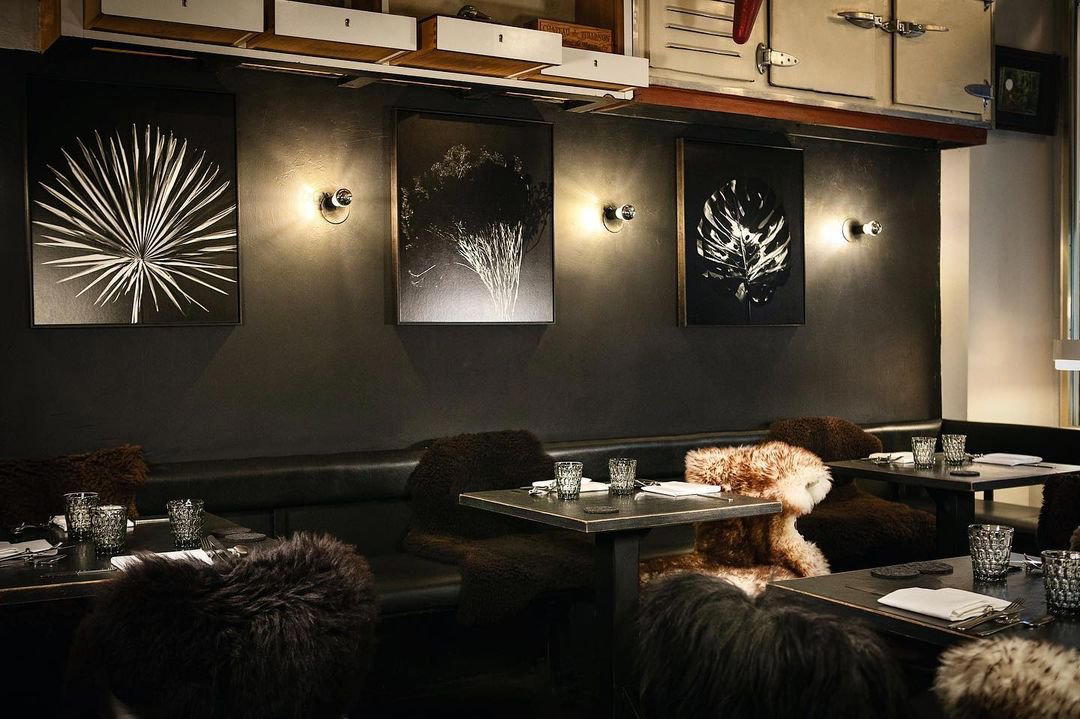
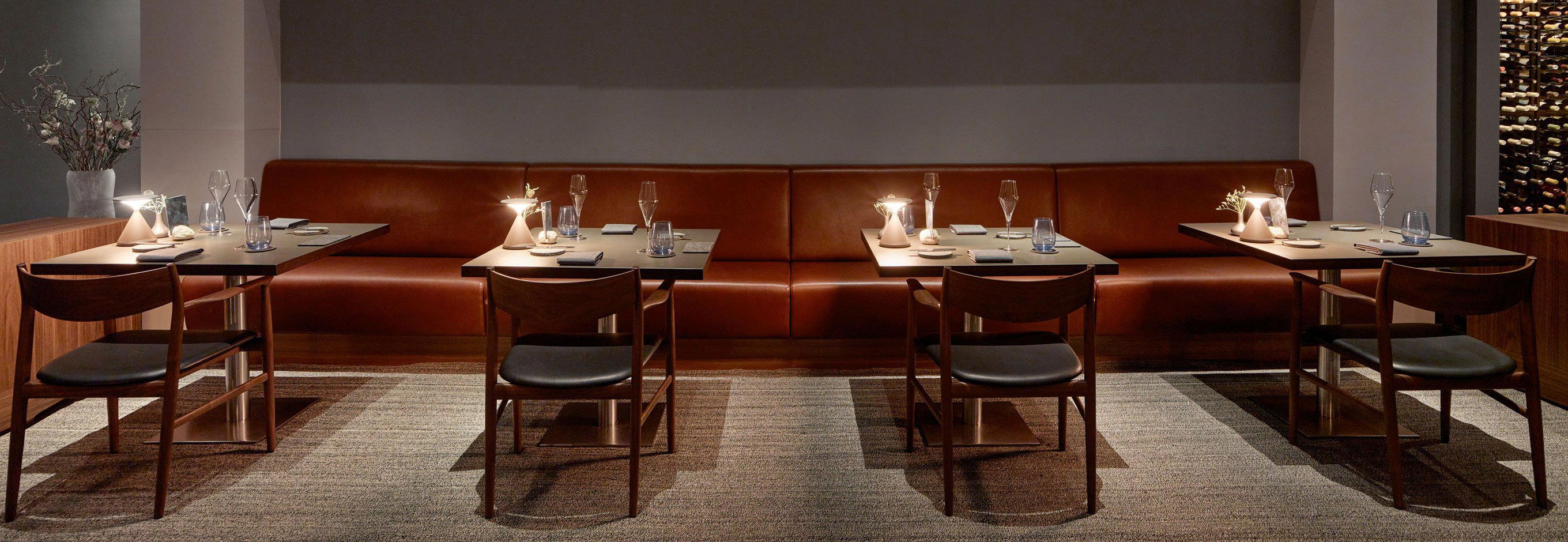
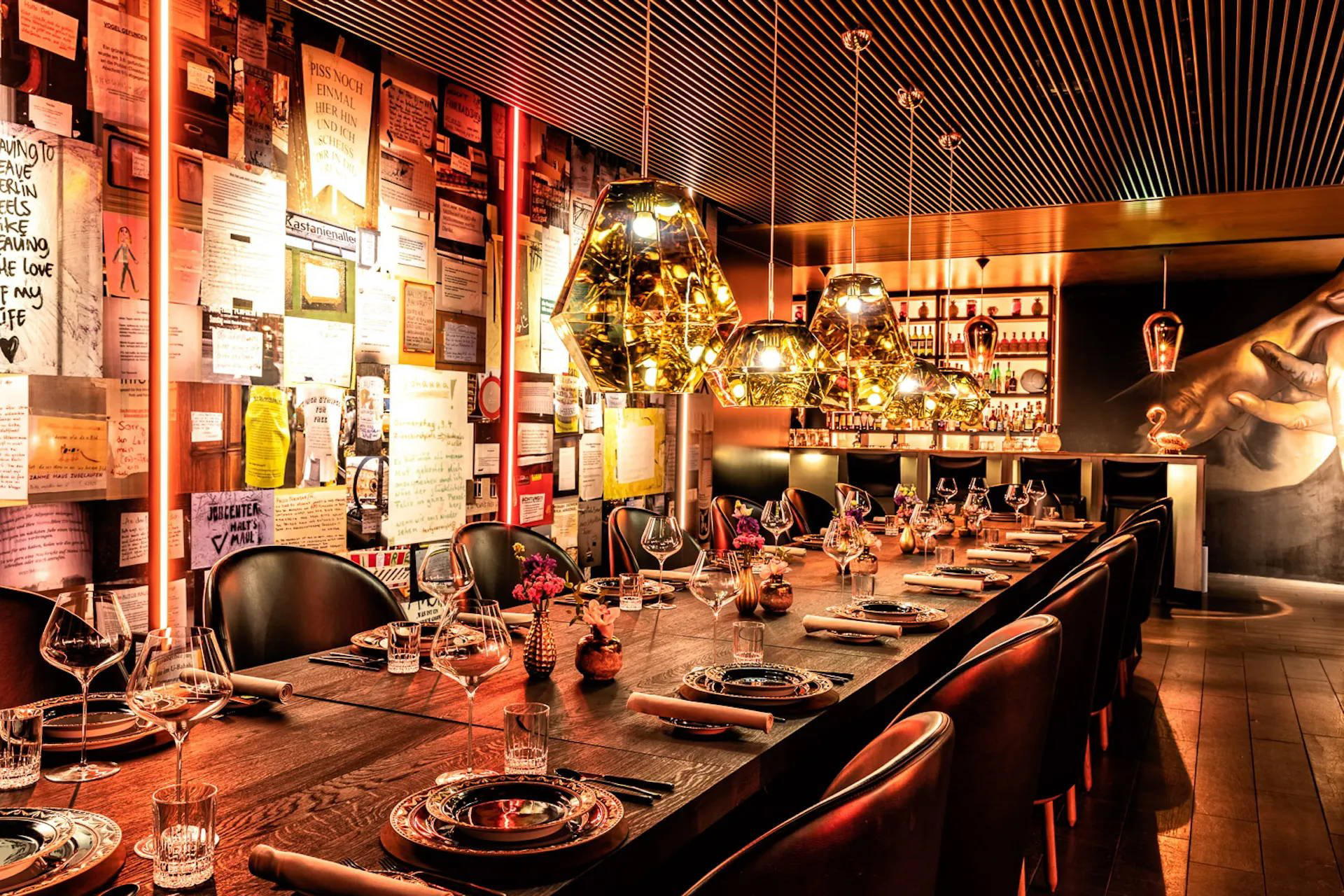
Elegant and modern atmosphere with warm wood tones, natural light, and serene wellness areas including spa, pool, and sauna, praised for quiet, soundproofed rooms.