

2 Michelin Keys · The Longevity Hotels Longevity Hotel Member
An hour from Munich in the Bavarian Alps, Das Kranzbach is a four-season wellness retreat built around an architectural anomaly: a manor house commissioned by a British aristocrat in decidedly English country style. With 131 rooms across two distinct wings, a spa complex spanning five pools and multiple saunas, and a five-course dinner included in the rate, it earned Michelin 2 Keys recognition in 2024. Rates begin at 700 EUR per night; a two-night minimum applies.

Pearl is the En Primeur Club membership app, where members save venues, book tables and use the concierge.
An English Manor in the Bavarian Alps
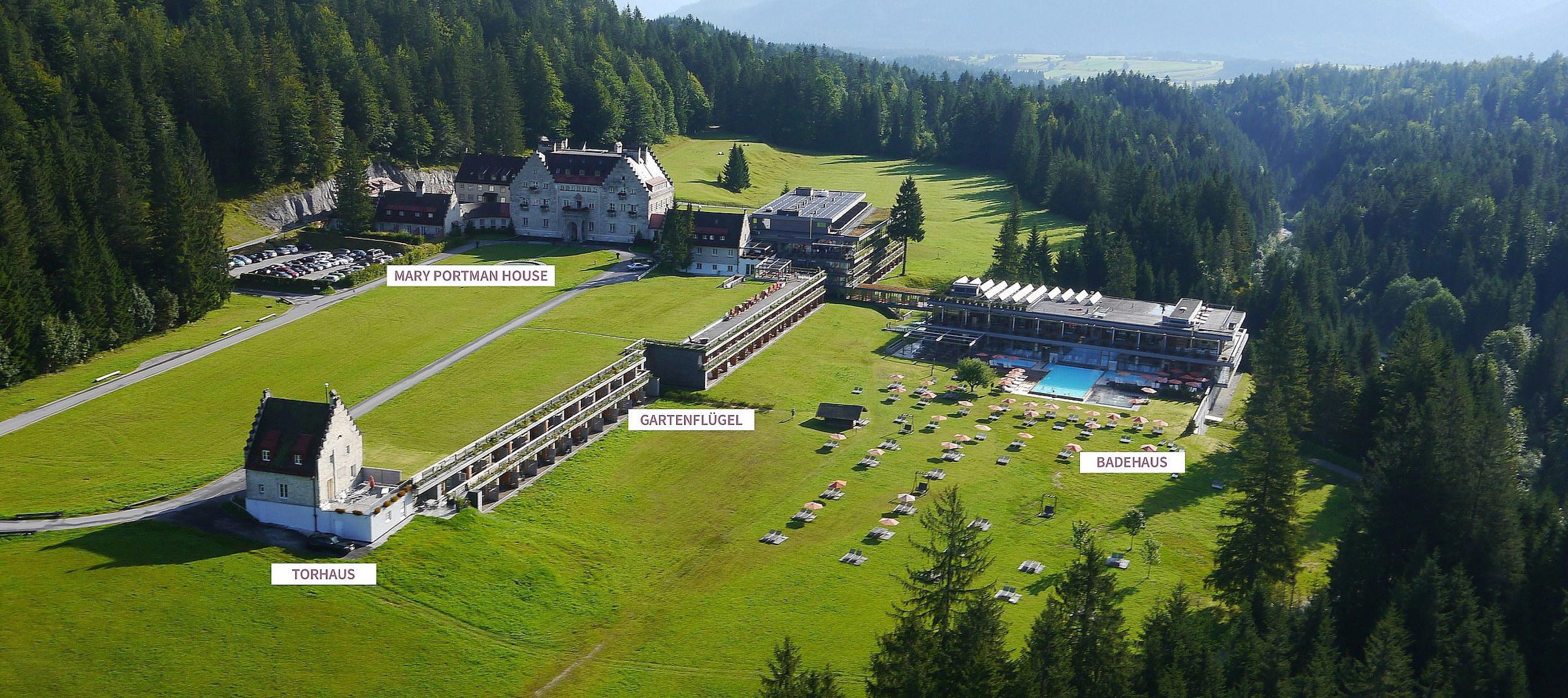
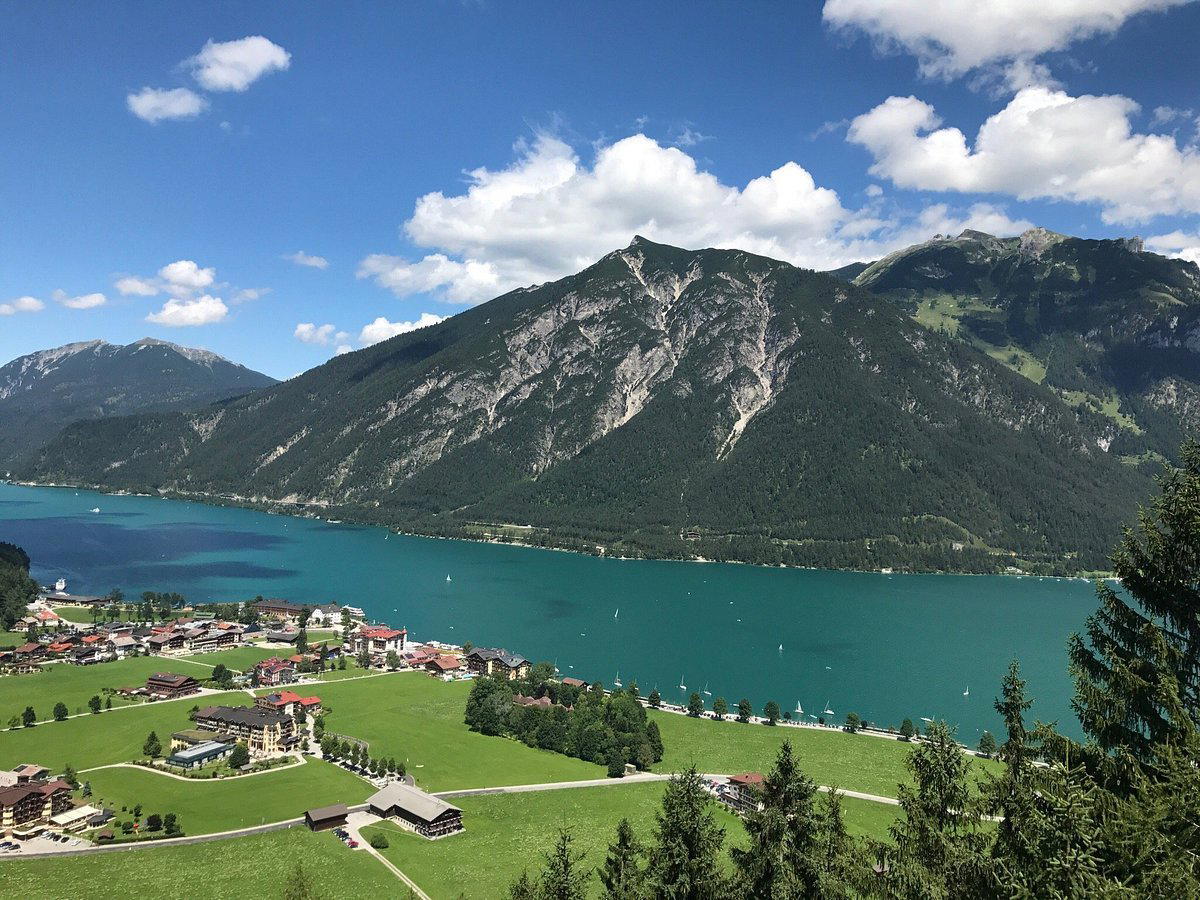
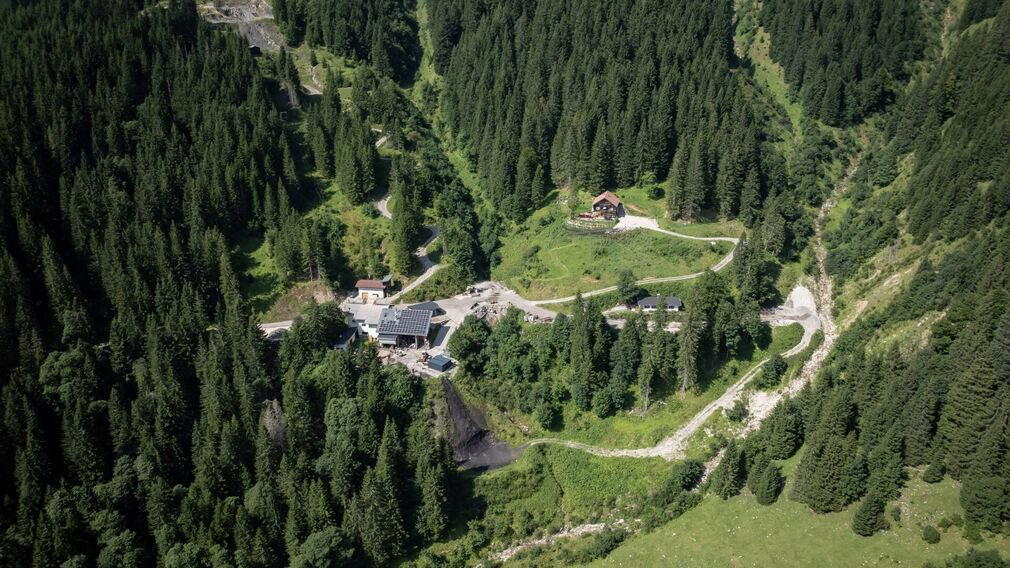
The approach to Das Kranzbach establishes the architectural tension before you've checked in. Rising against the limestone peaks of the Wetterstein range, roughly an hour's drive south of Munich along the road toward Krün, the main building reads as unmistakably English: a country manor of the Edwardian persuasion, with none of the timber-and-pitch vocabulary that defines the surrounding Bavarian vernacular. It was commissioned at the turn of the twentieth century by a young British aristocrat who wanted, in this remote Alpine setting, exactly the kind of retreat she might have found in the home counties. The result remains one of the more architecturally distinctive properties in Bavaria, a building that has spent more than a century being slightly out of place in the leading possible way.
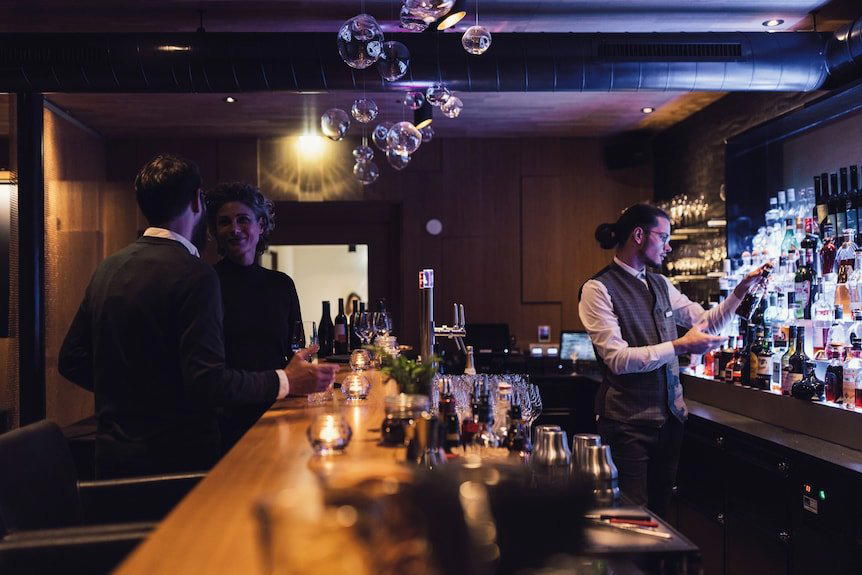
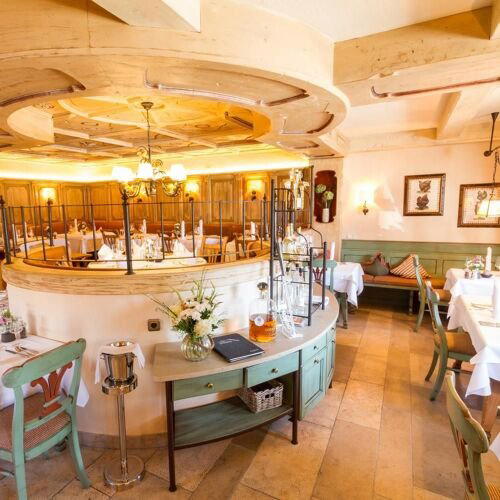
That founding design decision continues to shape the guest experience across 131 rooms and two very different architectural registers. The original manor carries the weight of that English heritage into its interiors, where the decorative choices lean into contrast rather than away from it. Clusters of hanging spherical lamps create an almost mid-century modernist counterpoint to the period structure; colour juxtapositions that look, on paper, like they should produce a headache instead produce something warmer and more considered. It is a particular kind of design confidence, the willingness to place objects in historical tension and trust the room to absorb it.
The Newer Wing and the Modern Bavarian Sensibility
The sixty-room annex added in recent years represents a different resolution to the same design problem. Where the manor house works through contrast, the newer wing works through reduction: a crisp wood-and-glass motif that draws on contemporary Bavarian craft traditions without self-consciously referencing them. The sensibility is close enough to high-end Scandinavian minimalism that the distinction matters mostly to people already interested in the argument. Both registers are coherent; both are contemporary. Guests booking at Das Kranzbach are therefore not choosing between old and new so much as between two distinct modes of sophisticated restraint.
The Michelin 2 Keys designation awarded in 2024 reflects a hospitality category that Michelin introduced to recognize properties where the overall guest experience, including design, service, and food, meets a specific standard of considered execution. At Das Kranzbach, the award is legible across the physical environment before it registers anywhere else.
What the Spa Actually Delivers
German wellness culture has a seriousness to it that separates it from the amenity-led spa floors that urban luxury hotels append as afterthoughts. At Das Kranzbach, the spa is the operational centre of the property. Five pools, half a dozen saunas and steam rooms, and a treatment programme that includes provisions specifically for expectant parents represent a scope that goes well beyond the standard weekend-detox offer. The surrounding landscape amplifies this: the Bavarian Alps provide cold-air walks, forest trails, and the particular quality of high-altitude light that is difficult to replicate with a diffuser and a salt wall.
The property markets itself explicitly as a four-season retreat rather than a winter sports hub, which is a meaningful distinction in this part of Bavaria. The region around Krün and the Karwendel range is dense with ski resorts, and properties that depend on that seasonal traffic tend to hollow out in spring and summer. Das Kranzbach's wellness positioning keeps demand more evenly distributed across the year, and the spa infrastructure is built accordingly. Winter guests can access the nearby ski terrain, but the hotel doesn't structure itself around that trade.
Among German properties operating in the wellness-and-nature category, Das Kranzbach occupies a different niche from resort-scaled competitors. Gut Steinbach Hotel Chalets Spa in Reit im Winkl and Wellness & Sport Hotel Jagdhof in Röhrnbach both operate in the Bavarian and Lower Bavarian Alpine frame; Das Kranzbach's English manor architecture and four-season positioning give it a more specific identity within that cluster.
Food as Structure, Not Spectacle
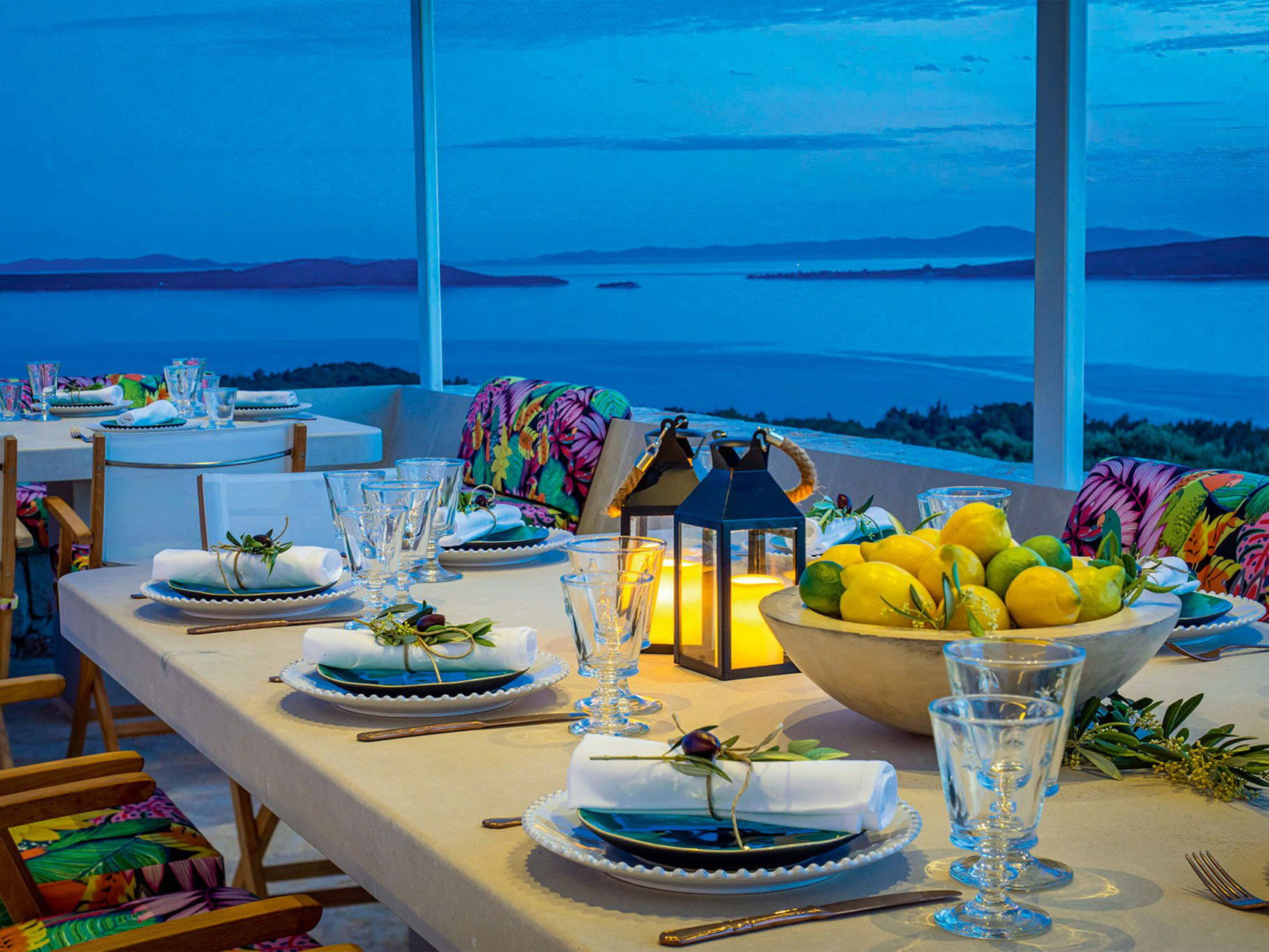
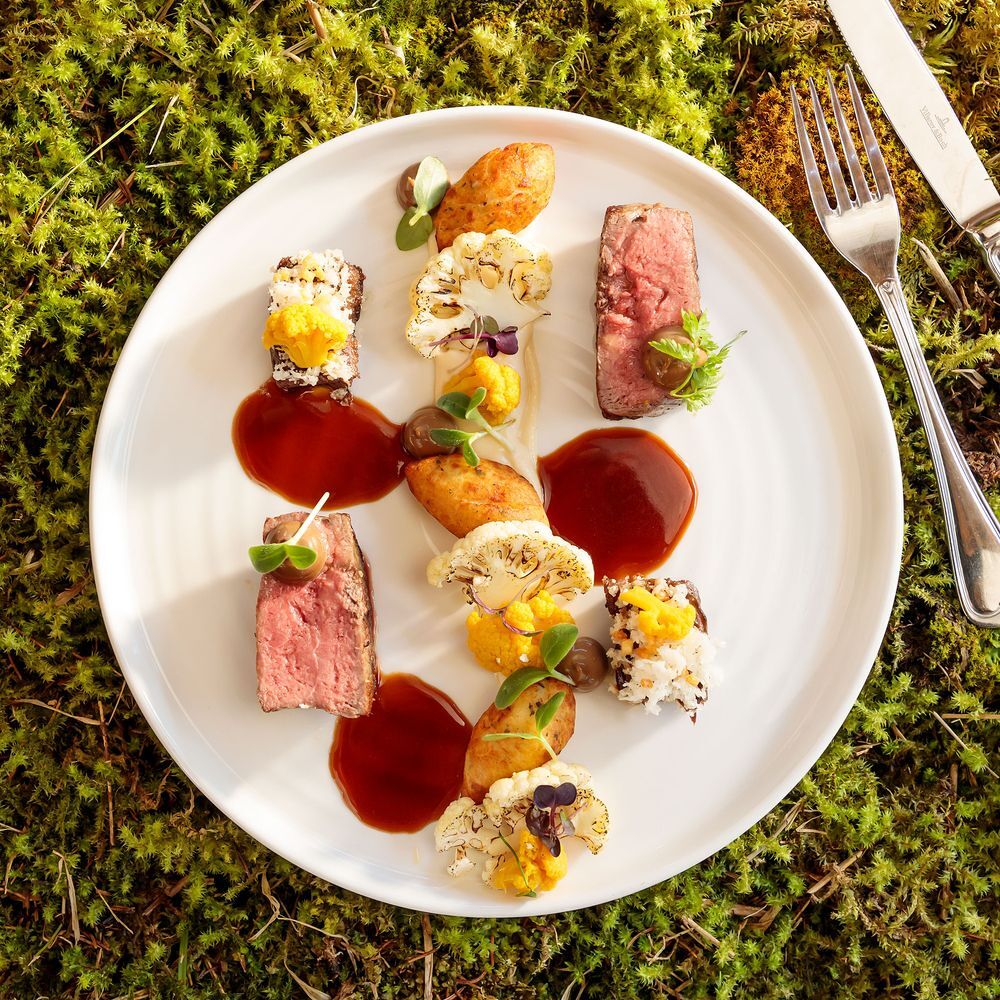
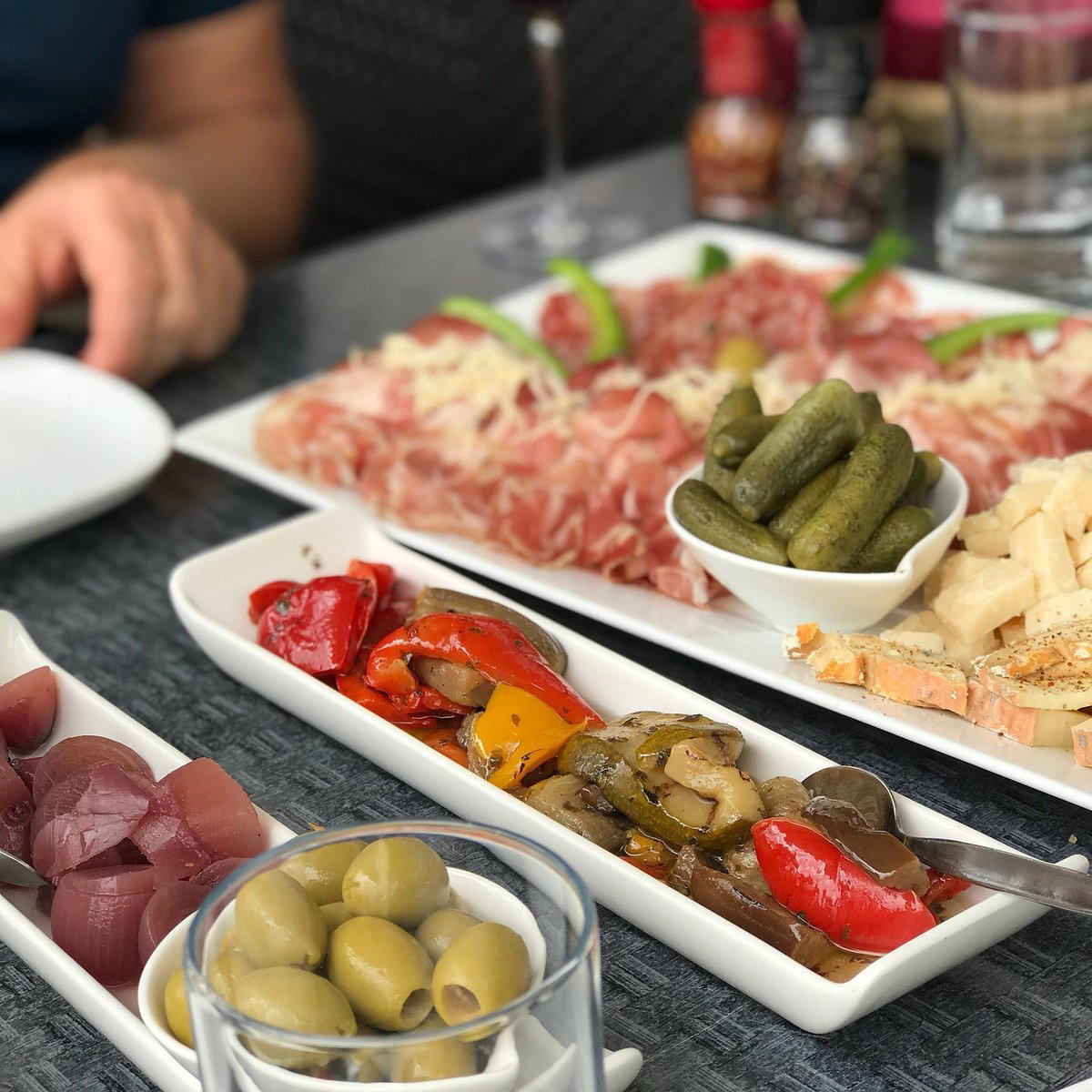
The food programme at Das Kranzbach functions as part of the retreat logic rather than as a standalone dining destination. A gourmet breakfast, lunch buffet, afternoon tea with cakes, and a five-course dinner are built into the experience, creating a rhythm of eating that suits a property where the day is organized around the spa rather than around restaurant reservations. This kind of full-board or near-full-board approach is less common in German luxury hotels than it once was, but it persists at properties where the design intent is genuinely about withdrawal from ordinary schedules. Five-course dinners in this context do not compete with urban fine dining on their own terms; they complete a different kind of day.
Properties at comparable German luxury tiers that emphasize food as a primary draw include Fairmont Hotel Vier Jahreszeiten in Hamburg and Excelsior Hotel Ernst in Cologne, both of which operate in urban contexts where the restaurant programme carries its own weight independently of the rooms. Das Kranzbach's model is structurally different: the food is designed to sustain rather than to headline.
Planning a Stay
Das Kranzbach requires a minimum two-night stay, which aligns with both the wellness programming logic and the travel effort involved in reaching Krün from Munich. Rates begin at 700 EUR per night and are confirmed on request rather than through a standard online booking engine, which means reservations are handled through a customer service process that allows the property to gather guest information in advance. This is not an unusual arrangement for smaller, programme-heavy retreats, where pre-arrival coordination affects what awaits at check-in.
For guests flying into Munich, the transfer south takes approximately an hour under normal road conditions, making it accessible for a long weekend without requiring a domestic connection or significant pre-journey logistics. Other properties in the Munich orbit worth placing in comparison include Mandarin Oriental Munich in the city itself and Althoff Seehotel Überfahrt in Rottach-Egern, which sits on the Tegernsee and operates in a lakeside rather than mountain-retreat register.
For those building a broader German itinerary around architecturally distinctive or design-led properties, Hotel de Rome in Berlin, Bülow Palais in Dresden, and Breidenbacher Hof Düsseldorf each represent different inflections of the German luxury hotel tradition. Further afield in the wellness category, Luisenhöhe in Horben operates in the Black Forest with a health-resort emphasis, while Kempinski Hotel Berchtesgaden offers a mountain-facing alternative with a larger international brand infrastructure behind it. See our full Kranzbach restaurants and hotels guide for additional context on the area.
Additional properties in the EP Club network for further comparison: Der Öschberghof in Donaueschingen, BUDERSAND Hotel in Hörnum, Villa Contessa in Bad Saarow, Weissenhaus Private Nature Luxury Resort in Weissenhaus, Esplanade Saarbrücken, LA MAISON in Saarlouis, Hotel Ketschauer Hof in Deidesheim, Landhaus Stricker in Sylt, Aman New York, The Fifth Avenue Hotel in New York City, and Aman Venice.
Side-by-Side Snapshot
Comparable venues nearby, for context on price, style, and recognition.
| Venue | Cuisine | Price | Awards | Notes |
|---|---|---|---|---|
| Das Kranzbach Hotel & Wellness RetreatThis venue (the venue you are viewing) | Contemporary classic design blending a 1913 English country house with modern wood-and-glass architecture set in pristine alpine meadow. | $500–750 | 2 Michelin Keys · The Longevity Hotels Longevity Hotel Member | Not listed |
| Parkhotel Egerner Höfe | Traditional elegance blended with modern luxury in the Bavarian Alps | $300–500 | 2 Michelin Keys | Rottach-Egern |
| Rosewood Munich | Contemporary residential elegance in historic Bavarian buildings | $1,000–1,500 | 2 Michelin Keys · Virtuoso Luxury Hotel Partner | Lehel |
| Kempinski Hotel Berchtesgaden | Modern alpine resort blending minimalist design with pristine Bavarian landscape | $500–750 | 2 Michelin Keys | Berchtesgaden |
| Gut Steinbach Hotel Chalets Spa | rustic country house with modern wellness chalets | Not listed | 2 Michelin Keys · Relais Chateaux Award | Reit im Winkl |
| Hotel Engel Obertal - Wellness & Genuss Resort | Luxury wellness resort set in the Black Forest mountains | Not listed | 1 Michelin Key | Buhlbach Valley |
Recognition history
Dated appearances from independent guides and award organizations, with the underlying list record or original source where available.
Michelin 2 Keys
Michelin
The Longevity Hotels Longevity Hotel Member
The Longevity Hotels
Full recognition history (4 entries)
Michelin 2 Keys
Michelin
Michelin 2 Keys
Michelin
Continue exploring
More in Kranzbach
Hotels in Kranzbach
All hotels in Kranzbach →
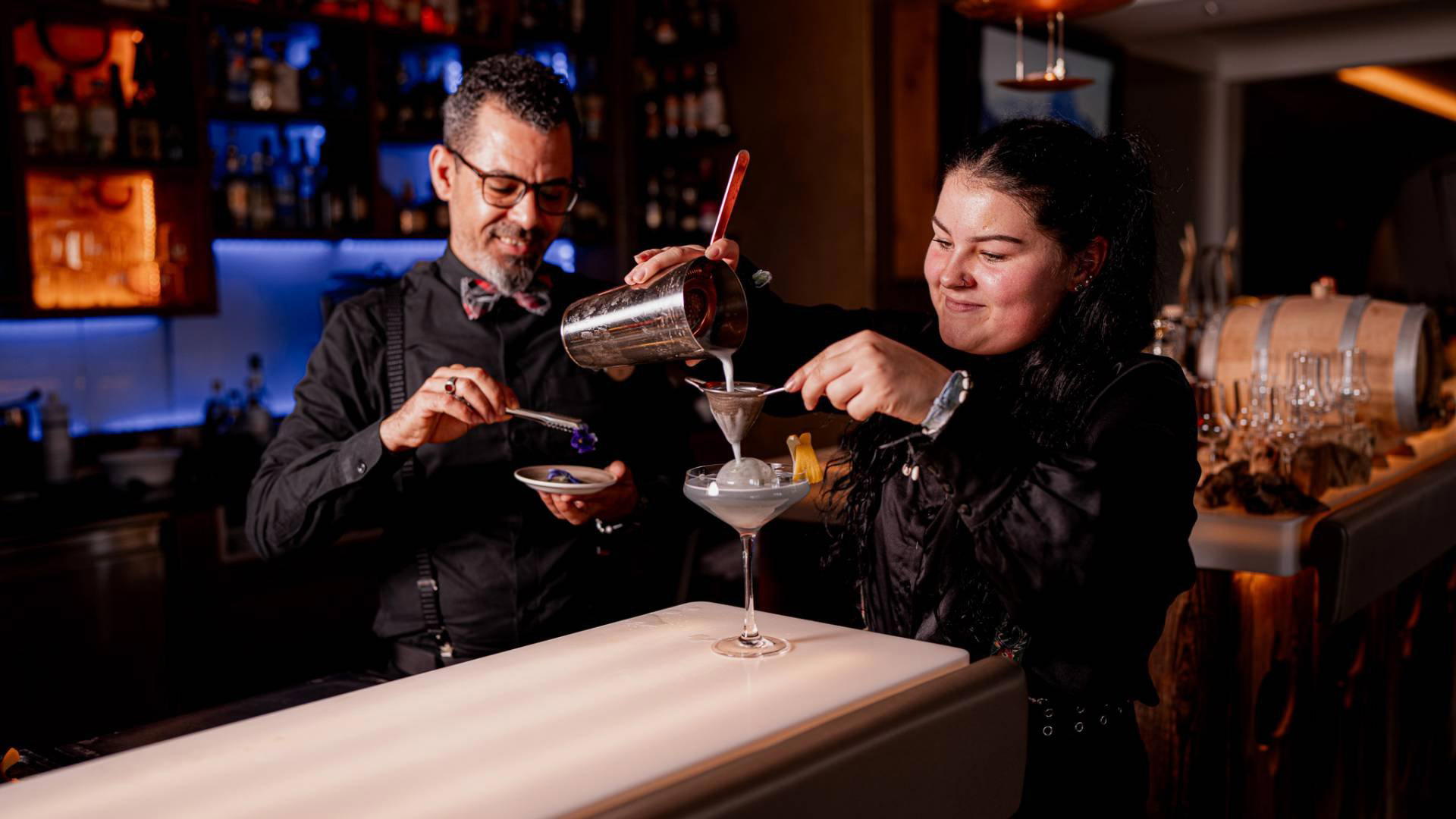
Bars in Kranzbach
Browse all →

Details
- Quiet
- Scenic
- Elegant
- Cozy
- Sophisticated
- Wellness Retreat
- Romantic Getaway
- Anniversary
- Destination Spa
- Panoramic View
- Historic Building
- Garden
- Terrace
- Design Destination
- Wi Fi
- Pool
- Spa
- Fitness Center
- Sauna
- Restaurant
- Bar
- Parking
- Concierge
- Business Center
- EV Charging
- Mountain
- Garden
- Elevator
- Accessible Parking
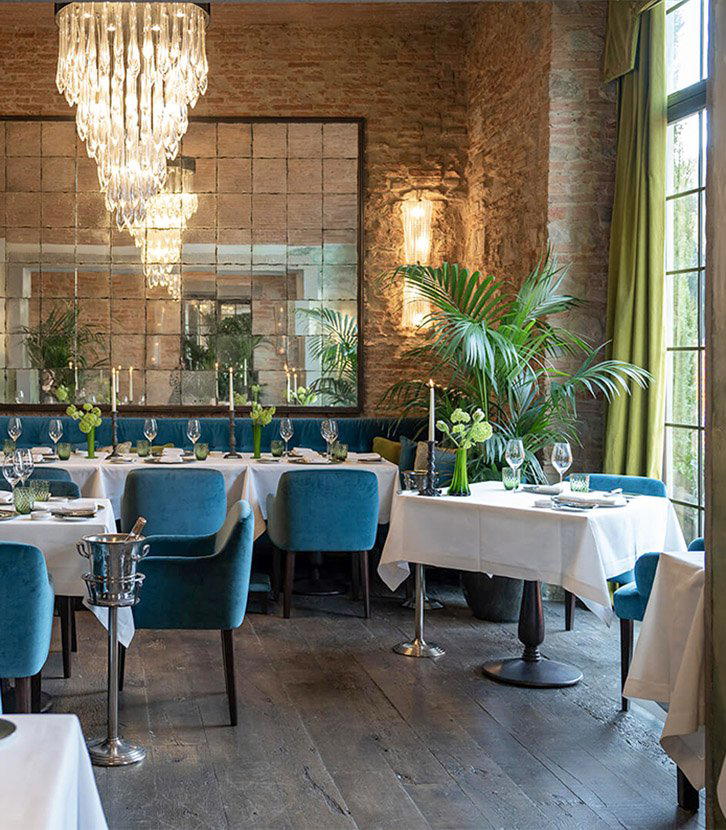
Warm, serene, and refined with a blend of historic English country house charm featuring fireplaces and high-ceilinged lounges alongside modern minimalist design; soft natural light throughout spa and dining areas overlooking forest and mountain vistas.