
Michelin Selected
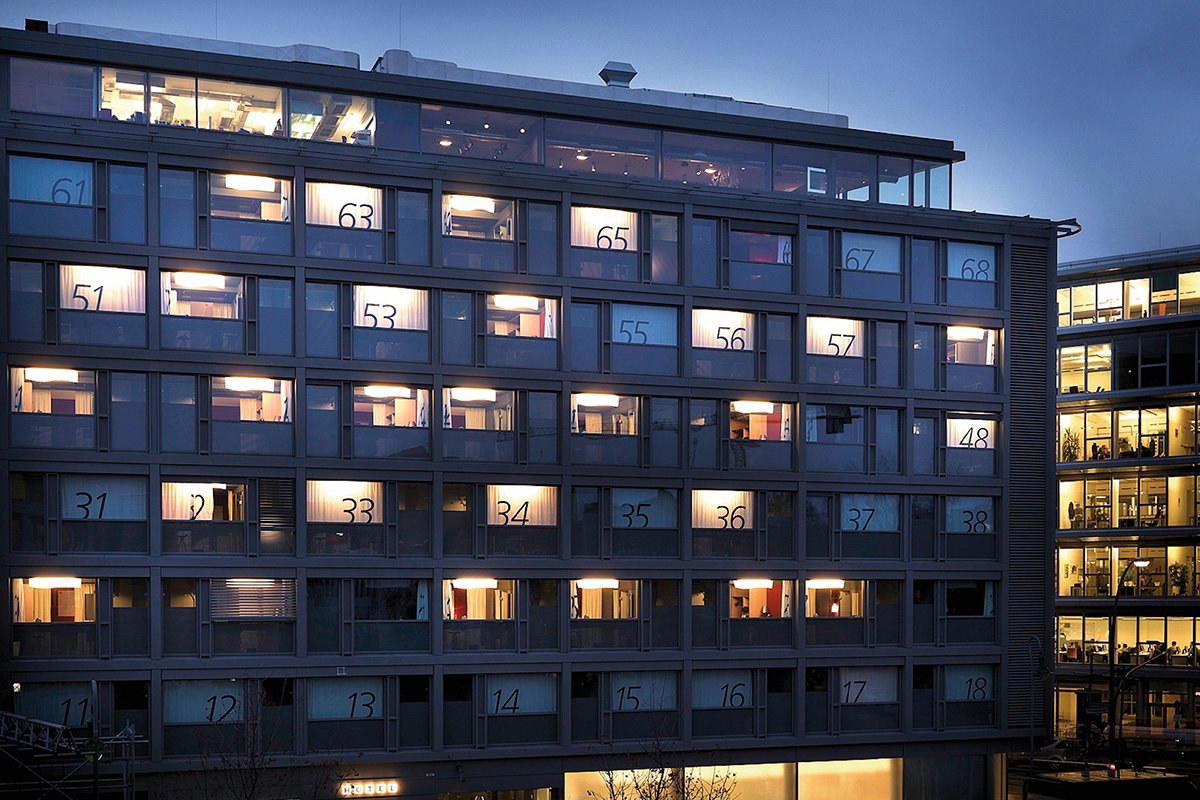
Casa Camper Berlin occupies a narrow building on Weinmeisterstraße, one block from the Hackescher Markt cluster that defines Berlin's design-conscious Mitte. The Camper brand's hotel arm applies the same anti-excess philosophy it brings to footwear: functional materials, considered proportions, and a room experience that treats sleep as the primary event rather than an afterthought.

Pearl is the En Primeur Club membership app, where members save venues, book tables and use the concierge.
Where Mitte's Design Density Becomes an Argument for Restraint
Berlin's Mitte district has, over two decades, become one of Europe's more contested addresses for design-led hotels. The neighbourhood around Hackescher Markt draws a specific kind of property: boutique in scale, deliberate in aesthetic, and positioned against the grand-boulevard formality of hotels like Hotel de Rome or The Ritz-Carlton, Berlin. Casa Camper Berlin sits precisely in this smaller, more architecturally specific tier. Its address on Weinmeisterstraße places it between the Rosenthaler Platz gallery corridor and the Hackescher Höfe courtyard complex, which means the cultural texture of the neighbourhood arrives immediately, without effort on the guest's part.
The hotel is the Berlin outpost of a brand that started in footwear and built its hotel program around a consistent proposition: that good design should remove friction rather than announce itself. In a city where hospitality properties frequently compete on concept-heaviness, that restraint reads as a positioning choice, not an absence of ambition. Properties like Château Royal Berlin and Roomers Berlin Steinplatz, Autograph Collection approach the market from higher design theatricality; Casa Camper operates on a different register.
The Room as Primary Argument
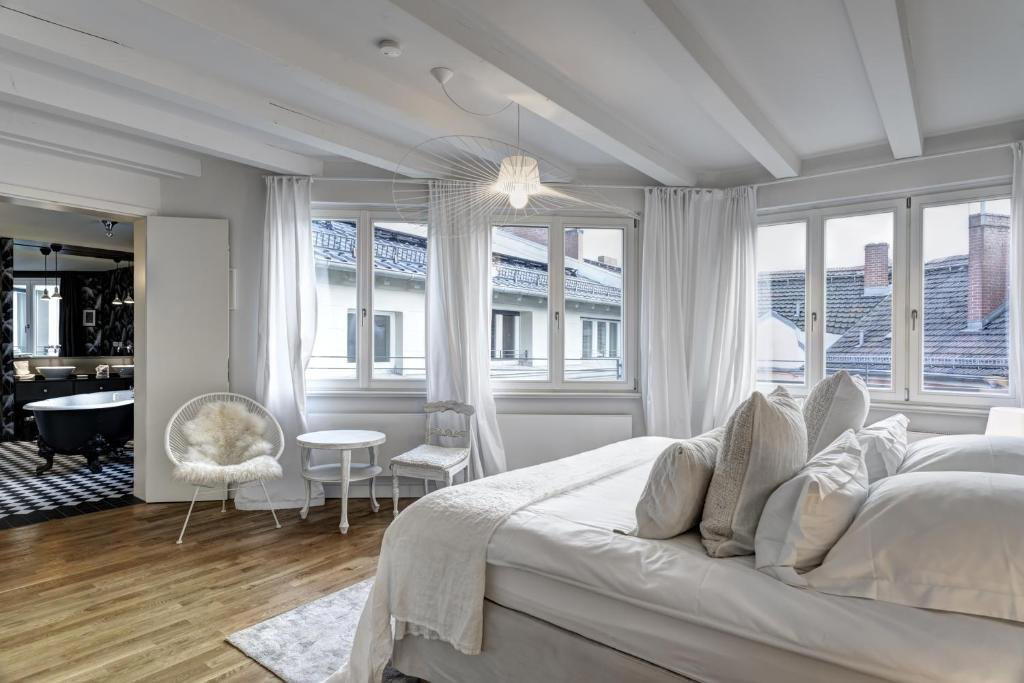
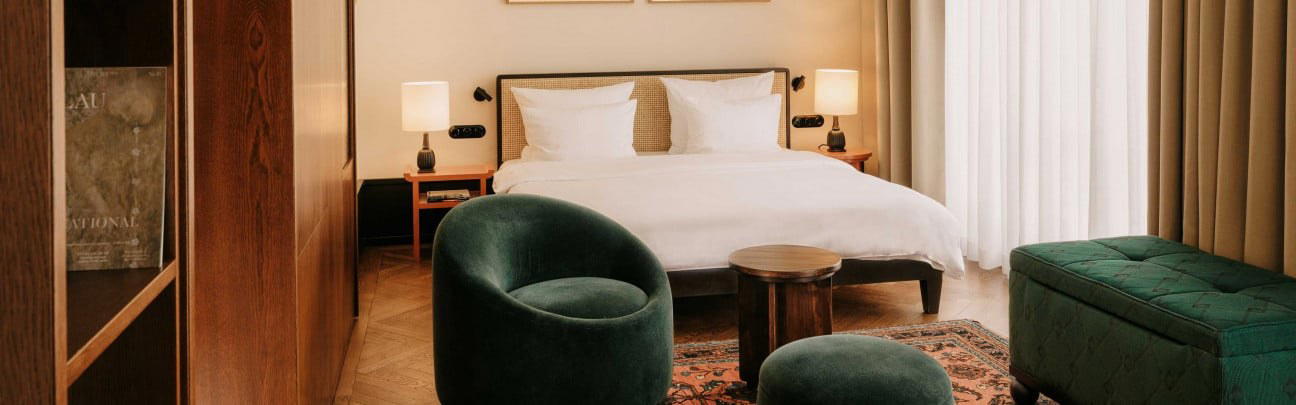
The overnight experience at design-led boutique hotels in this price category tends to split along a familiar axis: properties that spend their budget on lobby drama and properties that concentrate it on the room itself. Casa Camper's philosophy, consistent across its Barcelona original and the Berlin property, belongs to the second camp. The rooms are compact by the standards of larger-footprint hotels, but compactness is not the same as inadequacy when proportions are handled with precision.
What the room experience communicates at Casa Camper is a specific idea about what the overnight stay requires: controlled light, materials with tactile honesty, and a bathroom that treats hygiene as a considered ritual rather than a functional necessity. The Camper brand's relationship with material culture carries into the hotel program through surfaces that read as chosen rather than defaulted to. Guests who have stayed at design-forward properties across Germany, from the spa-centric environment of Schloss Elmau Luxury Spa Retreat & Cultural Hideaway in Elmau to the historic interiors of Bülow Palais in Dresden, will find Casa Camper operating on a more urban, compressed logic where the room is the whole argument.
One of the distinctive structural features of the property is its vertical layout. The building on Weinmeisterstraße is narrow, and the hotel uses that constraint productively, distributing communal spaces and guest floors in a way that makes the building's physical character part of the experience rather than something to be overcome. A free-food-and-drink area on an upper floor, available to guests around the clock, has been a consistently noted feature of the Camper hotel format since the Barcelona property established it. At a Mitte address where neighbourhood restaurants and bars are within walking distance at almost any hour, this reads less as a necessity and more as a signal about the hospitality philosophy: access without service theatre.
Mitte's Position in Berlin's Hotel Geography
Understanding where Casa Camper sits in Berlin's hotel map requires placing Mitte in context. The district has become the address of choice for guests who want proximity to galleries, independent retail, and the denser cultural infrastructure that Prenzlauer Berg and Kreuzberg offer in different registers. It draws a different guest profile from the Tiergarten corridor, where Telegraphenamt and the Waldorf Astoria address a more convention-adjacent, business-with-leisure market.
Within Mitte itself, the options span a range from apartment-format properties like Adina Apartment Hotel Berlin Hackescher Markt, which prioritise extended-stay functionality, to the more curated boutique tier where Casa Camper and a handful of peers operate. The boutique tier in this neighbourhood rewards properties that have a clear formal logic, because guests choosing it are already self-selecting away from full-service flagship hotels. Casa Camper's logic is that identity, in both the brand and the room, should be legible without being loud.
For guests whose Germany itinerary includes properties in other cities, the contrast is instructive. The lake-facing atmosphere of Althoff Seehotel Überfahrt in Rottach-Egern, the spa infrastructure of Das Kranzbach Hotel & Wellness Retreat in Kranzbach, or the formal grandeur of Fairmont Hotel Vier Jahreszeiten in Hamburg each represent a different register of German hospitality. Casa Camper represents Berlin's most specific contribution to that range: urban, architecturally rigorous, neighbourhood-embedded.
Planning a Stay
Weinmeisterstraße 1 places the hotel within a short walk of the S-Bahn connection at Hackescher Markt, which links directly to Berlin Hauptbahnhof and the broader S-Bahn ring. The U8 line at Weinmeister Straße station is essentially adjacent. For guests arriving at Berlin Brandenburg Airport, the express train connection into the centre makes the journey direct. The neighbourhood concentration of galleries, concept stores, and independent restaurants means that for a two-to-three night urban stay, the immediate radius is dense enough to fill the itinerary without requiring transport beyond foot and bicycle. Berlin's hotel market in the Mitte boutique tier books ahead during the festival and fair season, particularly around Berlin Art Week in September and the major fashion and music events that cluster in spring and autumn, so advance booking for those windows is advisable.
For guests comparing Casa Camper against the broader German boutique hotel field, properties like Hotel Ketschauer Hof in Deidesheim, Esplanade Saarbrücken in Saarbrücken, or Excelsior Hotel Ernst in Cologne address different city characters and guest expectations. Within Berlin specifically, the Patrick Hellmann Schlosshotel at the western edge of the Grunewald represents the furthest point on the spectrum from Casa Camper's compressed urban format. For international comparison at a similar design-led boutique register, The Fifth Avenue Hotel in New York City and Aman Venice in Venice each show how different cities handle the proposition of smaller-scale, identity-led accommodation. See our full Berlin restaurants guide for neighbourhood dining context around the Mitte address.
A Quick Peer Check
| Venue | Cuisine | Price | Awards |
|---|---|---|---|
| Casa Camper BerlinThis venue (the venue you are viewing) | This venue | $300–500 | Michelin Selected |
| The Ritz-Carlton, Berlin | Michelin 2 Key | $300–500 | 2 Michelin Keys · La Liste Top Hotels |
| Waldorf Astoria Berlin | Not listed | $300–500 | 2 Michelin Keys · Michelin Guide New Hotels New Hotel |
| Hotel de Rome | Michelin 2 Key | $750–1,000 | 2 Michelin Keys · La Liste Top Hotels |
| Patrick Hellmann Schlosshotel | Michelin 2 Key | $100–200 | 2 Michelin Keys · La Liste Top Hotels |
| Telegraphenamt | Michelin 2 Key | $300–500 | 2 Michelin Keys |
Recognition history
Dated appearances from independent guides and award organizations, with the underlying list record or original source where available.
Michelin Selected
Michelin
Continue exploring
More in Berlin
Hotels in Berlin
All hotels in Berlin →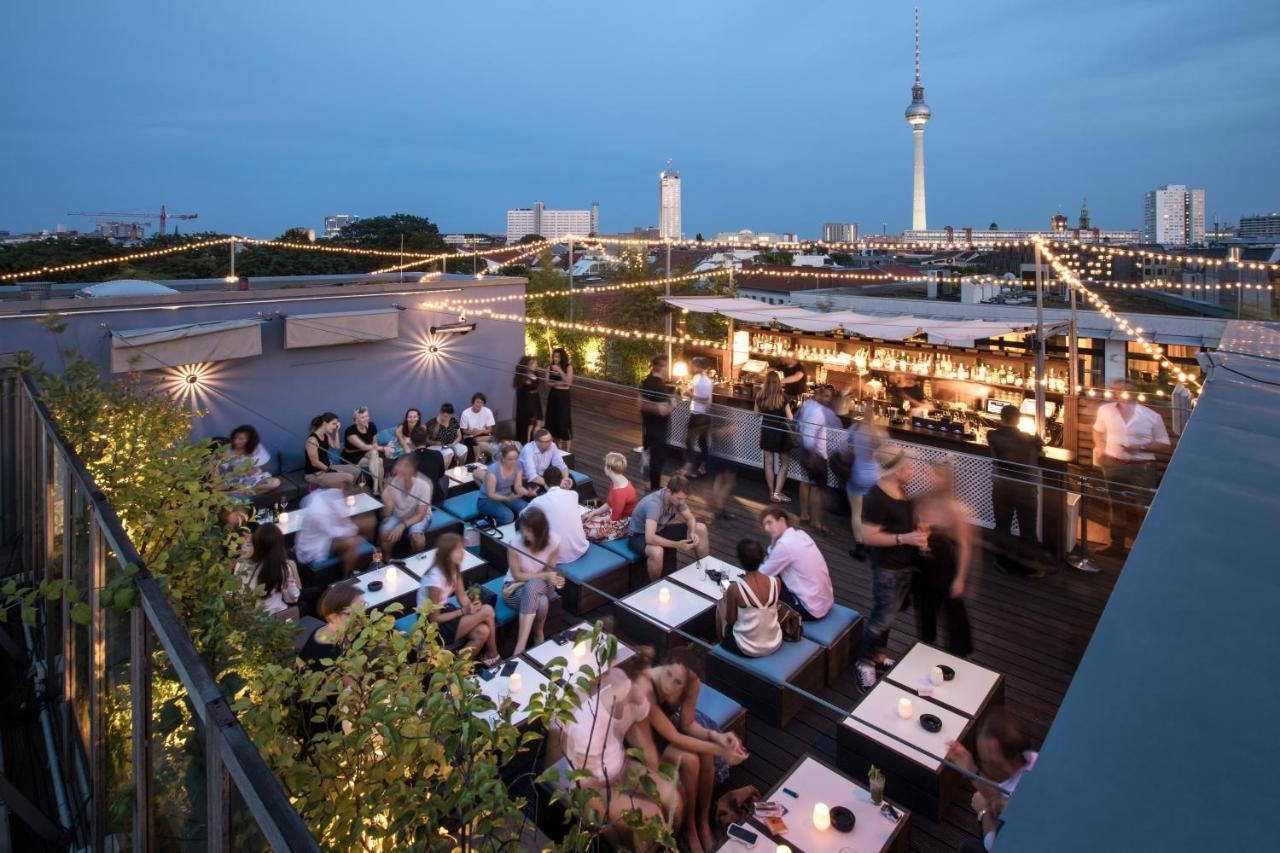
Bars in Berlin
All bars in Berlin →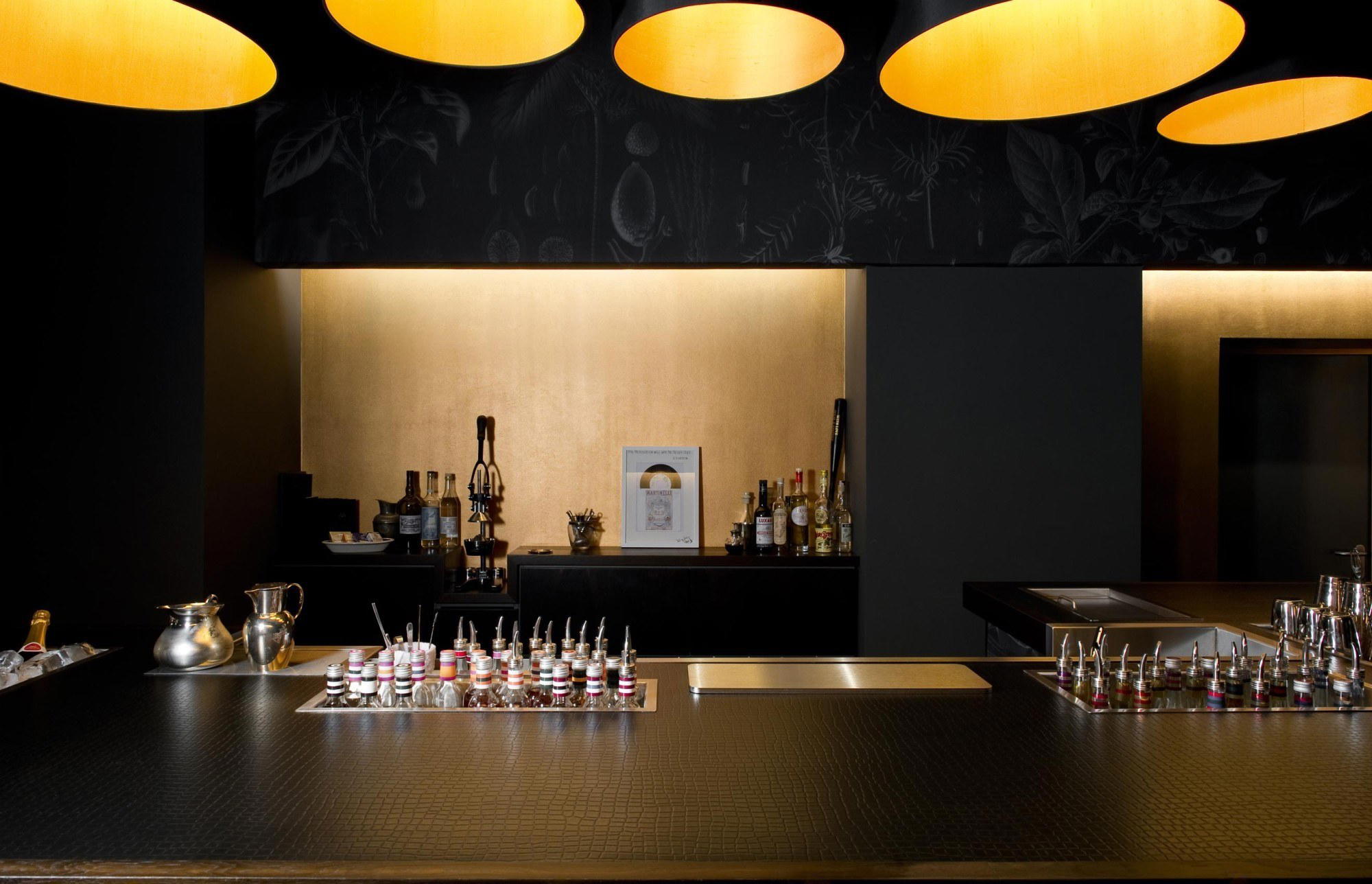
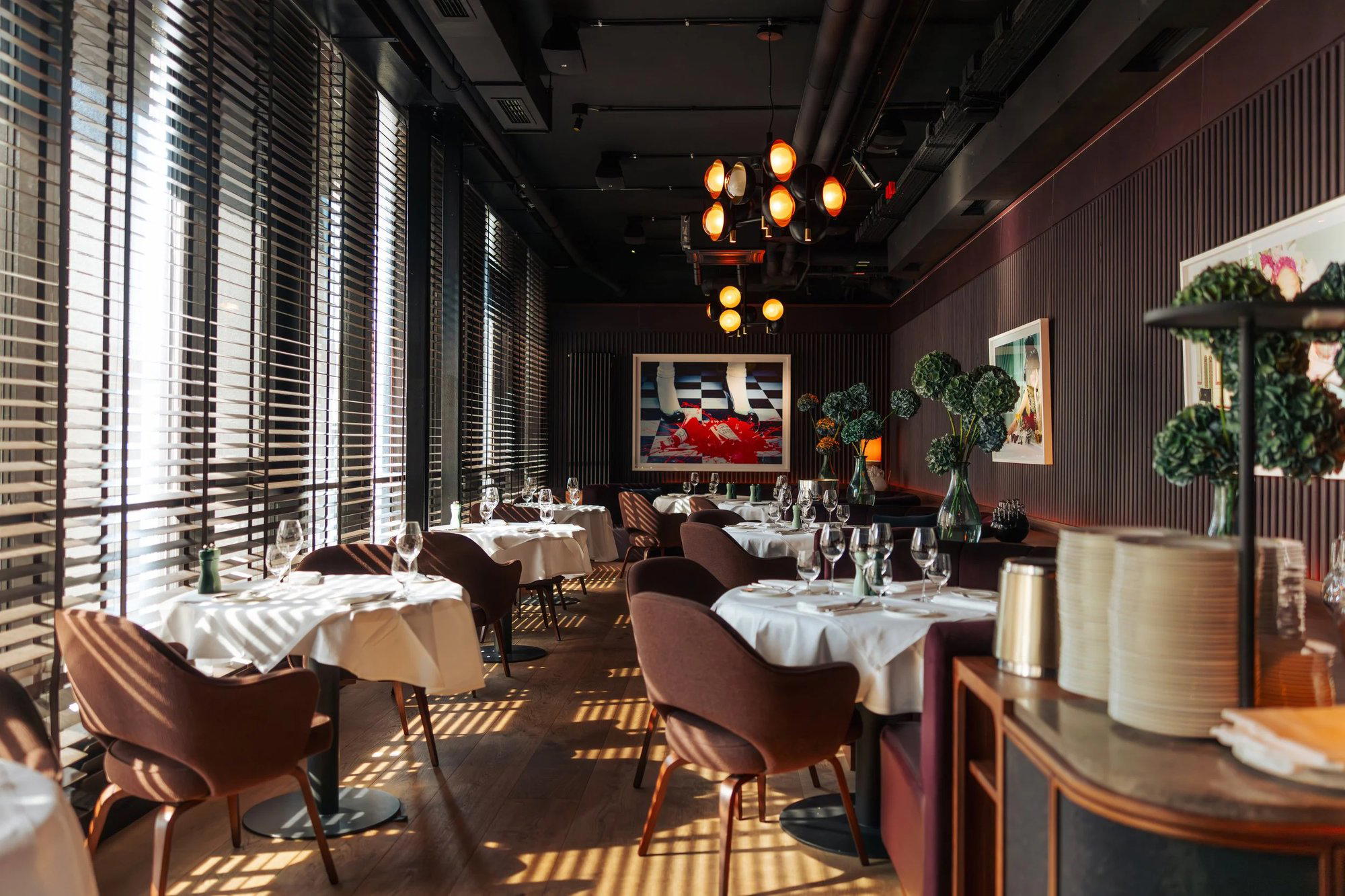
Restaurants in Berlin
All restaurants in Berlin →
Details
- Modern
- Minimalist
- Trendy
- Weekend Escape
- Business Trip
- Design Destination
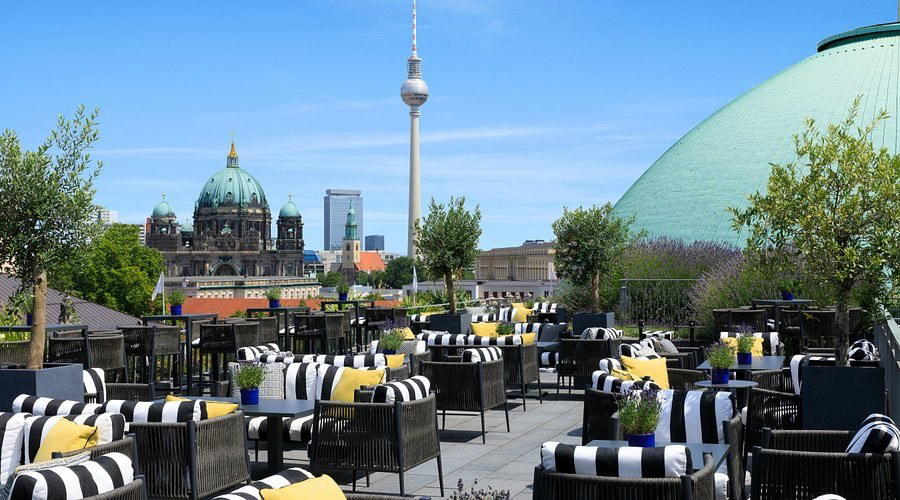
- Terrace
- Panoramic View
- Wi Fi
- Sauna
- Fitness Center
- Restaurant
- Bar
- Room Service
- Skyline
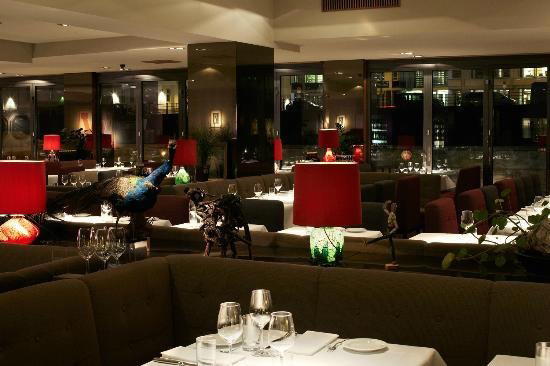
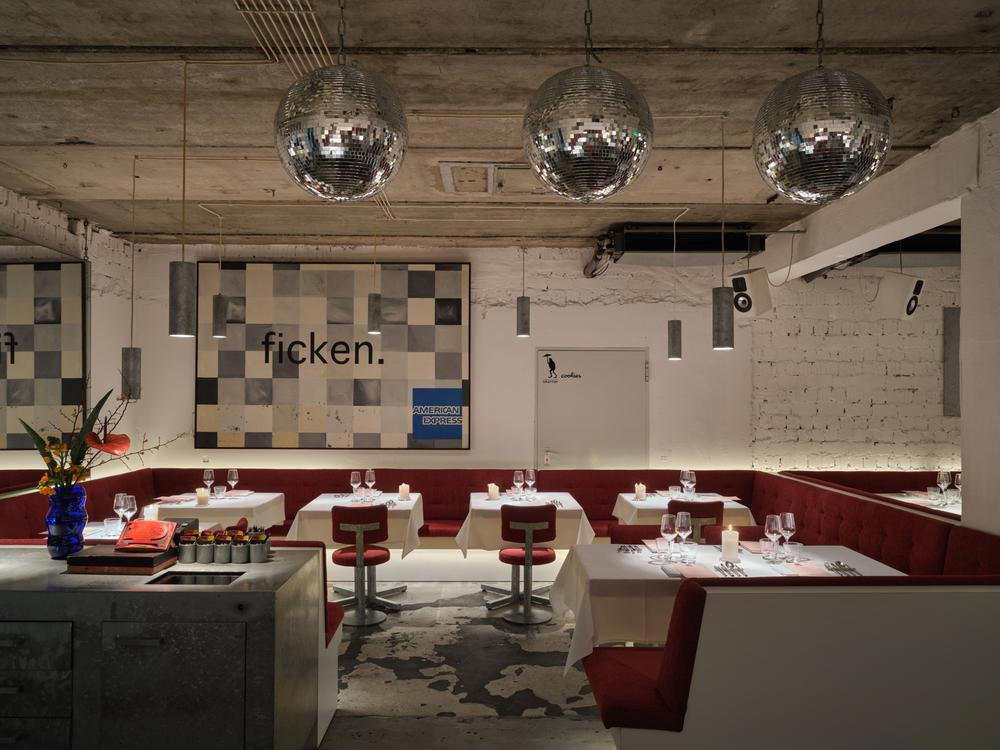
Upbeat atmosphere with good contemporary design, modern-utilitarian style using Camper brick red colors, inspiring visuals, and clever minimalist interiors.