
2 Michelin Keys
A neo-Baroque telegraph office built in 1910, Hotel Telegraphenamt occupies a central Mitte address minutes from Museum Island. The work of Berlin restaurateur Roland Mary, its 97 rooms mix exposed brick and Deco detail across a wide range from Cosy to two-floor suites. Michelin awarded it 2 Keys in 2024, placing it firmly in the upper tier of Berlin's design-led hotel set.

Pearl is the En Primeur Club membership app, where members save venues, book tables and use the concierge.
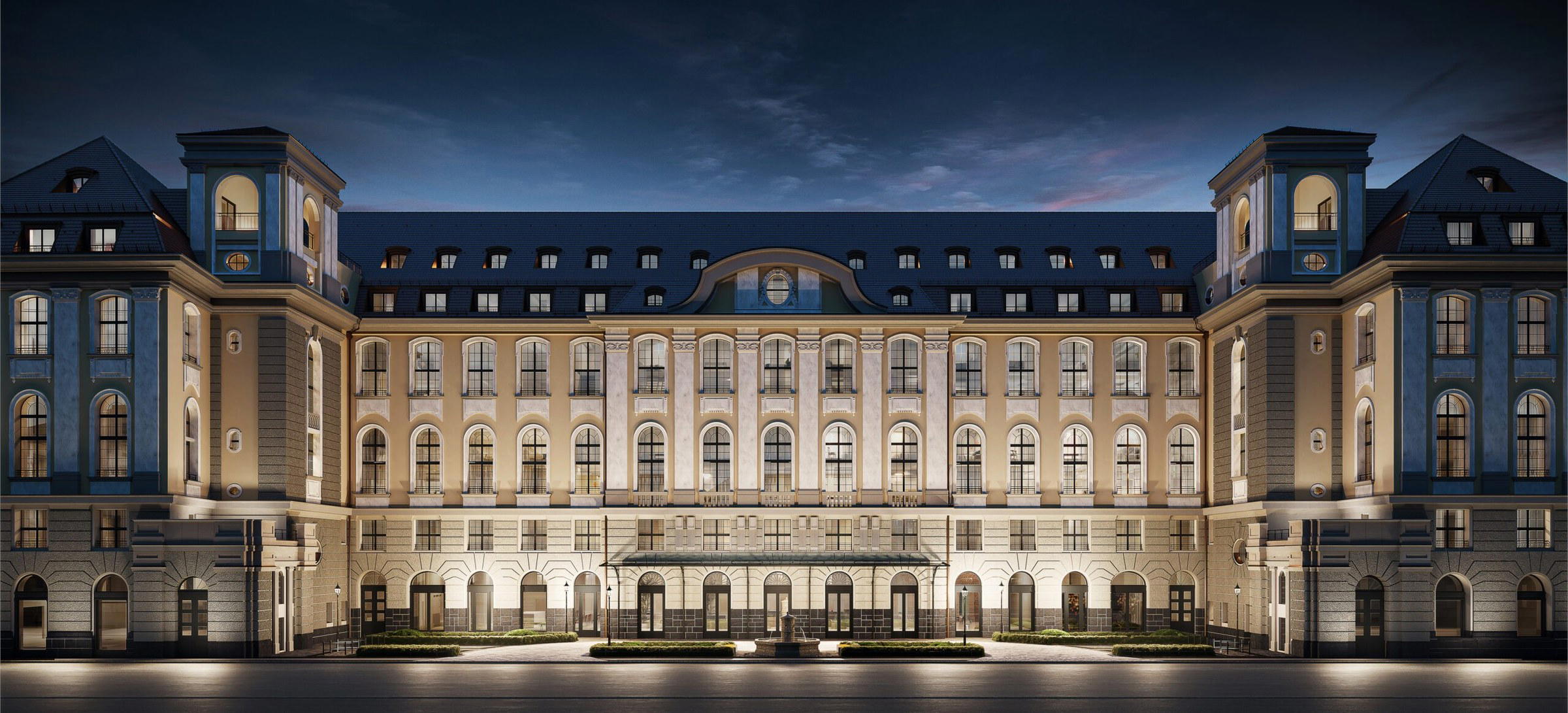
Where Mitte's History Meets Its Present
Monbijoustraße runs along the northern bank of the Spree, between the Hackescher Markt and Museum Island, in a stretch of Mitte that has been rebuilt, repurposed, and reinterpreted more times than most European city blocks. The street is quiet by Berlin standards, but the address puts guests within a few minutes' walk of the Pergamon Museum, the Bode-Museum, and the Neue Synagoge, a concentration of cultural weight that few hotels in the city can match from their front door. This is the context in which Hotel Telegraphenamt Berlin (HTA) operates, and location is not incidental to what the property is doing. It is structural.
The building itself arrived in 1910, a neo-Baroque telegraph office constructed at a moment when the German empire still expected its infrastructure to carry civic dignity as well as copper wire. The ornamental flourishes on the facade were not decorative afterthoughts, they were the visual language of institutional seriousness. That history is now the hotel's primary architectural material. The conversion keeps bare brick and exposed steel girders in direct conversation with Art Deco detailing and gestures toward classical modernism, a layering that reads less as stylistic indecision and more as an honest record of what the building has been through. In a city whose identity is inseparable from its architectural contradictions, that approach lands with particular coherence.
The Competitive Position in Mitte
Berlin's premium hotel tier in Mitte tends to cluster into two groups: large-format grand hotels with international branding, and smaller properties that trade on design specificity and neighbourhood character. Hotel de Rome and Château Royal Berlin occupy different positions along that spectrum, while properties like The Ritz-Carlton, Berlin operate from a more explicitly international luxury template. HTA's 97 rooms place it at a scale that is neither boutique nor grand, which gives it flexibility, enough volume to support serious food and beverage programming, not so much that the social spaces feel like hotel lobbies rather than destinations.
At rates starting around $456 per night, the pricing reflects that positioning without reaching the upper bracket occupied by properties like Patrick Hellmann Schlosshotel. For Berlin, where the hotel market still offers more value per dollar than comparable European capitals at the luxury tier, that rate is competitive for the address and the credentials.
Social Spaces as the Real Programme
The conversion was led by Roland Mary, a Berlin restaurateur whose influence on the city's food and drink scene extends well beyond a single address. That background shapes what HTA prioritises. The social infrastructure, restaurant, bar, and an incoming Japanese Bakery, is treated with the same seriousness as the room inventory, which is unusual in a property of this size. The norm in European conversion hotels is to allocate the ground floor to F&B as an amenity. Here, the food and drink programme appears to be the anchor around which the hotel is organised.
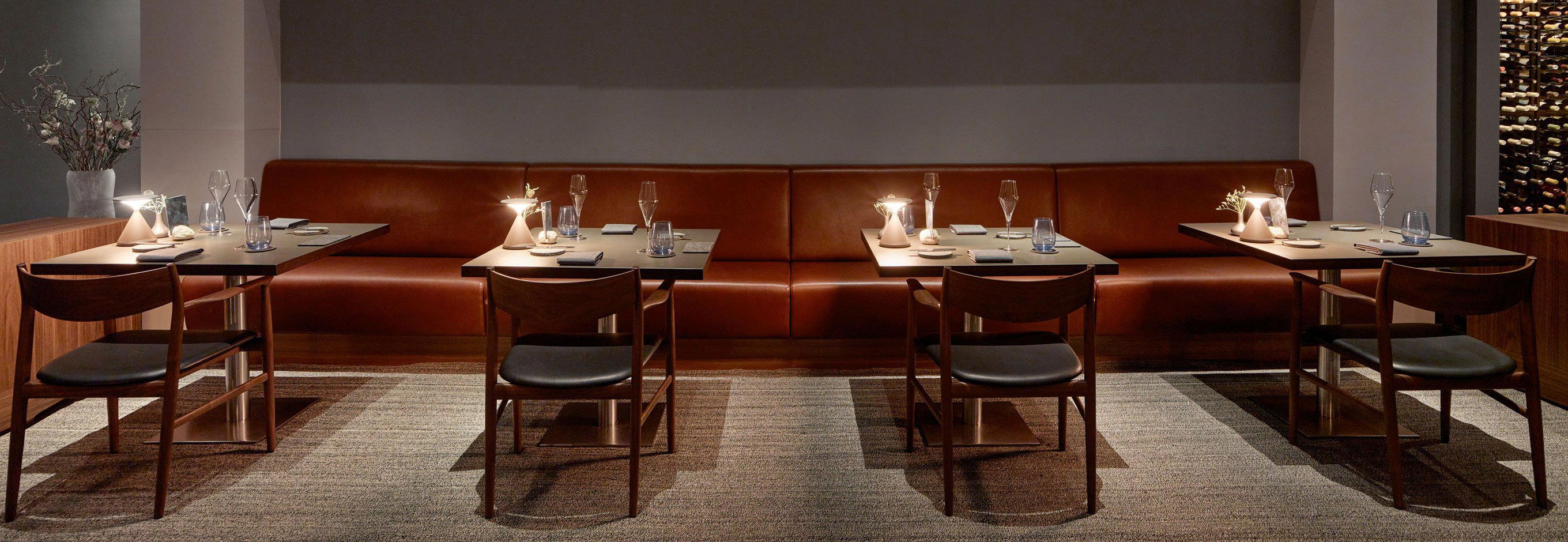
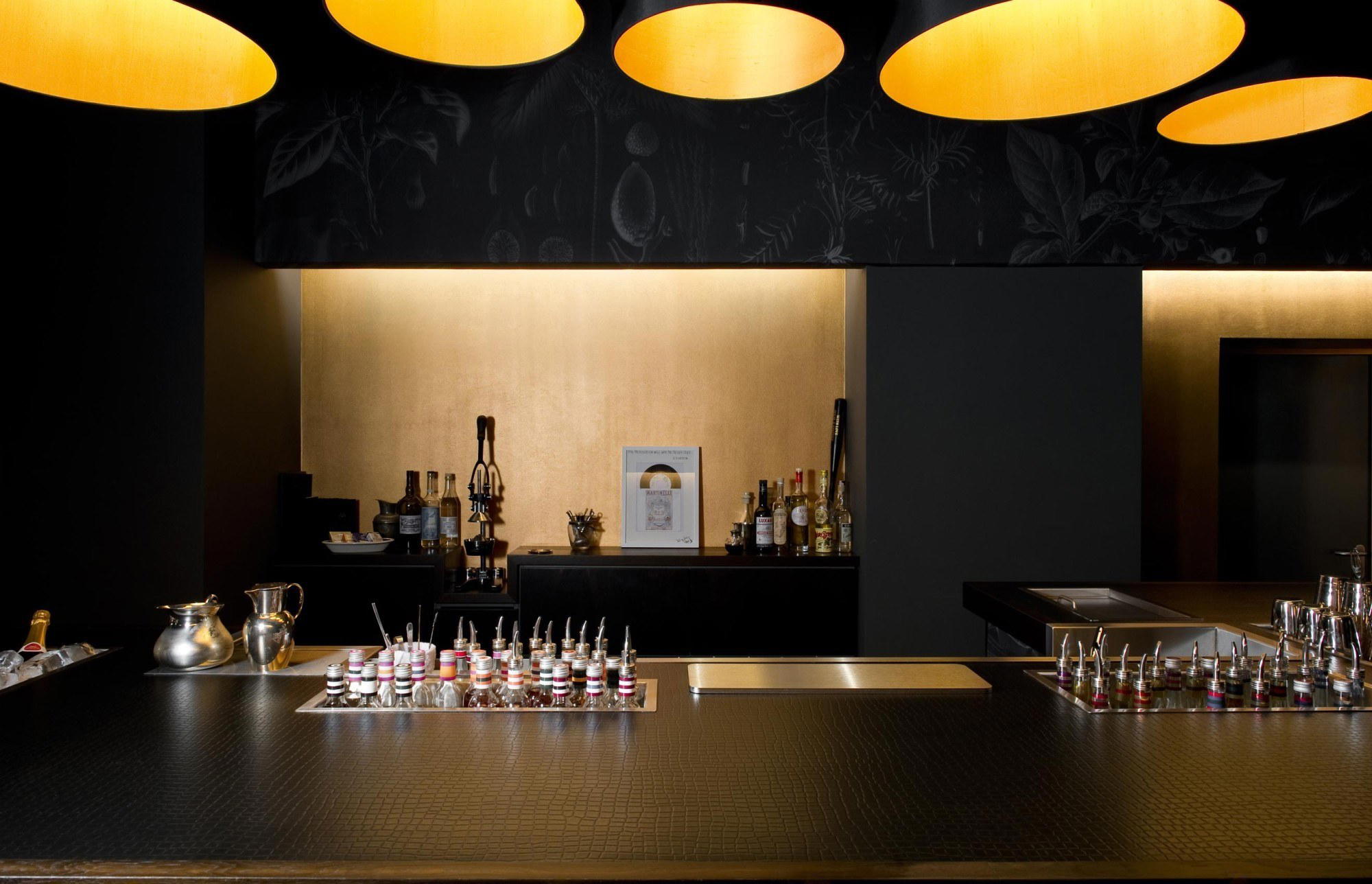
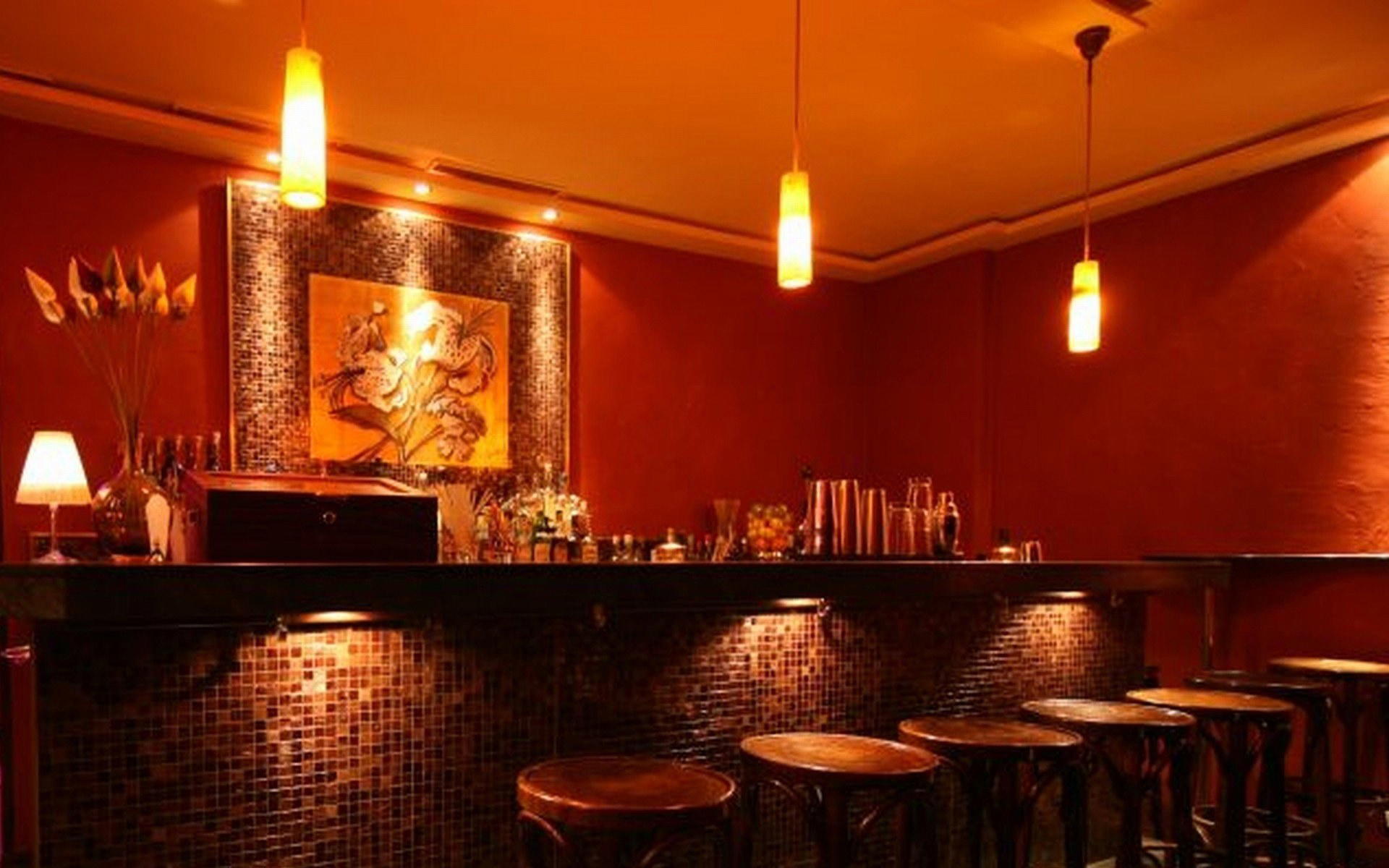
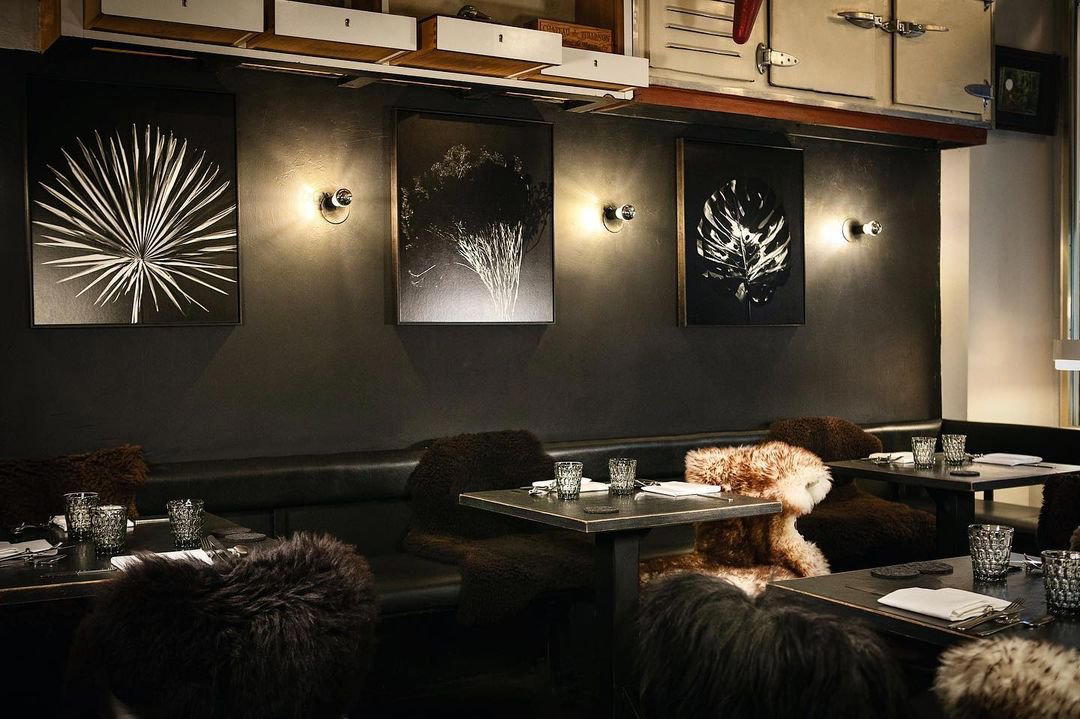
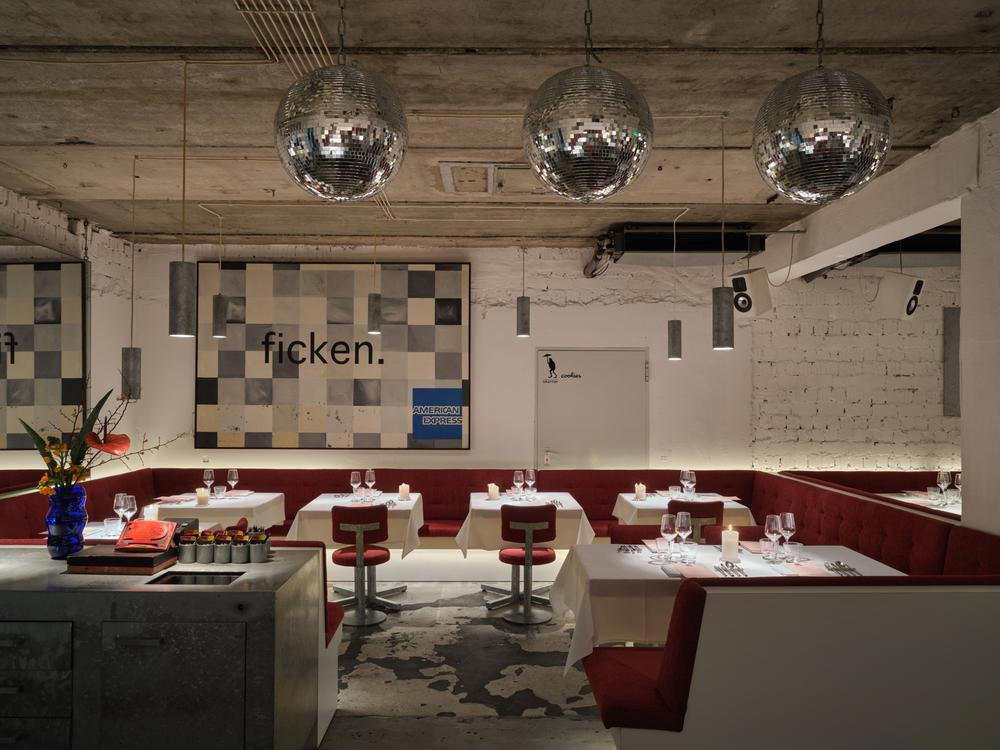
Root, the main restaurant, occupies a wide-open ground-floor space with a format described as versatile and eclectic. The room itself does much of the work: that combination of industrial bones and decorative detail creates an atmosphere that functions for both casual dining and more considered meals, a range that matters in a neighbourhood where guests are as likely to walk in from the museums as to arrive from another hotel. Root Bar operates with a similarly open posture.
The forthcoming Japanese Bakery adds a dimension that reflects a broader trend in European hotel dining: the integration of specialist F&B concepts that have their own identity rather than simply serving the hotel's guests. A dual focus on baking and sushi within the same space is an unusual combination, and it positions HTA as a venue that is actively shaping what the ground floor of Monbijoustraße looks and tastes like, not just providing services to guests who happen to be staying upstairs. This kind of programming is increasingly what separates hotels that matter to a city's food culture from those that are merely located within it.
The Rooms: Range as a Design Principle
Across 97 rooms, HTA runs a deliberate range from what the hotel describes as Cosy rooms, efficient in footprint, but not sparse in intent, up through suites that span two floors. This is a conscious decision about how to use the building's original volume, which was designed for telegraph equipment rather than human habitation and therefore offers ceiling heights and spatial configurations that a purpose-built hotel would not produce. The visual invention in the rooms, mixing the building's industrial heritage with more polished finishes, is consistent across the range, which means that a Cosy room is not simply a budget-tier product with stripped-back fittings. It is a smaller version of the same aesthetic language.
For guests whose primary focus is the neighbourhood rather than the room itself, the Cosy category makes practical sense: the museums, the Spree, and the social spaces downstairs are the real programme, and a compact room that delivers on design without demanding a suite premium is a sensible allocation of a Berlin travel budget. For longer stays or travellers who want the split-level suite experience within a characterful conversion building, the upper-tier rooms offer that without the formality that a comparable room at Roomers Berlin Steinplatz or 25hours Hotel Bikini Berlin would carry.
The Neighbourhood Logic
Museum Island is a UNESCO World Heritage Site and one of the most visited cultural addresses in Germany. The cluster of five museums on the island draws audiences whose travel schedules are structured around cultural programming, and having a hotel at walking distance that also functions as a social venue, rather than just a place to sleep, changes the texture of that kind of trip. Guests can move between morning visits to the Pergamon's Hellenistic frieze, lunch at Root, afternoon sessions at the Alte Nationalgalerie, and an evening at Root Bar without requiring transit. That compression of itinerary is a specific advantage of the address that no amount of room design can replicate.
The Hackescher Markt, a few minutes east, extends the offer into the neighbourhood's independent retail, café, and bar culture that makes Mitte genuinely usable rather than purely tourist-facing. This is the functional radius that the address provides, and it is meaningfully different from the radius available to guests staying near Potsdamer Platz or in Charlottenburg. For a broader comparison of what different Berlin addresses offer, see our full Berlin guide.
Elsewhere in Germany, the conversion-heritage hotel model appears at properties like Bülow Palais in Dresden and Breidenbacher Hof Düsseldorf, where historic fabric carries much of the experiential weight. HTA sits in that tradition while adding a food-and-drink programme that is more central to its identity than most comparable properties. Those looking for alternatives in different German settings might also consider Excelsior Hotel Ernst in Cologne, Fairmont Hotel Vier Jahreszeiten in Hamburg, or, for a retreat context entirely removed from the urban, Schloss Elmau in Elmau and Hotel Bareiss in Baiersbronn.
Planning a Stay
HTA is at Monbijoustraße 11, 10117 Berlin, in Mitte. Museum Island is a short walk south across the Spree. The S-Bahn stops at Hackescher Markt (S3, S5, S7, S9) provide easy connections to Alexanderplatz, the main train station (Hauptbahnhof), and Tegel or Schönefeld airports via rail. Berlin's shoulder seasons, March through May and September through October, tend to offer the most manageable balance of museum access and hotel availability. Summer draws significant tourist volume to Museum Island, which intensifies the case for booking rooms in advance for any July or August travel. Those planning longer itineraries in Germany might use HTA as a Berlin anchor before continuing to properties like Althoff Seehotel Überfahrt in Rottach-Egern or Gut Steinbach in Reit im Winkl. International travellers comparing European hotel programmes might also cross-reference Aman Venice or Aman New York as reference points for what heritage conversion at a different price tier looks like.
Similar Picks
Comparable venues nearby, for context on price, style, and recognition.
| Venue | Cuisine | Price | Awards | Notes |
|---|---|---|---|---|
| TelegraphenamtThis venue (the venue you are viewing) | Historic telegraph office transformed into luxury boutique hotel | $300–500 | 2 Michelin Keys | Not listed |
| Roomers Berlin Steinplatz, Autograph Collection | Historic Art Nouveau landmark reimagined as a contemporary luxury boutique hotel blending 1920s-inspired design with modern amenities. | $300–500 | 1 Michelin Key | Charlottenburg |
| The Ritz-Carlton, Berlin | Art Deco-inspired luxury hotel evoking Berlin's glamorous golden era | $300–500 | 2 Michelin Keys · La Liste Top Hotels | Tiergarten |
| Hotel de Rome | Luxury heritage hotel blending historic Prussian banking architecture with contemporary Italian design sensibility and minimalist interiors. | $750–1,000 | 2 Michelin Keys · La Liste Top Hotels | Mitte |
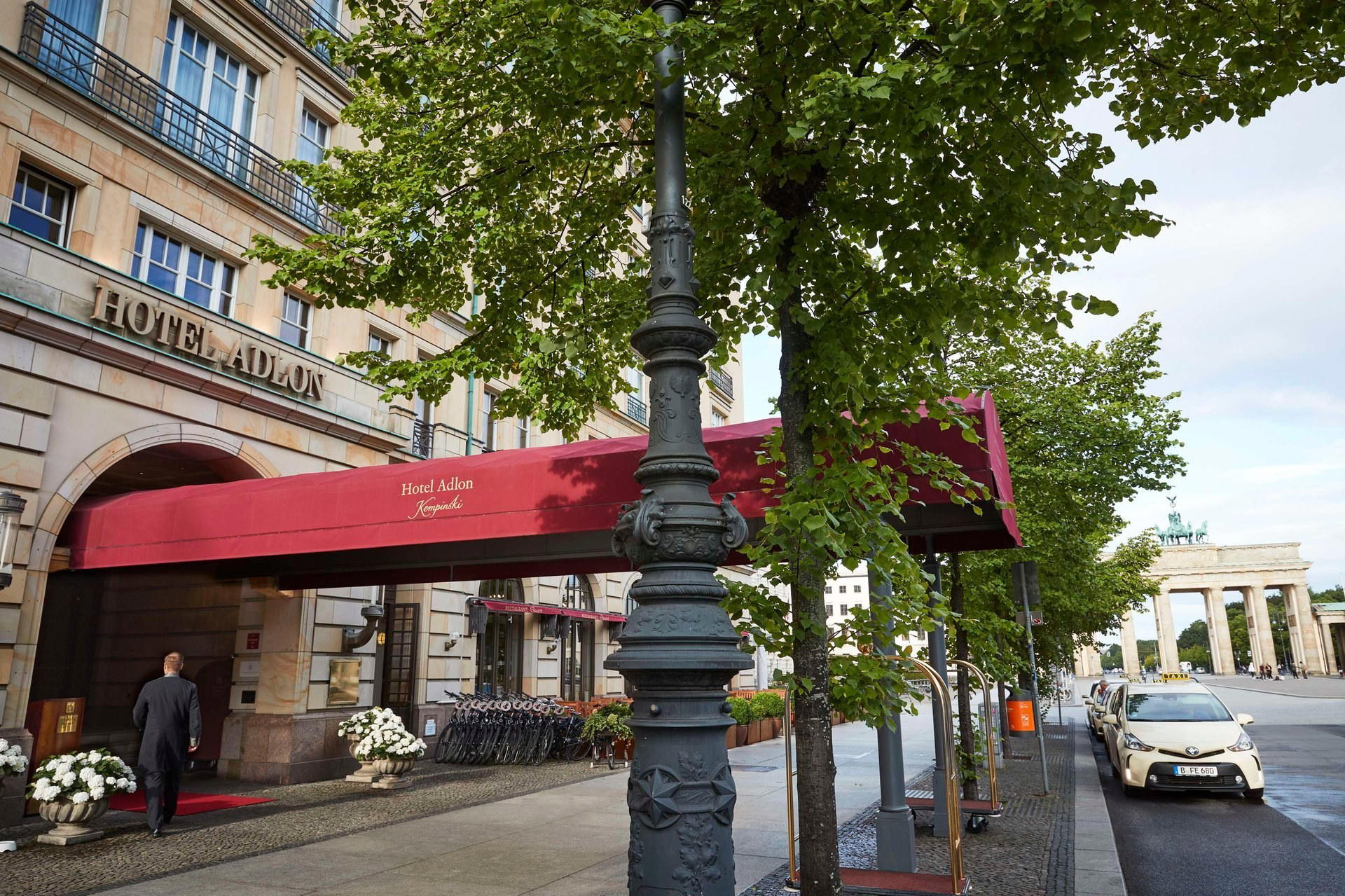
| Hotel Adlon Kempinski | Well-known five-star luxury heritage property | Not listed | 1 Michelin Key · La Liste Top Hotels | Mitte |
| Patrick Hellmann Schlosshotel | Historic palace with fashion-forward interiors | $100–200 | 2 Michelin Keys · La Liste Top Hotels | Grunewald |
Recognition history
Dated appearances from independent guides and award organizations, with the underlying list record or original source where available.
Michelin 2 Keys
Michelin
Full recognition history (3 entries)
Michelin 2 Keys
Michelin
Michelin 2 Keys
Michelin
Continue exploring
More in Berlin
Hotels in Berlin
All hotels in Berlin →
Bars in Berlin
All bars in Berlin →
Restaurants in Berlin
All restaurants in Berlin →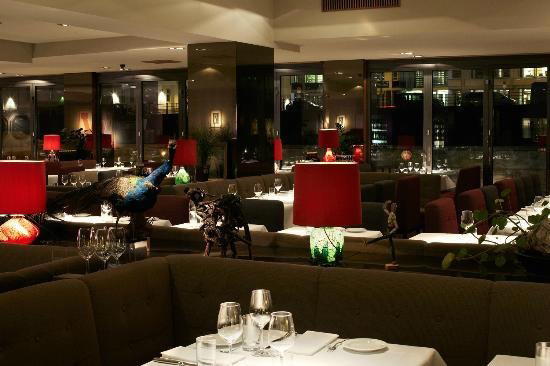

Details
- Modern
- Elegant
- Sophisticated
- Industrial
- Trendy
- Romantic Getaway
- Business Trip
- Weekend Escape
- Historic Building
- Design Destination
- Panoramic View
- Wi Fi
- Fitness Center
- Spa
- Sauna
- Restaurant
- Room Service
- Concierge
- Skyline
- Street Scene
- Wheelchair Accessible
Sophisticated atmosphere with dramatic lighting, historic exposed brick and columns, cozy 1920s-inspired rooms, and lively bar and restaurant scenes.