Althoff Seehotel Überfahrt




Set on the shore of Lake Tegernsee in Upper Bavaria, Althoff Seehotel Überfahrt is a five-star deluxe resort carrying 97 points from La Liste's 2026 Top Hotels ranking and three Michelin Keys. The property pairs a design language of precious woods and earth tones with a lakefront wellness complex, a Michelin-starred restaurant, and rates from $268 per night across 173 rooms.
Pearl is the En Primeur Club membership app — saves, bookings, and concierge access live there. Same editors, same standards.
- Address
- Überfahrtstraße 10, 83700 Rottach-Egern
- Phone
- +49 8022 6690
- Website
- althoffcollection.com
- Directions
- Get directions
 Saves & bookings on Pearl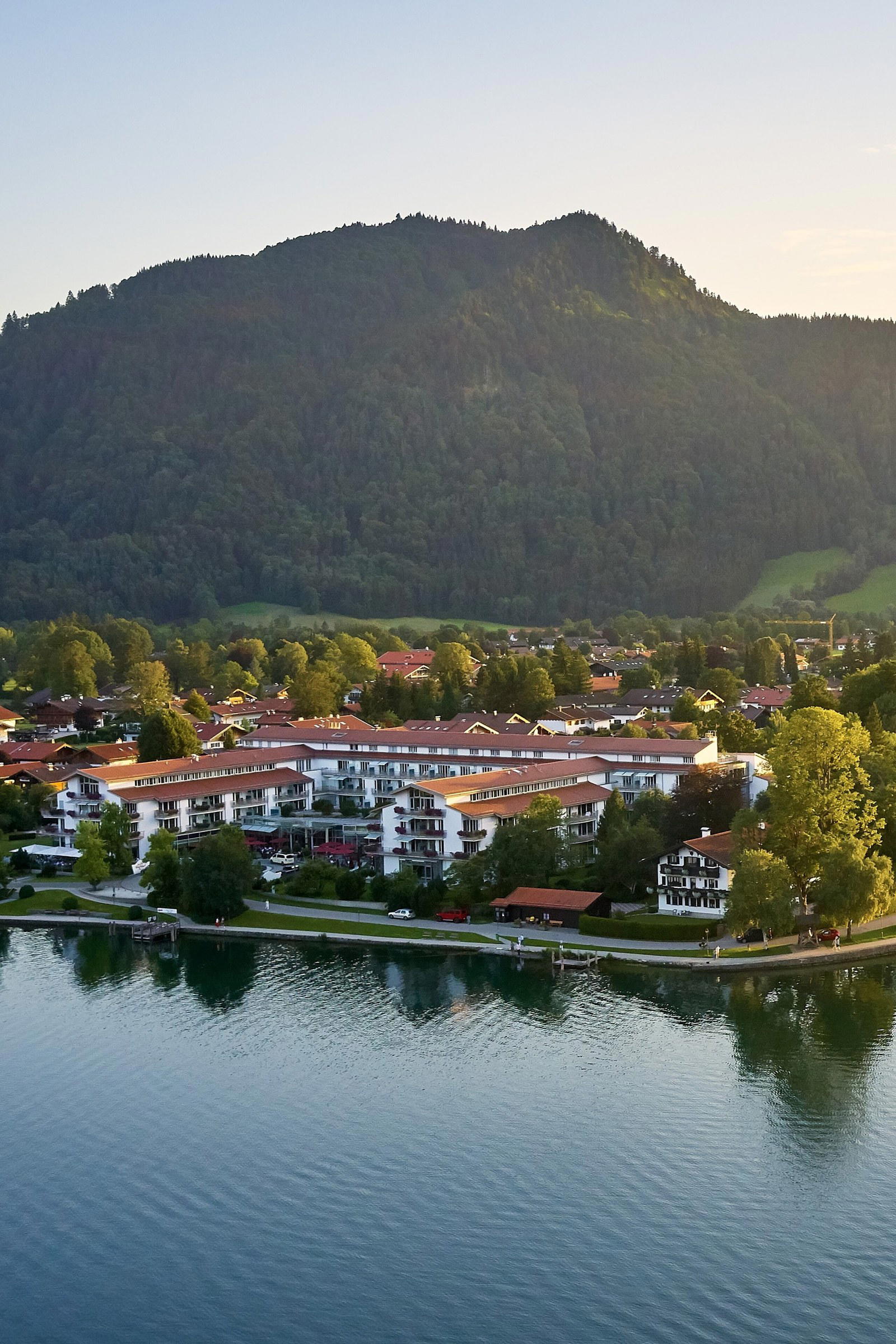
Where Alpine Setting Meets Considered Design
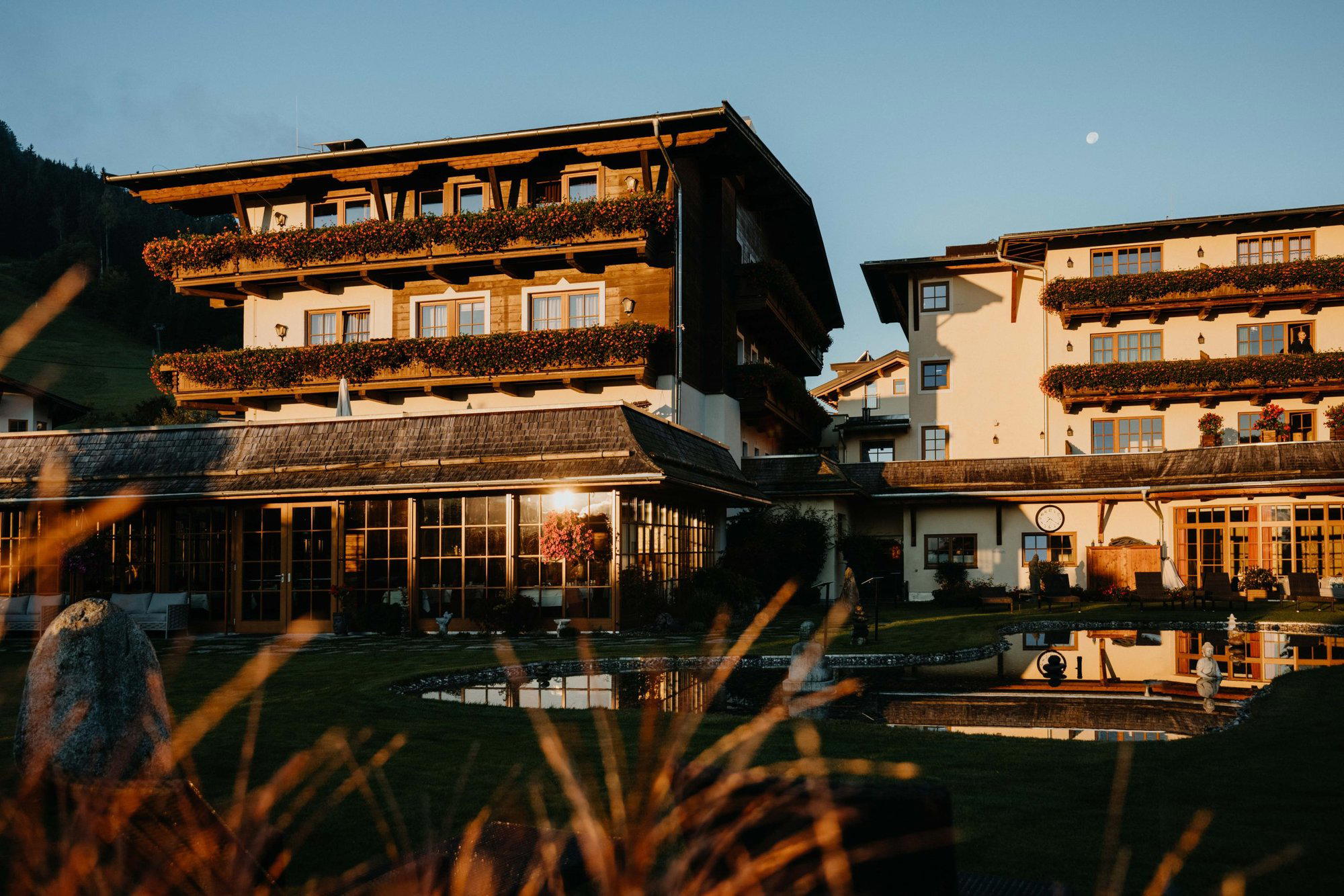
Approaching Rottach-Egern from Munich, the transition from Autobahn to alpine valley is abrupt in the way that Upper Bavaria always manages: motorway noise replaced by the creak of spruce forests, the road narrowing until Tegernsee fills the windscreen. The Althoff Seehotel Überfahrt sits at the southern end of that lake, and the first thing you register is not the building but the relationship between building and water. The architecture does not compete with the setting; it positions itself in dialogue with it.
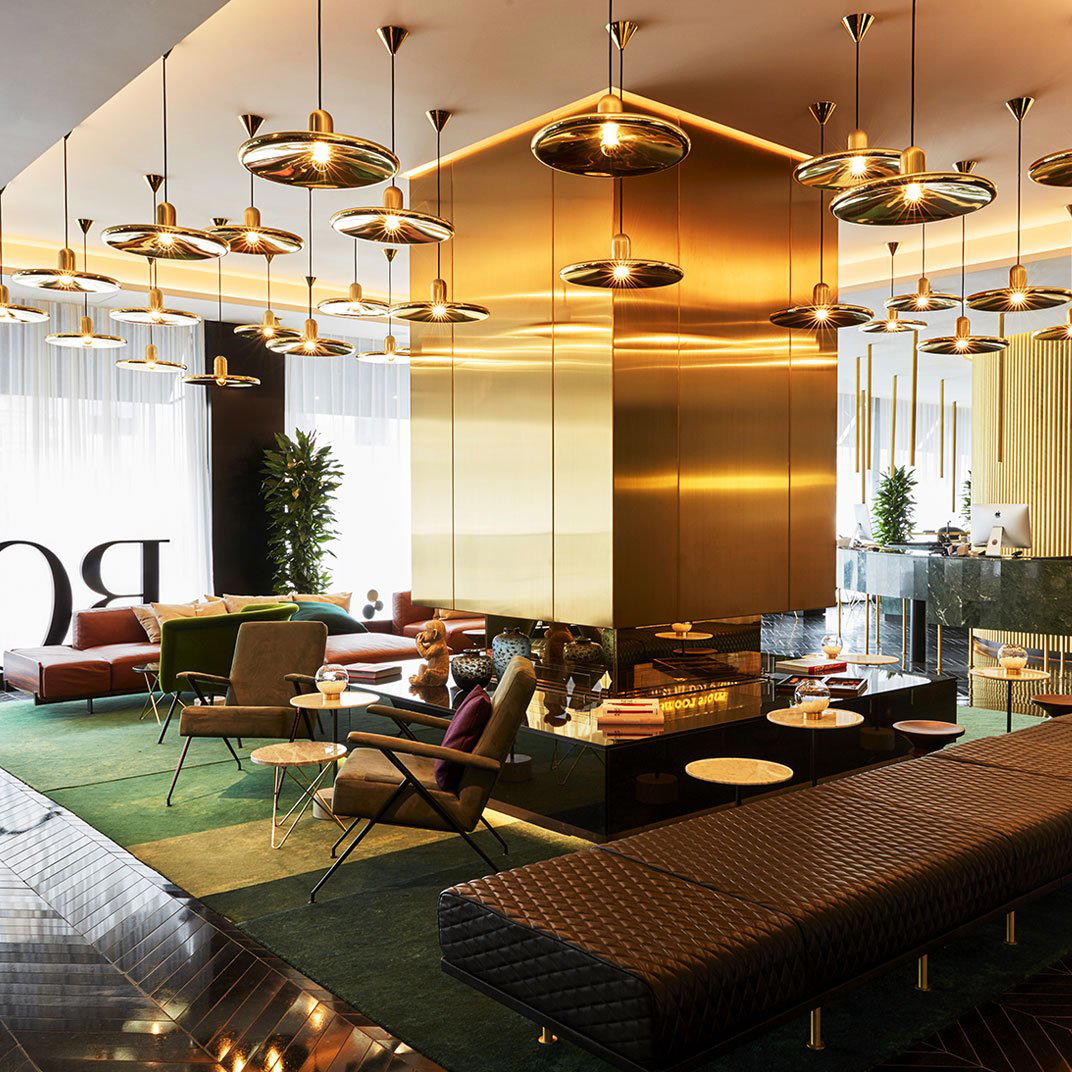
That positioning is deliberate and extends well beyond the facade. Inside, the design language is built around precious woods, classic-modern proportions, and earth tones that track the palette of the surrounding valley rather than imposing a generic luxury-hotel aesthetic. Art objects and material choices were selected to reference the traditions and range of the Tegernsee region specifically, which places this property in a different design conversation from international urban luxury hotels like the Mandarin Oriental Munich or the Fairmont Hotel Vier Jahreszeiten in Hamburg, where the design brief answers to city context rather than natural landscape.
The result is a hotel that reads as regionally anchored. There is no Bavarian kitsch here, no antler chandeliers deployed ironically or otherwise, no lederhosen aesthetic dressed up for international consumption. What you get instead is an interpretation of local materiality filtered through a contemporary hospitality sensibility, which is a harder balance to strike than it looks. Properties like Schloss Elmau Luxury Spa Retreat & Cultural Hideaway in Elmau approach the same problem from a cultural-institution angle; the Überfahrt solves it through design coherence and material specificity.
The Rooms and What the Lake Does to Them
The property runs to 188 rooms across its five-star designation. Private balconies oriented toward either the lake or the mountain ridges above the valley ensure that the setting is not merely backdrop but active component of the room experience. This matters more at a lakefront property than it might elsewhere: Tegernsee changes character across the day in ways that a static mountain view does not, and a room that frames the water well earns its rate differently from one that turns away from it.
Room rates from $330 per night place the Überfahrt in a price tier that requires it to justify itself against strong regional competition. The Parkhotel Egerner Höfe and the Spa & Resort Bachmair Weissach occupy the same Rottach-Egern address and compete for much the same guest. Against that local comparable set, the Überfahrt's La Liste 97-point recognition and Leading Hotels of the World membership in 2025 are functional differentiators, not just credential decoration. La Liste's Leading Hotels ranking integrates multiple sources of critical assessment, so a score of 97 points carries weight as comparative evidence rather than self-reported prestige. Within the broader German alpine resort category, the Kempinski Hotel Berchtesgaden operates at a similar altitude of recognition and scale, though the mountain-town setting of Berchtesgaden and the lakefront orientation of Tegernsee produce meaningfully different experiences.
Wellness as Structural Commitment, Not Amenity List
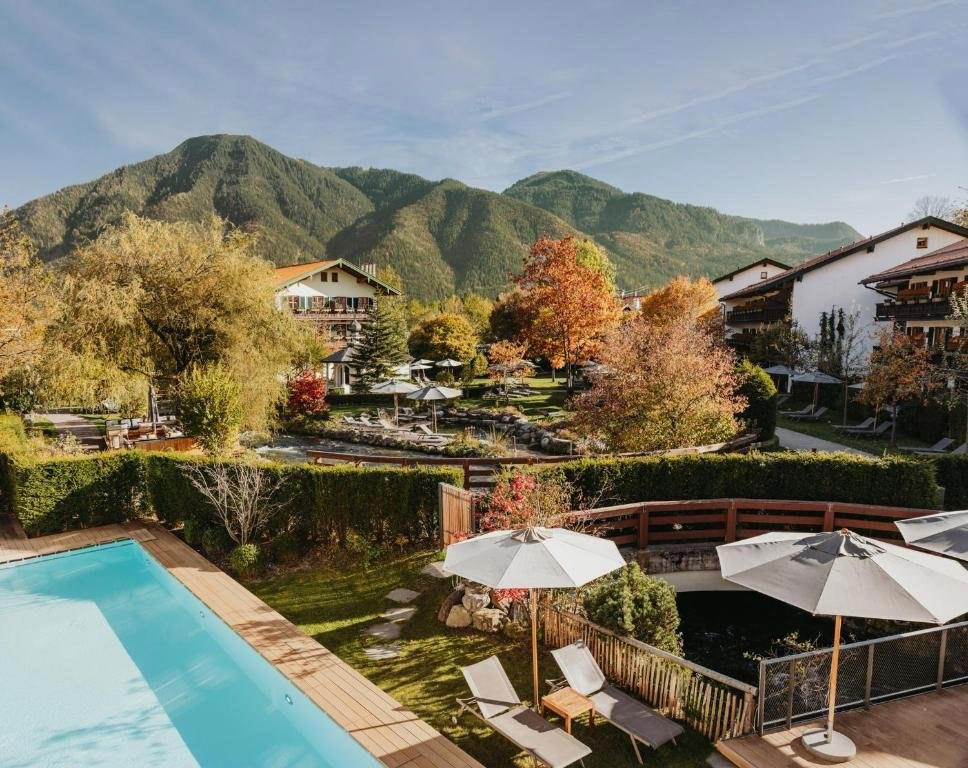
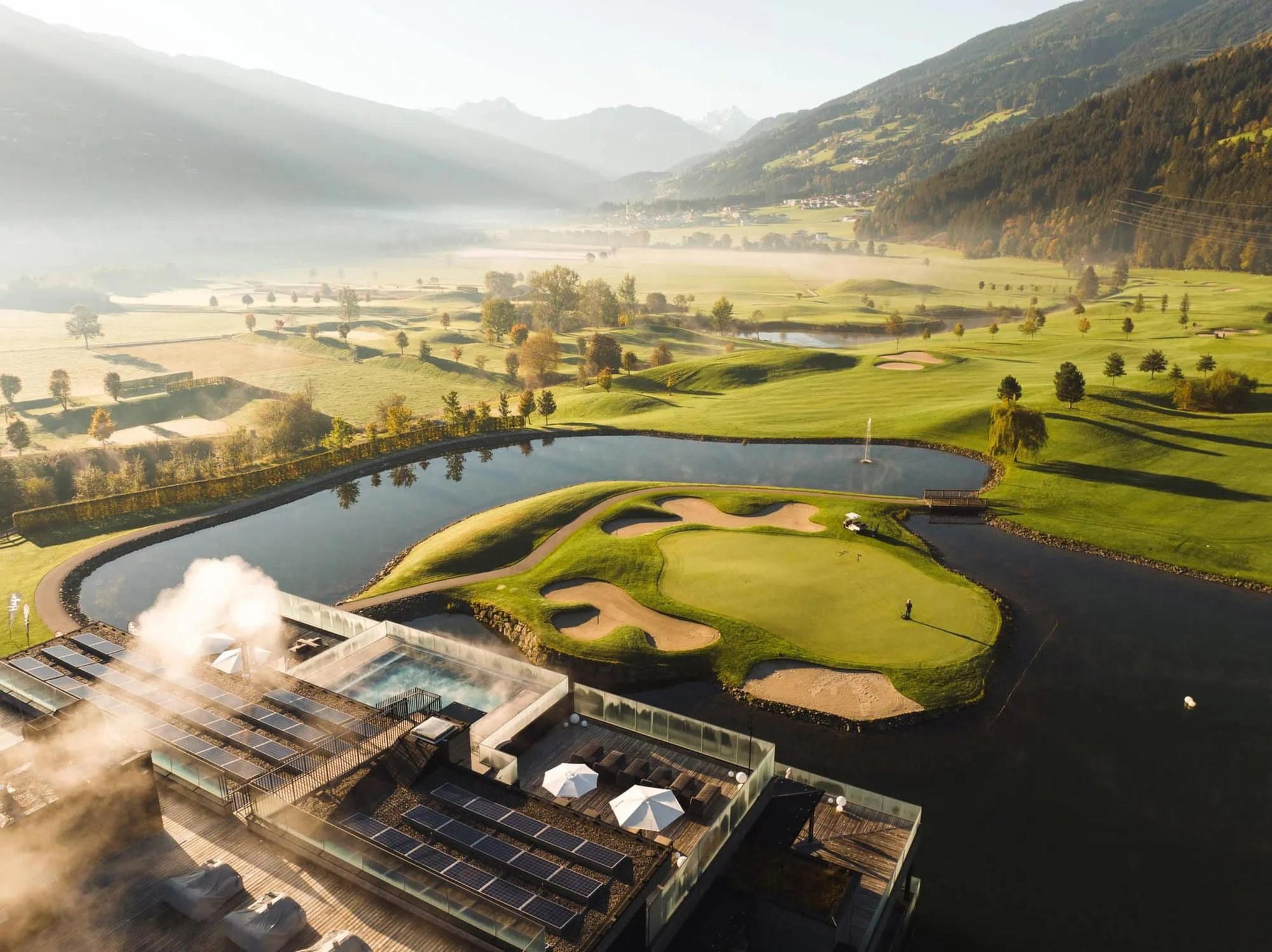
German resort culture has long treated wellness not as a supplementary offering but as an organizing principle of the stay. The proportion of a German resort's floor plan dedicated to thermal facilities, fitness infrastructure, and recovery programming is a reliable indicator of how seriously the property takes this tradition, and the Rottach-Egern Wellness Center at the Überfahrt is constructed at a scale that signals genuine commitment. Multiple pools, a private beach, a gym, and an international range of saunas, Finnish, Japanese, and others, sit within the complex, along with nutritionists and personal trainers for guests whose wellness goals extend beyond the passive end of the spectrum.
This breadth is not unusual at the summit end of German resort hospitality; properties like the Das Kranzbach Hotel & Wellness Retreat in Kranzbach and the Gut Steinbach Hotel Chalets Spa in Reit im Winkl both invest heavily in similar infrastructure for similar guest profiles. What the Überfahrt adds to this category norm is a private beach on the lake itself, which shifts wellness from an inward, interior-facing discipline to something that engages with the natural environment directly. That distinction matters in a region where the landscape, usable for hiking, cycling, skiing, and swimming across the year, is itself the primary wellness asset.
The Culinary Range and the Michelin Anchor
The hotel's restaurant offer spans Alpine, Bavarian, and Italian formats, which is a deliberate range rather than a culinary identity crisis. Multi-outlet resort dining of this kind is common at 173-room properties where guest duration, mood variation, and dietary range make a single-format approach commercially impractical. The anchor of this lineup, however, is the Michelin-starred restaurant Überfahrt, which gives the dining program a critical credential that few resort F&B operations at this scale can point to. Michelin star recognition within a hotel restaurant context does specific work: it signals that the kitchen is operating at a level assessed against standalone peers, not given special consideration for its resort context.
For guests whose stay is partly organized around a serious dining occasion, this matters. The Überfahrt restaurant carries the property into a competitive conversation with hotel dining programs at properties like the Hotel Bareiss in Baiersbronn, where Michelin recognition similarly anchors the resort's culinary standing. That comparison is not flattering to properties that offer only resort-casual food regardless of their room quality or wellness infrastructure.
Getting There and Timing Your Visit
Munich Airport is the logical entry point, and the logistics from there are direct without being effortless. A train from Munich central takes approximately 40 minutes to Rottach-Egern station, followed by a short taxi transfer to the hotel, a total journey of roughly an hour from the city. For those arriving from Munich by car, the drive runs to approximately 45 minutes depending on traffic south of the city, making the Überfahrt viable for a long weekend from Munich without the commitment of a serious journey. The lake is a year-round destination: summer draws water-sport and hiking traffic, while winter brings proximity to ski areas and the particular atmosphere of alpine Bavaria under snow. Shoulder seasons, spring and late autumn, tend to offer the clearest light on the water and the thinnest crowds.
Guests comparing the alpine resort tier across Germany will find useful reference points in properties as varied as the Luisenhöhe in Horben in the Black Forest or the Der Öschberghof in Donaueschingen, both of which pursue a similar fusion of landscape setting, wellness infrastructure, and serious food. For a full picture of where the Überfahrt sits within the local dining and accommodation scene, see our full Rottach-Egern restaurants guide. For those building a broader German itinerary, properties like the Bülow Palais in Dresden, the Excelsior Hotel Ernst in Cologne, or the Breidenbacher Hof Düsseldorf represent the urban counterpart of the Überfahrt's resort model, the same tier of recognition applied to city-center hospitality.
In Context: Similar Options
Comparable venues nearby, for context on price, style, and recognition.
| Venue | Cuisine | Price | Awards | Notes |
|---|---|---|---|---|
| Althoff Seehotel ÜberfahrtThis venue — the venue you are viewing | Luxury lakeside resort blending Bavarian heritage with contemporary wellness-focused hospitality; low-rise architecture across multiple buildings with direct lake access. | $$$$ | Michelin 3 Key | Not listed |
| Parkhotel Egerner Höfe | Traditional elegance blended with modern luxury in the Bavarian Alps | $$$$ | Michelin 2 Key | Rottach-Egern |
| Spa & Resort Bachmair Weissach | Hotel | Not listed | Michelin 1 Key | Rottach-Egern |
| Schloss Elmau Luxury Spa Retreat & Cultural Hideaway | Majestic castle-like luxury resort blending Bavarian heritage with contemporary high-end facilities | $$$$ | Michelin 3 Key | Elmau |
| Hotel Traube Tonbach | Luxury heritage spa resort set in the Black Forest with traditional German hospitality and contemporary wellness amenities. | $$$$ | Michelin 3 Key | Baiersbronn |
| Hotel Bareiss | Family-owned luxury resort blending tradition and modern comfort | $$$$ | Michelin 3 Key | Baiersbronn |
Recognition history
Dated appearances from independent guides and award organizations, with the underlying list record or original source where available.
La Liste Top Hotels
La Liste
Virtuoso Luxury Hotel Partner
Virtuoso
Leading Hotels of World Member
Leading Hotels of World
Michelin 3 Keys
Michelin
Michelin 3 Keys
Michelin
Continue exploring
More in Rottach-Egern
Hotels in Rottach-Egern
Browse all →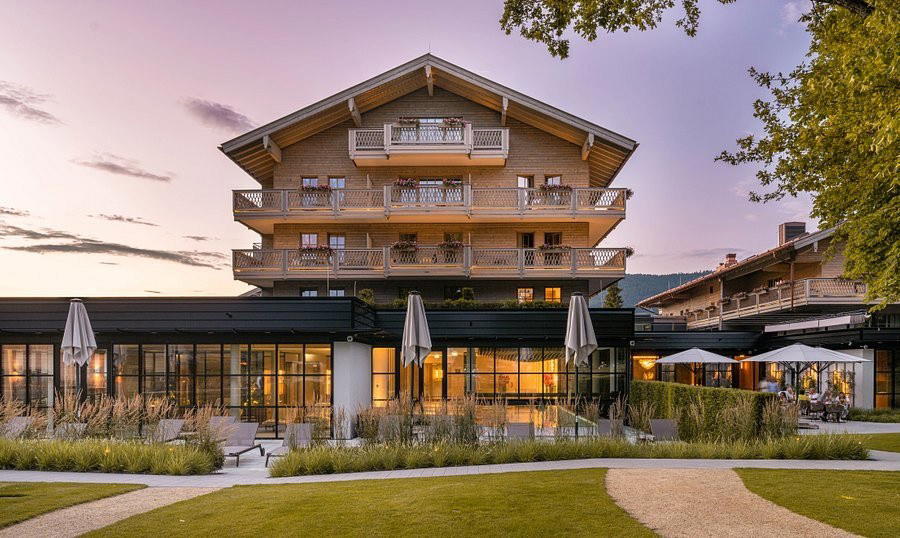
Bars in Rottach-Egern
Browse all →
At a Glance
- Elegant
- Romantic
- Scenic
- Sophisticated
- Classic
- Romantic Getaway
- Wellness Retreat
- Anniversary
- Family Vacation
- Weekend Escape
- Waterfront
- Destination Spa
- Panoramic View
- Butler Service
- Garden
- Terrace
- Wi Fi
- Pool
- Spa
- Fitness Center
- Room Service
- Concierge
- Valet Parking
- Restaurant
- Bar
- Sauna
- Hot Tub
- Beach Access
- Bicycle Rental
- Kids Club
- EV Charging
- Business Center
- Waterfront
- Mountain
- Wi Fi
- Pool
- Spa
- Fitness Center
- Room Service
- Concierge
- Valet Parking
- Restaurant
- Bar
- Sauna
- Hot Tub
- Beach Access
- Bicycle Rental
- Kids Club
- EV Charging
- Business Center
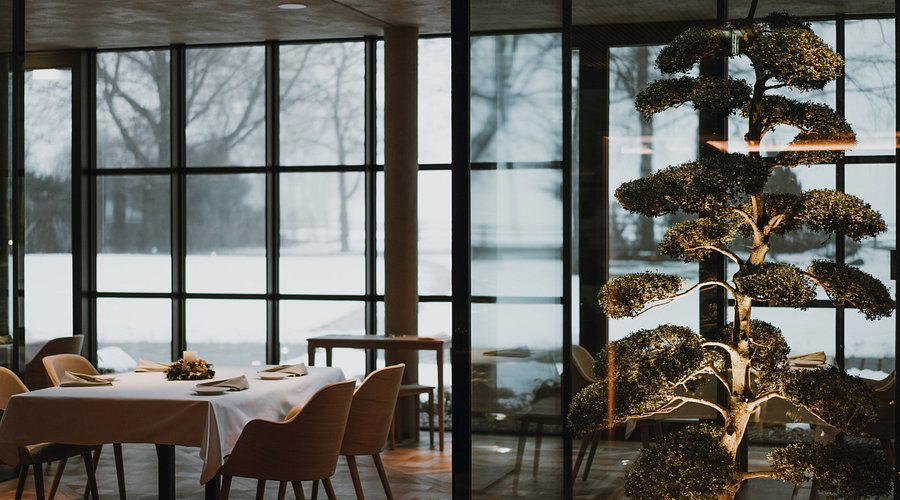
Timeless classic elegance with modern comfort; bright, airy spaces with natural light from lake and mountain views; sophisticated yet welcoming atmosphere with attentive service throughout.