




2 Michelin Keys · La Liste Top Hotels · Virtuoso Luxury Hotel Partner
A converted 19th-century bank building on Bebelplatz, Hotel de Rome brings Rocco Forte's signature house style to old East Berlin with 146 rooms, Michelin 2 Keys recognition (2024), and a La Liste score of 91.5 points (2026). The vault-level pool and rooftop terrace set it apart from Berlin's conventional luxury tier. For business travellers and heritage-minded guests, it occupies a specific and credible position in the city's upper-bracket hotel market.

Pearl is the En Primeur Club membership app, where members save venues, book tables and use the concierge.
A Bank Vault Reimagined: Berlin's Heritage Luxury Tier
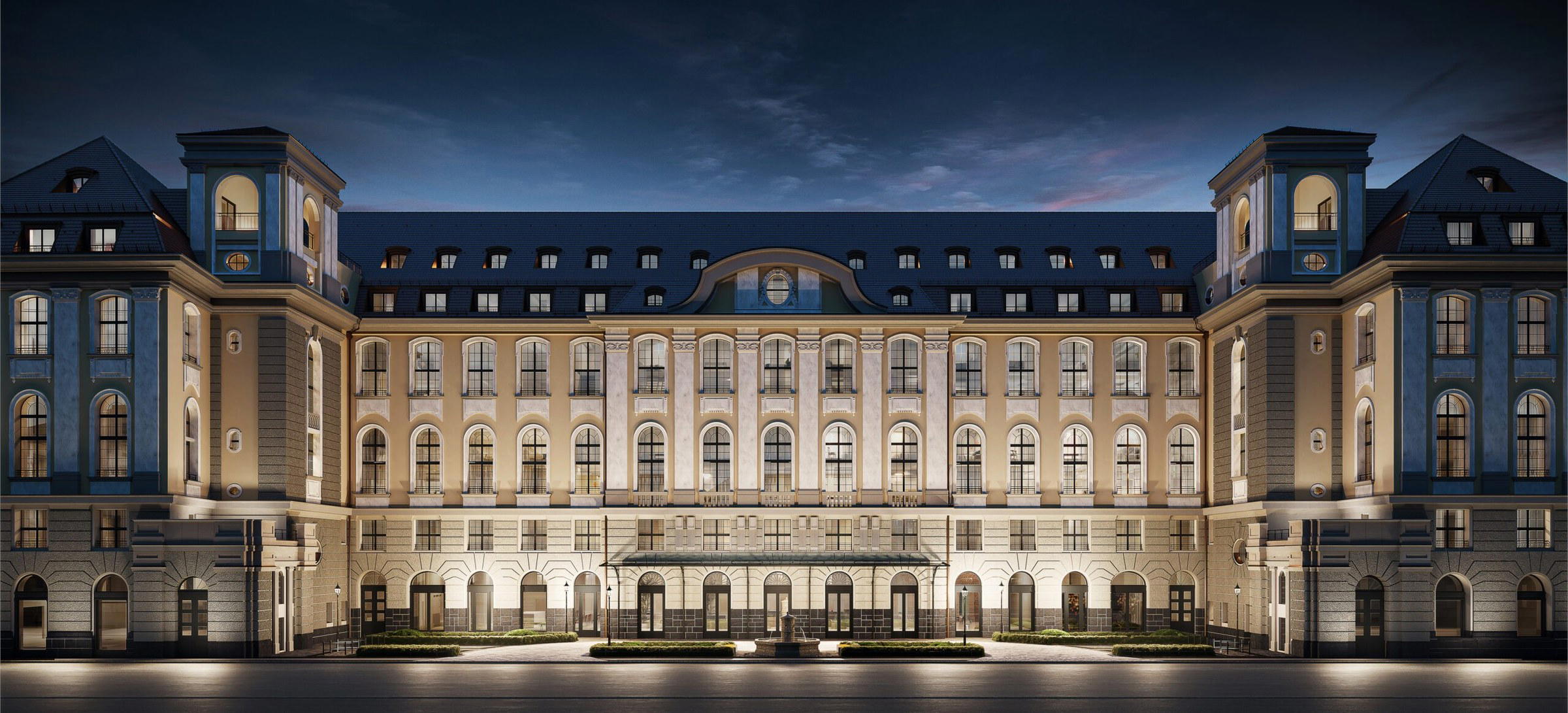
The approach to Hotel de Rome prepares you for what's inside. Behrenstraße 37 is a neoclassical stone building that once housed the Dresden Bank, and its weight, literal and architectural, still reads from the pavement. Grand Atelier Prométhée magenta urns flank the entrance, and Olivia Steele's neon birdcage glows just inside: a deliberate visual collision between the building's 19th-century gravitas and a contemporary sensibility that Rocco Forte has made its calling card across Europe. It is the kind of entrance that communicates intent before a word is spoken.
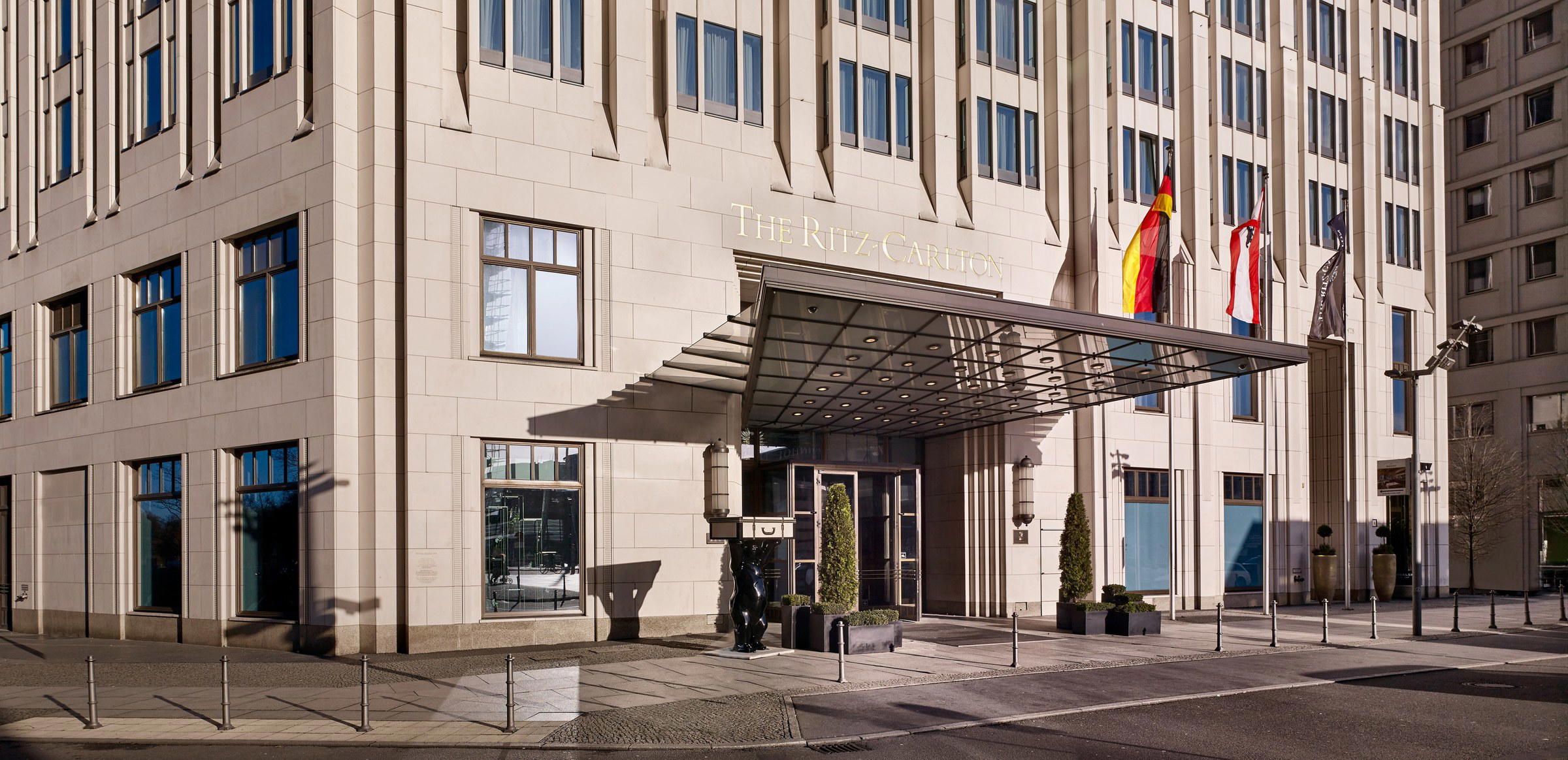
Berlin's upper luxury tier has long been contested between properties with international brand weight and those with genuine architectural backstory. The Ritz-Carlton and Waldorf Astoria occupy one corner of that market; Hotel Adlon Kempinski another. Hotel de Rome sits differently: its conversion from a working bank into a 146-room hotel gives it a spatial logic that purpose-built hotels simply cannot replicate. The vaulted ceilings, the load-bearing stone, the deep floor plans, these are not decorative choices but structural inheritances that shape every room in the building. That distinction matters when assessing where it fits in Berlin's competitive set.
The Vault Aesthetic: What the Architecture Dictates
The most discussed feature of the hotel's physical experience is what happened to the original vault. Rather than erasing it, Rocco Forte converted the lower level into a pool and spa finished in green and gold, a colour palette that reads as both period-appropriate and quietly theatrical. In a city where spa culture tends toward the clinical or the industrial-cool, this is a different register entirely.
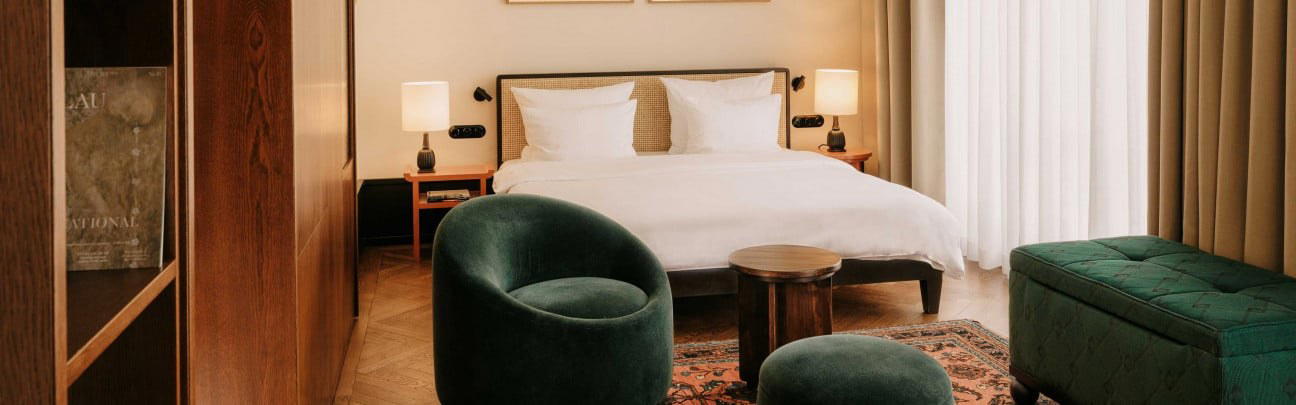
Above ground, the palette shifts. Magisterial reds and blues move against a base of stone neutrals throughout the public areas, giving the hotel a visual temperature that feels warmer than its exterior suggests. The suites and rooms maintain that register: king-sized beds, flat-panel screens, sound systems that extend into the mosaic marble bathrooms, and wired internet throughout. The last detail is a practical concession to the building's physics, thick stone walls attenuate wireless signals, but it also signals that the hotel knows its primary guest, someone for whom reliable connectivity is non-negotiable rather than a preference.
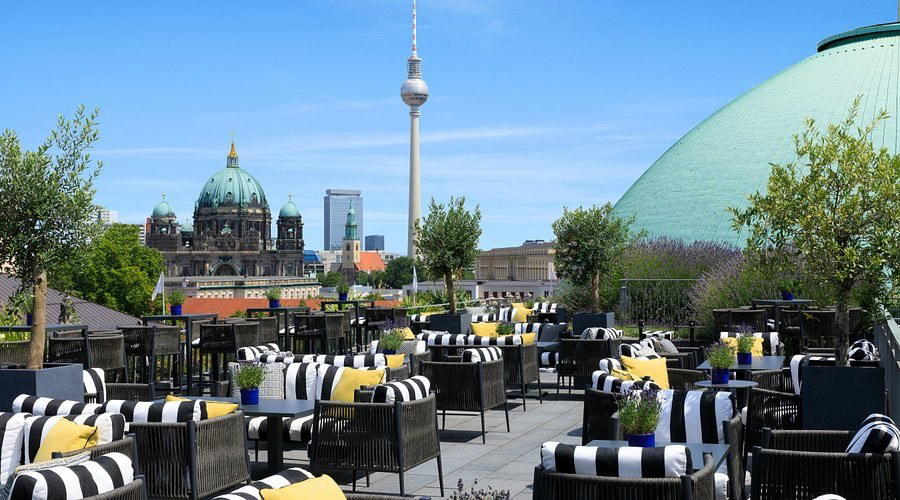
The rooftop terrace functions as the hotel's social counterpoint to all this interior weight. After dark, it offers clear sightlines over the Berlin skyline, a view that carries particular resonance on Bebelplatz, a square with a historically charged presence in the city's memory. Cocktails on that terrace are as much about location as they are about the drinks themselves.
Bebelplatz and the Question of Context
Berlin's luxury hotel geography has a rough east-west logic that has been slowly dissolving since reunification. The Mitte addresses, Bebelplatz, Unter den Linden, the area around the Staatsoper, carry a different kind of prestige from the Charlottenburg corridor where hotels like the Patrick Hellmann Schlosshotel operate. Neither is simply better than the other; they serve different orientations toward the city. Hotel de Rome's position in old East Berlin puts guests within reach of Museum Island, the Berliner Dom, and the Humboldt Forum on foot, a cultural density that few other luxury addresses in the city can match.
For comparison, properties like Roomers Berlin Steinplatz and 25hours Hotel Bikini Berlin operate in Charlottenburg with a design-forward, lifestyle-oriented proposition that targets a different sensibility. Telegraphenamt and Château Royal Berlin represent the emerging boutique conversion category in the city. Hotel de Rome belongs to neither of those cohorts; it is the heritage-institutional option, the hotel that positions itself as the correct choice for guests whose primary relationship with Berlin is through its political and cultural architecture rather than its creative subcultures.
The Adina Apartment Hotel Berlin Hackescher Markt and Casa Camper Berlin round out the extended-stay and design-hotel adjacents in Mitte, but neither competes directly for Hotel de Rome's guest profile. The Ritz-Carlton, Berlin is the closest structural peer, a brand-backed flagship with strong business-travel orientation, though their architectural identities and neighbourhood contexts diverge considerably.
Recognition and Market Position
Hotel de Rome holds Michelin 2 Keys (2024) and a La Liste Leading Hotels score of 91.5 points (2026), alongside membership in Leading Hotels of the World. That combination of recognition signals places it in Berlin's upper bracket without ambiguity. Michelin's hotel programme, now in its early years of wider rollout, tends to reward properties where hospitality craft is consistent and the physical environment is genuinely considered, both conditions this building and its operator meet.
The La Liste score of 91.5 is useful as a cross-market comparator. Against Germany's wider luxury hotel field, properties like the Fairmont Hotel Vier Jahreszeiten in Hamburg, Excelsior Hotel Ernst in Cologne, and Breidenbacher Hof in Düsseldorf occupy similar institutional-heritage positions in their respective cities. Internationally, it benchmarks against the kind of urban luxury property, considered design, strong location, brand credibility, that also includes addresses like The Fifth Avenue Hotel in New York City and Aman Venice, though those operate at different price points and with different service philosophies.
Within Germany's resort and retreat tier, the competitive conversation is different again: Schloss Elmau, Hotel Bareiss, and Althoff Seehotel Überfahrt serve a different demand. Urban flagship hotels like Hotel de Rome, the Bülow Palais in Dresden, and the Hotel Ketschauer Hof in Deidesheim belong to a separate consideration set, one defined by city-centre position, architectural heritage, and the density of cultural programming nearby. Other German properties worth tracking in adjacent niches include Das Kranzbach, Der Öschberghof, Gut Steinbach, BUDERSAND Hotel, and Esplanade Saarbrücken, each operating in distinct regional contexts.
Planning Your Stay
Hotel de Rome sits at Behrenstraße 37, a few minutes' walk from the Staatsoper Unter den Linden and directly on Bebelplatz, Berlin's U-Bahn and S-Bahn network connects this address to the rest of the city efficiently, though the immediate neighbourhood is walkable for most cultural and governmental institutions. The hotel's 146 rooms and suites make it large enough to absorb conference groups without fully displacing leisure guests, which means booking ahead during major trade fair periods (Berlin's exhibition calendar is dense) is worth factoring into timing. Rates are not listed in the current inventory, so contact the hotel directly or check the Rocco Forte booking platform for current availability. For broader context on where this hotel fits within Berlin's dining and hospitality scene, see our full Berlin restaurants guide. Travellers comparing ultraluxury urban hotels internationally may also want to consider Aman New York as a reference point for what the conversion-building luxury format looks like at its most capital-intensive.
Quick Comparison
Comparable venues nearby, for context on price, style, and recognition.
| Venue | Cuisine | Price | Awards | Notes |
|---|---|---|---|---|
| Hotel de RomeThis venue (the venue you are viewing) | Luxury heritage hotel blending historic Prussian banking architecture with contemporary Italian design sensibility and minimalist interiors. | $750–1,000 | 2 Michelin Keys · La Liste Top Hotels | Not listed |
| The Ritz-Carlton, Berlin | Art Deco-inspired luxury hotel evoking Berlin's glamorous golden era | $300–500 | 2 Michelin Keys · La Liste Top Hotels | Tiergarten |
| Telegraphenamt | Historic telegraph office transformed into luxury boutique hotel | $300–500 | 2 Michelin Keys | Mitte |
| Roomers Berlin Steinplatz, Autograph Collection | Historic Art Nouveau landmark reimagined as a contemporary luxury boutique hotel blending 1920s-inspired design with modern amenities. | $300–500 | 1 Michelin Key | Charlottenburg |
| Patrick Hellmann Schlosshotel | Historic palace with fashion-forward interiors | $100–200 | 2 Michelin Keys · La Liste Top Hotels | Grunewald |
| SO/ Berlin Das Stue | Contemporary luxury in historic building blending modern design with elegant heritage charm | $300–500 | 1 Michelin Key · La Liste Top Hotels | Tiergarten |
Recognition history
Dated appearances from independent guides and award organizations, with the underlying list record or original source where available.
Michelin 2 Keys
Michelin
La Liste Top Hotels
La Liste
Virtuoso Luxury Hotel Partner
Virtuoso
Leading Hotels of World Member
Leading Hotels of World
Robb Report The 50 Greatest Luxury Hotels on Earth #14
Robb Report
Full recognition history (6 entries)
Michelin 2 Keys
Michelin
Continue exploring
More in Berlin
Hotels in Berlin
All hotels in Berlin →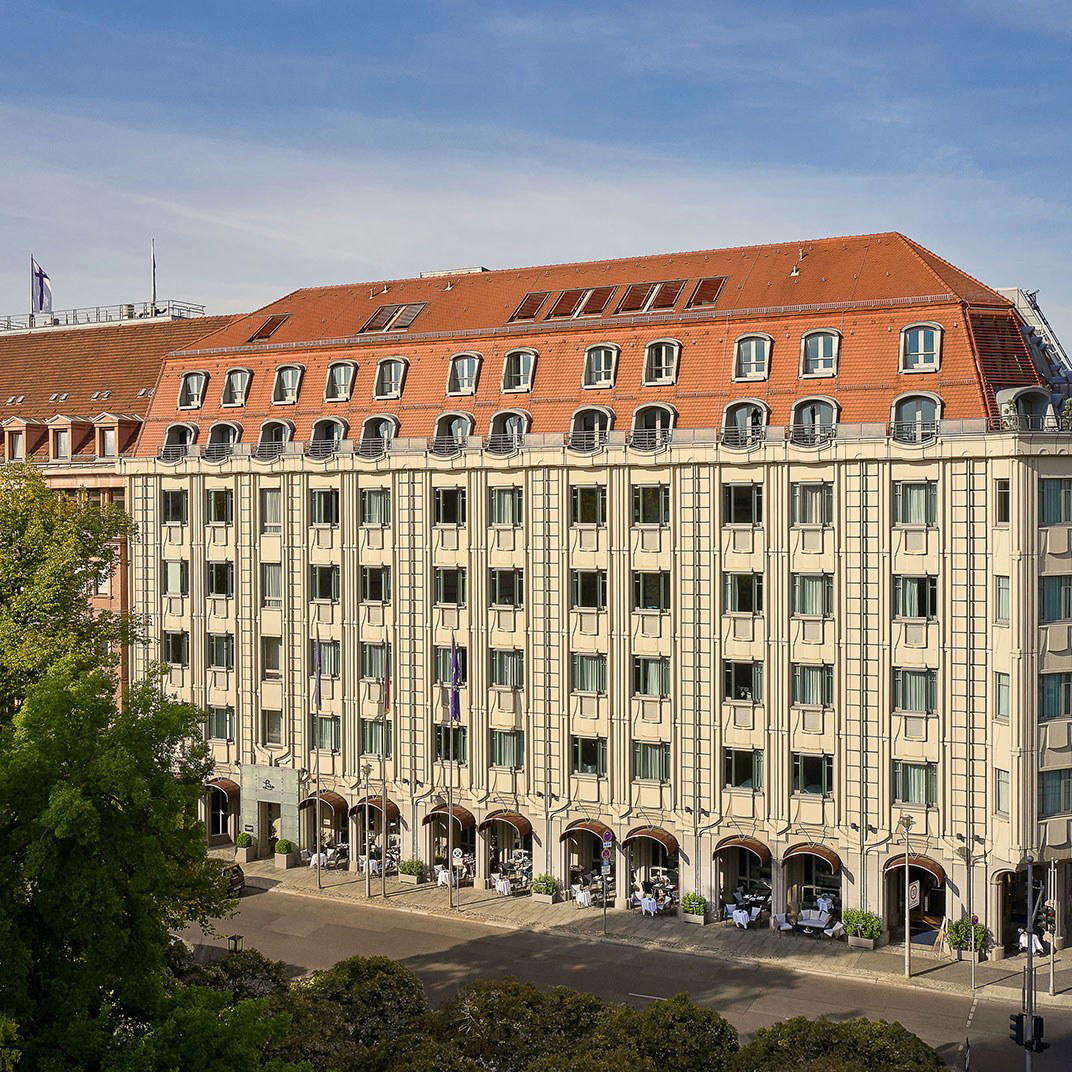
Bars in Berlin
All bars in Berlin →

Details
- Elegant
- Sophisticated
- Romantic
- Well Known
- Romantic Getaway
- Anniversary
- Business Trip
- Weekend Escape
- Historic Building
- Rooftop Pool
- Destination Spa
- Panoramic View
- Terrace
- Wi Fi
- Pool
- Spa
- Fitness Center
- Room Service
- Concierge
- Business Center
- Valet Parking
- Restaurant
- Bar
- Skyline
- Street Scene
- Wheelchair Accessible
- Elevator
- Accessible Restroom
- Accessible Parking
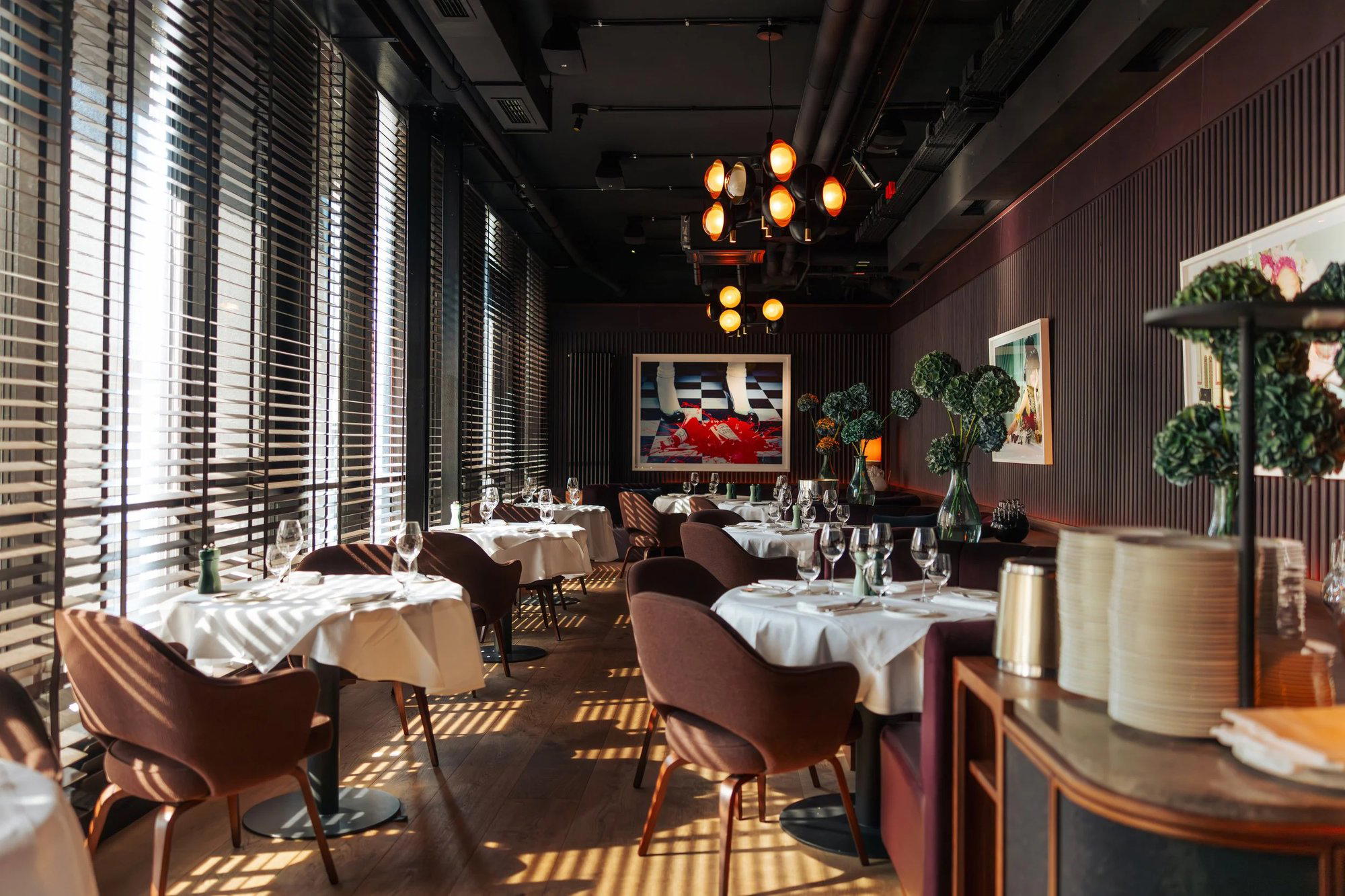
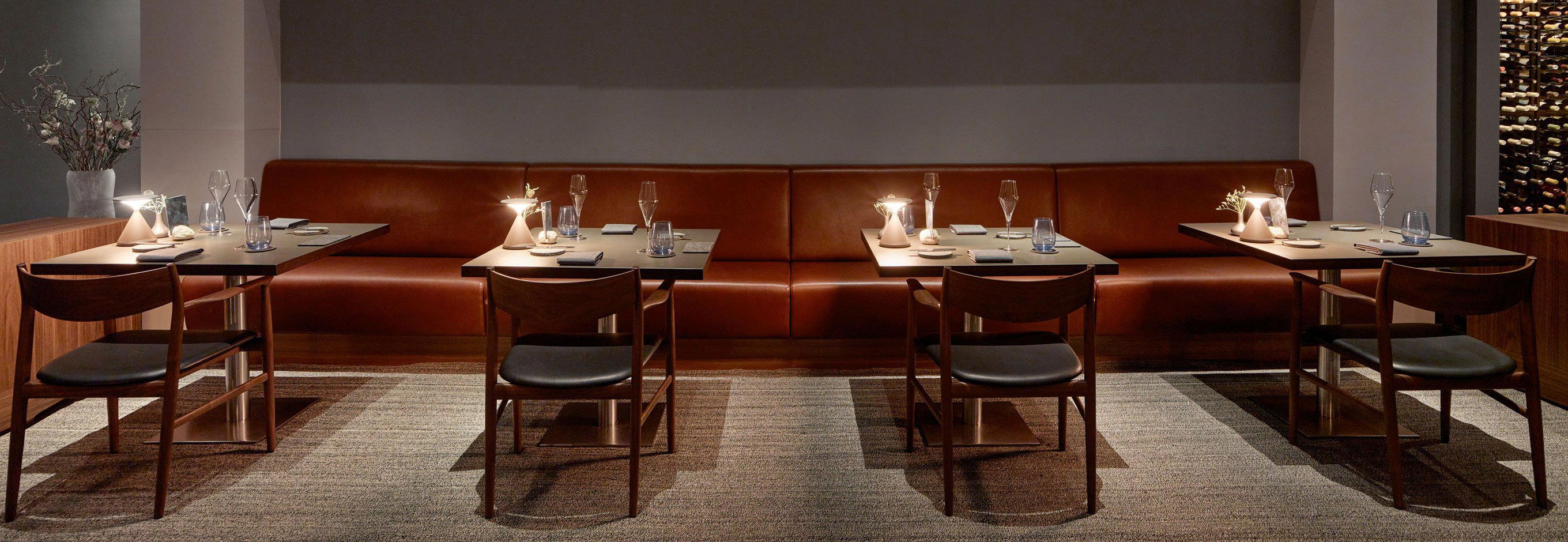
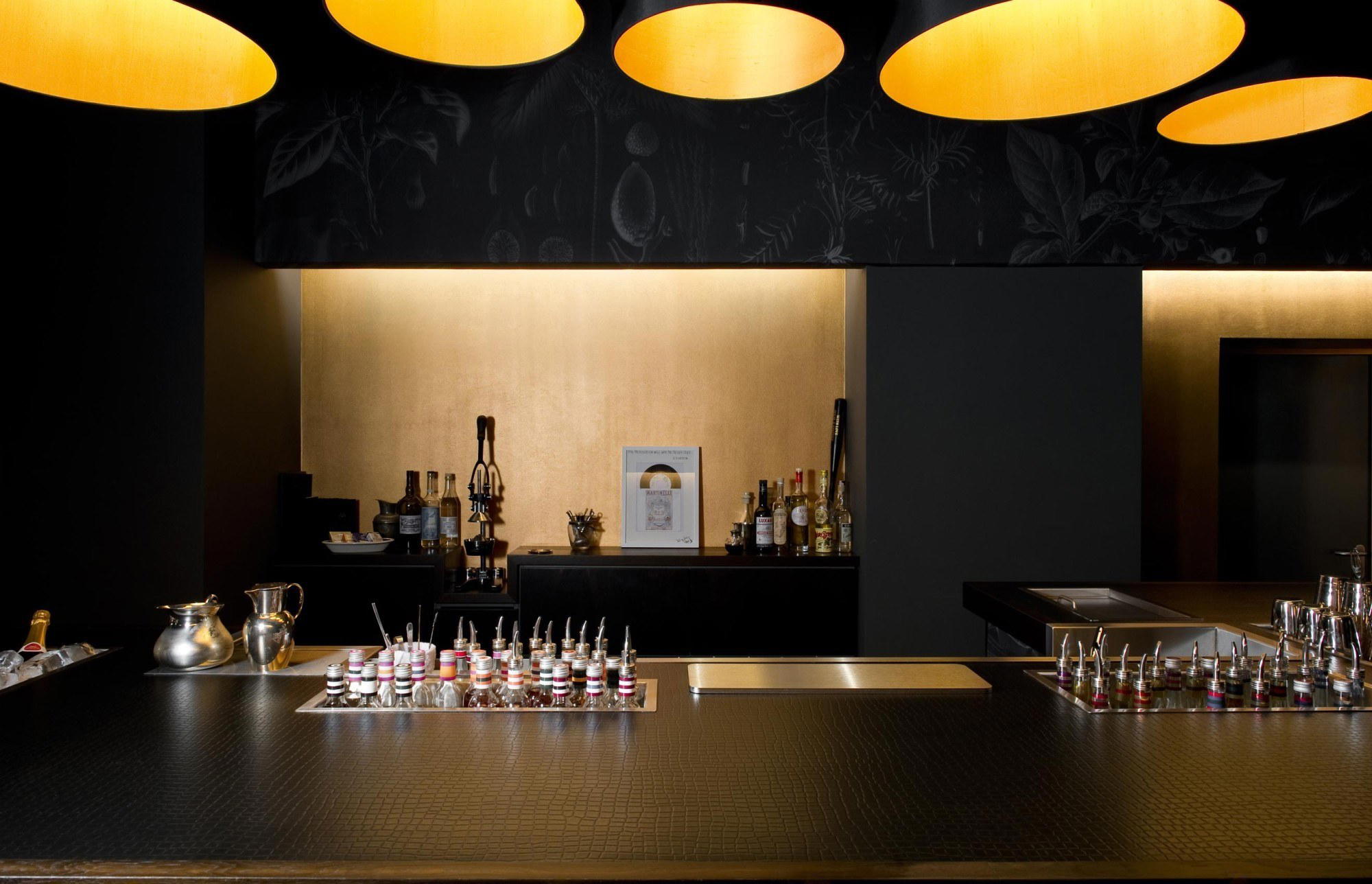
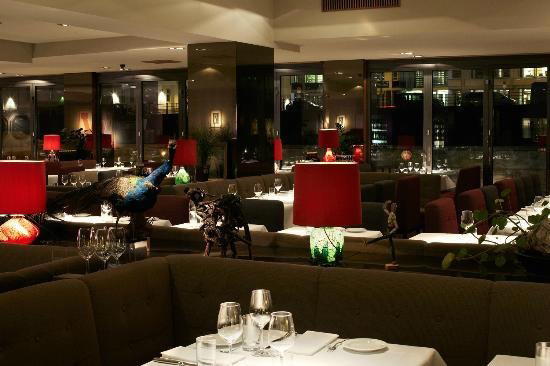
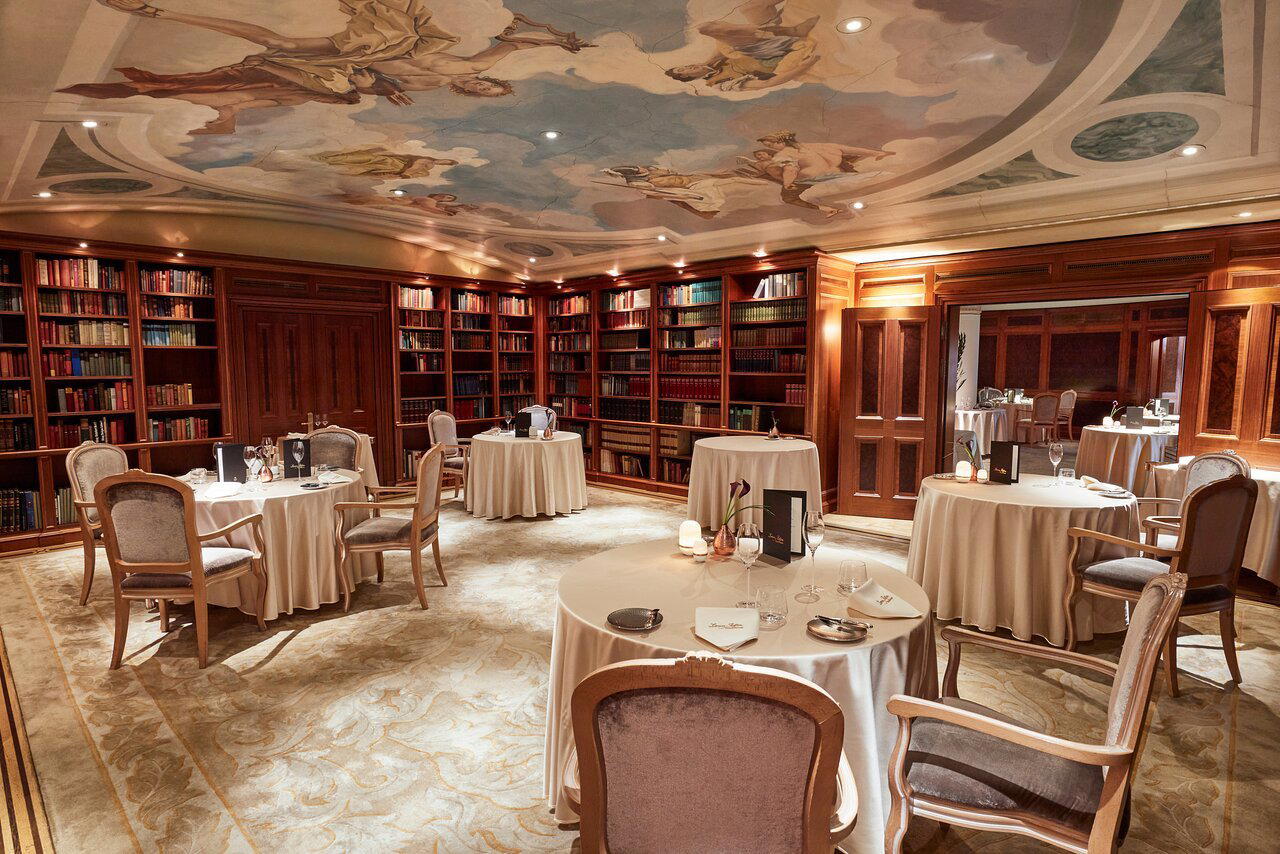
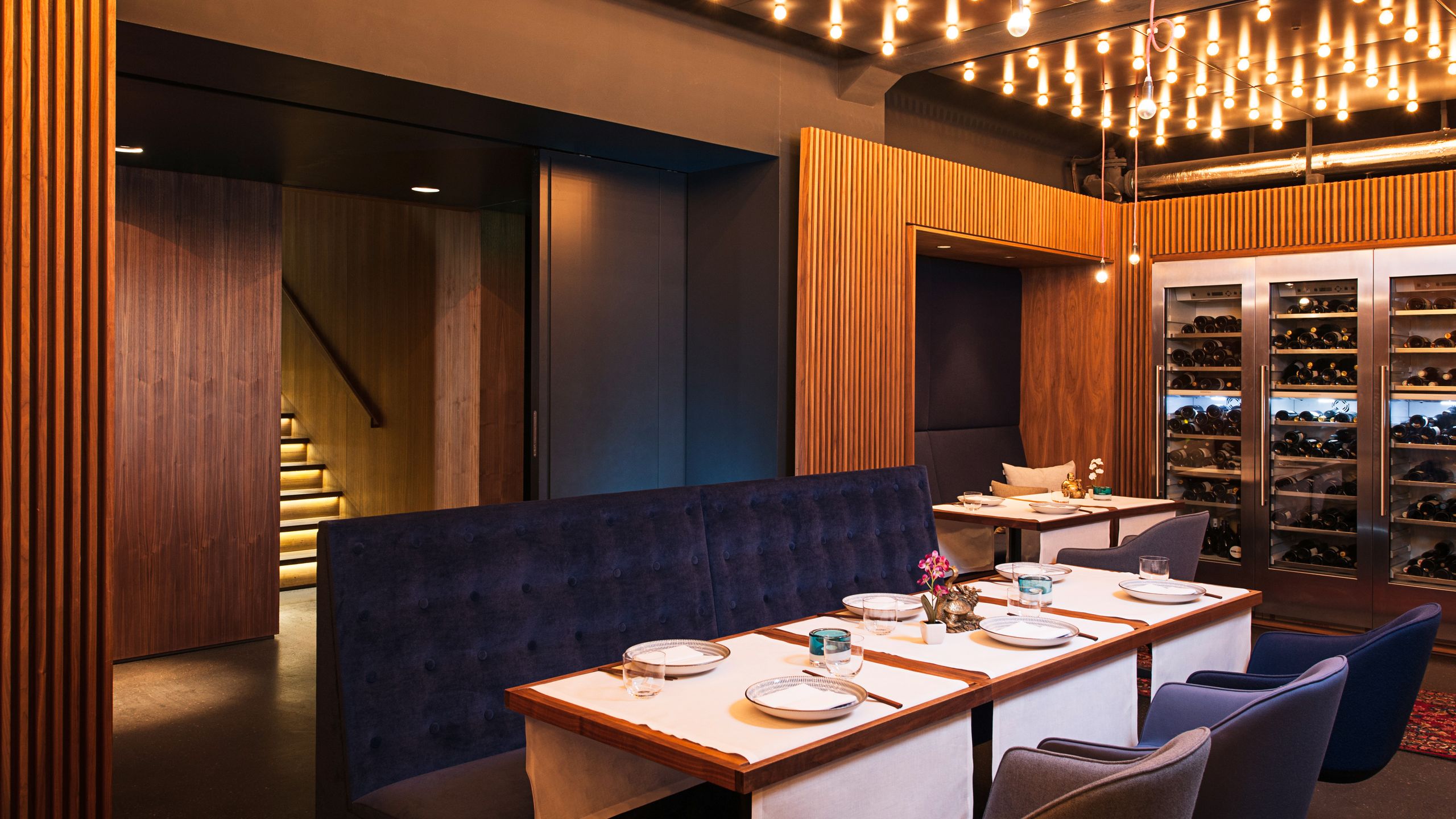
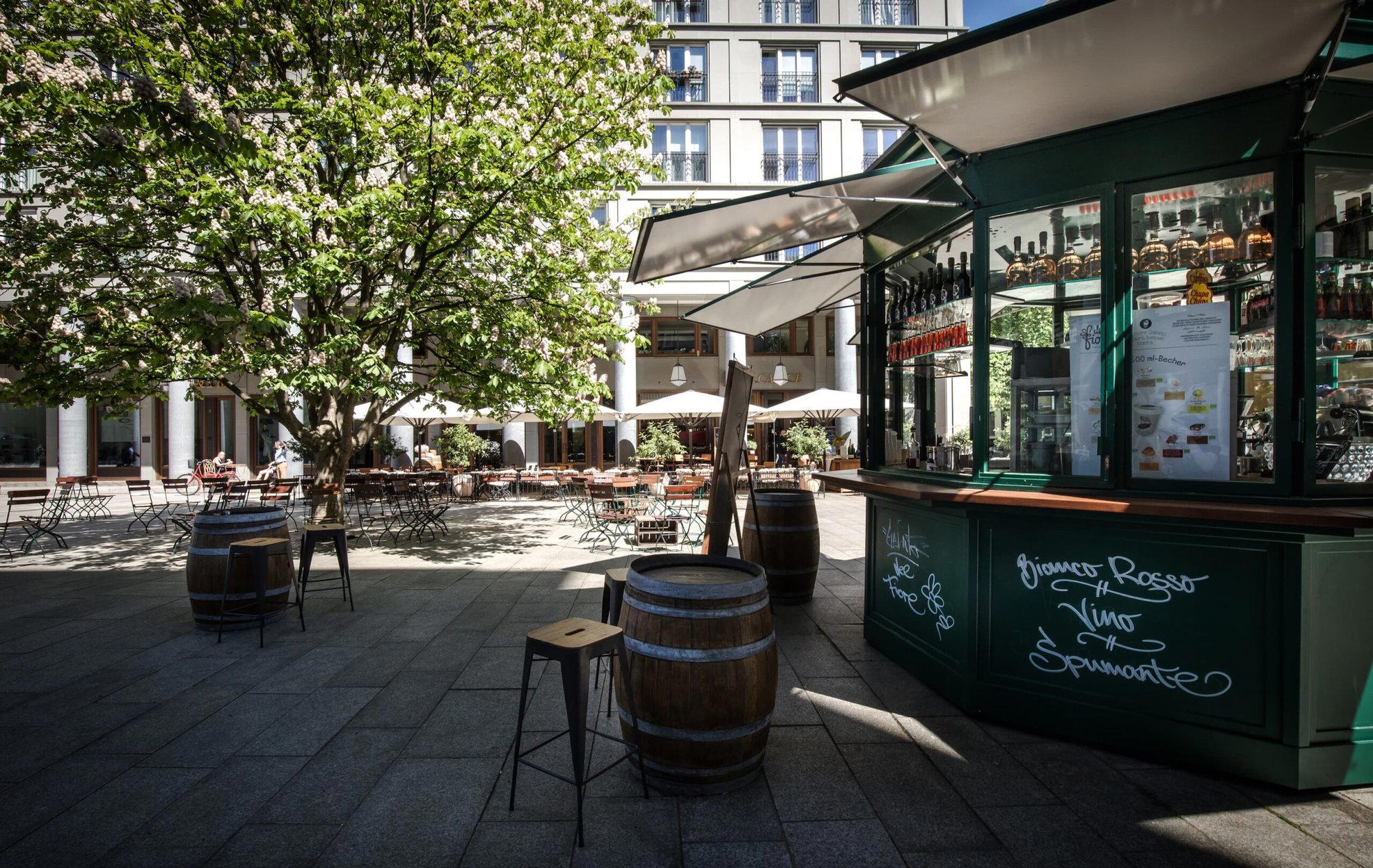
Tastefully blended historic grandeur with modern elegance; marble flooring, glass-accented ceilings, dark furnishings, and intimate lighting create sophisticated yet welcoming atmosphere.