Hotel Bareiss



3 Michelin Keys · La Liste Top Hotels · Relais Chateaux Award
Hotel Bareiss is a three-generation family estate in Baiersbronn's Black Forest, holding three Michelin stars in its gourmet restaurant and a 98-point score from La Liste's 2026 Top Hotels ranking. Rates from US$598 per night across 100 rooms place it in Germany's upper tier of destination resort hotels, where Michelin recognition and genuine countryside scale are rarely found together.

Pearl is the En Primeur Club membership app, where members save venues, book tables and use the concierge.
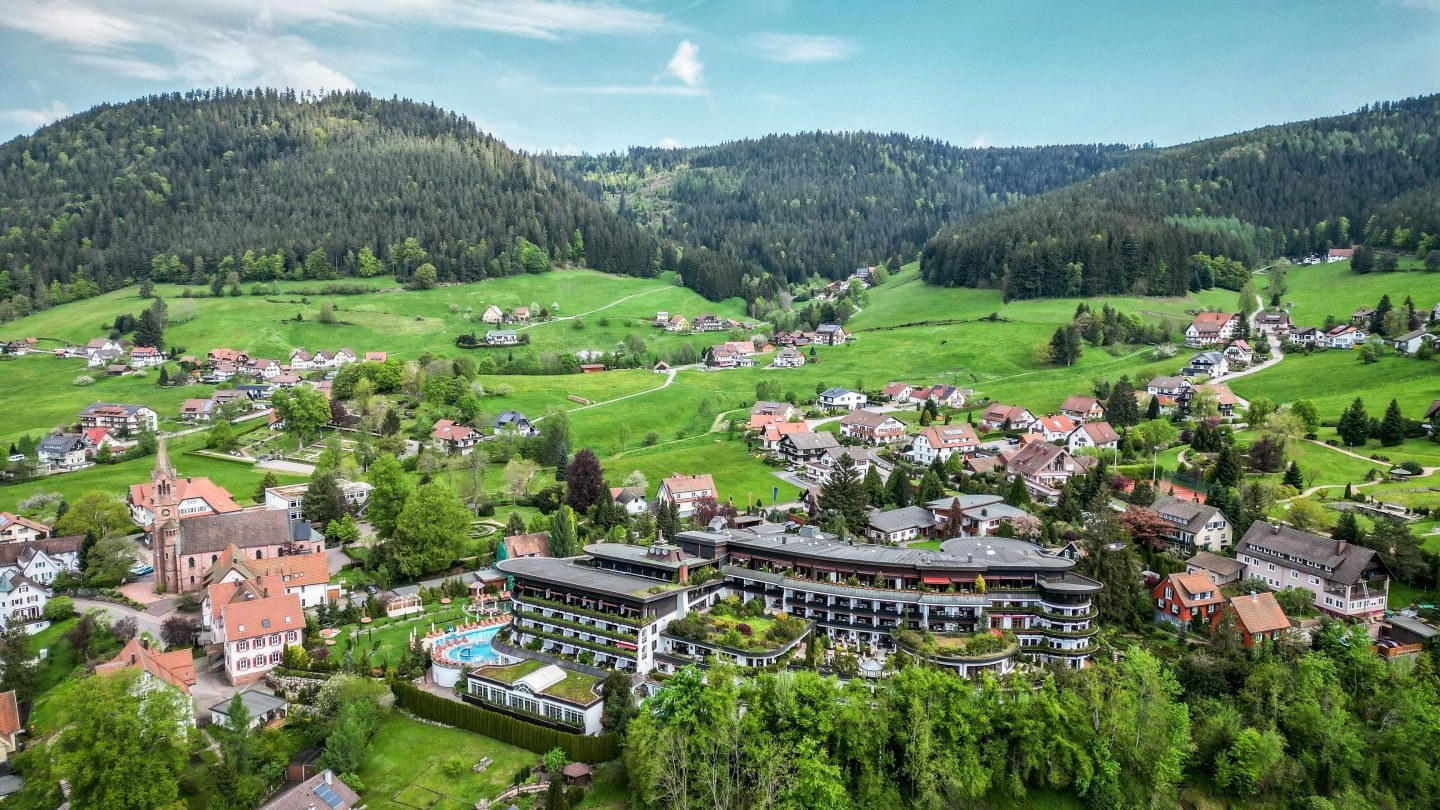
Where the Black Forest Becomes Architecture
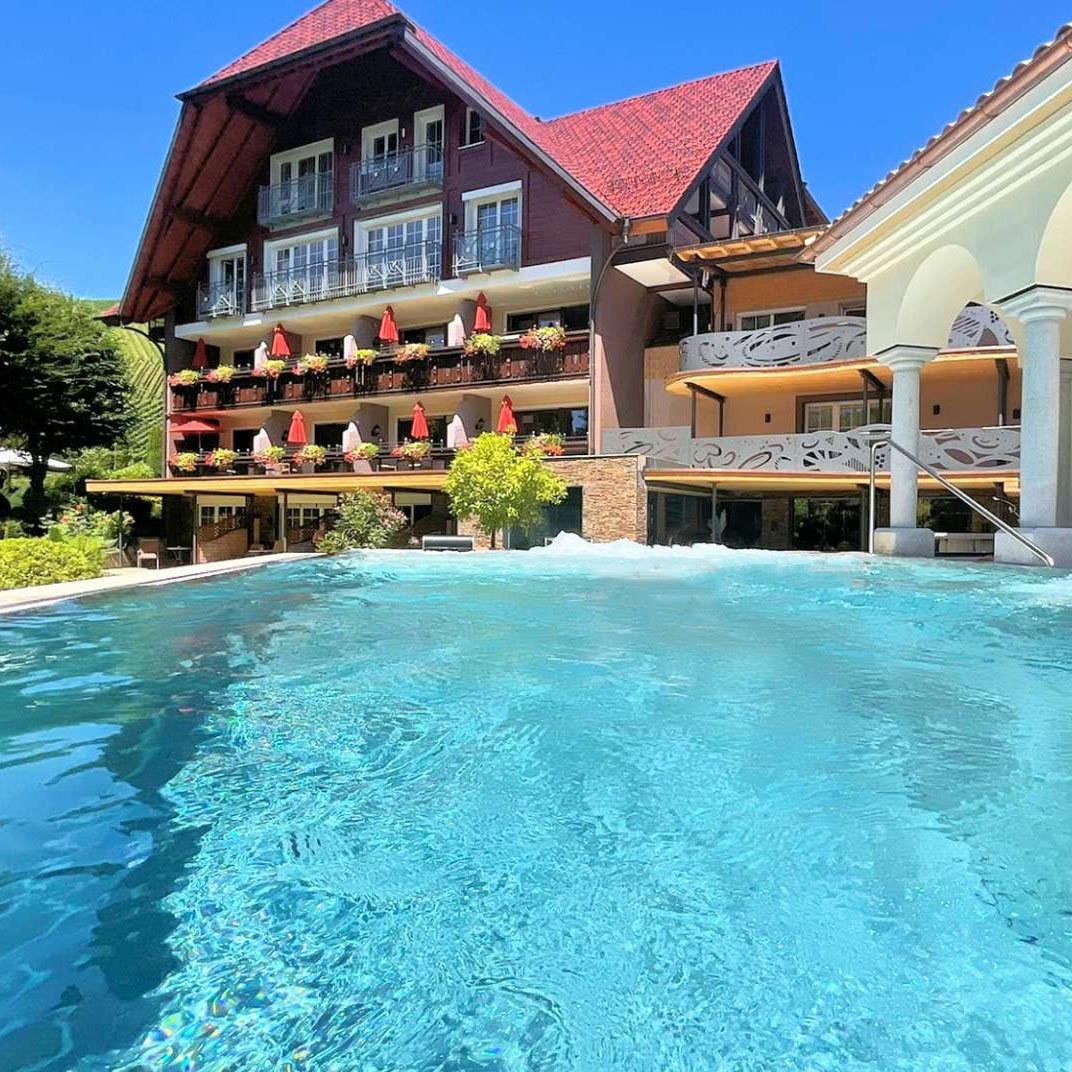
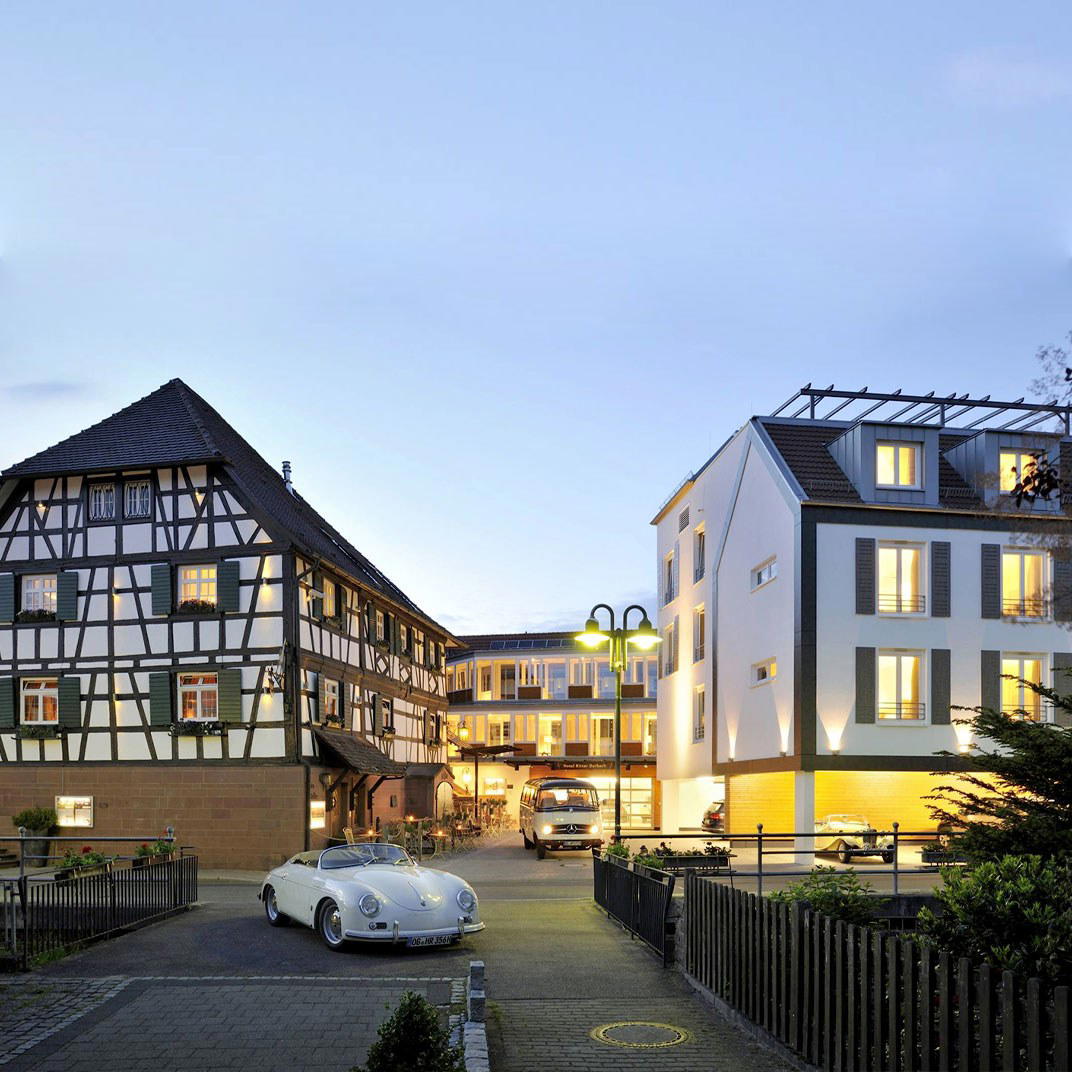
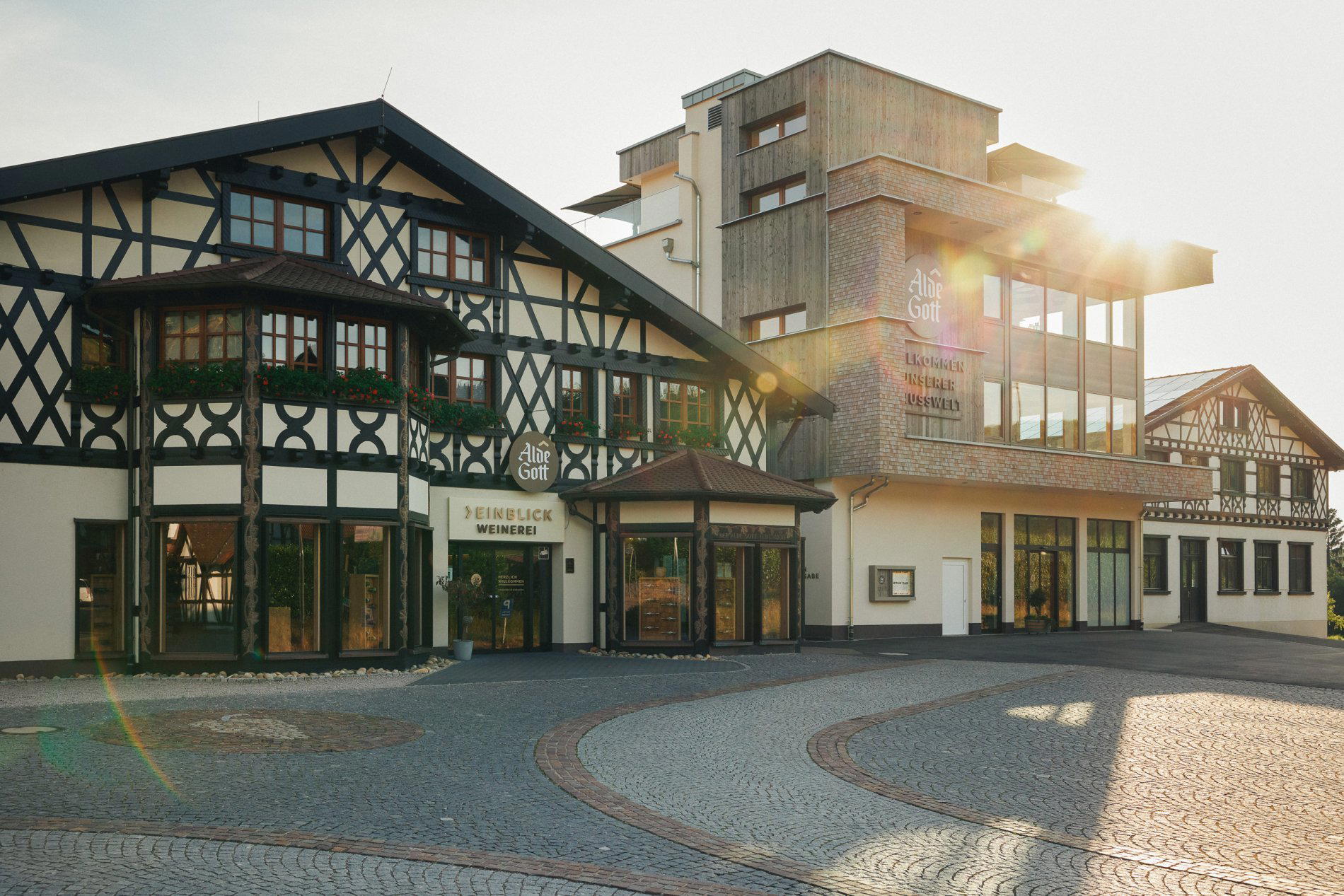
The approach to Hotel Bareiss tells you most of what you need to know about how German resort hospitality operates at its most committed. Baiersbronn sits in the Murg Valley, deep enough into the Black Forest that the surrounding fir ridges form the actual horizon rather than a decorative backdrop. At this address on Hermine-Bareiss-Weg, the storybook facades, steep gabled rooflines, dark timber framing, the kind of stonework that takes decades to look genuinely rooted, are not imported styling. They read as a continuation of the terrain. That physical relationship between building and forest is the organizing principle that has defined the property across three generations of family stewardship, and it shapes the experience before a guest sets foot inside.
Germany's Black Forest luxury tier occupies an interesting position in the broader European hotel market. Unlike alpine destinations anchored by skiing infrastructure, or coastal properties built around seasonal sun, Baiersbronn's proposition is quieter and more internally focused: the forest, the thermal culture, the table. Hotel Bareiss sits at the top of that local hierarchy, alongside the similarly three-Michelin-starred Hotel Traube Tonbach a few kilometres away, making Baiersbronn an anomaly, a small German town with two three-star restaurant hotels operating simultaneously. That concentration of Michelin recognition in a single valley is the clearest signal of how seriously this part of Baden-Württemberg treats the table.
The Estate as Spatial Argument
What distinguishes Hotel Bareiss architecturally from comparable German resort properties is the cumulative logic of expansion. Where many family-run hotels grow haphazardly, adding wings, converting outbuildings, patching together mismatched styles, Bareiss has expanded in a way that preserves coherence. The grounds function as an estate in the original sense: a collection of structures that share a visual grammar and a relationship to the surrounding landscape. Over three generations, the family has added pools, saunas, and supporting facilities at a scale that would be unusual for an independent property, without the uniformity that characterises branded international chains.
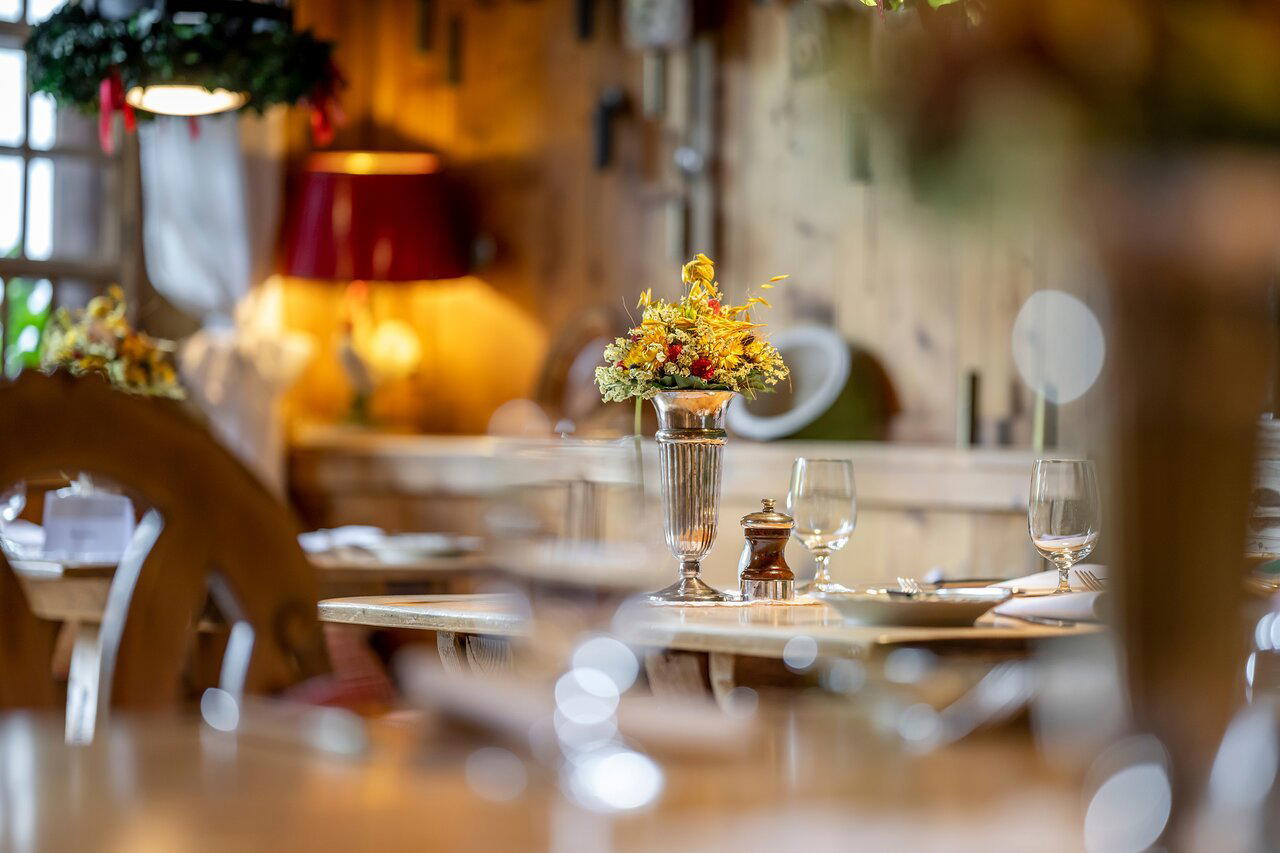
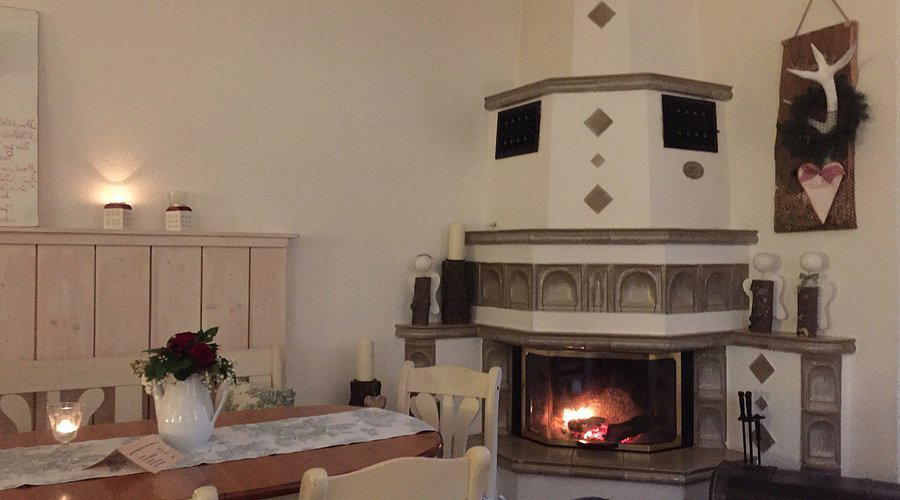
The interiors carry that same logic forward. Rooms arrive with fireplaces, wainscoting, fresh flower arrangements, and layered linen, the kind of material accumulation that requires sustained investment rather than a single renovation cycle. These are not design choices assembled to photograph well; they are the physical vocabulary of a property that has been lived in and refined over time. Guests accustomed to the restrained minimalism of properties like Das Kranzbach Hotel in Kranzbach or the urban precision of Hotel de Rome in Berlin will find a different register here: warmer, denser, more explicitly traditional in its material references.
The pool and sauna infrastructure deserves specific mention because it operates at a scale that reshapes how a stay here actually unfolds. Multiple pools and distinct sauna environments across the estate mean the wellness offering functions as a genuine daily itinerary rather than an amenity to be used once. In the German spa tradition, where thermal culture carries the same cultural seriousness as dining, this matters. Properties like Hotel Engel Obertal, also in Baiersbronn, compete in this same wellness-and-gastronomy format, which speaks to how deeply the valley's identity is shaped by the combination of the two.
The Gourmet Restaurant: Three Stars in the Forest
In a country where Michelin three-star restaurants frequently inhabit urban hotel addresses, the Black Forest location is an outlier, guests come to this table specifically, not because they are already in the city.
La Liste's 2026 Leading Hotels ranking awards the property 98 points, and the Michelin hotel programme added three Keys in 2024. That alignment between lodging quality and restaurant ambition is less automatic than it sounds. Germany has properties where the restaurant leads and the rooms follow, and vice versa.
Note that the Gourmet-Restaurant closes annually from 21 July to 21 August, a full month that aligns with the German school holiday calendar and is worth knowing before planning a visit centred on the restaurant specifically. Guests arriving during that window will find the rest of the estate operational but the headline dining closed. For those for whom the three-star table is the primary reason to come, planning around this annual closure is direct. The rest of Germany's comparable fine dining addresses, including Althoff Seehotel Überfahrt in Rottach-Egern and Schloss Elmau in Elmau, do not have equivalent closures of this length, so it is a logistical distinction worth registering.
Positioning in the German Luxury Hotel Market
Hotel Bareiss operates in an interesting position within the broader German luxury hotel conversation. Rates from US$598 per night across 100 rooms place it in a tier where it competes against city addresses with different structural advantages: the Fairmont Hotel Vier Jahreszeiten in Hamburg offers urban access and historic grandeur, the Mandarin Oriental Munich delivers the brand infrastructure of an international group, and the Excelsior Hotel Ernst in Cologne anchors itself to a different historical tradition. Bareiss counters those advantages with something harder to replicate: genuine remoteness, a functioning estate at resort scale, and a three-star restaurant that you cannot access without staying.
The family-run structure also distinguishes it from branded comparables. Properties under international management, from Kempinski Hotel Berchtesgaden to Breidenbacher Hof in Düsseldorf, operate with the consistency and systems of a global group. Bareiss offers something structurally different: decisions made on-property by ownership rather than filtered through brand standards. Whether that registers as an advantage depends on what a guest values, but it is a genuine structural difference, not a marketing position.
For broader context on what the Baiersbronn valley offers beyond the Bareiss estate, see our full Baiersbronn restaurants guide. The town's concentration of fine dining, wellness infrastructure, and Black Forest terrain makes it a European destination of a very specific kind: not glamorous in the Riviera sense, not cosmopolitan, but serious in ways that reward guests who know exactly what they are coming for.
Planning Your Visit
Hotel Bareiss sits at Hermine-Bareiss-Weg 1, 72270 Baiersbronn, accessible by car from Stuttgart in approximately 90 minutes. Rates begin from US$598 per night across 100 rooms, with specific pricing available on request given the range of accommodation across the estate. The annual restaurant closure running from 21 July through 21 August is the primary scheduling consideration for those travelling primarily for the three-star dining experience. Bookings for the gourmet restaurant should be arranged well in advance of arrival, given the property's standing and the limited capacity that three-star kitchens typically maintain.
Comparable Venues
Comparable venues nearby, for context on price, style, and recognition.
| Venue | Cuisine | Price | Awards | Notes |
|---|---|---|---|---|
| Hotel BareissThis venue (the venue you are viewing) | Family-owned luxury resort blending tradition and modern comfort | Not listed | 3 Michelin Keys · La Liste Top Hotels | Not listed |
| Hotel Traube Tonbach | Luxury heritage spa resort set in the Black Forest with traditional German hospitality and contemporary wellness amenities. | $300–500 | 3 Michelin Keys · La Liste Top Hotels | Baiersbronn |
| Hotel Engel Obertal - Wellness & Genuss Resort | Luxury wellness resort set in the Black Forest mountains | Not listed | 1 Michelin Key | Buhlbach Valley |
| Schloss Elmau Luxury Spa Retreat & Cultural Hideaway | Majestic castle-like luxury resort blending Bavarian heritage with contemporary high-end facilities | Not listed | 3 Michelin Keys · La Liste Top Hotels | Elmau |
| The Fontenay | Modern architectural icon with light-filled atrium and exclusive urban resort feel overlooking Lake Alster. | $300–500 | 3 Michelin Keys · La Liste Top Hotels | Rotherbaum |
| Fairmont Hotel Vier Jahreszeiten | Timeless luxury grand hotel blending historic charm with modern opulence. | $300–500 | 3 Michelin Keys · La Liste Top Hotels | Neustadt |
Recognition history
Dated appearances from independent guides and award organizations, with the underlying list record or original source where available.
Michelin 3 Keys
Michelin
La Liste Top Hotels
La Liste
Relais Chateaux Award
Relais Chateaux
Full recognition history (6 entries)
Michelin 3 Keys
Michelin
Relais Chateaux Award
Relais Chateaux
Michelin 3 Keys
Michelin
Continue exploring
More in Baiersbronn
Hotels in Baiersbronn
All hotels in Baiersbronn →
Bars in Baiersbronn
Browse all →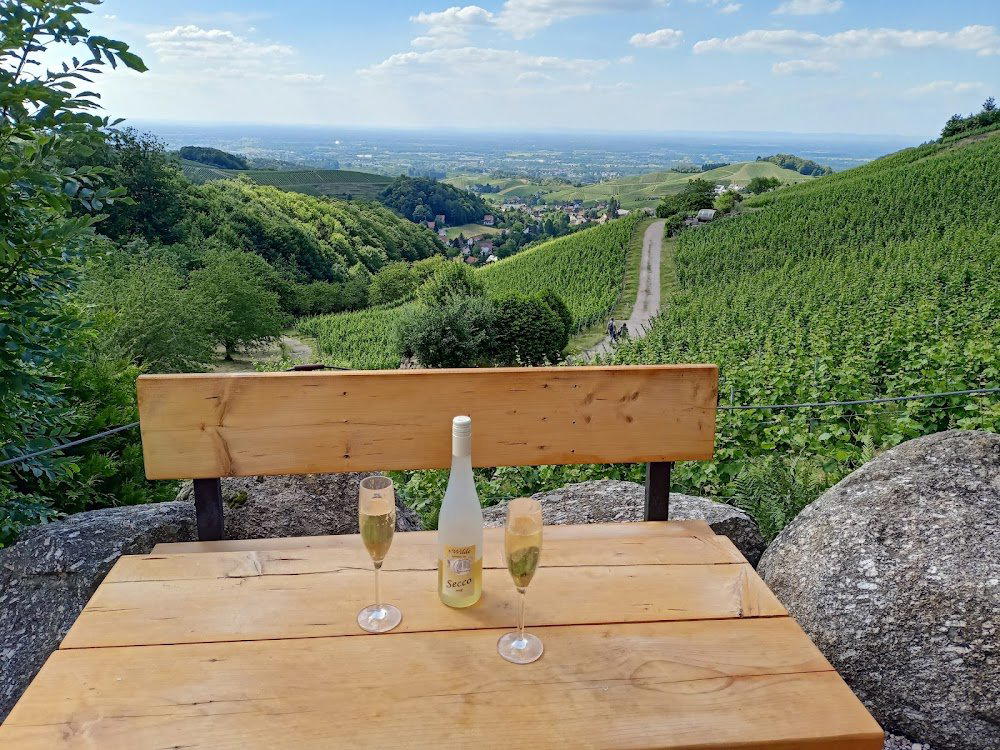
Restaurants in Baiersbronn
All restaurants in Baiersbronn →

Details
- Elegant
- Cozy
- Scenic
- Sophisticated
- Romantic
- Family Vacation
- Wellness Retreat
- Romantic Getaway
- Weekend Escape
- Golf Course
- Panoramic View
- Destination Spa
- Terrace
- Pool
- Spa
- Wi Fi
- Fitness Center
- Room Service
- Concierge
- Valet Parking
- EV Charging
- Kids Club
- Sauna
- Tennis Court
- Mountain
- Garden
- Wheelchair Accessible
- Step Free Entrance
- Accessible Parking
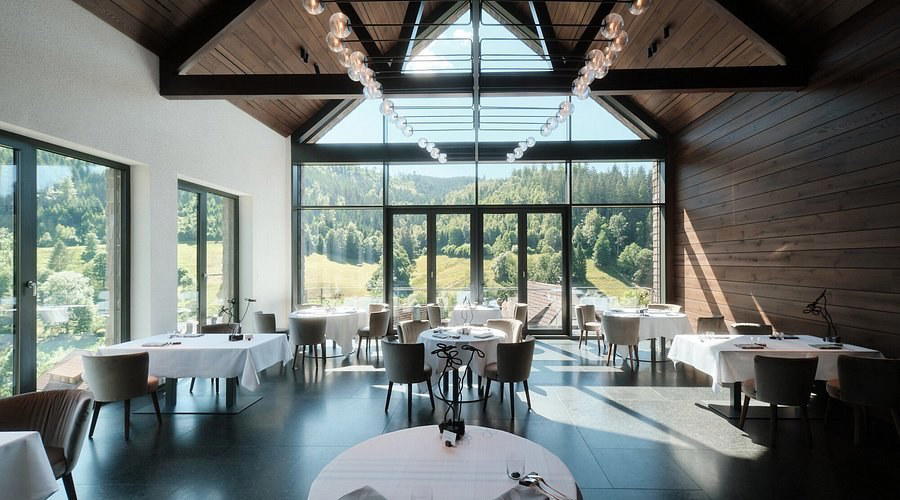
Cozy and warm atmosphere with friendly service, serene spa and pool areas offering relaxing views over the village and valley.