




2 Michelin Keys · La Liste Top Hotels · Forbes 4-Star
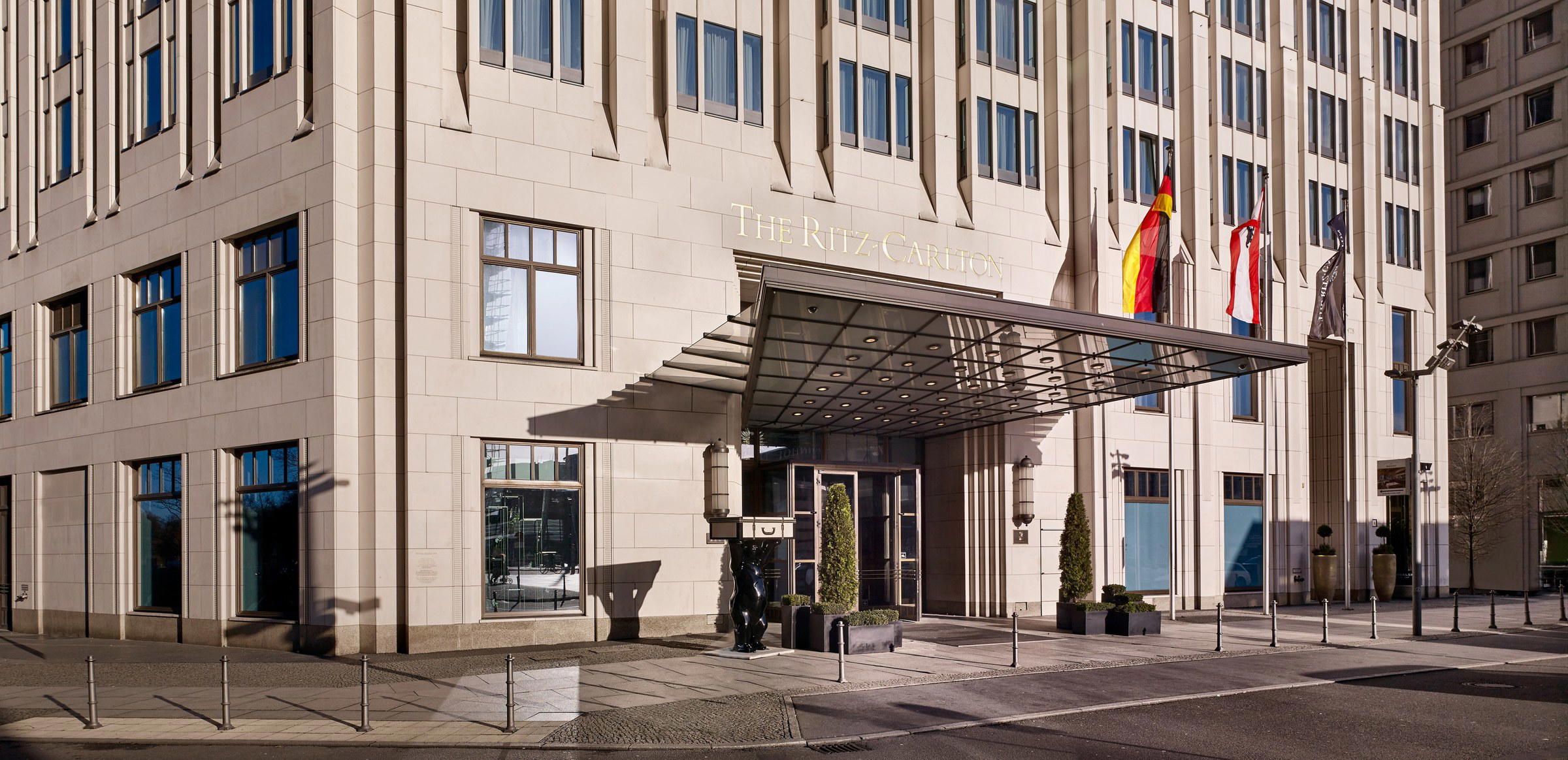
Few addresses in Berlin carry the symbolic weight of Potsdamer Platz, and the Ritz-Carlton sits at its centre with 303 rooms, Michelin 2 Keys recognition, and a 95.5-point La Liste ranking for 2026. The Art Deco interiors reference Berlin's interwar golden era while the hotel's position, seven minutes on foot from Brandenburg Gate, makes it one of the German capital's most strategically located five-star properties.

Pearl is the En Primeur Club membership app, where members save venues, book tables and use the concierge.
Where Post-Reunification Berlin Anchors Its Grandest Address
Potsdamer Platz is a particular kind of urban experiment. Bombed flat in the Second World War, divided by the Wall, and then rebuilt almost entirely from scratch after 1989, it is a district that has no genuine historical fabric to preserve, only the ambition to invent one. The Ritz-Carlton arrived here in 2004, when the square's sandstone towers and glass facades were still finding their civic identity. Two decades on, the hotel's 230-foot building has become part of the area's established skyline, and the property itself scores 95.5 points on La Liste's 2026 Leading Hotels ranking, placing it in the upper tier of Germany's luxury hotel classification.
The position matters in practical terms. Brandenburg Gate is a seven-minute walk. The Tiergarten, 519 acres of parkland, borders the property to the north. Remains of the Berlin Wall run just outside. For first-time visitors and returning guests alike, this is one of the capital's most geographically efficient bases for reaching the cultural and historical spine of the city. Compare that to properties further east in Mitte, such as Hotel de Rome, which offers proximity to Bebelplatz and Unter den Linden but sits further from the Tiergarten corridor, or Patrick Hellmann Schlosshotel in Grunewald, which trades centrality for seclusion and forest surroundings. The Ritz-Carlton's Potsdamer Platz location is its own argument.
The Interior Logic: Art Deco as a Deliberate Statement
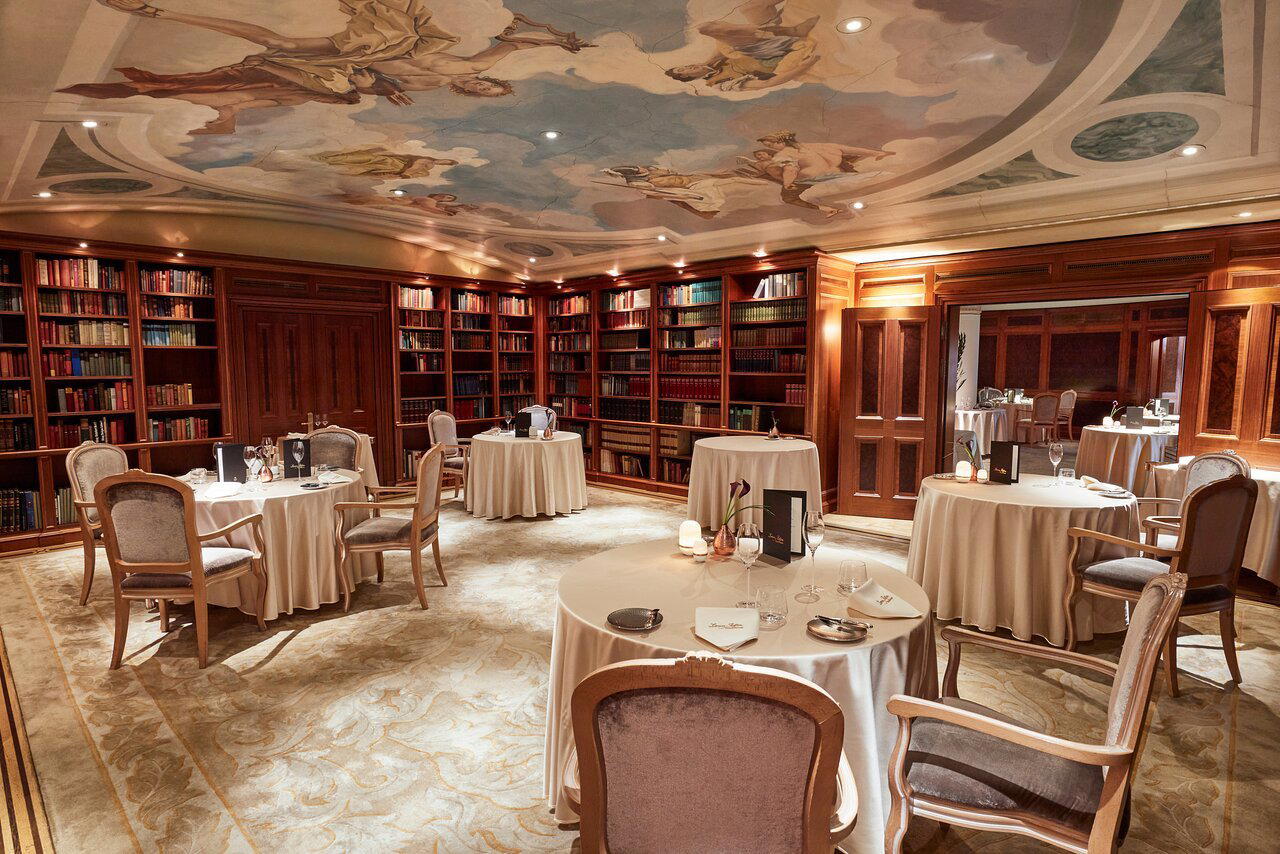
Berlin's luxury hotel cohort splits broadly between those that anchor themselves in historical architectural fabric, Telegraphenamt inside a restored 19th-century telegraph office, for instance, and those that occupy purpose-built contemporary structures. The Ritz-Carlton falls into the latter group but stages an interior that runs counter to the building's post-millennial shell. Marble columns, ornate chandeliers, and hand-selected furnishings draw from Berlin's Art Deco period, a deliberate reference to the city's interwar cultural apex when Potsdamer Platz was among the busiest intersections in Europe.
The contrast between the public spaces and the guest rooms is worth noting as a design decision. The lobby communicates arrival and occasion; the rooms take a different register, prioritising residential calm over ceremonial display. The 303 rooms and suites are described as contemporary in feel, with tactile materials and quieter styling than the grand public hall would suggest. A wellness facility completes the floor plan, covering saunas, spa treatments, and a fitness centre, territory where German luxury hotels have historically set a high standard among European peers.
The Club Lounge on the 10th floor operates as a private tier within the property, available to guests at specific room categories. That kind of layered access is standard across Ritz-Carlton properties globally, but the Berlin version adds the particular appeal of Potsdamer Platz views, an unobstructed read on the post-reunification skyline that the lower floors cannot replicate.
POTS, The Lounge, and The Curtain Club
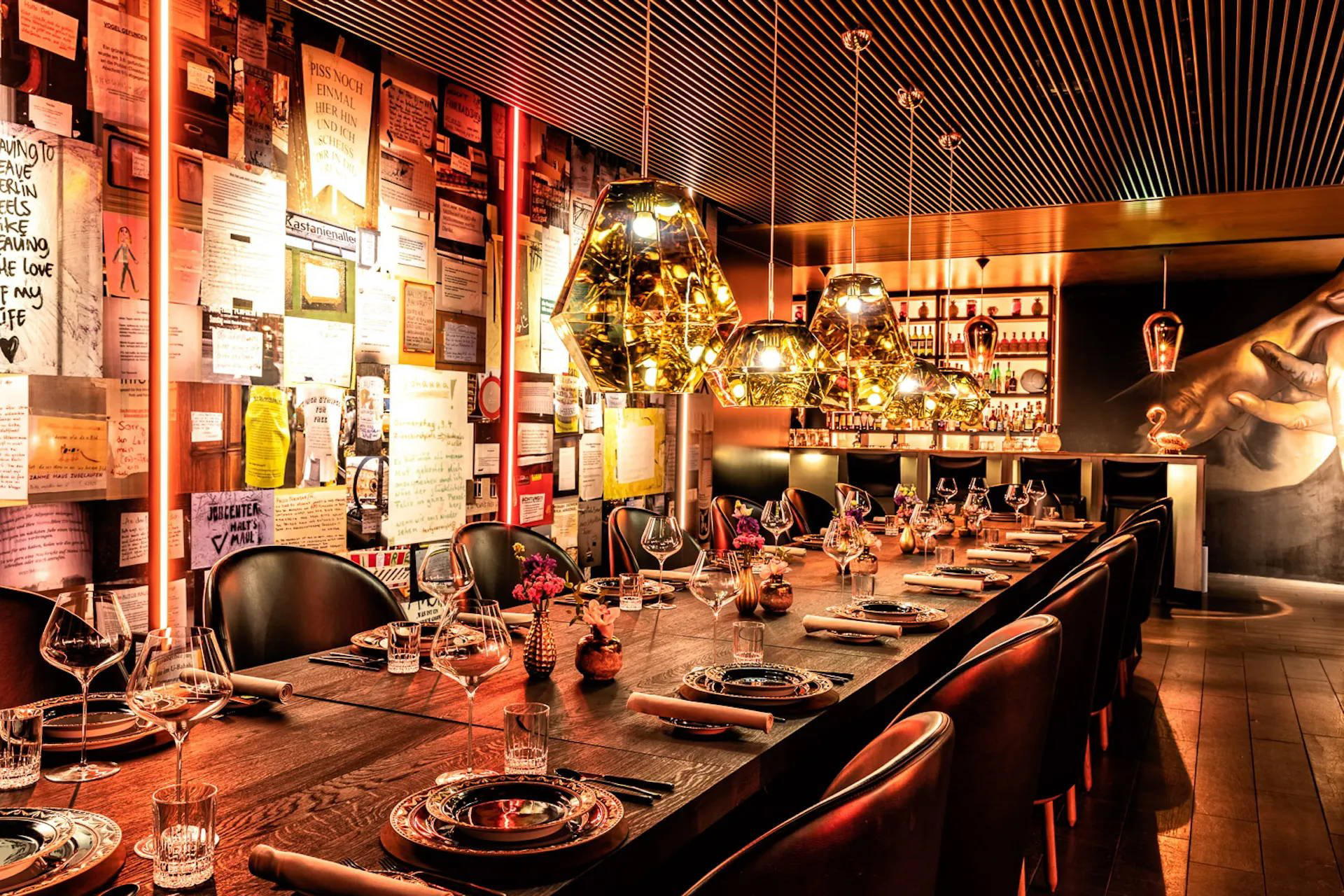
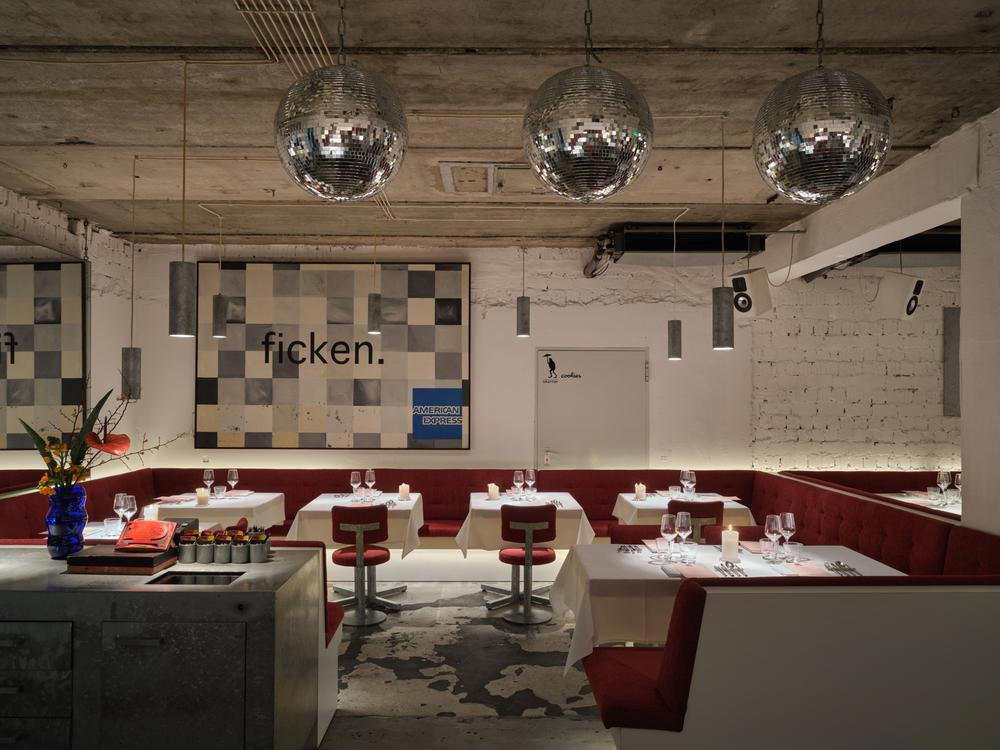
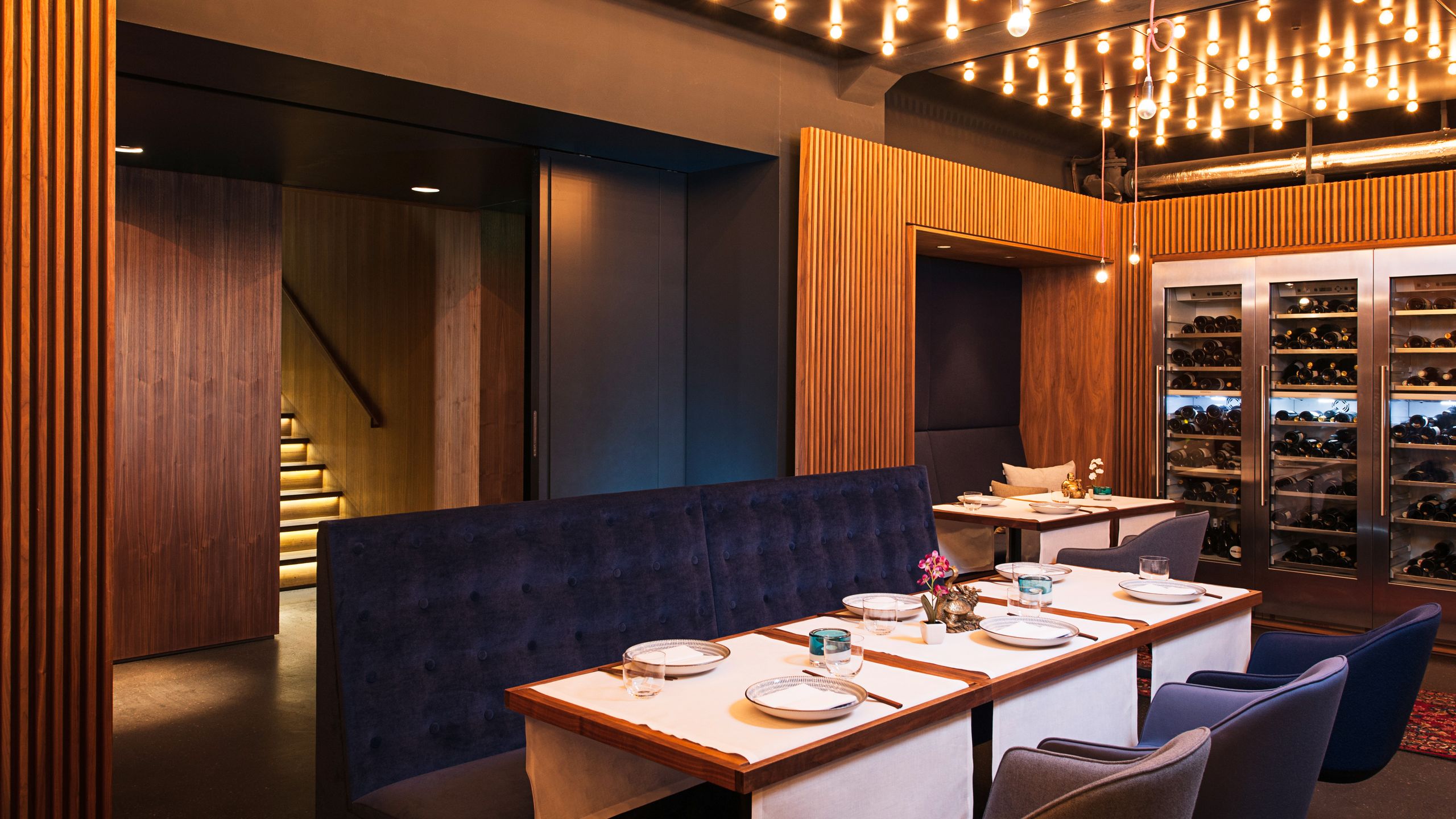
In Berlin's hotel dining scene, the question is rarely whether a five-star property has a restaurant, it almost always does, but whether the food and drink program has earned its own standing independent of the room rate. The Ritz-Carlton's approach runs to three distinct formats. POTS is the primary restaurant, focused on modern German cuisine, a genre that has moved considerably in the past decade from heavy regional convention toward lighter, more technically precise interpretations of national produce. The Lounge operates as a separate space with its own tea and food menu, occupying the middle ground between full-service dining and casual access. The Curtain Club is the bar, and its reputation in Berlin's competitive cocktail circuit is documented: it has been cited as one of the city's serious drinking destinations, which in a city where bar culture is taken seriously represents a meaningful position.
For the full picture of Berlin's dining options beyond the hotel, our full Berlin restaurants guide maps the city's most significant addresses by neighbourhood and cuisine type.
Responsible Luxury in a Post-Reunification Frame
The editorial angle on sustainability in Berlin's luxury hotel sector is complicated by the city's particular history. Potsdamer Platz's ground-up reconstruction gave the properties built there in the late 1990s and early 2000s an opportunity to embed modern building systems from the start, rather than retrofit them into heritage structures with all the compromise that entails. The Ritz-Carlton, as part of Marriott International's portfolio, operates within Marriott's documented sustainability framework, a program that covers energy reduction, water management, and community investment across properties globally. Marriott's Serve360 platform, the group's publicly reported sustainability commitment, sets targets for carbon reduction, responsible sourcing, and community hours logged per property. For the Berlin address specifically, the Tiergarten adjacency gives the property a natural environmental context: guests have direct access to 519 acres of public green space without motorised transport, a detail that positions the hotel's leisure offering in a low-impact frame that purpose-built resort pools cannot replicate.
Within Berlin's luxury tier, the conversation around responsible operation is increasingly a differentiator. Properties like Roomers Berlin Steinplatz and 25hours Hotel Bikini Berlin have positioned themselves as design-forward alternatives with explicit lifestyle and community credentials, appealing to a traveller who reads sustainability as aesthetic as much as practice. The Ritz-Carlton's case is different: it makes no lifestyle claim, and its argument for responsible luxury is quieter, a large international operator's systemic commitments applied to a city-centre property with strong public-transit access, walkable cultural proximity, and an existing green corridor at its door.
How It Sits Among German Five-Star Properties
Germany's upper luxury tier distributes itself across several very different contexts. Schloss Elmau in the Bavarian Alps operates as a destination resort where the journey is part of the proposition. Fairmont Hotel Vier Jahreszeiten in Hamburg anchors itself in Alster-waterfront heritage. Althoff Seehotel Überfahrt in Rottach-Egern argues for lakeside immersion. The Ritz-Carlton Berlin operates in a different register entirely: urban, strategically located, and built around immediate access to one of Europe's most historically dense city centres. Its Michelin 2 Keys recognition (2024) and La Liste 95.5-point score place it among Germany's documented upper-tier properties, and the World Travel Awards named it Germany's Leading Luxury Hotel for 2025. Other properties in the broader German portfolio worth comparing include Excelsior Hotel Ernst in Cologne, Breidenbacher Hof in Düsseldorf, Hotel Ketschauer Hof in Deidesheim, and Bülow Palais in Dresden, each making a case for luxury in very different German urban and regional contexts.
For those weighing the Ritz-Carlton Berlin against comparable urban luxury at the international level, Aman New York and The Fifth Avenue Hotel in New York City represent the American equivalent of the city-centre five-star proposition, while Aman Venice demonstrates how a different operator approaches urban grandeur through historical palazzos rather than new construction. Berlin's Potsdamer Platz model, purpose-built, symbolically loaded, connected to public infrastructure, is its own distinct answer to the question of what urban luxury means in Europe's post-Cold War capitals.
Planning a Stay
Room rates at the Ritz-Carlton Berlin are published from approximately $494 per night for the 303-room inventory, which places it in the upper bracket of Berlin's five-star market. The hotel sits at Potsdamer Platz 3, 10785 Berlin, directly served by the Potsdamer Platz S-Bahn and U-Bahn interchange, one of the capital's major transit nodes with direct connections to Berlin Hauptbahnhof and the airport rail network. Advance booking is advisable during Berlin's busiest periods: the International Film Festival (Berlinale) in February brings concentrated demand to Potsdamer Platz specifically, given the district's role as the festival's primary venue hub. Adina Apartment Hotel Berlin Hackescher Markt, Casa Camper Berlin, and Château Royal Berlin offer alternative price points and neighbourhood contexts for those prioritising different areas of the city.
Just the Basics
Comparable venues nearby, for context on price, style, and recognition.
| Venue | Price | Awards | Notes |
|---|---|---|---|
| The Ritz-Carlton, BerlinThis venue (the venue you are viewing) | $300–500 | 2 Michelin Keys · La Liste Top Hotels | Not listed |
| Patrick Hellmann Schlosshotel | $100–200 | 2 Michelin Keys · La Liste Top Hotels | Grunewald, Historic palace with fashion-forward interiors |
| Hotel de Rome | $750–1,000 | 2 Michelin Keys · La Liste Top Hotels | Mitte, Luxury heritage hotel blending historic Prussian banking architecture with contemporary Italian design sensibility and minimalist interiors. |
| Telegraphenamt | $300–500 | 2 Michelin Keys | Mitte, Historic telegraph office transformed into luxury boutique hotel |
| Roomers Berlin Steinplatz, Autograph Collection | $300–500 | 1 Michelin Key | Charlottenburg, Historic Art Nouveau landmark reimagined as a contemporary luxury boutique hotel blending 1920s-inspired design with modern amenities. |
| Hotel Orania. Berlin | $300–500 | 1 Michelin Key · La Liste Top Hotels | Kreuzberg, Modern luxury boutique hotel blending contemporary design with cultural heritage, privately run with emphasis on authenticity and personalized hospitality. |
Recognition history
Dated appearances from independent guides and award organizations, with the underlying list record or original source where available.
Michelin 2 Keys
Michelin
La Liste Top Hotels
La Liste
Forbes 4-Star
Forbes
Virtuoso Luxury Hotel Partner
Virtuoso
World Travel Awards
World Travel Awards
Full recognition history (7 entries)
Michelin 2 Keys
Michelin
Michelin 2 Keys
Michelin
Continue exploring
More in Berlin
Hotels in Berlin
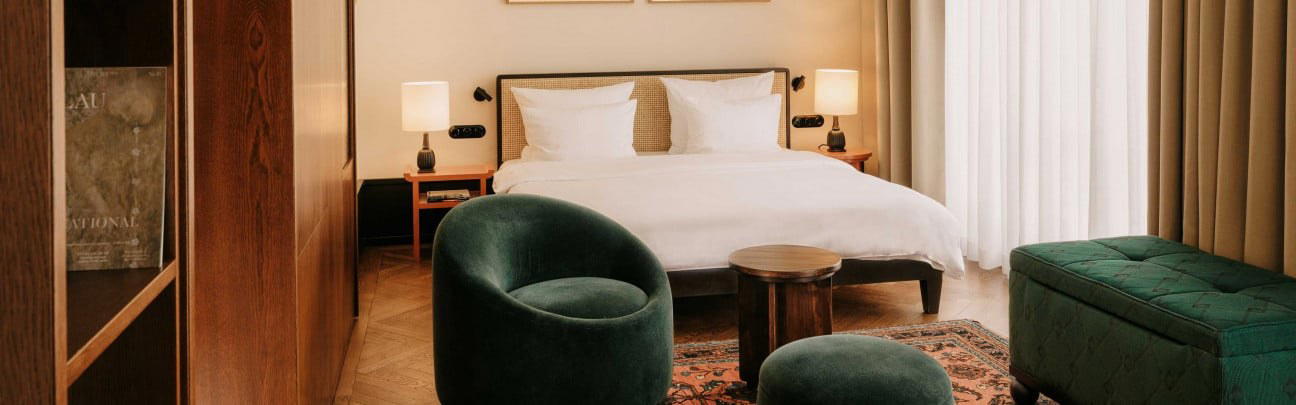
All hotels in Berlin →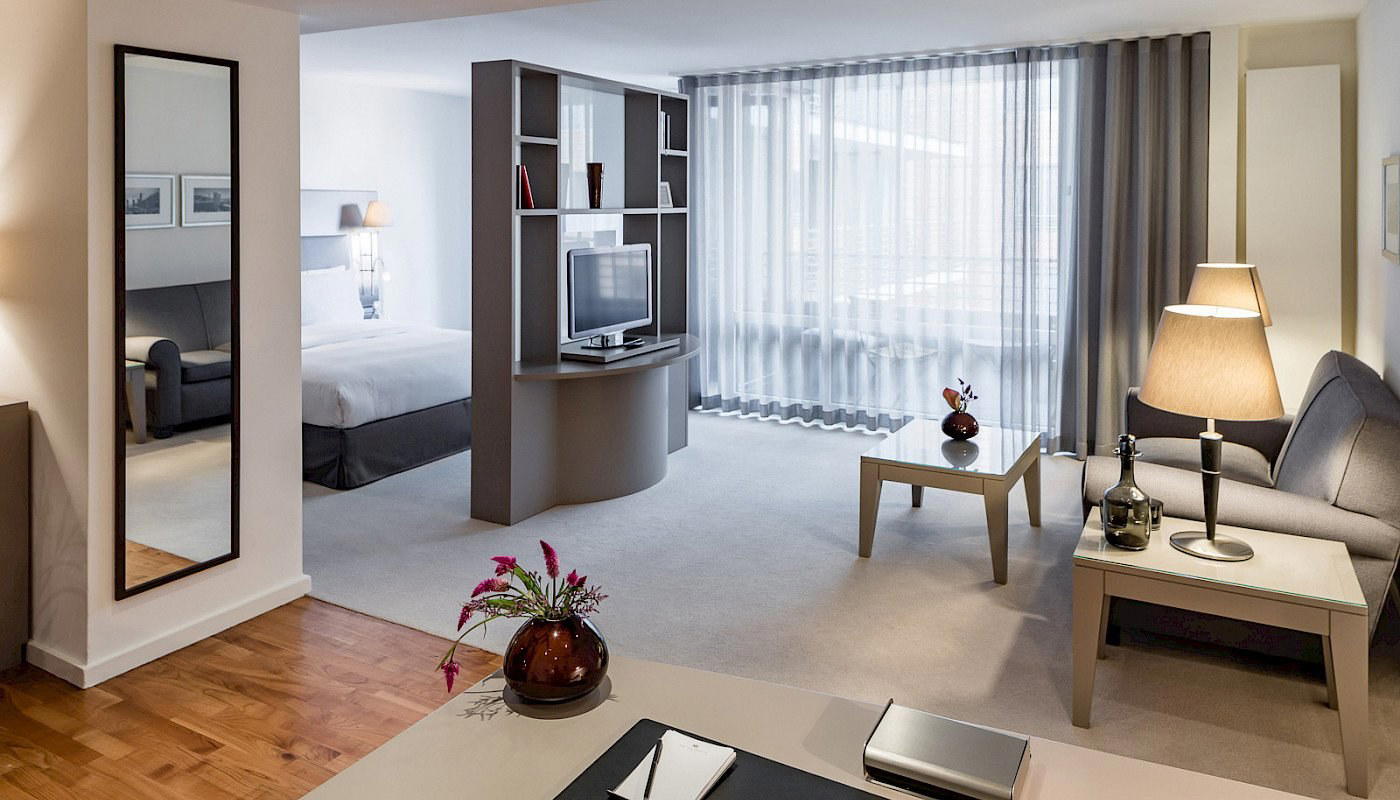
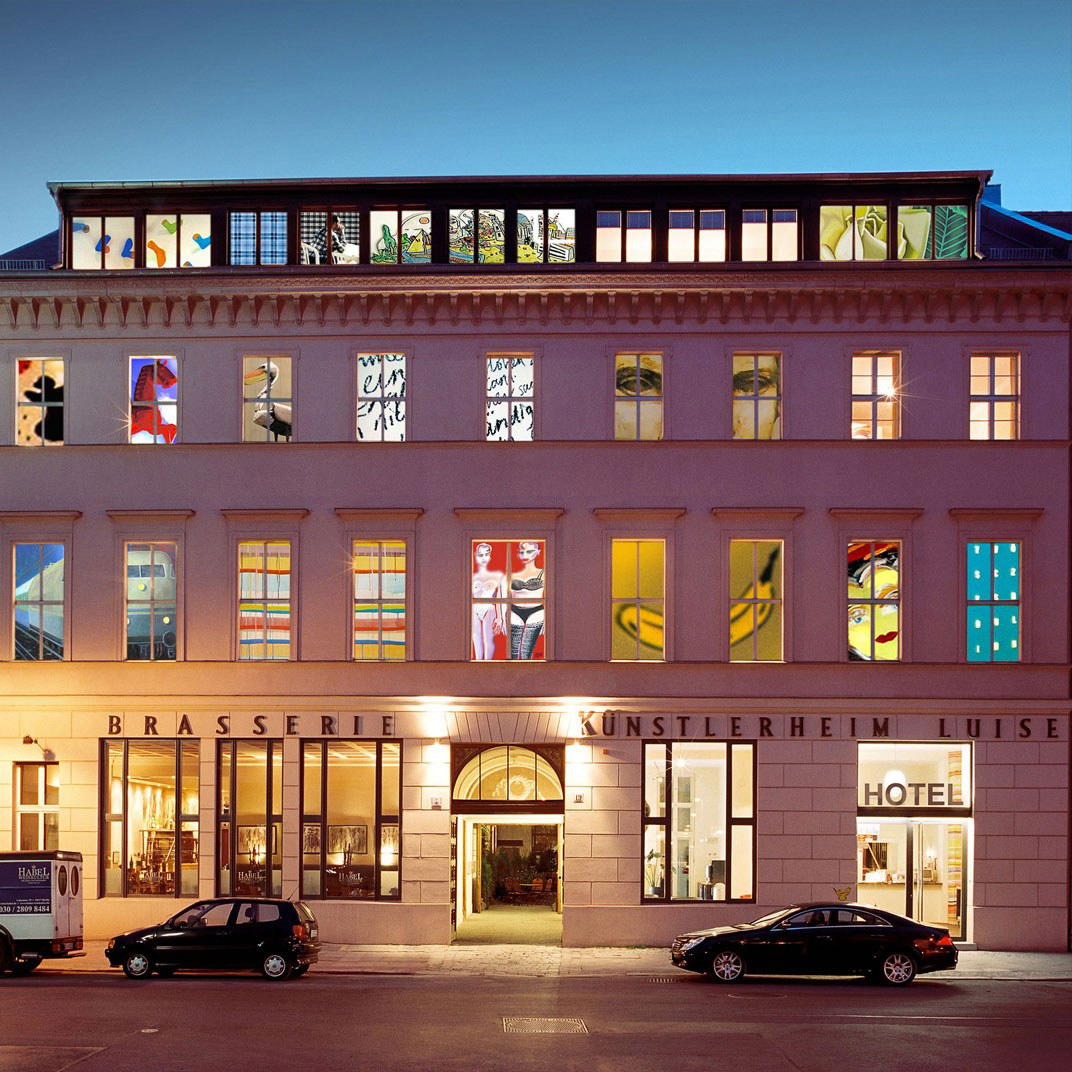
Bars in Berlin
All bars in Berlin →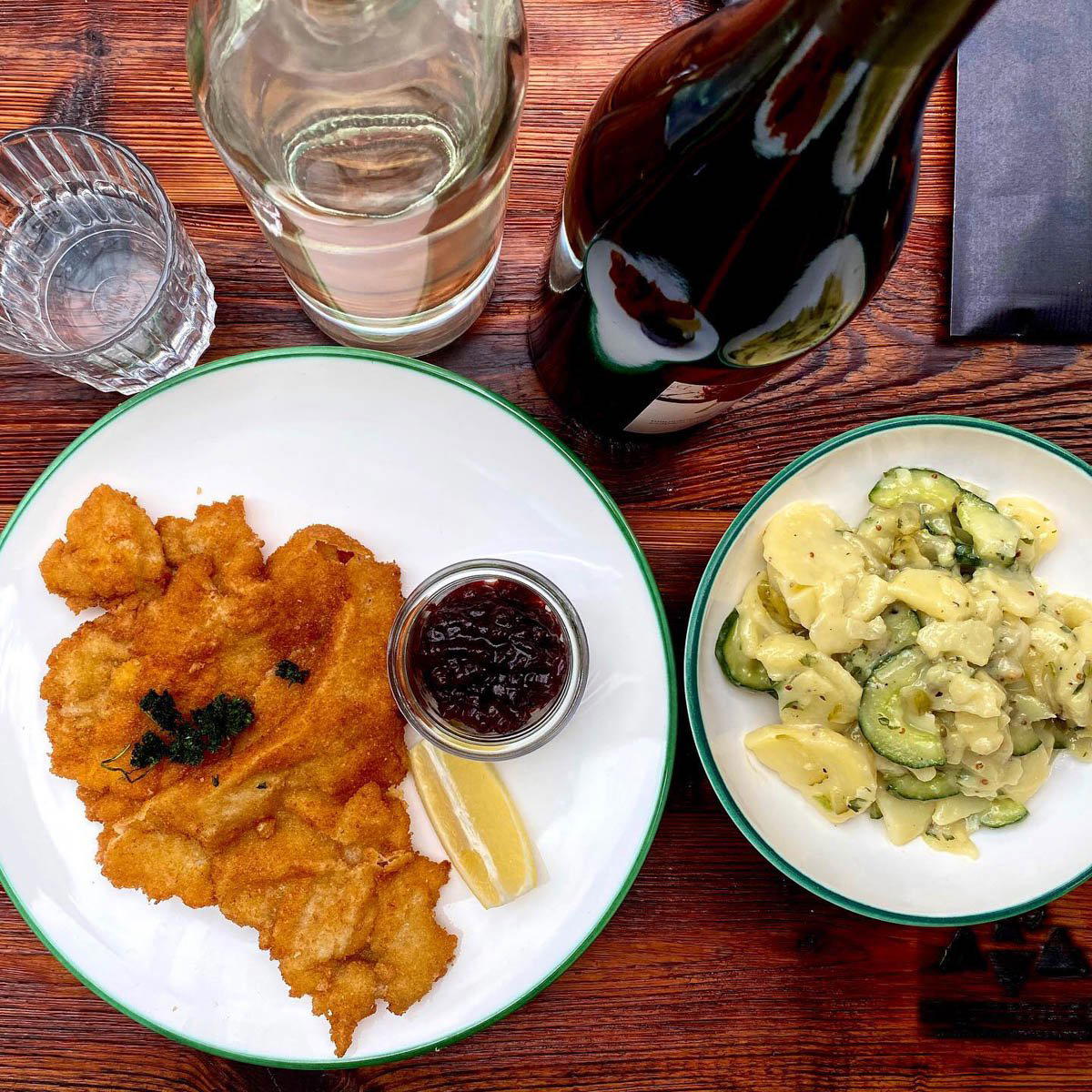
Restaurants in Berlin
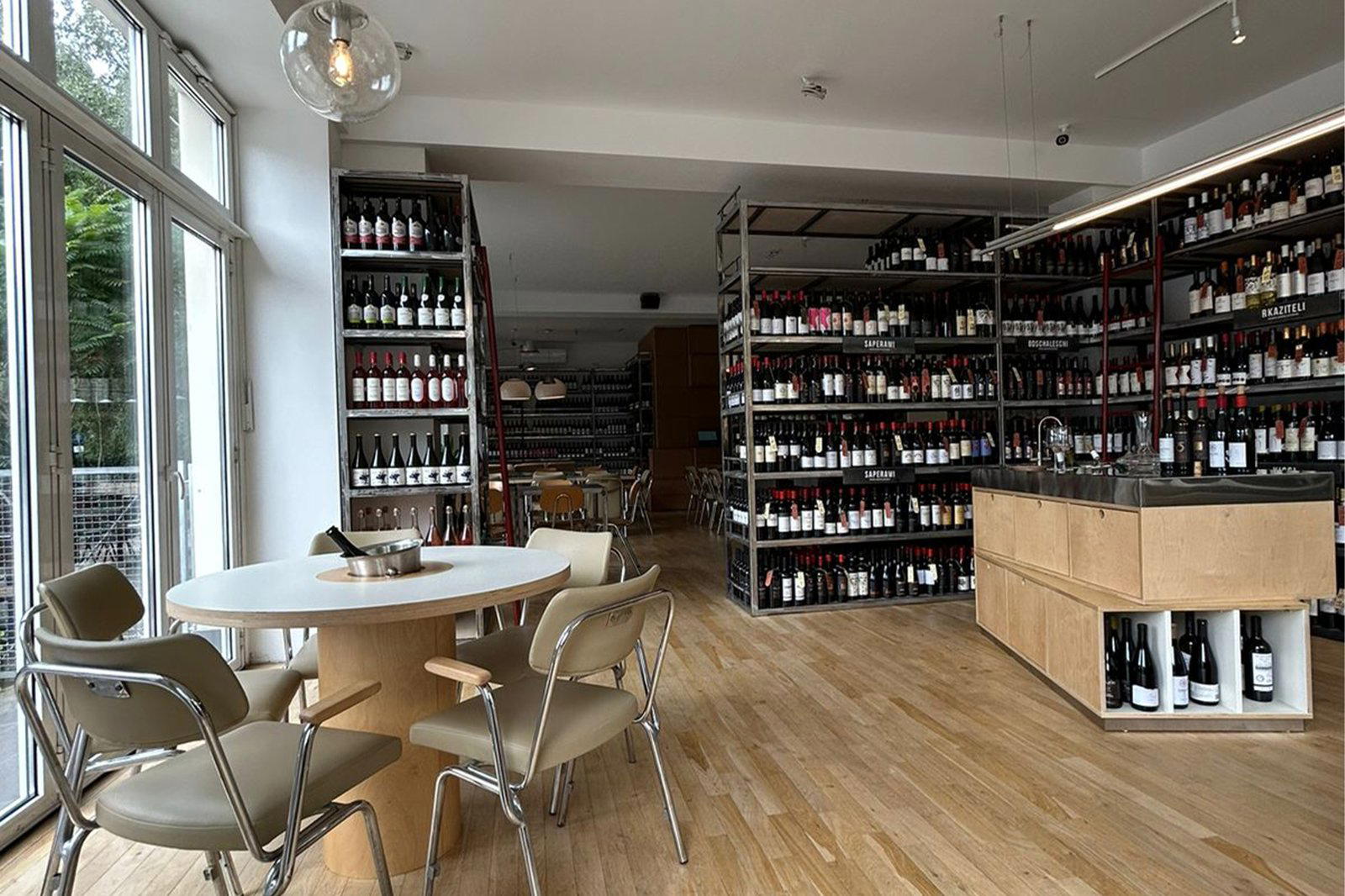
All restaurants in Berlin →

Details
- Elegant
- Sophisticated
- Ornate
- Classic
- Business Trip
- Romantic Getaway
- Anniversary
- Historic Building
- Panoramic View
- Terrace
- Wi Fi
- Pool
- Spa
- Fitness Center
- Room Service
- Concierge
- Business Center
- Valet Parking
- EV Charging
- Skyline
- Wheelchair Accessible
- Elevator
- Step Free Entrance
- Accessible Parking
- Braille Menu
Glamorous and residential atmosphere with elegant lighting, rich furnishings, and a sense of timeless luxury.