

On the mainland-facing coast of Sylt, BUDERSAND Hotel pairs a Scottish-style links course with crisp contemporary architecture and North Sea panoramas across 77 rooms. The property holds Michelin 2 Keys and a 96.5-point La Liste Top Hotels rating for 2026, anchored by the Michelin-starred KAI3 restaurant. Starting from around $326 per night, it represents the upper tier of island luxury in northern Germany.
Pearl is the En Primeur Club membership app — saves, bookings, and concierge access live there. Same editors, same standards.
- Address
- Am Kai 3, 25997 Hörnum (Sylt)
- Phone
- +49 4651 46070
- Website
- budersand.de
- Directions
- Get directions
 Saves & bookings on Pearl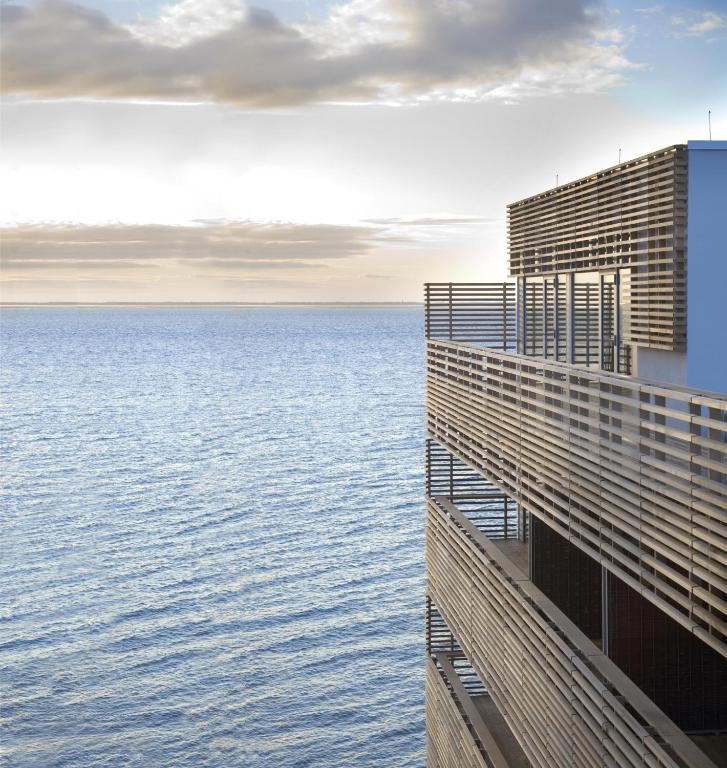
Where the Wadden Sea Meets Contemporary Architecture
Approach Hörnum from the north and Sylt's character shifts. The dune-backed beach resorts of Kampen and Westerland give way to a quieter, more exposed southern tip where the island narrows to a point and the Wadden Sea tideflats press in from the east. It is in this compressed, elemental geography that BUDERSAND Hotel makes its architectural argument: a building conceived not to dominate its setting but to read as an extension of the coastline itself. The crisp, horizontal lines of the structure sit low against the skyline, and the massing is arranged so that the sea or the fairways of the adjacent links course remain the dominant visual reference from almost every room.
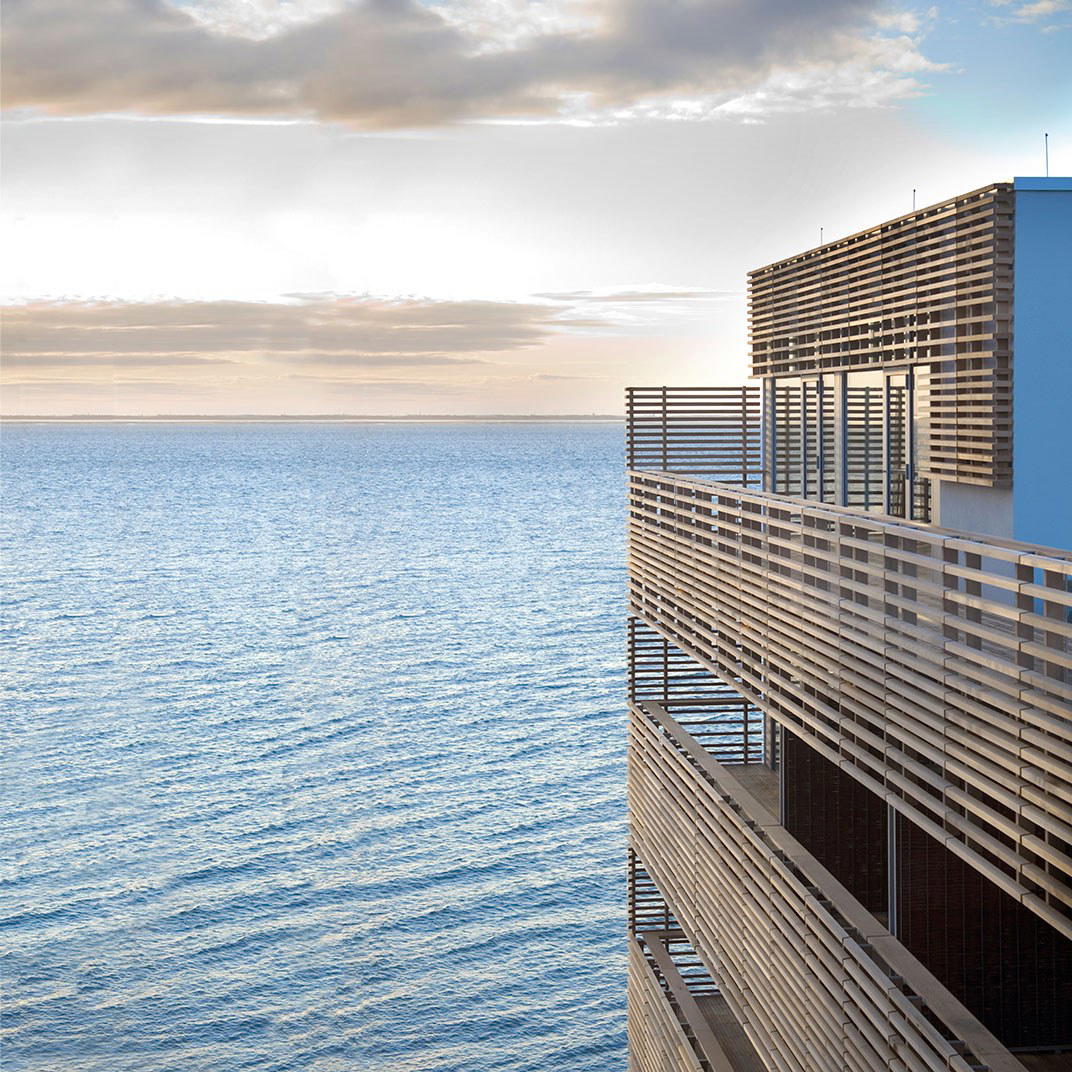
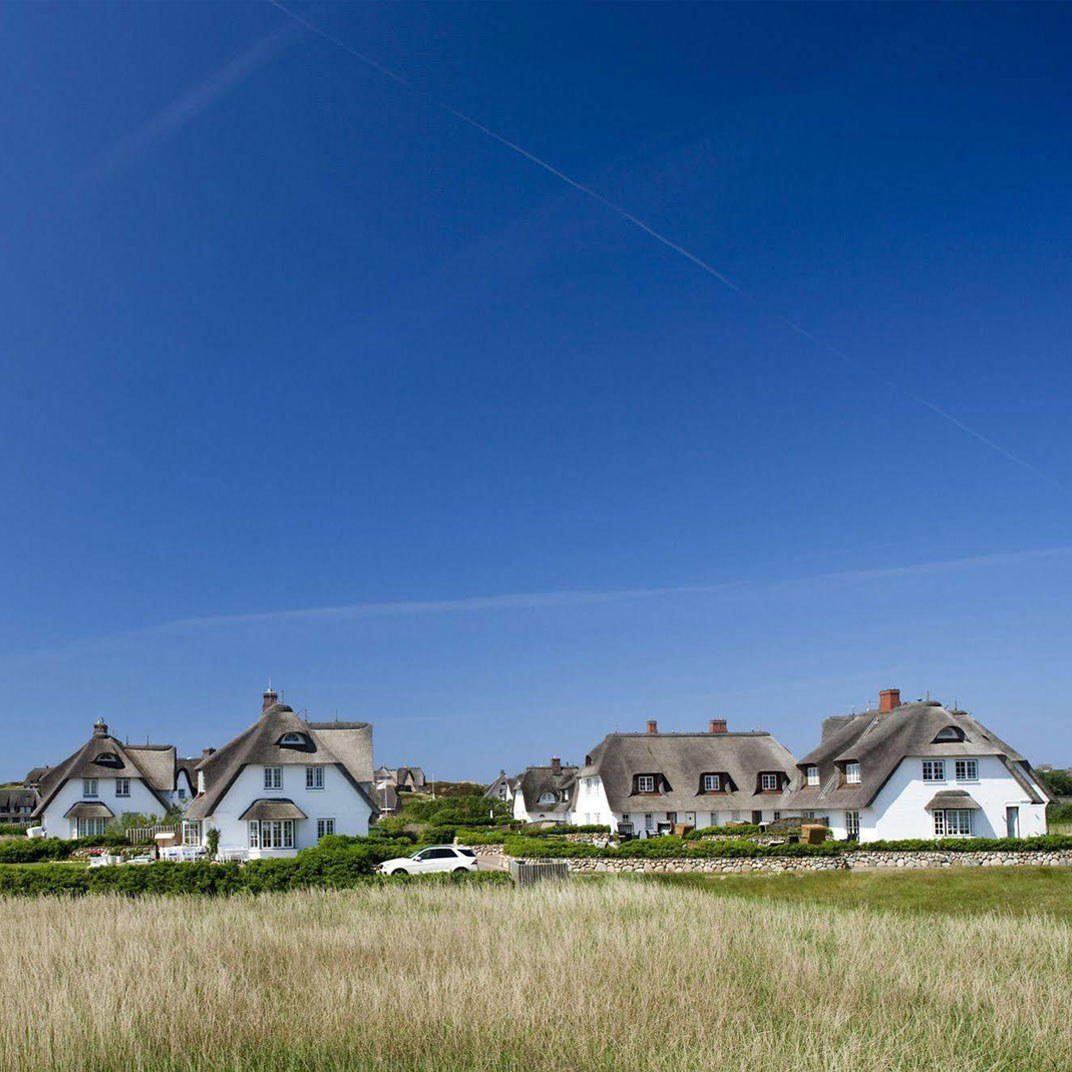
That relationship between building and landscape is the defining design decision here. All 77 rooms are fitted with balconies oriented toward either the golf course or the water, meaning the architecture is less about interior drama and more about framing an exterior view. In a region where comparable properties often default to heavy Frisian timber or thatched-roof vernacular, the contemporary restraint of BUDERSAND positions it in a smaller comparable set: German coastal hotels that read as international design-led properties rather than regional-character retreats. Properties such as Weissenhaus Private Nature Luxury Resort on the Baltic operate on a similar logic, using architectural discipline to amplify a natural setting rather than competing with it.
A Links Course as Landscape Infrastructure
Few German hotel properties have as structurally integrated a sporting amenity as the 18-hole links course at BUDERSAND. Built in the Scottish coastal tradition, the course runs along the Wadden Sea shoreline and functions as both a sporting facility and a spatial buffer between the hotel and the tidal flats. This is not incidental: links golf by definition uses the natural contours of coastal land, avoiding the heavy earthworks and irrigation that define parkland courses. The result is a landscape that reads as managed rather than manicured, which aligns with the hotel's broader design philosophy of controlled naturalism.
For guests who do not play, the course still registers as architecture. Walking the perimeter, the fairways dissolve into rough that dissolves into tidal grass that dissolves into the sea. The boundary between designed and wild space is deliberately unclear, which is precisely the point of the links tradition imported from the Scottish coast to the North Frisian islands. Among German hotel golf offerings, this is a notable distinction: the course is not an amenity bolted onto a resort but a defining element of the property's spatial identity. Der Öschberghof in Donaueschingen takes a comparable approach in the Black Forest, where sport infrastructure and landscape are co-designed rather than separately conceived.
KAI3 and the Case for Destination Dining on Sylt
Sylt has a density of Michelin recognition that sits well above what the island's population would suggest. The island's status as Germany's most expensive holiday destination by real-estate and hospitality metrics has drawn serious kitchen investment, and the restaurant scene reflects that. Within this context, BUDERSAND's KAI3 holds a Michelin star, placing it inside a competitive tier on an island where fine dining is already an expectation rather than a surprise.
The property also holds Michelin 2 Keys, a credential that evaluates the totality of the hospitality experience rather than the kitchen alone. This dual recognition, from both the restaurant and hotel classification systems, positions BUDERSAND differently from properties that carry only one category of award. For context, La Liste's hotel scoring integrates guest experience data, service quality, and physical infrastructure alongside culinary credentials, making the 96.5 a composite rather than a single-axis assessment.
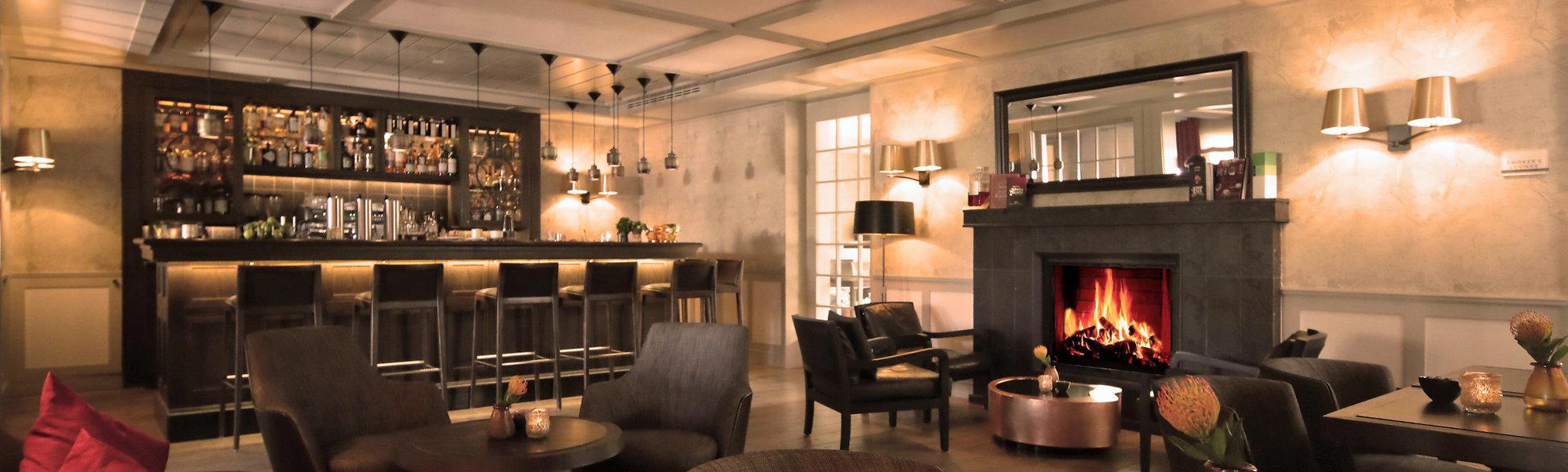
Beyond KAI3, the property includes a first-class bar and additional dining formats, though the starred restaurant remains the clearest signal of culinary ambition. In the broader German luxury hotel market, where properties like Althoff Seehotel Überfahrt in Rottach-Egern and Hotel Bareiss in Baiersbronn carry multiple Michelin stars across their restaurant portfolios, BUDERSAND's single-star positioning is honest about its kitchen tier while the broader property credentials compensate with strong holistic scores.
The Spa as Counterweight to Exposure
The North Frisian coast is not a gentle environment. Wind is a structural feature of life on Sylt rather than an occasional inconvenience, and even in summer the North Sea light has a particular flatness that differs from the warmer coastal atmospheres further south. Properties that succeed here tend to offer genuine interior refuge alongside their exterior drama, and BUDERSAND's spa program functions in that role. The details of the spa's scope and treatment offering are not disclosed in the public record, but the facility is described as an anchor amenity rather than a supplementary service, which is consistent with how the property positions itself against island competitors. Wellness programming at this tier typically includes thermal and hydrotherapy infrastructure designed for cold-climate recovery, though specifics require direct confirmation with the property.
For reference on how spa architecture integrates with cold-climate hotel design elsewhere in Germany, Das Kranzbach Hotel in Kranzbach and Luisenhöhe in Horben both demonstrate how spa infrastructure can anchor a property's identity in environments where interior quality is as important as the surrounding landscape.
Sylt's Competitive Position in German Luxury Travel
Sylt occupies a specific position in the German luxury hotel market. It is the country's northernmost island, reachable by car via the Hindenburgdamm causeway from Niebüll or by ferry from several mainland ports. The island has no commercial airport, which limits the accessible guest demographic and contributes to its premium pricing environment. Room rates at BUDERSAND start from $523 per night, which places it in the mid-to-upper tier of island pricing rather than at the absolute ceiling. For comparison, properties like Landhaus Stricker on Sylt operate in a similar price and recognition bracket on the same island.
Within the broader German luxury hotel set, BUDERSAND's combination of coastal architecture, links golf, Michelin-starred dining, and La Liste recognition places it in a peer group that includes Schloss Elmau in Elmau and Fairmont Hotel Vier Jahreszeiten in Hamburg at the level of credentialed, multi-amenity properties, though its remote coastal setting and sport-integrated design give it a distinct positioning within that group. Those seeking urban sophistication alongside comparable culinary credentials might also consider Excelsior Hotel Ernst in Cologne or Hotel de Rome in Berlin, but neither replicates the landscape immersion that defines the Sylt proposition.
For international travellers comparing German coastal stays against broader European alternatives, the Sylt model is distinct from Mediterranean resort formats. The North Sea environment demands a different architectural and programmatic response, and BUDERSAND's design, from its low horizontal profile to its weather-oriented balcony placement, reflects that. Properties like Aman Venice or Aman New York operate at a different price tier and cultural register, but the design-led, landscape-sensitive logic shares some common DNA with what BUDERSAND is attempting at the northern edge of Germany.
Advance reservations are recommended given the island's high-season demand. The hotel's address at Am Kai 3, 25997 Hörnum (Sylt) places it at the southernmost point of the island, accessible via the single north-south road. Seasonal timing matters, with shoulder-season visits in May or September offering easier access to golf and spa facilities.
In Context: Similar Options
Comparable venues nearby, for context on price, style, and recognition.
| Venue | Cuisine | Price | Awards | Notes |
|---|---|---|---|---|
| BUDERSAND HotelThis venue — the venue you are viewing | Contemporary beachfront resort with golf and spa | $$$$ | Michelin 2 Key | Not listed |
| Landhaus Stricker | Traditional North Frisian style with modern interiors | $$$$ | Michelin 2 Key | Tinnum |
| Seesteg Norderney | luxury beachfront boutique in historic building | $$$$ | Michelin 2 Key | beachfront |
| Hotel Ketschauer Hof | Converted historic vintner's manor with modern luxury. | $$$$ | Michelin 2 Key | Deidesheim |
| Severin's Resort & Spa | Traditional North Frisian architecture with contemporary luxury interiors; a heritage property that honors regional architectural traditions while offering modern five-star amenities. | $$$$ | Michelin 2 Key | Keitum |
| Telegraphenamt | Historic telegraph office transformed into luxury boutique hotel | $$$$ | Michelin 2 Key | Mitte |
Recognition history
Dated appearances from independent guides and award organizations, with the underlying list record or original source where available.
La Liste Top Hotels
La Liste
Michelin 2 Keys
Michelin

At a Glance
- Elegant
- Scenic
- Quiet
- Sophisticated
- Romantic Getaway
- Wellness Retreat
- Weekend Escape
- Beachfront
- Panoramic View
- Golf Course
- Wi Fi
- Pool
- Spa
- Fitness Center
- Room Service
- Concierge
- Restaurant
- Sauna
- Beach Access
- Waterfront
- Wi Fi
- Pool
- Spa
- Fitness Center
- Room Service
- Concierge
- Restaurant
- Sauna
- Beach Access
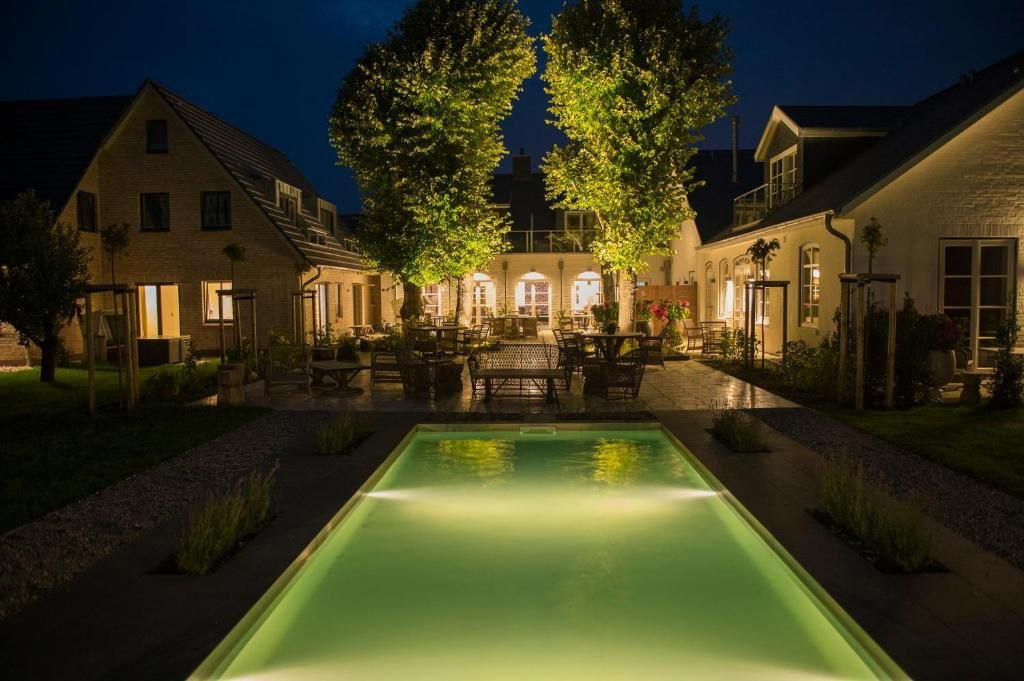
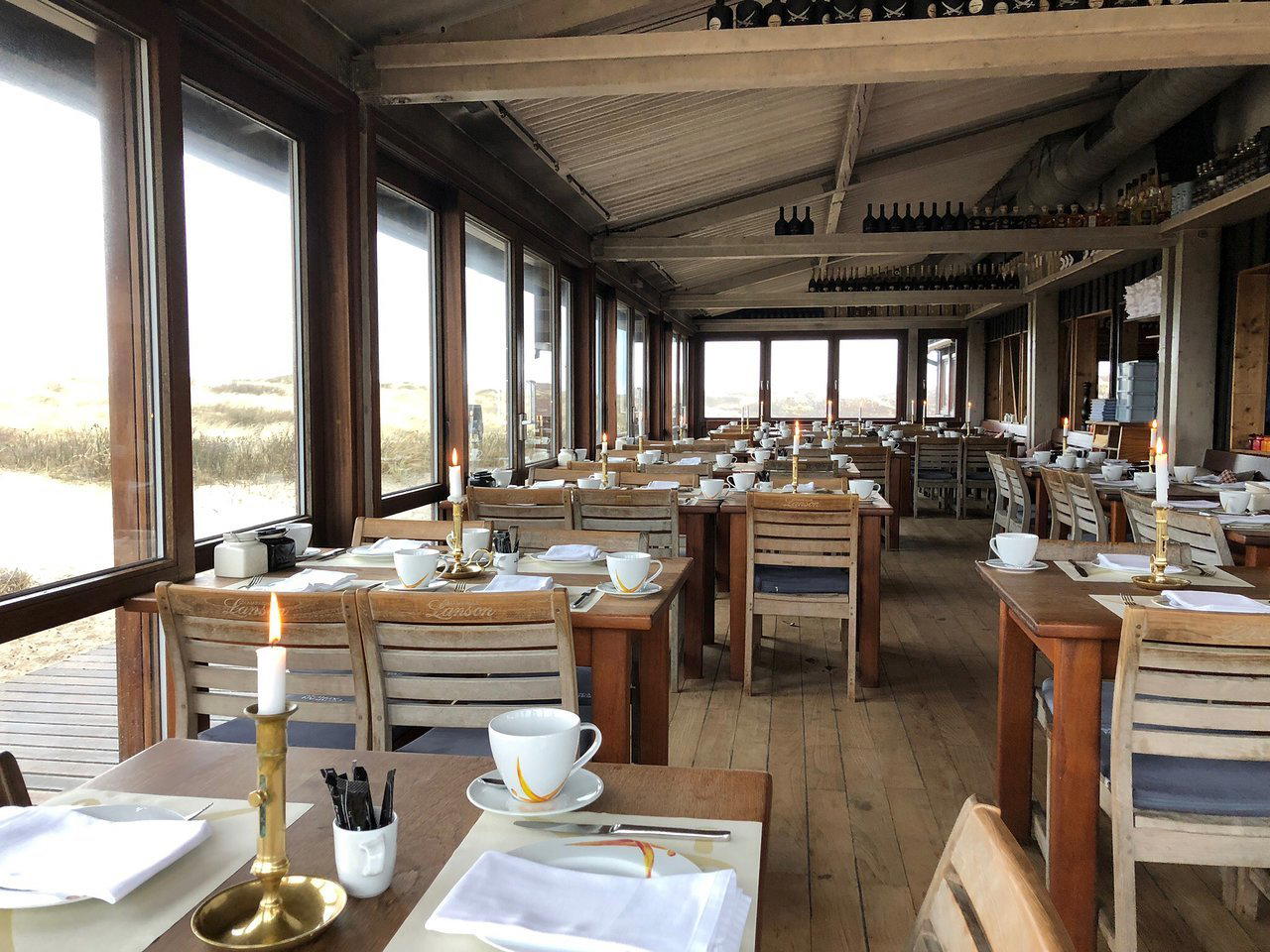
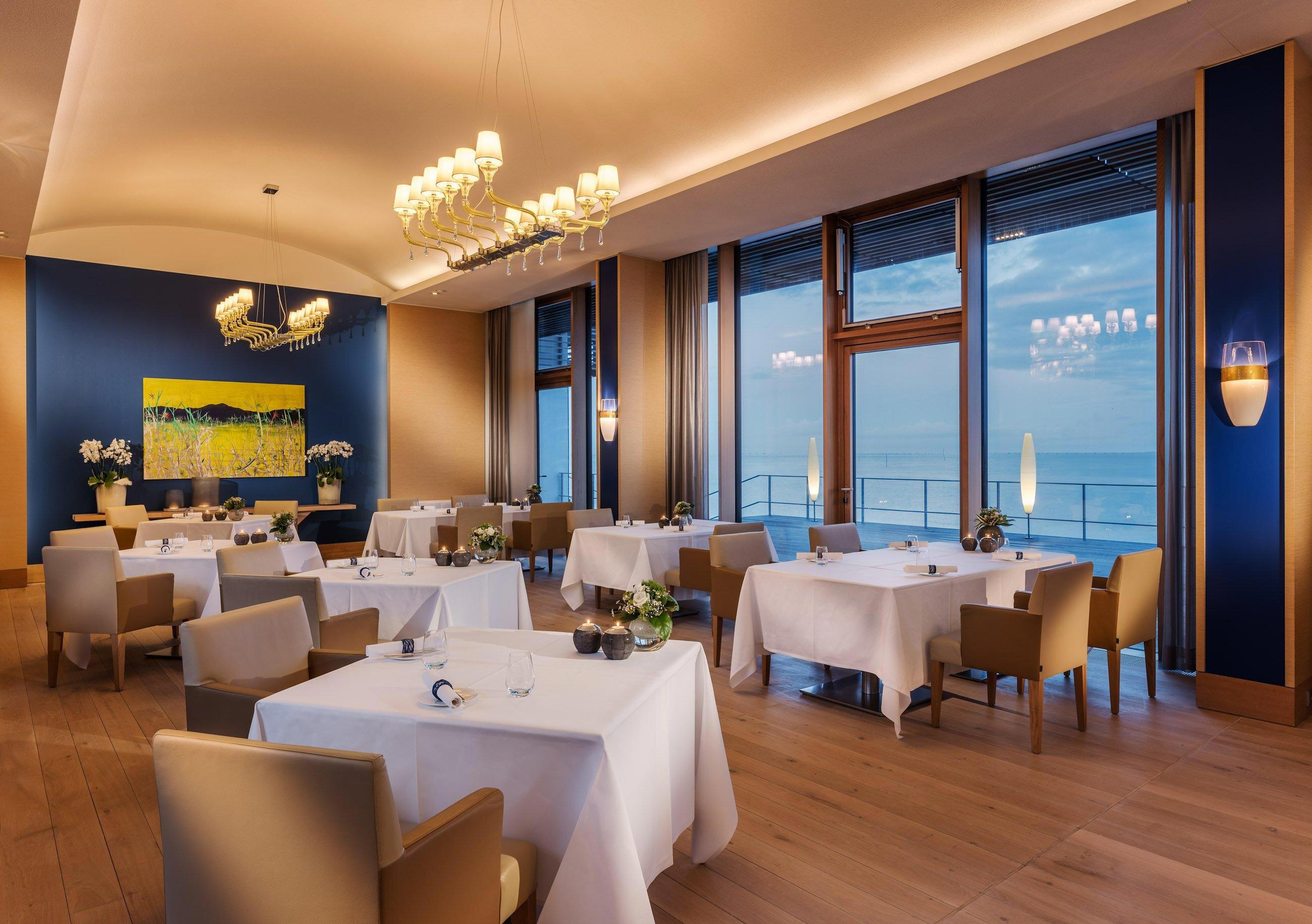
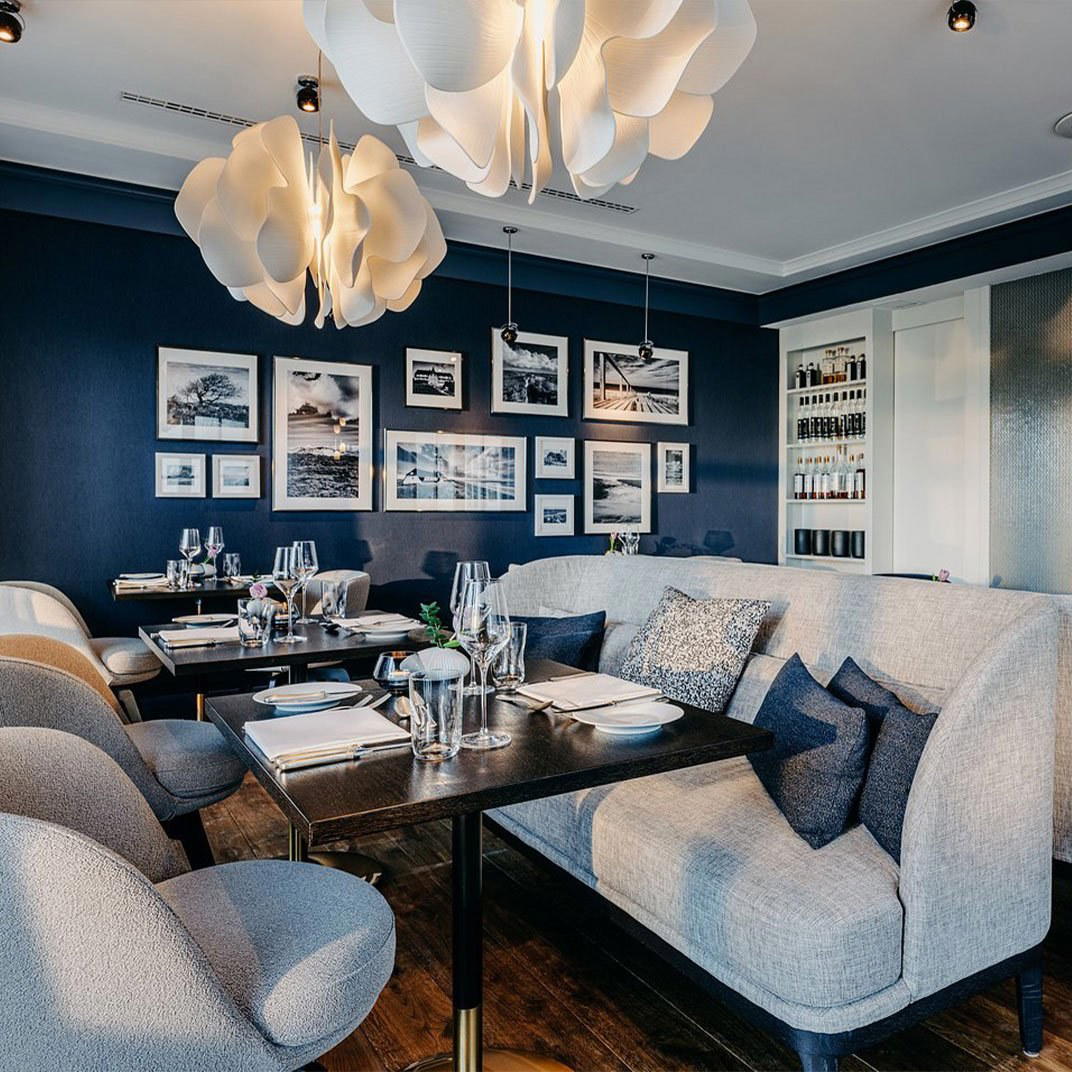
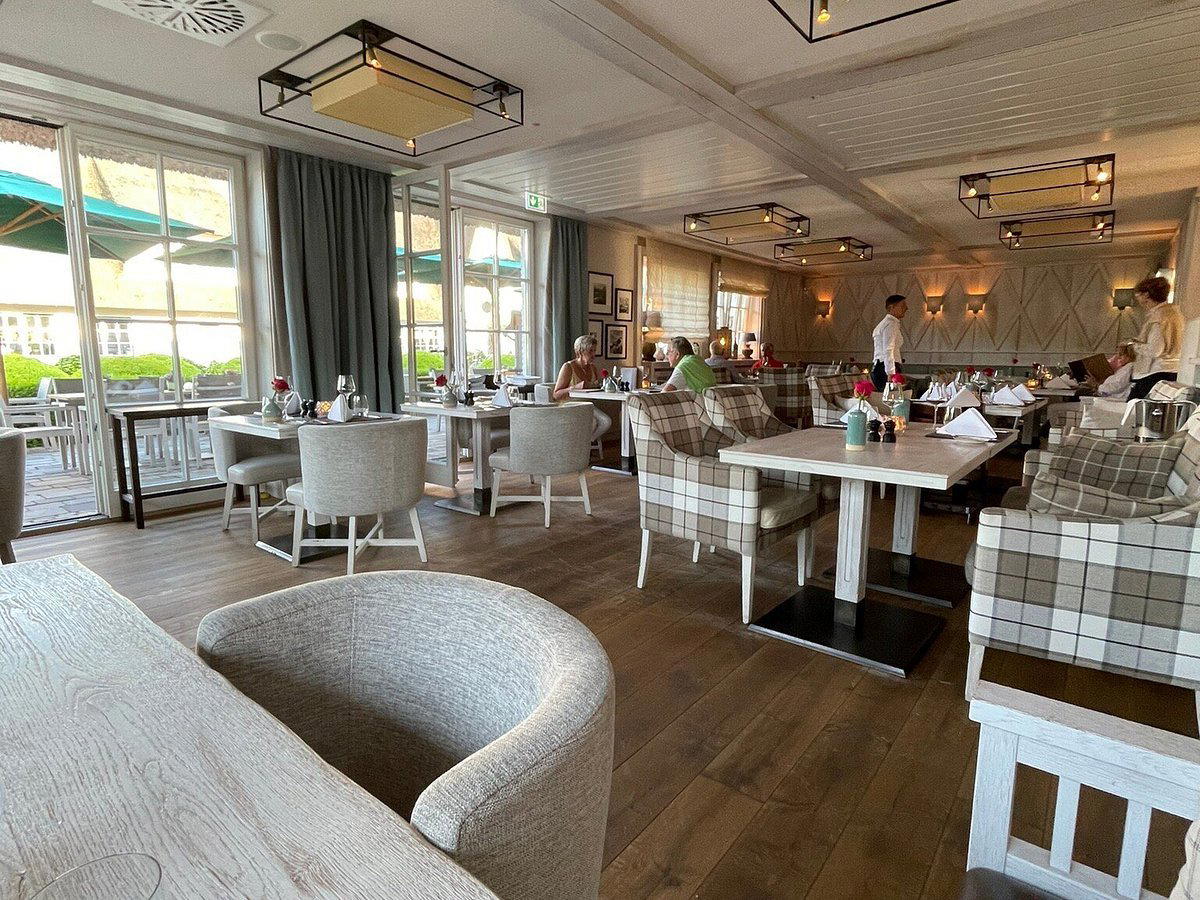
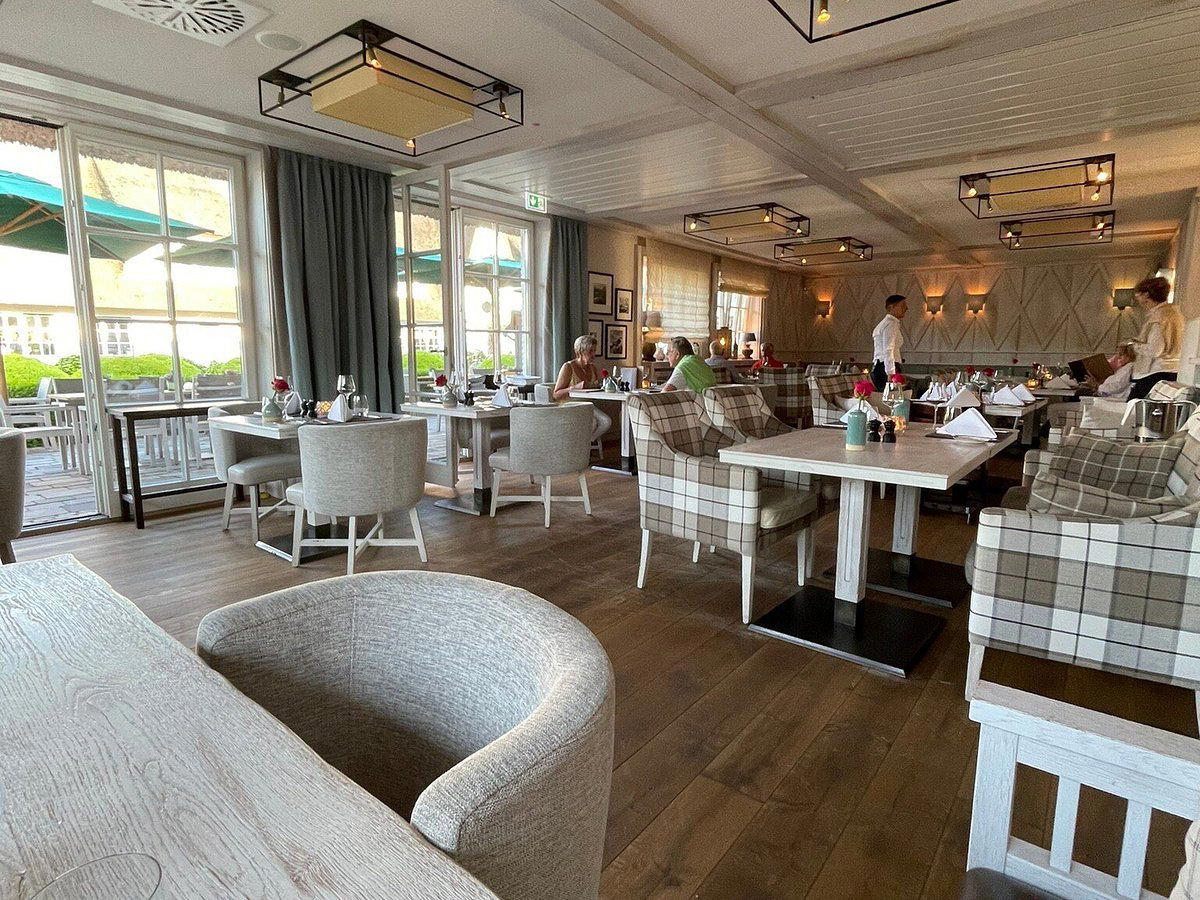
Serene and elegant with natural light, warm colors, and dramatic sea views creating a tranquil oasis for relaxation.