



Set 1,000 metres above sea level in the Bavarian Alps and roughly 100 kilometres south of Munich, Schloss Elmau pairs two Michelin-starred dining with four distinct spa facilities and a serious year-round cultural programme. The 94-year-old castle holds 140 rooms across its main building and the adjacent Retreat wing, with rates from $1,585 per night and a La Liste Top Hotels score of 99 points in 2026.
Pearl is the En Primeur Club membership app — saves, bookings, and concierge access live there. Same editors, same standards.
- Address
- In Elmau 2, 82493 Krün
- Phone
- +49 8823 180
- Website
- schloss-elmau.de
- Directions
- Get directions
 Saves & bookings on Pearl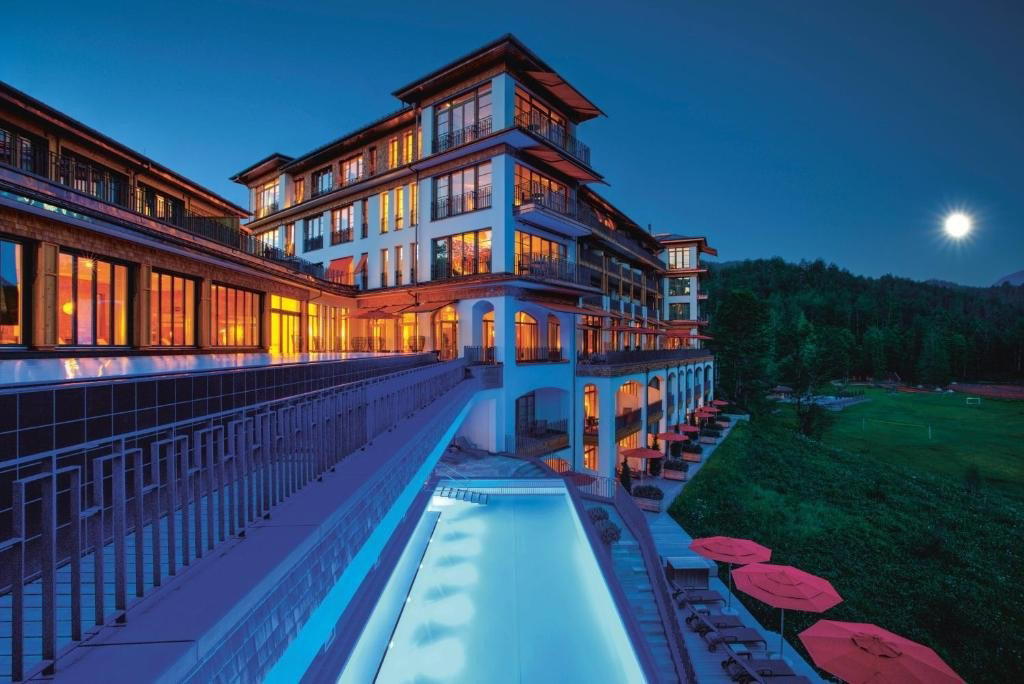
A Castle That Earns Its Architecture
The approach to Schloss Elmau makes an argument before you reach the door. Rising from a protected valley in the Wetterstein range, 1,000 metres above sea level and five kilometres from the village of Klais, the castle presents as the kind of heavy Bavarian stonework that once served functional mountain purposes: mass, gravity, permanence. What happens inside, though, reads as a deliberate counterpoint to that exterior weight. The interiors, rebuilt in 2007 after a fire destroyed much of the original structure, layer cosmopolitan design decisions, precise lighting, natural stone bathrooms, flowers used architecturally rather than decoratively, against the alpine views pressing in through the windows. The tension between the fortress exterior and the contemporary residential interior is the design idea, and it holds across 140 rooms.
This kind of split identity, old shell with modern fit-out, is not unusual in European castle hotels. What distinguishes Elmau from that broader category is the consistency of the gesture across every programmatic layer of the property. The spa facilities, the concert infrastructure, the dining rooms: each operates at a specification level that treats the castle not as a historical exhibit but as a working platform for present-day ambitions. That's an architectural stance as much as a hospitality one.
The Physical Scale of the Programme
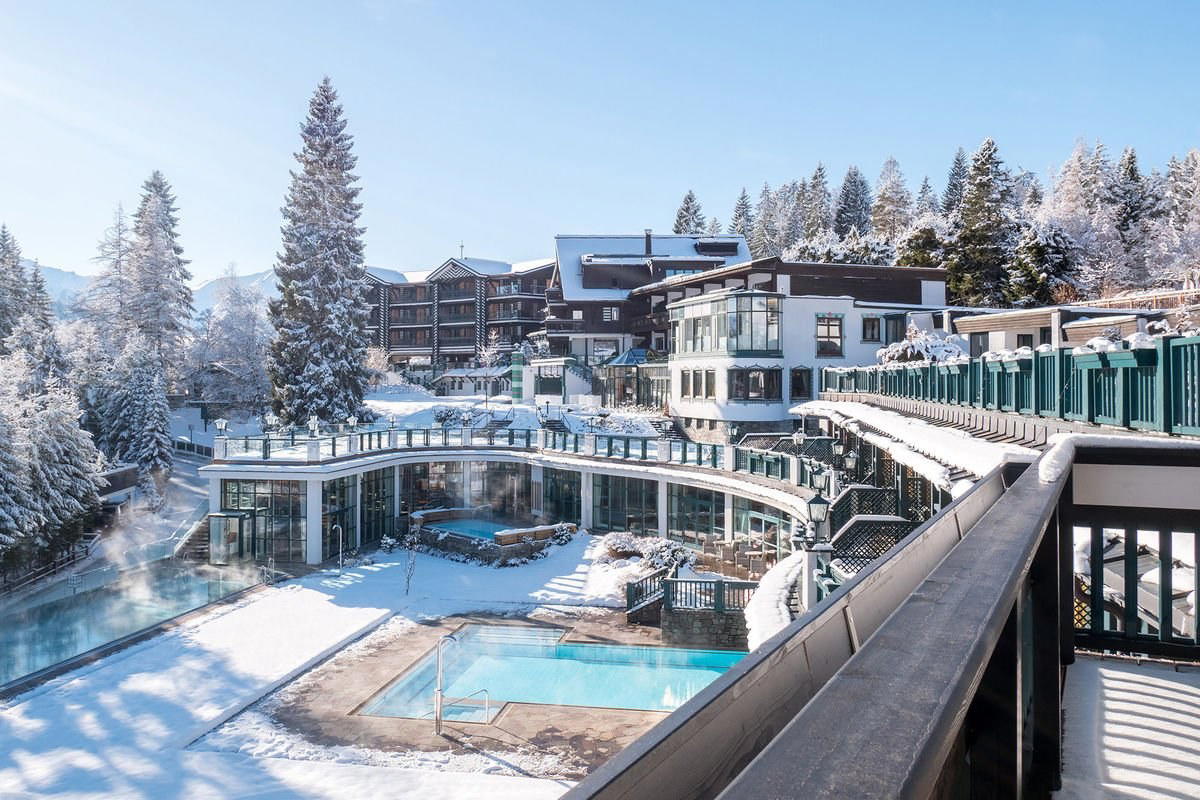
German alpine hospitality has traditionally divided between large ski resort complexes and smaller wellness retreats with limited programming. Schloss Elmau occupies a different position entirely: a property with 140 rooms that nonetheless generates the programming density of something much larger. Four separate spa facilities run concurrently rather than operating as variations on a single offering. The Badehaus, adults-only, includes a heated rooftop pool and a hot salt-water pool. The Nature Spa positions treatments in a wooded valley alongside the Ferchenbach Creek. A Hammam operates as a distinct environment. The Family Spa admits children alongside adults, which is a structural decision that affects how the broader property reads to different guest profiles.
The Retreat wing, a separate building on a sunny hill 150 metres west of the main castle, was purpose-built to serve guests whose primary interest is spa access. It offers floor-to-ceiling windows framing the Wetterstein massif directly, and a scale of room that places it in a different tier from the main castle's Deluxe rooms. For guests comparing options within the property, the Retreat wing's junior suites and suites in the West Wing represent the higher specification end: larger footprints, Schramm mattresses, natural stone bathrooms, and views that justify the room category on their own terms.
Neither carries the cultural programming infrastructure that defines Elmau's specific market position.
Cultural Infrastructure as Architecture
The concert hall at Schloss Elmau is not a converted ballroom pressed into occasional use. It was designed as a performance space, and the property runs classical music and jazz concerts with professional-grade artists on a regular basis. Alongside the concert hall, two libraries and a ballroom of the original castle vintage round out what amounts to a genuine cultural institution rather than a hotel amenity list. Author readings sit in the programme alongside concerts, and the policy of actively encouraging children to attend events is a deliberate programming decision rather than a concession.
This is the feature that places Elmau in a genuinely narrow comparable set globally. Properties that combine serious spa infrastructure with credentialed fine dining and a year-round cultural calendar at this scale are rare. The La Liste Leading Hotels ranking of 99 points for 2026 and the Leading Hotels of the World membership both reflect a peer-set assessment that goes beyond standard five-star accommodation criteria.
Dining at the Michelin Level
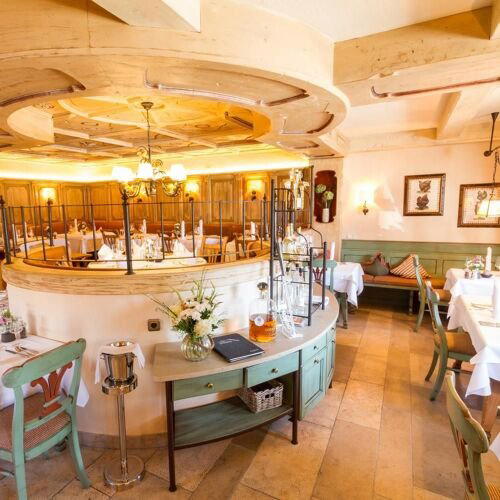
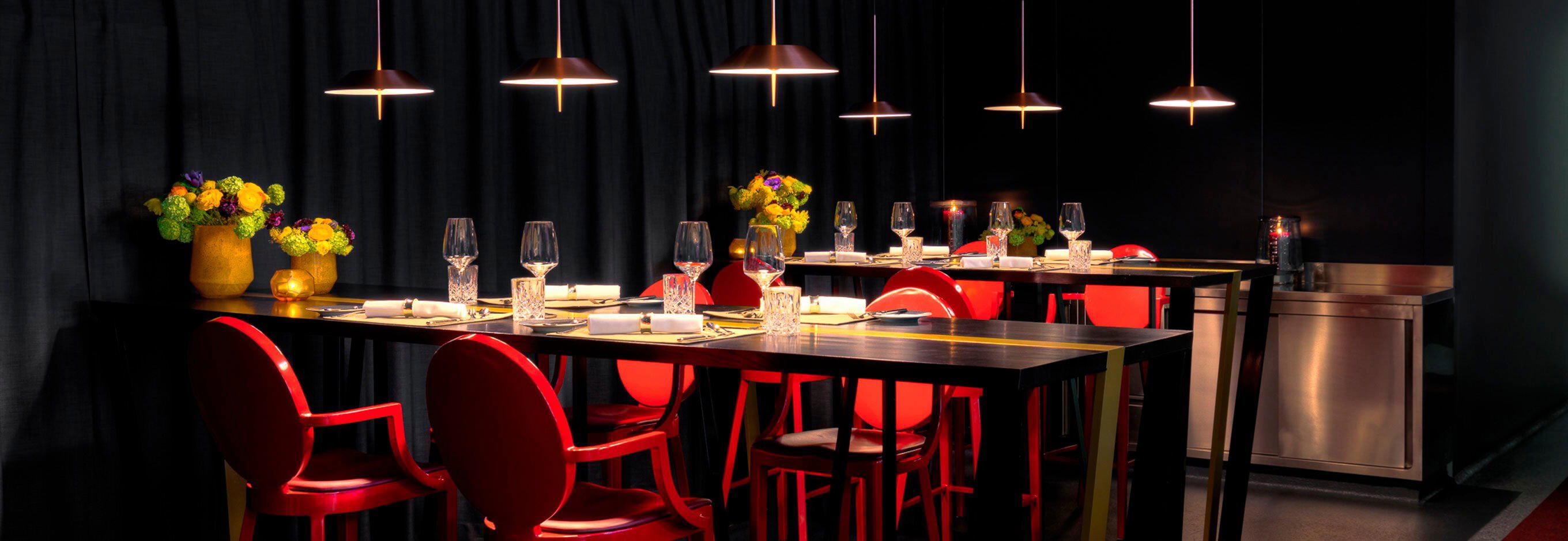
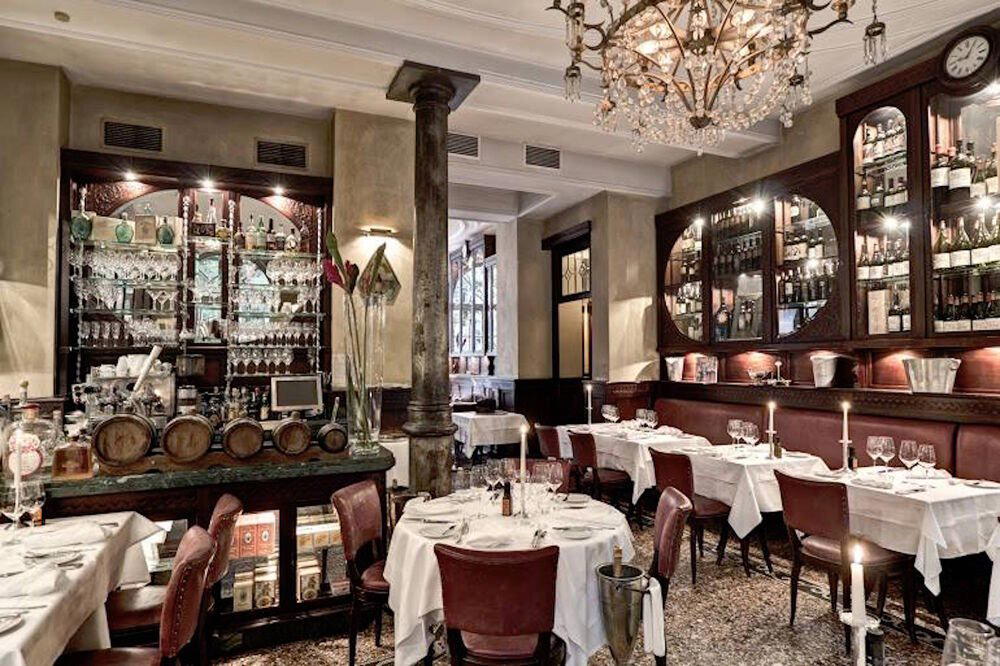
Five restaurants operate across the property, covering international and regional cooking. The two that carry Michelin recognition anchor the dining programme's credibility. Luce d'Oro holds two Michelin stars, awarded in February 2019. IKIGAI, under Christoph Rainer, has been awarded its second Michelin star. Two separate two-starred kitchens within a single hotel property is an arrangement found at few European addresses, and it shifts the dining conversation from amenity to destination.
The broader German fine dining context is relevant here. Properties like Althoff Seehotel Überfahrt in Rottach-Egern and Hotel Bareiss in Baiersbronn each carry Michelin-starred restaurants within their properties, making that credential a baseline for this tier of German hotel. Elmau's distinction is the duplication at the two-star level, which places it in a smaller subset within that already selective group.
Seasonal Logic and Access
The property operates year-round, and the seasonal calculus differs substantially by interest. Winter brings the kind of snowfall that transforms the Wetterstein valley into a high-Alpine environment, with skiing accessible from the area and the castle's internal programming intensifying during colder months. Summer opens the hiking calendar: the castle functions as a base for trails in the surrounding nature sanctuary, and the proximity to Ludwig II's castles adds a cultural-historical layer to the landscape access. The king's favourite castle sits roughly three hours on foot from Elmau, which is either an argument for hiking boots or for taking a car, depending on your priorities.
Access from Munich Airport takes approximately ninety minutes by car. Trains from Munich or Innsbruck run hourly to Garmisch or Klais, the latter being five kilometres from the property. Taxi transfers from Munich Airport run at approximately €200; from Innsbruck Airport, approximately €100. Guests arriving by private car will find the address, In Elmau 2, 82493 Krün, routes directly through the valley approach that makes the castle's arrival sequence work as intended.
Where Elmau Sits in the German Luxury Hotel Picture
The German luxury hotel market has several distinct sub-categories. Urban flagship properties like Fairmont Hotel Vier Jahreszeiten in Hamburg, Breidenbacher Hof Düsseldorf in Düsseldorf, Excelsior Hotel Ernst in Cologne, and Mandarin Oriental Munich in Munich serve a business and city-leisure audience with proximity to urban infrastructure. Destination wellness retreats like Luisenhöhe in Horben and Der Öschberghof in Donaueschingen operate on a programming-depth model in natural settings. Schloss Elmau sits in the destination category but at a scale and specification level that separates it from the wellness-retreat tier. The combination of Michelin-starred dining, professional cultural programming, and four-spa infrastructure represents a programme breadth that requires genuine minimum stay to access properly.
Guests comparing coastal or northern German options might look at BUDERSAND Hotel in Hörnum, Landhaus Stricker in Sylt, or Weissenhaus Private Nature Luxury Resort in Weissenhaus for design-led nature properties in different geographic registers. For Black Forest alternatives, Hotel Bareiss in Baiersbronn and Gut Steinbach Hotel Chalets Spa in Reit im Winkl each offer spa-and-dining combinations worth considering. Eastern Germany options include Villa Contessa in Bad Saarow and Bülow Palais in Dresden.
At $1,585 per night as an entry point, Elmau prices in the upper bracket of European alpine hotels. That figure reflects not just room quality but the amortised cost of the cultural and spa infrastructure running alongside it. The 99-point La Liste score for 2026 positions the property among a small group of European hotels where the total offering, rather than any single department, drives the assessment.
Planning Your Stay
Rates start from $1,585 per night. The property holds 140 rooms across the main castle and the Retreat wing, with 70 Deluxe Rooms and Suites in the main building and 35 Suites and Junior Suites in the West Wing of the Retreat. The West Wing Suites carry floor-to-ceiling windows and direct Wetterstein views that represent the property's highest room specification. Schloss Elmau holds Leading Hotels of the World membership. The property is located at In Elmau 2, 82493 Krün.
In Context: Similar Options
Comparable venues nearby, for context on price, style, and recognition.
| Venue | Cuisine | Price | Awards | Notes |
|---|---|---|---|---|
| Schloss Elmau Luxury Spa Retreat & Cultural HideawayThis venue — the venue you are viewing | Majestic castle-like luxury resort blending Bavarian heritage with contemporary high-end facilities | $$$$ | Michelin 3 Key | Not listed |
| Hotel Traube Tonbach | Luxury heritage spa resort set in the Black Forest with traditional German hospitality and contemporary wellness amenities. | $$$$ | Michelin 3 Key | Baiersbronn |
| Althoff Seehotel Überfahrt | Luxury lakeside resort blending Bavarian heritage with contemporary wellness-focused hospitality; low-rise architecture across multiple buildings with direct lake access. | $$$$ | Michelin 3 Key | Rottach-Egern |
| Hotel Bareiss | Family-owned luxury resort blending tradition and modern comfort | $$$$ | Michelin 3 Key | Baiersbronn |
| Rocco Forte Charles Hotel | Contemporary luxury with traditional Bavarian hospitality; modern design that complements Munich's architectural heritage without excessive opulence. | $$$$ | Michelin 2 Key | Isarvorstadt |
| The Fontenay | Modern architectural icon with light-filled atrium and exclusive urban resort feel overlooking Lake Alster. | $$$$ | Michelin 3 Key | Rotherbaum |
Recognition history
Dated appearances from independent guides and award organizations, with the underlying list record or original source where available.
La Liste Top Hotels
La Liste
Virtuoso Luxury Hotel Partner
Virtuoso
Leading Hotels of World Member
Leading Hotels of World
Michelin 3 Keys
Michelin
Michelin 3 Keys
Michelin
Continue exploring
More in Elmau
Hotels in Elmau
Browse all →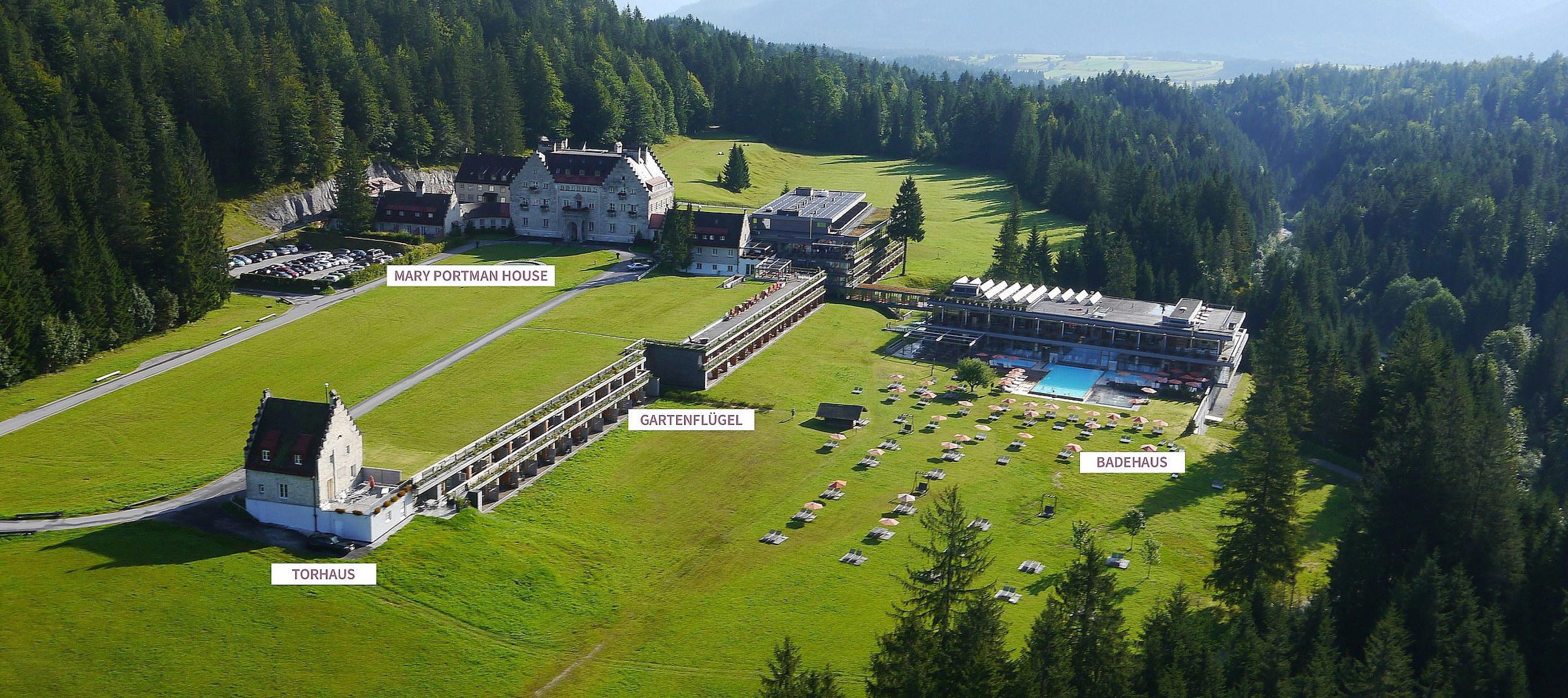
Bars in Elmau
Browse all →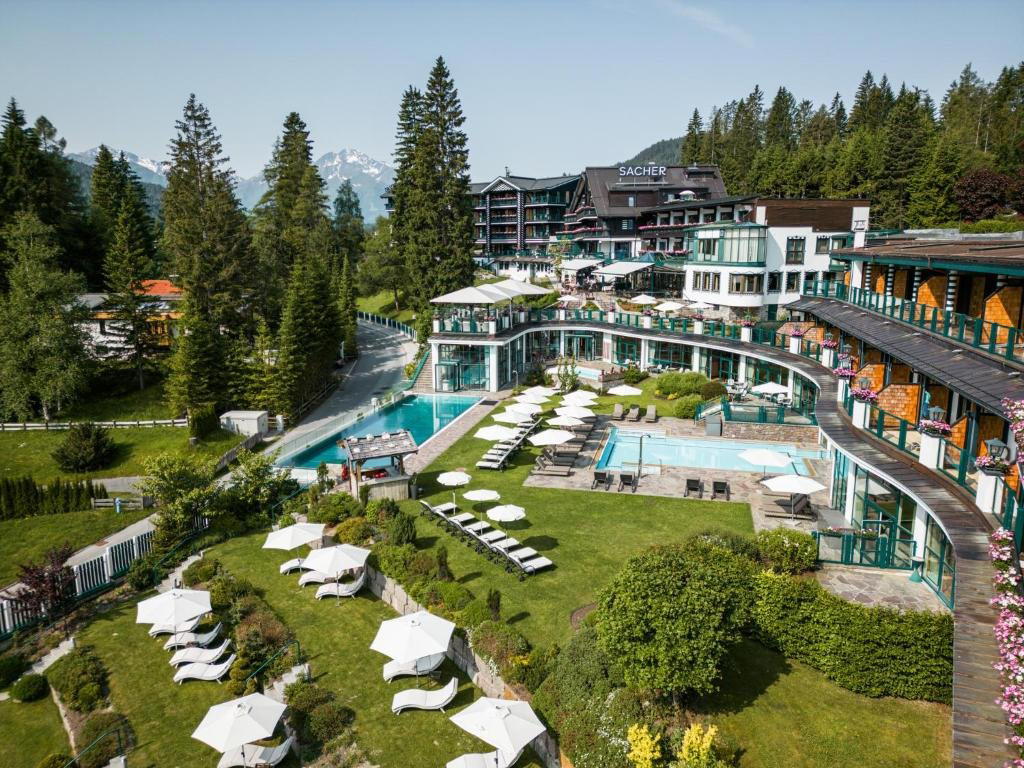
Restaurants in Elmau
Browse all →

At a Glance
- Quiet
- Elegant
- Scenic
- Sophisticated
- Ornate
- Wellness Retreat
- Romantic Getaway
- Family Vacation
- Honeymoon
- Group Retreat
- Infinity Pool
- Destination Spa
- Panoramic View
- Historic Building
- Spa
- Pool
- Wi Fi
- Room Service
- Concierge
- Fitness Center
- Sauna
- Kids Club
- Mountain
- Garden
- Spa
- Pool
- Wi Fi
- Room Service
- Concierge
- Fitness Center
- Sauna
- Kids Club
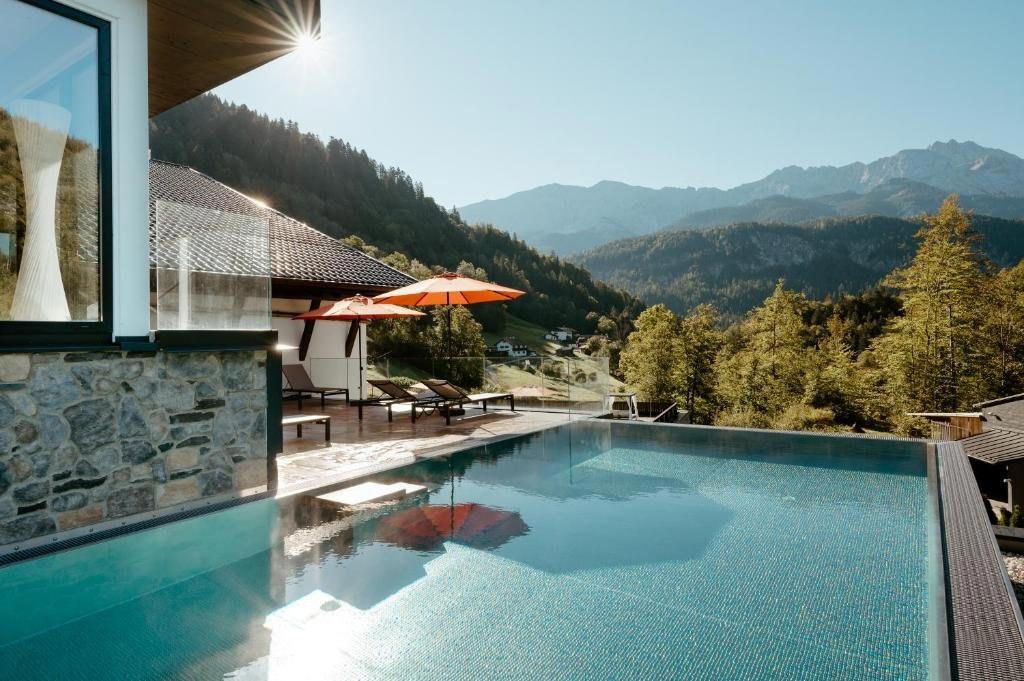
Tranquil and serene with light-filled spas, far-reaching mountain views from infinity pools and relaxation areas featuring open fireplaces, saunas, and steam rooms.