
Michelin Selected
Itomachi Hotel 0 sits in Saijo, a small city on the Seto Inland Sea coast of Ehime Prefecture known for its underground water culture and proximity to the Nishiyama sake district. Selected for the Michelin Hotels guide in 2025, the property belongs to a generation of considered regional lodgings that trade scale for specificity, placing local material and slow-travel logic at the centre of the guest experience.

Pearl is the En Primeur Club membership app — saves, bookings, and concierge access live there. Same editors, same standards.
- Address
- Japan, 〒793-0027 Ehime, Saijo, ⻄条市朔日市 250ー7
- Phone
- +81 897-47-7568
- Website
- itomachihotel-0.com
- Directions
- Get directions
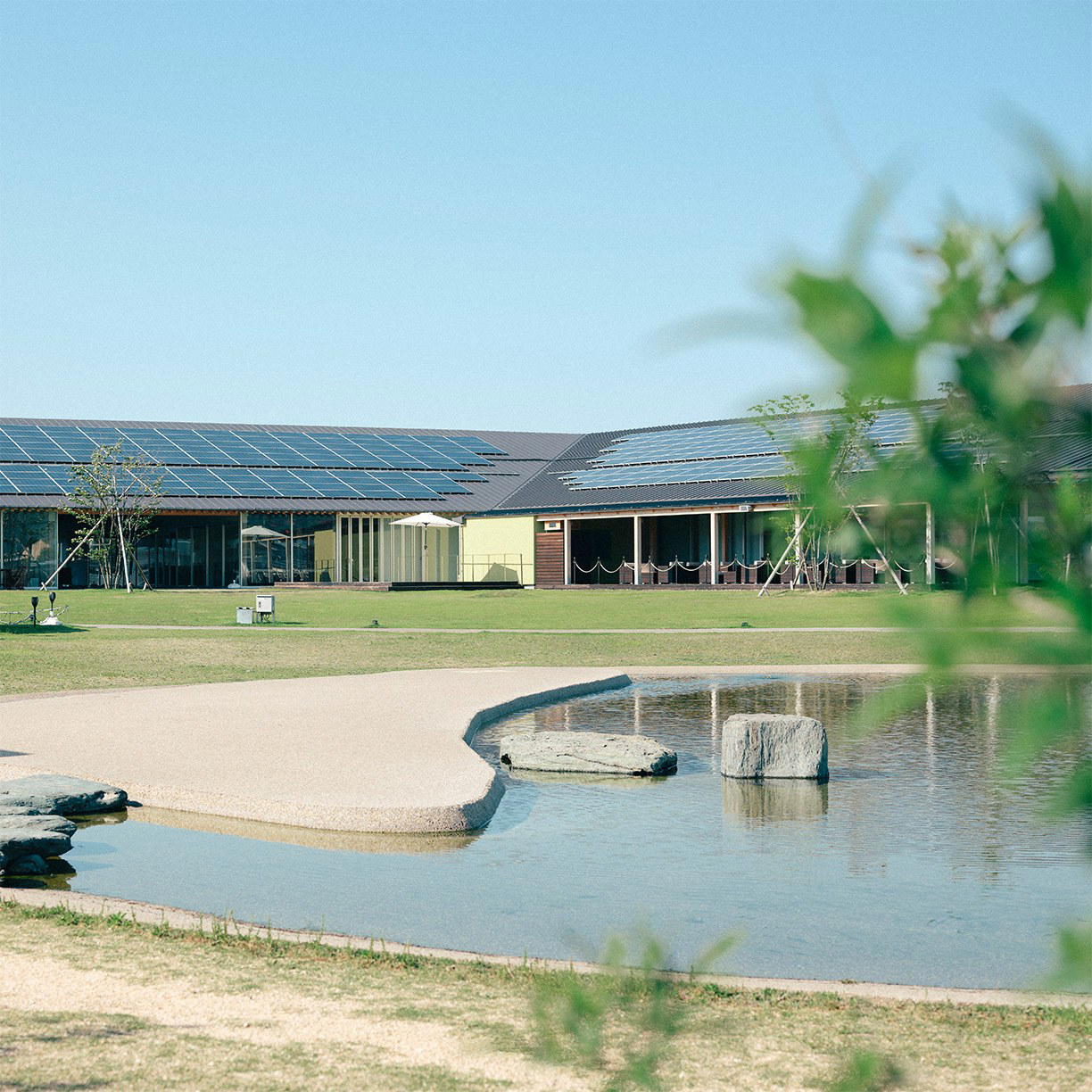
A Different Register of Japanese Hospitality
Japan's premium hotel conversation tends to concentrate in Tokyo, Kyoto, and a handful of resort destinations: the ryokan clusters of Hakone (Gora Kadan), the forested retreats of Mie (Amanemu), the design-forward properties of Naoshima (Benesse House). Saijo, on the northern coast of Shikoku in Ehime Prefecture, sits outside that circuit almost by design. It is a working city, not a resort town, built around sake brewing, textile production, and one of Japan's more quietly celebrated artesian water systems — the uchinuki springs that push cold underground water up through pipes sunk into footpaths and side streets across the city centre. For a hotel to earn Michelin recognition here, in the 2025 Michelin Selected Hotels list, is less about competing with Tokyo's flagship addresses (Bvlgari Hotel Tokyo, HOTEL THE MITSUI KYOTO) and more about belonging to a separate, slower conversation about what hospitality in provincial Japan can actually look like.
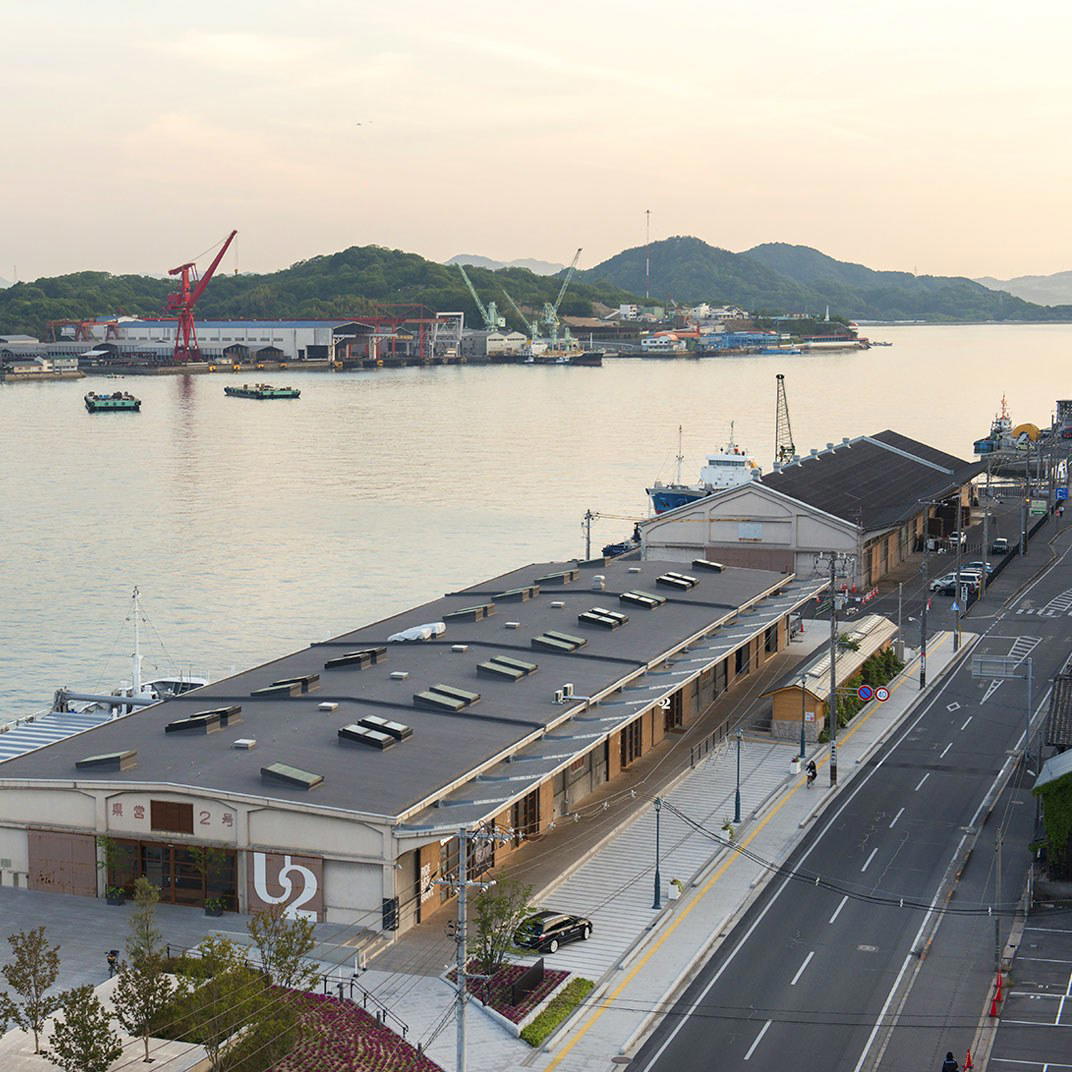
Itomachi Hotel 0 enters that conversation from an address at 250-7 Tsuitachi, in the old commercial quarter that the property's name references directly: itomachi refers to the textile and thread merchant districts that once organised many Ehime towns. The numeral in the name gestures toward a starting point, a reset, a return to ground zero. That framing, whatever its design execution, positions the hotel within a recognisable strain of Japanese adaptive-reuse hospitality, where the building's pre-existing urban life is treated as material rather than obstacle.
The Architecture as Argument
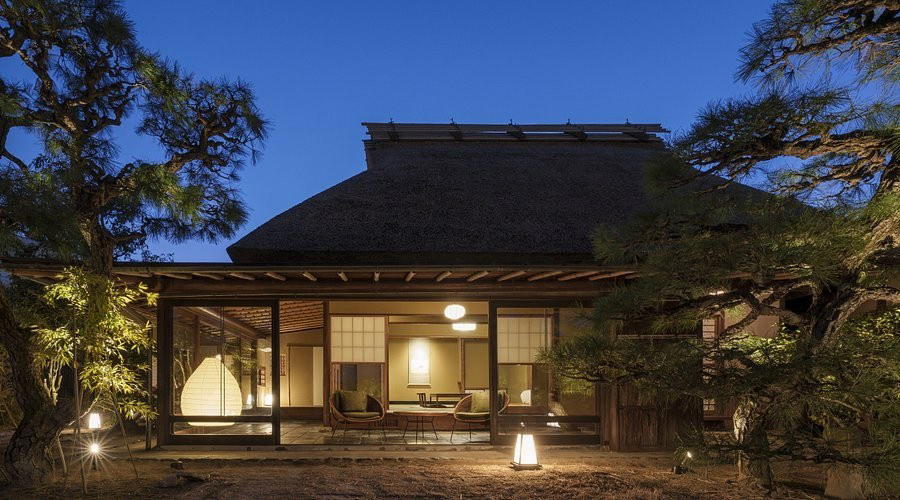
The adaptive-reuse model has become one of the more credible formats in Japanese regional hospitality over the past decade. Where earlier boutique lodgings in secondary cities sometimes felt like fresh construction dropped into a heritage context, the more considered approach treats the physical structure as the primary editorial statement. Properties that sit within this mode — Satoyama-Jujo in Niigata, GOTO RETREAT by Onko Chishin in Goto, tend to read as essays on place rather than generic accommodations dropped into a postcard setting.
Itomachi Hotel 0's position in Saijo's Tsuitachi district places it inside an area shaped by the logic of merchant commerce: low-rise buildings, narrow frontages, streets that were walkable by necessity rather than by planning committee. The hotel's design approach, framing itself around the itomachi lineage, suggests that the building's material history is doing active work in the guest experience. In this tier of Japanese regional hospitality, the quality of that architectural argument matters as much as thread count or breakfast format. Michelin's hotel selection process, applied to properties outside major urban centres, tends to weight specificity of place and physical coherence heavily, which helps explain why a property in a city of roughly 100,000 people, without the resort infrastructure of a Hakone or a Nikko (Fufu Nikko), can earn selection.
Saijo as Context
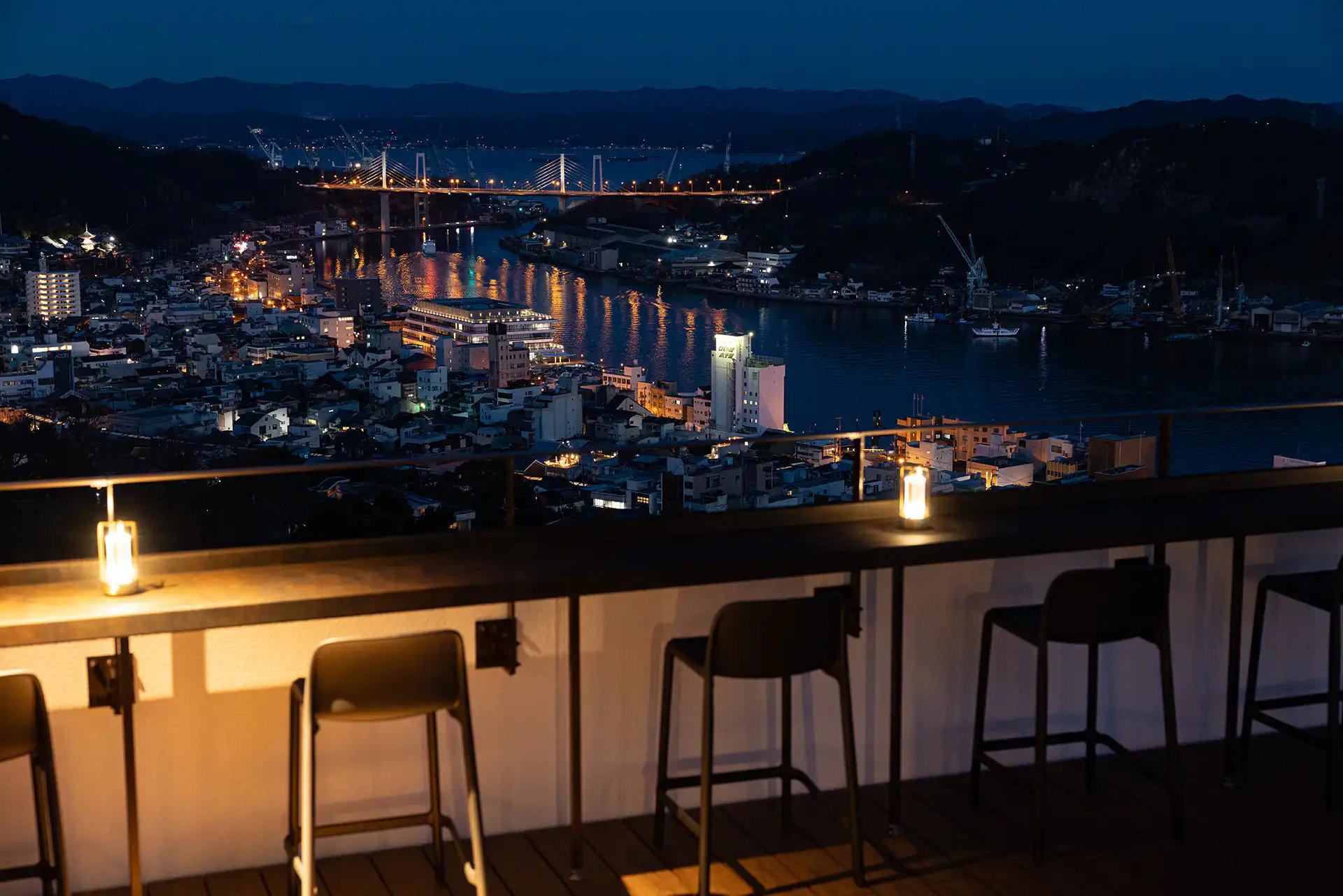
Saijo's identity as a travel destination is largely structured around two things: the Nishiyama sake district, which sits close to the city centre and contains several breweries that have operated for generations, and the uchinuki water system, which is unusual enough that it functions as a kind of civic landmark. The water, which emerges cold and clean from pipes driven into the earth across the city, is used for drinking, cooking, and in some cases sake production. It is the kind of feature that shapes daily life quietly and then strikes visiting observers as extraordinary precisely because no one locally treats it as remarkable.
For a hotel positioned in this environment, the surrounding city offers more material than a conventional resort destination. Ehime's Seto Inland Sea coastline, the Saijo Matsuri festival in October (one of the larger festivals in western Japan by participation scale), and the proximity of the Ishizuchi mountain range give the area genuine seasonal texture. The city is accessible by JR limited express from Matsuyama, roughly 40 minutes, or from Okayama via the Seto Inland Sea railway connection. It is not a difficult journey, but it requires the kind of deliberate routing that filters out the incidental tourist traffic.
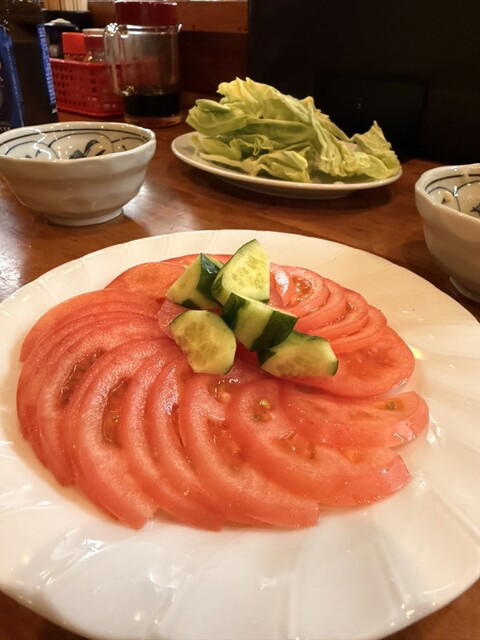
That filtering is, in a sense, the point. The tier of Japanese hospitality that Itomachi Hotel 0 appears to occupy draws guests who have already moved past the major circuit. Guests who have covered the Izu ryokan tradition (Asaba), the Kyushu onsen properties (Kamenoi Besso), and the Hokkaido design lodges (Zaborin) often begin looking for exactly this kind of smaller-city alternative, where the surrounding context is a working community rather than a curated retreat zone. See our full Saijo restaurants guide for how the food and drink scene maps onto that same logic.
Positioning and Planning
The Michelin Selected designation, applied here in the 2025 cycle, places Itomachi Hotel 0 within a quality tier that covers a wide range of price points and formats. The selection is not a starred distinction but a recognition of consistent quality, character, and sense of place, the same criteria that Michelin applies to regional properties across France, Italy, and increasingly Japan's secondary cities and rural prefectures. For properties like Nishimuraya Honkan in Kinosaki or Sekitei in Hatsukaichi-shi, the designation reflects long-established track records. For Itomachi Hotel 0, it signals that the property has established itself clearly enough in a short window to meet that threshold.
Because the hotel operates in a city with limited alternative accommodation at this quality level, availability is the primary planning constraint. The Saijo Matsuri festival in October compresses demand significantly; anyone considering that travel window should treat early booking as non-negotiable. Outside festival periods, lead times are more forgiving, but properties at this scale and designation tend to fill faster than their city's profile would suggest.
For context on where Itomachi Hotel 0 sits within broader Japanese regional hospitality, comparable properties in the Michelin Selected tier include smaller Okinawan addresses (Jusandi in Ishigaki, Halekulani Okinawa) and mountain lodges such as Nasu Mukunone. The common thread is a commitment to specificity over scalability. That is the mode Itomachi Hotel 0 is operating in, and Saijo, with its artesian water, its sake breweries, and its textile history, gives the property enough raw material to make that commitment credible.
Side-by-Side Snapshot
| Venue | Price | Awards |
|---|---|---|
| Itomachi Hotel 0This venue — the venue you are viewing | $1–100 | Michelin Selected |
| Bvlgari Hotel Tokyo | Not listed | 3 Michelin Keys · World's 50 Best #24 |
| Aman Kyoto | Not listed | 2 Michelin Keys · World's 50 Best #74 |
| Aman Tokyo | Not listed | 2 Michelin Keys · World's 50 Best #11 |
| Palace Hotel Tokyo | Not listed | 3 Michelin Keys · World's 50 Best #73 |
| Amanemu | Not listed | 3 Michelin Keys · La Liste Top Hotels |
Recognition history
Dated appearances from independent guides and award organizations, with the underlying list record or original source where available.
Michelin Selected
Michelin
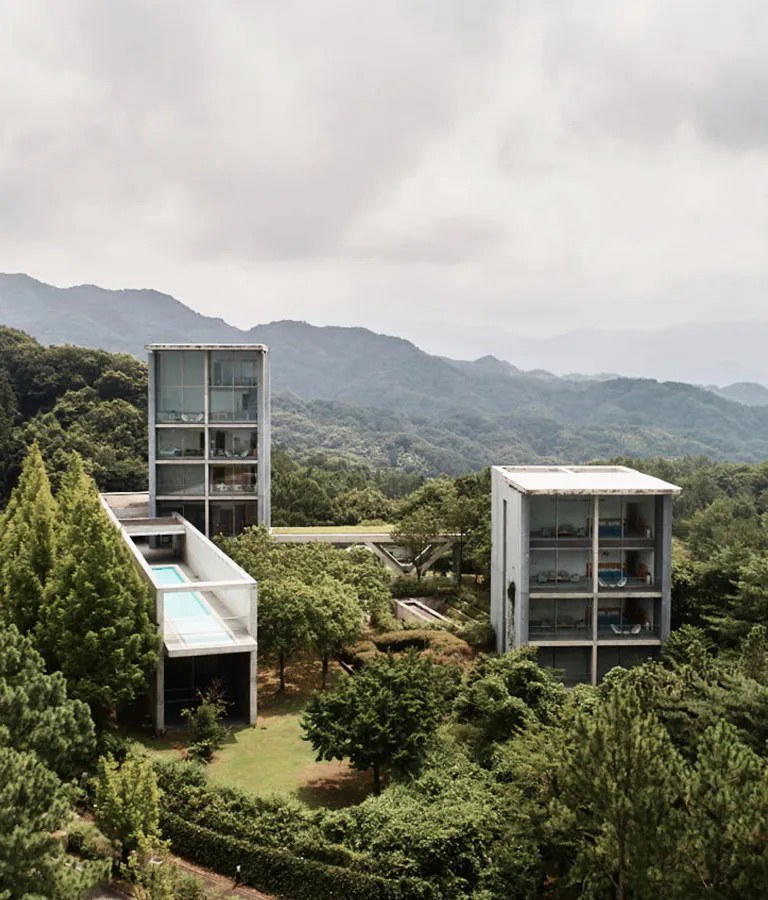
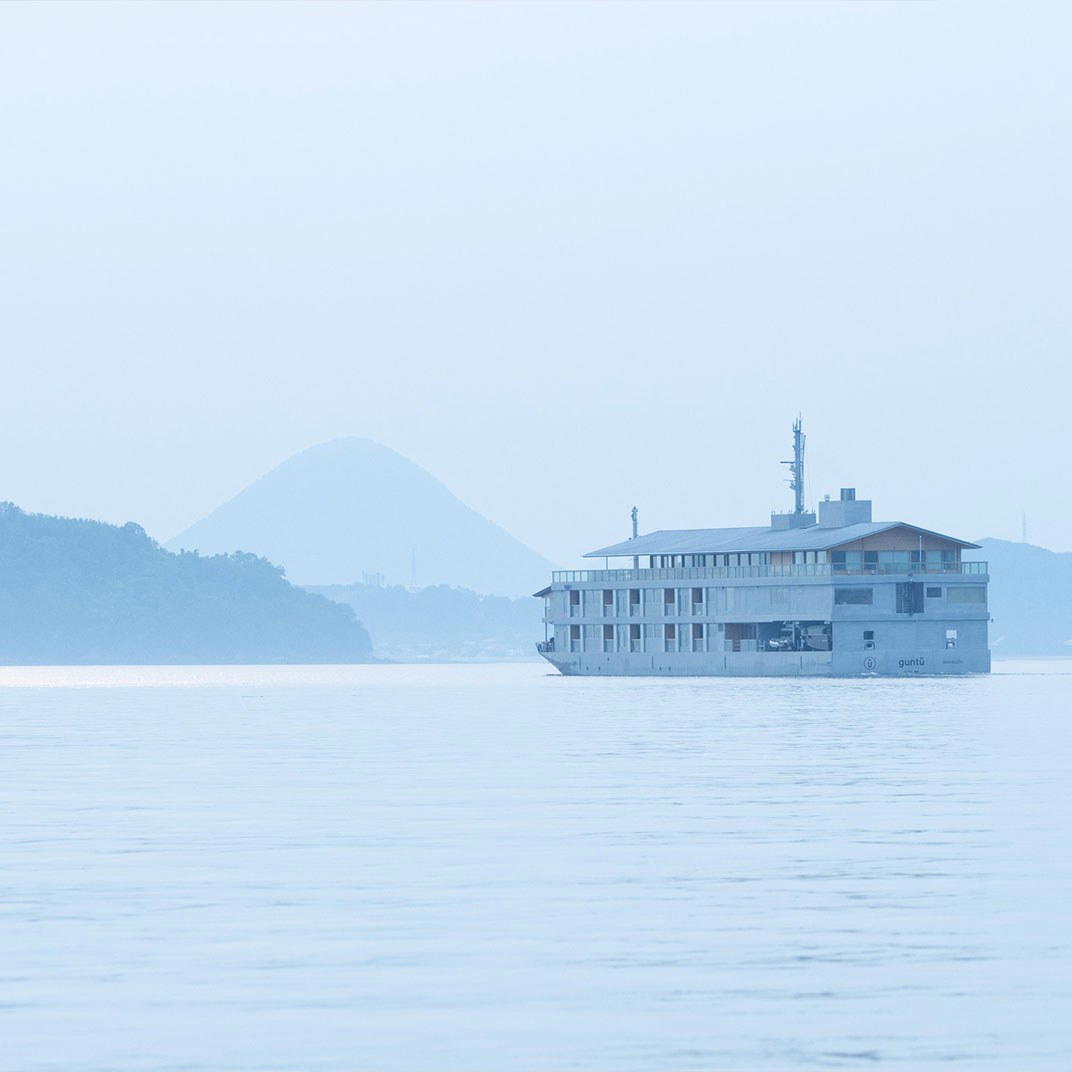

Details
- Modern
- Scenic
- Minimalist
- Romantic Getaway
- Wellness Retreat
- Weekend Escape
- Historic Building
- Design Destination
- Wi Fi
- Hot Tub
- Business Center
- Laundry Service
- Air Conditioning
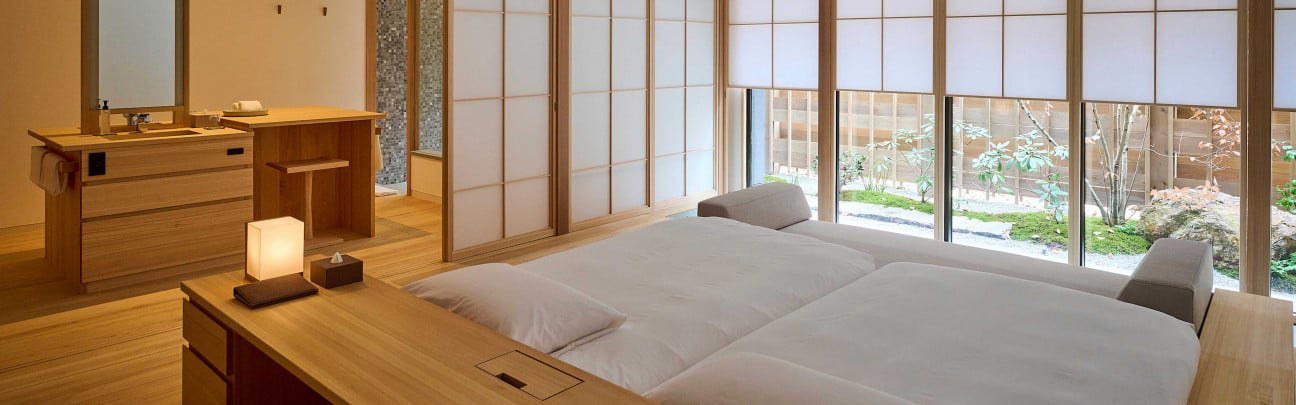
Sleek, modern interiors with natural materials, organic amenities, and serene atmosphere connecting to local water and nature themes.