
1 Michelin Key
On the Gotō Islands off western Kyushu, GOTO RETREAT by Onko Chishin occupies a position between ryokan tradition and contemporary design hospitality, earning a Michelin One Key in 2024 across its 26 rooms. The property channels the islands' long association with spiritual retreat through architecture that maximises natural light and seascape views, spring-fed onsen, and a restaurant built around locally raised Goto beef.

Pearl is the En Primeur Club membership app, where members save venues, book tables and use the concierge.
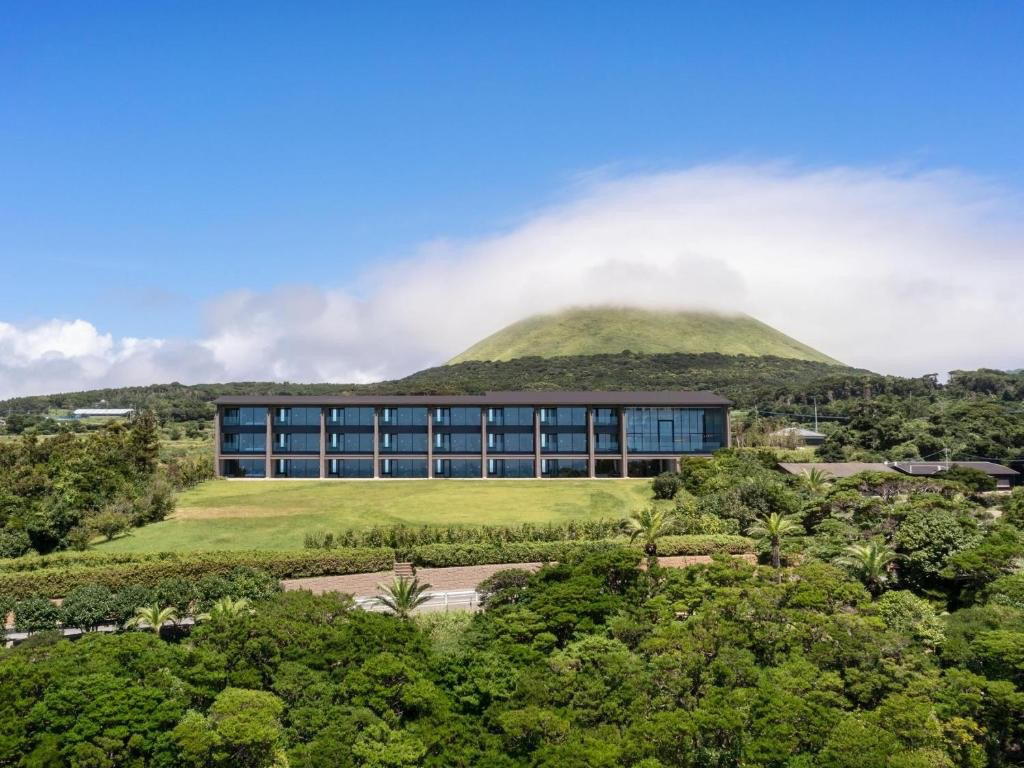
Where the Architecture Does the Talking
Japan's island retreats have developed a clear design grammar over the past decade. The most considered properties work with topography and light rather than against them, treating the surrounding landscape as a structural element rather than a backdrop. GOTO RETREAT by Onko Chishin, situated on the Gotō Islands off the western coast of Kyushu in Nagasaki Prefecture, belongs to this tradition. The property's architecture is organised around the particular quality of light that falls across these islands, an archipelago whose deep association with religious contemplation and pilgrimage has given it a distinct atmospheric character for centuries. That context is not incidental to how the retreat functions, it shapes the spatial logic of the whole property.
The Gotō Islands sit roughly 100 kilometres west of Nagasaki city. Getting there requires either a high-speed ferry (roughly 90 minutes from Nagasaki port) or a short regional flight, a journey that contributes meaningfully to the sense of remove that defines a stay. The separation from the Kyushu mainland is part of what the property is selling, and the architecture reinforces this from arrival. Views across the surrounding seascape are integral to the design, not incidental to it, with natural light treated as a material to be composed rather than simply admitted.
The Onko Chishin Framework: Old and New in Deliberate Tension
The name Onko Chishin references a classical Japanese maxim, roughly translatable as "revisiting the old to understand the new," and that framing gives the property its conceptual coherence. Japan's premium ryokan and design-led retreat sector has split in recent years between properties that lean into pure contemporary minimalism and those that maintain visible continuity with traditional Japanese hospitality forms. GOTO RETREAT sits in the second camp without being conservative about it. The 26-room scale keeps it within a tier of boutique properties where spatial generosity and attention to architectural detail remain economically viable. Compare this with larger resort formats in the region, and the difference in density and programme intensity is significant.
Among Japan's island-based retreats, properties that earn Michelin recognition tend to share certain structural commitments: limited key counts, strong landscape integration, and food programmes tied to local supply. For context on how Michelin's hotel programme treats Japanese island properties, the award signals a level of intentionality across all guest-facing elements, not just the restaurant. Comparable Michelin-recognised retreats in Japan's island and coastal markets include Amanemu in Mie, Benesse House in Naoshima, and Jusandi in Ishigaki, each of which demonstrates how design-first thinking can anchor a property's identity in remote locations.
Onsen and the Logic of the Spa Programme
Spring-fed onsen baths are not a universal feature of Japanese retreats. Many urban and coastal properties rely on heated water rather than natural thermal sources, a distinction that matters to guests for whom the mineral character and temperature stability of true onsen water is part of the therapeutic logic. The presence of natural spring-fed baths at GOTO RETREAT connects it to a longer tradition of Japanese wellness hospitality, one represented on the mainland by properties like Gora Kadan in Hakone and Asaba in Izu, where the quality of the water source is as central to the guest experience as the room design. On the Gotō Islands, the combination of sea-view architecture and natural onsen creates a sensory proposition that urban properties cannot replicate regardless of budget.
The wider ryokan and design-retreat market in western Japan has developed a strong identity around this combination of landscape, thermal bathing, and locally sourced food. Properties such as Bettei Otozure in Nagato, Araya Totoan in Kaga, and Nishimuraya Honkan in Kinosaki-cho demonstrate how this format has been refined across different geographies. GOTO RETREAT's Gotō Islands location gives it access to ingredients and an atmospheric character that differ from the hot-spring towns of Honshu, while maintaining structural continuity with the best of that tradition.
Goto Beef and the Restaurant's Position
The Gotō Islands have a documented reputation for their cattle, and Goto beef occupies a distinct position within Japan's premium beef geography. While Wagyu from Kagoshima and Miyazaki receives greater international attention, island-raised beef from the Gotō archipelago represents a smaller, more regionally specific production. A retreat restaurant drawing on this supply is making an editorial choice about locality that connects food programme to place in a direct and legible way. That kind of alignment between sourcing and setting is a consistent feature of the properties earning recognition in Michelin's hotel guide.
Restaurant at GOTO RETREAT operates within a broader pattern visible across Japan's top-tier rural retreats, where the dining programme functions as an extension of the property's relationship to its landscape. This is structurally different from urban hotels where the restaurant operates as a standalone destination. For guests, the implication is that eating well here means engaging with Gotō Islands produce rather than benchmarking against a city dining scene. For reference on how Japan's island and coastal food programmes compare to urban counterparts, properties such as Halekulani Okinawa and Azumi Setoda in Onomichi illustrate the same local-sourcing logic applied in different island contexts.
Planning a Stay: What to Know
GOTO RETREAT by Onko Chishin prices from approximately $365 per night across its 26 rooms. That rate positions it in the mid-upper tier of Japan's design retreat market, below the pricing of properties like Bvlgari Hotel Tokyo or Aman New York, but consistent with comparably recognised Japanese island and onsen properties. The Michelin One Key designation from 2024 provides a quality anchor for first-time visitors assessing value relative to the journey required.
Reaching the Gotō Islands from mainland Japan involves connecting through Nagasaki or Fukuoka. The ferry route from Nagasaki port is the most commonly used approach. Seasonal demand peaks around Japan's national holidays and in the warmer months when the islands' coastal character is most accessible, so advance planning is advisable for those periods. The retreat's 26-room scale means availability is limited relative to larger resort properties.
For guests planning a broader Japan itinerary that combines urban and remote experiences, properties such as HOTEL THE MITSUI KYOTO, Fufu Kawaguchiko, Fufu Nikko, Zaborin in Kutchan, ENOWA Yufu, Sekitei in Hatsukaichi-shi, Beniya Kofuyuden in Awara, Bettei Senjuan in Minakami, Atami Izusan Karaku, and ANA InterContinental Beppu Resort and Spa represent the range of options at comparable tiers. The Gotō Islands stop functions leading as a deliberate detour rather than a circuit stop, given the travel involved. See our full Goto restaurants guide for broader context on the islands' hospitality scene.
Comparable Venues
Comparable venues nearby, for context on price, style, and recognition.
| Venue | Cuisine | Price | Awards | Notes |
|---|---|---|---|---|
| GOTO RETREAT by Onko ChishinThis venue (the venue you are viewing) | Luxury oceanfront retreat harmonizing modern design with Goto's natural and spiritual heritage. | $500–750 | 1 Michelin Key | Not listed |
| ANA InterContinental Beppu Resort & Spa | Contemporary luxury hot spring resort blending modern design with authentic Japanese craftsmanship and natural elements. | $300–500 | 1 Michelin Key | Beppu foothills |
| Onyado Chikurintei | Traditional Japanese ryokan deeply integrated with surrounding nature and gardens | Not listed | 2 Michelin Keys | Takeo |
| RYOTEI HANZUIRYO | Traditional Japanese ryokan with detached villas and expansive gardens | Not listed | 1 Michelin Key | Unzen |
| The Ritz-Carlton Fukuoka | Contemporary luxury high-rise with panoramic bay views | Not listed | 1 Michelin Key · Forbes 4-Star | Chūō |
| One Suite THE GRAND | small luxury resort on Kouri Island pinnacle | $500–750 | 1 Michelin Key | Kouri |
Recognition history
Dated appearances from independent guides and award organizations, with the underlying list record or original source where available.
Michelin 1 Key
Michelin
Full recognition history (3 entries)
Michelin 1 Key
Michelin
Michelin 1 Key
Michelin
Continue exploring
More in Goto
Restaurants in Goto
All restaurants in Goto →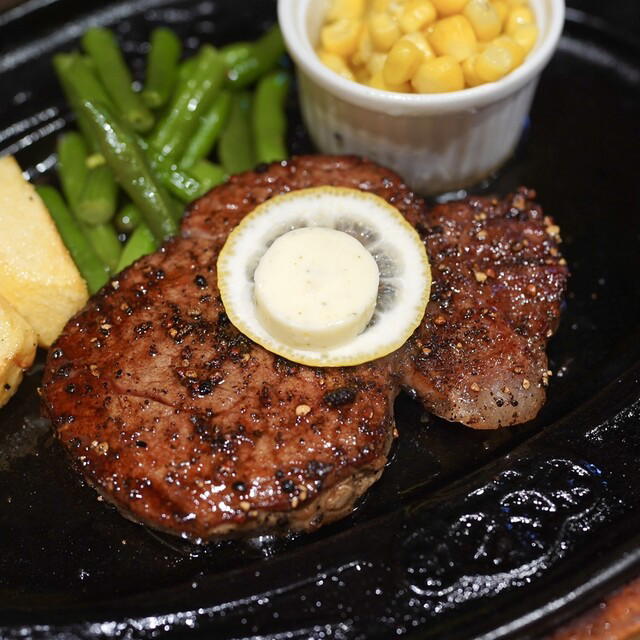
Details
- Quiet
- Elegant
- Scenic
- Intimate
- Sophisticated
- Minimalist
- Wellness Retreat
- Romantic Getaway
- Honeymoon
- Weekend Escape
- Waterfront
- Panoramic View
- Private Villa
- Destination Spa
- Terrace
- Wi Fi
- Spa
- Room Service
- Concierge
- Elevator
- Waterfront
- Mountain
- Wheelchair Accessible
- Elevator
Tranquil and elegant with natural light flooding modern Japanese-Western style rooms, soundproofed for serenity, and ocean views creating a peaceful, restorative atmosphere.