
Saijo’s soba culture rewards restraint: buckwheat, broth, and pacing matter more than spectacle. Saijo Soba Kinoe belongs to that disciplined lane, pairing soba with oden, sake, counter seating, and repeat selection for Tabelog’s Soba WEST 100 in 2024 and 2025.
Pearl is the En Primeur Club membership app — saves, bookings, and concierge access live there. Same editors, same standards.
- Address
- 愛媛県西条市朔日市783-6
- Phone
- +81897557836
- Website
- saijosoba-kinoe.com
 Saves & bookings on Pearl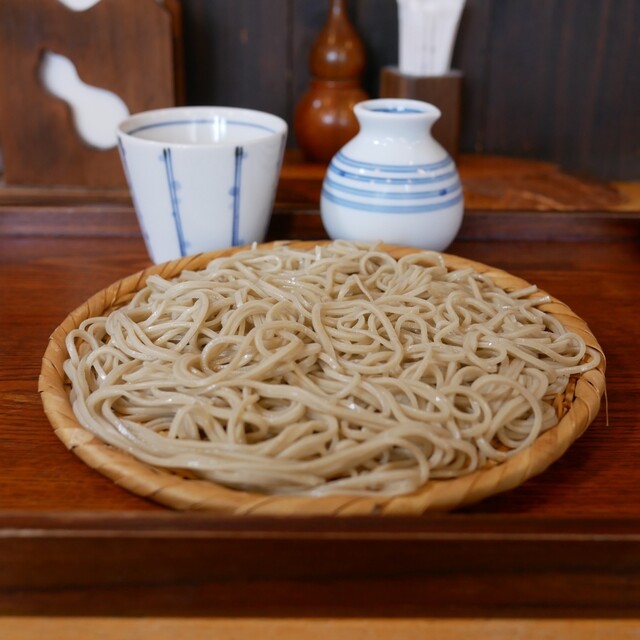
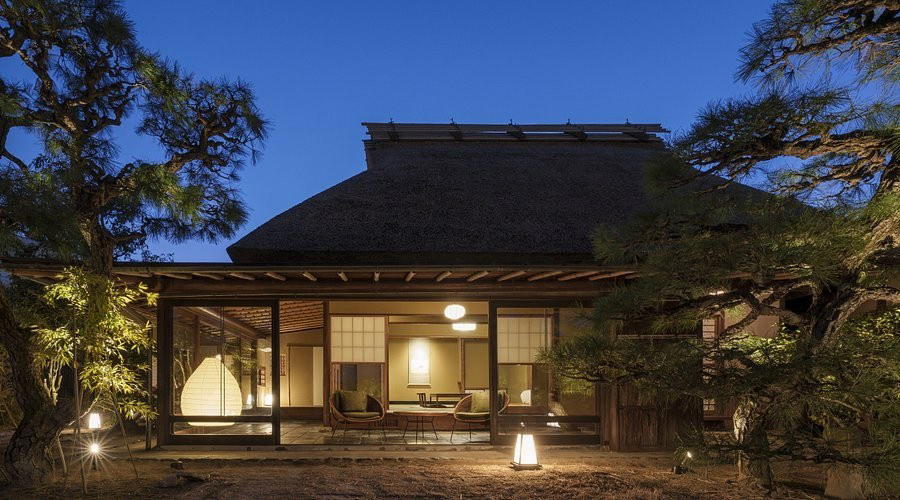
Approach in Saijo and the signal is domestic rather than theatrical: a house-restaurant setting, counter seating, and a format built around soba rather than multi-course ceremony. That matters in Ehime, where the strongest noodle addresses often feel closer to daily craft than destination dining. The pleasure is not in excess; it is in how buckwheat, dipping broth, oden, and sake create a compact meal with a clear regional rhythm.
Saijo Soba Kinoe sits in a category that Japan does unusually well: modestly scaled specialist restaurants that operate with the seriousness of a much higher-price counter. Tabelog selected it for the Soba WEST 100 in both 2024 and 2025, a useful signal because the list groups it with soba specialists across western Japan rather than with general Japanese restaurants. In practical editorial terms, that puts the restaurant in a sharper competitive frame than a broad local ranking would.
Buckwheat, oden, and sake make this a compact Ehime meal
Soba is often misread by visitors as a quick noodle stop, but the stronger Japanese soba rooms are ingredient-led in a quiet way. Buckwheat has a shorter expressive range than wheat noodles, so sourcing, milling, water, and handling carry more weight than garnish. At this level, the point is precision: noodles, broth, and temperature discipline doing the work without theatrical plating.
The addition of oden changes the meal’s tempo. Where a soba-only stop can be brief, oden gives the table a slower middle register, especially when paired with nihonshu. The sake emphasis is not incidental; soba restaurants with a serious sake component sit closer to the old drinking-and-noodle tradition than to a purely lunch-counter model. That makes the room useful for solo dining, a small family meal, or a low-key stop with friends, not only for noodle obsessives chasing a list entry.
Compared with the out-of-metro soba references in the same price conversation, Teuchi Soba Tokiya occupies a similar everyday-spend bracket, while Hachihachi moves into a higher spend band. That distinction is useful: Saijo’s appeal here is not luxury coding, but the way a specialist soba address can deliver award-level confidence without becoming a formal restaurant. For broader planning around the city, see Our full Saijo restaurants guide, with nearby context across meals rather than a single stop.
Why the recognition matters in a city outside Japan's usual dining circuit
Saijo does not carry the automatic culinary gravity of Tokyo, Kyoto, or Osaka, so third-party recognition matters more here. A Tabelog Soba WEST 100 selection gives traveling diners a way to read the restaurant against a regional specialist field. It also underlines a broader truth about Japanese dining: some of the more rewarding category-specific meals sit outside the cities that dominate international itineraries.
That does not mean every visitor should build a trip around one lunch. It means that anyone already moving through Ehime can treat this as a serious soba address rather than a convenience meal. The category mix also helps: soba and oden are accessible enough for families, structured enough for solo diners, and culturally specific enough to teach more about local Japanese eating habits than another generic café stop.
Saijo’s wider travel picture is still thin compared with larger Japanese cities, so dining plans should sit inside a broader route. Use Our full Saijo hotels guide for overnight decisions, Our full Saijo bars guide for evening options, Our full Saijo wineries guide for wine-focused planning, and Our full Saijo experiences guide for daytime structure around the meal.
Where it fits in a Japan-wide eating itinerary
The value of a stop like this becomes clearer when set against Japan’s range of specialist formats. A soba counter in Ehime asks for a different kind of attention than beef-led dining at -Grilled beef Sukiyaki- KAMAKURA TANUKIAN 鎌倉 たぬき庵 in Kamakura, seafood and charcoal cooking at . 鮪と炭火焼き うお炭 秋葉原店 in Tokyo, or a café-format stop such as .cafe in Osaka. The comparison is not about hierarchy; it is about reading each meal by its own grammar.
That grammar shifts again across regional and genre-specific addresses: .know in Kumamoto, (Shoku) Vietnam in Kawasaki, [Curry Senmon Ten] Maruyama Kyoju. in Sapporo, [ki:] in Kyoto, #肉といえば松田 奈良本店 in Kashihara, 1/3 HAMBURGER FACTORY in Kanazawa, 1000 in Yokohama, and 1000mヒュッテ 1000m Hut in Kutchan each answer a different travel appetite. Even outside Japan, sake and rice-driven simplicity reappear in different forms at Jōdo Saké Bar in Los Angeles and Onigiri Time in Pasadena.
Saijo Soba Kinoe is strongest as a precisely chosen regional meal: low ceremony, clear specialization, and enough recognition to justify prioritizing it when the route already points through Saijo. Go for soba as craft, oden as pacing, and sake as context, not for spectacle.
Comparable Spots, Quickly
Comparable venues by cuisine and price in the same metro.
| Venue | Cuisine | Price | Awards | Notes |
|---|---|---|---|---|
| Saijo Soba KinoeThis venue — the venue you are viewing | Traditional Japanese soba noodle shop | $ | , | |
| 須崎食料品店 | Traditional Sanuki Udon | $ | , | 高瀬町上麻 |
| カツカレーの店 KAPPA | カツカレー専門洋食 | $ | , | 倉敷えびす通り商店街 |
| Tanikawa Beikokuten (谷川米穀店) | Sanuki Udon | $ | , | まんのう町 |
| Tonjinchi (貪瞋癡) | Traditional Himi Niboshi Ramen | $ | , | Himi |
| Syokudoh TANUKI (食堂たぬき) | Traditional Japanese Canteen | $ | , | Myoko City |
Continue exploring
More in Saijo
Restaurants in Saijo
Browse all →
At a Glance
- Cozy
- Classic
- Hidden Gem
- Rustic
- Solo
- Casual Hangout
- Family
- Standalone
- Local Sourcing
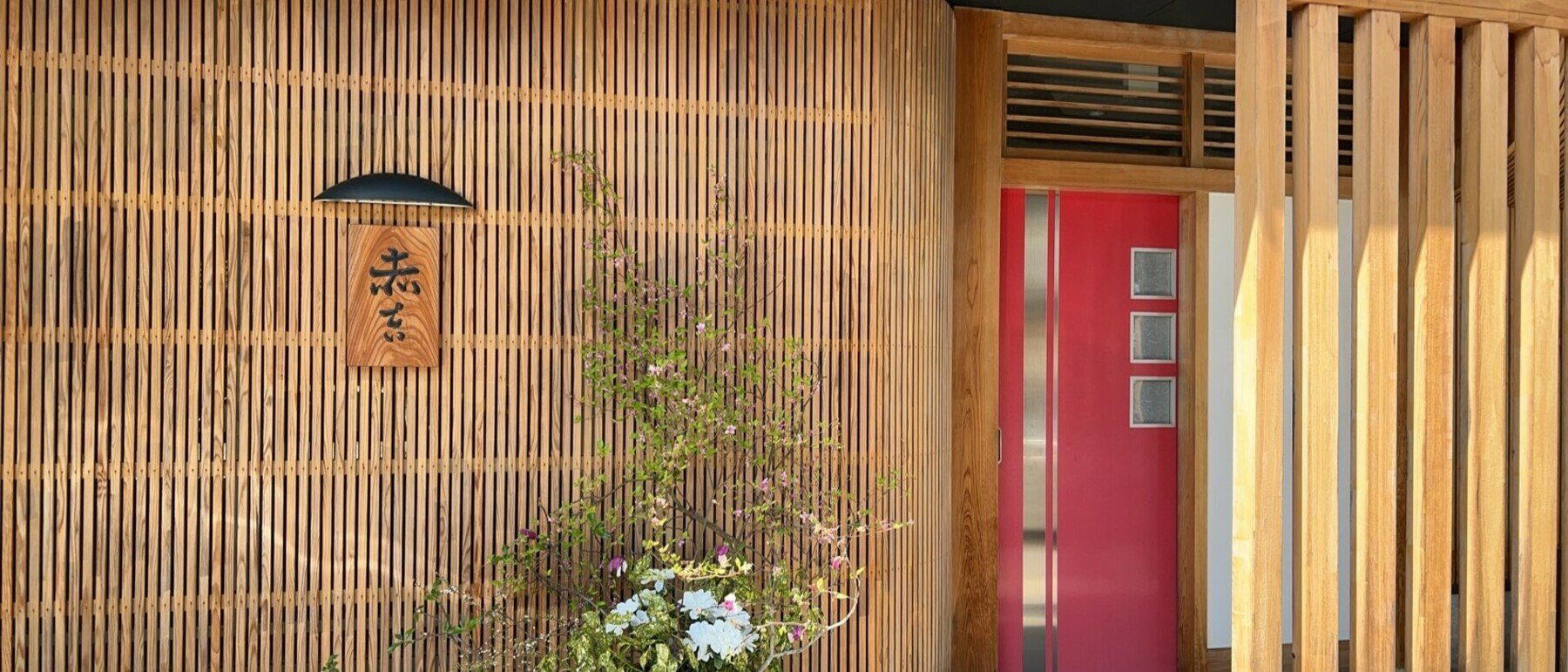
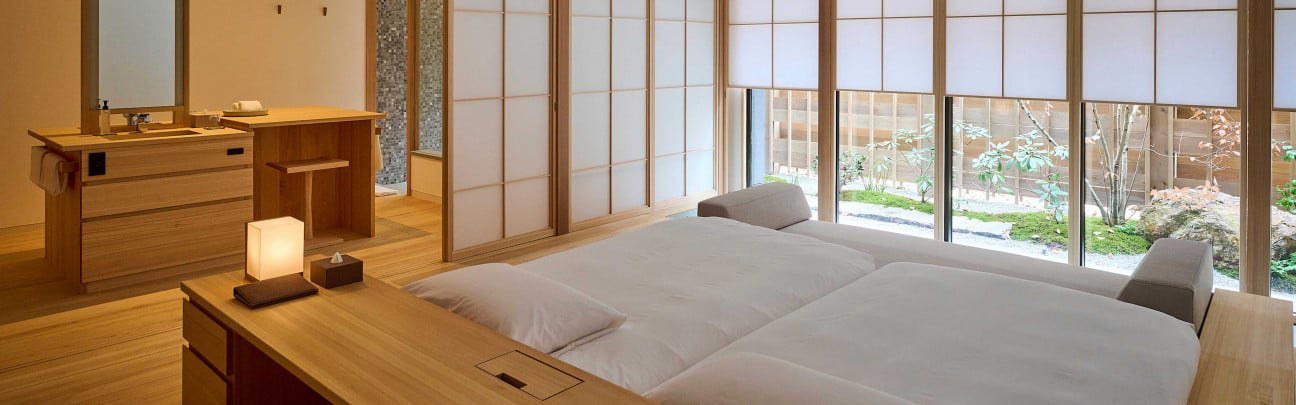
A small, traditional soba shop atmosphere with a simple, homey interior that focuses on craftsmanship and local ingredients rather than design flourishes, producing a quiet, relaxed setting for soba-focused meals.[0][13][14]