A traditional ryokan tea house in Hakone's Tonosawa district, Yama no Chaya occupies a position in Japan's onsen hospitality tradition where the quality of the overnight experience is measured by the room itself: the tatami, the bath, the silence between mountains. For travellers who read Hakone as a landscape of competing ryokan philosophies, this address offers a quieter register than the region's better-known resort properties.
Pearl is the En Primeur Club membership app — saves, bookings, and concierge access live there. Same editors, same standards.
- Address
- 塔之澤171, 足柄下郡箱根町, 神奈川県, 250-0315
- Directions
- Get directions
 Saves & bookings on Pearl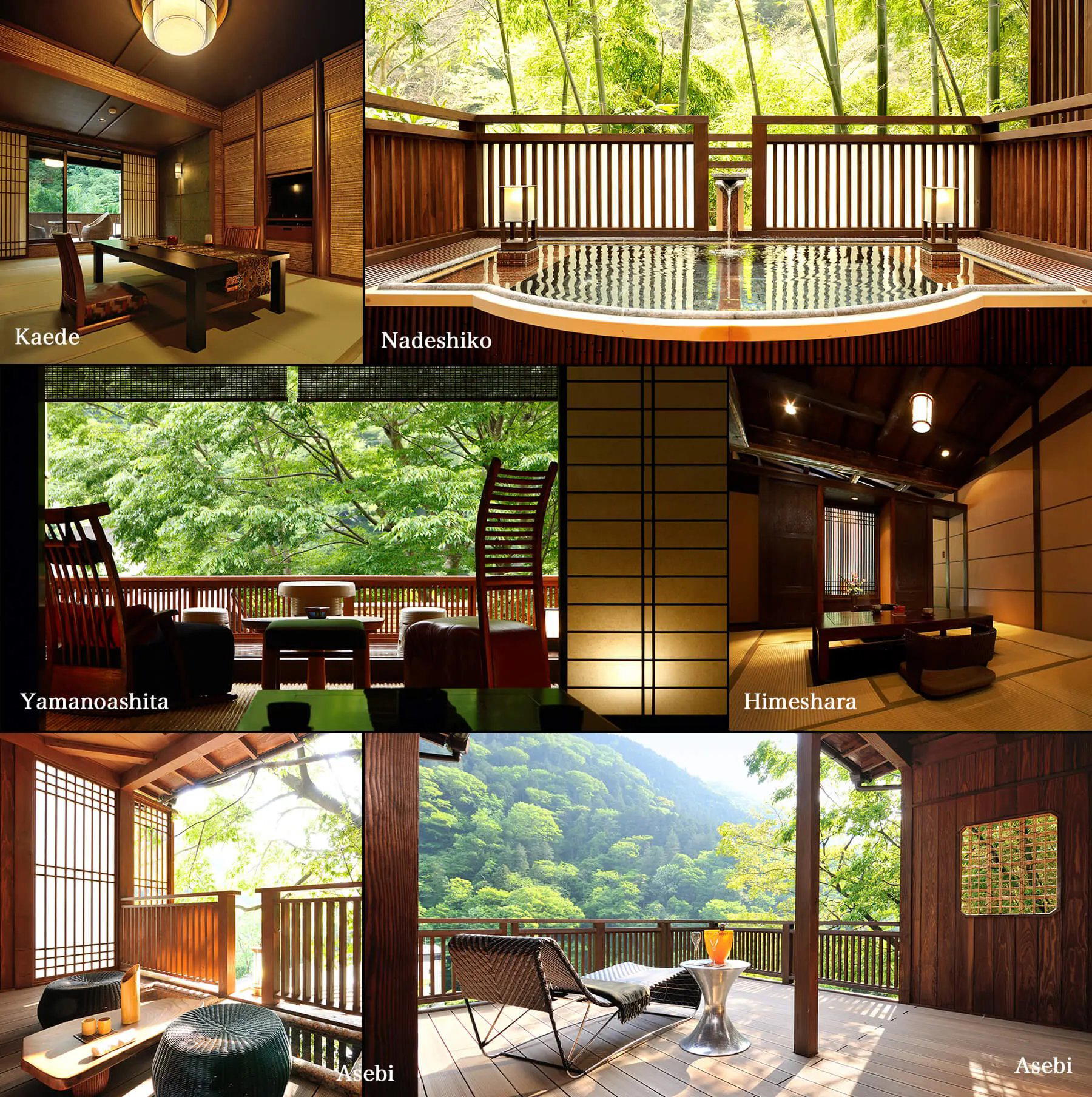
Tonosawa and the Quieter Side of Hakone's Ryokan Circuit
Hakone's reputation as Japan's most accessible mountain onsen destination has produced a well-stratified accommodation market. At the leading end sit properties like Gora Kadan and Fufu Hakone, where room rates are calibrated against international luxury benchmarks and kaiseki dining is integral to the overnight rate. Below them, a second tier of smaller, older ryokan operates on a different logic: fewer rooms, deeper local character, and a guest experience built around the architecture and the bath rather than curated amenity packages. Yama no Chaya (山の茶屋) sits in the Tonosawa area, one of Hakone's oldest onsen villages, strung along the Hayakawa River gorge, and the address alone signals which register this property occupies.
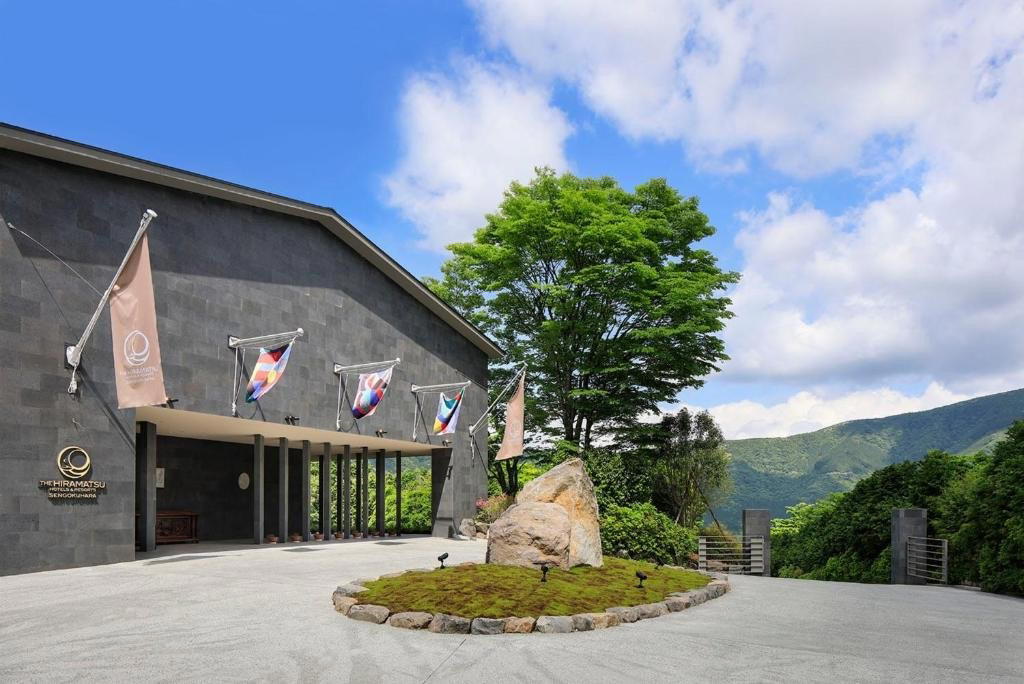
Tonosawa is not the Hakone of open-air museum circuit day-trippers. The village sits at the lower end of the Hakone Tozan Railway's climb, closer to Odawara than to the Owakudani volcanic zone that draws most first-time visitors. The gorge setting means narrow roads, steep hillside plots, and a landscape that changes quality with the light. Properties here tend to be older buildings with small room counts, and the guest flow is quieter than at Gora or Sengokuhara. For context: Hakone Gora Karaku and The Hiramatsu Hotels & Resorts Sengokuhara operate at the resort-design end of the Hakone market; Tonosawa addresses like Yama no Chaya exist in a different idiom entirely.
The Room as the Experience
In Japan's ryokan tradition, the room is not incidental to the stay, it is the stay. The sequence is deliberate: arrive, change into yukata, sit at a low table facing the garden or the river, wait for dinner to be brought in, sleep on a futon laid on tatami. The architecture enforces a particular relationship with time and with the body. Screens filter light. Floors register temperature. The absence of standard hotel furniture, no desk, no chair at standing height, no television as focal point, reorganises how a guest moves through an evening.
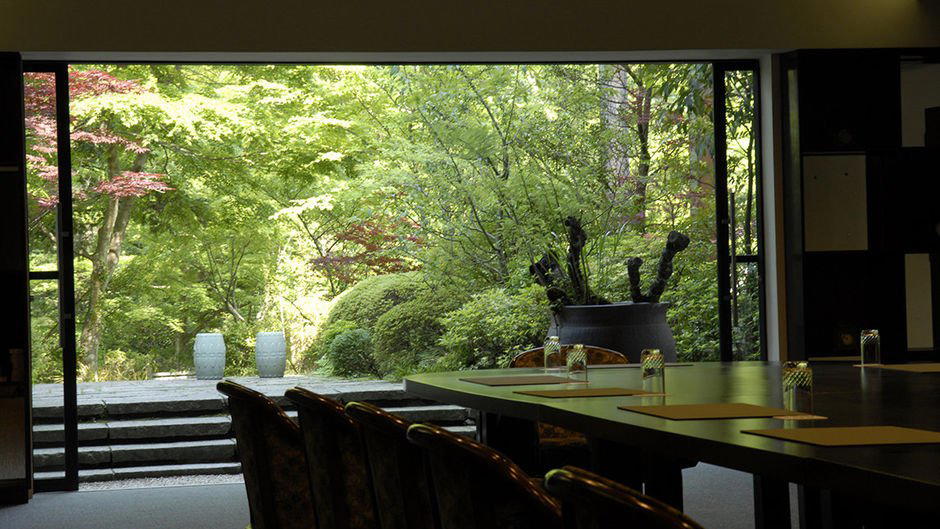
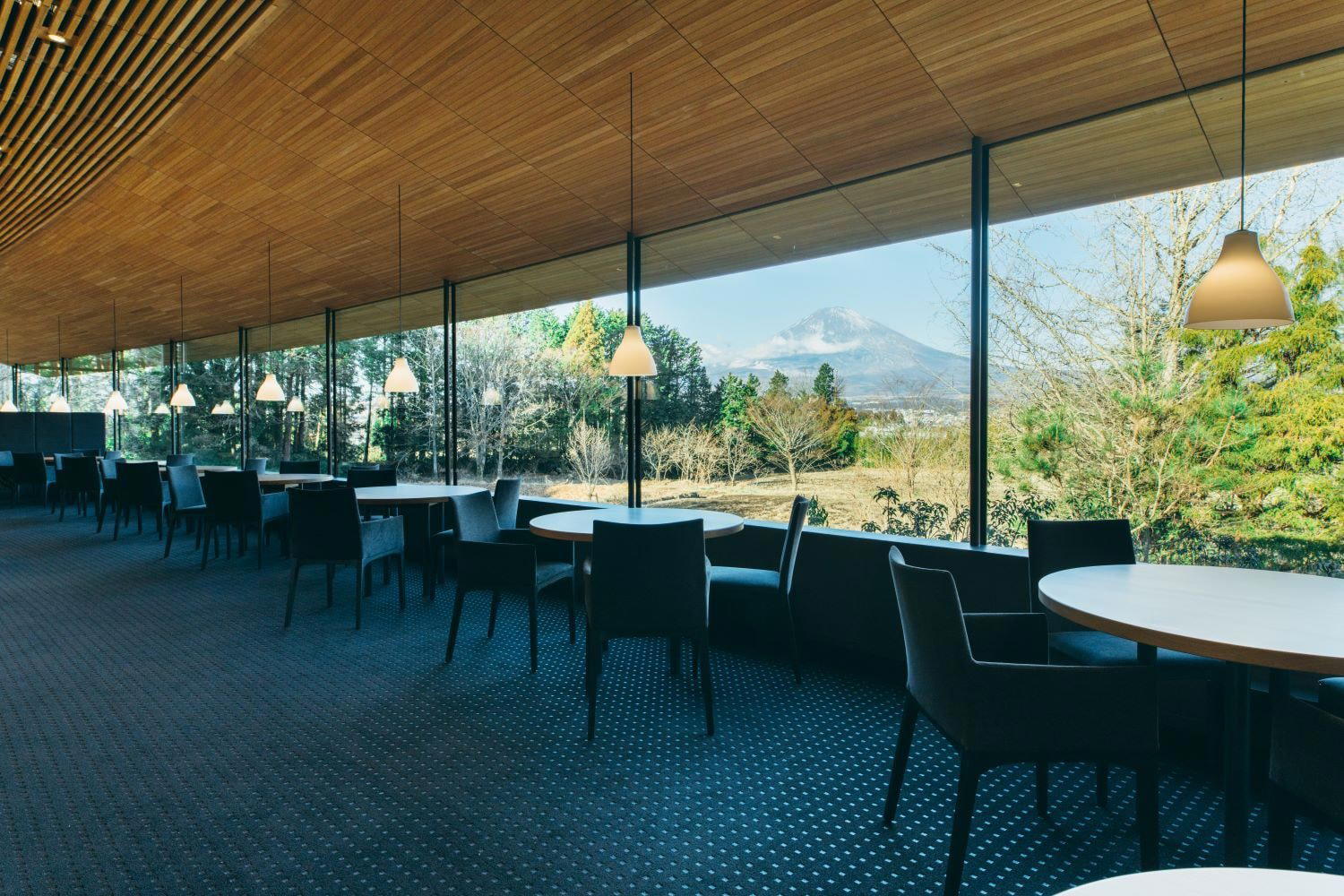
Yama no Chaya, as the name suggests (yama: mountain; chaya: tea house), operates within this tradition. The gorge setting typical of Tonosawa properties means that many rooms orient toward the river or the forested slope rather than an open vista, which gives the experience a contained, sheltered quality distinct from the panoramic Mount Fuji views that Hoshino Resorts KAI Sengokuhara or Nazuna Hakone Miyanoshita position as their primary selling point. The enclosure is a feature rather than a limitation: it frames the stay inward rather than outward.
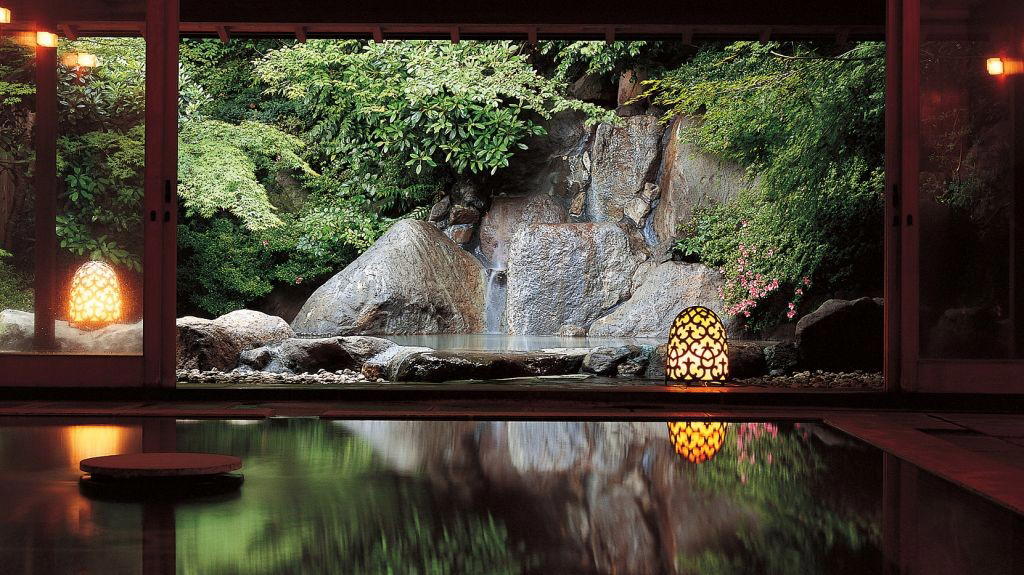
Japan's smaller ryokan have historically competed on the quality of their baths and the precision of their hospitality rather than on room square footage or technology provision. At properties in this tier, the bath, whether shared, semi-private, or en suite, is designed as the centrepiece of the overnight arc, with a sequence of soaking typically expected before dinner and again before departure. Tonosawa's onsen water, drawn from the area's long-established thermal springs, is part of what defines this locality within Hakone's broader onsen geography.
Hakone's Ryokan Market in Context
Understanding where Yama no Chaya sits requires a brief map of the Hakone ryokan market as it currently operates. The leading cohort, Gora Kadan, Fufu Hakone, properties associated with established hotel groups, commands nightly rates that place them in competition with urban luxury hotels in Tokyo and Kyoto. For comparison, Bvlgari Hotel Tokyo in Tokyo or HOTEL THE MITSUI KYOTO in Kyoto operate at broadly similar price brackets, drawing the same international luxury traveller who might also consider Amanemu in Mie or Asaba in Izu for a more traditional Japanese resort experience.
The mid-tier ryokan market, where older properties in established onsen villages compete largely on local character, offers a different calculus. Here, the absence of a spa menu or an award-winning kaiseki chef is less relevant than the age of the building, the quality of the water, and the directness of the hospitality. Properties like Nishimuraya Honkan in Kinosaki-cho or Araya Totoan in Kaga, both long-established ryokan in historic onsen towns, represent the kind of peer comparison that frames this end of the market. Tonosawa properties sit in that same tradition, though with a geography specific to Hakone's gorge terrain and proximity to Tokyo's Shinkansen network.
Getting There and Planning the Stay
Tonosawa Station on the Hakone Tozan Railway is the practical access point for addresses in this district. The railway runs from Odawara, which connects directly to Tokyo via the Romancecar limited express (approximately 85 minutes from Shinjuku) or the Tokaido Shinkansen to Odawara Station (roughly 35 minutes from Shin-Osaka, 40 minutes from Tokyo Station on the Kodama service). The Hakone Freepass, available from Odakyu Railways, covers most of the local transport network and is the standard tool for visitors planning more than a single-night stay.
Reservations are recommended. Advance planning of several weeks is reasonable for peak autumn foliage season (mid-October to late November) and the spring period, when demand across the Hakone ryokan circuit tightens across all price brackets.
Travellers comparing the Hakone ryokan experience against other regional alternatives in Japan might also consider Zaborin in Hokkaido, ENOWA Yufu in Yufu, or Fufu Kawaguchiko near Fujikawaguchiko for onsen stays framed by different natural contexts. Those weighting design credentials above all else may find Benesse House on Naoshima or Sekitei in Hatsukaichi-shi a different fit. For Okinawa, Halekulani Okinawa and Jusandi in Ishigaki represent a resort register that operates on entirely different terms. International alternatives for travellers who move between Japan and Western markets, Aman New York, The Fifth Avenue Hotel, or Aman Venice, share a sensibility around smaller, quieter properties, though the overnight arc they offer could not be further from tatami and thermal water. And for those considering Fufu Nikko as a comparable onsen-adjacent Japanese stay closer to a UNESCO heritage site, the comparison holds in format even if the landscape differs. Finally, ANA InterContinental Beppu Resort & Spa offers a point of reference for what the internationalized onsen resort format looks like when scaled upward from the intimate ryokan model.
Side-by-Side Snapshot
Comparable venues nearby, for context on price, style, and recognition.
| Venue | Cuisine | Price | Awards | Notes |
|---|---|---|---|---|
| Yama no Chaya (山の茶屋)This venue — the venue you are viewing | Traditional Japanese ryokan built into mountainside surrounded by bamboo and river gorge. | $$$ | Not listed | Not listed |
| Nazuna Hakone Miyanoshita | Contemporary ryokan with traditional Japanese design elements and cultural authenticity | $$$ | 4-Star | Miyanoshita |
| Fufu Hakone | Small luxury hot spring resort set in Hakone mountains with distinctive room designs inspired by Japanese nature. | $$$$ | Michelin 1 Key | Gora |
| Hoshino Resorts KAI Sengokuhara | Contemporary Japanese ryokan blending traditional hospitality with modern luxury and artistic expression; positioned as a creative retreat centered on art, nature, and wellness. | $$$$ | 5-Star | Sengokuhara, Hakone |
| The Hiramatsu Hotels & Resorts Sengokuhara | Exclusive luxury auberge-style resort centered around gourmet dining and onsen experiences | $$$$ | Michelin 1 Key | Sengokuhara |
| Hakone Gora Karaku | Modern Japanese ryokan with luxury onsen facilities | $$$$ | Michelin 1 Key | Gora |
Continue exploring
More in Hakone
Hotels in Hakone
Browse all →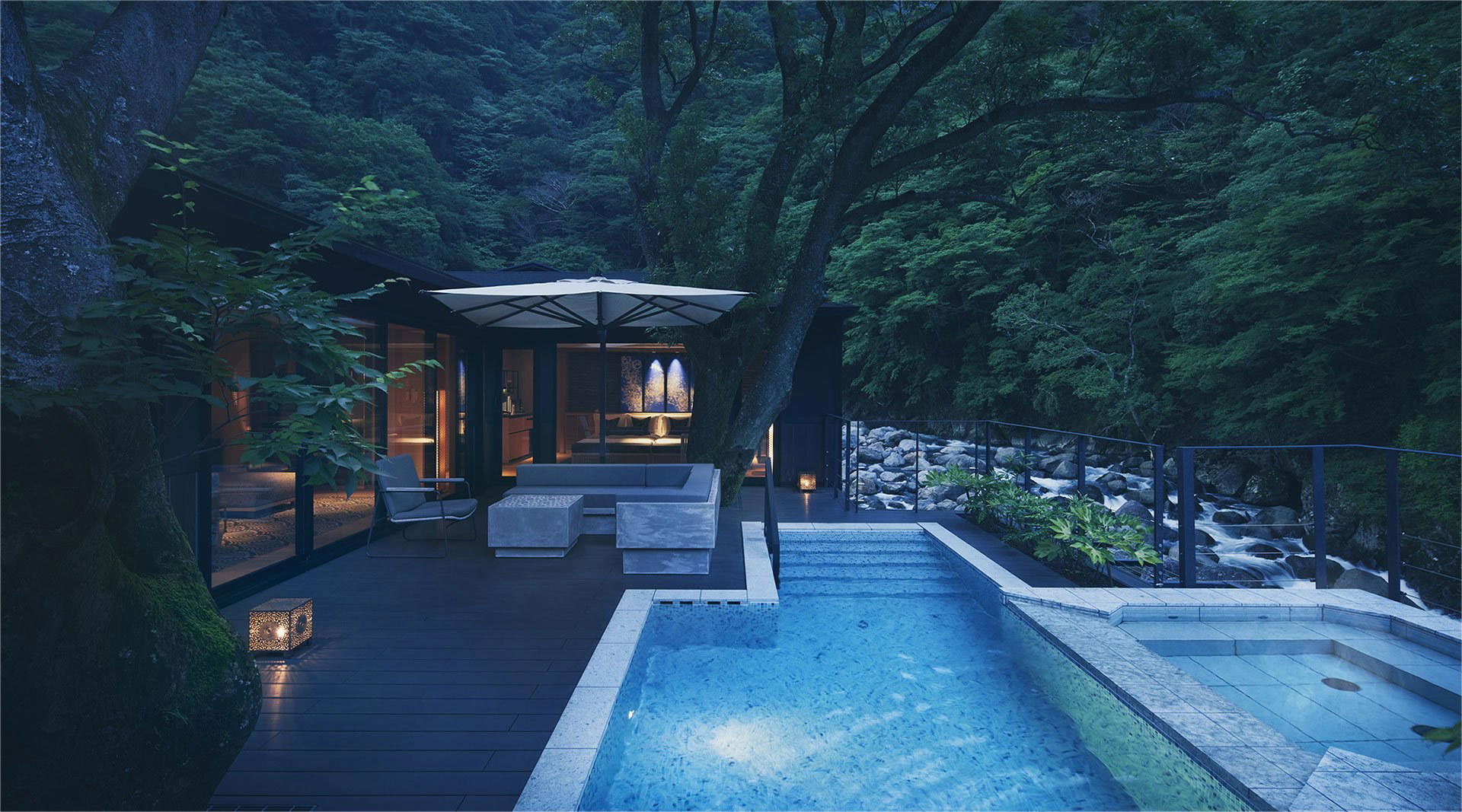
Bars in Hakone
Browse all →
Restaurants in Hakone
Browse all →
Wineries in Hakone
Browse all →
At a Glance
- Quiet
- Rustic
- Scenic
- Cozy
- Intimate
- Romantic Getaway
- Wellness Retreat
- Anniversary
- Weekend Escape
- Panoramic View
- Private Dining
- Terrace
- Wi Fi
- Room Service
- Concierge
- Spa
- Mountain
- Garden
- Wi Fi
- Room Service
- Concierge
- Spa
Rustic and traditional Japanese atmosphere with tatami mats, low furnishings, dark-wood detailing, rice paper walls, and serene lighting creating a minimalist, calming retreat amid bamboo groves and mountain views.