
A Michelin Selected hotel occupying one of Florence's most storied addresses, Il Tornabuoni sits on Via de' Tornabuoni where the city's luxury retail corridor meets its Renaissance interior. The property positions itself within a small comparable set of Florentine hotels where location prestige and architectural character carry more weight than resort-scale amenities. For travellers whose priority is proximity to the Arno, the Uffizi, and stronger examples from the centro storico, the address alone does significant work.
Pearl is the En Primeur Club membership app — saves, bookings, and concierge access live there. Same editors, same standards.
- Address
- Via de' Tornabuoni, 3, 50123 Firenze FI, Italy
- Phone
- +39 055 212645
- Website
- hyatt.com
- Directions
- Get directions
 Saves & bookings on Pearl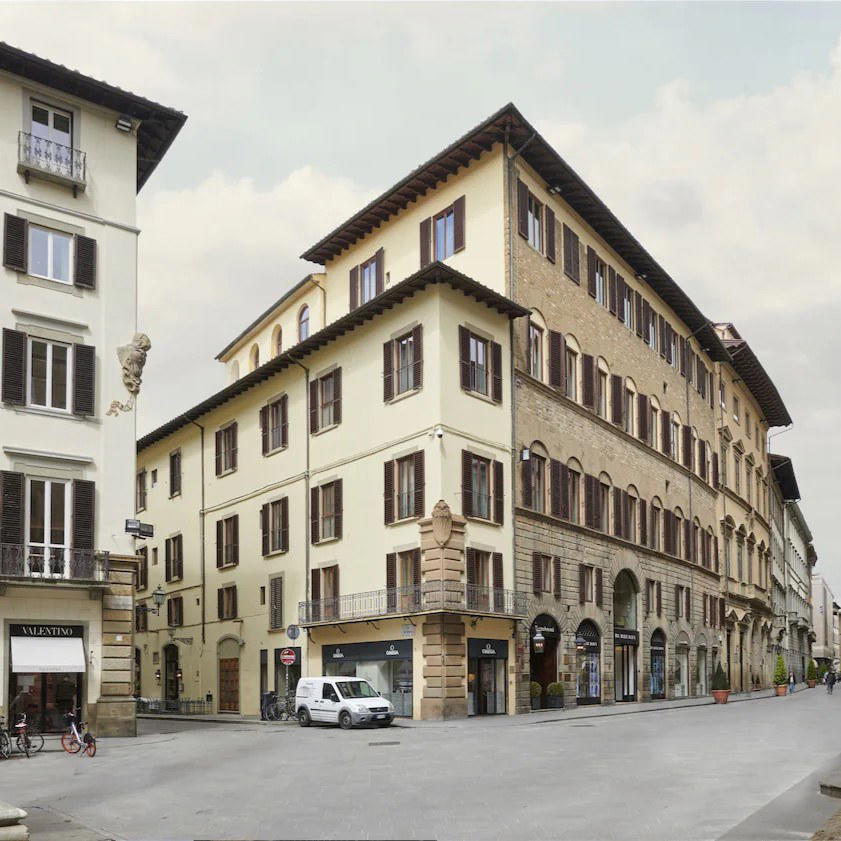
Via de' Tornabuoni: What the Address Actually Means
Florence's premium hotel tier has consolidated around a handful of addresses that carry genuine historical weight rather than mere proximity to landmarks. Via de' Tornabuoni is among the more legible of these: a straight, relatively narrow street running from Piazza Antinori south toward the Arno, lined on both sides by Renaissance palazzi that now house Gucci, Ferragamo, and Bulgari at street level, with the upper floors occupied by private apartments, offices, and, in a handful of cases, hotels. To be at number 3 on this street is to be inside one of Europe's more concentrated demonstrations of continuity between old money and contemporary commerce. It holds that position and earns its place in Florence's competitive hotel set primarily through the logic of that address.
The broader Florentine luxury hotel market has split along predictable lines. At one end sit the large-footprint properties with gardens, spas, and multiple food and beverage outlets: the Four Seasons Hotel Firenze, with its 11-hectare garden in the Via della Scala district, or Villa La Massa further upriver, which trades the centro storico entirely for countryside scale. At the other end sit properties defined almost entirely by their palazzo bones and their position inside the historic centre: Palazzo Portinari Salviati near Santa Croce, Hotel Lungarno on the Arno itself, and Il Tornabuoni among them. These properties are chosen by guests who regard central Florence as the destination, not a backdrop.
The Michelin Selection and What It Signals
Il Tornabuoni carries a Michelin Selected designation in the 2025 hotel guide, which places it within the tier Michelin uses to recognise properties it considers worth a specific detour without necessarily assigning a full Michelin Key distinction. In practice, Michelin Selected hotels in a city like Florence represent a mid-to-upper bracket: credentialled enough for the guide's editors to flag them, but operating in a different register from the handful of properties that hold Keys outright. For a traveller using award signals as a shorthand filter, the designation is a meaningful positive data point rather than a ceiling.
Within the Florentine hotel market, Michelin Selected status places Il Tornabuoni in a cohort that includes properties with strong location logic, architectural character, or service consistency that exceeds what the category-level price might suggest. It is a different signal than, say, the Relais & Châteaux affiliation that governs something like Villa Cora on the Viale Machiavelli, or the design-led positioning of Ad Astra. Each signal describes a different kind of guarantee to the guest.
The Collaboration That Runs a Palazzo Hotel
In properties of this type, where the building itself is the primary asset, the team dynamic between front-of-house, concierge, and the food and beverage operation tends to determine the gap between a great stay and a merely adequate one. The palazzo provides the bones; the staff animate them. This is particularly true in Florence, where guests arrive with specific and often well-researched agendas: they want the Bargello on a Tuesday morning before the groups arrive, the wine bar in the Oltrarno that doesn't appear in the major guides yet, the table at a trattoria that requires a call in Italian rather than a booking app. In a hotel like Il Tornabuoni, the front-of-house team functions less as a check-in mechanism and more as a curatorial layer between the guest and the city.
This dynamic is one reason why address-centric boutique properties in Florence compete on staff depth as much as room quality. The Brunelleschi Hotel, built around a Byzantine tower near the Duomo, operates on the same logic: the architectural spectacle sets expectations, and the team is responsible for meeting them. Hotel Calimala, in the Mercato Nuovo district, draws on a similarly concentrated historic-centre position. At the hotel, the relationship between the building's prestige street address and the quality of its human infrastructure is the proposition in compressed form.
Florence in the Broader Italian Luxury Context
Travellers who move through Italy's premium hotel tier will find the hotel occupying a position that makes sense within a wider itinerary logic. Florence's centro storico properties share a certain DNA with palazzo hotels in other Italian cities: Aman Venice operates on similar building-as-asset principles in the Palazzo Papadopoli, and Bulgari Hotel Roma in the Prati district uses a comparable logic of address and architectural skin to anchor its proposition. The through-line is that the building's history does narrative work that a new-build property cannot replicate, and the hotel's job is to manage that inheritance without overwhelming it with programming.
For guests building a longer Italian stay, the hotel pairs naturally with properties in the Tuscan orbit: Rosewood Castiglion Del Bosco in Montalcino sits roughly 90 minutes south by car, offering the wine-country counterpoint to a city stay; Il Pellicano in Porto Ercole adds a coastal register further down the Maremma coast. Those who extend north find Passalacqua on Lake Como or Portrait Milano as logical continuations of the same aesthetic conversation. Casa Maria Luigia in Modena represents a different register entirely, the gastronomy-first country house, while Castello di Reschio in Umbria offers the rural palazzo alternative for those who want the bones without the city density.
Outside Italy, the peer conversation extends to properties where address prestige and historic fabric carry comparable weight: Hôtel de Paris Monte-Carlo, Badrutt's Palace Hotel in St. Moritz, or The Fifth Avenue Hotel in New York, each of which depends on a specific civic address as the foundation of its identity. The comparison is instructive: in each case, removing the address would require rebuilding the entire proposition from scratch.
Planning a Stay
Via de' Tornabuoni 3 sits at the northern end of the street, close to Piazza Antinori and within a ten-minute walk of both the Duomo and the Uffizi. Florence's historic centre is a ZTL zone (Zona a Traffico Limitato), meaning private vehicles require a permit to enter during restricted hours; most guests arriving by car should plan to drop luggage at the hotel before moving the vehicle to a peripheral car park. Santa Maria Novella rail station is roughly a 12-minute walk northwest, making the hotel practical for high-speed train arrivals from Rome, Milan, or Venice. The street itself is pedestrianised for much of the day, which means the immediate approach to the hotel is on foot regardless of how you arrive in the city.
Where the Accolades Land
Comparable venues nearby, for context on price, style, and recognition.
| Venue | Cuisine | Price | Awards | Notes |
|---|---|---|---|---|
| Il TornabuoniThis venue — the venue you are viewing | Luxury Renaissance revival palazzo with contemporary design integration, positioned as Italy's first Hyatt Unbound Collection property. | $$$$ | 5-Star | Not listed |
| Tivoli Palazzo Gaddi | Historic palace blending Renaissance heritage with modern luxury | $$$$ | 5-Star | Centro Storico |
| Portrait Firenze | Ferragamo family-owned luxury boutique hotel embodying 1950s Florentine glamour and haute couture heritage with discreet, intimate service. | $$$$ | 5-Star | Santo Spirito |
| The Excelsior, a Luxury Collection Hotel, Florence | Historic Florentine palazzo reimagined as a contemporary luxury retreat, blending Renaissance architectural heritage with modern sophistication and refined Italian design. | $$$$ | 5-Star | San Frediano |
| Dimora Palanca Boutique & SPA | Timeless five-star elegance harmonizing classic architecture with bold modern art. | $$$$ | 5-Star | Historic Centre |
| La Gemma | 19th-century palazzo with modern Italian hospitality | $$$$ | 5-Star | Santo Spirito |
Recognition history
Dated appearances from independent guides and award organizations, with the underlying list record or original source where available.
Michelin Selected
Michelin
Continue exploring
More in Florence
Hotels in Florence
Browse all →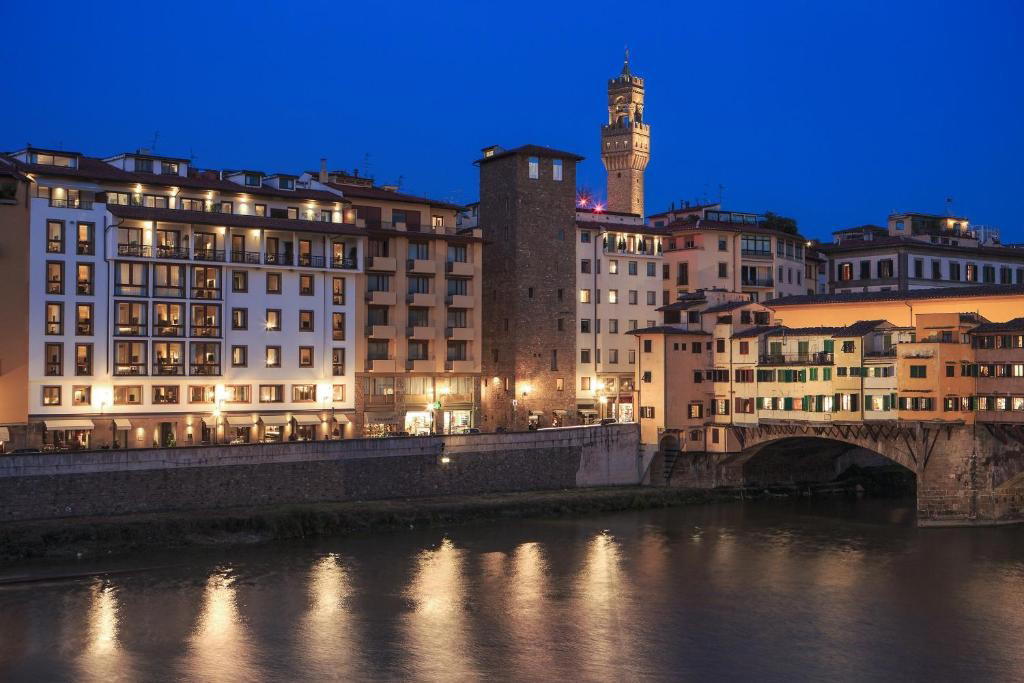
Bars in Florence
Browse all →
Restaurants in Florence
Browse all →
At a Glance
- Elegant
- Romantic
- Classic
- Sophisticated
- Romantic Getaway
- Anniversary
- Honeymoon
- Weekend Escape
- Historic Building
- Panoramic View
- Terrace
- Design Destination
- Wi Fi
- Air Conditioning
- Room Service
- Concierge
- Restaurant
- Skyline
- Street Scene
- Wi Fi
- Air Conditioning
- Room Service
- Concierge
- Restaurant
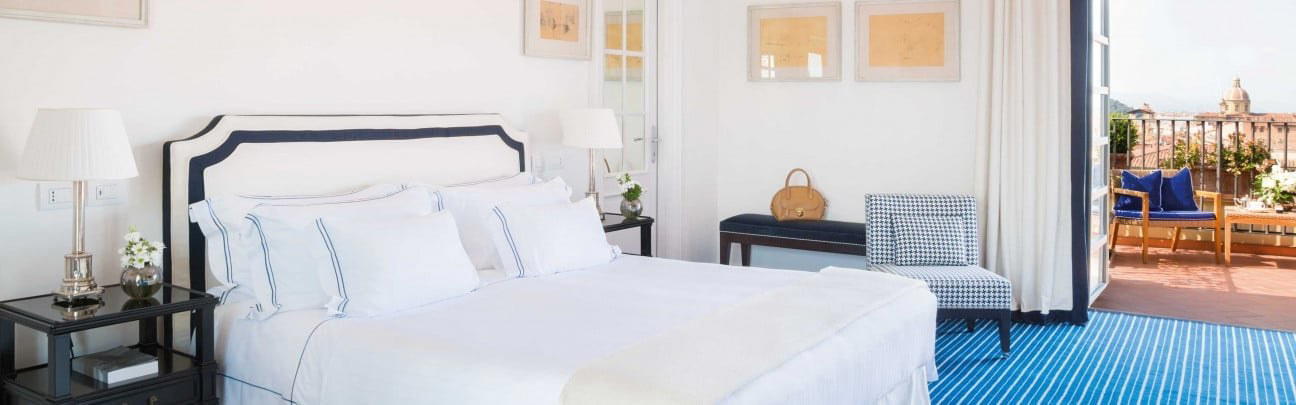
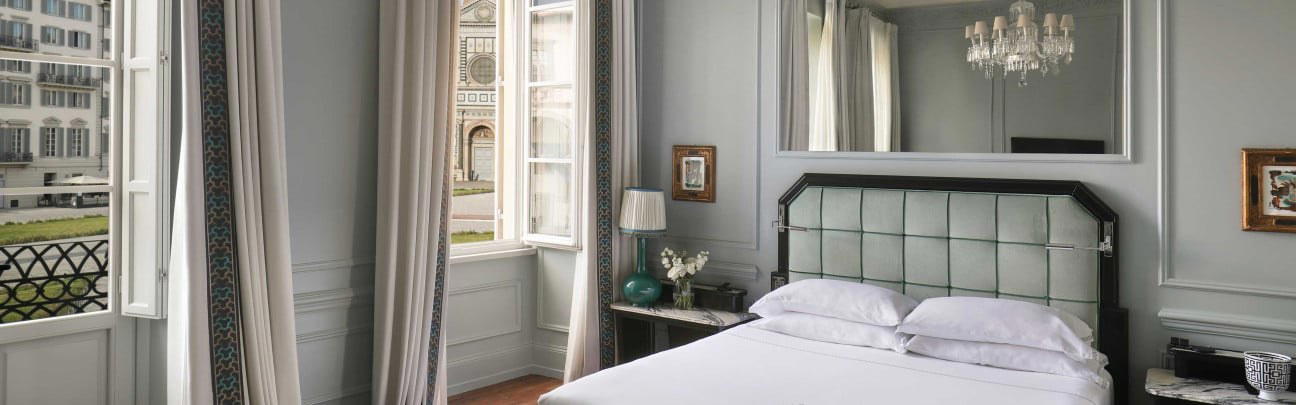
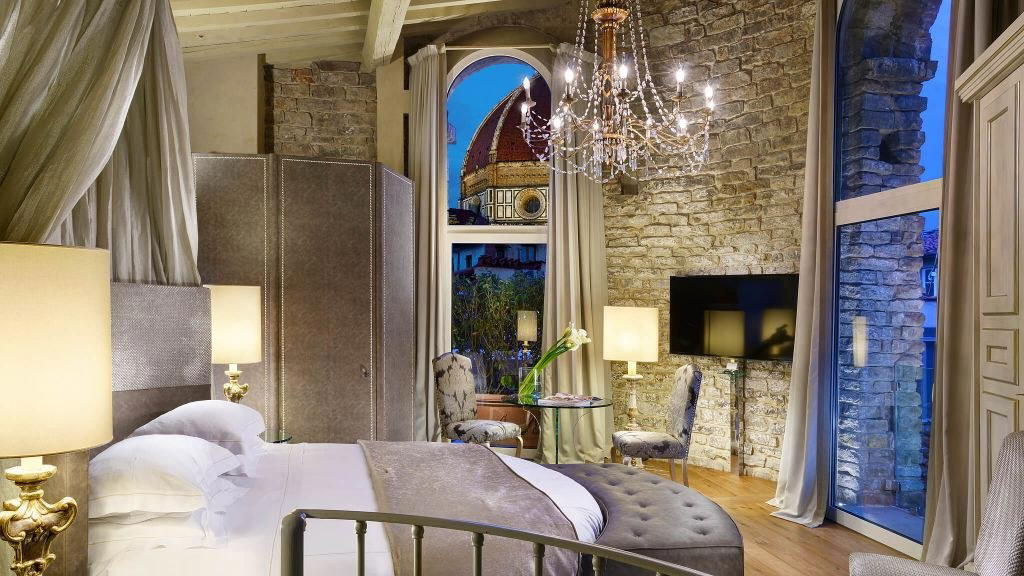
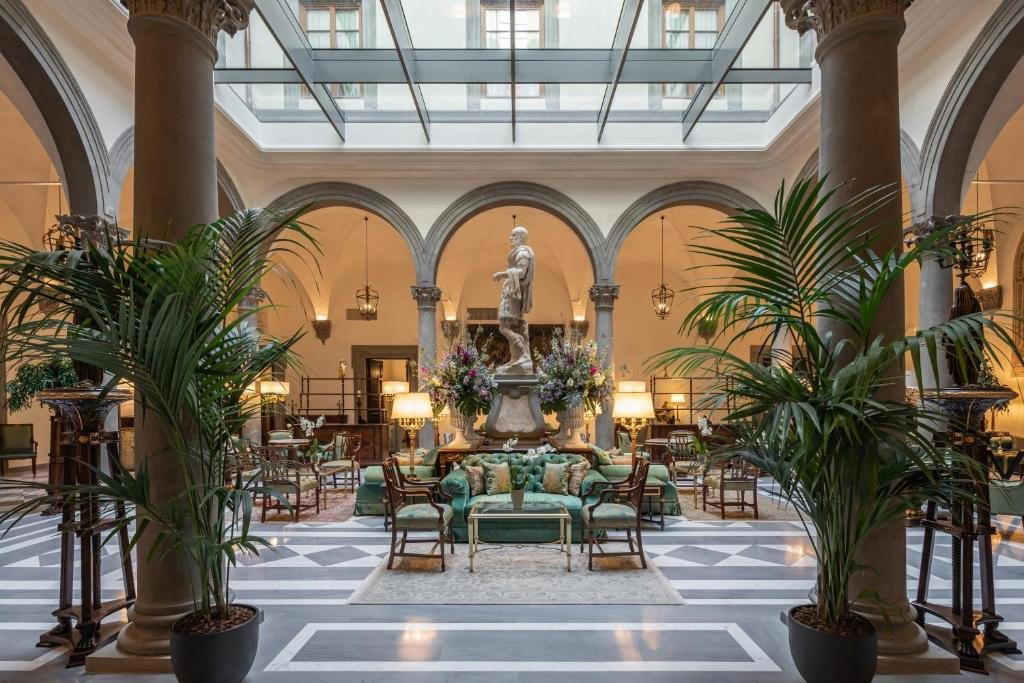
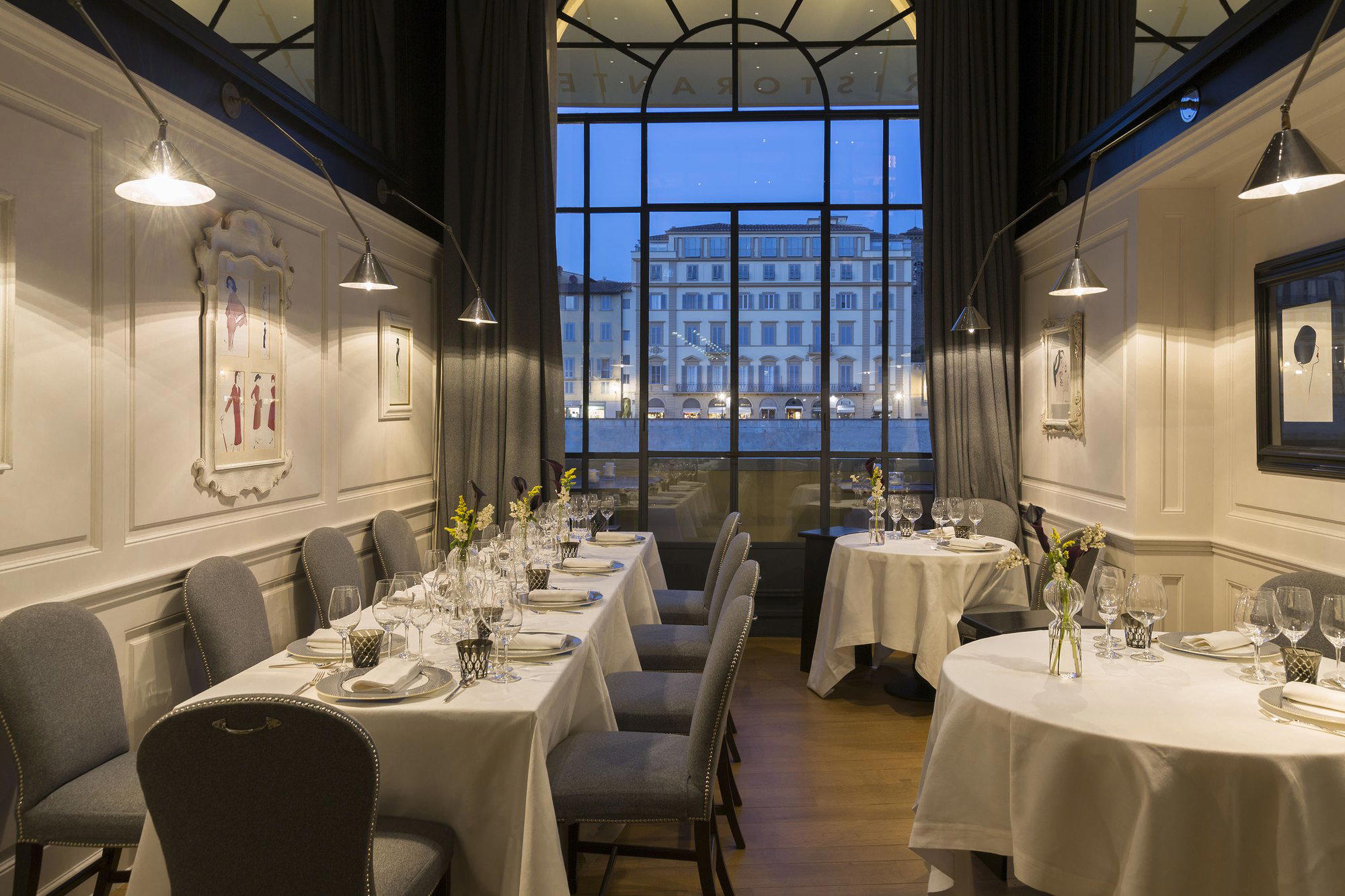
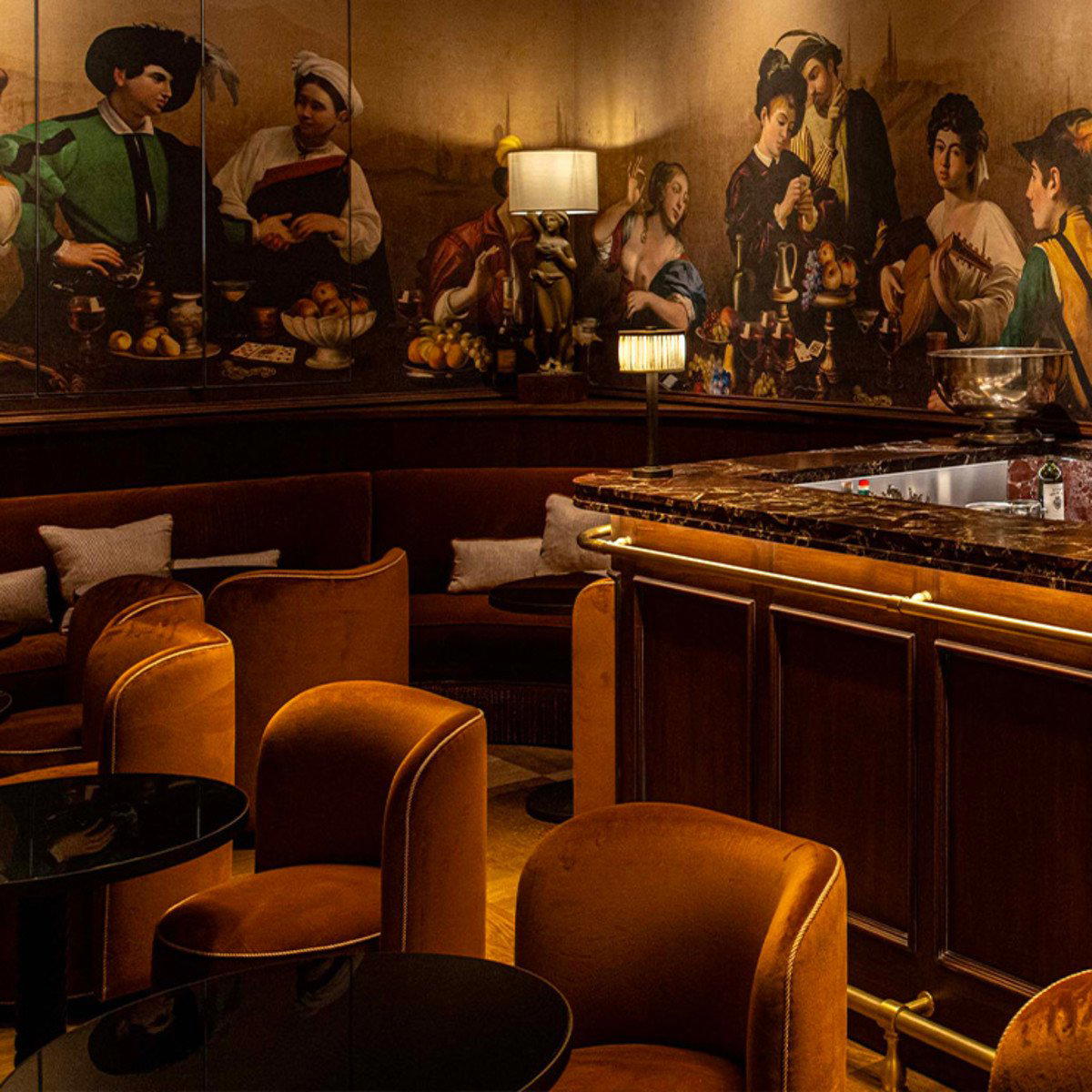
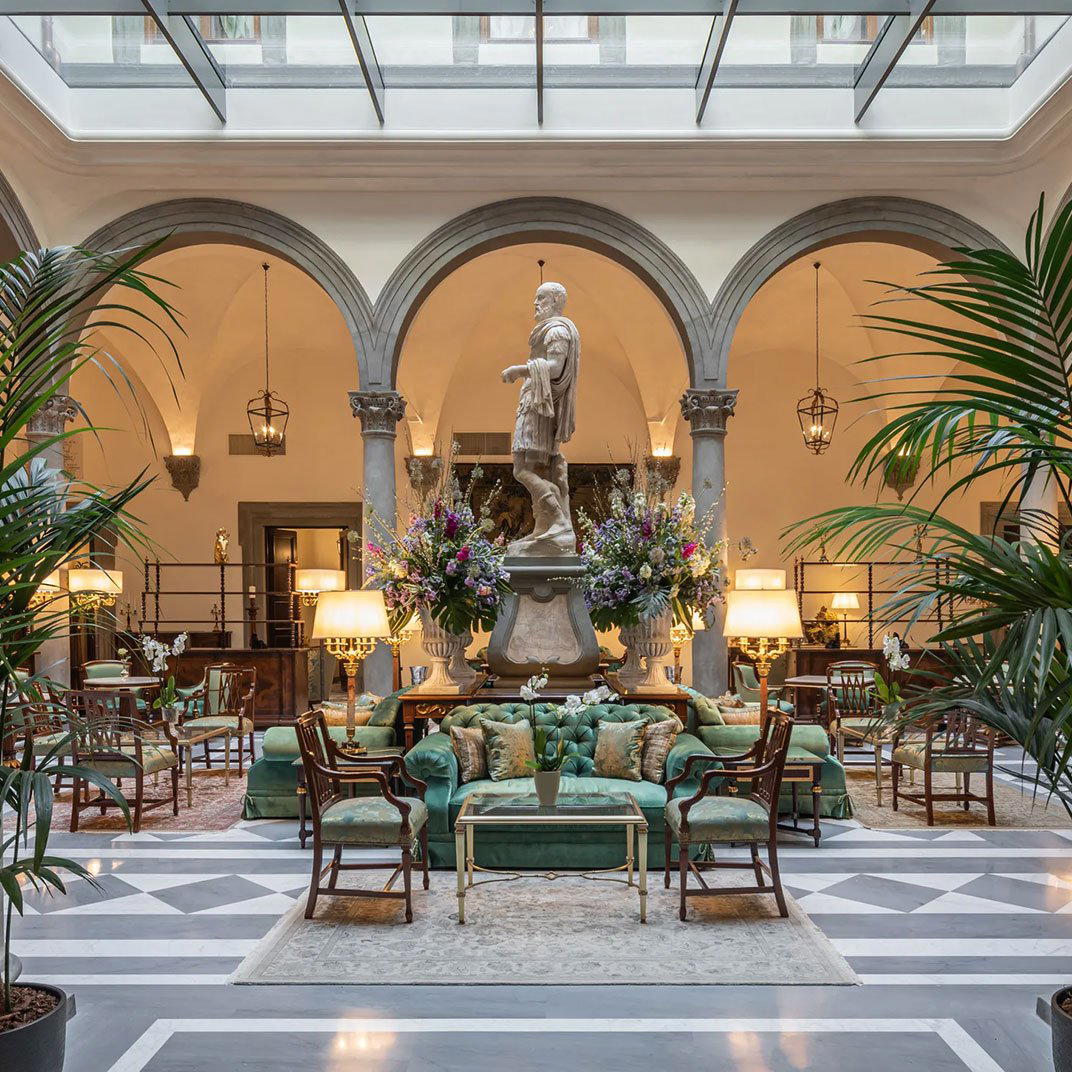
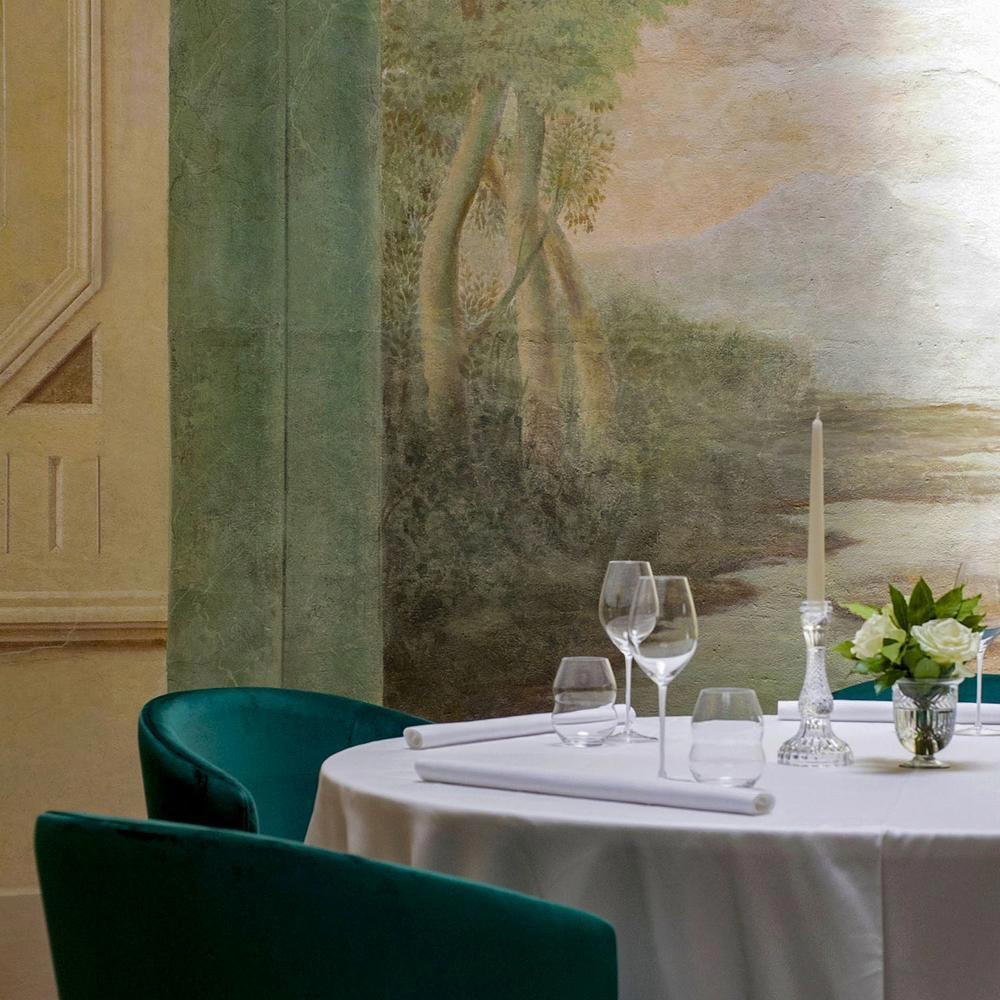
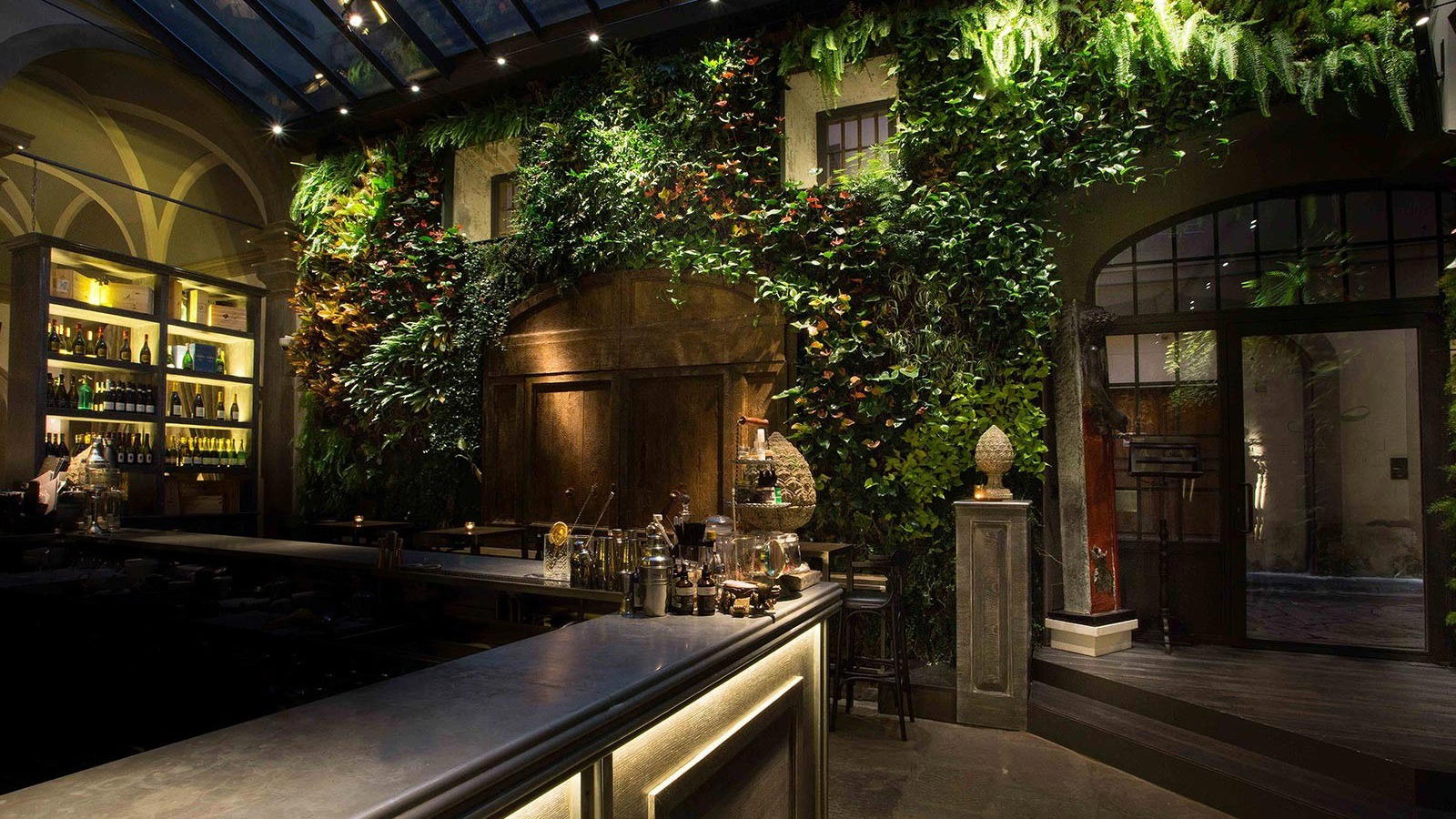
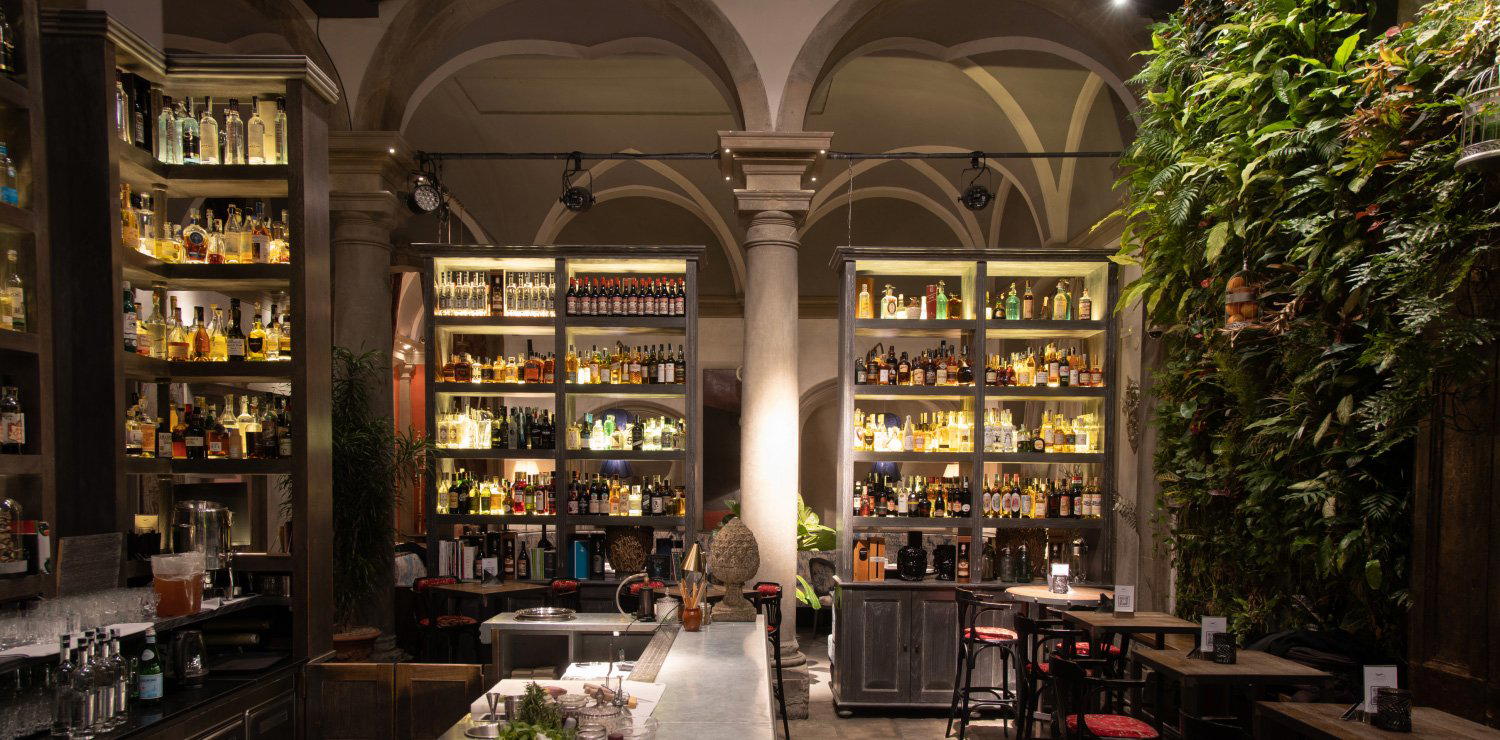
Jewel-toned Renaissance maximalist design with velvet furnishings, warm lighting from restored historic spaces, and refined luxury throughout; rooftop terrace provides open-air sophistication with city vistas.