
Top 500 Bars Best Bars #409
One of Piazza della Repubblica's original caffè storici, Caffe Paszkowski has occupied the same arcaded corner since 1846, making it one of the oldest continuously operating bars in Florence. The terrace facing the piazza remains one of the most considered spots for an aperitivo or a milestone occasion in the city.

Pearl is the En Primeur Club membership app — saves, bookings, and concierge access live there. Same editors, same standards.
- Address
- Piazza della Repubblica, 6, 50123 Firenze FI
- Phone
- +39 055 210236
- Website
- caffepaszkowski.com
- Directions
- Get directions
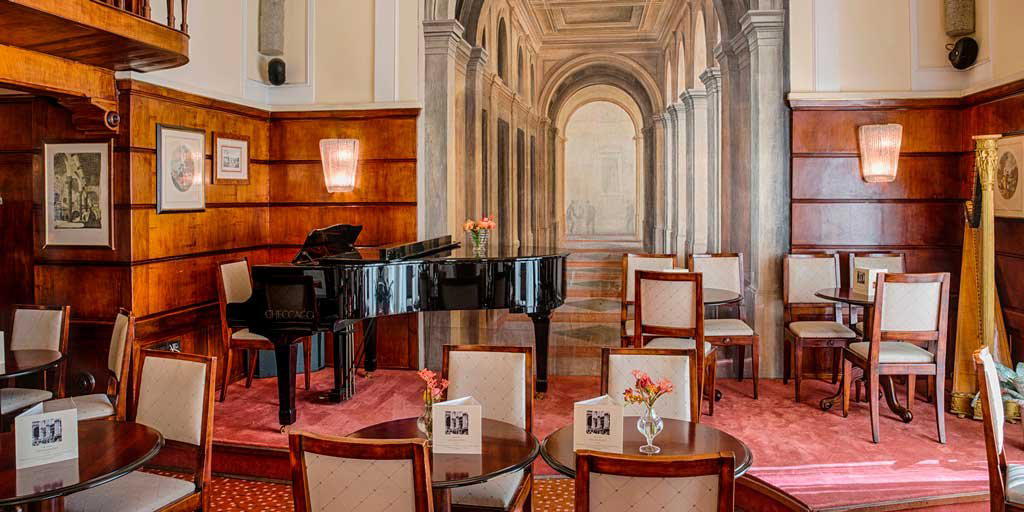
A Corner of the Piazza That Has Outlasted Empires
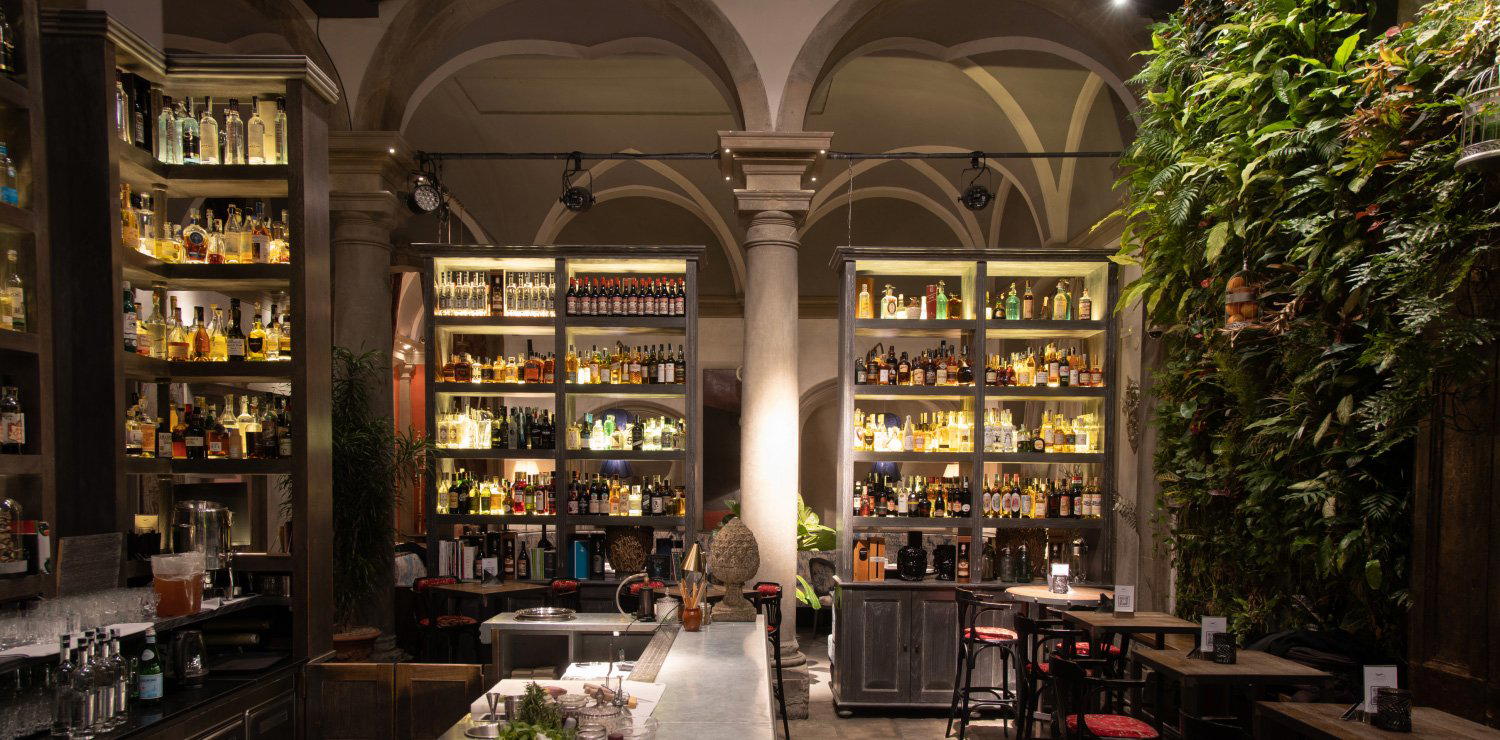
Piazza della Repubblica is Florence's civic living room, built on the footprint of the old Roman forum and completed in the late nineteenth century as part of the city's brief stint as Italy's capital. The arcaded perimeter shelters a cluster of historic caffès that, together, define a particular Florentine institution: the caffè storico, a place that functions simultaneously as bar, salon, and civic landmark. Caffe Paszkowski, at number six on the piazza, belongs to this tradition and has done so since 1846. The loggia columns, the white-coated floor staff, the brass fixtures catching afternoon light — arriving here feels less like choosing a venue and more like stepping into a civic ritual that predates the Republic itself.
That continuity matters for occasion dining. A city like Florence has no shortage of technically proficient cocktail bars, but very few places where the room itself carries the weight of a milestone. The architecture, the address, and the longevity of Paszkowski place it in a different register from the newer wave of Florentine drinking spots, including the design-forward Locale Firenze or the hotel-adjacent Atrium Bar. Those venues earn their place in the city's contemporary bar scene. Paszkowski earns its place through duration.
Where the Ranking Puts It
In 2025, Caffe Paszkowski entered the Top 500 Bars Leading Bars list at position 379. That ranking is instructive not because it places the bar in the upper tier of technical cocktail programs — it doesn't claim to, but because it signals that the bar operates at a level of consistency and category credibility that a serious international awards panel takes notice of. Italy's bar scene is well-represented in that list: 1930 in Milan and Drink Kong in Rome anchor the country's claim to serious cocktail culture. Paszkowski occupies a different niche within the same national conversation, one grounded in heritage and occasion rather than avant-garde technique.
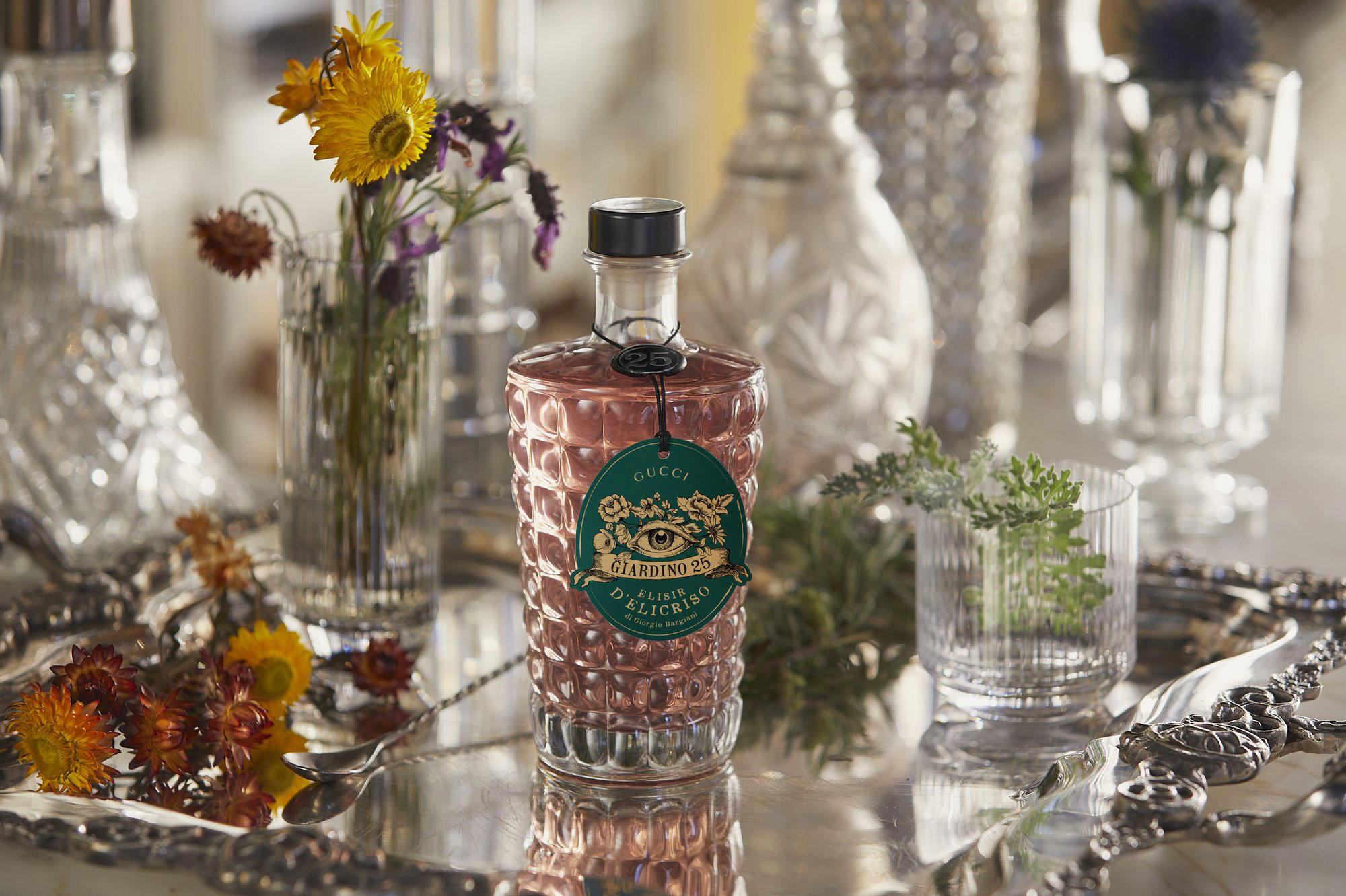
For the purposes of planning a celebration or a milestone drink in Florence, this matters. The bar carries enough contemporary recognition to stand alongside Gucci Giardino and BABAE in a considered itinerary, while offering a completely different atmosphere. If those two addresses represent Florence's intersection with global luxury and contemporary cocktail culture, Paszkowski represents the city's deeper, slower sediment.
The Occasion Logic
Across European cities with historic bar culture, think L'Antiquario in Naples or the quieter end of the Venetian bacaro tradition anchored by places like Al Covino in Venice, the caffè storico format has proven durable precisely because it accommodates a wide range of occasions without changing its register. A mid-morning espresso, a pre-theatre Negroni, a birthday aperitivo with visiting family: all of these fit the format without friction. The room absorbs them. That adaptability is what distinguishes the historic caffè from the specialist cocktail bar, which tends to define its audience more narrowly.
At Paszkowski, the terrace facing the piazza carries particular weight for occasion dining. The geometry of the square, wide, symmetrical, open to the sky in a way that Florence's medieval streets rarely are, gives the outdoor tables a grandeur that is hard to manufacture. Arriving here on a warm evening to mark something that matters feels proportionate to the address. The city's Roman grid lies underneath you; the nineteenth-century arcades frame the view; the Apennines are in the air. The setting does the work that no interior design budget can replicate.
This dynamic is not unique to Florence. In Nicosia, Lost and Found uses a similarly layered historic context to create a sense of occasion that newer venues cannot shortcut. In Honolulu, Bar Leather Apron earns its occasion-dining status through program depth. Paszkowski earns it through time. The approach is different; the function is comparable.
Paszkowski in the Florence Bar Scene
Florence's bar scene in the 2020s has stratified into roughly three categories. The first is the contemporary cocktail bar, technically driven and internationally referenced, with programs that would read credibly in London or Tokyo. The second is the wine-forward enoteca, where the glass is the point and the bar format is incidental, a tradition well-served by places like Enoteca Historical Faccioli across the region in Bologna. The third is the caffè storico, where the room, the address, and the continuity are the proposition, and the drinks are excellent but secondary to the experience of being in that particular place at that particular table.
Paszkowski sits firmly in the third category, and the 2025 ranking confirms that the international bar press sees sufficient value in that category to include it alongside technically ambitious programs. For visitors building a Florence itinerary, that positioning is useful information. You would not come here for a deep-dive into contemporary Italian cocktail technique. You would come here because the occasion demands a room that has been doing this since before the Risorgimento finished.
Planning Your Visit
Caffe Paszkowski is located at Piazza della Repubblica 6, in the heart of Florence's historic centre, within ten minutes' walk of the Duomo and the Palazzo Vecchio. The piazza is accessible on foot from virtually every central hotel; no car or taxi is required. The bar operates under a walk-in model consistent with the Italian caffè tradition, and the terrace in particular fills quickly on weekend evenings and during the summer months, when Florence's visitor density peaks between June and August. For a milestone occasion, an anniversary aperitivo, a family gathering, a first-evening toast after arriving in the city, arriving before 7pm on a weekday gives the leading chance of securing the terrace without contention. The practical information that would ordinarily sharpen these logistics further, including specific operating hours, reservation options, and current pricing, is best confirmed directly via the bar's own channels, as those details shift seasonally.
For a broader picture of where Paszkowski sits within Florence's full drinking and dining offer, the full Florence guide maps the city's bar and restaurant scene across neighbourhoods and categories.
Cuisine and Recognition
Comparable venues nearby, for context on price, style, and recognition.
| Venue | Cuisine | Price | Awards | Notes |
|---|---|---|---|---|
| Caffe PaszkowskiThis venue — the venue you are viewing | lounge | $20–30 | Top 500 Bars Best Bars #409 | Not listed |
| Manifattura Tabacchi | cocktail_bar | $10–20 | Top 500 Bars Best Bars #356 | Le Cascine |
| Bar Artemisia | speakeasy | $20–30 | Top 500 Bars Best Bars #371 | Santo Spirito |
| La Terrazza Rooftop Bar | rooftop_bar | $30–50 | Not listed | Santo Spirito |
Recognition history
Dated appearances from independent guides and award organizations, with the underlying list record or original source where available.
Top 500 Bars Best Bars #409
Top 500 Bars
Full recognition history (2 entries)
Top 500 Bars Best Bars #379
Top 500 Bars
Continue exploring
More in Florence
Bars in Florence
Browse all →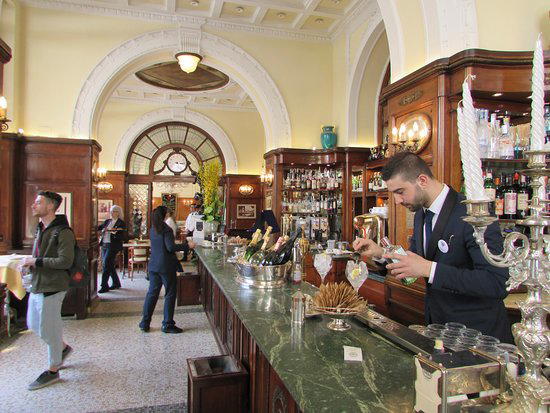
Restaurants in Florence
Browse all →
Hotels in Florence
Browse all →
Details
- Classic
- Elegant
- Well Known
- Sophisticated
- Date Night
- Casual Hangout
- Late Night
- Live Music
- Historic Building
- Seated Bar
- Lounge Seating
- Outdoor Terrace
- Classic Cocktails
- Street Scene
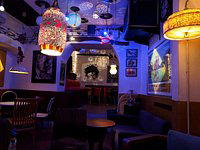
Elegant historic interior with vintage wood decor, upscale luxury atmosphere, and lively energy from live performances.