

Michelin Selected · Mr & Mrs Smith Seal of Approval
A Michelin Selected property on Via dei Cavalieri in central Florence, La Gemma sits within the city's quieter accommodation tier, far from the grand-palazzo circuit but close enough to the Duomo and Mercato Centrale to work as a well-located base. For travellers who want proximity to Florence's historic centre without the scale of a full-service luxury hotel, it represents a considered alternative.

Pearl is the En Primeur Club membership app, where members save venues, book tables and use the concierge.
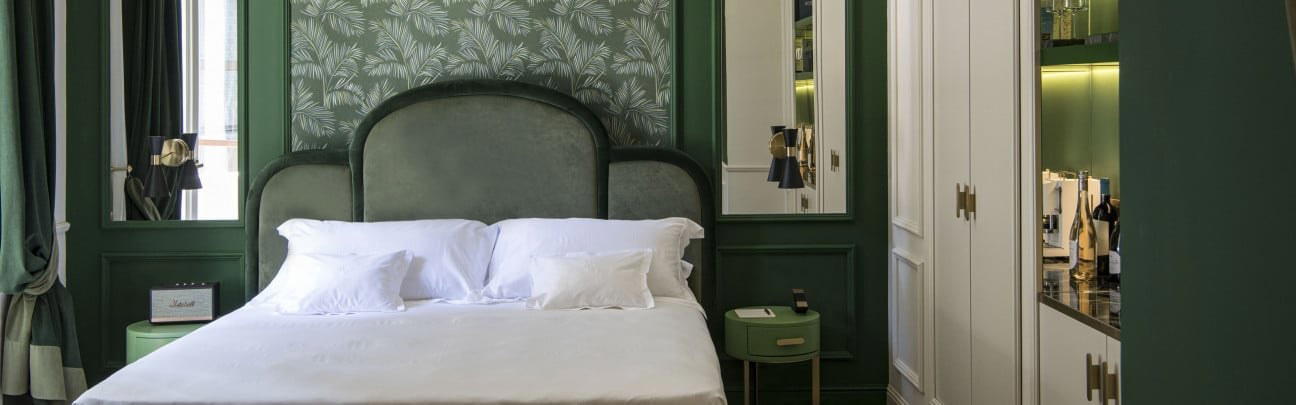
Florence Without the Grand Lobby: The Case for a Smaller Address
Florence's accommodation market divides along a clear fault line. On one side sit the palazzo hotels, the Four Seasons Hotel Firenze, the Palazzo Portinari Salviati Residenza D'Epoca, the Villa Cora, properties built around historic architecture, formal service structures, and room counts that allow full F&B; programming. On the other sit smaller, more discreet addresses that offer proximity and atmosphere without the institutional footprint. La Gemma, on Via dei Cavalieri 2/C, belongs to the second category and has been acknowledged as such by the 2025 Michelin Selected Hotels list, a distinction that covers properties the guide considers worth knowing about, even outside the starred-restaurant conversation.
The guide does not include every hotel in Florence; it curates. A property earning that acknowledgement sits alongside a specific cohort of smaller addresses that meet a threshold of quality and character without necessarily competing on scale or amenity count. For the traveller who has already stayed at Villa La Massa or the Brunelleschi Hotel and wants something with a different register, La Gemma's Michelin recognition is a reliable orientation point.
Via dei Cavalieri and the Logic of Central Florence
The address places La Gemma inside the dense historic core north of the Arno, within reach of the Mercato Centrale and the basilicas of San Lorenzo and Santa Maria Novella. This part of Florence operates at a different pace from the tourist corridors around the Ponte Vecchio or the Piazzale Michelangelo viewpoint. The streets are narrower, the foot traffic more local in character, and the rhythm of the neighbourhood shaped more by the morning market at San Lorenzo than by coach-tour schedules.
That positioning has practical implications. Guests are within walking distance of some of Florence's most significant food sourcing territory. The Mercato Centrale, a two-level covered market, has been the city's primary wholesale and retail food hub since the 19th century. The ground floor still functions as a working market for local vendors selling produce, meat, cheese, and charcuterie from across Tuscany, the kind of sourcing infrastructure that shapes what ends up on plates across the city. For anyone interested in how Florentine cuisine connects to its agricultural hinterland, this neighbourhood provides immediate access to that supply chain at the retail level.
Tuscany's food identity is built on a discipline of restraint and provenance that most Italian regions claim but fewer actually practice at scale. The Chianina beef of the Val di Chiana, the cannellini and borlotti beans of the Mugello, the pecorino from Pienza, the olive oils of the Chianti Classico zone, these are not marketing constructs but products with defined geographic origins and, in several cases, protected designation of origin status under Italian and EU law. A hotel address in central Florence puts guests within a short drive of most of these sources and within easy reach of the restaurants and trattorie that make the connection between farm and table explicit on their menus.
Where La Gemma Sits in the Florence Hotel Conversation
Florence's mid-tier and boutique hotel market has become considerably more sophisticated over the past decade. Properties like Hotel Calimala, Ad Astra, and Hotel Lungarno have raised expectations around design, service quality, and the kind of local knowledge that front-desk teams are expected to carry.
For travellers calibrating against the broader Italian luxury circuit, Florence's smaller hotels occupy a different niche from the resort properties further afield. Castello di Reschio in Lisciano Niccone and Rosewood Castiglion Del Bosco in Montalcino offer the Tuscan countryside at significant scale; Aman Venice represents the northern Italian end of the high-spend palazzo market. La Gemma's position is different: a city address, Michelin-acknowledged, suited to guests who want Florence itself as the primary experience rather than a property designed to compete with the city for attention.
Italy's design-led boutique tier has also expanded significantly since 2018, with new properties in Milan (Portrait Milano), Rome (Bulgari Hotel Roma), and the southern coast (Borgo Santandrea on the Amalfi Coast, Il San Pietro di Positano, JK Place Capri) raising the baseline for what independent properties are expected to deliver. La Gemma's Michelin selection suggests it is tracking with this shift in the Florence market specifically.
Planning a Stay: What to Know Before You Book
As a practical matter, Michelin Selected Hotels in Italian cities at this scale tend to fall in the mid-to-upper boutique range rather than at the grand-hotel ceiling; travellers expecting the service infrastructure of a Four Seasons Hotel Firenze or Palazzo Portinari Salviati should calibrate expectations accordingly. The advantage of the address lies in its neighbourhood and its walkability to the city's primary food markets and historic sites, not in onsite facilities.
Florence's high season runs from April through October, with August presenting the dual challenge of heat and partial closures among local restaurants and shops. The most productive period for visitors focused on food culture, market shopping, trattoria meals, producer visits, tends to be late September through early November, when the new olive oil harvest begins and the city's seasonal menus shift toward autumn produce. Booking in this window typically requires advance planning, particularly for any property with Michelin acknowledgement. See our full Florence restaurants guide for current recommendations on where to eat across the city's neighbourhoods.
For travellers building a broader Italian itinerary, La Gemma makes sense as a Florence anchor alongside further stops at properties like Casa Maria Luigia in Modena to the north or Passalacqua in Moltrasio on Lake Como, both Michelin-recognised properties at different points on the Italian luxury spectrum.
Where It Fits
Comparable venues nearby, for context on price, style, and recognition.
| Venue | Cuisine | Price | Awards | Notes |
|---|---|---|---|---|
| La GemmaThis venue (the venue you are viewing) | 19th-century palazzo with modern Italian hospitality | Not listed | Michelin Selected · Mr & Mrs Smith Seal of Approval | Not listed |
| Villa Tolomei Hotel & Resort | Restored Renaissance villa in 17-hectare park with vineyards and olive groves | $200–300 | Michelin Selected | Olivuzzo |
| Ville sull'Arno | Historic villa resort with modern renovations | $100–200 | Michelin Selected | Gavinana |
| NH Collection Firenze Porta Rossa | Historic 13th-century tower transformed into a 5-star luxury hotel blending Renaissance architecture with modern comforts. | $200–300 | Michelin Selected | Duomo |
| Il Tornabuoni | Luxury Renaissance revival palazzo with contemporary design integration, positioned as Italy's first Hyatt Unbound Collection property. | $500–750 | Michelin Selected | Santo Spirito |
| The Westin Excelsior, Florence | Classic luxury historic palazzo with Renaissance-inspired furnishings. | Not listed | Not listed | San Frediano |
Recognition history
Dated appearances from independent guides and award organizations, with the underlying list record or original source where available.
Michelin Selected
Michelin
Mr & Mrs Smith Seal of Approval
Mr & Mrs Smith
Continue exploring
More in Florence
Hotels in Florence
All hotels in Florence →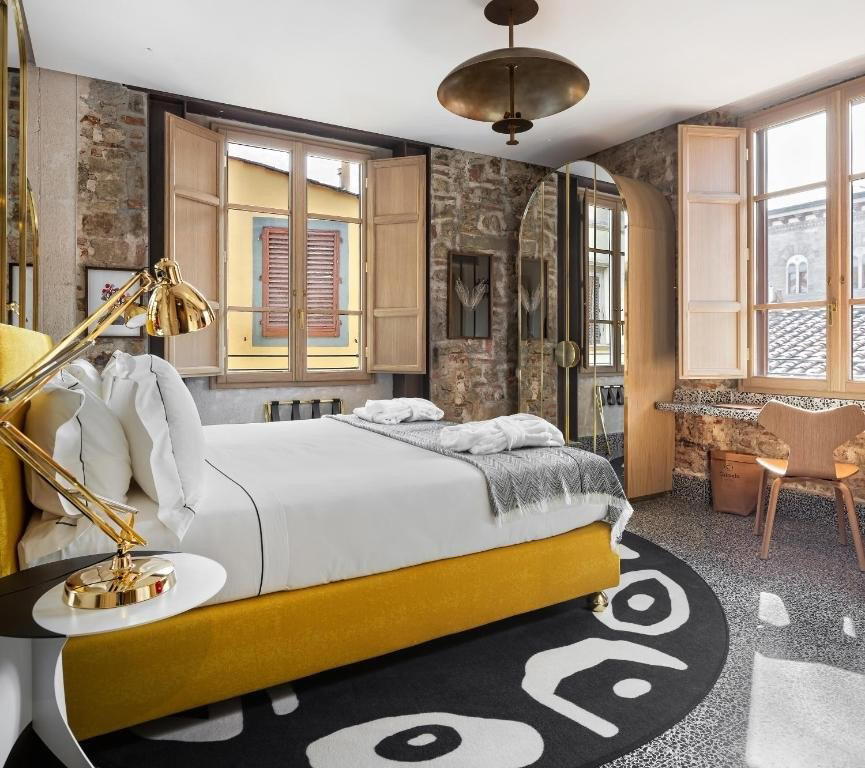
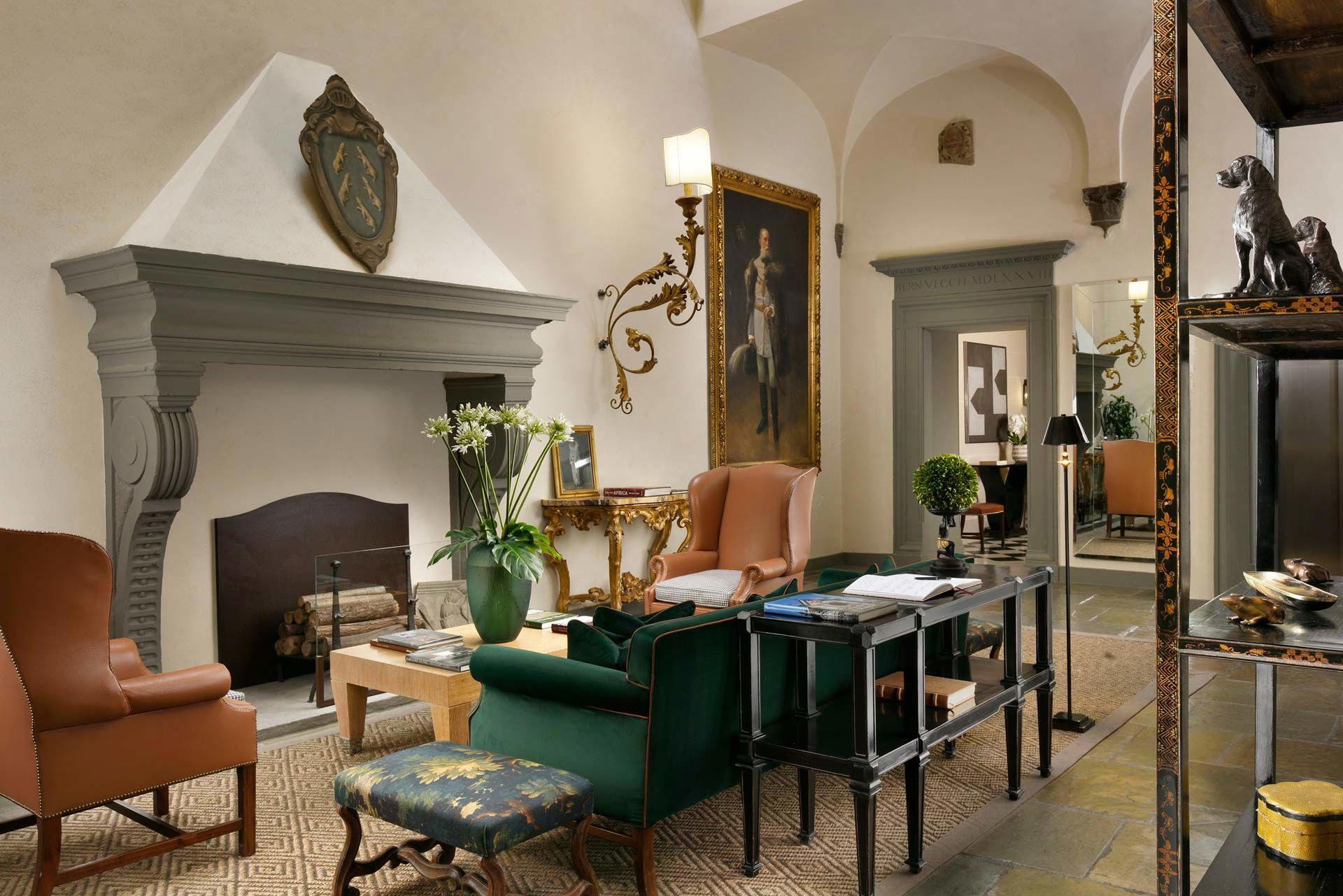
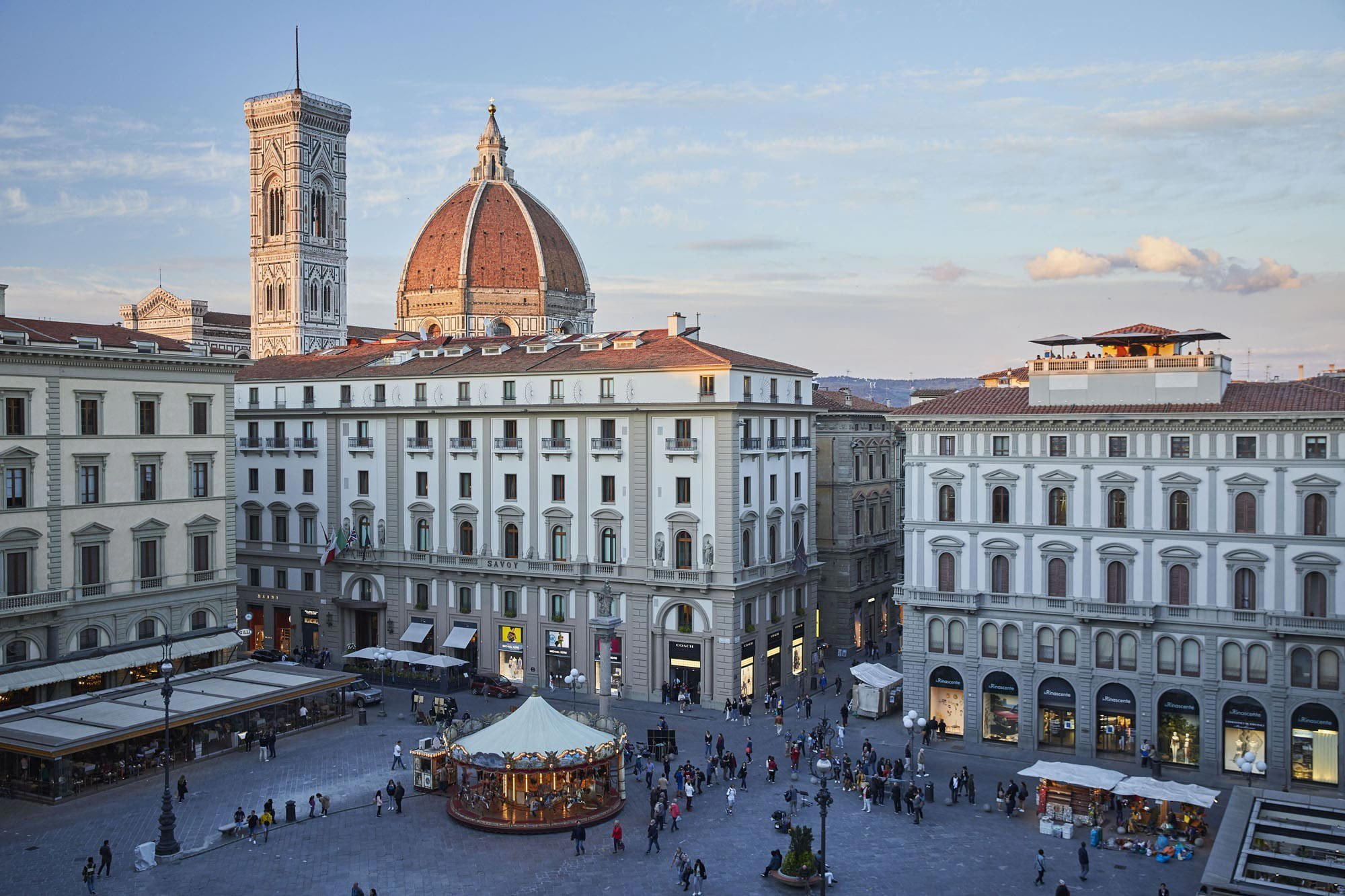
Bars in Florence
All bars in Florence →
Restaurants in Florence
All restaurants in Florence →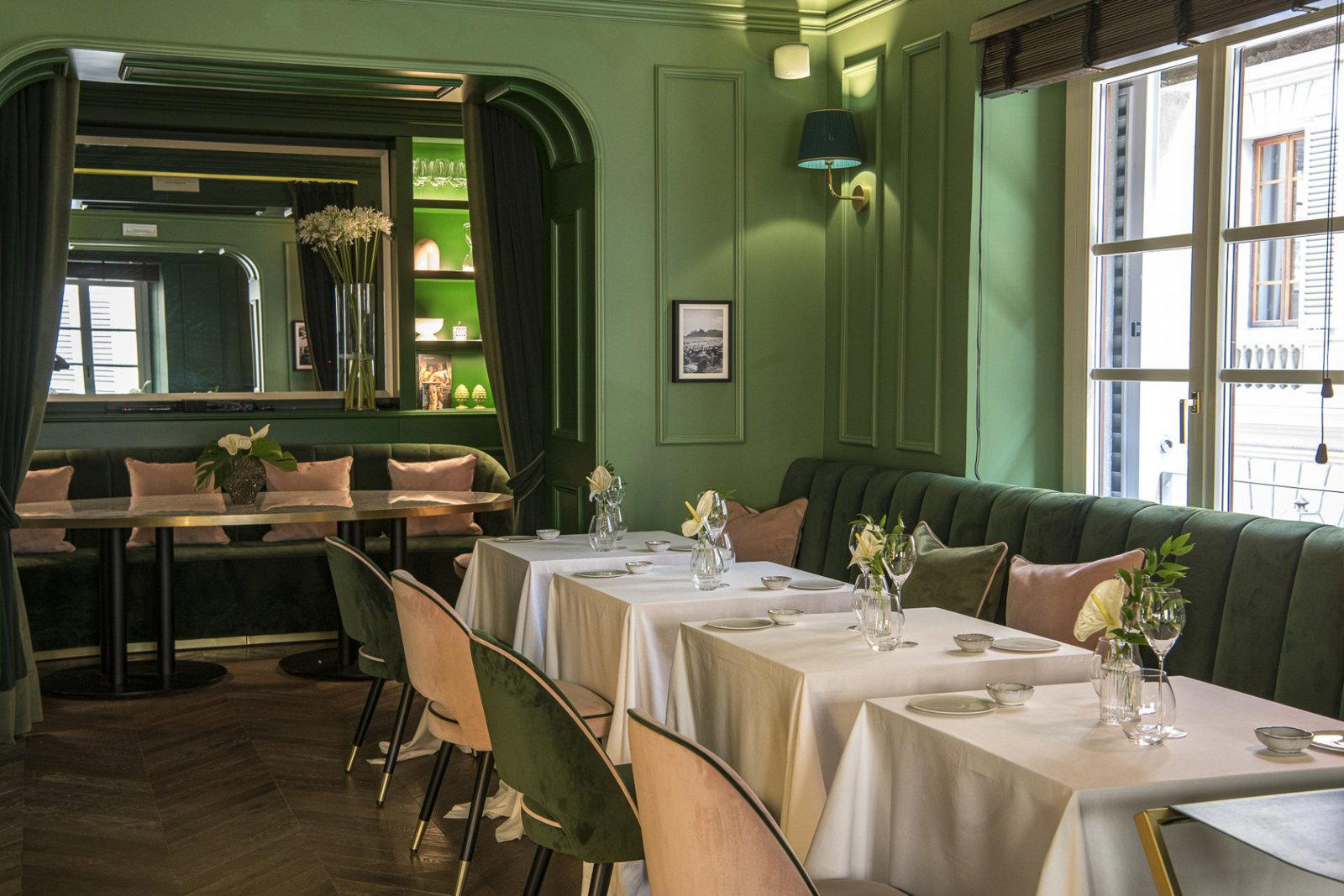

Details
- Elegant
- Sophisticated
- Modern
- Classic
- Romantic Getaway
- Anniversary
- Honeymoon
- Historic Building
- Terrace
- Panoramic View
- Wi Fi
- Spa
- Sauna
- Hot Tub
- Room Service
- Concierge
- Restaurant
- Street Scene
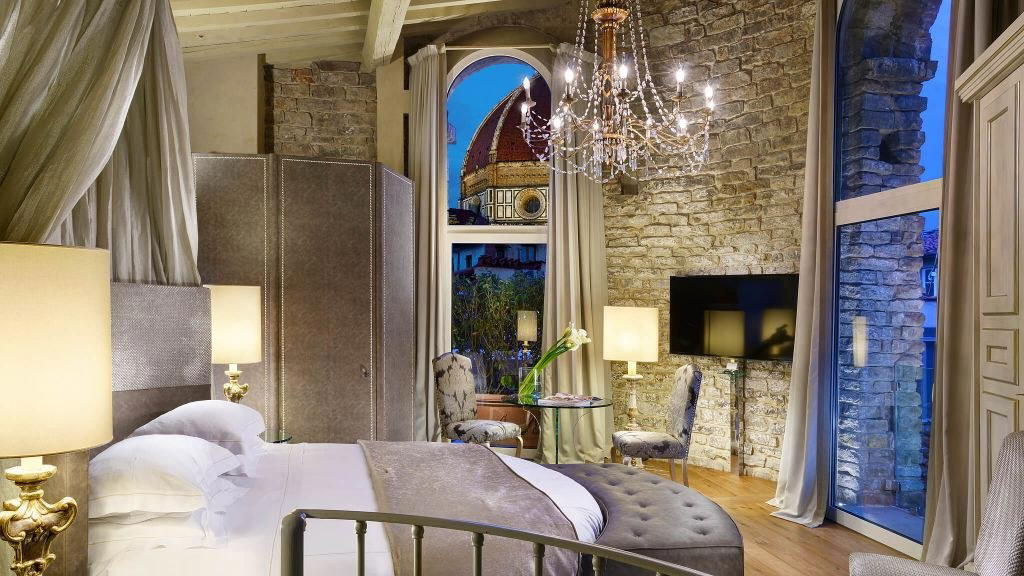
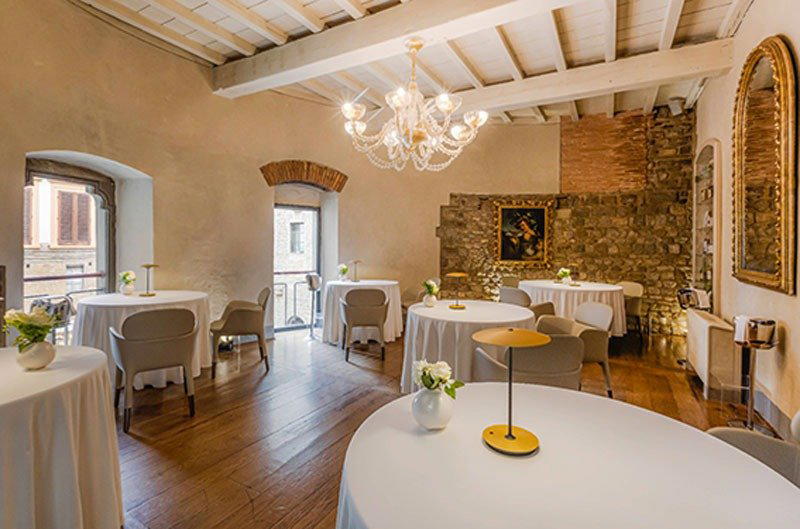
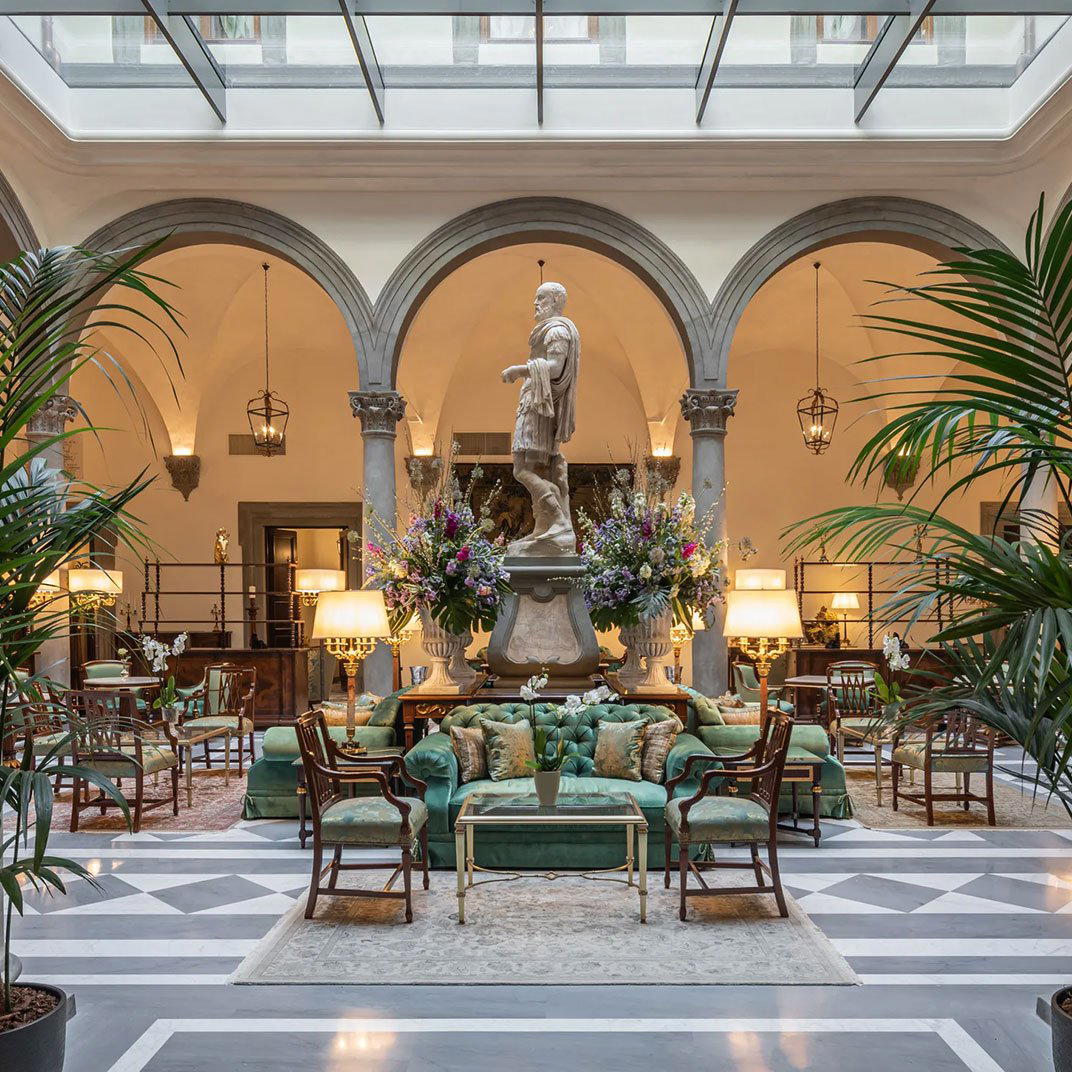
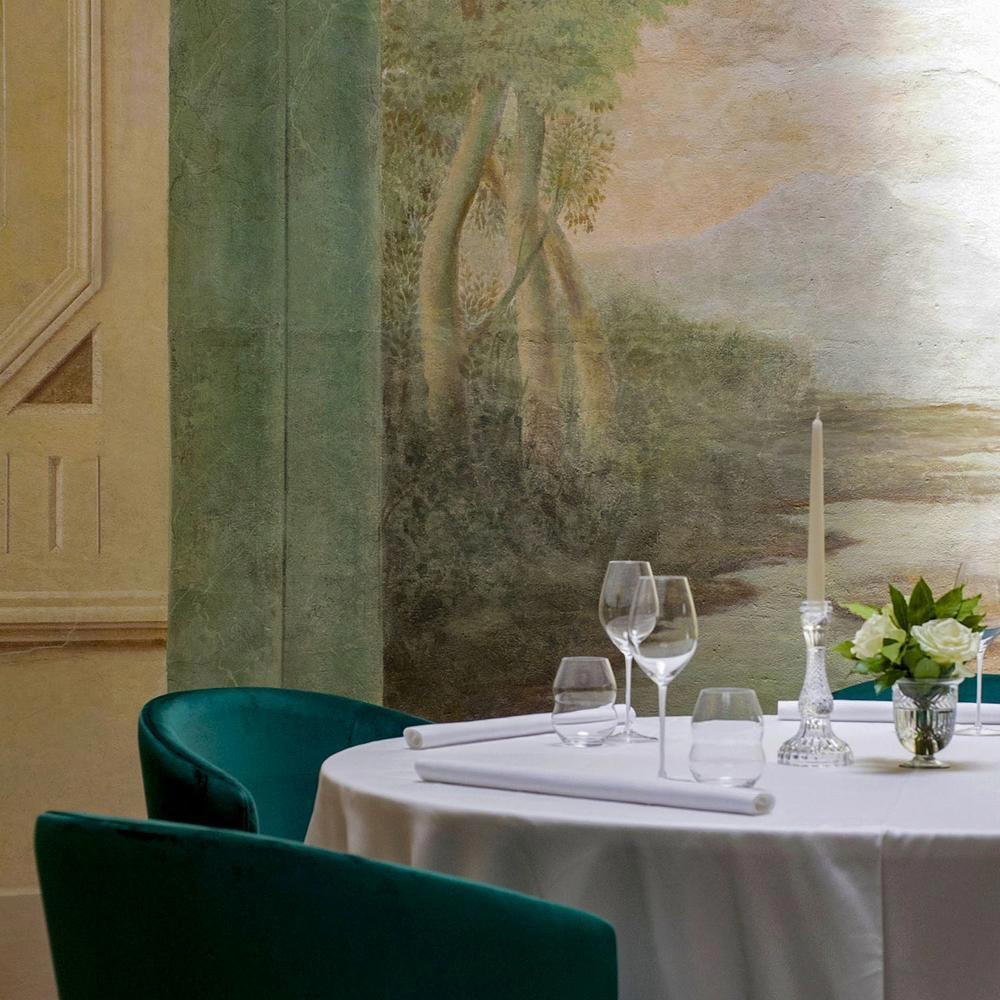
Striking palette inspired by the Duomo with Art Deco elegance, geometric patterns, mirrored walls, ornate marble, and sumptuous textiles creating a sophisticated yet intimate atmosphere.