





Michelin Selected · La Liste Top Hotels · Mr & Mrs Smith Seal of Approval
A 37-room, suite-heavy property on the Arno's northern bank, owned by the Ferragamo family and listed among the Leading Hotels of the World. Portrait Firenze sits directly opposite the Ponte Vecchio, with floor-to-ceiling river views, Carrara marble bathrooms, and complimentary access to the Ferragamo museum. La Liste ranked it 98.5 points in its 2026 Top Hotels edition.

Pearl is the En Primeur Club membership app, where members save venues, book tables and use the concierge.
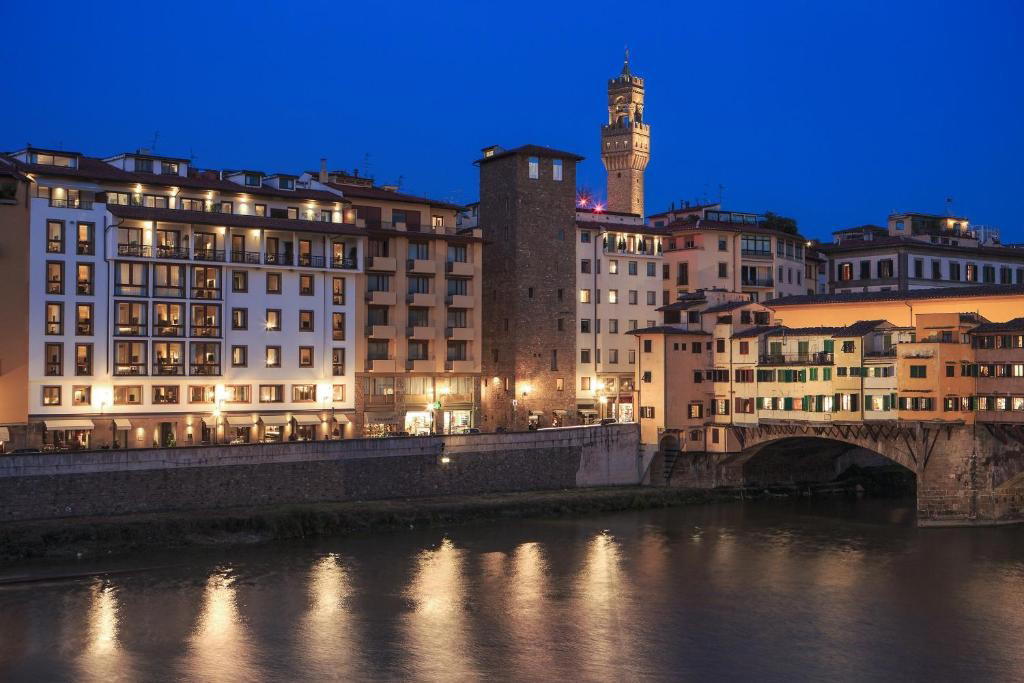
A Riverside Position That Has Always Defined the Address
The stretch of Lungarno degli Acciaiuoli running toward the Ponte Vecchio has never been a quiet address. For centuries, this bend in the Arno concentrated Florentine wealth, trade, and civic ambition in a single built edge. The palazzi that line this bank were not merely residences; they were statements of position, and the view across the water toward the medieval bridge was the measure of what that position meant. Portrait Firenze occupies that view now, and the building's configuration, floor-to-ceiling windows aligned precisely toward the bridge, makes clear that the relationship between this address and its setting was deliberate from the outset.
Florence's upper hotel tier has consolidated around a handful of riverbank and historic-centre positions over the past two decades. The Four Seasons Hotel Firenze occupies a former convent with expansive gardens; the Palazzo Portinari Salviati Residenza D'Epoca trades on restored palazzo architecture; Villa Cora and Villa La Massa draw guests who want historical drama slightly outside the centre. Portrait Firenze operates in a different register: its Ponte Vecchio proximity is not a backdrop but a primary feature, and the property's 37 rooms, 32 of which are suites, make it among the smallest-footprint properties competing at this level in the city.
What the Lungarno Collection Represents in Italian Hospitality
The Lungarno Collection is the Ferragamo family's hotel portfolio, and its character reflects the restraint that distinguishes the fashion house's design lineage from more demonstrative luxury brands. Where some Italian family-owned hotel groups have expanded to fifteen or twenty properties across the country, the Lungarno Collection remains selective. Portrait Firenze is its flagship, and the family's connection to Florence runs through it in material ways: the Salvatore Ferragamo Museum sits within reach of the property, and guests receive complimentary access as part of their room rate, along with a discount at the nearby flagship store. These inclusions are not incidental; they reinforce the sense that staying here positions guests inside a specific version of Florentine cultural life, one organised around craft, fashion heritage, and the visual arts.
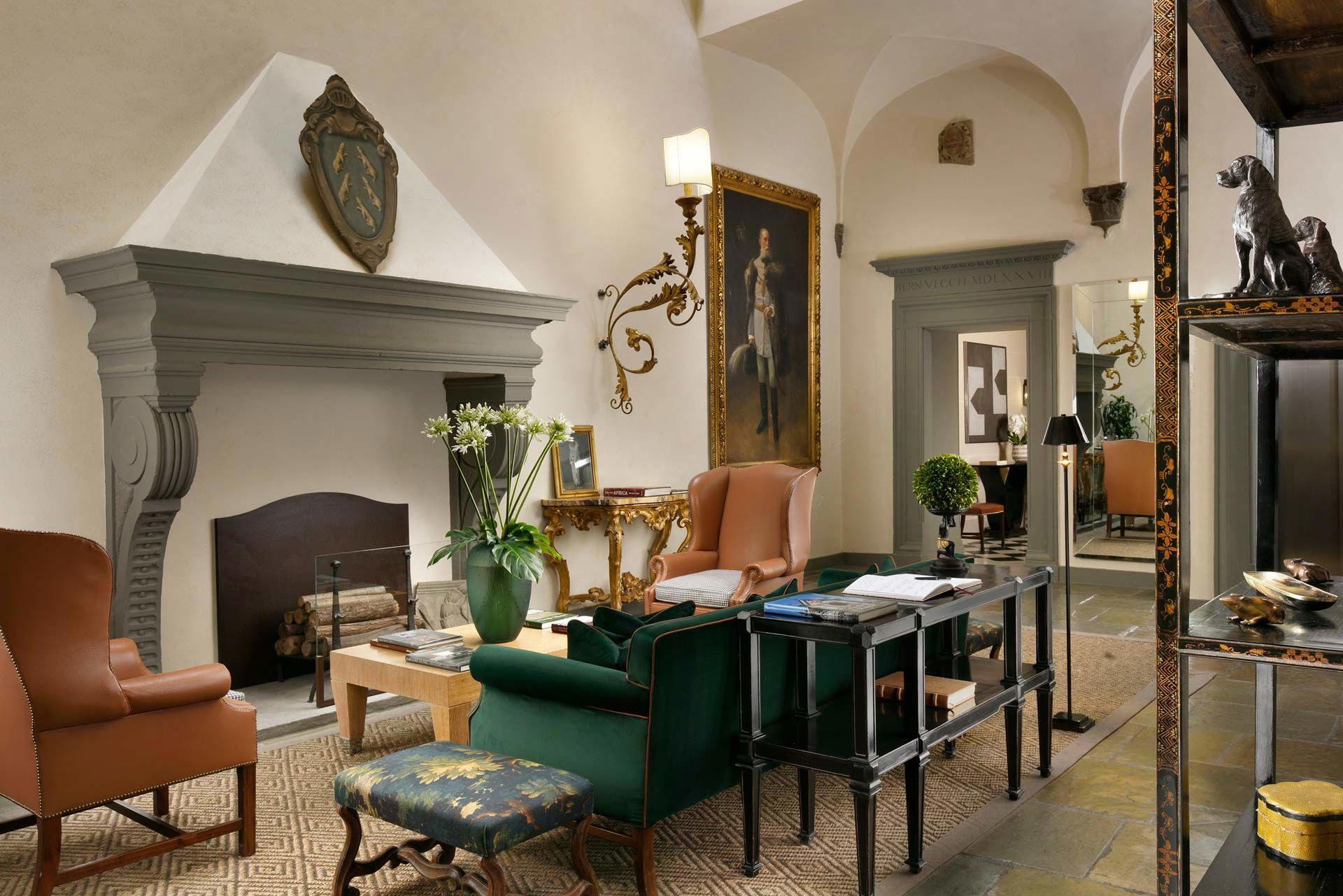
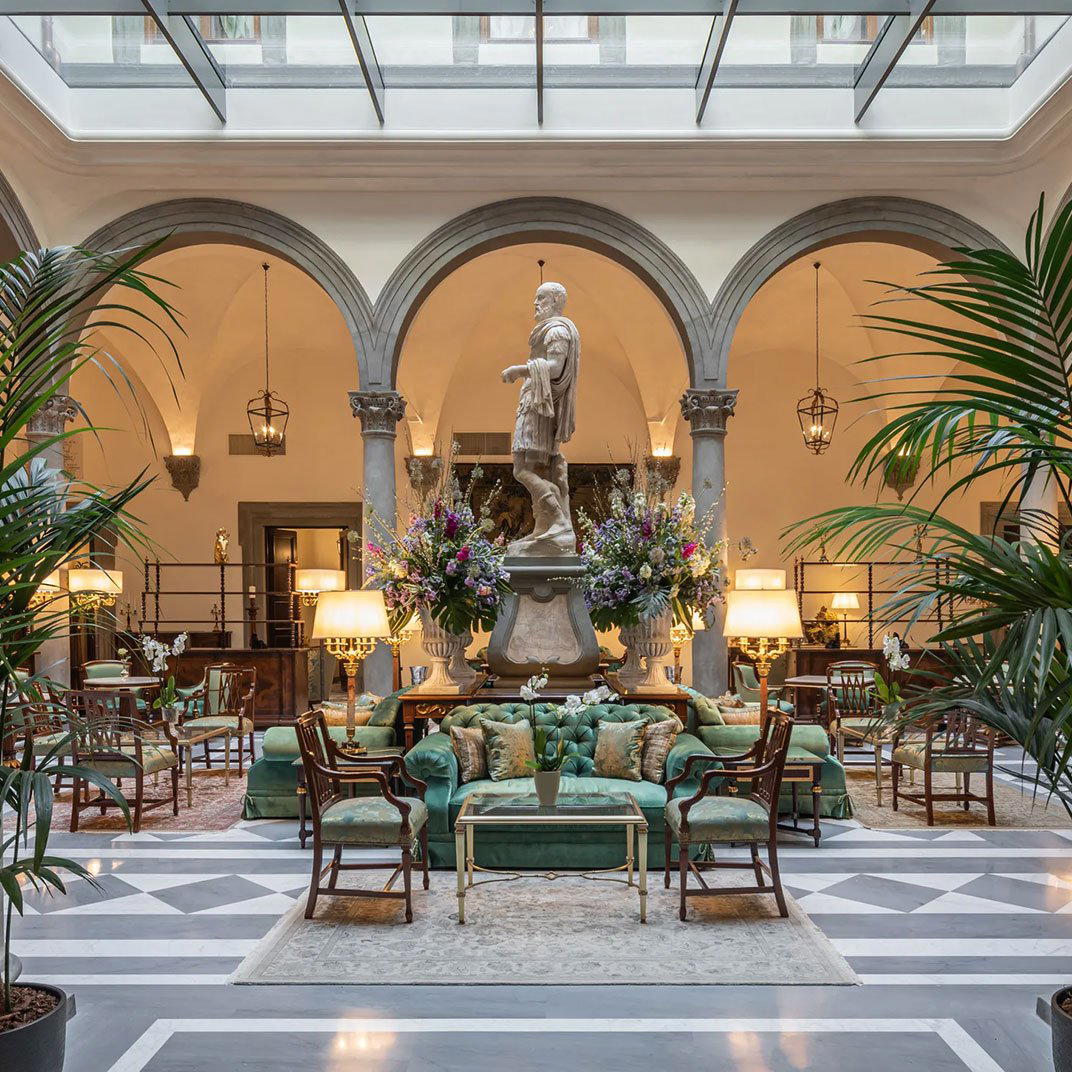
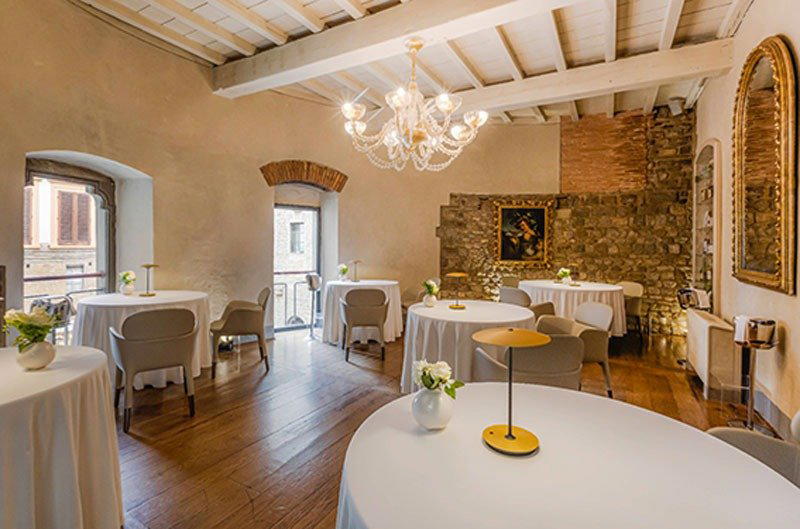
The collection has also extended to Portrait Milano, following a comparable logic: a city-centre address, a suite-dominant room count, and a design identity shaped by Florentine architect Michele Bonan. Bonan's interiors at Portrait Firenze are often described through their materials, warm wood, opaque grey tones, gilded details, cashmere throws, but the more useful frame is what those materials are doing. They are performing a kind of temporal layering, holding historical reference and contemporary finish in the same room without letting either flatten into pastiche or sterility. The approach runs counter to both the maximalist palazzo restoration model and the stripped-back Scandinavian aesthetic that swept through European boutique hotels in the 2010s.
How the Property Has Refined Its Offer Over Time
Evolution of Portrait Firenze is less a story of dramatic reinvention than of sustained calibration. The property's La Liste ranking of 98.5 points in the 2026 Leading Hotels edition, alongside its continued membership in Leading Hotels of the World, signals a position held and reinforced rather than recently established. In the context of Florence's hotel market, where several properties have undergone significant repositioning, full closures for renovation, brand changes, or ownership transitions, Portrait Firenze's continuity is itself a form of editorial statement.
Suite count tells part of the story. Moving from a room-dominant to a suite-dominant configuration is a decision that most hotels resist because it reduces total bed count and increases per-room operational complexity. Portrait Firenze has always sat at 37 keys with 32 suites, which means the property was never designed to run on volume. That structural choice has become more significant as the wider market has moved toward experiential and personalised service models; Portrait Firenze arrived at that destination before the industry made it a trend. The rooftop suite and 273-square-metre Penthouse Floor represent the upper end of a range that starts, at the entry level, with rooms of at least 516 square feet, generous for a historic-centre Florence property where spatial constraints are a constant factor.
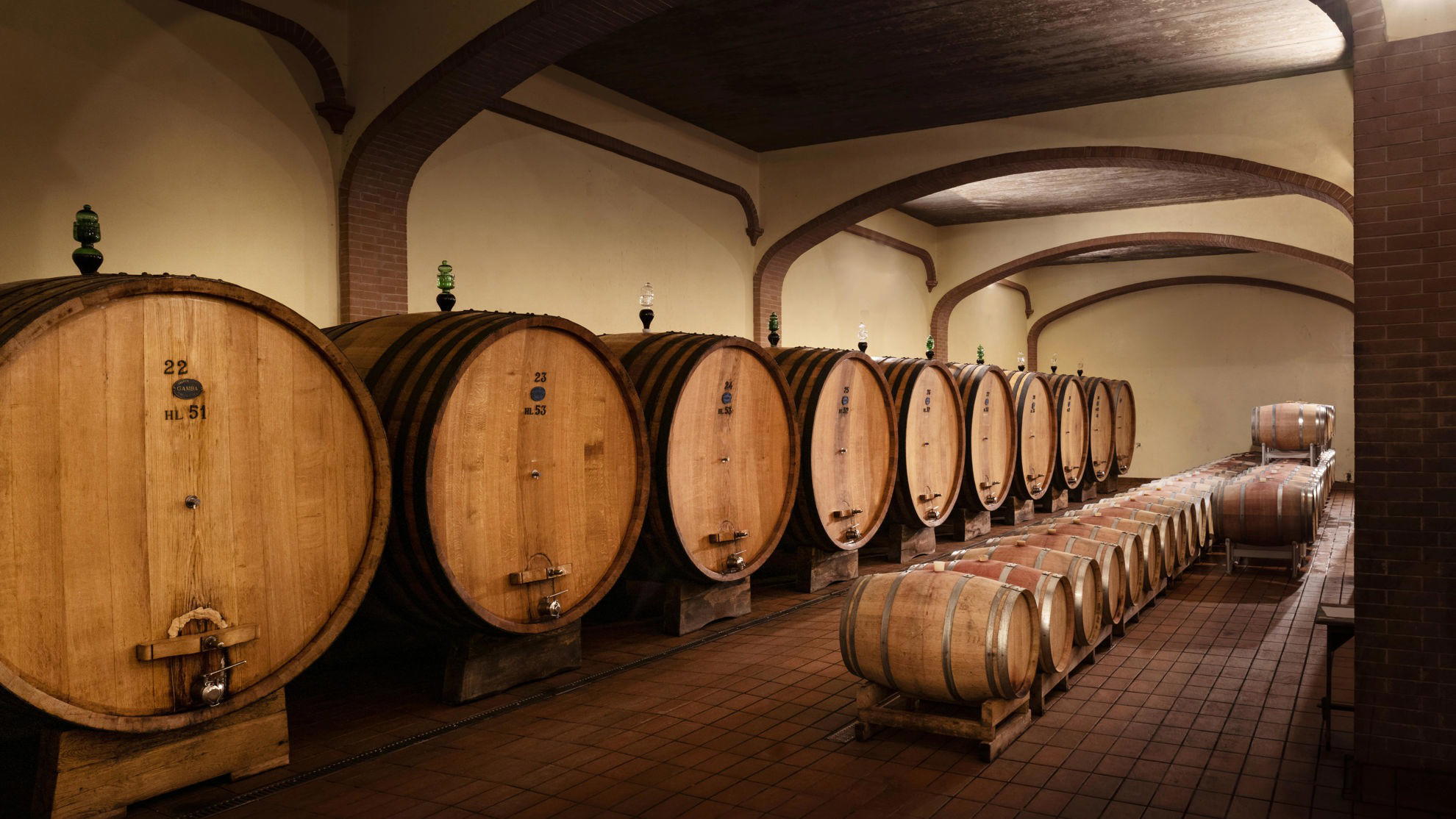
Practically, the 24/7 concierge service and the bookable tours of local wine cellars function as extensions of that calibration. Florence's wine culture, anchored in Chianti Classico and the broader Tuscan appellation system, is increasingly accessible through curated private formats. The property's offer of exclusive cellar tours connects guests to that wider regional context without requiring them to self-organise from scratch. The vintage bicycle loan follows a similar logic: Florentine street geography rewards slow, navigable movement, and a bicycle is a more honest instrument for that movement than a car or organised bus tour. See our full Florence restaurants guide for context on how to organise the broader city.
The Room Experience and What the Arno View Actually Delivers
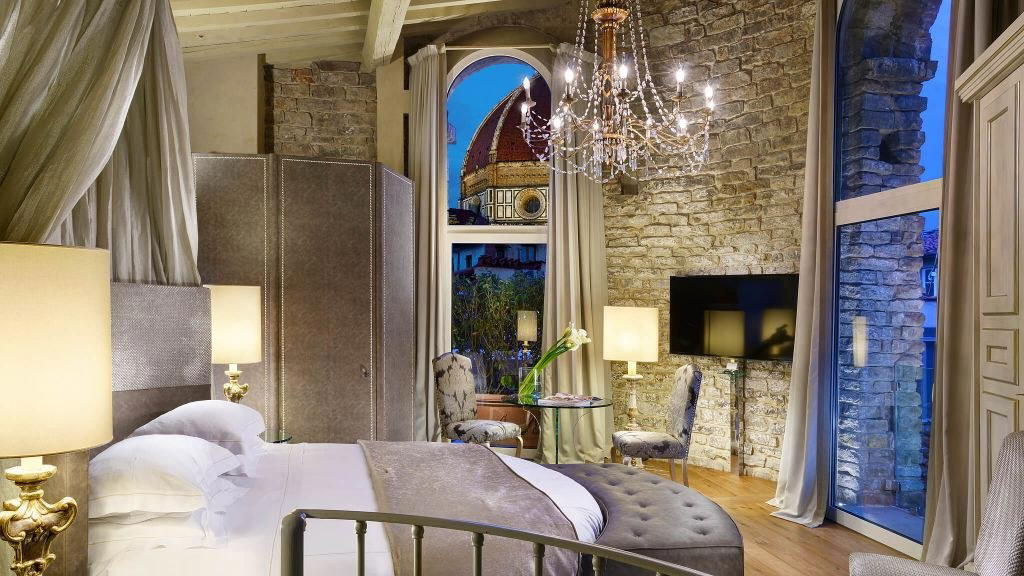
Floor-to-ceiling windows facing the Ponte Vecchio are a quantifiable advantage at this address, but the quality of the view depends on room position. The Ponte Vecchio Suite, which adds a riverfront terrace, two bedrooms, two bathrooms, and walk-in closets, represents the fullest realisation of the property's locational logic. At the base of the room tier, the 516-square-foot minimum and Carrara marble bathrooms with rainfall showers set a floor that is consistent with the wider suite offer rather than a noticeably diminished version of it. The Ferragamo bath products distributed through those bathrooms are another deliberate reinforcement of the ownership identity.
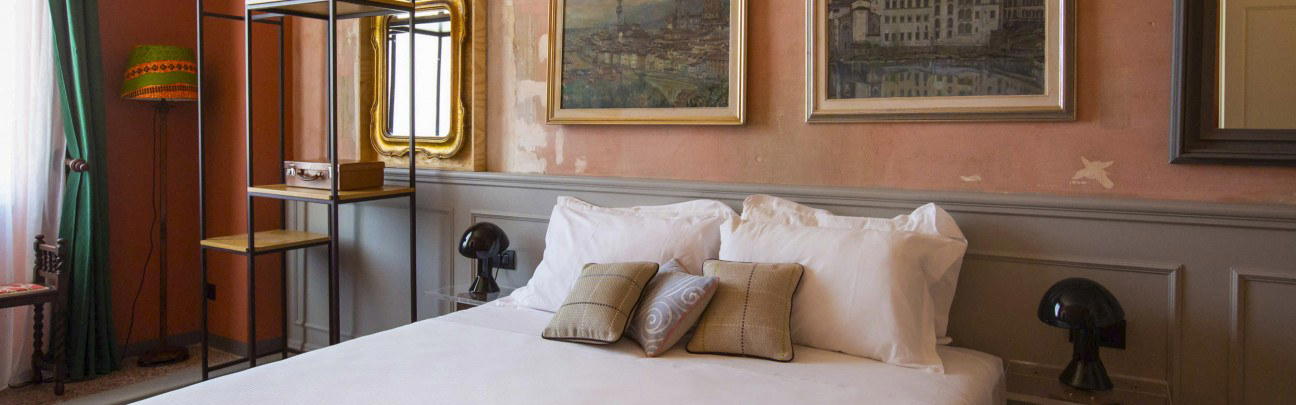
Bonan's use of hardwood floors, large mirrors, and a muted palette across the rooms creates spaces that read as calm rather than austere. The cashmere throw has become something of a shorthand for a certain register of European boutique luxury, but in the context of Portrait Firenze's Arno-facing rooms, the layered textile and warm material logic does address a real functional need: the river-facing exposure is visually generous but can be atmospherically cool, particularly in the shoulder months when Florence's tourism is at its most concentrated.
Placing Portrait Firenze in a Wider Italian Context
Italy's small-luxury hotel category spans a wide range of types. Castello di Reschio in Umbria and Rosewood Castiglion Del Bosco in Montalcino represent the rural estate model. Aman Venice and Bulgari Hotel Roma operate in historic urban palazzi with international brand backing. Borgo Santandrea and Il San Pietro di Positano position coastal drama as the primary experience. Portrait Firenze sits in a specific gap within this range: it is urban and centrally located, family-owned and suite-dominant, with a design identity that is coherent rather than brand-imposed. Passalacqua on Lake Como and Casa Maria Luigia in Modena occupy adjacent territory in terms of owner-led character and specialist positioning, but neither has the same urban concentration or museum-adjacent cultural infrastructure.
For guests building a wider Italian itinerary, the Lungarno Collection's own portfolio offers continuity of sensibility: Portrait Milano extends the same design logic northward, while properties such as the Hotel Lungarno offer a related but differently scaled Florence option. Other Florentine alternatives in the four- to five-star range include the Brunelleschi Hotel, Hotel Calimala, and Ad Astra, each with a different relationship to the city's historic fabric.
Planning Your Stay
Portrait Firenze's 37-room capacity means availability tightens quickly during peak Florentine periods: April through June and September through October see the heaviest cultural tourism, and the property's combination of La Liste recognition and Leading Hotels of the World membership keeps it visible to the high-end international travel market year-round. Booking well in advance is advisable for the Ponte Vecchio Suite and Penthouse Floor specifically. The property sits at Lungarno degli Acciaiuoli, 4, directly on the Arno's north bank, within walking distance of Palazzo Vecchio and Piazza della Signoria. The concierge team operates around the clock and can arrange the wine cellar tours and broader Tuscan itinerary support. Ferragamo museum access is included in the room rate, and the museum's position within the city's fashion and craft heritage makes it a more useful cultural orientation point than many hotel-adjacent amenities at this level.
Pricing, Compared
Comparable venues nearby, for context on price, style, and recognition.
| Venue | Price | Awards | Notes |
|---|---|---|---|
| Portrait Firenze, Lungarno CollectionThis venue (the venue you are viewing) | $750–1,000 | Michelin Selected · La Liste Top Hotels | Not listed |
| Il Salviatino | Not listed | Michelin Selected · Mr & Mrs Smith Seal of Approval | Coverciano, Historic 15th-century Renaissance villa blending classic elegance with contemporary design |
| Palazzo Vecchietti | $500–750 | Michelin Selected · Small Luxury Hotels of the World Member | Santo Spirito, 16th-century historic palace with residential-style suites |
| Ad Astra | $200–300 | Michelin Selected · Mr & Mrs Smith Seal of Approval | Giardino Torrigiani, Eclectic boutique in ancestral mansion with wraparound terrace |
| Stella d'Italia | $200–300 | 1 Michelin Key · Mr & Mrs Smith Seal of Approval | Santo Spirito, Converted 16th-century palazzo with contemporary boutique sensibility; eclectic and artistic with individually chosen rooms. |
| Relais Santa Croce | $500–750 | Star Wine List · Forbes Recommended | San Niccolo, Aristocratic Renaissance palazzo converted to luxury boutique hotel maintaining the atmosphere of a noble Florentine residence. |
Recognition history
Dated appearances from independent guides and award organizations, with the underlying list record or original source where available.
Michelin Selected
Michelin
La Liste Top Hotels
La Liste
Forbes 5-Star
Forbes
Mr & Mrs Smith Seal of Approval
Mr & Mrs Smith
Virtuoso Luxury Hotel Partner
Virtuoso
Full recognition history (7 entries)
Forbes 5-Star
Forbes
Leading Hotels of World Member
Leading Hotels of World
Portrait Firenze — Lungarno Collection
Featured Guides
Continue exploring
More in Florence
Hotels in Florence
All hotels in Florence →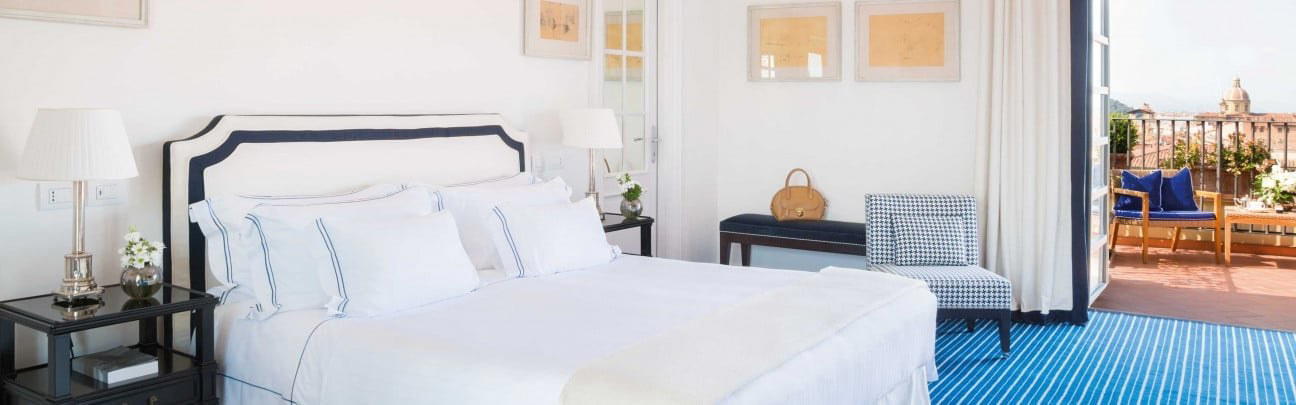
Bars in Florence
All bars in Florence →
Restaurants in Florence
All restaurants in Florence →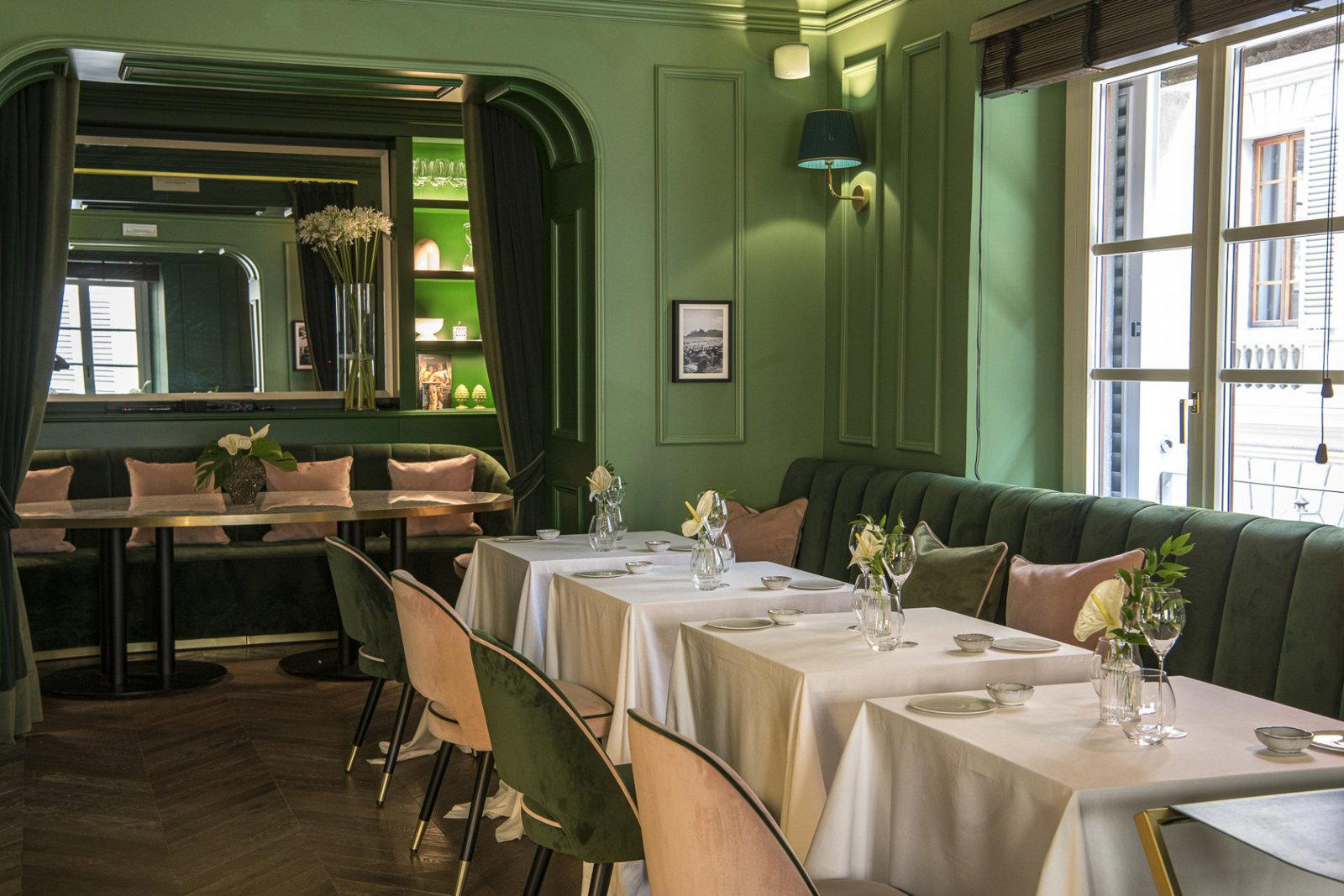

Details
- Elegant
- Sophisticated
- Romantic
- Intimate
- Classic
- Romantic Getaway
- Honeymoon
- Anniversary
- Family Vacation
- Historic Building
- Panoramic View
- Terrace
- Wi Fi
- Spa
- Room Service
- Concierge
- Restaurant
- Bar
- Airport Transfer
- Street Scene
- Elevator
- Wheelchair Accessible
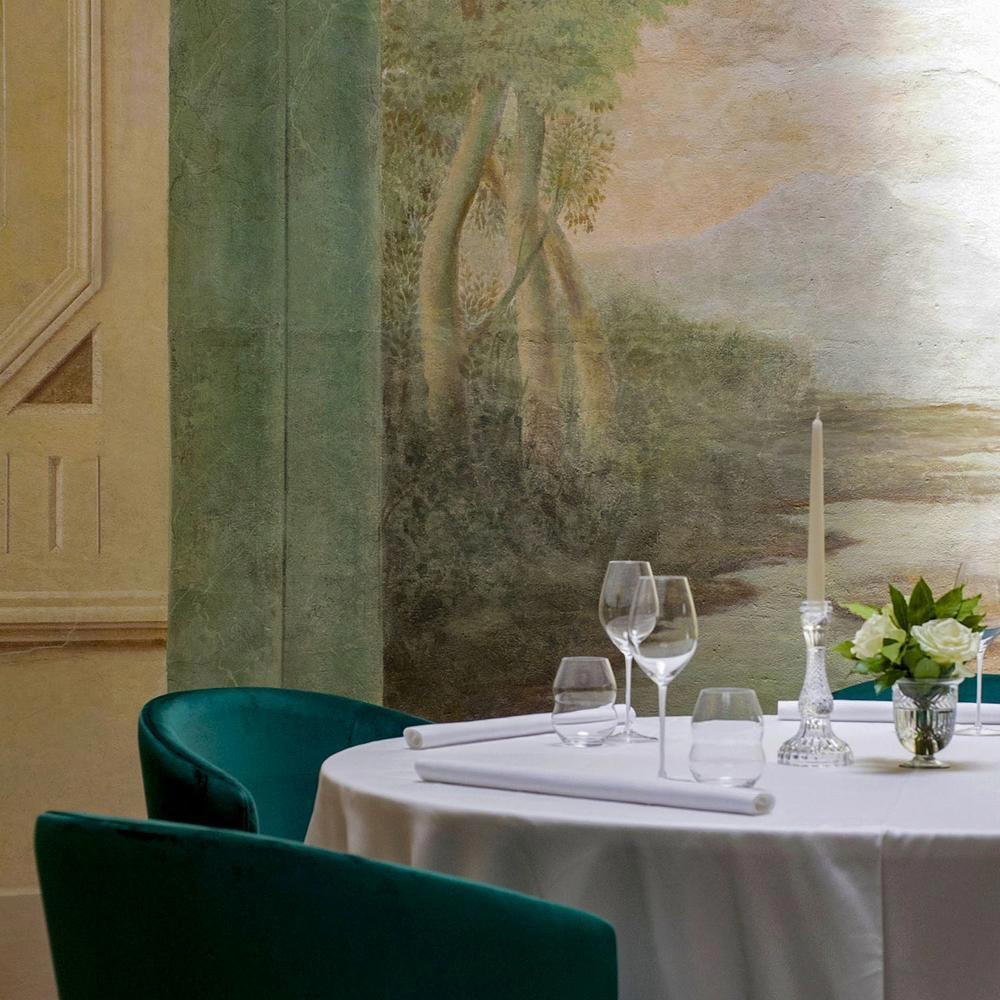
Refined and elegant with warm woods, precise fabrics like linen and cashmere, and a serene, residential atmosphere enhanced by Carrara marble bathrooms and subtle lighting.