


2 Michelin Keys · Virtuoso Luxury Hotel Partner · Leading Hotels of World Member
A 15th-century palazzo on Via del Corso that once housed Beatrice Portinari, Dante's muse, Palazzo Portinari Salviati operates as a Leading Hotels of the World member with 13 suites decorated in 18th-century frescoes. The Michelin-starred restaurant Atto di Vito Mollica, a Vita Nova spa, and sightlines to Brunelleschi's Dome place it among Florence's most historically grounded luxury addresses, rated 4.8 on Google from 173 reviews.

Pearl is the En Primeur Club membership app, where members save venues, book tables and use the concierge.
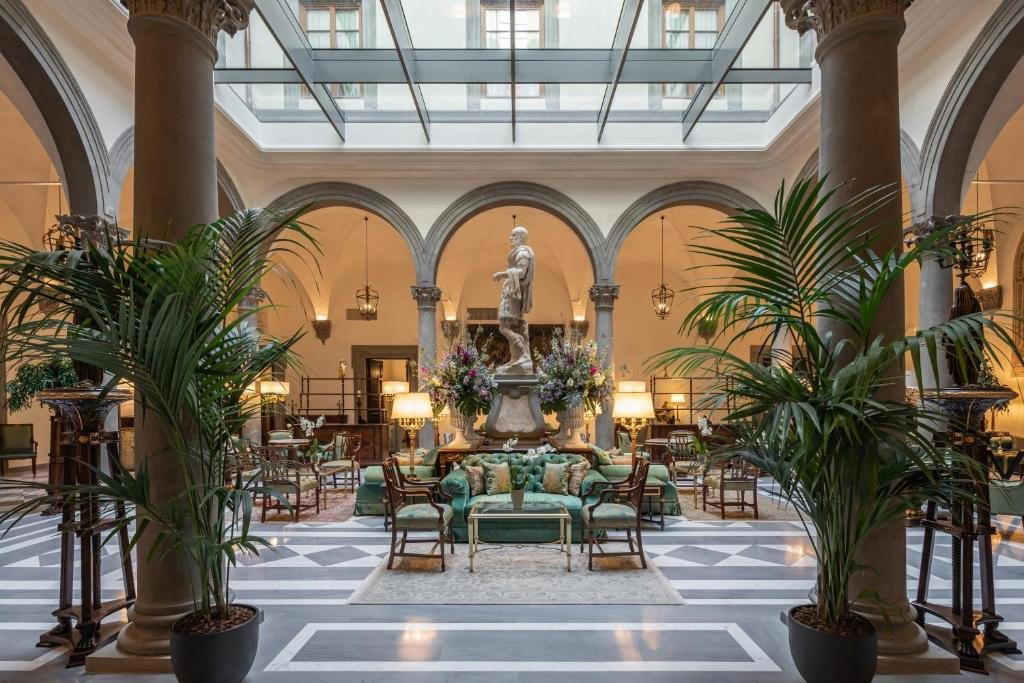
A Palazzo Between Two Worlds
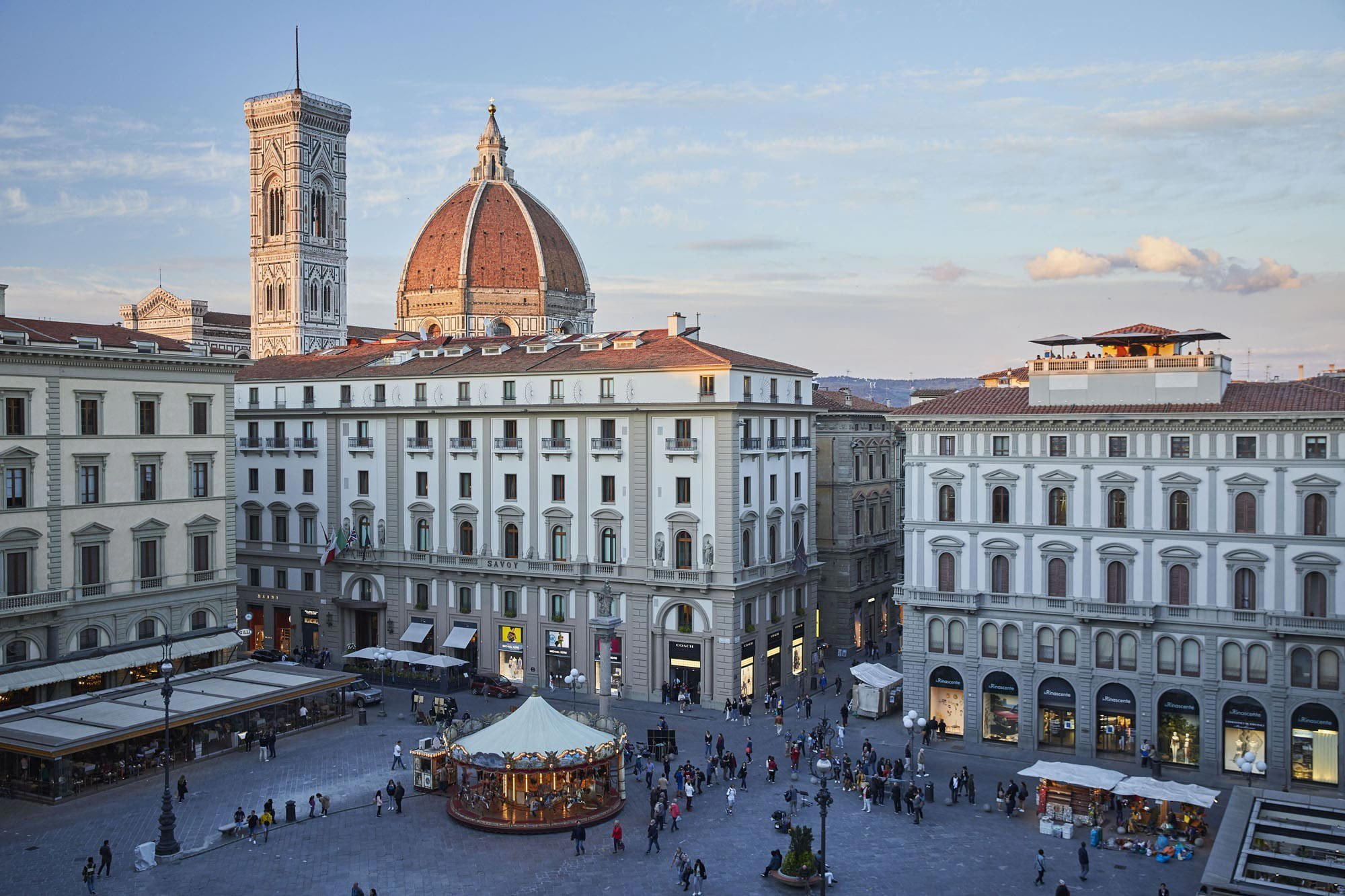
There is a particular quality of light in central Florence on a winter morning, before the tour groups reach Via del Corso, when the stone facades of medieval buildings absorb the pale January sun and hold it quietly. Standing at the entrance to Palazzo Portinari Salviati at that hour, the relationship between the building and its neighbourhood reads differently than it does in high summer. The palazzo is not apart from the city; it is continuous with it. Three of its sides open onto the most trafficked streets of the historic centre, and Brunelleschi's Dome in Piazza Duomo is visible from upper floors in a way that makes the Renaissance feel less like a period and more like a permanent condition of the place.
Florence's luxury hotel market has fractured into recognisable tiers over the past decade. The large international properties, including the Four Seasons Hotel Firenze with its walled garden in Borgo Pinti, offer scale and amenity breadth. A second group, which includes the Hotel Lungarno and Brunelleschi Hotel, trades on Arno-side or Duomo-adjacent positioning with more contained footprints. Palazzo Portinari Salviati occupies a third category: the authenticated historic palazzo, where the building itself is a primary credential and the guest count is kept deliberately low. At 13 suites, it competes less on programming volume and more on density of historical material per room.
The Building as Context
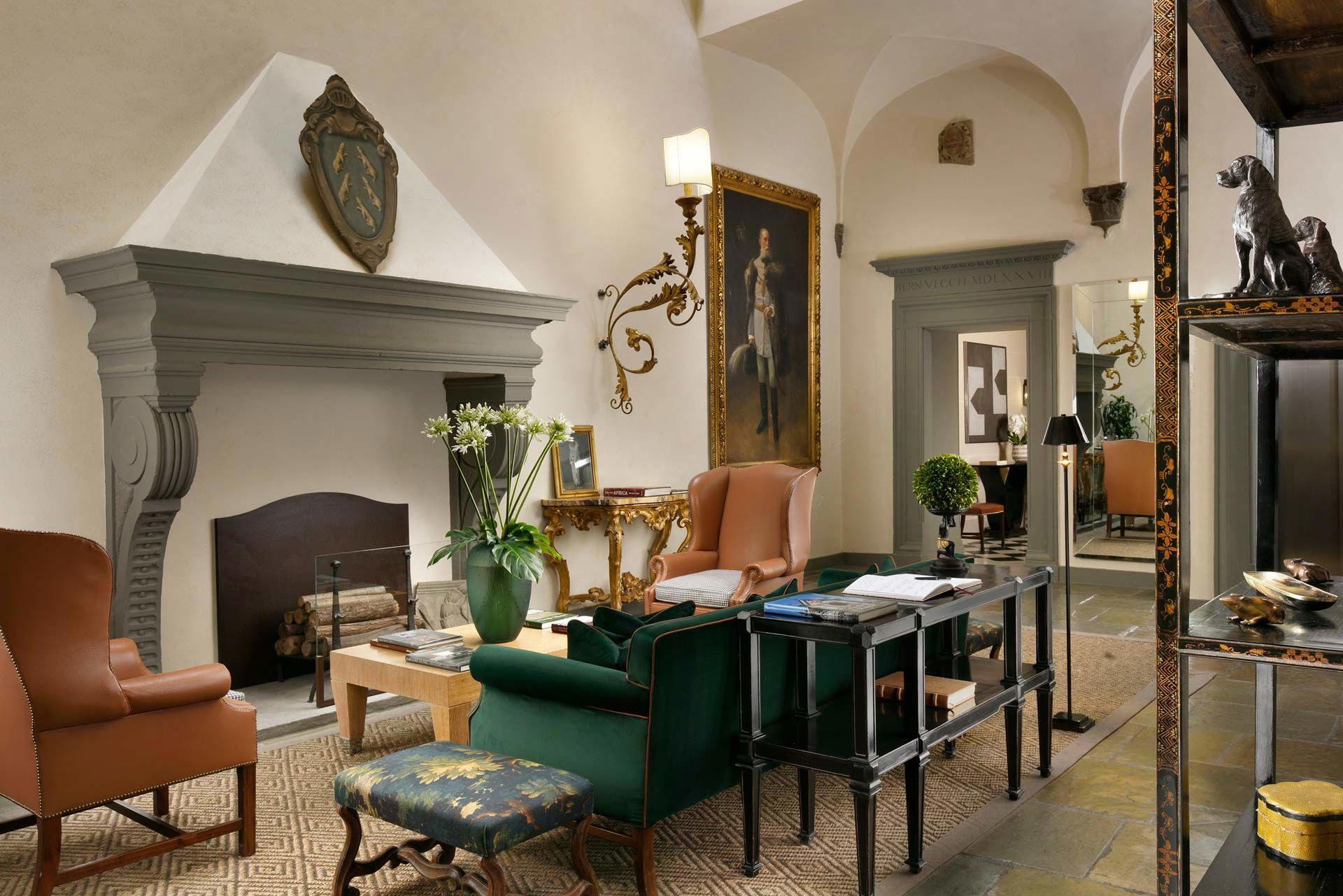
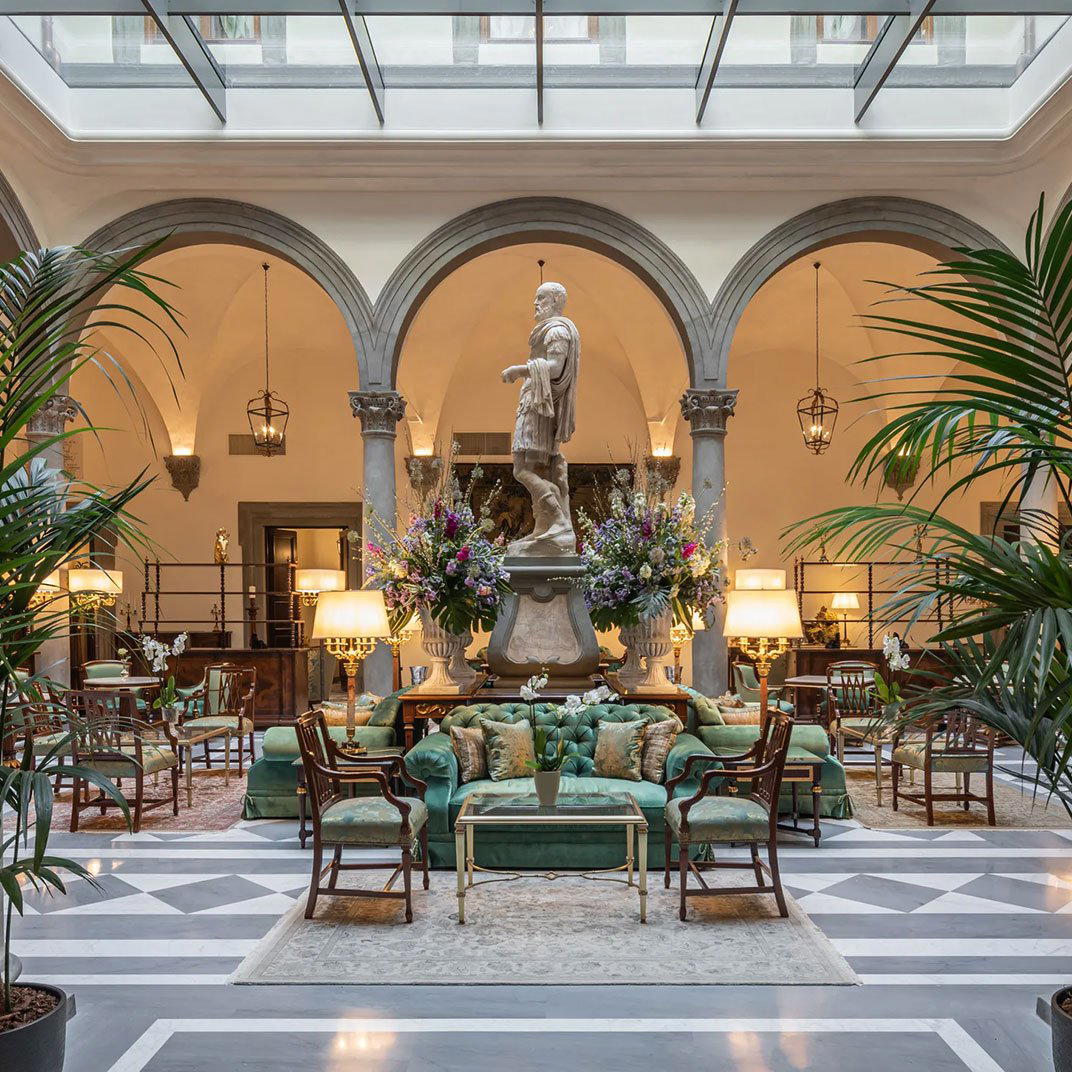
The palazzo's documented history places it in a legible lineage. It was formerly the residence of Beatrice Portinari, the woman who inspired Dante's La Vita Nuova and whose presence threads through the Divina Commedia. Later, it served as the residence of Cosimo I, Grand Duke of Tuscany, consolidating its position in the network of Medici-era power and patronage that shaped this quarter of Florence. A restoration process, described by the property as laborious, exposed and preserved frescoes from the 1700s that now appear in the suites themselves, functioning as primary documents of the building's intermediate centuries rather than as decorative additions.
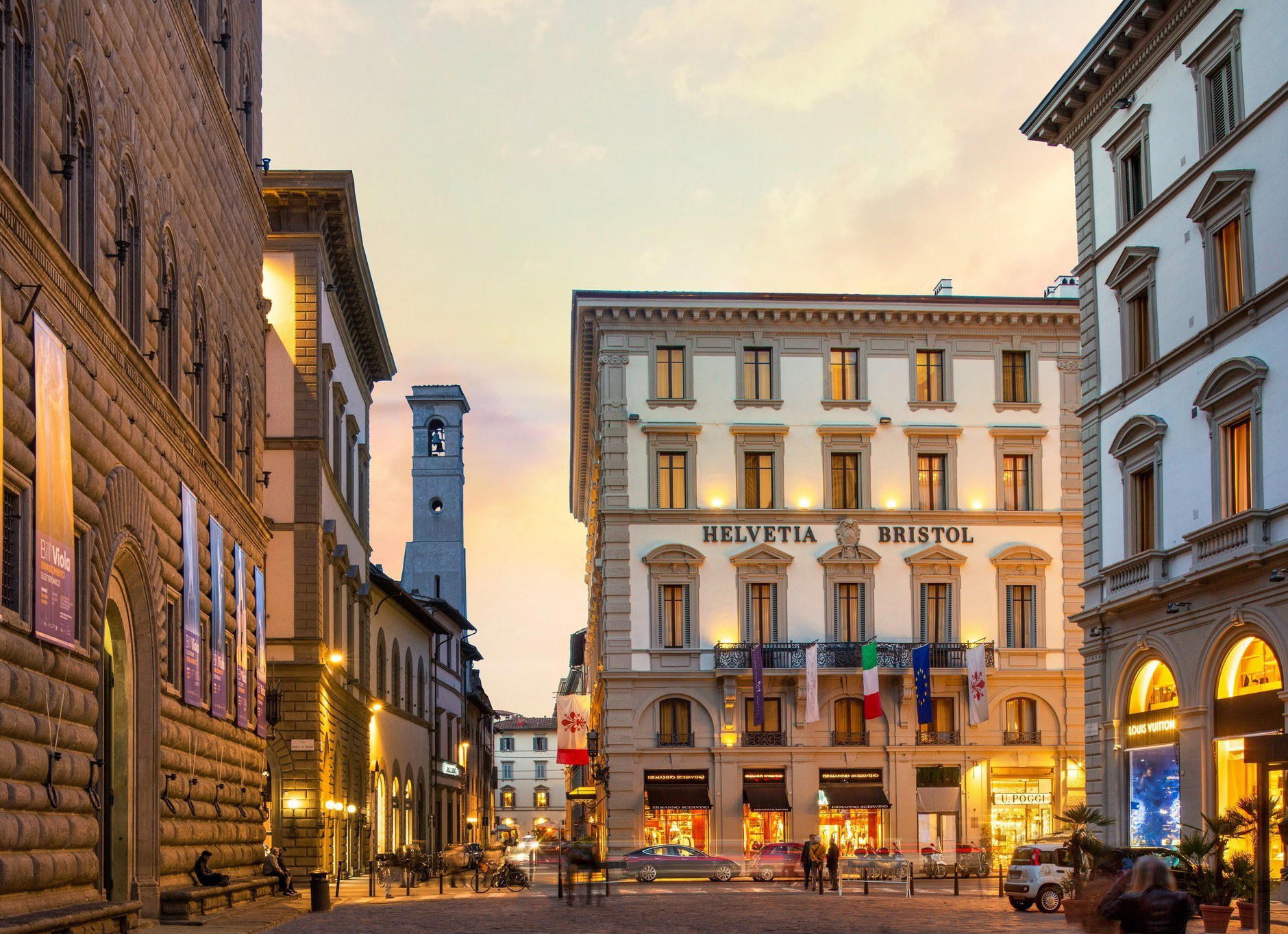
For the Italian palazzo hotel category more broadly, authenticity of this kind is the critical differentiator. Properties such as Villa Cora and Villa La Massa carry their own historical arguments, but both sit outside the historic centre. The Portinari Salviati's address, Via del Corso 6, places it within walking distance of the Uffizi, the Bargello, and Piazza della Repubblica. The trade-off for that centrality is the absence of grounds or gardens; what the building offers instead is direct immersion in the urban fabric that these other properties observe from a comfortable remove.
Lunch and Dinner at Atto: The Same Room, Different Conversations
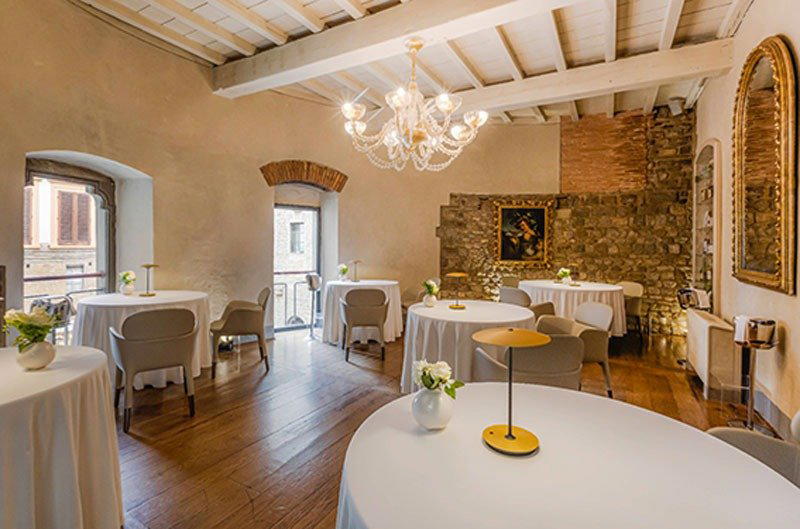
In the broader pattern of Italian fine dining, Michelin-starred restaurants attached to historic hotels tend to attract two distinct guest profiles across the day, and the meal format shifts accordingly. Atto di Vito Mollica, the palazzo's restaurant, holds Michelin recognition and operates within this dynamic in a way worth parsing carefully.
Dinner at a property of this calibre in Florence operates in a specific register: guests are largely in-house or drawn from the city's upper tier of dining-out occasions, the room carries the full weight of the frescoed interior, and the experience is structured around the kind of unhurried progression that a Michelin kitchen in a palazzo expects to deliver. The evening service frames the Dante connection and the historical setting as part of the meal's atmosphere, something that can feel contrived in lesser hands but works when the kitchen's credentials are independent of the building's story.
Lunch functions differently. Italian fine dining at this level has moved toward lighter, more abbreviated formats at midday, and a Michelin-starred counter in a central Florence palazzo draws a working clientele alongside visitors who prefer the daytime light and a less ceremonial pace. The value arithmetic also shifts: in most Italian starred restaurants, lunch menus at the same kitchen represent a material price difference from dinner equivalents, making the midday service the more accessible entry point for the Atto experience. For travellers staying at nearby properties such as the Hotel Calimala or the Ad Astra, a lunch booking at Atto offers access to a Michelin kitchen without requiring an overnight at the palazzo itself.
The restaurant earned recognition in the 2024 Michelin guide, which also awarded the palazzo its 2 Keys designation, the guide's hotel classification system that recognises accommodation worth travelling for. Both signals appeared in the same cycle, placing Palazzo Portinari Salviati in a small cohort of Italian properties where both the hospitality and the dining carry independent Michelin validation.
Spa, Suite, and the Logic of a Small Property
The Vita Nova spa operates within the building, which, at 13 suites, means its spa is not attempting to serve a large guest pool. Small-property spas in this context function less as hotel amenities competing on treatment menus and more as extensions of the building's pace of life: somewhere to spend a morning before the afternoon programme, or to decompress after an evening at Atto. The name, borrowed from Dante's early work addressed to Beatrice, holds the literary conceit together without overstating it.
Suite count shapes the entire dynamic of a stay here. Properties of this scale in Florence, including Riva Lofts Florence with its converted industrial character, operate with staffing ratios and guest-to-space relationships that larger hotels cannot replicate. At roughly $689 per night, Palazzo Portinari Salviati prices at the upper end of central Florence's non-suite hotel market, positioning it against the per-room rate at the Four Seasons Hotel Firenze rather than the mid-tier. Membership in Leading Hotels of the World, confirmed for 2025, places it within a distribution and quality-assurance framework that carries weight with international travellers who use that network as a filtering mechanism.
Florence in Wider Italian Context
The concentration of historically grounded palazzo hotels in Florence has no precise equivalent elsewhere in Italy, though individual properties in other cities carry comparable arguments. Aman Venice in Venice operates in a 16th-century palazzo on the Grand Canal with a similarly low key count and strong architectural credentials. Castello di Reschio in Lisciano Niccone represents the Umbrian equivalent of the restored historic estate. For travellers building a broader Italian itinerary, Casa Maria Luigia in Modena, Rosewood Castiglion Del Bosco in Montalcino, and Borgo Santandrea on the Amalfi Coast each carry distinct regional identities that pair usefully with a Florence base. Further south, Il San Pietro di Positano in Positano, Borgo Egnazia in Savelletri di Fasano, and JK Place Capri in Capri extend the itinerary toward the south in different registers of formality and landscape. Northern Italy brings its own alternatives: Passalacqua in Moltrasio on Lake Como and Portrait Milano in Milan both represent the northern Italian luxury argument at high confidence. For a broader sweep of European palazzo-scale properties, Bulgari Hotel Roma in Rome and Il Pellicano in Porto Ercole complete the Italian tier before moving to international comparators such as Aman New York, The Fifth Avenue Hotel in New York City, and Amangiri in Canyon Point. Closer to Florence's Tuscan orbit, Corte della Maestà in Civita di Bagnoregio offers a smaller-scale historic property argument in the same regional tradition.
For the full picture of where Atto and the palazzo sit within Florence's dining and hotel tier, see our full Florence restaurants guide.
Planning a Stay
The palazzo sits at Via del Corso 6, Florence, within the ZTL (limited traffic zone) that covers the historic centre. Guests arriving by car should confirm garage arrangements in advance; the address is accessible on foot from Santa Maria Novella station in under fifteen minutes. At $689 per night and 13 suites total, availability tightens during the spring and autumn shoulder seasons when cultural tourism in Florence peaks. The Leading Hotels of the World membership means the property is bookable through that network's channels alongside direct reservation. Dinner at Atto should be treated as a separate booking requiring its own reservation, independent of the room booking.
City Peers
Comparable venues nearby, for context on price, style, and recognition.
| Venue | Cuisine | Price | Awards | Notes |
|---|---|---|---|---|
| Palazzo Portinari Salviati Residenza D'EpocaThis venue (the venue you are viewing) | Historic Renaissance palace with modern luxury services | $500–750 | 2 Michelin Keys · Virtuoso Luxury Hotel Partner | Not listed |
| Villa Cora | Restored 19th-century aristocratic villa blending opulence with Tuscan serenity | $300–500 | 2 Michelin Keys · La Liste Top Hotels | Bobolino |
| Collegio alla Querce | Timeless urban retreat blending Renaissance villa with Tuscan country estate charm. | $500–750 | 3 Michelin Keys · Virtuoso Luxury Hotel Partner | San Gervasio |
| Hotel Lungarno | Intimate luxury boutique on the River Arno with art collection and Michelin dining. | $300–500 | 1 Michelin Key · La Liste Top Hotels | Santo Spirito |
| Villa La Massa | Restored 16th-century Tuscan villas furnished in traditional Florentine style | $300–500 | 2 Michelin Keys · La Liste Top Hotels | Nave A Rovezzano |
| THE PLACE Firenze | Luxury boutique townhouse hotel designed as a sophisticated private residence with curated Italian character and contemporary refinement. | Not listed | 1 Michelin Key · La Liste Top Hotels | Santo Spirito |
Recognition history
Dated appearances from independent guides and award organizations, with the underlying list record or original source where available.
Michelin 2 Keys
Michelin
Virtuoso Luxury Hotel Partner
Virtuoso
Leading Hotels of World Member
Leading Hotels of World
Full recognition history (5 entries)
Michelin 2 Keys
Michelin
Michelin 2 Keys
Michelin
Continue exploring
More in Florence
Hotels in Florence
All hotels in Florence →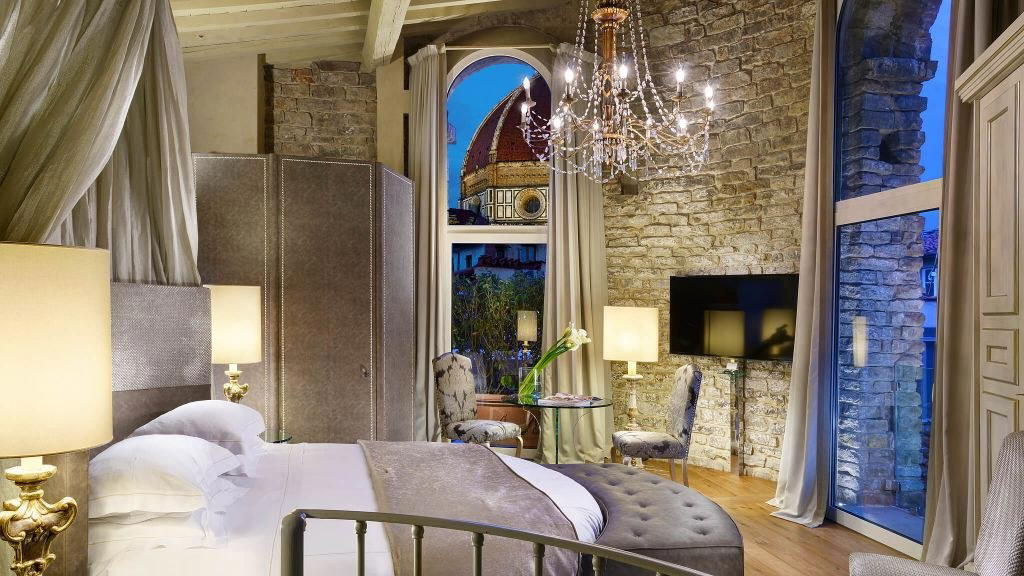
Bars in Florence
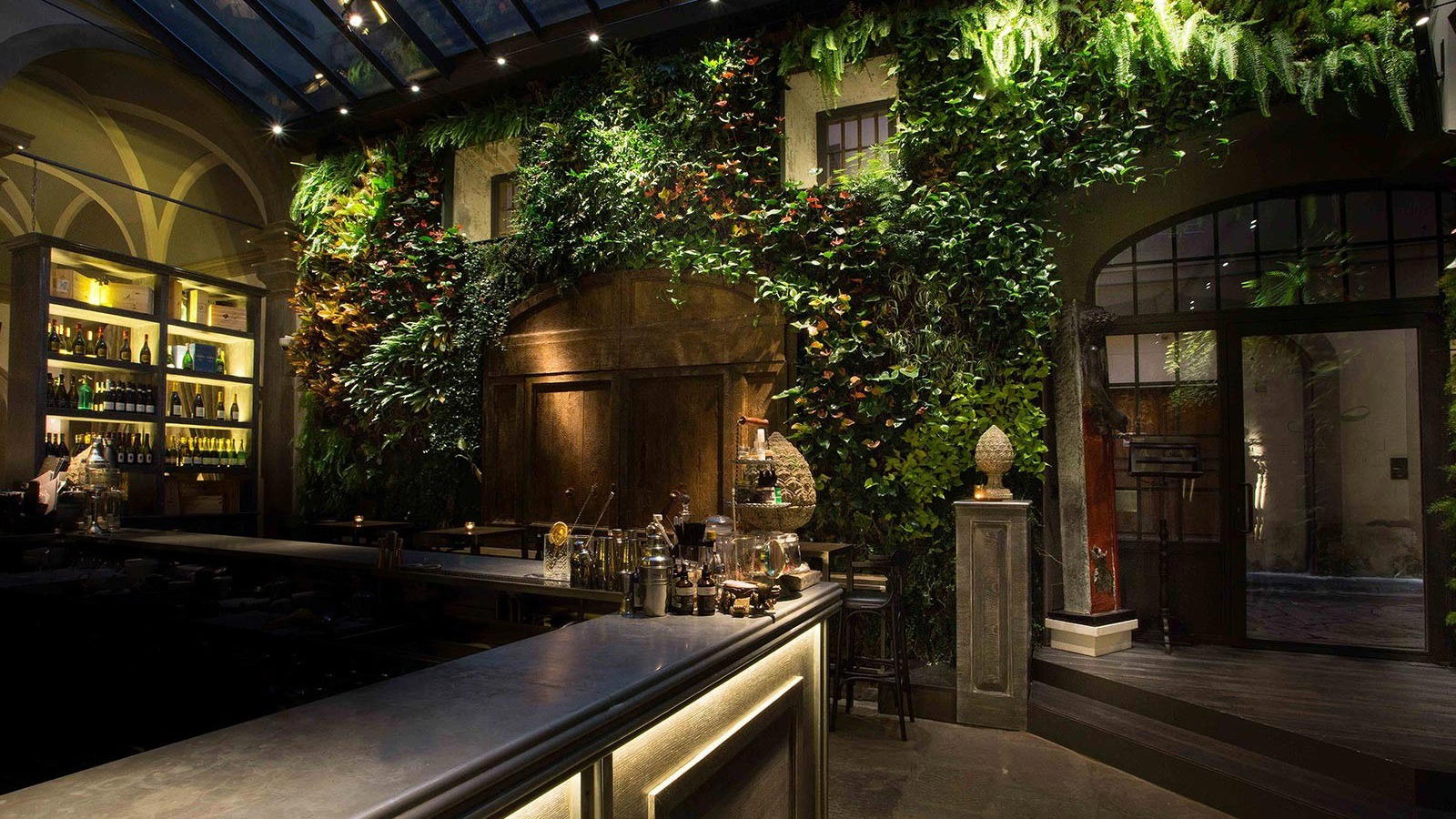
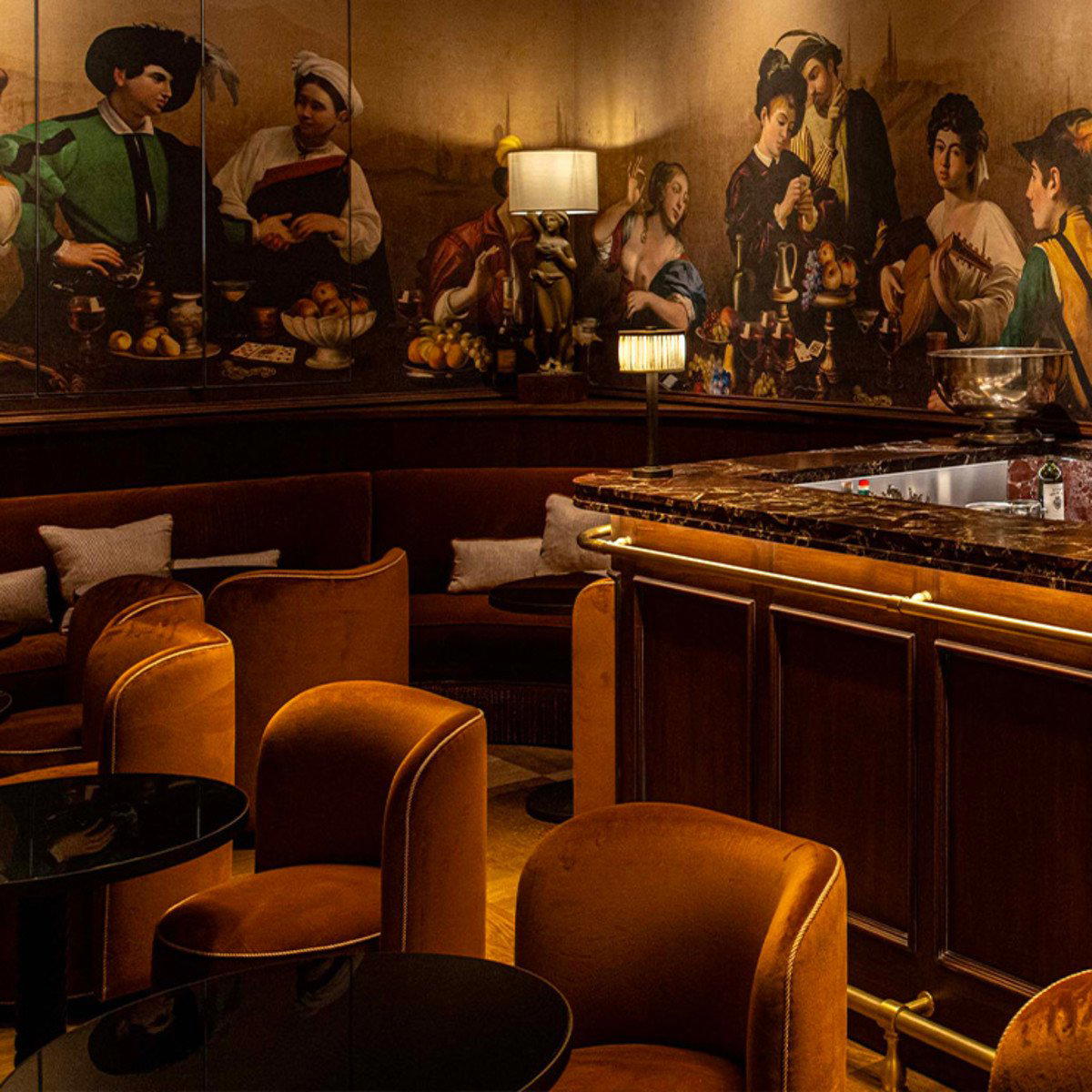
All bars in Florence →
Restaurants in Florence
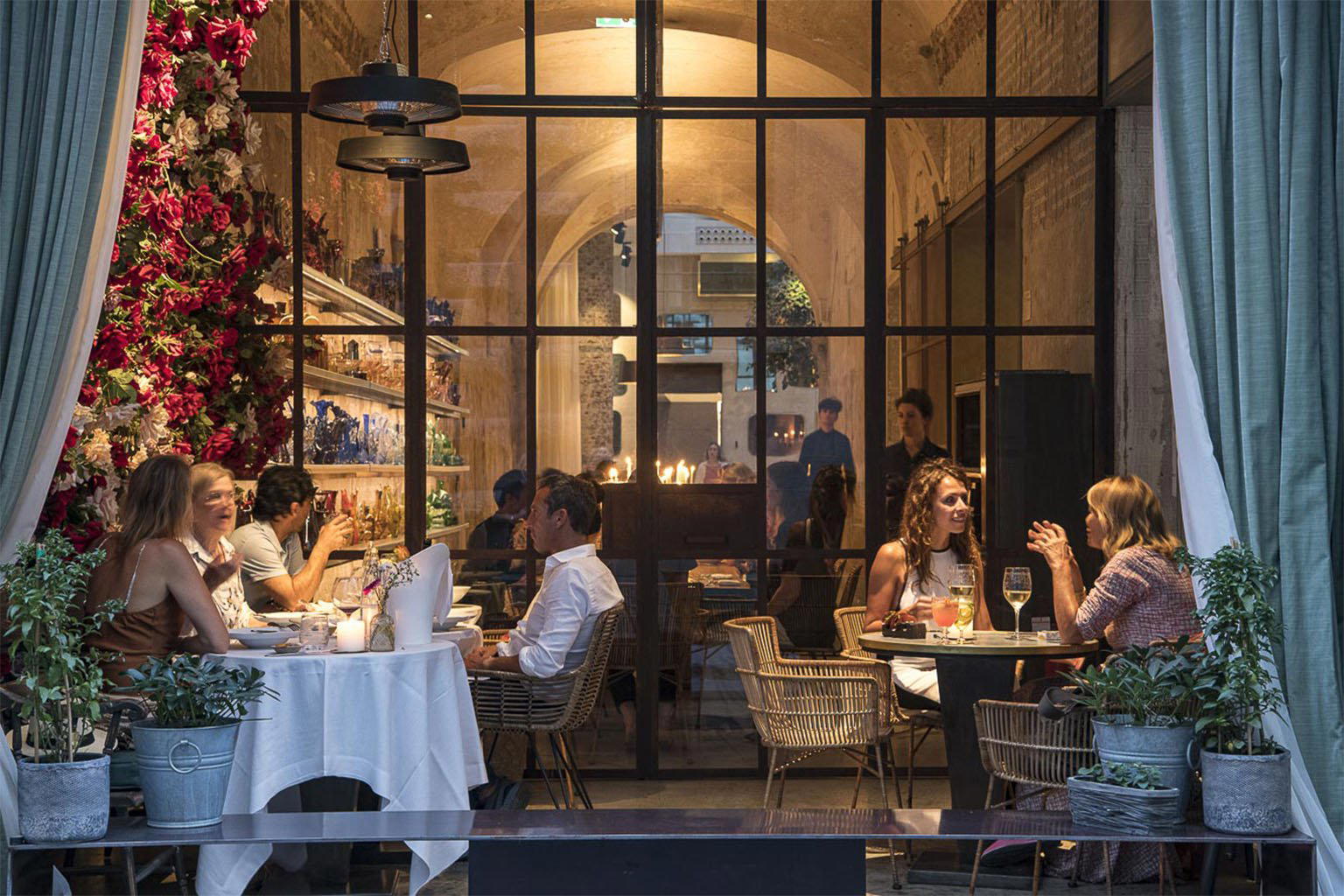
All restaurants in Florence →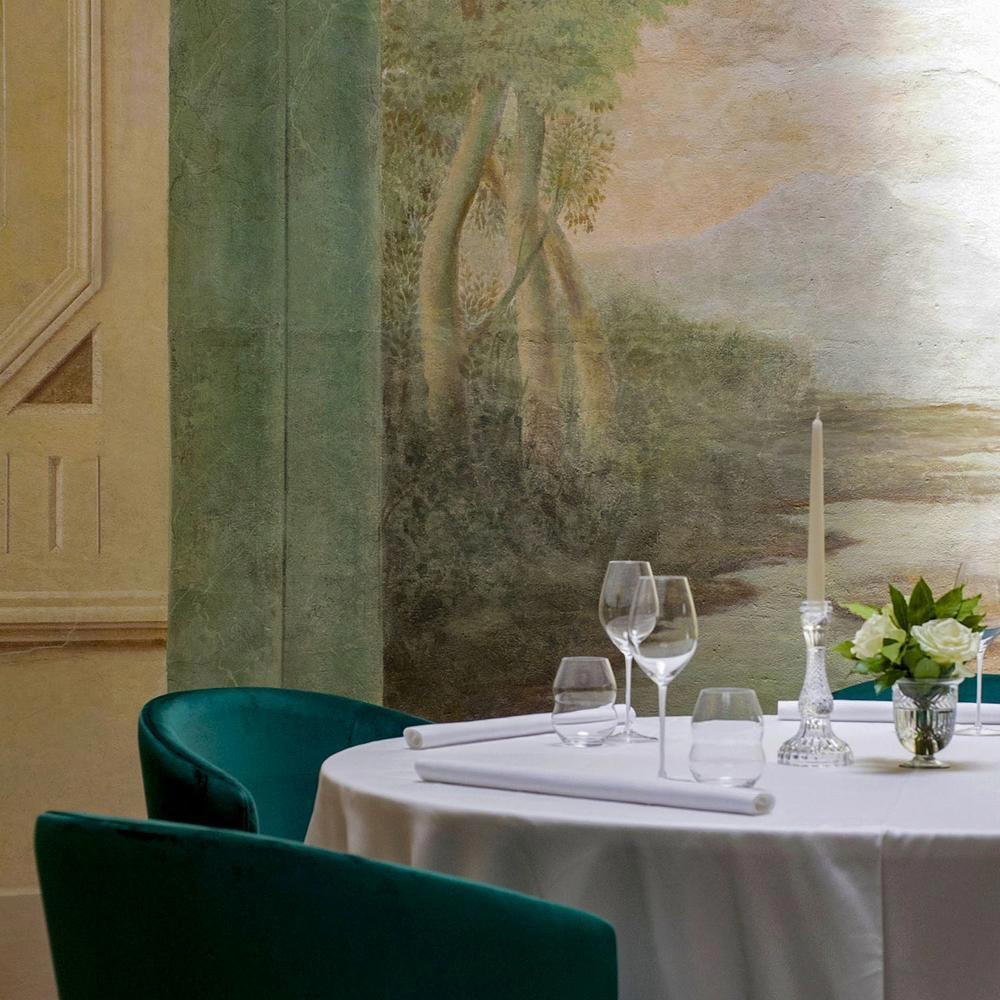

Details
- Elegant
- Sophisticated
- Historic
- Romantic
- Intimate
- Ornate
- Romantic Getaway
- Honeymoon
- Anniversary
- Historic Building
- Panoramic View
- Wi Fi
- Pool
- Spa
- Sauna
- Fitness Center
- Room Service
- Concierge
- Restaurant
- Bar
- Skyline
- Elevator
Elegant and quiet historic atmosphere with soft lighting in frescoed rooms and underground spa vaults, praised for its sophisticated Renaissance charm.