
Ad Astra earned a Michelin Key in 2024, placing it among a select tier of Florence accommodations recognised for polished hospitality standards. Located on Via del Campuccio in the Oltrarno district, the property carries. For travellers seeking a considered base on the quieter, artisan-facing side of the Arno, it represents a credible alternative to the city's larger luxury operators.
Pearl is the En Primeur Club membership app — saves, bookings, and concierge access live there. Same editors, same standards.
- Address
- Via del Campuccio, 53, 50125 Firenze FI
- Phone
- +39 055 075 0602
- Website
- adastraflorence.com
- Directions
- Get directions
 Saves & bookings on Pearl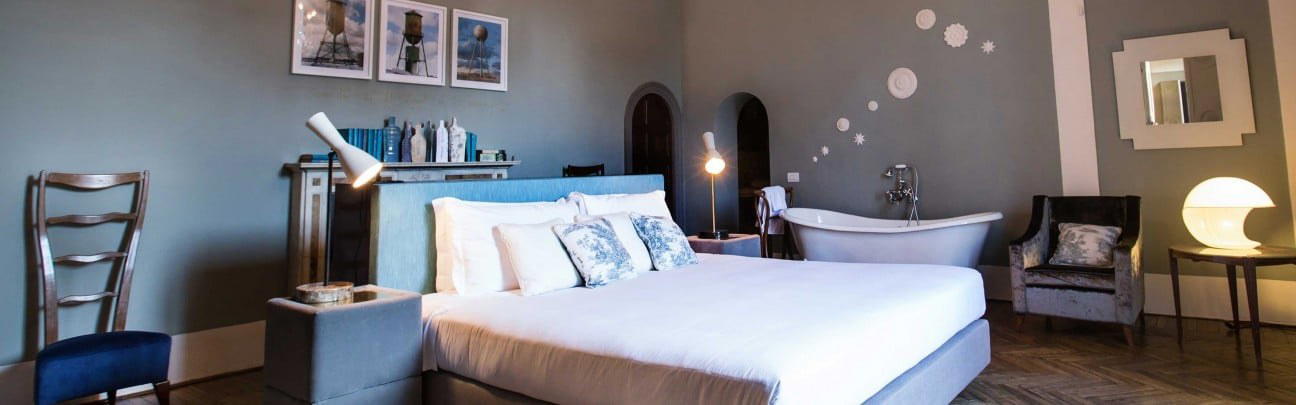
The Oltrarno Context: Florence's Quieter Register
Florence's accommodation scene divides cleanly along the Arno. The northern bank, anchored by properties like the Four Seasons Hotel Firenze and the Hotel Lungarno, draws travellers who want proximity to the Uffizi corridor, designer retail, and the full spectacle of the historic centre. The southern bank, the Oltrarno, runs on different logic. Craftsmen's workshops, neighbourhood trattorias, and smaller piazzas have kept the area from over-indexing on mass tourism, and the accommodation that has developed there reflects that character: fewer keys, more attention to the grain of the neighbourhood.
Ad Astra sits at Via del Campuccio 53, deep inside this southern quarter. The address alone signals an editorial choice: this is not a hotel positioned to capture the broadest possible audience, but one that assumes its guests already know which side of the river they want to be on. That positioning is reinforced by the Michelin Key it received in 2024, an award that evaluates hospitality as a whole rather than a restaurant programme in isolation, and that places Ad Astra in a comparable set defined more by guest experience quality than by room count or brand affiliation.
What a Michelin Key Signals in 2024
Michelin's Keys programme, relaunched with renewed rigour, assesses hotels on the same principle the guide applies to restaurants: consistency, craft, and a clear point of view. In Italy, where the accommodation market spans everything from family-run relais to international luxury flagships, receiving a Key in the programme's early years of recognition carries particular weight. It suggests the inspectors found something worth returning to: a coherence between the physical space, the service register, and the guest's experience of place.
In Florence specifically, the hotels carrying that recognition in 2024 represent a varied but curated set. Properties like Palazzo Portinari Salviati Residenza D'Epoca operate from restored historic palaces with considerable heritage infrastructure. Others, like Villa Cora, carry their distinction through architecture and garden scale. Ad Astra's Key, awarded to a relatively low-profile Oltrarno address, suggests a different kind of case being made: quality delivered at human scale, without relying on monumental architecture or a famous name above the door.
At that sample size, a high average is harder to maintain than at small review counts, and the score indicates a guest experience that translates reliably rather than performing well only under ideal conditions.
Responsibility as Design Principle: Smaller Footprints in a Saturated City
Florence receives tens of millions of visitors annually. The pressure that volume places on the city's infrastructure, its historic fabric, and its resident communities is a documented and ongoing tension. In that context, how a hospitality property operates, not only what it offers guests but how it engages with the neighbourhood around it, carries real weight.
The trend among properties that sit in Ad Astra's tier, those awarded on the basis of coherence and craft rather than scale, is increasingly toward what might be called responsible luxury: limited physical footprint, sourcing that supports local producers and artisans, and an operational model that does not extract from the neighbourhood more than it contributes. This is not a marketing register; it is a structural reality for small properties in dense historic cities. A hotel that relies on Oltrarno's character for its appeal has a direct stake in that character's preservation.
Across Italy, this approach is visible at a number of properties that EP Club tracks. Riva Lofts Florence, with its converted industrial space along the Arno, operates on a similar principle of low-volume, high-engagement hospitality. Further afield, Castello di Reschio in Lisciano Niccone and Casa Maria Luigia in Modena have both built their reputations on a relationship with land, local production, and artisan craft that the Michelin Key framework now formally recognises as a hospitality value, not merely an ethical add-on.
For the traveller choosing the hotel, that context matters practically. Staying in the Oltrarno, at a property recognised for the quality of its guest experience rather than its brand infrastructure, positions you within the neighbourhood rather than above it. The artisan workshops, the neighbourhood coffee bars, and the less-trafficked museum spaces of the southern bank become accessible in a way that a larger central hotel rarely enables.
Placing Ad Astra in the Florence comparable set
Florence's premium accommodation sits across several distinct competitive tiers. At the upper end, properties like the Brunelleschi Hotel and the Hotel Calimala trade on central location and the full-service model expected of four-star-plus urban hotels. The Villa La Massa, set outside the city along the Arno, represents a different proposition entirely: the Florentine countryside estate model, with the city as day-trip destination rather than immediate context.
The hotel does not compete directly with any of these. Its Michelin Key places it in a quality-assured tier, but the Oltrarno location and the apparent scale of the property point toward a different guest: someone who wants Florence genuinely, not Florence as backdrop. That distinction matters when comparing it against the broader Italian luxury hotel market. Properties like Borgo Santandrea on the Amalfi Coast, Il San Pietro di Positano, or Rosewood Castiglion Del Bosco in Montalcino anchor their identity in landscape and retreat. The hotel's identity is anchored in a specific urban neighbourhood at a specific moment in Florence's relationship with its own tourism pressure.
For travellers building an Italy itinerary across multiple cities, that specificity is useful positioning information.
Planning a Stay: What to Know
The hotel's address on Via del Campuccio places it within walking distance of the Ponte Vecchio and the major Oltrarno sites, including the Pitti Palace, Boboli Gardens, and the concentration of antique dealers and craftspeople along Via Maggio. The neighbourhood rewards pedestrian exploration; the street grid is navigable and the density of genuinely local commerce is higher here than on the northern bank.
Given the Michelin Key recognition and the 4.8 review average, forward planning is advisable, particularly for the spring and early autumn periods when Florence's visitor numbers peak and accommodation at this quality tier fills well in advance. Reservations are recommended, and the property’s 16 rooms make advance planning sensible in peak periods. For broader context on where the hotel sits within the city's hospitality offering, our full Florence restaurants and hotels guide maps the major properties and dining options across all neighbourhoods.
Travellers combining Florence with wider Italian itineraries will find useful comparisons in EP Club's coverage of Passalacqua in Moltrasio, Portrait Milano, and Borgo Egnazia in Savelletri di Fasano, each of which represents the quality-led, coherence-first approach that the Michelin Key framework now formally tracks across Italian hospitality.
A Pricing-First Comparison
Comparable venues nearby, for context on price, style, and recognition.
| Venue | Price | Awards | Notes |
|---|---|---|---|
| Ad AstraThis venue — the venue you are viewing | $$$ | Michelin 1 Key | Not listed |
| The James Suite Hotel Firenze 1564 | $$$$ | 5-Star | San Niccolo, 16th-century Renaissance palazzo with modern luxury restyling |
| Borgo Pignano Florence - A Virtuoso Preview Property | $$$$ | 5-Star | La Pietra, Historic Tuscan estate blending Renaissance heritage with contemporary luxury and artistic curation |
| La Gemma | $$$$ | 5-Star | Santo Spirito, 19th-century palazzo with modern Italian hospitality |
| Hotel Calimala | $$$ | Michelin 1 Key | Santo Spirito, Luxury boutique hotel occupying two adjacent historic Florentine buildings with contemporary renovations by designer Alex Meitlis, featuring authentic materials like pietra serena and Tuscan marble. |
| Hotel Continentale | $$$$ | 4-Star | Santo Spirito, Mid-century Italian glamour in a historic tower. |
Recognition history
Dated appearances from independent guides and award organizations, with the underlying list record or original source where available.
Mr & Mrs Smith Smith Seal of Approval
Mr & Mrs Smith
Michelin Selected
Michelin
Michelin 1 Key
Michelin
Continue exploring
More in Florence
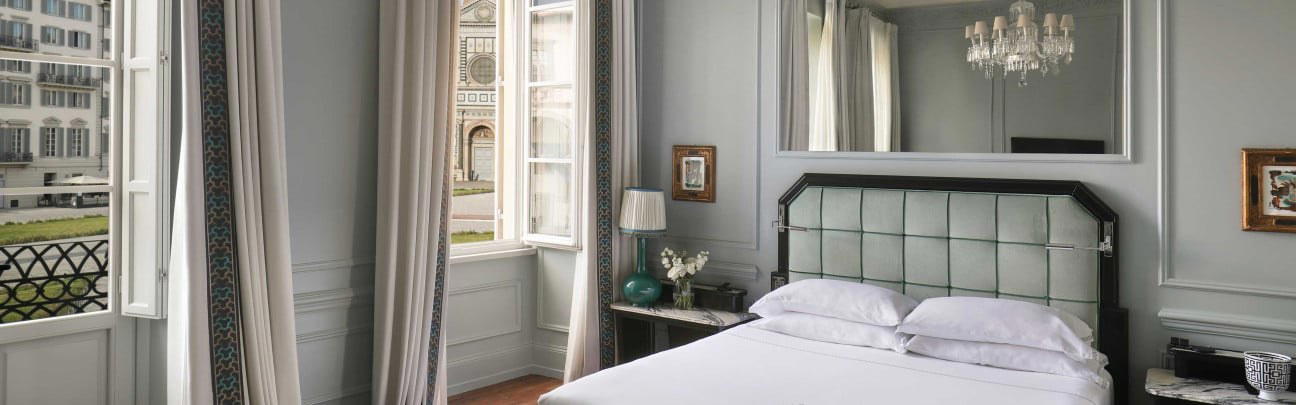
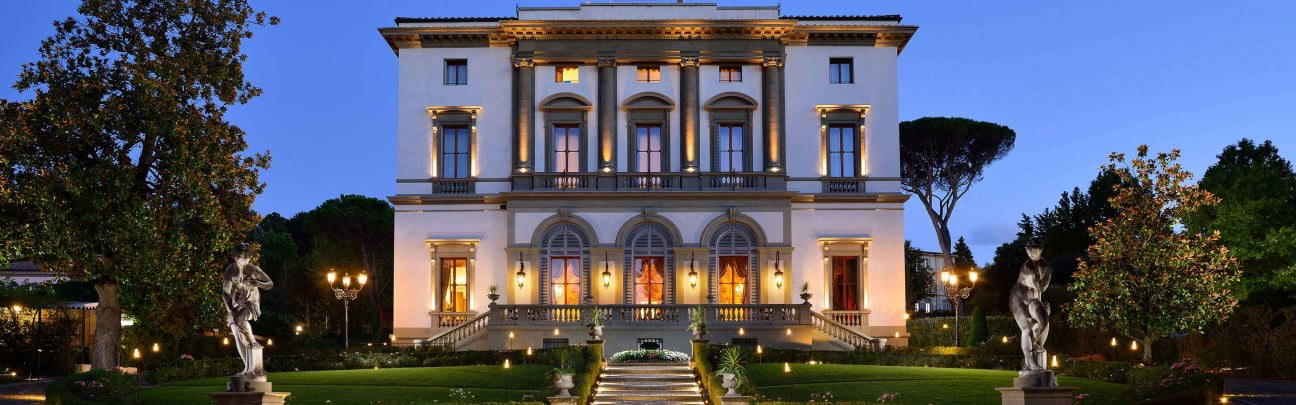
Hotels in Florence
Browse all →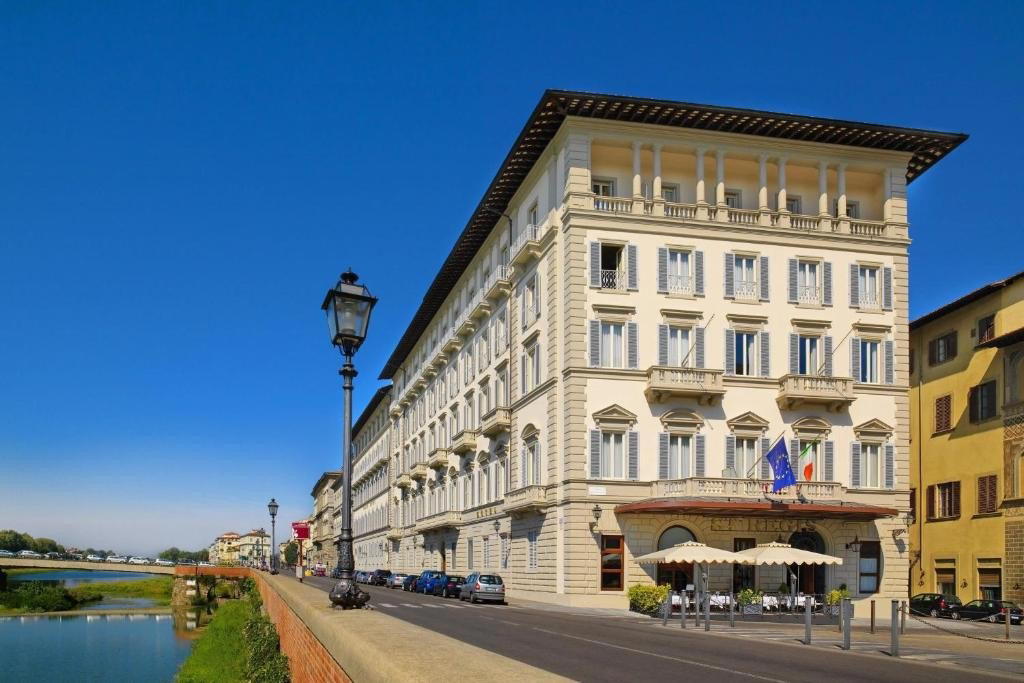
Bars in Florence
Browse all →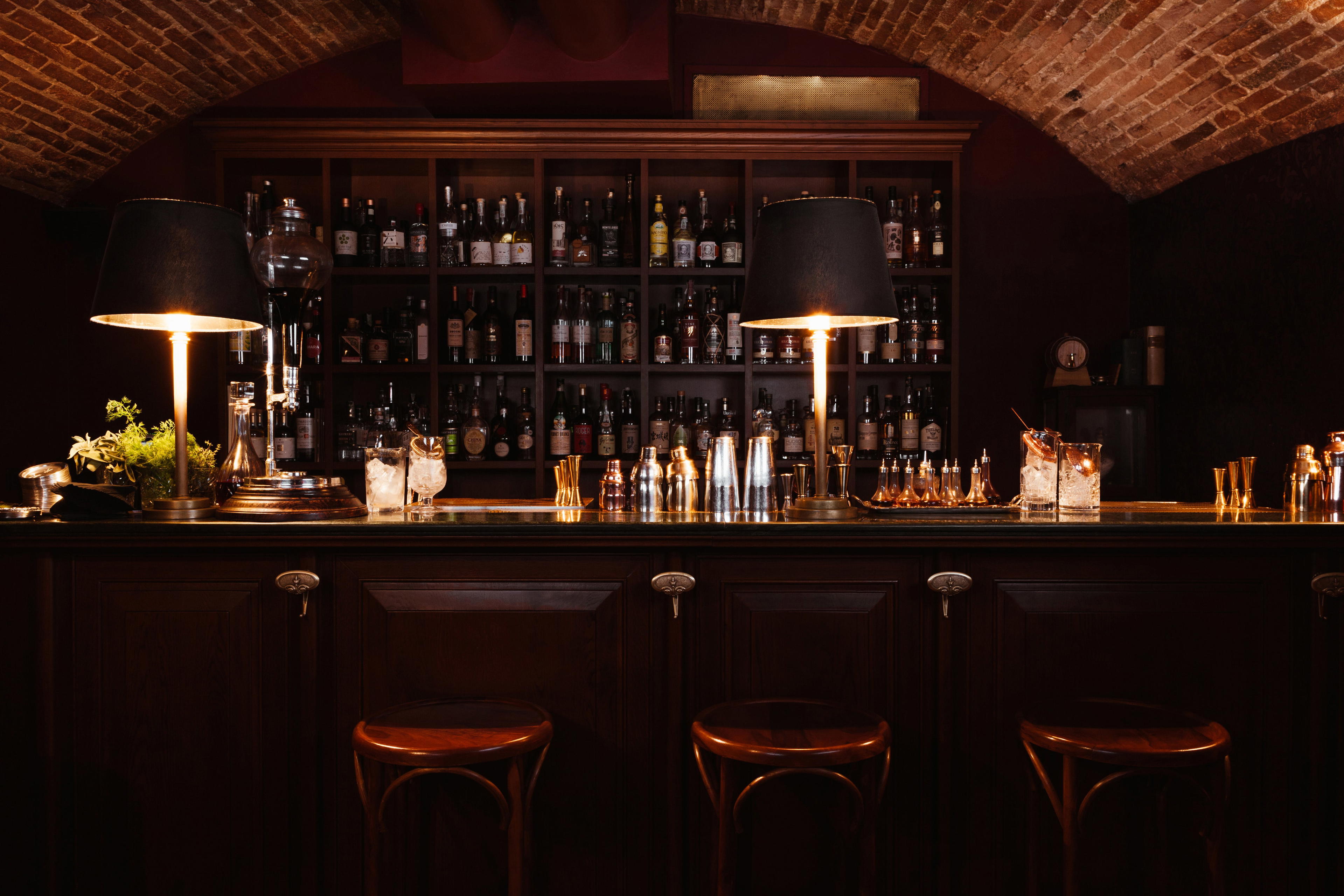
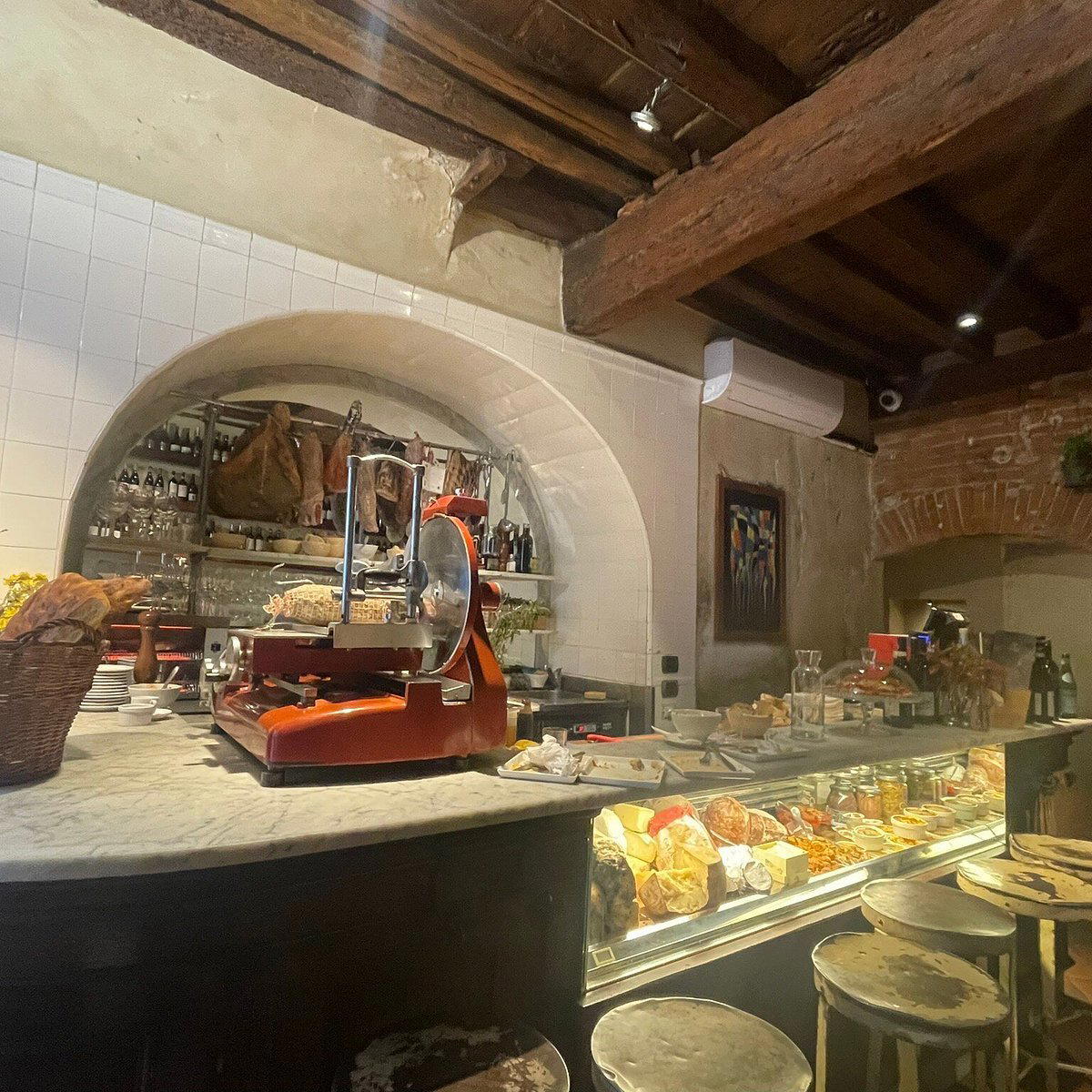
Restaurants in Florence
Browse all →
At a Glance
- Romantic
- Elegant
- Intimate
- Cozy
- Sophisticated
- Romantic Getaway
- Anniversary
- Weekend Escape
- Garden
- Terrace
- Historic Building
- Wi Fi
- Breakfast Included
- Air Conditioning
- Concierge
- Garden
- Room Service
- Garden
- Wi Fi
- Breakfast Included
- Air Conditioning
- Concierge
- Garden
- Room Service
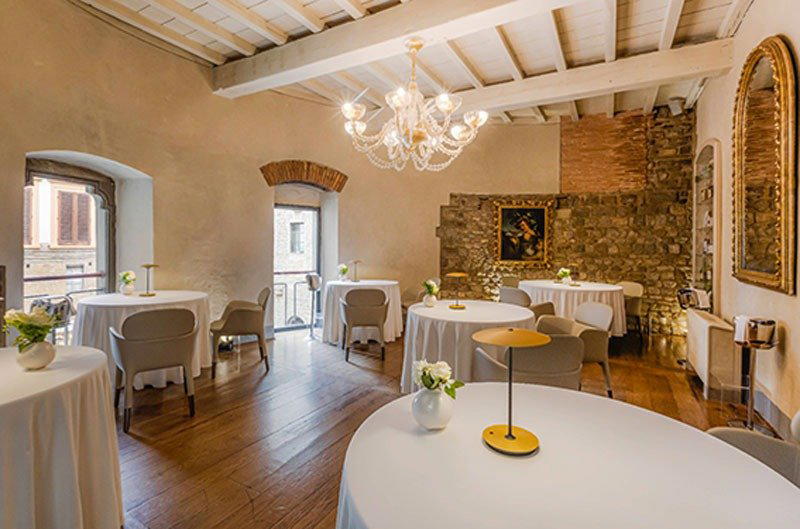
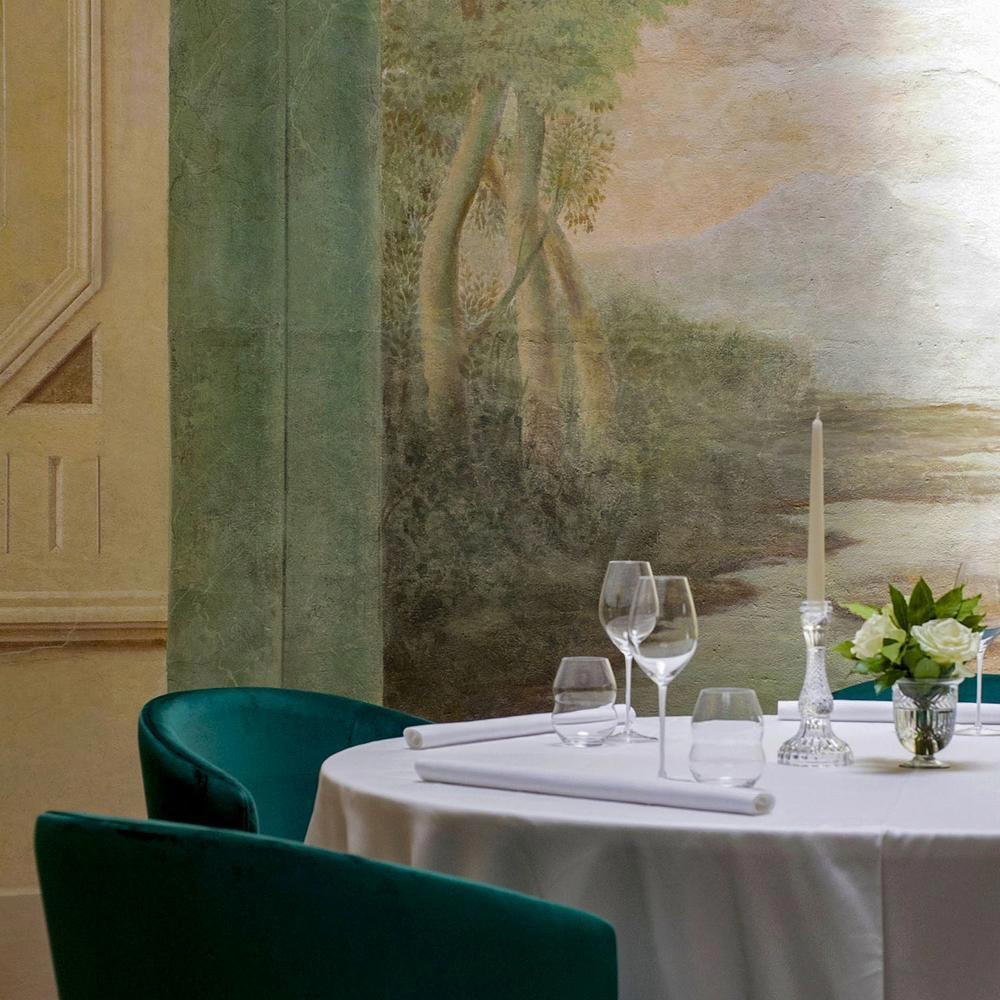
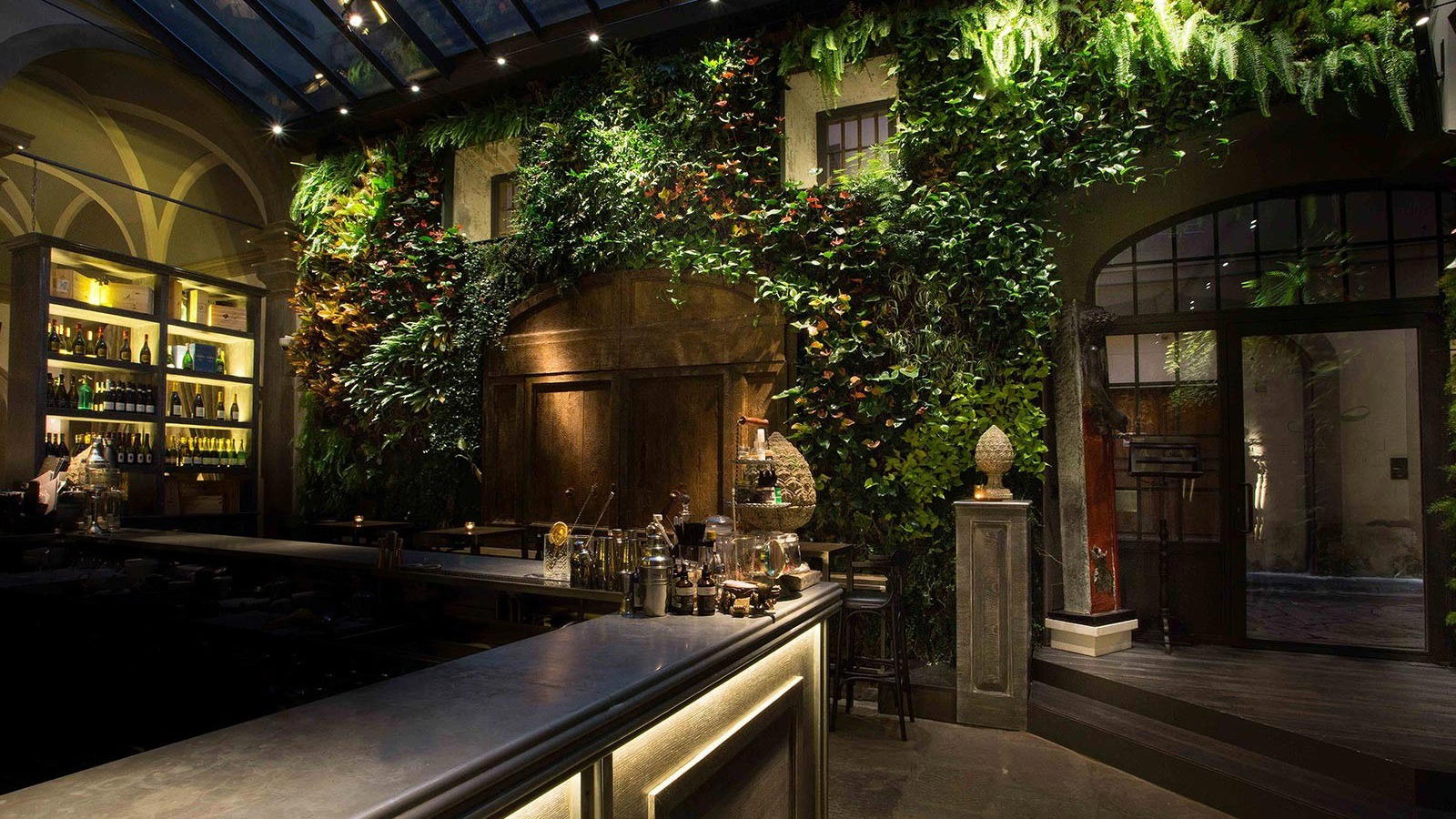
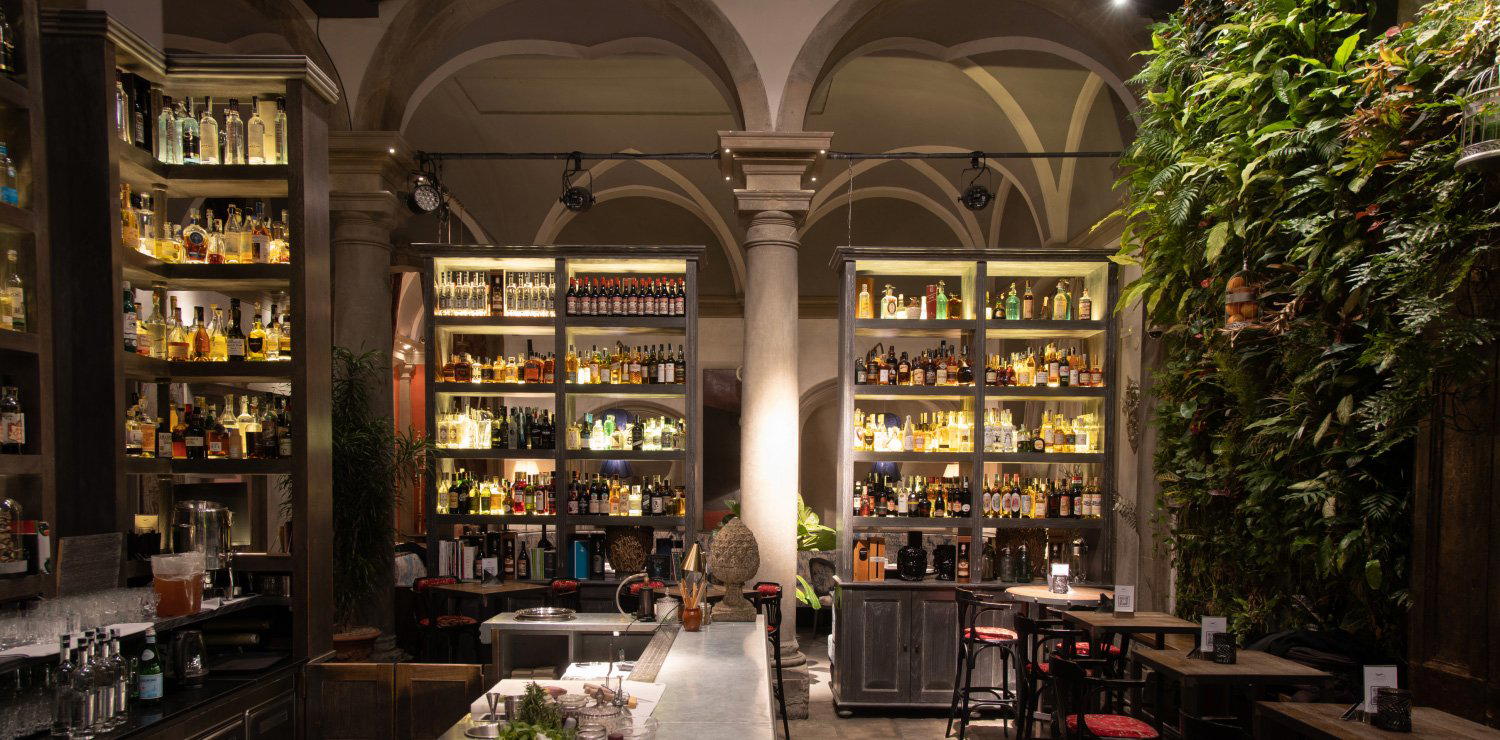
Elegant and quirky with high ceilings, eclectic Italian design, artistic touches, and a calm oasis atmosphere enhanced by garden views and terrace dining.