
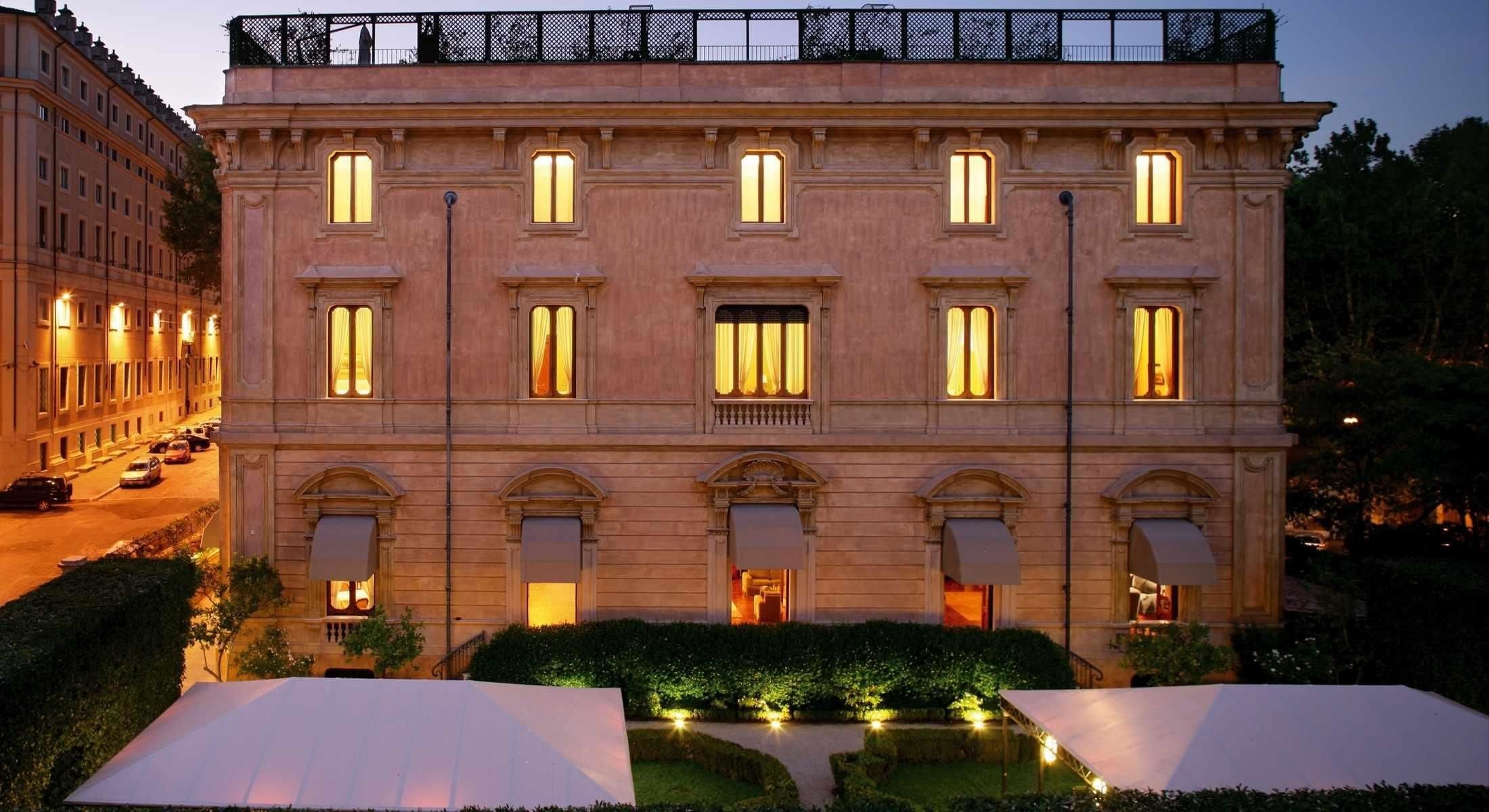
Hotel San Anselmo occupies a late-nineteenth-century villa on the Aventine Hill, one of Rome's quietest residential rises, and carries Michelin Selected recognition for 2025. The property sits within a small cluster of garden hotels that offer a genuinely different pace from the centro storico without sacrificing access to the city's major sites. For travellers who want Roman history without the noise directly below their window, the Aventine remains a serious alternative to Trastevere or the Spanish Steps corridor.
Pearl is the En Primeur Club membership app — saves, bookings, and concierge access live there. Same editors, same standards.
- Address
- Piazza di Sant'Anselmo, 2, 00153 Roma RM, Italy
- Phone
- +39 06 570057
- Website
- aventinohotels.com
- Directions
- Get directions
 Saves & bookings on Pearl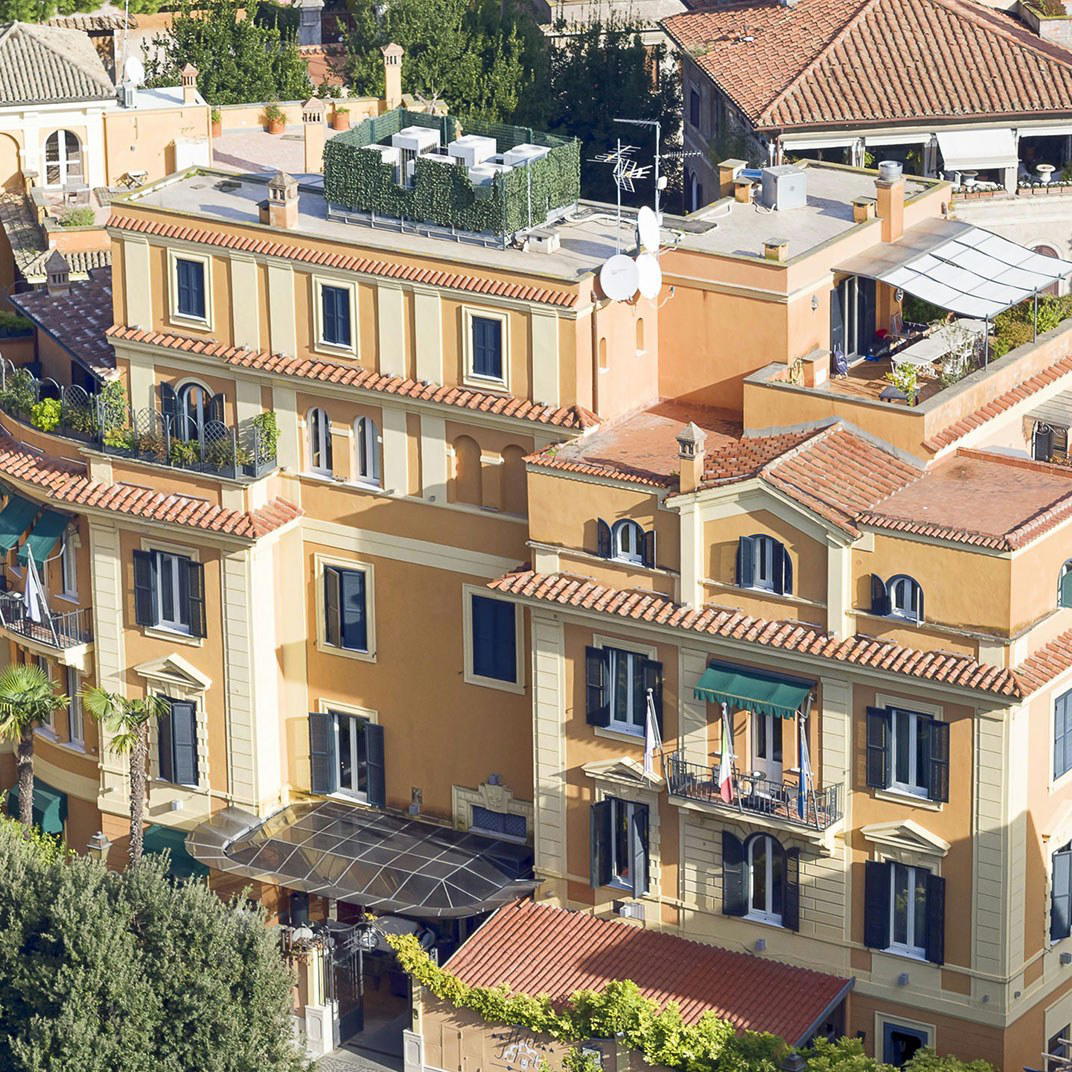
The Aventine Hill and the Hotels That Chose It
Rome's hotel market tends to concentrate along a predictable axis: the Spanish Steps, Via Veneto, the historic centre, and the Vatican fringe. The Aventine Hill, rising just south of the Circus Maximus, has resisted that pattern. Its residential character, Benedictine abbeys, and orange garden with a keyhole view of St Peter's dome have kept the neighbourhood quieter than almost anywhere else within the Aurelian Walls. Hotels that establish themselves here are making a deliberate argument about what a Roman stay should feel like, and Hotel San Anselmo is one direct expression of that argument on the hill.
The property occupies a late-nineteenth-century villa on Piazza San Anselmo, a small square that takes its name from the Benedictine basilica directly opposite. The architecture belongs to the period when the Aventine was developed as a bourgeois residential district after Italian unification, and the building retains the proportions and ornamental detail of that era rather than erasing them in favour of a contemporary fit-out. That decision places Hotel San Anselmo in a specific tier of Roman hospitality: properties where the structure itself is the primary design statement, and where restoration choices either reinforce or undermine the original. The hotel's inclusion in the Michelin Selected Hotels 2025 list confirms that the execution holds up against European peer scrutiny.
A Building With Layers
The late-nineteenth-century villa typology is not rare in Rome, but surviving examples in active hospitality use on the Aventine are limited. The hill's development history gives the building a particular resonance: unlike the medieval layers of Trastevere or the Baroque accumulation of the centro storico, Aventine residential architecture represents a self-conscious modernity, a city trying to look like a capital. Staying in a property from that period, on that hill, is a different kind of historical engagement than booking a converted palazzo near the Pantheon.
Piazza itself reinforces the atmosphere. Piazza San Anselmo sees almost no tourist foot traffic compared to the city's central squares. The Benedictine church of Sant'Anselmo all'Aventino, directly opposite, hosts Gregorian chant on Sunday evenings during certain liturgical periods, which gives the neighbourhood a sonic character that few Roman locations can match. Guests approaching the hotel on foot from the Circus Maximus side pass through streets lined with umbrella pines and private walled gardens, a sequence that conditions expectations before arrival.
Where It Sits in Rome's Hotel Tier
Rome's premium independent hotel market has become more stratified over the past decade. At one end sit large-footprint luxury addresses with flagship restaurants and spa infrastructure, properties like Bulgari Hotel Roma and Hotel Eden, which compete on amenity breadth as much as location. At the other end, a smaller cohort of design-led boutique properties competes on atmosphere, neighbourhood specificity, and a more contained scale, a group that includes Hotel Vilòn, JK Place Roma, and Portrait Roma.
Hotel San Anselmo occupies a third position: the heritage villa hotel with genuine neighbourhood roots. Its peer comparison is less with the boutique design properties of the centro storico and more with properties like Hotel Locarno or Maalot Roma, where the building's own history and the surrounding residential fabric are central to the offer. For guests who find the Prati or Parioli hotel cluster too far from the ancient city, or the Tridente too dense, the Aventine represents a calibrated middle ground.
The Michelin Selected designation matters in this context because it signals consistent delivery rather than speculative promise. The Michelin hotel guide applies criteria around welcome, service quality, and comfort that are independent of brand affiliation, and inclusion indicates that the property holds its standard across guest cycles rather than at peak conditions only.
The Aventine as a Base
Guests using the Aventine as a base access a particular cross-section of Rome that is neither the standard tourist circuit nor a remote neighbourhood requiring significant transit time. The Circus Maximus is within a ten-minute walk, the Palatine Hill entrance is close enough to reach before the morning crowds consolidate, and the Testaccio market district sits on the hill's northern slope. For those with an interest in early Christian Rome, the Aventine concentration of ancient basilicas, including Santa Sabina, among the stronger-preserved fifth-century churches in the city, gives the neighbourhood a depth that most hotel districts cannot match.
Compared to the hotel clusters near the Colosseum or the Spanish Steps, the Aventine offers a quieter sleep, fewer street-level restaurants competing for tourist attention at dinner, and a more accurate picture of how Romans actually occupy their city. Travellers who have already done Rome once and want to inhabit rather than consume it tend to gravitate here.
Seasonal Considerations
The Aventine's garden character makes it particularly rewarding in spring and autumn. The Giardino degli Aranci (Garden of Oranges) on the hill's crest, a public park maintained by the city and one of Rome's most visited viewpoints among residents rather than tourists, reaches its leading condition from late March through May and again in October. Summer visits are workable given the hill's slight elevation and tree cover, but the Roman August heat is indifferent to neighbourhood distinctions. Winter bookings, particularly around Christmas and Epiphany, benefit from the Benedictine liturgical calendar and the relative emptiness of the surrounding streets.
Italy in Broader Context
For travellers building a longer Italian itinerary around properties of comparable character, the country offers a coherent set of comparisons. Aman Venice and Passalacqua in Moltrasio operate in the upper tier of the heritage villa category. Four Seasons Hotel Firenze and Castello di Reschio in Lisciano Niccone represent the Tuscan end of the spectrum, while Borgo Santandrea on the Amalfi Coast, Il San Pietro di Positano, and JK Place Capri cover the southern coastal register. Casa Maria Luigia in Modena, Portrait Milano, Il Pellicano in Porto Ercole, Rosewood Castiglion Del Bosco in Montalcino, Corte della Maestà in Civita di Bagnoregio, and Savoia Excelsior Palace Trieste round out a national picture in which heritage buildings with specific local identities form one of Italy's most durable hospitality categories. Beyond Italy, properties with a comparable relationship to neighbourhood character and architectural history include The Fifth Avenue Hotel in New York City, Badrutt's Palace Hotel in St. Moritz, and Hôtel de Paris Monte-Carlo.
Planning a Stay
Hotel San Anselmo's address at Piazza San Anselmo 2 places it at the hill's quieter residential core. The nearest metro station is Circo Massimo on Line B, a short walk down the hill's northern side, which connects directly to Termini for onward travel. The Aventine's streets are walkable but hilly, so guests with significant luggage should confirm taxi or car service arrangements rather than assuming easy pedestrian access from transit stops. Booking can be arranged directly through the property or through a qualified travel advisor.
Peers in This Market
Comparable venues nearby, for context on price, style, and recognition.
| Venue | Cuisine | Price | Notes |
|---|---|---|---|
| Hotel San AnselmoThis venue — the venue you are viewing | Restored fin de siècle villa with eclectic baroque-contemporary fusion | $$$ | Not listed |
| 1880 Atypical Rooms | Renovated 19th-century building with atypical modern design | $$$ | Monti |
| Mama Shelter Roma | Playful urban design hotel blending classical modernism with postmodern irreverence and street art aesthetics. | $$$ | Monte Mario |
| citizenM Roma Isola Tiberina | affordable design hotel in historic mid-century building | $$$ | Isola Tiberina |
| H10 Palazzo Galla | Renovated 19th-century bourgeois building fusing Roman classicism with contemporary elements | $$$ | Trevi |
| Hotel Pulitzer Roma | Contemporary design hotel with classic Italian influences positioned as ideal for business travelers and families. | $$$ | Ostiense |
Recognition history
Dated appearances from independent guides and award organizations, with the underlying list record or original source where available.
Michelin Selected
Michelin
Continue exploring
More in Rome
Hotels in Rome
Browse all →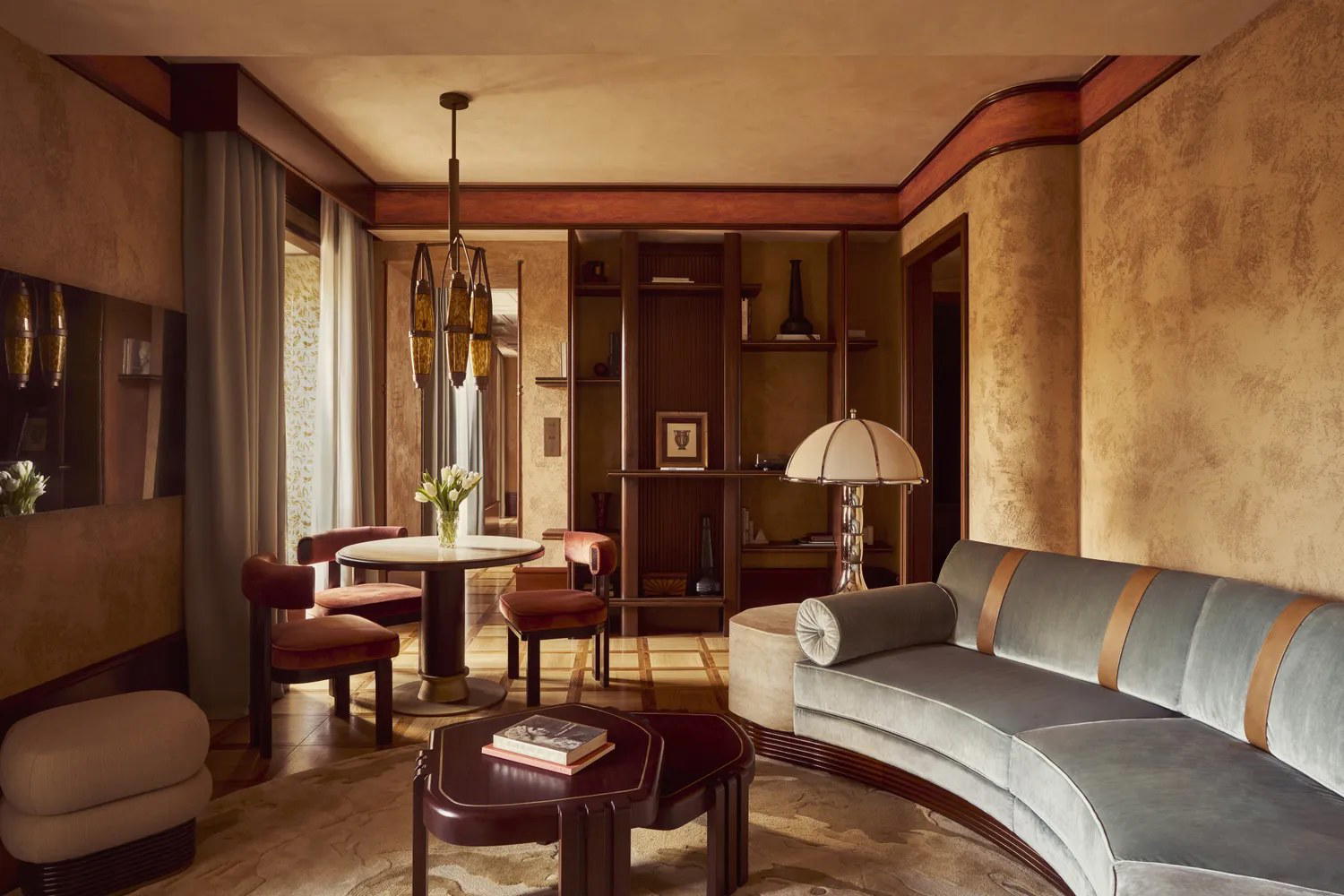
Bars in Rome
Browse all →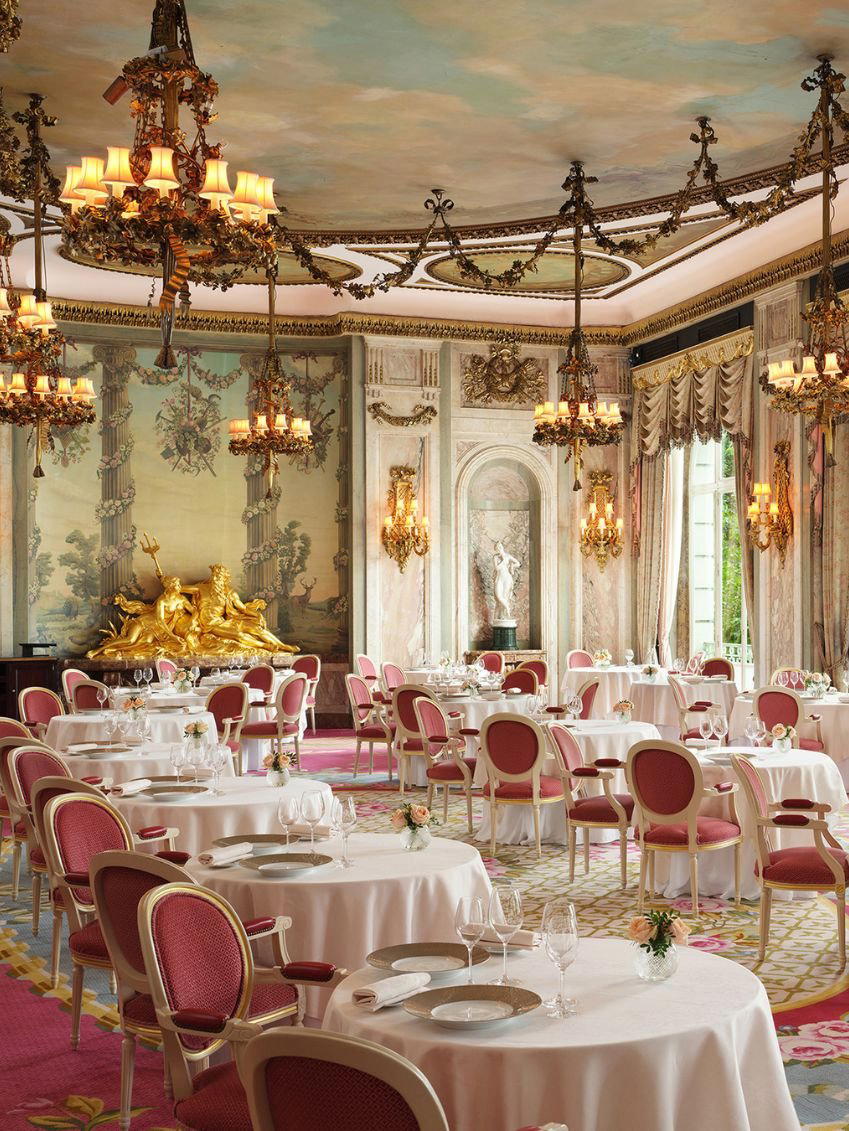
Restaurants in Rome
Browse all →

At a Glance
- Romantic
- Elegant
- Cozy
- Classic
- Intimate
- Romantic Getaway
- Anniversary
- Weekend Escape
- Garden
- Historic Building
- Wi Fi
- Garden
- Restaurant
- Bar
- Room Service
- Concierge
- Air Conditioning
- Street Scene
- Wi Fi
- Garden
- Restaurant
- Bar
- Room Service
- Concierge
- Air Conditioning
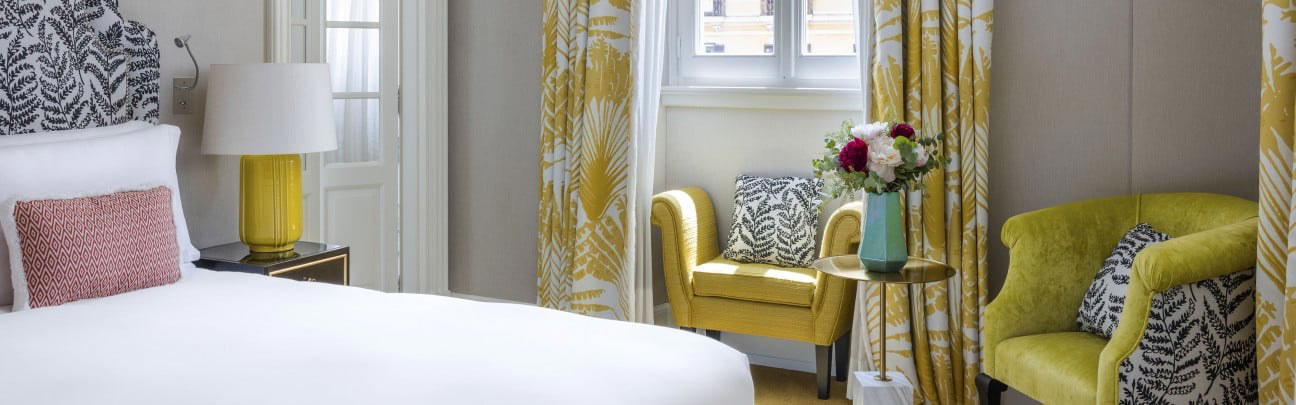
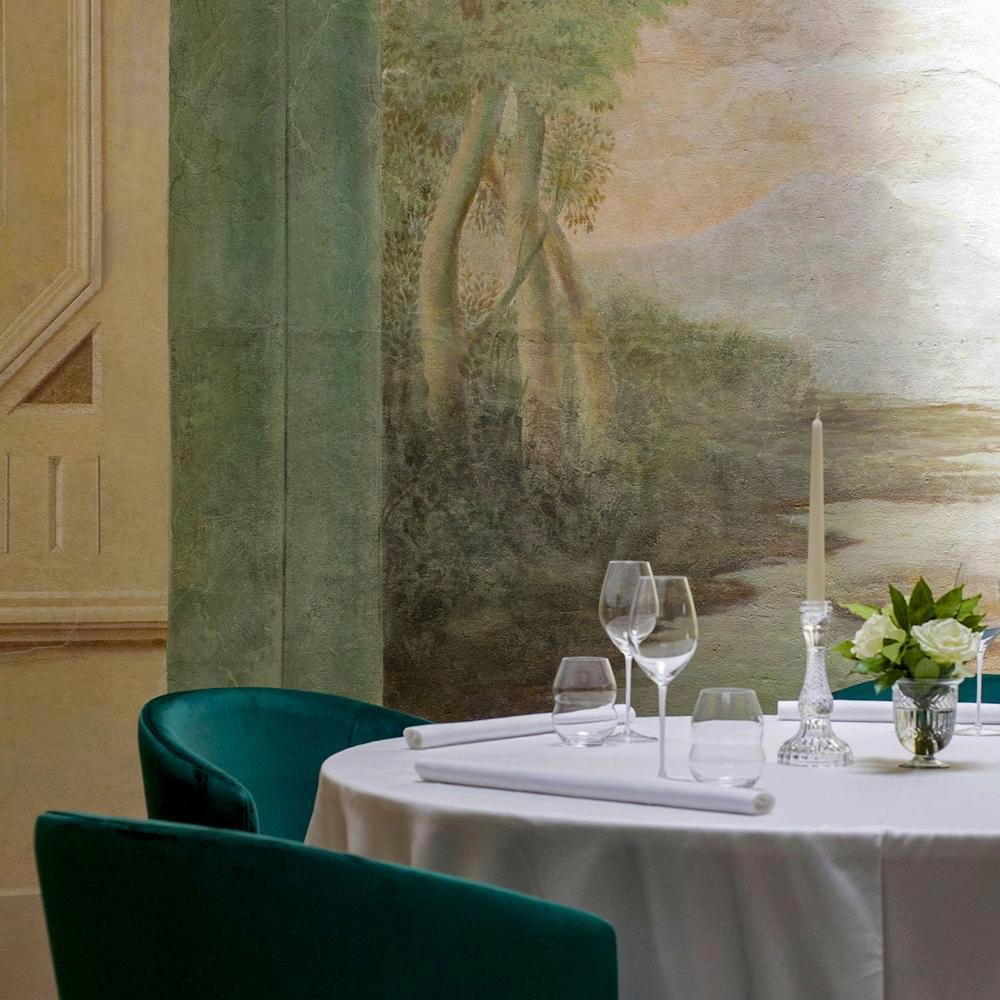
Elegant and ornate interiors blending baroque glamour with contemporary touches, featuring rich drapery, period furniture, and Venetian plaster in a calm, romantic atmosphere.