



A 19th-century crescent palazzo on Piazza della Repubblica, Anantara Palazzo Naiadi positions itself in Rome's upper tier of grand-hotel addresses, carrying La Liste Top Hotels recognition (90.5 points, 2026) and Leading Hotels of the World membership. Its 232 rooms and suites sit above the ruins of the Baths of Diocletian, with rooftop terraces looking out across the city's northeastern skyline.
Pearl is the En Primeur Club membership app — saves, bookings, and concierge access live there. Same editors, same standards.
- Address
- P.za della Repubblica, 48, 00185 Roma RM
- Phone
- +39 06 489381
- Website
- anantara.com
- Directions
- Get directions
 Saves & bookings on Pearl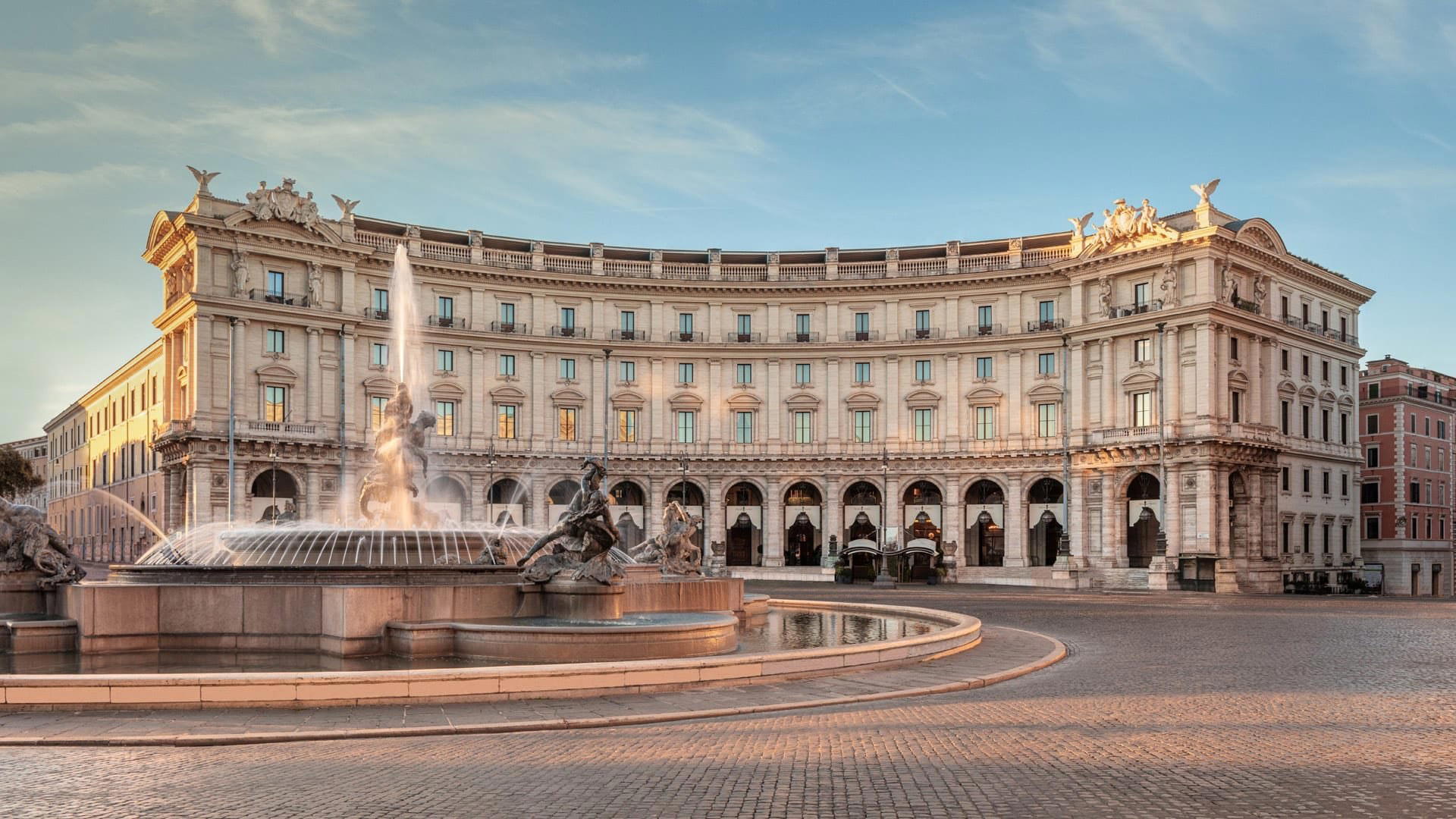
Architecture as Address: The Palazzo on Piazza della Repubblica
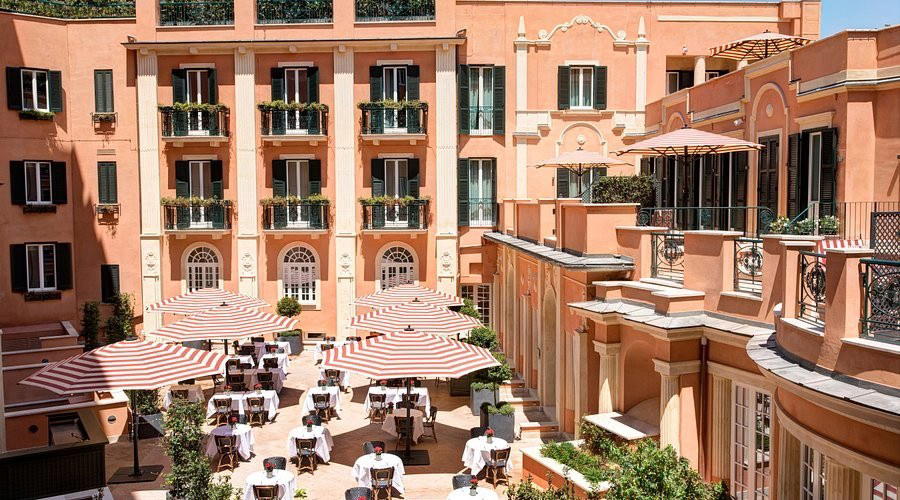
Rome's grand hotels divide broadly into two camps: those that occupy converted Renaissance palazzi on quieter residential streets, and those that command a civic set-piece. Anantara Palazzo Naiadi belongs firmly to the second category. The building forms part of the curved Neoclassical colonnade framing Piazza della Repubblica, a square designed in the 1880s to celebrate unified Italy and anchored at its centre by the Fontana delle Naiadi. The hotel's crescent-facing elevation is not incidental to the guest experience; it is the experience. Arriving on foot from Termini station, roughly ten minutes' walk, means approaching through that colonnade, under vaulted stone arches, before stepping into a lobby that continues the Neoclassical register in marble and coffered detail.
Among Rome's luxury tier, this spatial drama places the hotel in a distinct comparable set. Properties like Bulgari Hotel Roma and Hotel Eden offer a more contained, intimate scale. The Palazzo Naiadi's geometry is altogether more monumental: the crescent plan creates a sense of civic theatre that smaller luxury addresses, however refined, cannot replicate. For travellers whose Rome visit is framed by the city's architectural ambition rather than its boutique quietude, this matters.
What Lies Beneath: The Diocletian Connection
The building's relationship with Roman antiquity is not merely a matter of proximity to famous monuments. Beneath the meeting and event spaces, the ruins of the Baths of Diocletian, one of antiquity's largest bathing complexes, completed around 305 CE and capable of accommodating thousands simultaneously, are physically present, integrated into the hotel's lower levels. The contrast between 19th-century Neoclassical grandeur above and third-century Roman engineering below is the kind of layered historical density that defines Rome's built environment at its most concentrated. Hassler Roma trades on the Spanish Steps; Portrait Roma on the Via Condotti address. The Palazzo Naiadi's claim is rarer: excavated antiquity folded directly into the building's own footprint.
Scale and Room Configuration
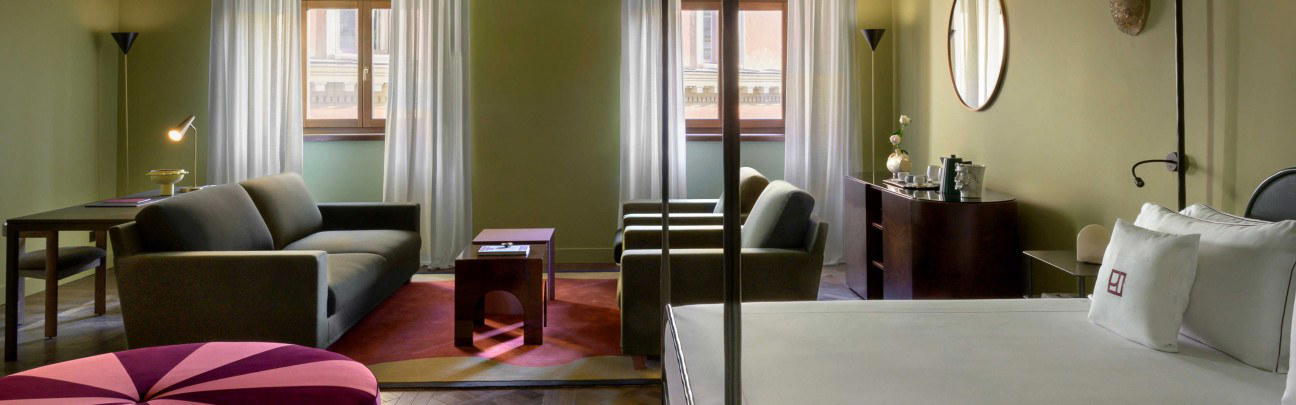
With 160 rooms and 72 suites, 232 keys in total, the hotel occupies a scale well above Rome's smaller design-led properties. Hotel Vilòn, JK Place Roma, and Maalot Roma each operate with fewer than 30 keys, offering a residential compression that the Palazzo Naiadi does not attempt. Instead, the hotel's scale allows for a range of room typologies that smaller addresses cannot sustain, from standard Neoclassical-furnished rooms to suites with views across the piazza or, in upper configurations, access to the rooftop level. The interiors maintain the building's historical idiom: marble, symmetrical proportions, restrained ornament in a palette aligned with the 19th-century source material.
For travellers comparing within Rome's luxury tier, the choice between boutique compression and grand-hotel breadth is a genuine one. Hotel Locarno offers Art Nouveau charm at a boutique scale; the Palazzo Naiadi trades that intimacy for ceremony. Neither approach is universally preferable, but for groups, longer stays requiring more spatial variety, or guests whose priorities centre on civic position and architectural presence, the larger format earns its place.
Location in the City's Northeast Quadrant
Piazza della Repubblica sits at the northeastern edge of Rome's historic centre, adjacent to the Termini transport hub while remaining architecturally distinct from the commercial noise around the station's main concourse. The piazza functions as a transitional zone: from here, the historic centre spreads southwest toward the Fori Imperiali and Colosseum, northwest toward Via Veneto and Villa Borghese, and west toward the Trevi Fountain and Spanish Steps. All are accessible on foot, though some distances extend past comfortable walking in summer heat. The position is logistically efficient for guests covering multiple parts of the city in sequence, particularly those arriving by rail from the airport or from other Italian cities.
This northeastern address also places the hotel within reach of Santa Maria degli Angeli e dei Martiri, Michelangelo's conversion of the Baths of Diocletian's frigidarium, directly across the piazza, and the Museo Nazionale Romano, whose main branch occupies the remainder of the baths complex. For travellers treating Rome's antiquity seriously, the immediate neighbourhood rewards more attention than it typically receives from visitors focused on the centro storico's more celebrated circuit. For broader Rome planning across restaurants, bars, and cultural stops, our full Rome guide maps the city by neighbourhood and type.
Recognition and Positioning Within Italian Luxury
La Liste's 2026 Top Hotels ranking assigns the Palazzo Naiadi 90.5 points, a score that places it within the recognised upper tier of European grand hotels. La Liste aggregates data across multiple reference sources, making its scores a composite signal of critical consensus rather than a single publication's view. Together, these credentials situate the hotel alongside Rome peers that include properties with their own distinct award profiles, rather than in competition with the city's boutique independents.
Across Italy more broadly, the Palazzo Naiadi occupies a different niche to properties defined primarily by landscape setting or villa-conversion narrative. Aman Venice works through its Grand Canal palazzo position; Castello di Reschio through rural Umbrian estate character; Borgo Santandrea through coastal Amalfi drama. Four Seasons Hotel Firenze and Rosewood Castiglion Del Bosco represent the Tuscan end of the Italian grand-hotel spectrum. The Palazzo Naiadi's position is specifically urban and specifically Roman: grand civic architecture, archaeological depth, and a piazza address that carries its own gravitational weight within the city.
Guests oriented toward Italian properties at the design-led boutique end might also consider Casa Maria Luigia in Modena, Portrait Milano, Passalacqua in Moltrasio, Il Pellicano in Porto Ercole, Corte della Maestà in Civita di Bagnoregio, Borgo Egnazia, Il San Pietro di Positano, or JK Place Capri, each operating in a different register to the Roman grand-hotel format.
Planning a Stay
The Fifth Avenue Hotel in New York or Aman New York, hotels where the address itself is inseparable from the proposition.
Comparable Spots, Quickly
Comparable venues nearby, for context on price, style, and recognition.
| Venue | Cuisine | Price | Awards | Notes |
|---|---|---|---|---|
| Anantara Palazzo NaiadiThis venue — the venue you are viewing | Historic palatial luxury blending 19th-century neoclassical architecture with contemporary five-star amenities and wellness experiences. | $$$$ | 5-Star | Not listed |
| The Rome EDITION | Modern luxury boutique in 1930s architecture with lush garden oasis | $$$$ | 5-Star | Trevi |
| Aleph Rome Hotel, Curio Collection by Hilton | Historic 1930s palazzo transformed into modern luxury design hotel | $$$$ | 5-Star | Trevi |
| Baglioni Hotel Regina | Historic Italian luxury palazzo blending 19th-century architecture with Art Deco design and modern amenities. | $$$$ | 5-Star | Ludovisi |
| Margutta 19 | Contemporary Italian luxury in a historic palazzo with refined minimalist elegance and curated art gallery aesthetic. | $$$$ | 5-Star | Campo Marzio |
| Hotel Chapter Roma | Boutique design hotel in historic 19th-century building with contemporary industrial-minimalist interiors. | $$$$ | 5-Star | Regola |
Recognition history
Dated appearances from independent guides and award organizations, with the underlying list record or original source where available.
La Liste Top Hotels
La Liste
Virtuoso Luxury Hotel Partner
Virtuoso
Leading Hotels of World Member
Leading Hotels of World
Michelin Selected
Michelin

At a Glance
- Elegant
- Romantic
- Sophisticated
- Well Known
- Classic
- Romantic Getaway
- Anniversary
- Business Trip
- Celebration
- Destination Wedding
- Rooftop Pool
- Historic Building
- Panoramic View
- Destination Spa
- Terrace
- Butler Service
- Wi Fi
- Pool
- Spa
- Fitness Center
- Room Service
- Concierge
- Business Center
- Valet Parking
- Restaurant
- Bar
- Skyline
- Street Scene
- Wi Fi
- Pool
- Spa
- Fitness Center
- Room Service
- Concierge
- Business Center
- Valet Parking
- Restaurant
- Bar
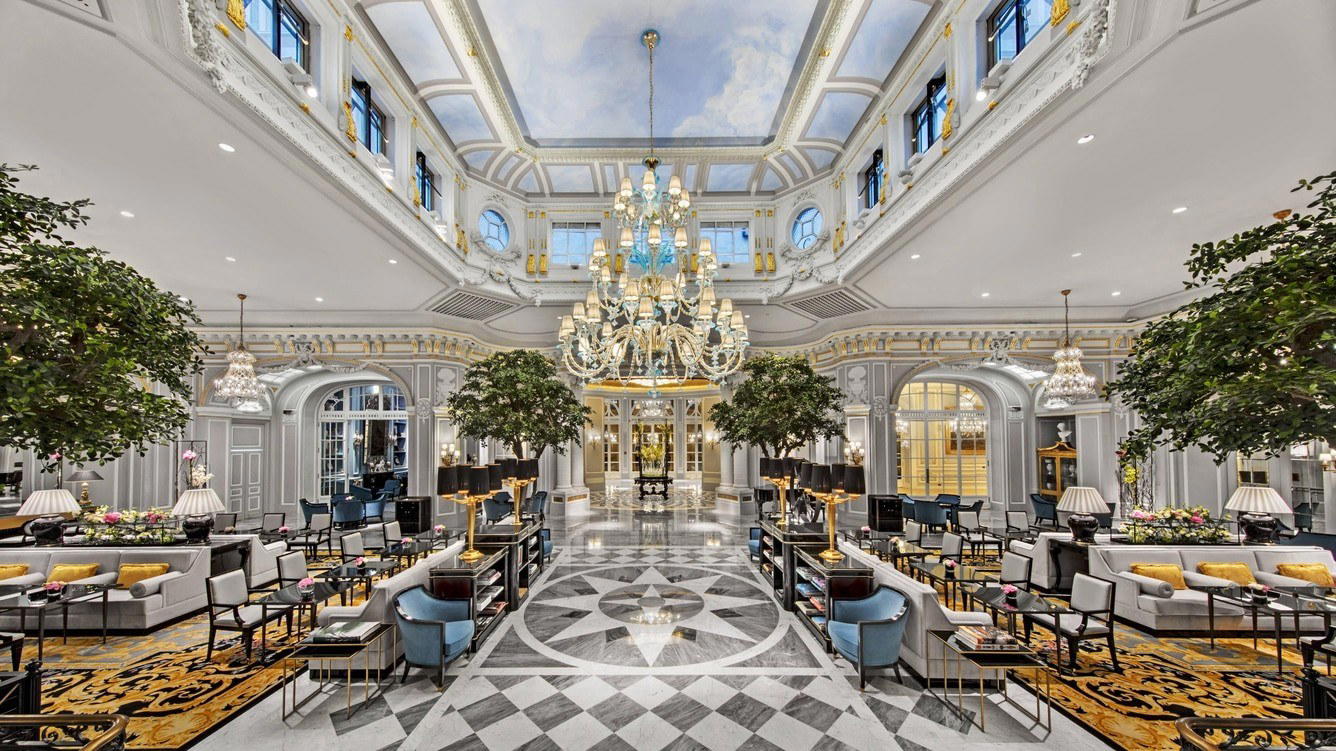
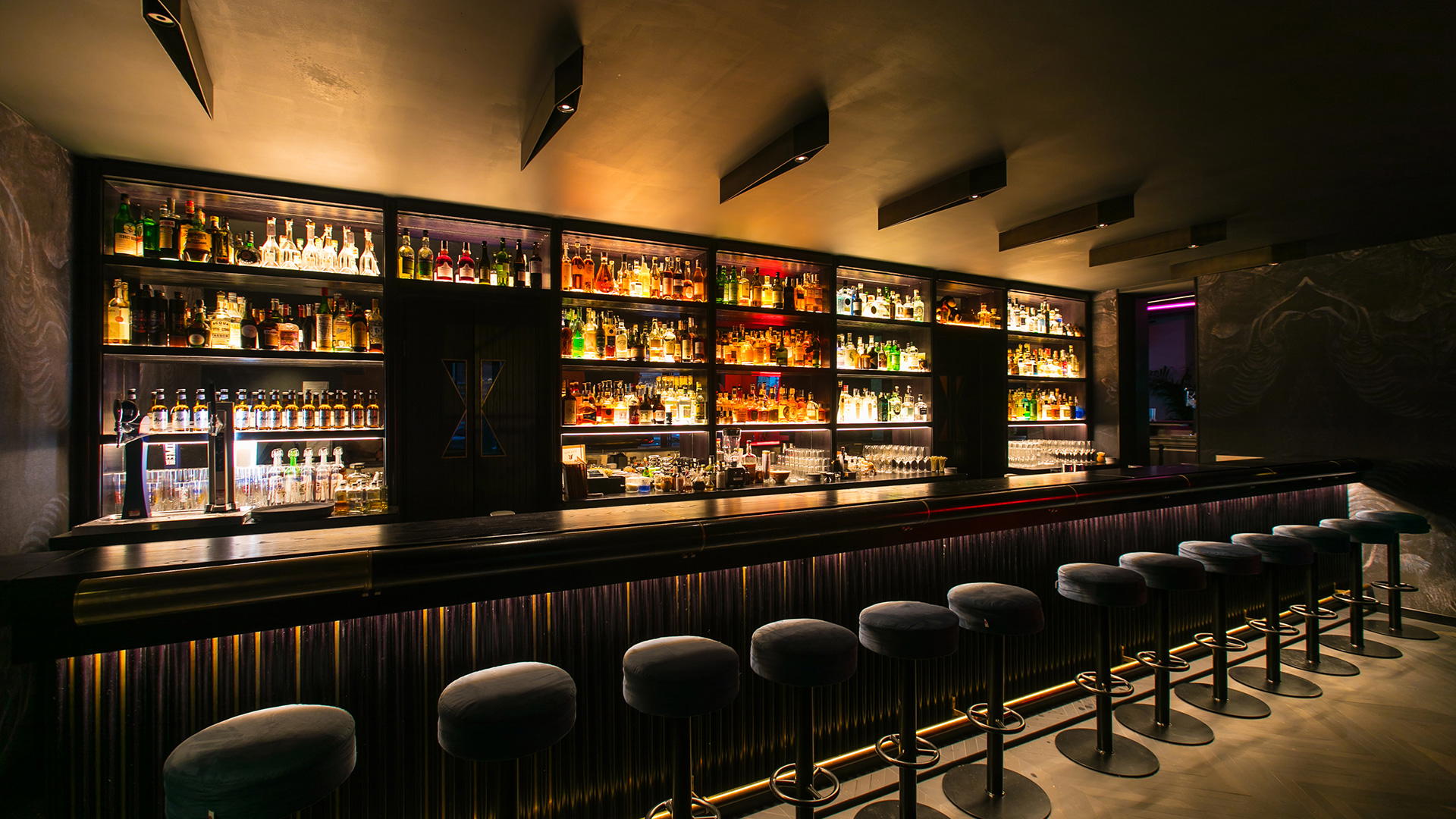
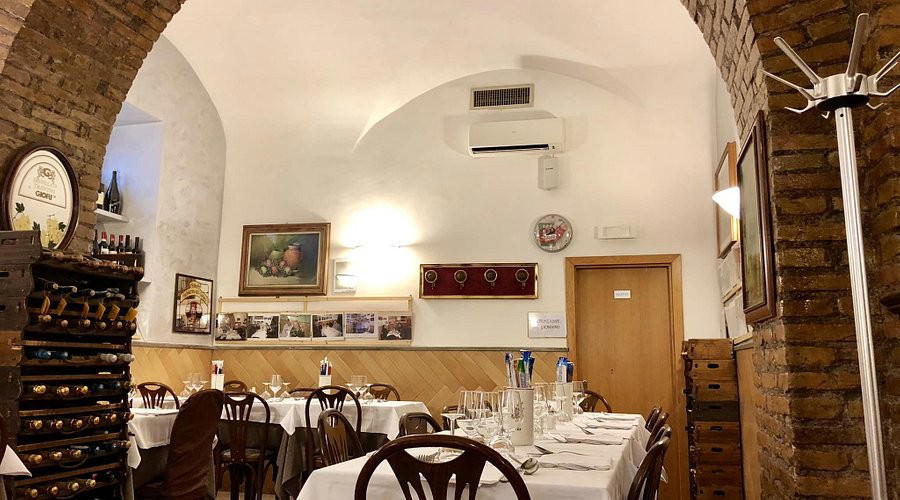
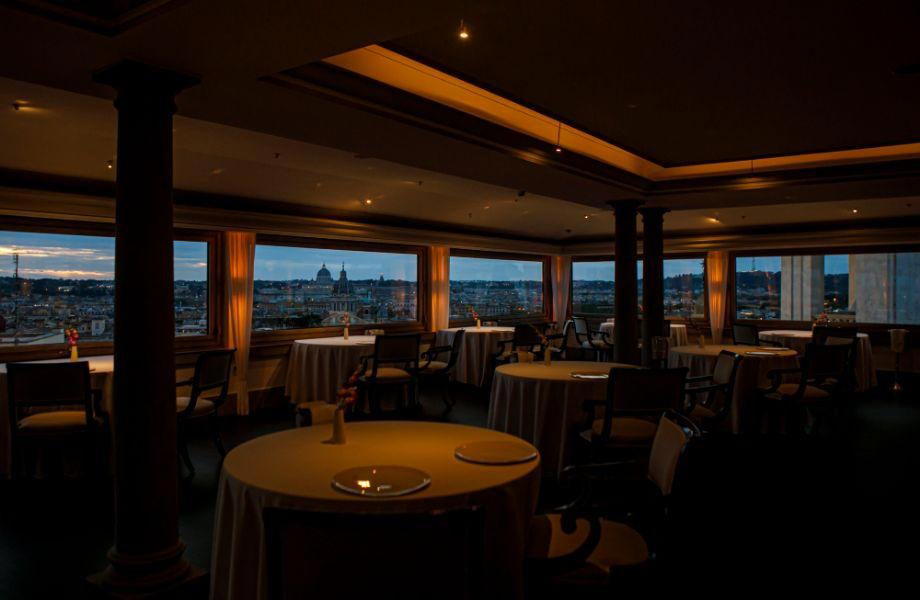
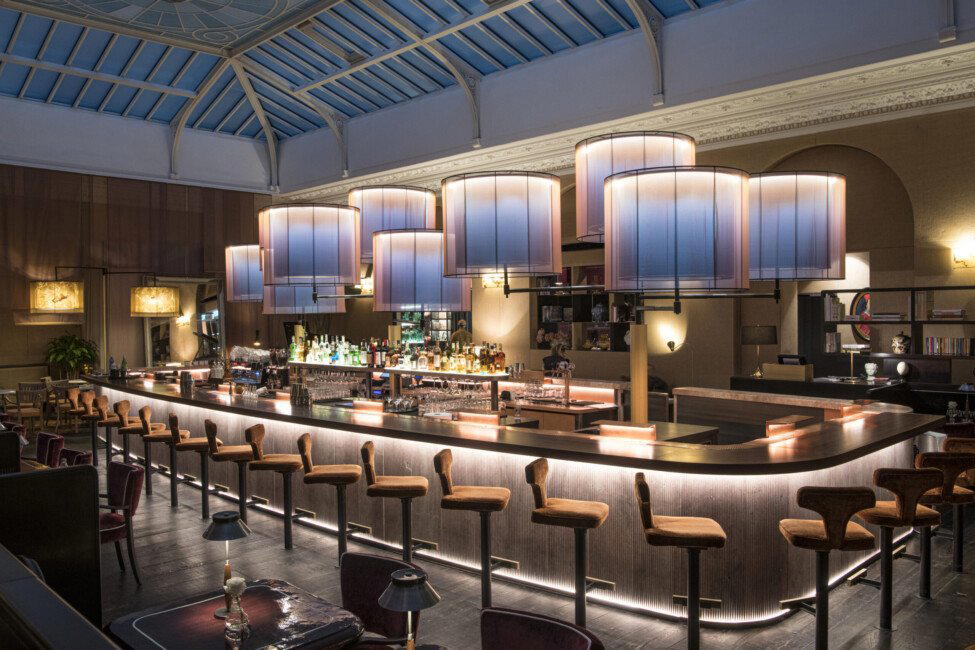
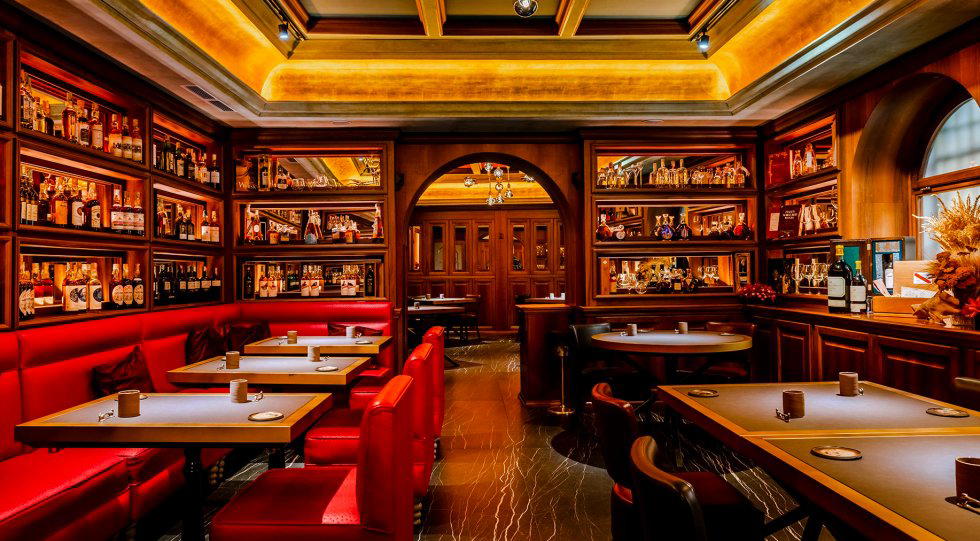
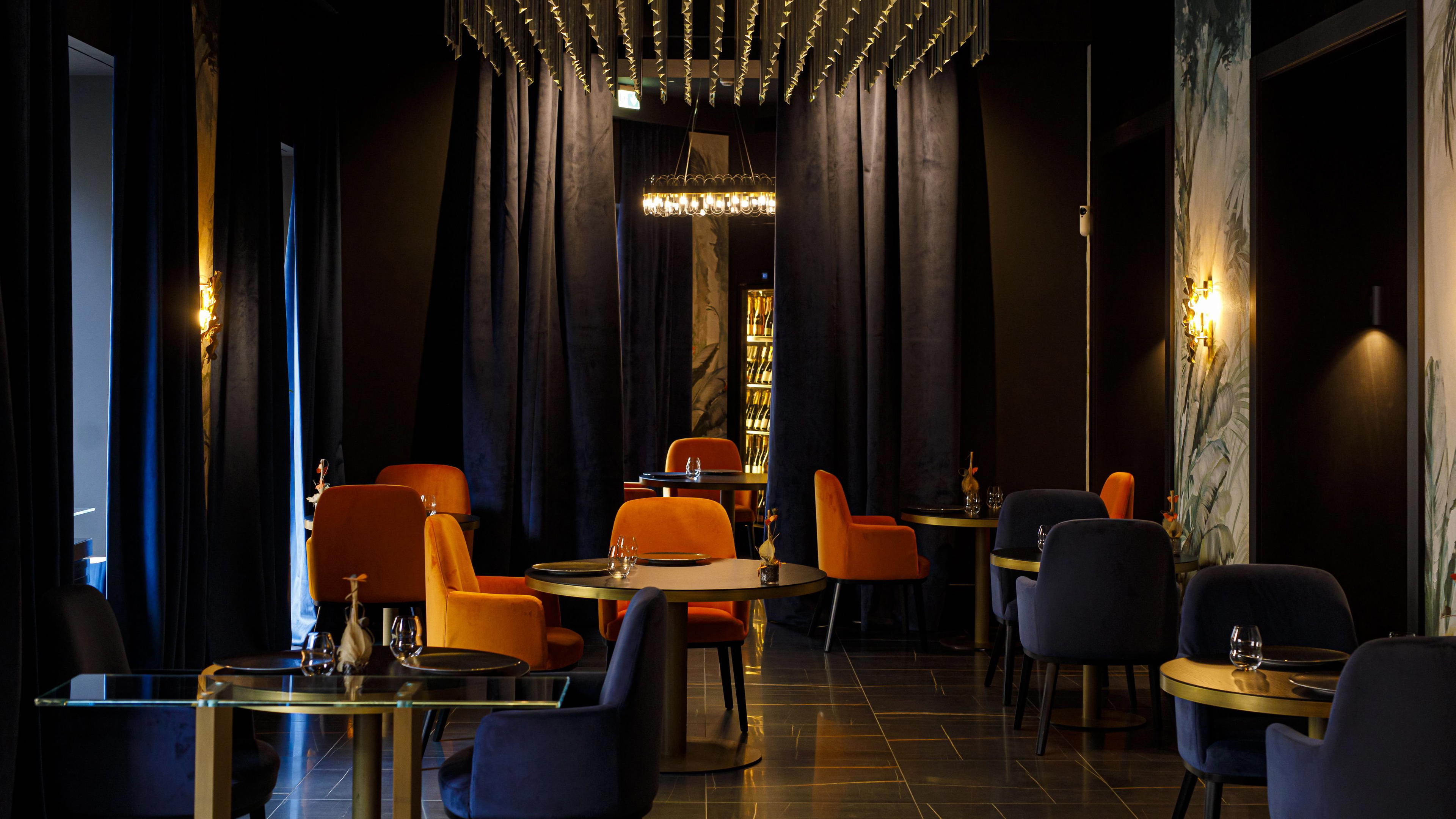
Elegant neoclassical interiors with marble finishes, warm lighting in public spaces, sophisticated rooftop bar with panoramic city views, refined lobby atmosphere.