
1 Michelin Key
A Michelin Key-recognised boutique hotel on Via degli Ibernesi in Rome's ancient core, The Inn at the Roman Forum occupies a medieval structure steps from the archaeological heart of the city.

Pearl is the En Primeur Club membership app, where members save venues, book tables and use the concierge.
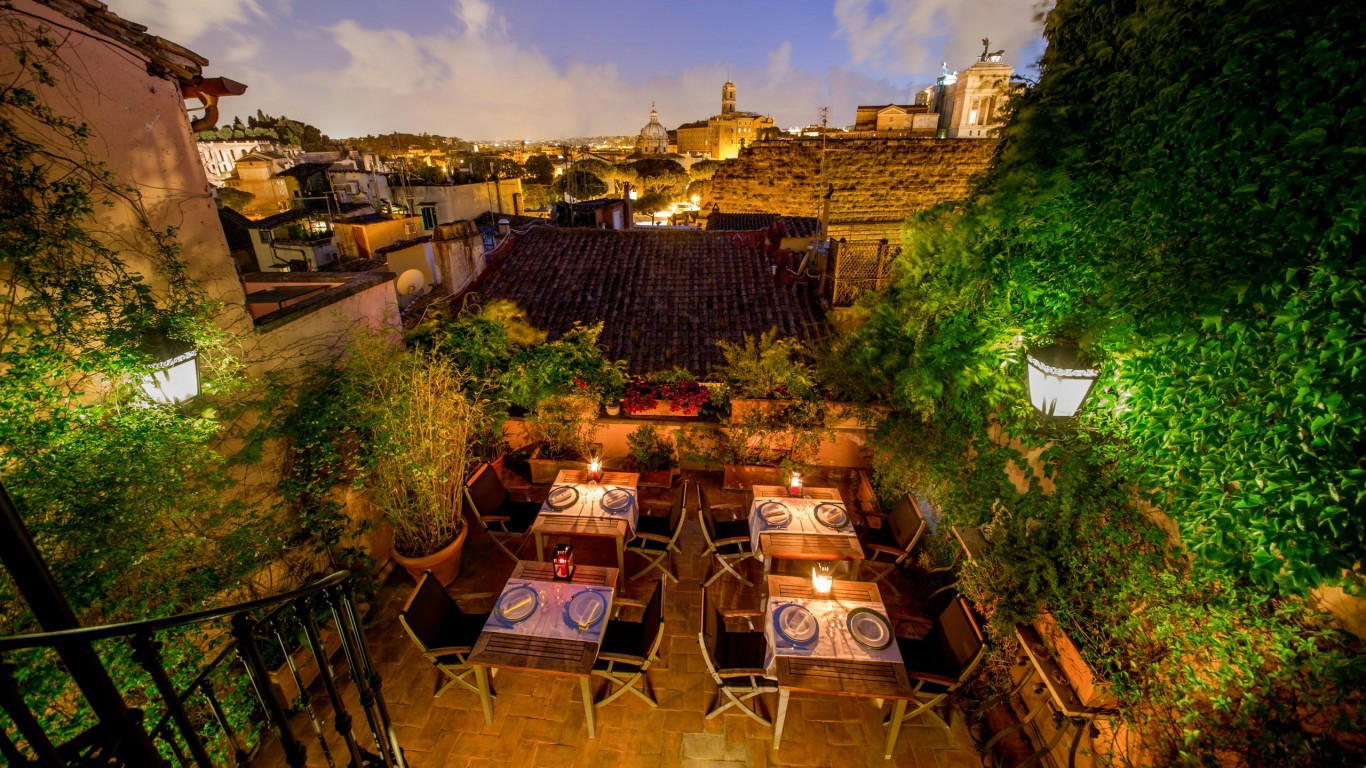
Stone, Layers, and the Weight of Place
Via degli Ibernesi runs through one of Rome's most archaeologically dense neighbourhoods, where the ground beneath your feet contains stratified centuries of habitation. The Inn at the Roman Forum occupies a building in this zone with a physicality that most contemporary hotels spend considerable money simulating: exposed medieval stonework, Roman-era fragments incorporated into the structure, and the kind of compressed historical density that only genuinely old buildings carry. Approaching it from the street, the scale is deliberately unhurried. This is not a grand-entrance hotel. The architecture does not announce itself. That restraint is, in the context of Rome's premium independent accommodation market, a considered position.
The 2024 Michelin Key awarded to the property places it within a tier of recognised boutique properties across Italy that have been assessed not just for comfort but for coherence: does the place have a distinct identity, does it execute it consistently, and does the environment reflect a point of view? The Key designation, now in its first years as Michelin's hotel-rating framework, signals institutional recognition that goes beyond standard hospitality metrics. Across Rome, a handful of smaller independent properties have received this acknowledgement, and The Inn at the Roman Forum sits among them, holding a different competitive position from the larger flagship addresses.
How Rome's Boutique Hotel Tier Works
Rome's premium hotel market is broad but stratified in ways that matter when you are choosing where to stay. At one end sit the large international addresses: Bulgari Hotel Roma, Hotel Eden, and Hassler Roma operate at a scale and brand-infrastructure level that places them in a different competitive set entirely. Slightly below that ceiling but still firmly in the premium category, properties like Hotel Vilòn, JK Place Roma, and Portrait Roma have built reputations around limited keys, high design specificity, and neighbourhood positioning.
What separates this tier from mid-market competitors is largely the density of editorial intent. Properties like Hotel Locarno and Maalot Roma each occupy their own distinct positions within Rome's independent hotel scene, where architectural character and neighbourhood specificity are the primary differentiators rather than chain amenities or square footage.
Place as Sustainability: The Oldest Argument for Staying Put
The sustainability conversation in hospitality often gravitates toward procurement metrics, solar panels, and farm partnerships. Those matter, and the better boutique properties across Italy have been quietly integrating them for years. But there is a prior argument, less often made explicitly, that applies with particular force to a property like The Inn at the Roman Forum: adaptive reuse of existing structures is itself a form of environmental commitment. Building nothing new when something of substance already exists, working within the constraints of a medieval Roman building rather than demolishing and replacing it, keeping construction impact close to zero by operating within inherited walls. That approach is not marketed as a sustainability credential. It is simply what it means to operate a small hotel in Rome's ancient core.
Across Italy, the boutique properties that have demonstrated the most sustained environmental coherence tend to be those that treat the existing built environment as the asset rather than the obstacle. Castello di Reschio in Lisciano Niccone is perhaps the most documented example of this approach at scale, where an entire agricultural estate was restored and repurposed rather than replaced. Corte della Maestà in Civita di Bagnoregio operates with similar logic in a hilltop village that has no physical capacity for new construction. The Inn at the Roman Forum's position within Rome's archaeological heart places it in that same category, even if the context is urban rather than rural.
In a city where the hospitality sector operates under significant regulatory restriction around archaeological zones, every operational decision in this neighbourhood carries an implicit relationship to heritage preservation. The choice to stay in a property of this kind is, in practical terms, a contribution to the economic viability of maintaining these structures. That is the oldest sustainability argument, and in Rome it carries more weight than in most cities.
The Location Argument, Made Precisely
The address on Via degli Ibernesi places the property within immediate walking distance of the Roman Forum and the Colosseum, which are the two most visited archaeological sites in the country. That proximity is not primarily a convenience argument. It is a question of temporal relationship to the city. Staying in this neighbourhood means the early-morning hour, before tour groups arrive, is accessible on foot. The Forum at dawn, when it is still quiet and the light is low across the columns of the Temple of Saturn, is a different experience from the Forum at midday. A hotel in this zone enables that version of the visit in a way that properties further west in the historic centre do not.
For those comparing properties across Rome's premium independent sector, the locational logic varies significantly. Hotel Vilòn positions you in the Piazza di Spagna orbit; JK Place Roma sits in the quieter residential pocket near the Tiber. The Inn at the Roman Forum is the archaeological Rome option, which is a distinct editorial category, not simply a geographic one.
Italy's Broader Boutique Context
The Inn at the Roman Forum belongs to a pattern visible across Italy's premium independent hotel sector. From Aman Venice occupying a 16th-century palazzo to Casa Maria Luigia in Modena operating within a historic estate, the properties that have built the most coherent identities tend to be those where the building itself carries the majority of the editorial weight. Borgo Santandrea on the Amalfi Coast and Il San Pietro di Positano make a similar argument in a coastal register. Four Seasons Hotel Firenze and Rosewood Castiglion Del Bosco in Montalcino do so at considerably larger scale. The Inn at the Roman Forum operates within this tradition at a more intimate register. See our full Rome hotels and restaurants guide for a broader view of where it sits in the city's wider hospitality picture.
For those building a broader Italian itinerary, properties like Passalacqua in Moltrasio, Portrait Milano, Borgo Egnazia in Savelletri di Fasano, Il Pellicano in Porto Ercole, and JK Place Capri represent a comparable tier of independently minded, architecturally specific properties across different regions. The Inn at the Roman Forum connects to that network as Rome's entry point in the ancient-city category.
Planning Your Stay
The property sits at Via degli Ibernesi, 30, in Rome's Rione Monti area, which makes it walkable to the Forum, the Colosseum, and the Palatine Hill without requiring transport. For guests arriving from outside Europe, the neighbourhood's proximity to Termini station (Rome's main rail hub) means transfers from the airport via Leonardo Express are direct. Given the Michelin Key recognition and the limited inventory characteristic of boutique properties in this category, advance booking is advisable, particularly for spring and autumn travel when demand across Rome's premium independent sector runs highest. That specificity is the point: this is a property for a reader who has decided that Rome's archaeological core is where they want to be, and who wants a formally recognised boutique hotel to anchor that visit.
Reputation Context
Comparable venues nearby, for context on price, style, and recognition.
| Venue | Cuisine | Price | Awards | Notes |
|---|---|---|---|---|
| The Inn at the Roman ForumThis venue (the venue you are viewing) | Intimate five-storey terraced townhouse converted into a luxury boutique residence with personalized service and historic character. | $500–750 | 1 Michelin Key | Not listed |
| Hotel Locarno | Historic Art Deco boutique hotel with retro-classic style. | $500–750 | 1 Michelin Key · La Liste Top Hotels | Campo Marzio |
| The First Arte, Rome | Contemporary luxury boutique hotel blending 19th-century palazzo architecture with modern design and curated contemporary Italian art. | $300–500 | 1 Michelin Key · Virtuoso Luxury Hotel Partner | Campo Marzio |
| Umiltà 36 | Retro-inspired Roman Dolce Vita boutique with refined ambiance and modern touches | Not listed | 1 Michelin Key · Mr & Mrs Smith Seal of Approval | Trevi |
| Palazzo Roma | Historic aristocratic palace with modern luxury renovations | Not listed | 1 Michelin Key · Mr & Mrs Smith Seal of Approval | Colonna |
| Portrait Roma | 5-star luxury boutique hotel offering private mansion experience with tailored suites. | $750–1,000 | 1 Michelin Key · La Liste Top Hotels | Campo Marzio |
Recognition history
Dated appearances from independent guides and award organizations, with the underlying list record or original source where available.
Michelin 1 Key
Michelin
Continue exploring
More in Rome
Hotels in Rome
All hotels in Rome →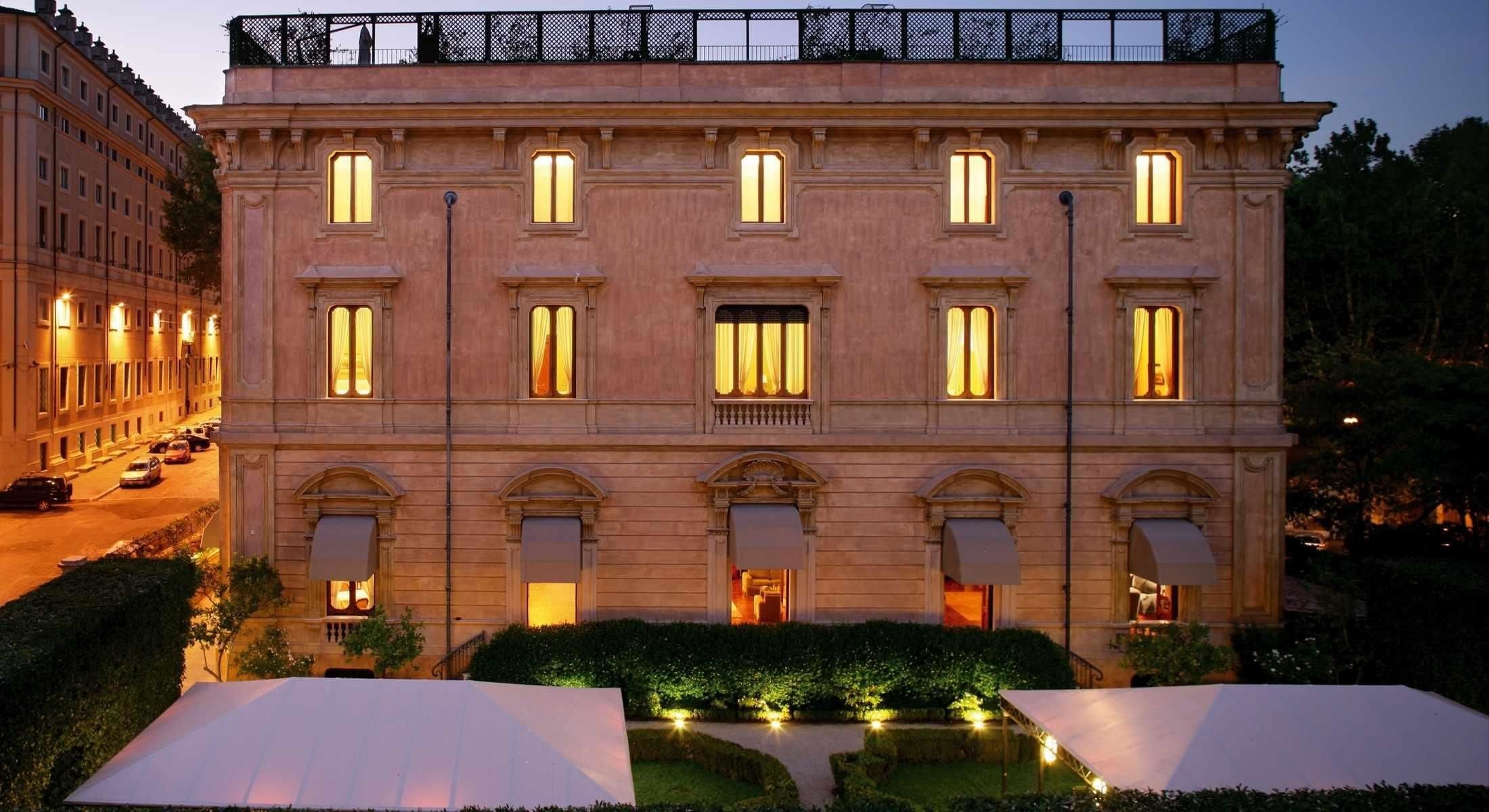
Bars in Rome
All bars in Rome →
Restaurants in Rome
All restaurants in Rome →

Details
- Elegant
- Romantic
- Intimate
- Sophisticated
- Classic
- Romantic Getaway
- Honeymoon
- Anniversary
- Weekend Escape
- Historic Building
- Panoramic View
- Garden
- Terrace
- Wi Fi
- Concierge
- Room Service
- Bar
- Garden
- 24 Hour Front Desk
- Laundry Service
- Skyline
- Garden
- Elevator
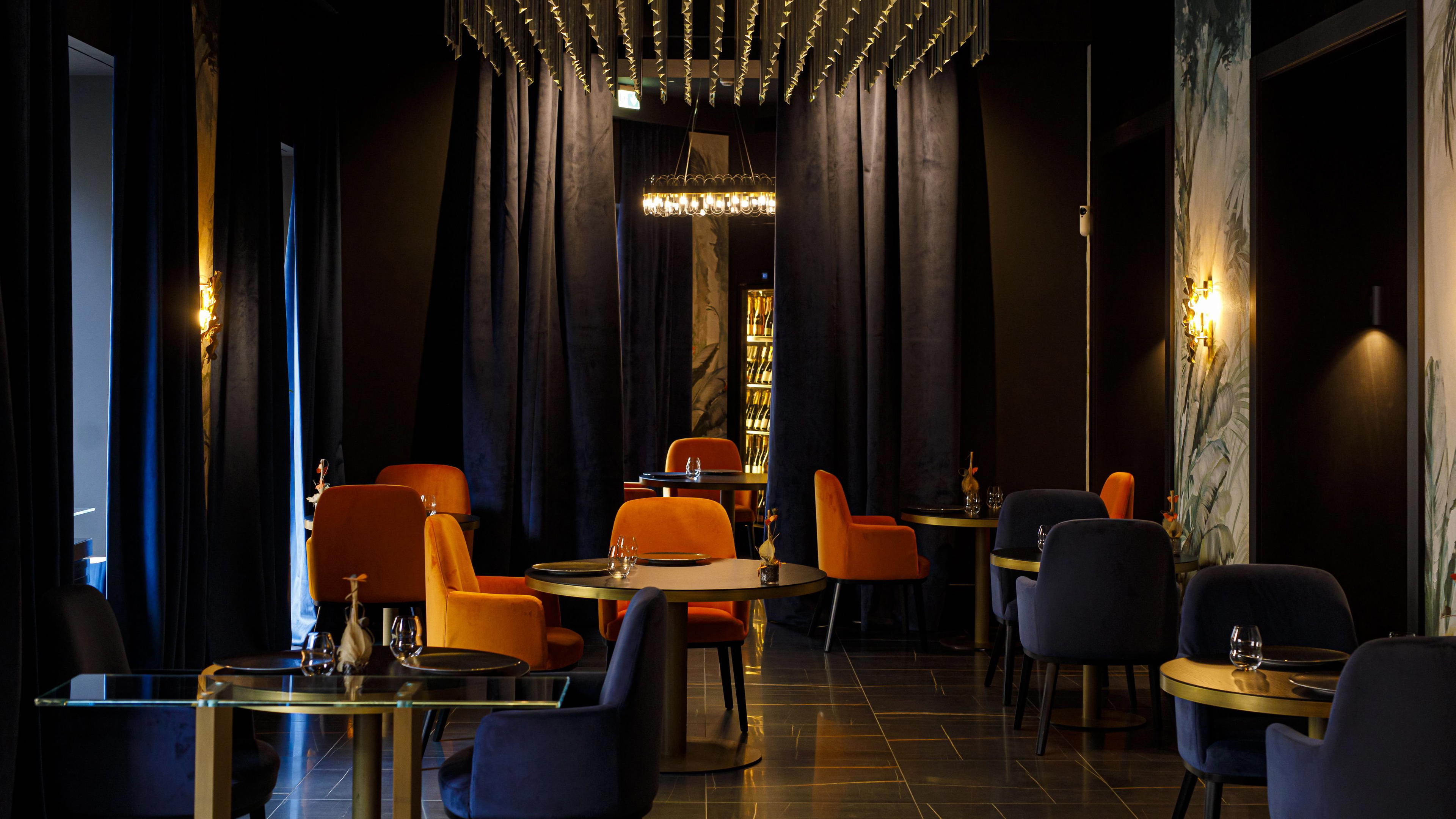
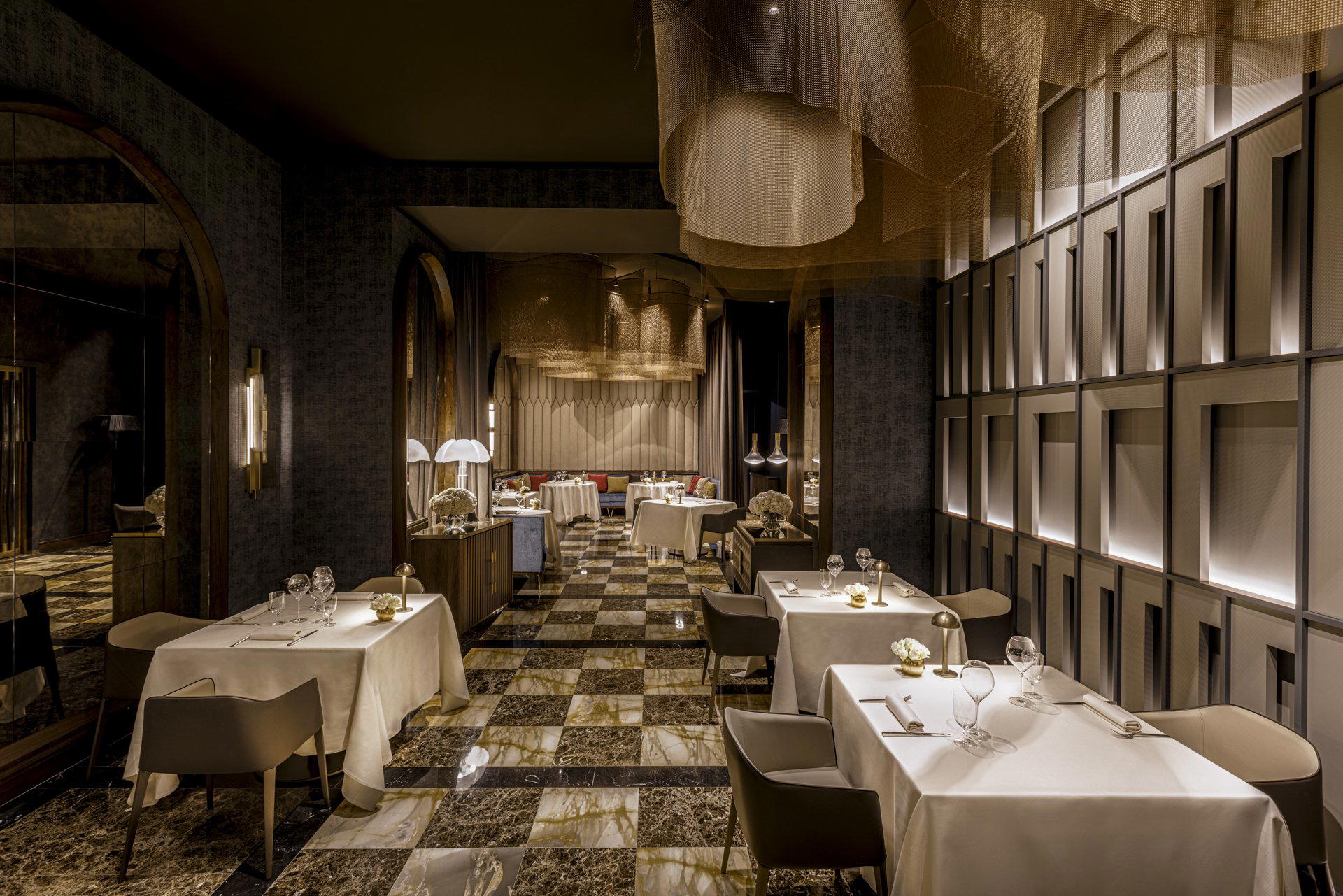
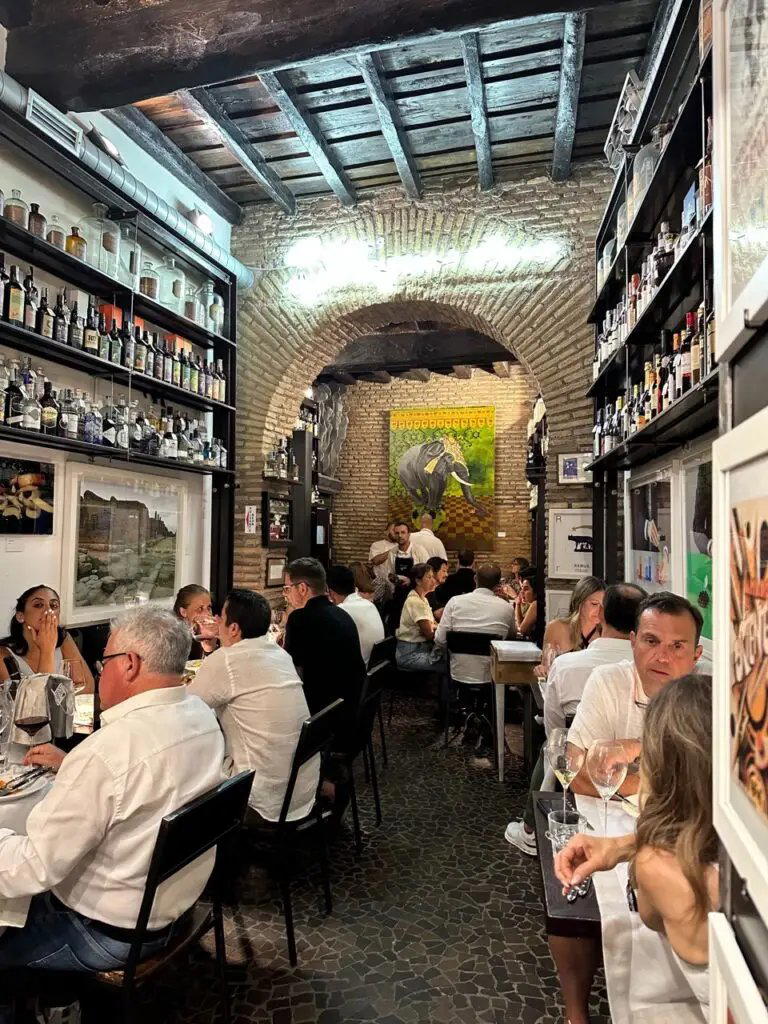
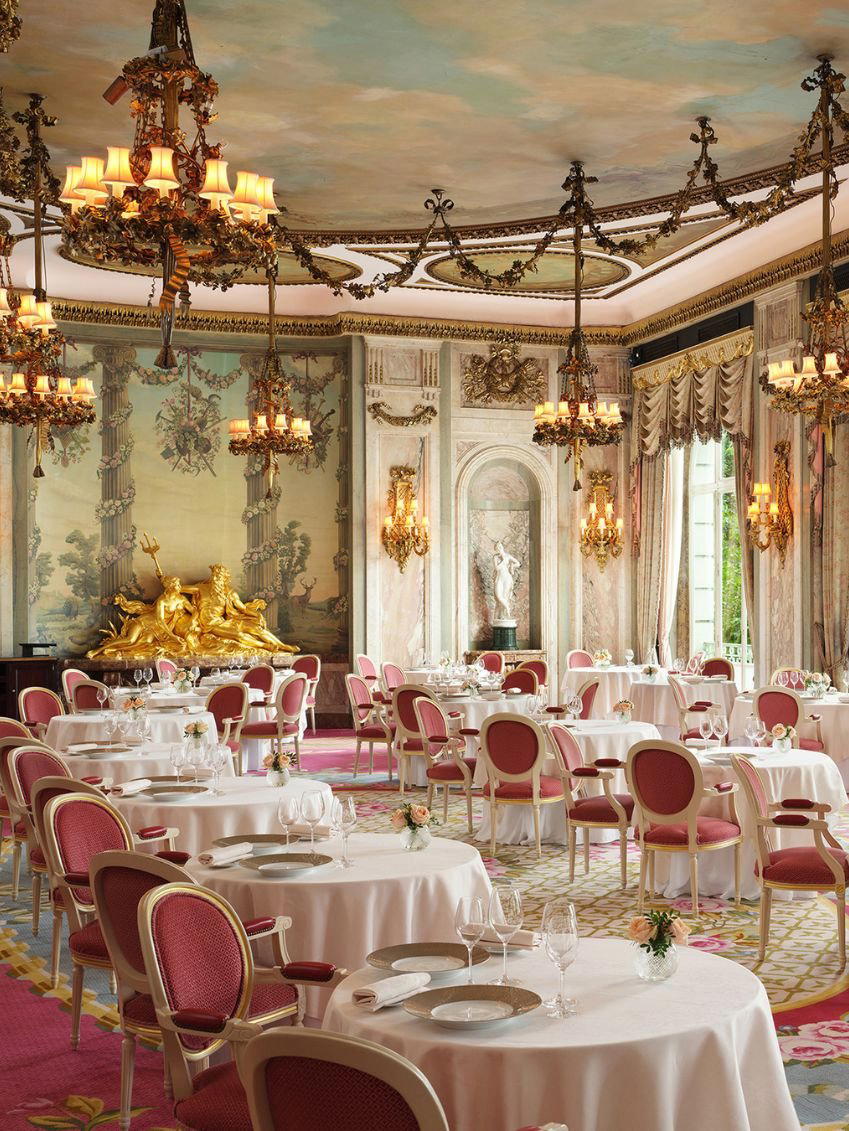
Warm, welcoming, and intimate with elegant decor featuring a suspended chandelier, fireplace in the lounge, and soft lighting that evokes early 20th-century charm while maintaining modern sophistication.